
Monday 18 May 2026 – Auckland to Sydney: Sylvia
After arriving in Auckland to join Roger on Sunday afternoon, we spent a quiet evening at home. We were up bright and early this morning with a 5:30am pick up arranged to take us to the airport to check in for our 8:10am Qantas flight to Sydney. All went very smoothly, both on the NZ and the Australian end and we were very pleased that the Shangri-La hotel had our room ready when we arrived at the hotel just after 12. It was a grey, drizzly day in Sydney and, having been there numerous times before, we didn’t have anything specific planned for the afternoon. I googled what’s on in Sydney today and a Harry Potter Experience popped up. Given that I have recently been relistening to the books on audible, we decided to go and check it out.
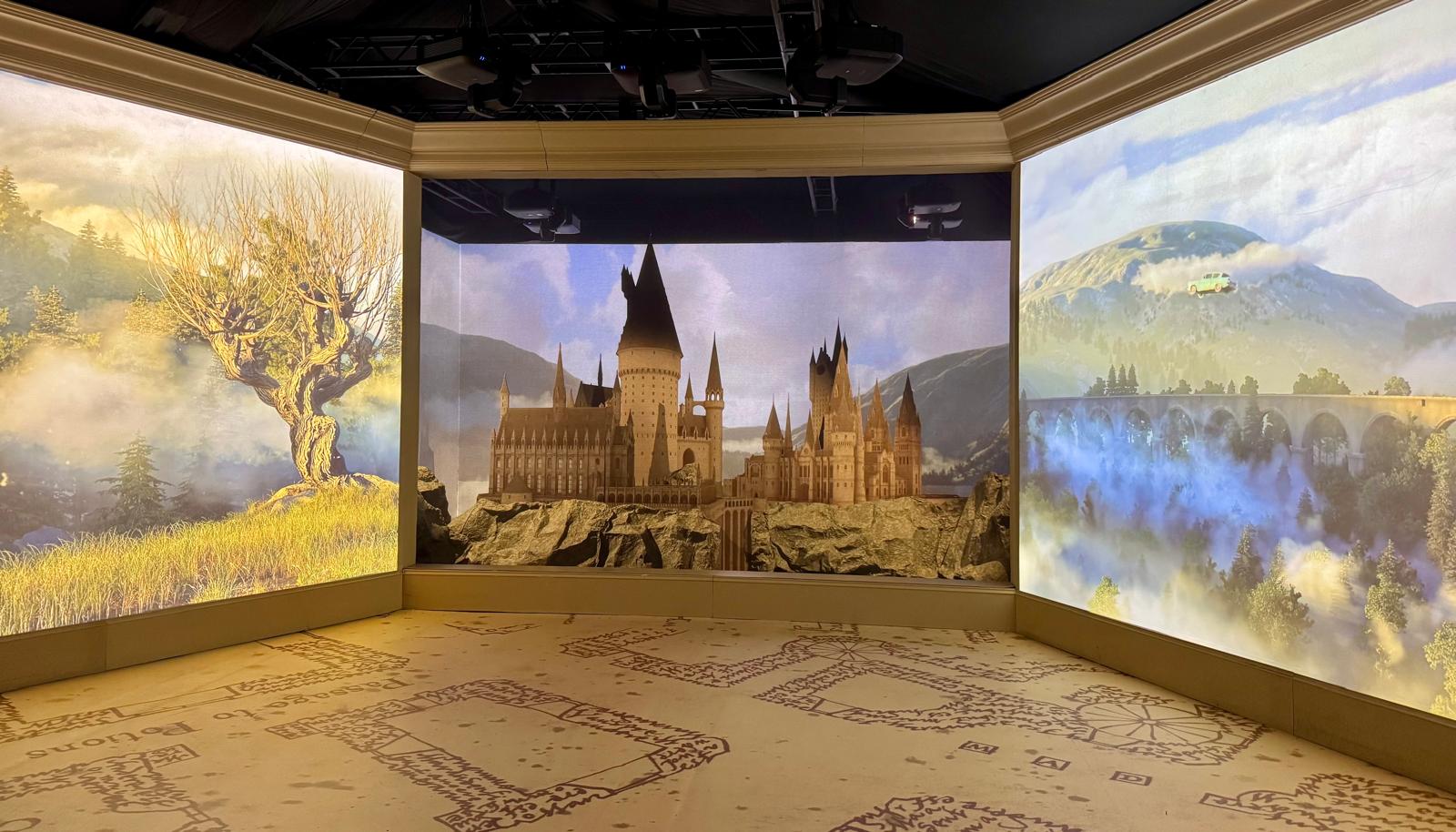
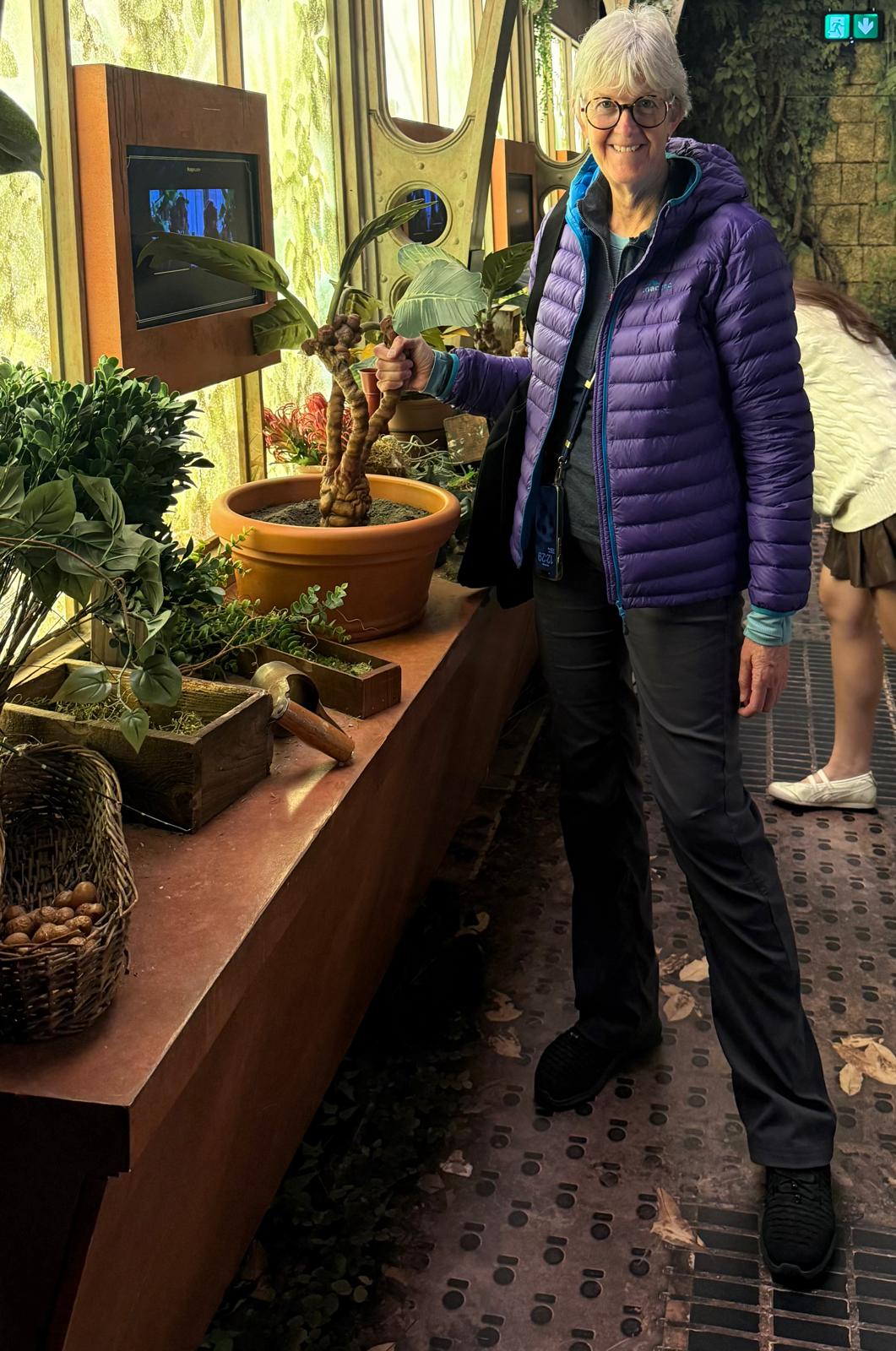
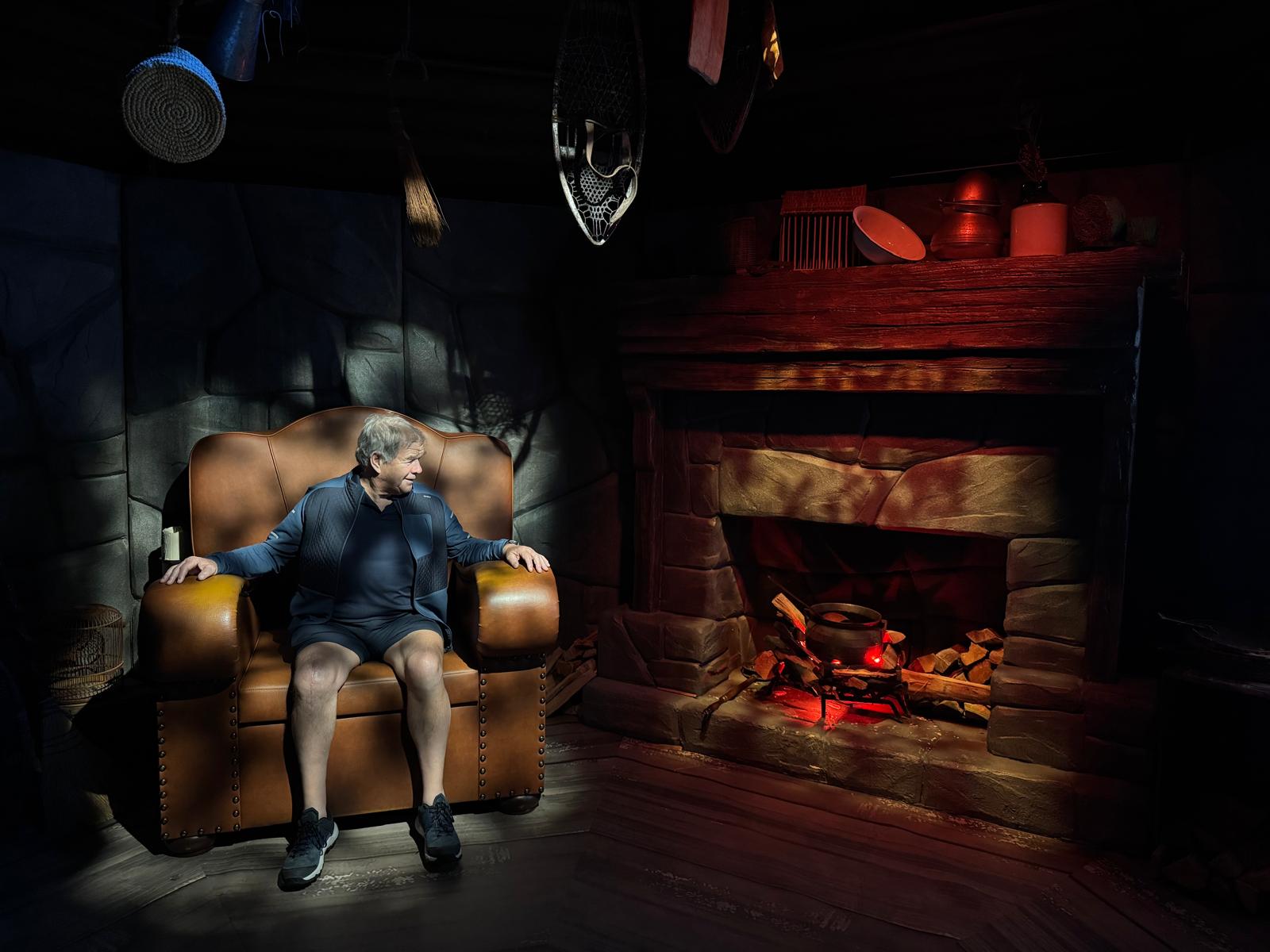
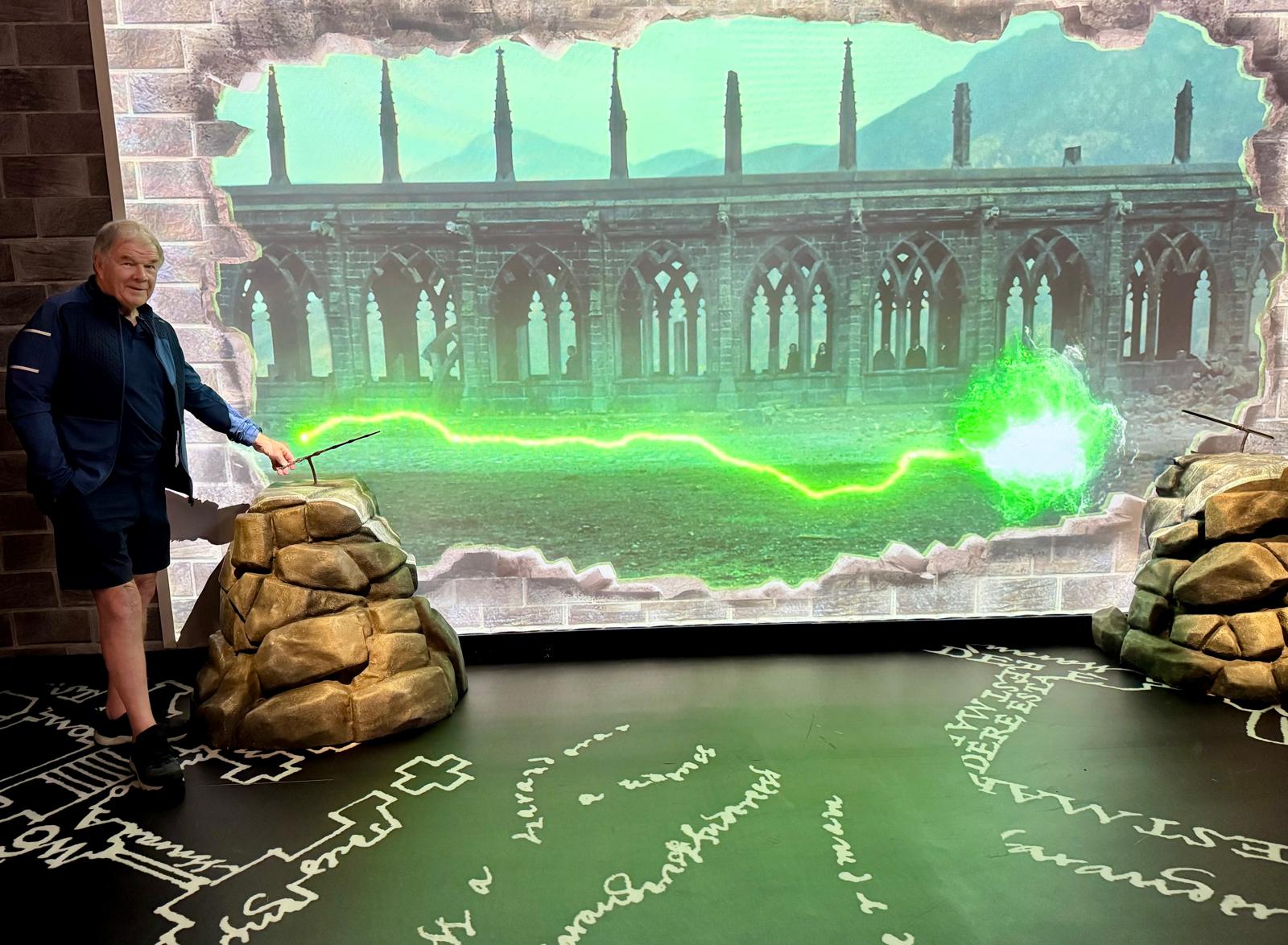
We caught an Uber to the Olympic Park area, where the experience is being held, once again marvelling at the incredible engineering of the long tunnels that make getting around Sydney pretty simple. The experience itself was a bit of light-hearted fun, show-casing costumes and memorabilia from the movies. There were plenty of interactive exhibits and opportunities for photos. Roger particularly enjoyed blowing up potions in the cauldron – by not adding the right ingredients, and the wand that shot green sparks out when you held it….





We returned to the hotel for a light snack and a rest before meeting our friend Lesley for drinks in the bar up on the 36th floor. With stunning views over Sydney Harbour it is not a bad place to catch up. We continued on with an early dinner in the Altitude restaurant next door, enjoying a delicious two-course gourmet dinner before saying goodbye to Lesley and heading back to our room for an early night.
Tuesday 19 May – Sydney to Darwin: Roger
It was just prior to 6am when we jumped in an Uber for the 25-minute drive to the Sydney airport. Check in and security went quickly and smoothly and soon we were sitting in the Qantas lounge waiting for our boarding call. A cup of coffee and a snack and it was time to hobble down to the gate. Yes, I’m still hobbling along at a fairly slow pace, after a severe knee infection and blood poisoning on 1 March, following a knee replacement three-and-a-half weeks earlier.
The flight to Darwin is four hours and forty minutes, fifty minutes longer than the flight from New Zealand yesterday. The food on this flight was a big improvement on what we had yesterday, which helped the time to pass a bit quicker. Landing in Darwin, our bags actually came out first and soon we were in an Uber and on our way to the Palms City Resort with its advertised harbour view. If you look carefully through the foliage you can make out a little bit of sea, but I’m not quite sure what they’ve done with the harbour.

After dropping off our bags we headed off to the Laneway Cafe, which Sylvia had found on line, claiming to have the best coffee in town. The food was pretty good too. I enjoyed some spicy beans with kale and a few other things and Sylvia had the nourish bowl, with arancini, kale slaw and halloumi. Fed and coffee’d, or in Sylvia’s case hot choclate’d, we grabbed another Uber and headed to the Stoke’s Hill Wharf, where there is a museum covering both the bombing of Darwin and the Royal Flying Doctor Service.
We were given a rather thorough introduction by one of the staff, who told us how all the interactive stuff worked and when the holographic shows were going to be on. Plonking ourselves in a chair and donning a VR headset, we watched one version of the bombing on the 19th February 1942 in which this wharf was completely wrecked and the ship sitting alongside it, unloading mines and ammunition caught fire and exploded as around 200 Japanese bombers and fighter planes demolished not only the wharf but also several of the war and merchant ships in the harbour. We then had a look through some of the exhibits, many of which are interactive, including one showing the Australian prime minister at the time, who you could ask some pre-selected questions to which he gave some politician-like answers. There was also another VR set up where you found yourself sitting beside one of the pilots in the Flying Doctor service.

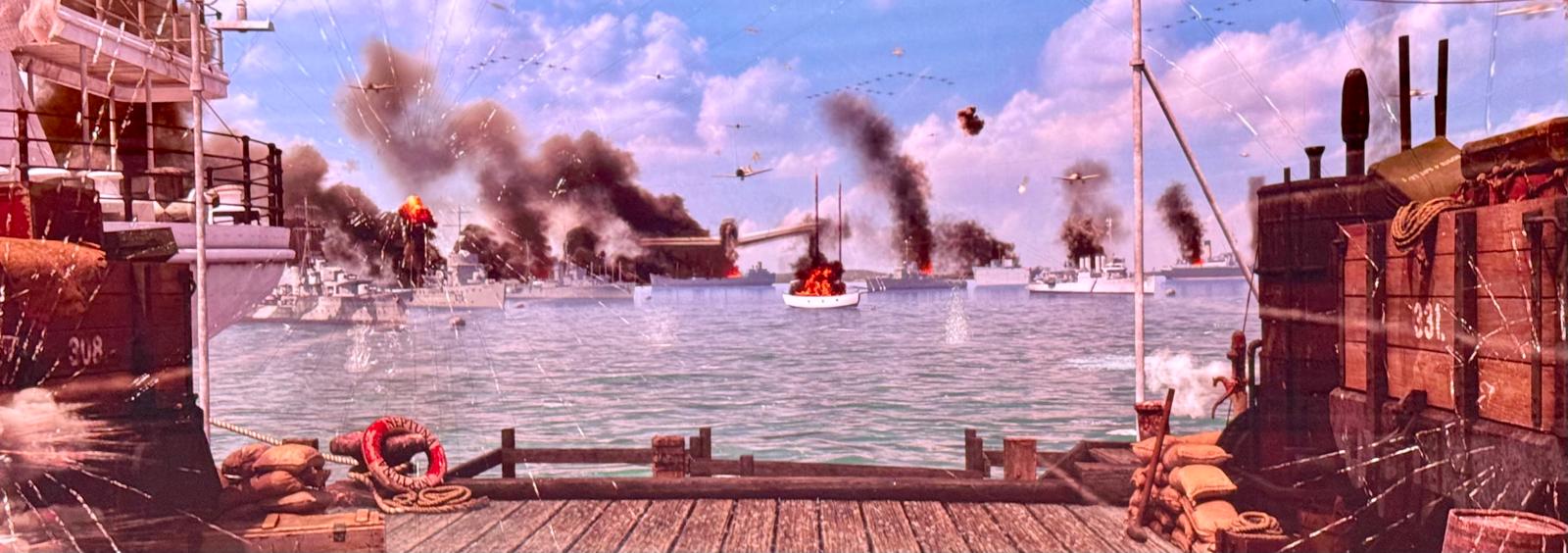

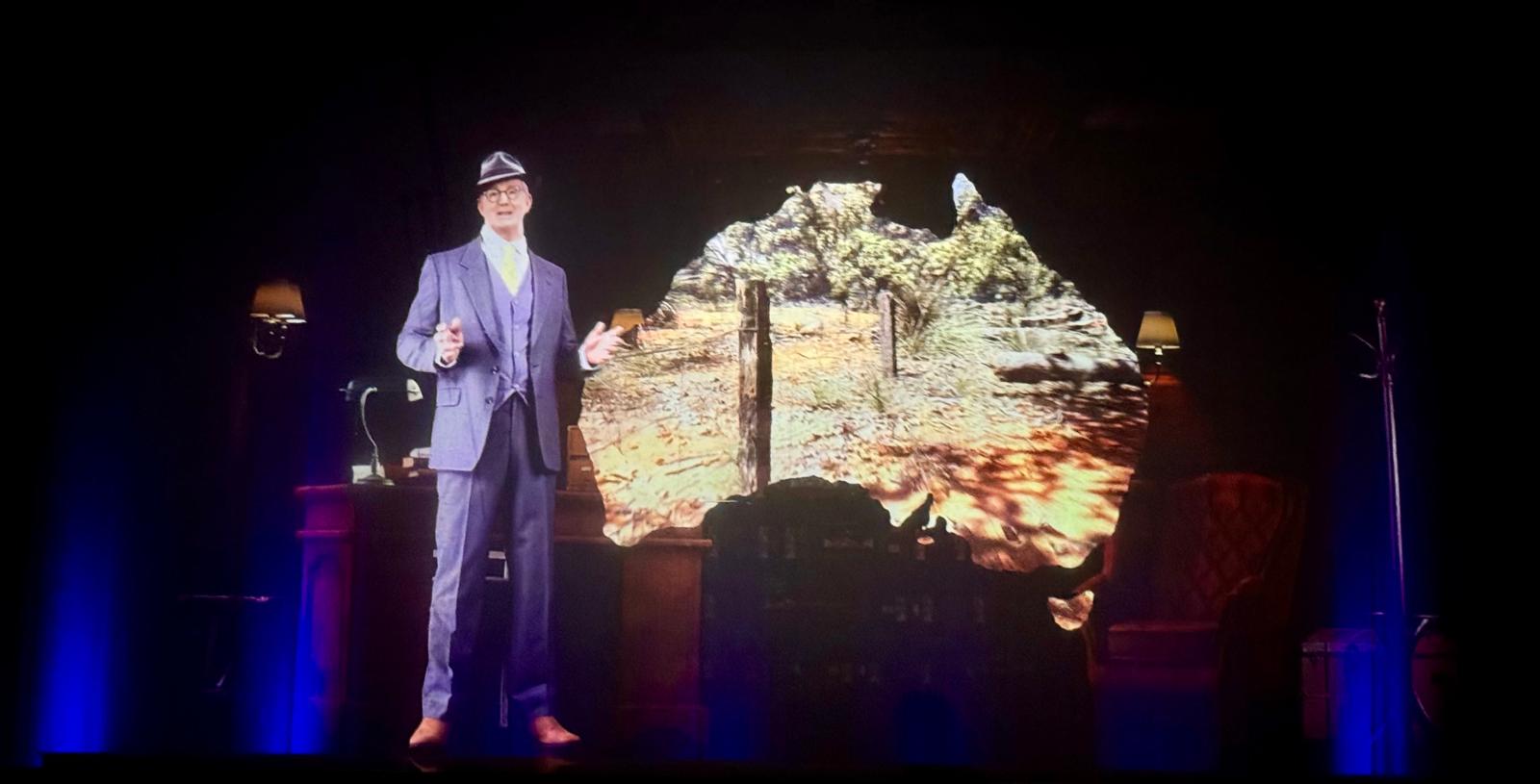
We were then ushered into the theatre where a hologram film was shown about Commander Etheridge Grant, who at the time was the Commanding Officer of the USS William B Preston, a frigate that had been converted into a sea-plane tender, which was operating through South East Asia and happened to be in Darwin on the day of the attack. Commander, later to become Rear Admiral, Grant was at the time of the bombing at the American Consulate and his number two, that was on the William B Preston, engines already running just in case, headed on a zig-zagging course to try and avoid the bombs and get the ship out of the harbour. One bomb hit near the stern, jamming the rudder so the engines were used to steer the ship to safety.
This was followed by another hologram of the formation of the Flying Doctor Service by John Flynn. With the first flights taking place in 1928 after some letters convincing parliament that the service was needed to support the people living in the remote outback of Australia. The service now has over seventy aircraft with many being purpose-built twin-engine jets that can fly from Darwin to Adelaide in three hours. Now days they clock up the equivalent of 34 return trips to the moon every year. The planes are equipped with very sophisticated medical equipment including incubators, ultrasound and x-ray equipment to name a few.
After that we headed to the local Coles supermarket to get a few provisions for the train journey tomorrow only to find that the place had bugger all and many of the shelves were empty.
In the early evening we took a stroll down to the waterfront and sat at the Beef and Bar eatery overlooking salt water pool with the last of the swimmers and sunbathers vacating the area as darkness absorbed the grounds and these odd-looking things which Sylvia claimed were bats flew around from time to time. I thought they were just seagulls heading back late from their feeding.

Wednesday 20 May 2026 – The Ghan, Darwin, Katherine: Sylvia
Breakfast at the Palms City Resort didn’t start until 7:30am and our pick up for the Ghan was scheduled for 7:45am so we had a very hurried, light bite to eat before boarding a very comfortable van for the ~20 minute drive to the train station, some 25kms south of Darwin city. We were met by the station manager, James and our butler for the trip, Sebastian. Our luggage was whisked away and we were ushered into the Platinum lounge to wait boarding. Tea, coffee, Bollinger champagne and an array of pastries and fruits were available and we were handed our lanyards for the journey. As we had booked one of the two suites on the train we had fancy burgundy lanyards while the other platinum guests had white ones. It made me feel a little conspicuous.

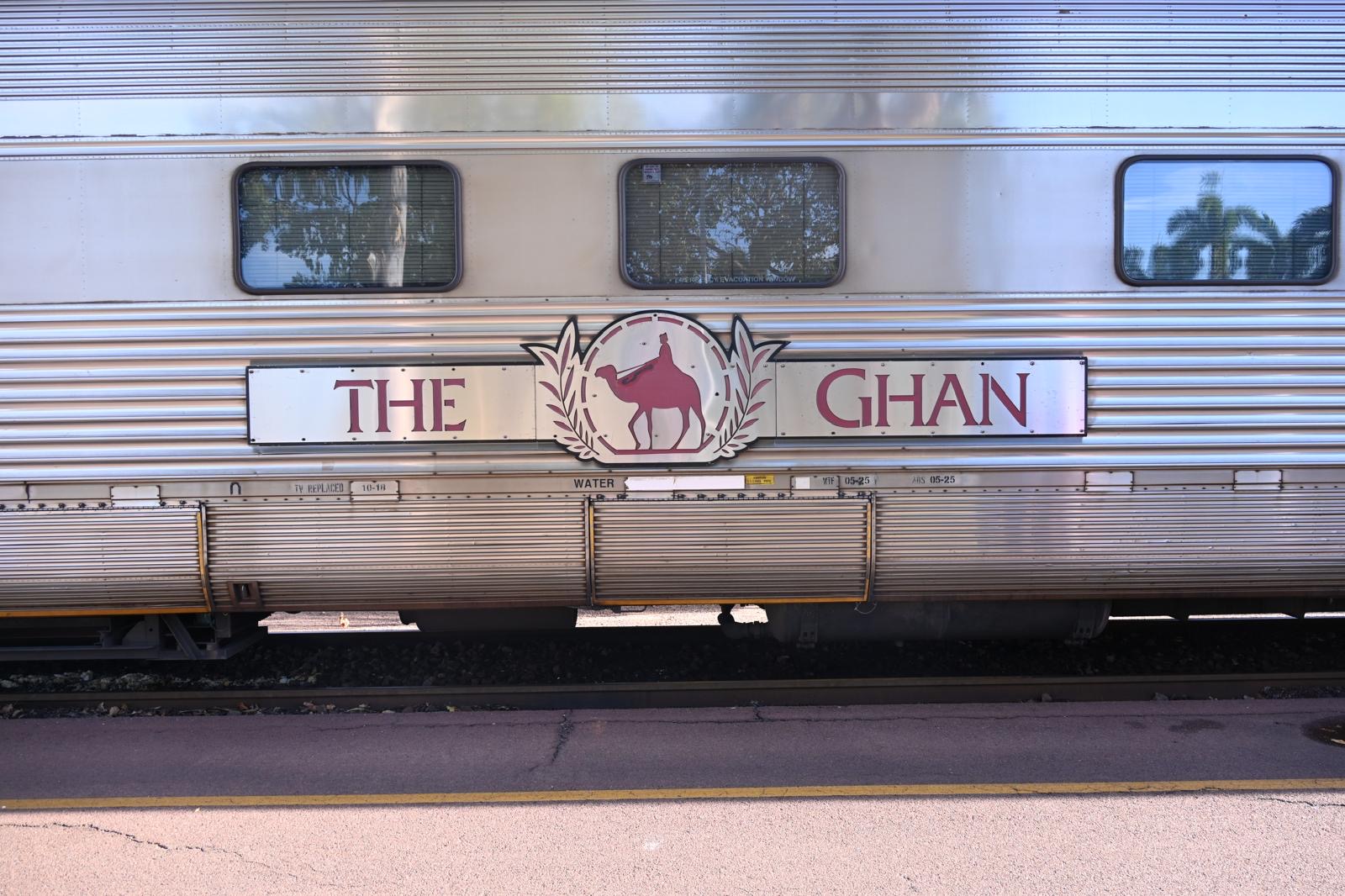
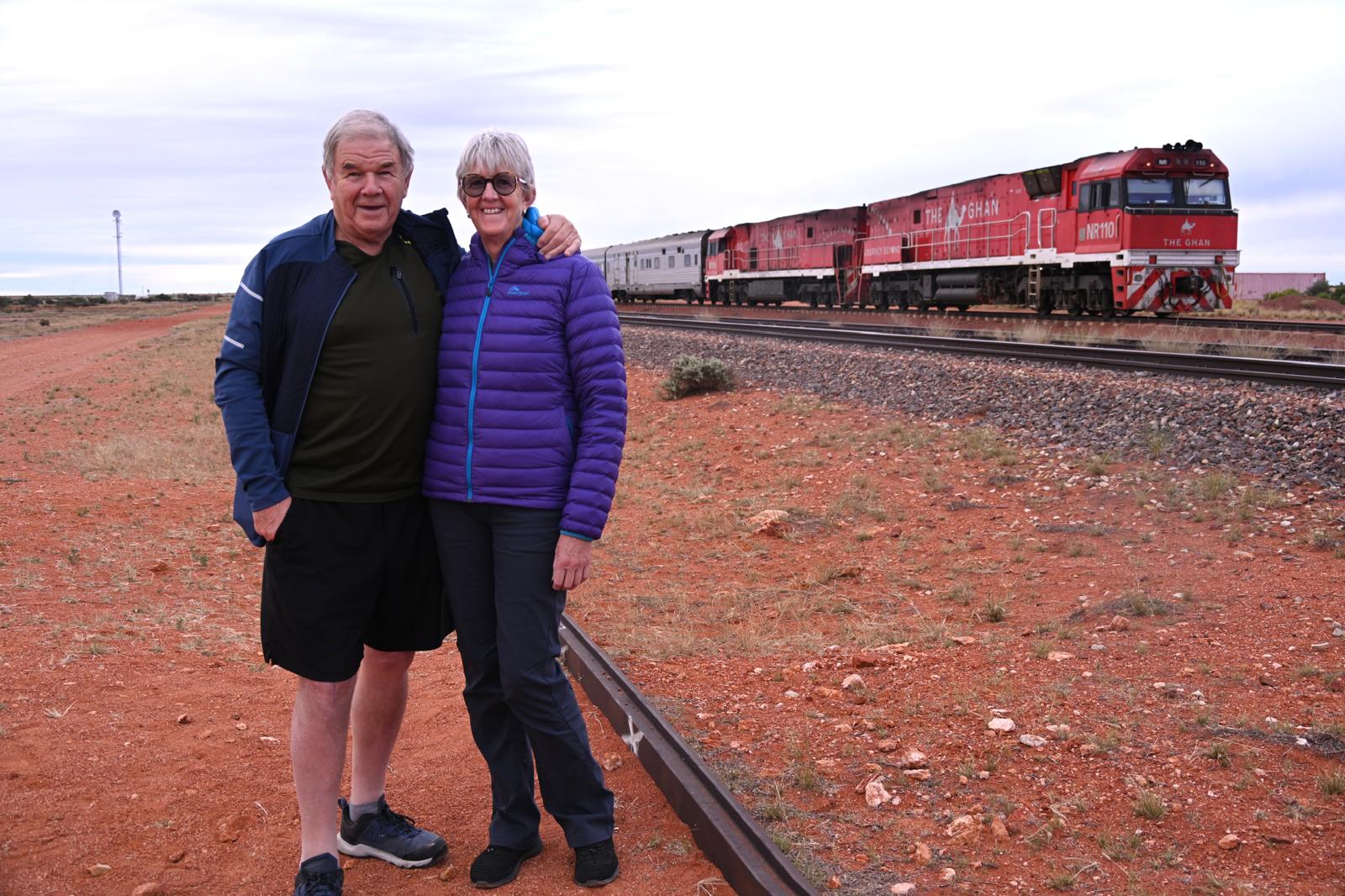
We took the opportunity to take some photographs of the train, which at 854m long, will carry 239 guests and 44 crew the 2,979kms to Adelaide. It wasn’t too long before Sebastian returned with an extended golf cart to transfer us and Ralph and Alison, who are in the other suite, to our carriage. More snacks and a non-alcoholic sparkling wine awaited us. We will certainly not be going hungry on this trip. Sebastian introduced the plans for the trip and left us to settle in and unpack before returning to stow our unneeded luggage.

Our suite is very comfortable…. One room with a queen size bed and a spacious wardrobe, another with a couch, small table and a well-stocked mini-bar and coffee station, and finally a comfortably sized bathroom.


The railway from Adelaide to Darwin was first developed in the early 1900’s. The first cameleer from Afghanistan arrived in Australia in 1838 to help with the exploration of the centre of the country. It wasn’t until 1859 that more camels and cameleers were imported. They played a critical role in opening up the country through until the early 1900s, supporting the development of major infrastructure projects like the Overland telegraph and the construction of the railways. The Ghan took its name from these cameleers. The first train from Adelaide to Alice Springs ran in 1929. The railway played a critical role in troop movement during WWII. It wasn’t until 2001 that work began to close the gap between Alice Springs and Darwin. The Adelaide to Darwin line was finally completed in 2004.
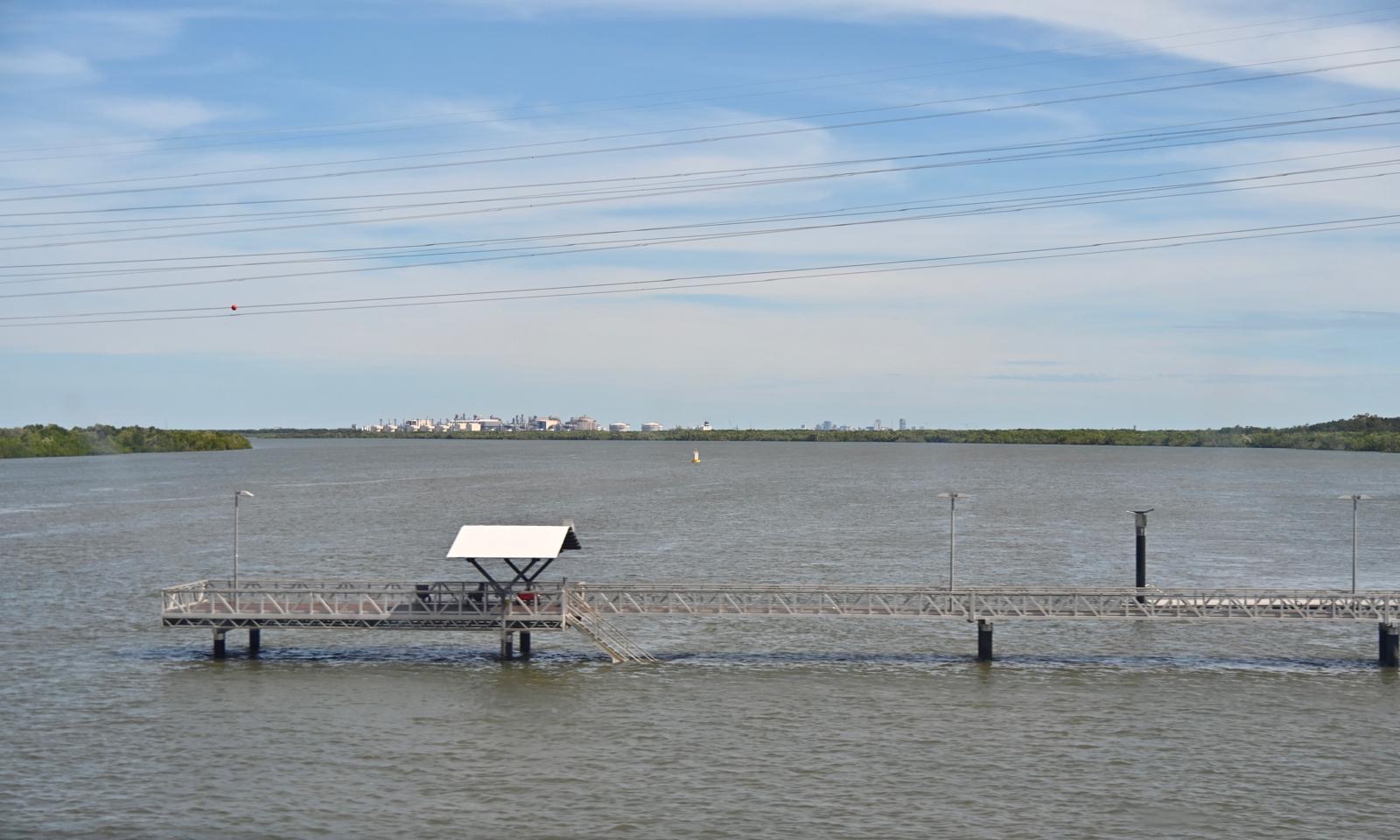
The train set off and we relaxed in the cabin. The eucalyptus scrubland outside the window didn’t change that much, broken only by the odd billabong and a few cattle grazing here and there. I did spot a couple of buffalo and at one stage we saw a small kangaroo, or perhaps a wallaby racing along beside the train. This would be tough land to farm. Some way south of Darwin we crossed the Elizabeth River, the half-kilometre long bridge will be the longest that we encounter the whole trip. Large termite mounds are scattered everywhere and from time to time we passed areas where the undergrowth was being burnt. I had forgotten how vast the sky feels in Australia given these massive expanses of flat scrubland.

At 12-noon we headed out, walking three carriages down to the platinum dining car, where we joined 24 others for lunch at a long table. Apparently there is another platinum dining lounge at the other end of the train for another 30 guests and there are also several gold dining cars. Roger had the buffalo curry (rather tasty apparently) and a pineapple mousse tart (too pineapple for his liking) while I had a Vietnamese chicken salad (perhaps a little bland) and a delicious chocolate mango dome. We then headed back to our carriage to get ready for our first off-train excursion.

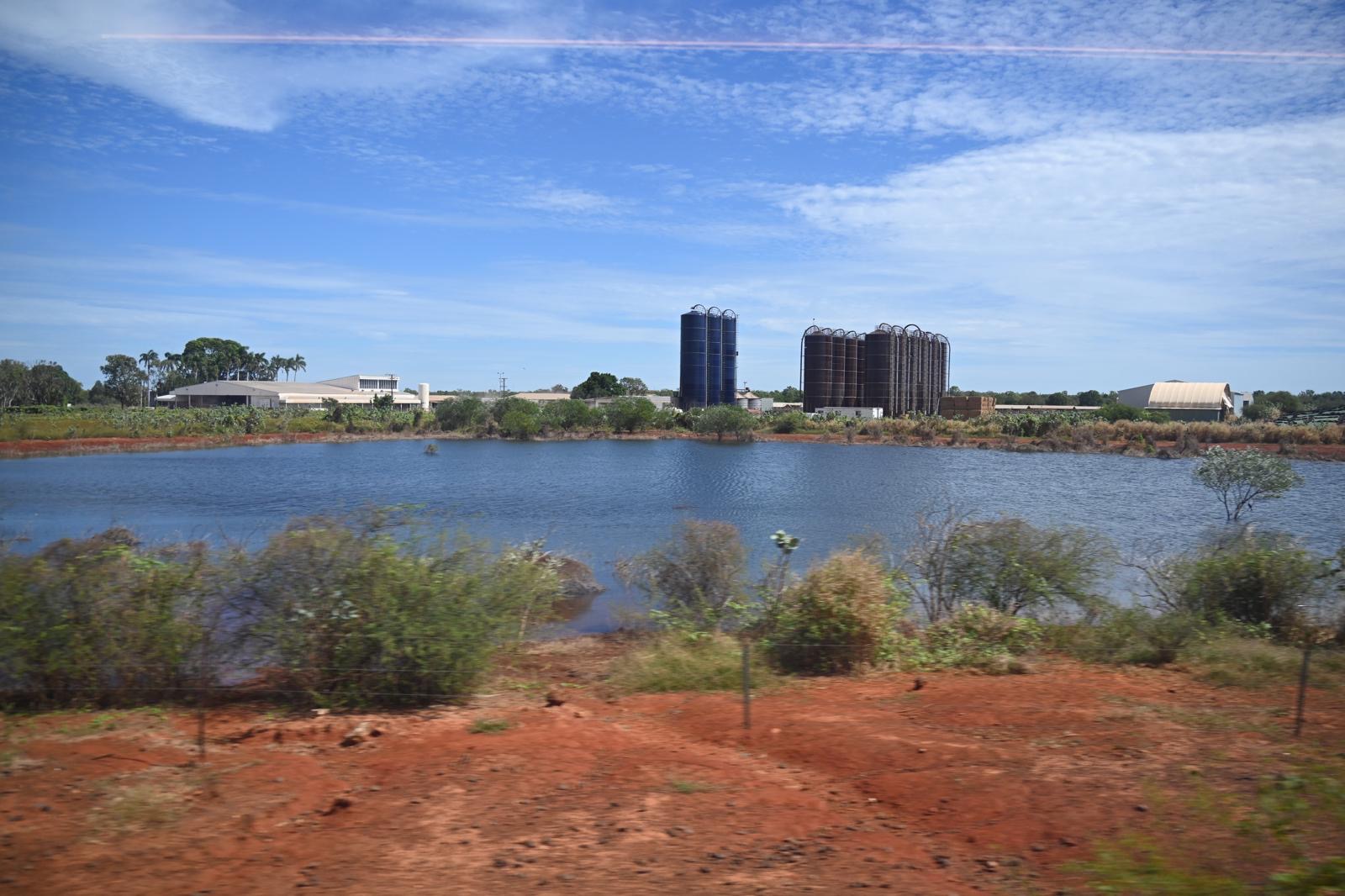
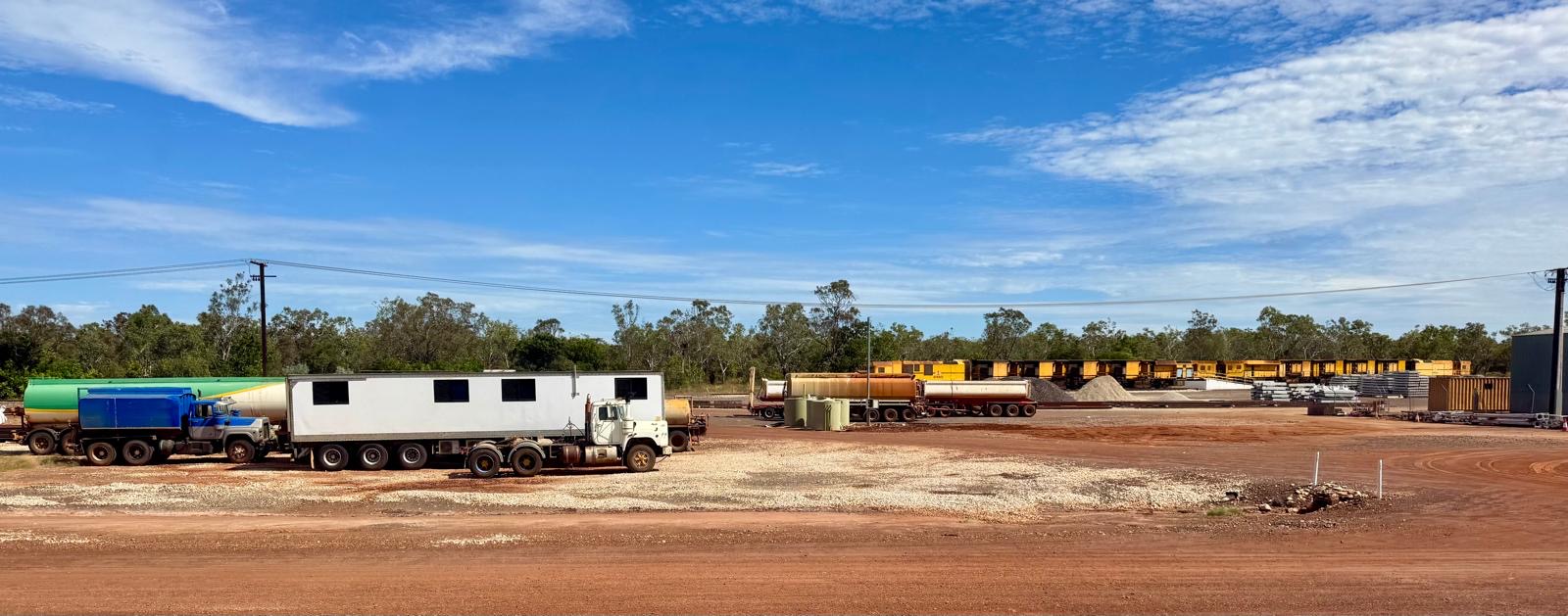
The Ghan pulled into the station at Katherine at about 2pm. It is a pretty barren place with several containers stacked about and an interesting train designed to do track maintenance sitting off to one side. There is no platform, just a long pathway alongside the train. We hopped off and wandered a few hundred metres back to where several coaches were waiting. We had chosen to visit the Cutta Cutta caves. This was the least popular of the trips today with the majority loading into several coaches to head to a river cruise down the Nitmiluk (Katherine) gorge. We had only one coach for the caves and half of those on board got off along the way at an Outback Experience farm.

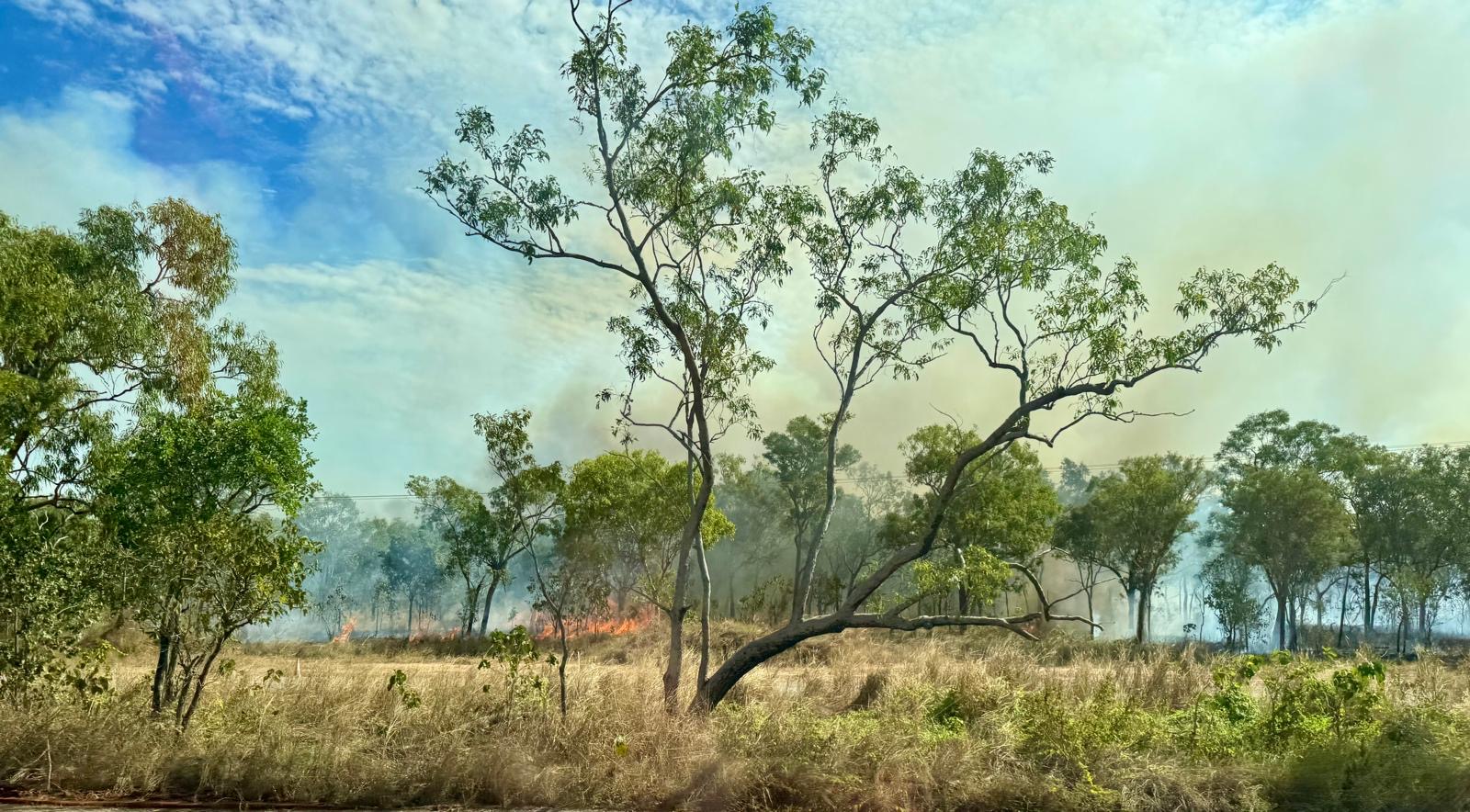
As we drove to the caves we passed through an extensive area of undergrowth burning, the flames glowing quite brightly right alongside the road. There has been a lot of rainfall in the area, and some devastating flooding, and so now is obviously a good time of the year to keep the undergrowth down for bushfire management.
We arrived at the caves and, despite the big signs warning to be aware of snakes, didn’t see any wildlife on the 375m walk to the cave entrance. These limestone caves have been formed over millenia and form part of the Jawayan lands, although they have never been inhabited due to poor ventilation. The caves themselves are pretty impressive with massive stalactites and stalactites. There is a pretty straightforward path through the caves with some steep steps to get in and a few squeezy areas to pass through. There is apparently a bit of wildlife in the cave including several species of bat and two species of snakes but we only saw one bat flying around.


We returned to the outback experience where tea, coffee and snacks were available. It was a beautiful station with lots of very healthy looking animals around. After a short time we headed back onto the bus for the short drive back to the train.


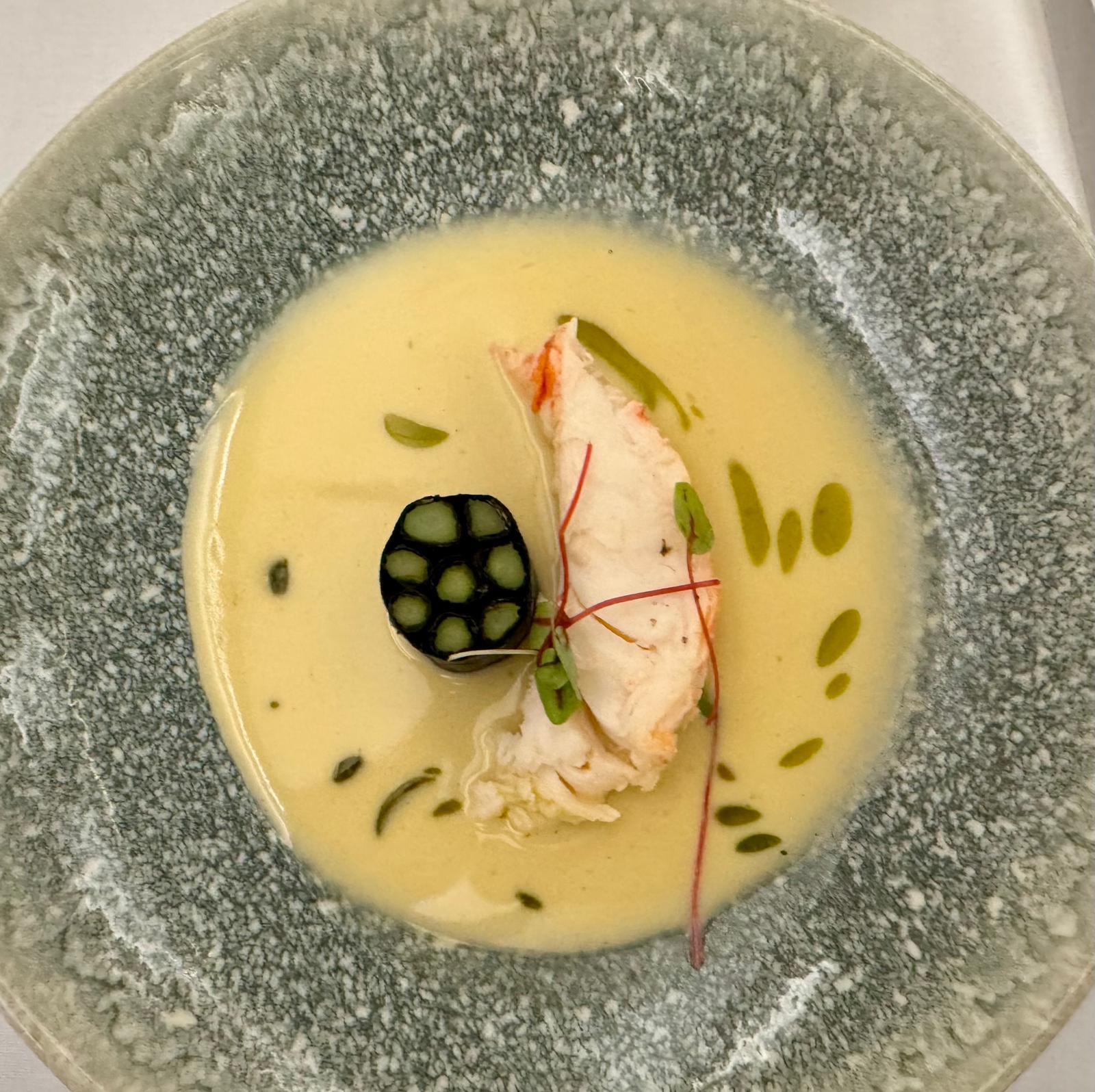
At 6:30pm we headed back to the dining car and met Alison and Ralph for a very special 7-course degustation menu, put on solely for the suite guests. Starting with caviar we were treated to a delectable dinner, with the chef himself introducing each course. Other courses included marinated feta in a tomato infused oil, tuna tartare with a soy poached egg yolk (divine), poached lobster tail in a beurre blanc sauce, kangaroo, a yuzu sorbet with green apple caviar to cleanse the palate, wagyu beef with truffle and a vanilla bean pannacotta. Each dish was paired with a different Australian wine for those who chose to indulge. It truly was a spectacular meal.

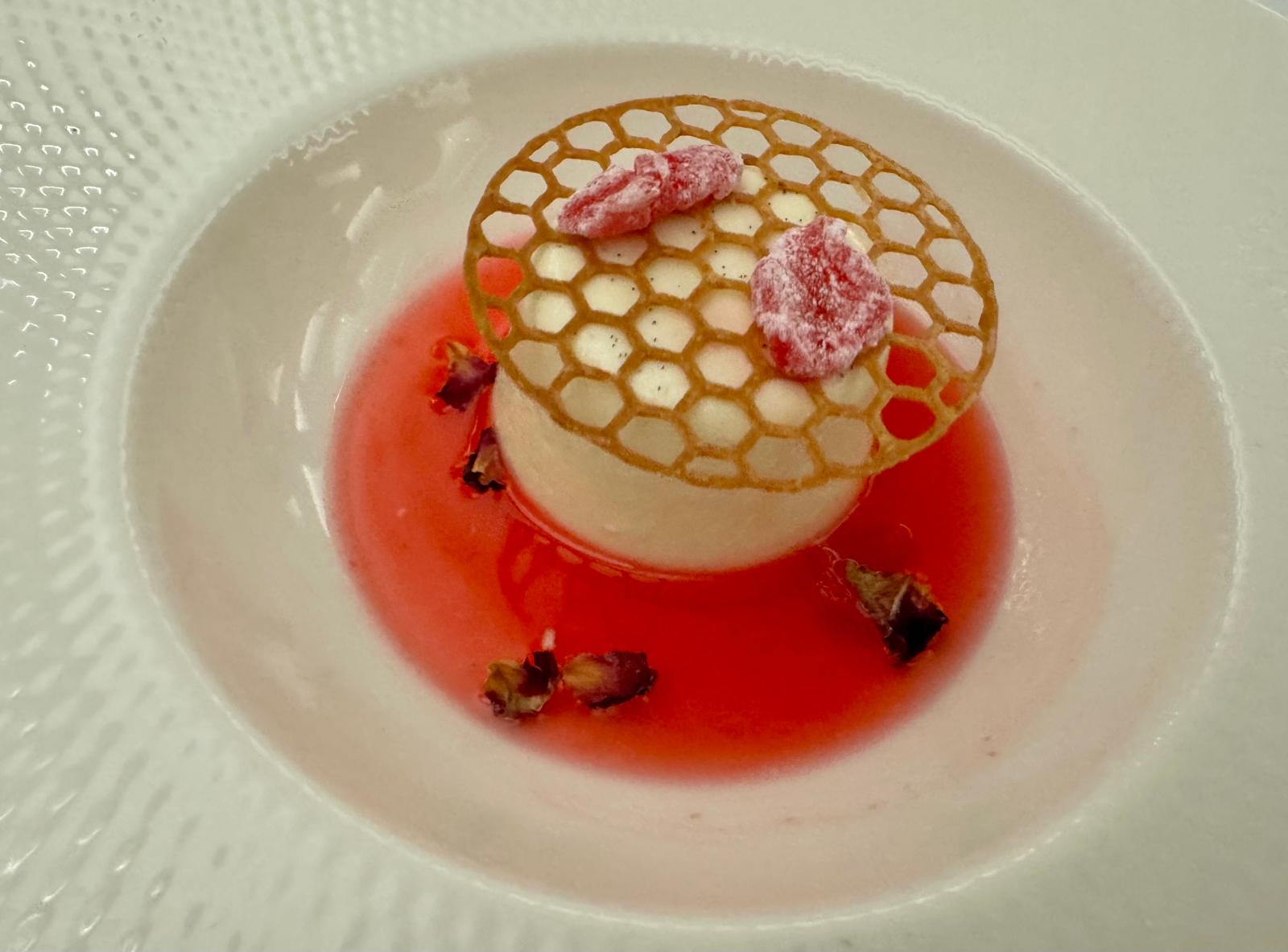
We retired after dinner to be rocked to sleep by the gentle motion of the train.
Thursday 21 May 2026 – The Ghan, Alice Springs, Uluṟu: Roger
As we sat in the dining room enjoying our breakfast we noted that the scenery had changed somewhat overnight. There were lots of scrubby type shrubs and a yellow grass, with no more of the tall eucalyptus on each side of the track. It was around 9am when a van picked the four of us from the suites up and we headed off for a tour of Alice Springs. With its population of around 30,000, about 25% of those being indigenous people, they claim it’s a thriving little town, but ruled by the northerners out of Darwin. It’s the only place in the world where they have a ‘rowing’ regatta that gets cancelled if there’s water in the river as they use bottomless boats and run from the shopping mall down along the river bed to the finish line, feet driven not pedal driven.

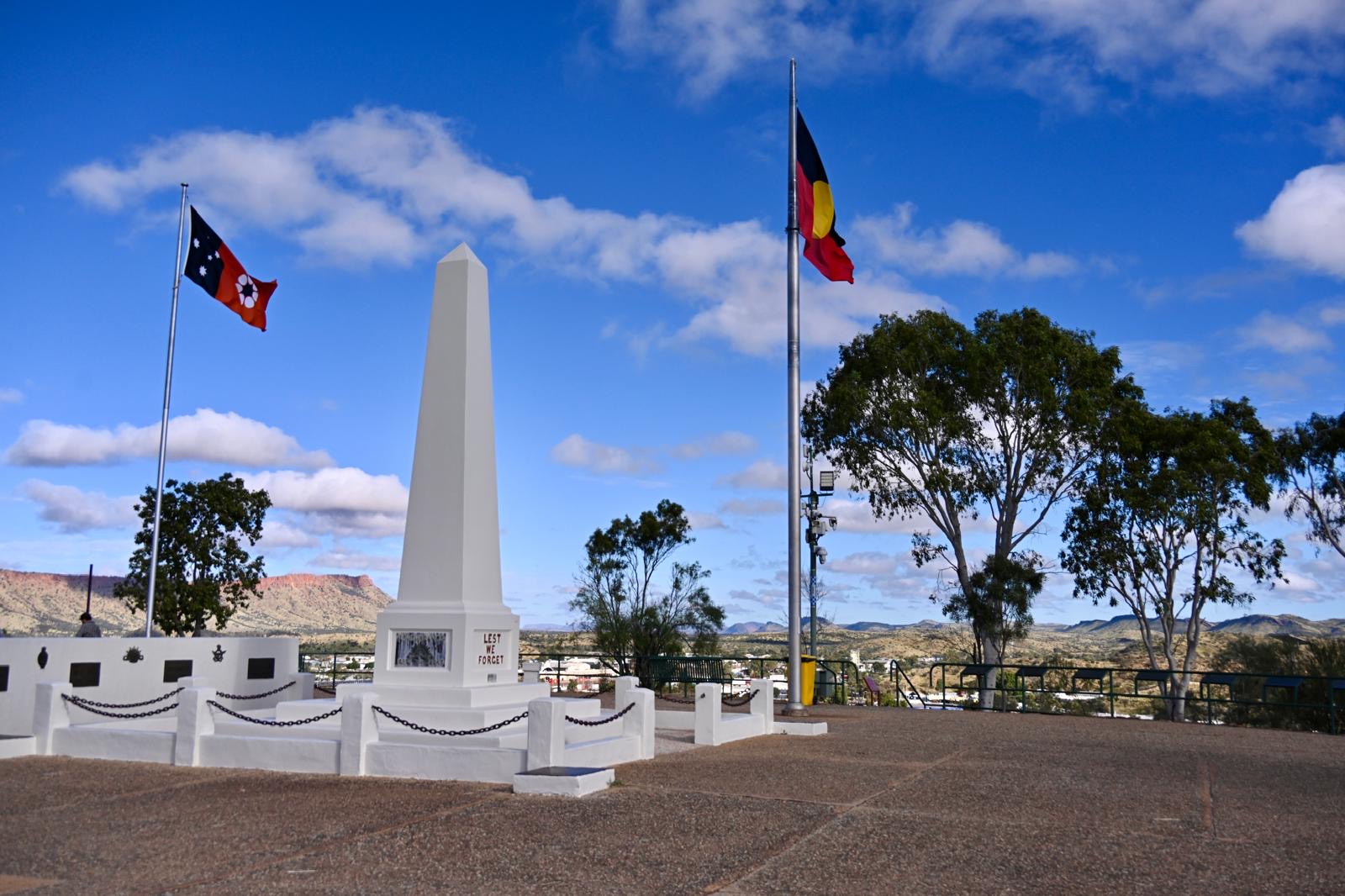
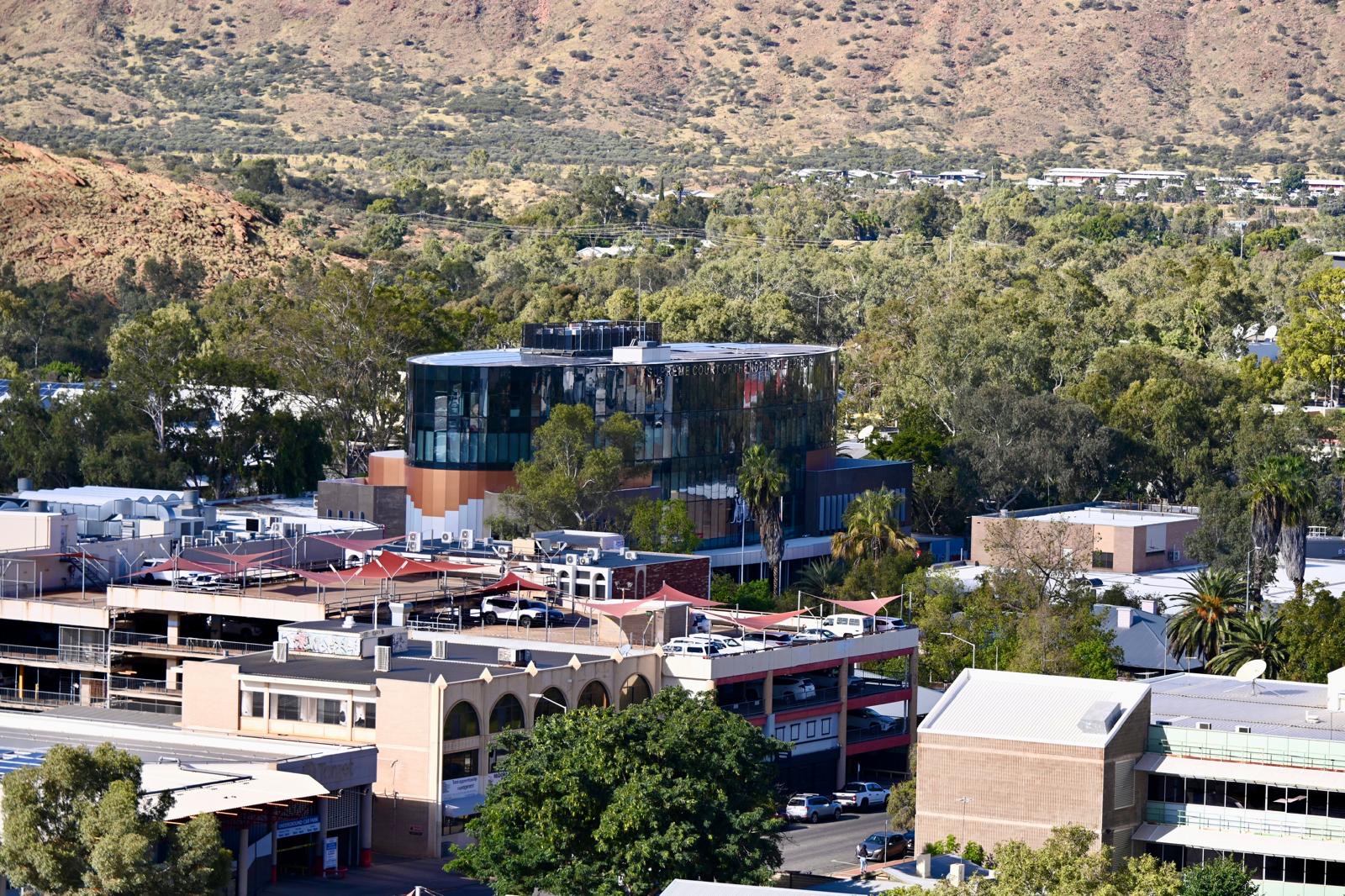
We drove up to ANZAC Hill, which is quite well presented with its four flags – one Australian, one for the northern territory, one aboriginal flag, and the fourth the flag of the Torres Strait Islanders. From the hill we could see the train back at the station. The hill is on the other side of the big gap through which the river runs and our guide pointed out various buildings around the place. One particular building, designed in Darwin, is the courthouse, where some bright spark decided to put two layers of office on the top two floors surrounded by glass, not realising that it hits 48° here at times in the summer hence neither floor has ever been rented.



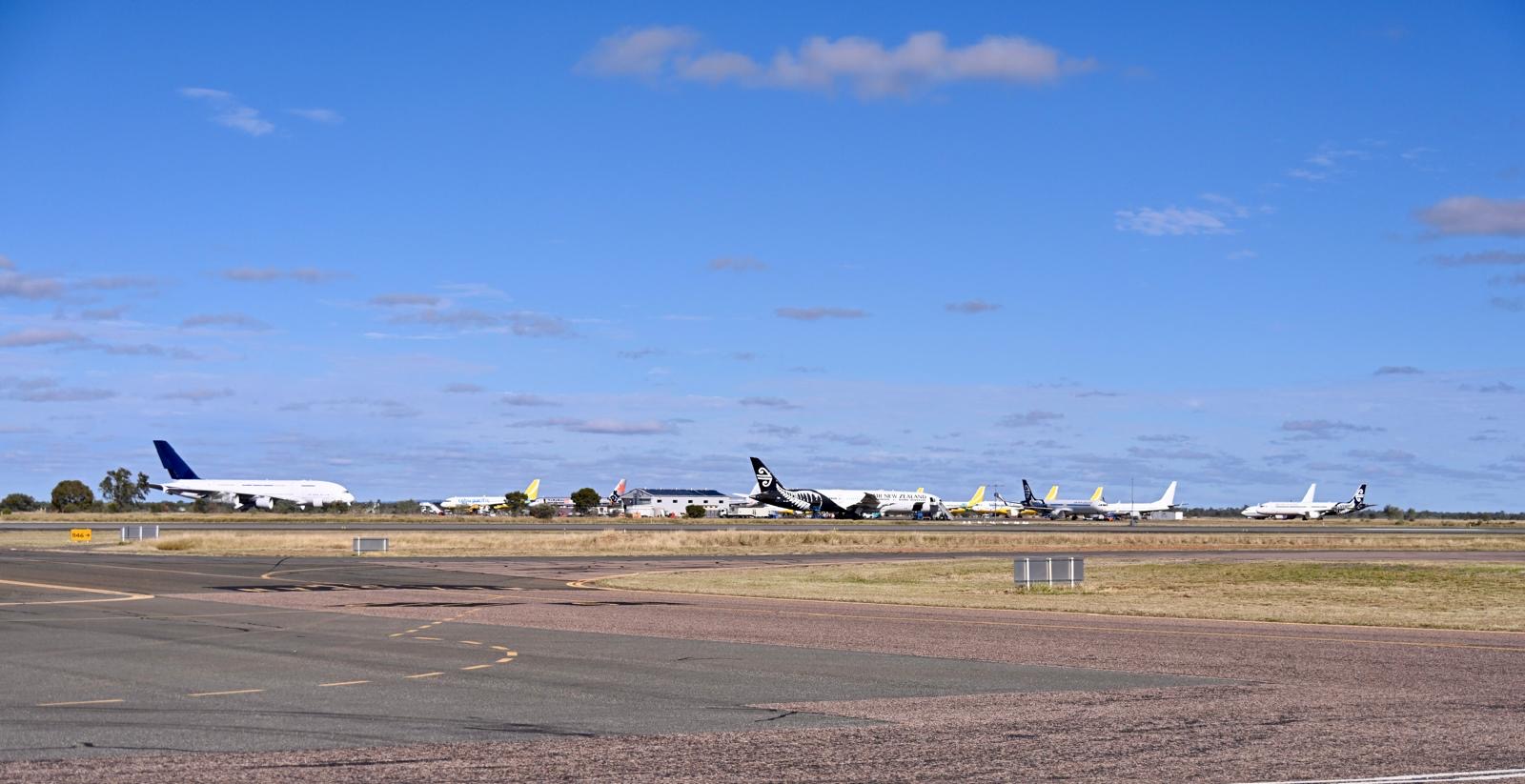
Next we headed to the airport. Because of the dry climate, during Covid they had over 300 planes parked up here. Now it only has a few dozen, two of which belong to Air New Zealand. The rest of the people taking the flight to Uluṟu turned up in a big bus and we climbed aboard a number of 628 caravans and were soon in the air flying out past the ‘once upon a time secret’ Pine Gap, which is a listening station belonging to the Five Eyes.

It would be quite interesting from a geologist’s perspective looking at this country, which from the ground looks pretty flat, but when you get up in the air you can see massive creases in the land where it’s been pushed up in places and then, suddenly with what appears like no reason, the river cuts right through the middle of a long row of hills. As we headed further east we flew over the large Amadeus Salt Lake. At 160km long and 10km wide at its widest point it generally doesn’t have water in it but, as they’ve had huge rains this year, parts of it are full of water and look quite spectacular.
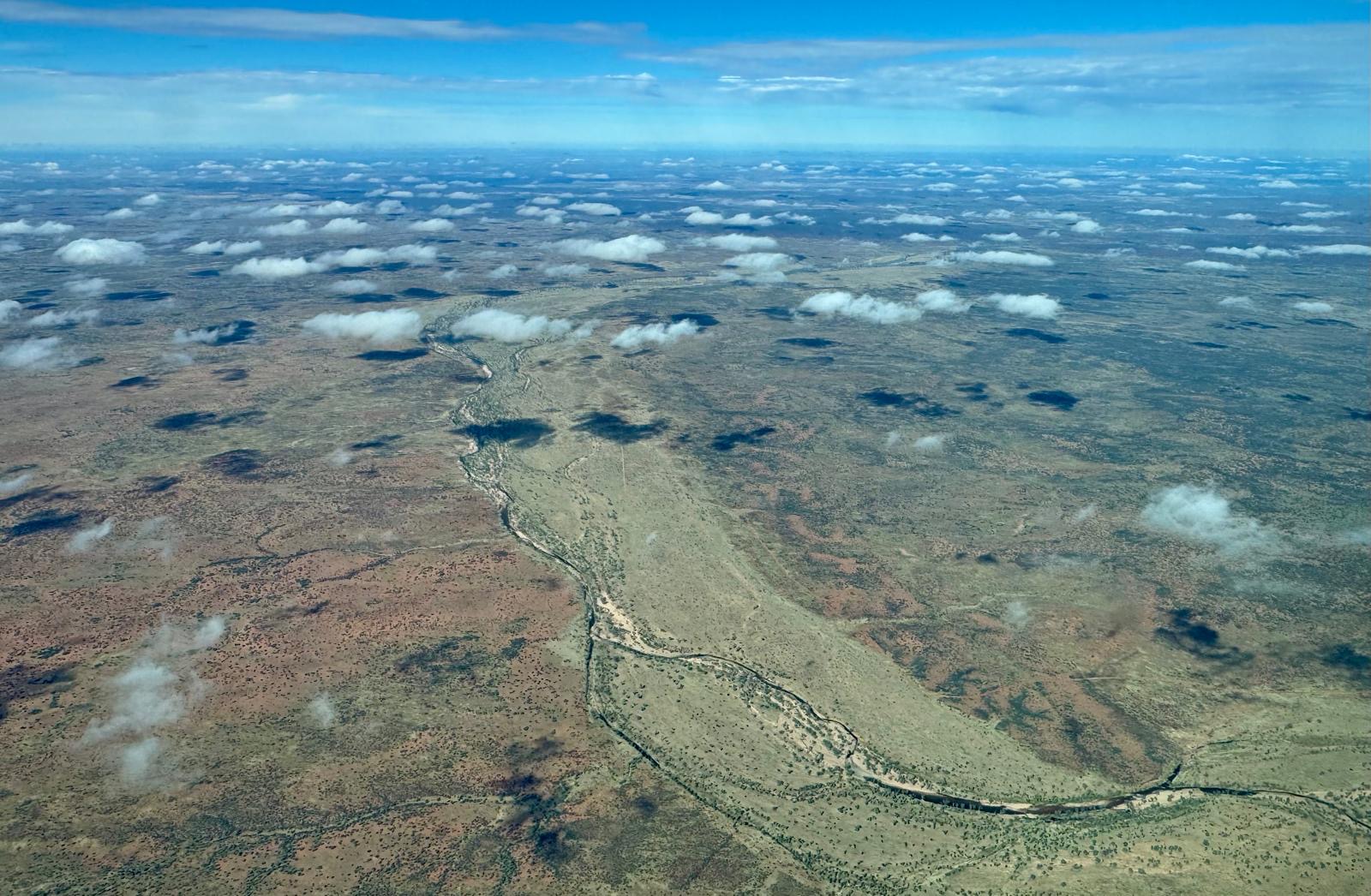

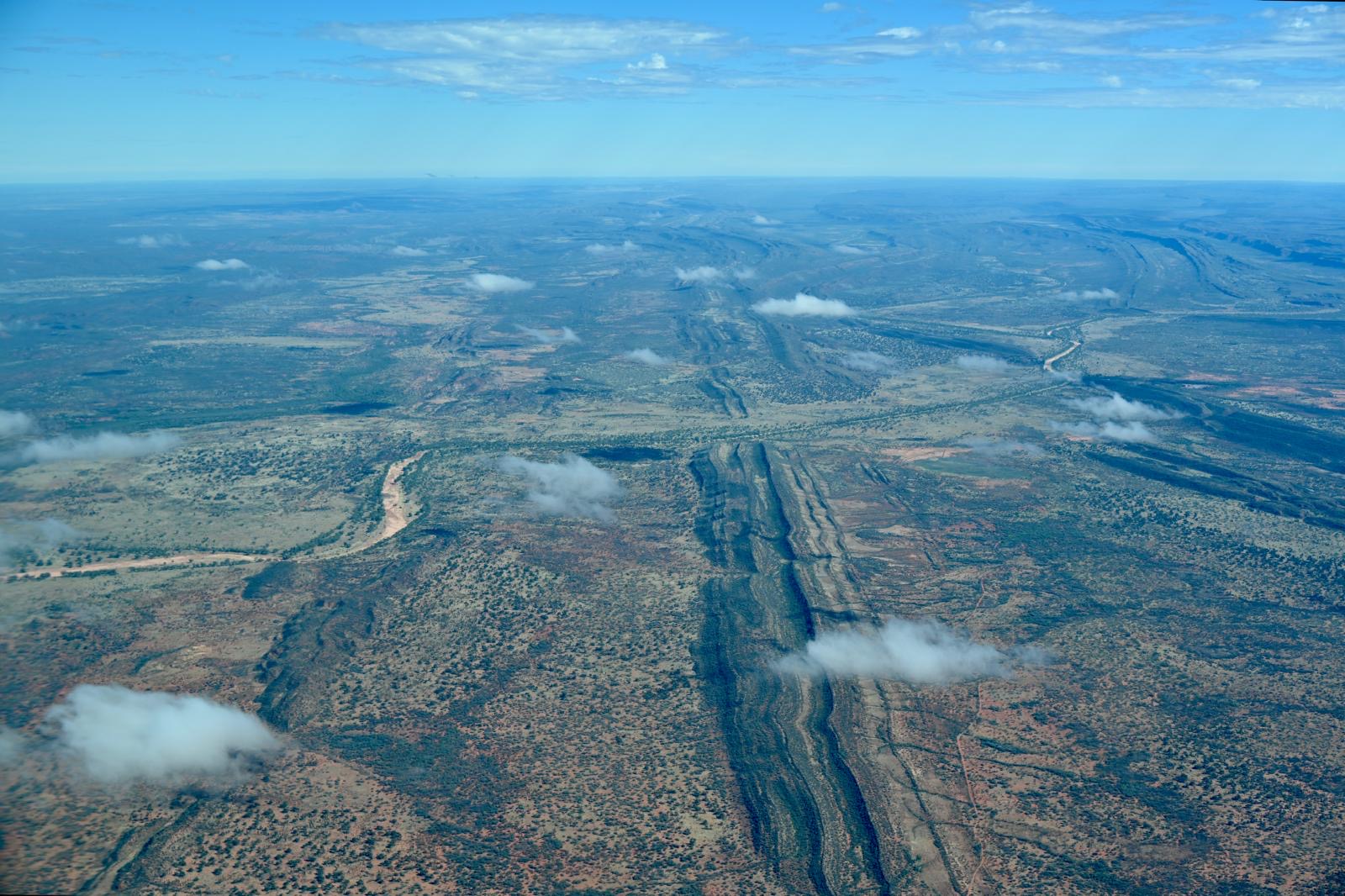

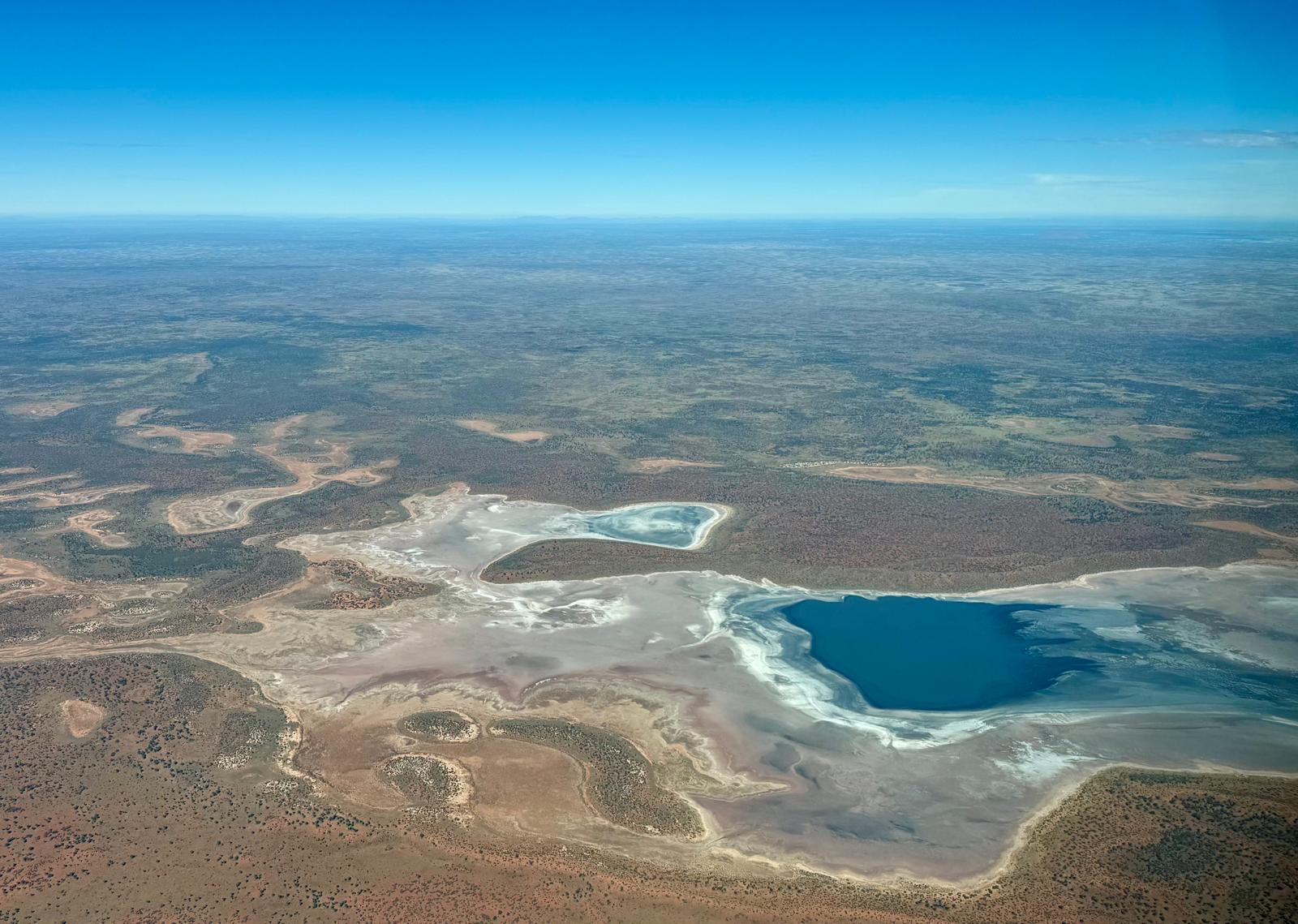

After a bit over an hour the Rock came into view in the distance and as we closed on it the pilot did a few circuits of both Uluṟu and Kata Tjuṯa, another nearby outcrop. We landed at the local airport and the four of us were loaded into a van with a young lady from Italy as a guide. It is becoming more and more evident that Australians don’t seem to work in these places because everybody we run across seems to be from somewhere else. Even the pilot was from Ireland.


Rising 348m from the surrounding land and at 3.4kms long with a circumference of around 10kms, Uluṟu is a spectacular rock. It is the largest single rock in the world and is believed to be rather like an iceberg with the majority of the rock still underground. It is made of a very strong type of sandstone that doesn’t really erode. With its bright orangey/red colouring it really stands out.
We headed off to the Cultural Centre at Ayers, Rock where we saw various very high priced (in my opinion overpriced) paintings. In another room where they were making wooden items such as ornamental snakes etc. This is all done by the local indigenous people, a group of whom walked past us at one stage and had seemingly not been near a bath or a shower for sometime as the BO stench wasn’t very pleasant.
Viewing over, we headed around the south side of the rock where we enjoyed our lunch, which was quite tasty for a packed lunch. Lunch over we headed down a couple of different roads until we were within about 400m of the rock. We dismounted the vehicle and strolled along a gravel track with a number of viewing platforms where we could stand see the rock from different angles and one place even put our hands out to touch it. This area was flooded back in March when they had very heavy rain and only a week or so ago they had another rain so there is a lot of greenery and fresh growth around. Apparently during the rains waterfalls tumble down the sides of the rock, which must be pretty spectacular. A little further round there was a pool, which contains a few frogs. It was quite full at this time of year and has water most of the time but in periods of extreme drought it just dries up.


Rock viewing over, we headed back to the airport and mounted back into our caravan for the flight back to Alice Springs. From the airport we were transported to what was once the Overland Telegraph Centre, complete with battery room, blacksmith shop and a good water supply from the nearby river that was often dry but had water underground. The telegraph line came into Darwin from Indonesia and right across Australia to Adelaide. Back in the day these telegraph stations were the main stopping points for people to get things fixed. Like most things that come about through the political system the pros and cons were carefully weighed up as displayed on one of the information boards.
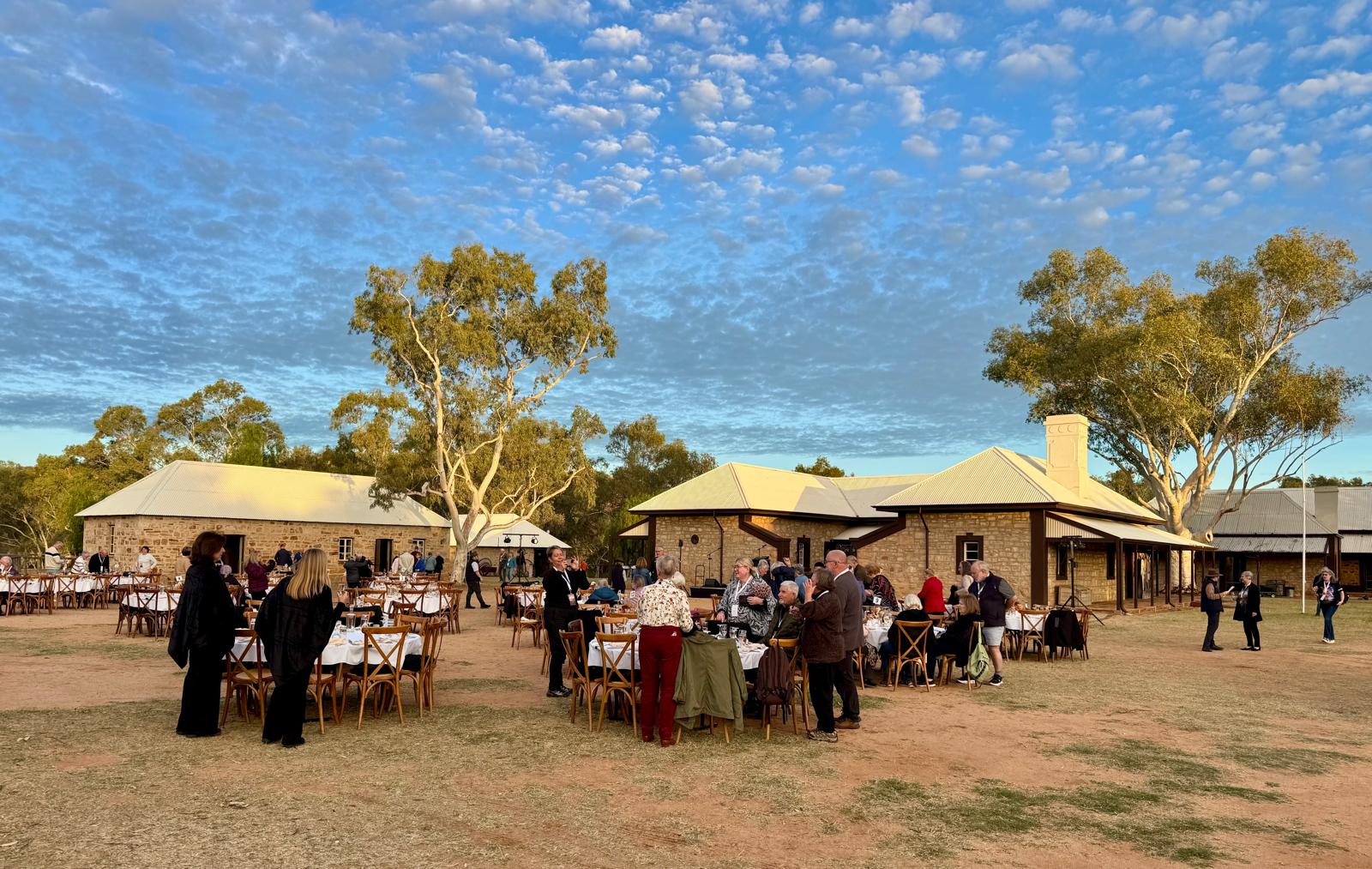


Out the front of the telegraph station tables and chairs were set up to cater for everybody on the train and they produced a rather excellent meal from the nearby kitchen, including an entree and platters brought out for the main course. There was even dessert including a cheeseboard, panacotta, madeleines and chocolate truffles.
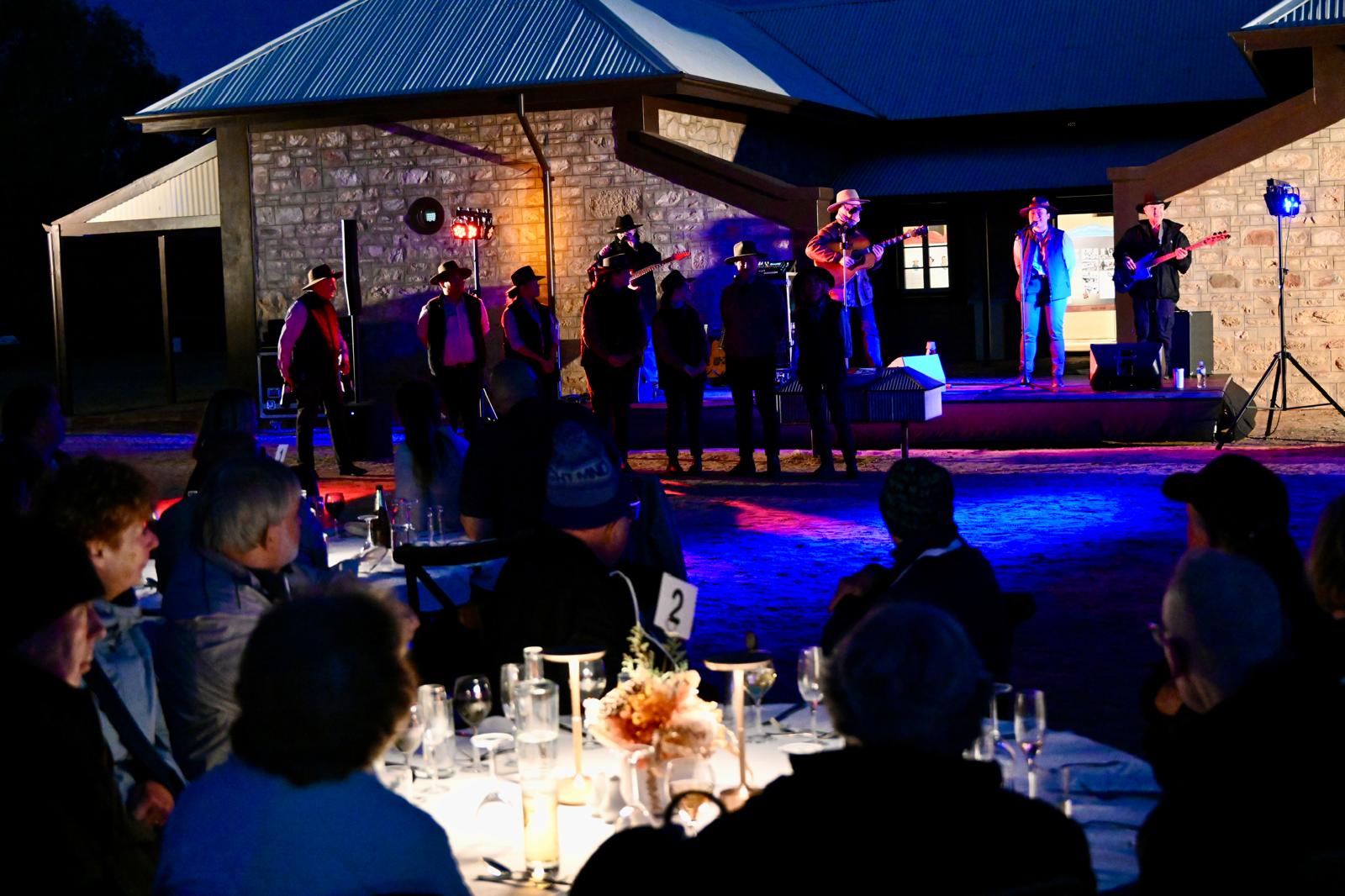
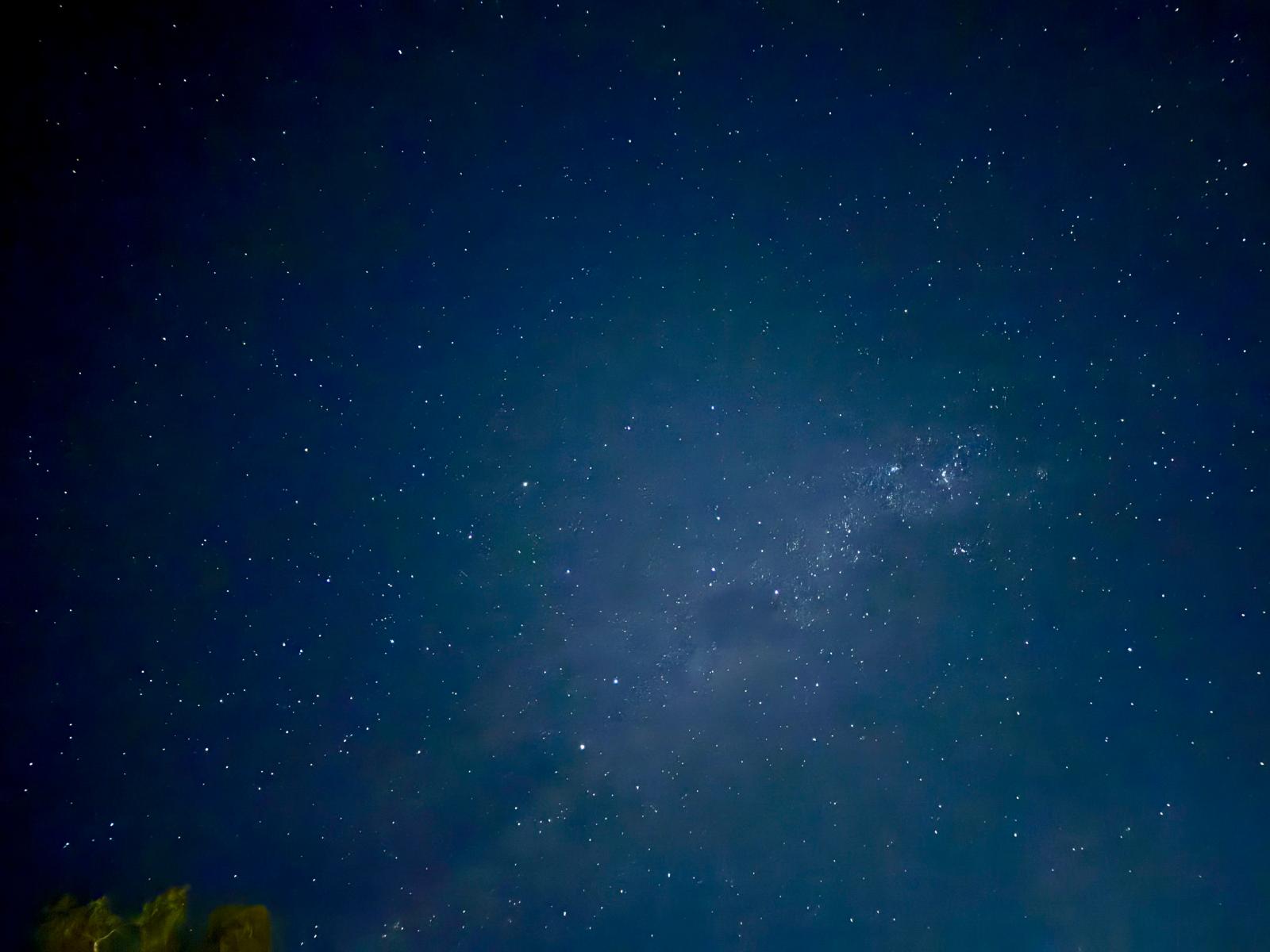
A local band played and later in the evening a guy called Tom got up with his laser pointer and gave a fun and informative lesson on the stars including how to navigate South using the Southern Cross, and pointing out many other constellations around the sky. He finished off his talk by picking up a didgeridoo and performing with the band as people danced around them. Evening over it was back on the buses and back to the train. We slept through the night as we headed into South Australia.
Friday 22 May 2026 – The Ghan, Coober Pedy, The Breakaways: Sylvia
We woke this morning and immediately noticed another change in the landscape. There was much less vegetation and the land spanned out around the train tracks in varying shades of red and yellow, dotted about with low shrubs and the odd cactus. We wandered down to the dining room for a light breakfast before arriving at Manguri, a small siding off the main rail line. We boarded our coach just after 9am and headed out. Our driver maintained a constant, entertaining and informative patter as he navigated the rough roads and potholes. This siding housed a few rail workers back in the 1970’s but their houses were all demolished in the mid 1980’s with only the foundations now visible.


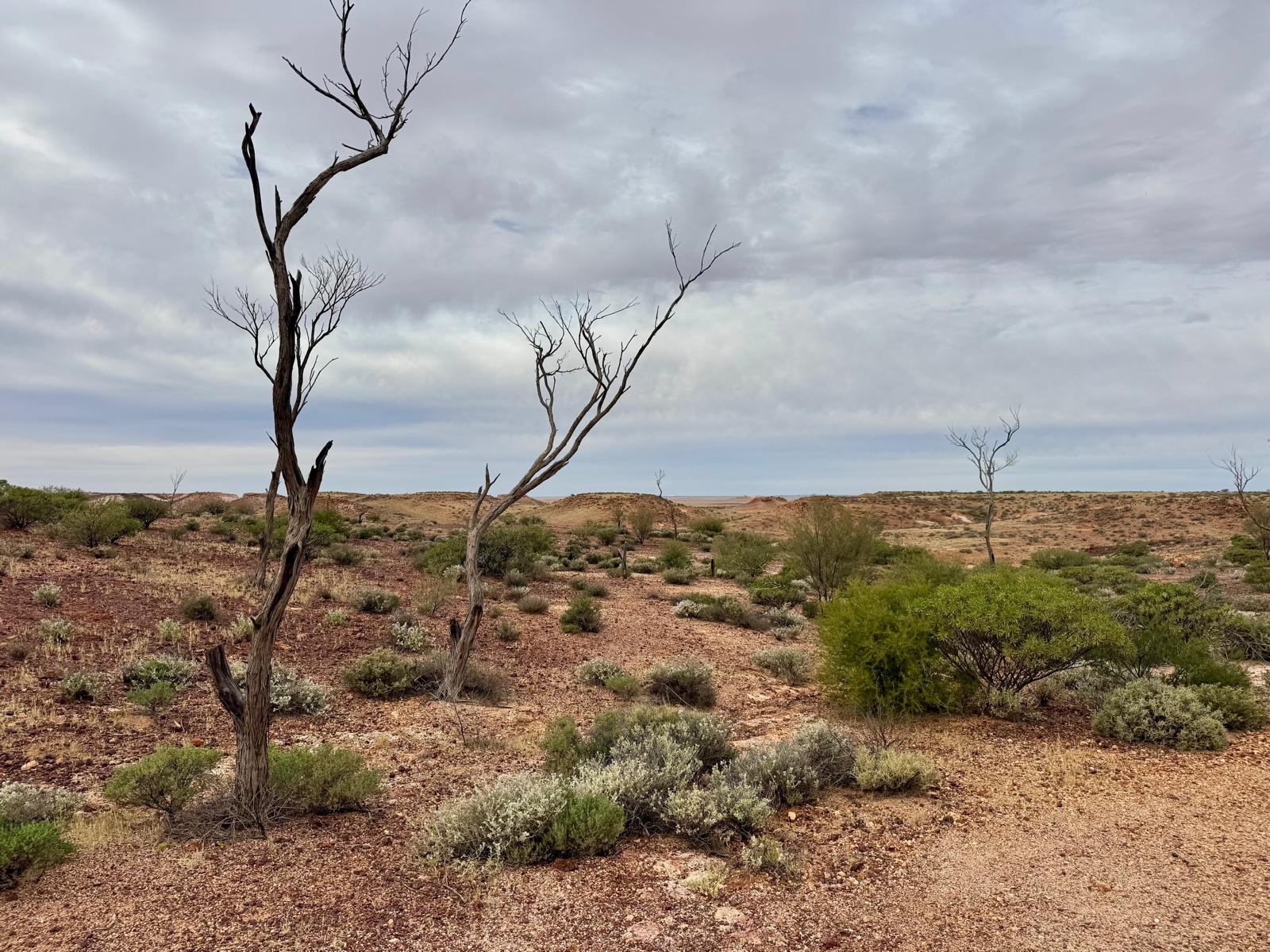
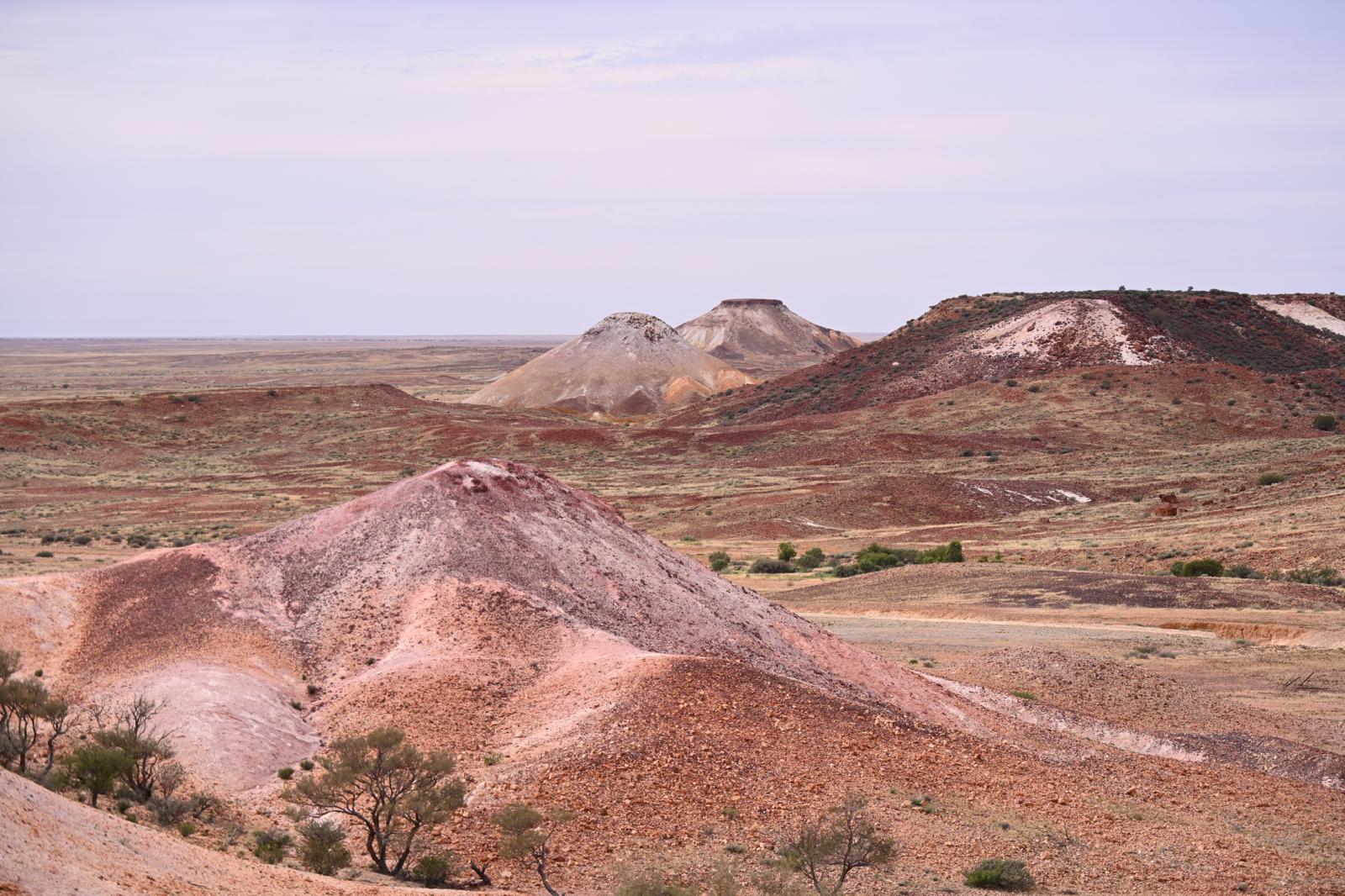
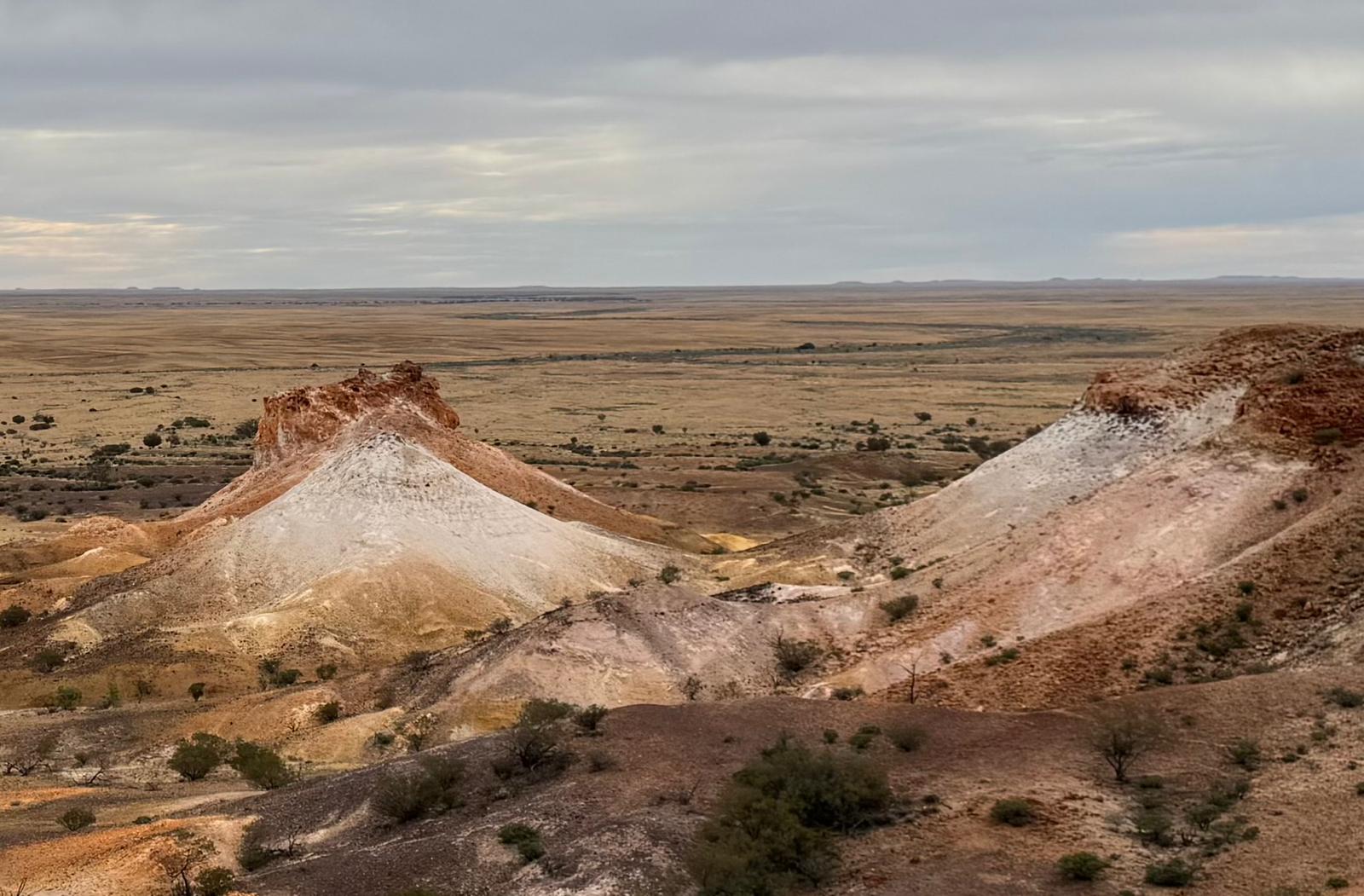
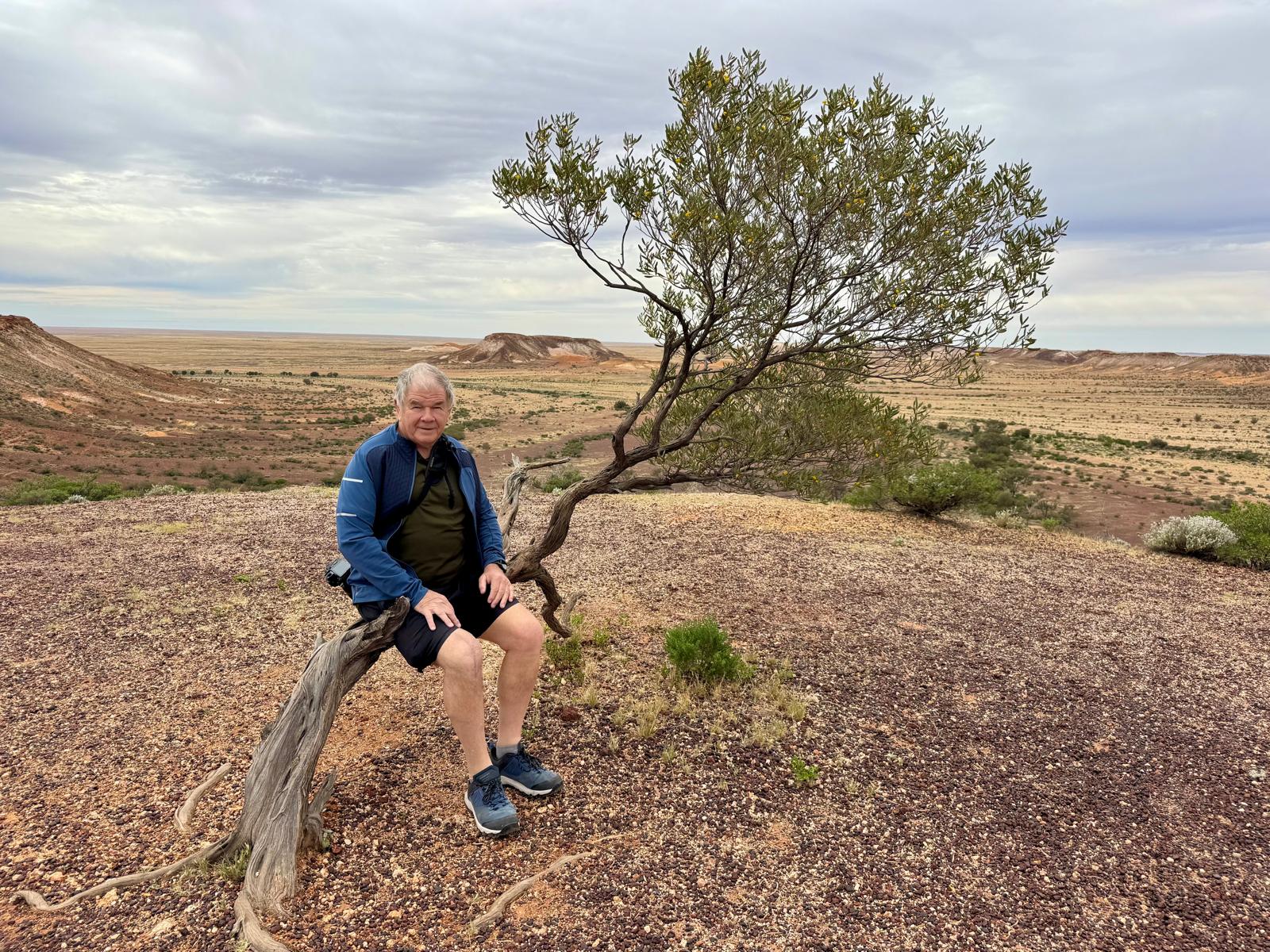
We headed the 40-minutes or so toward Coober Pedy, where we dropped off a few guests at the airport for their flight over Lake Eyre. We then continued through Coober Pedy towards the Breakaways Reserve. We spotted a kangaroo and a small group of brumby horses along the way. This area, once apart of the vast inland sea of Australia has been eroded over the millennia and now boasts a number of mesas of varying colours, showcasing the different layers that formed. Many fossils have been found in the area including a fossilised plesiosaur. I had a bit of our chuckle as our driver-guide insisted on calling the area the Kanga Breakaways Constervation Park. I am not sure where he got the word Constervation from but I enjoyed it nonetheless.


Rock Hopper
We stopped at a few different view points, at one point meeting a couple of guides who shared their knowledge of the indigenous flora and fauna with us. At another viewpoint the Ghan team had set up a drink station with tea, coffee and a variety of alcoholic beverages. Our driver-guide kept us entertained pointing out the different shapes found in the mesas (a cow, a camel, dogs, a crocodile, an emu, a fish) some of which required significantly more imagination, or perhaps that’s what the alcohol was for, than others to find. He also entertained with his descriptions of the road, free massages and roller coaster ride included.

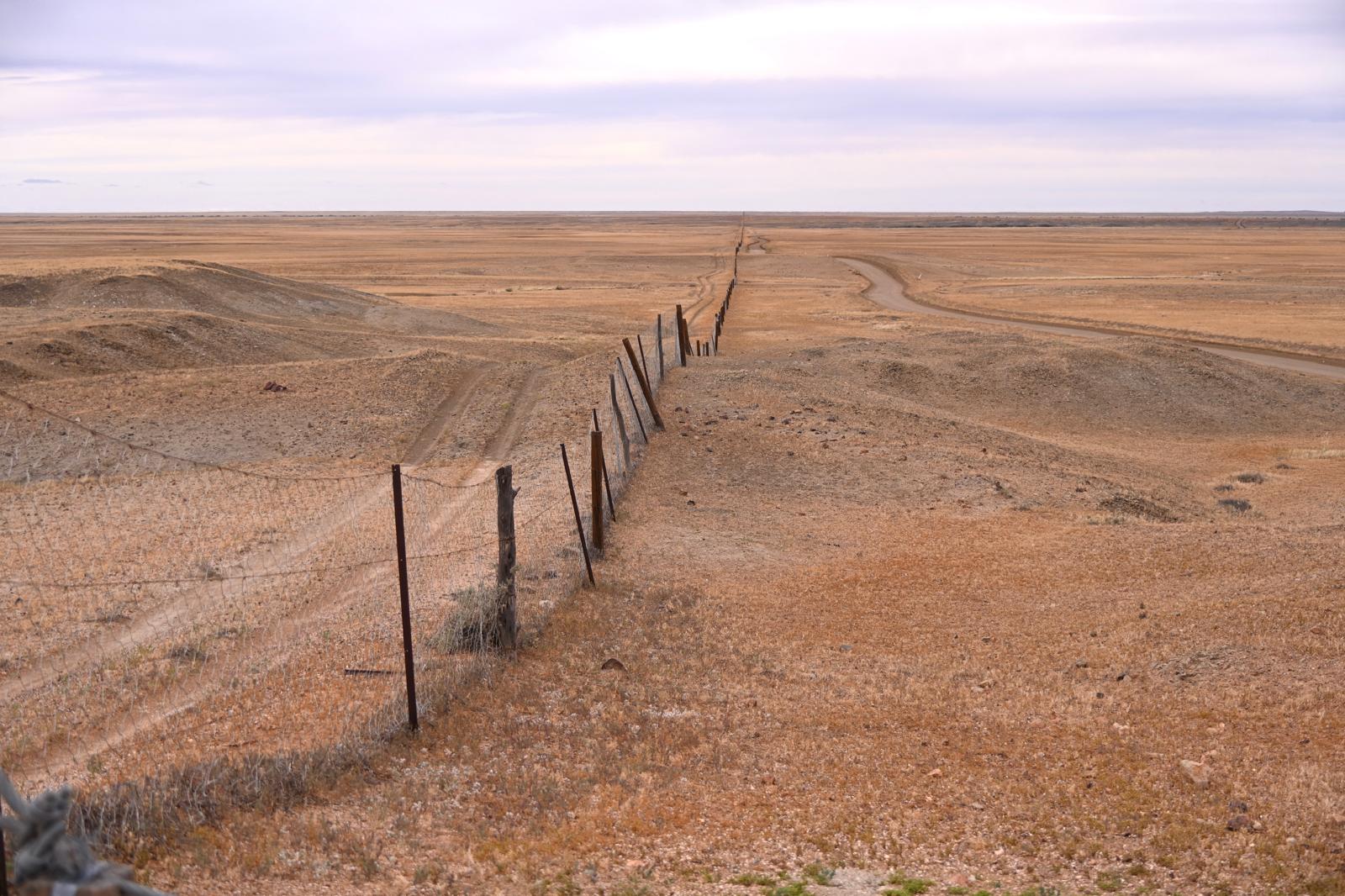
We stopped to look at the Dingo Fence. Built between 1880 and 1885 this fence stretches 5,600kms across Australia designed to keep the dingos from bothering stock. Apparently it costs ~$10million per year to maintain.
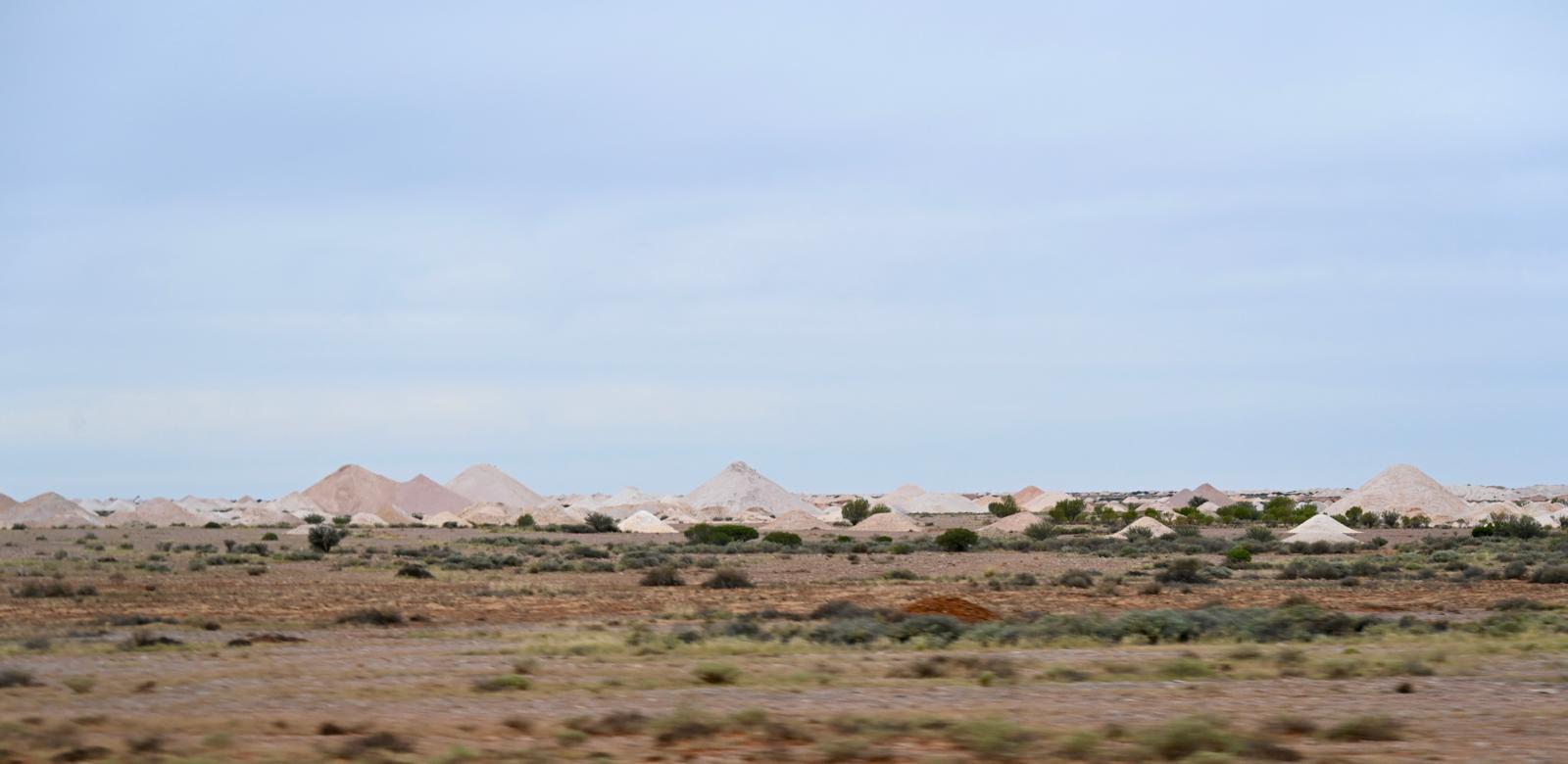
We headed back towards Coober Pedy for lunch. The name Coober Pedy comes from the indigenous language and means ‘white man in hole’, a reference to the 2.5 million open mine shafts in the area. Opals were first discovered in the region in 1915 by a 14-year old boy travelling with his father. The area quickly became a hive of mining activity with about 9,000 miners in the area during its peak in the 1990’s. Today about 1,650 people live here, with 50% living in underground dugouts to escape the scorching summer heat and freezing winter temperatures. Underground the temperature generally stays within a narrow 21-23 degree range. While a vast area has been set aside for opal mining, only about 20% has been mined so far. Only individuals are allowed to make a claim and pay a small fee to license their claim. They have to work it themselves for a minimum number of days in their claim period to retain their rights.
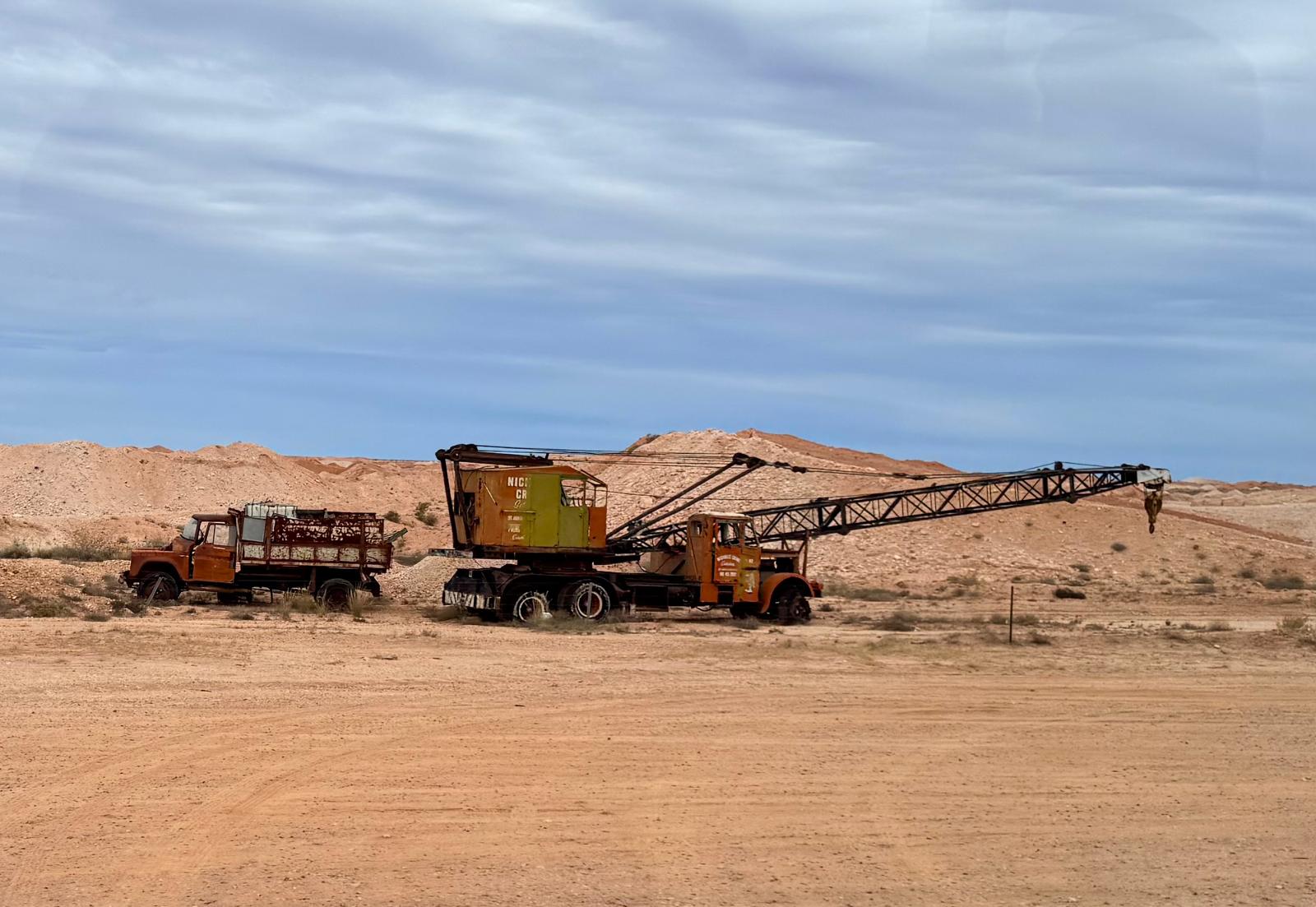
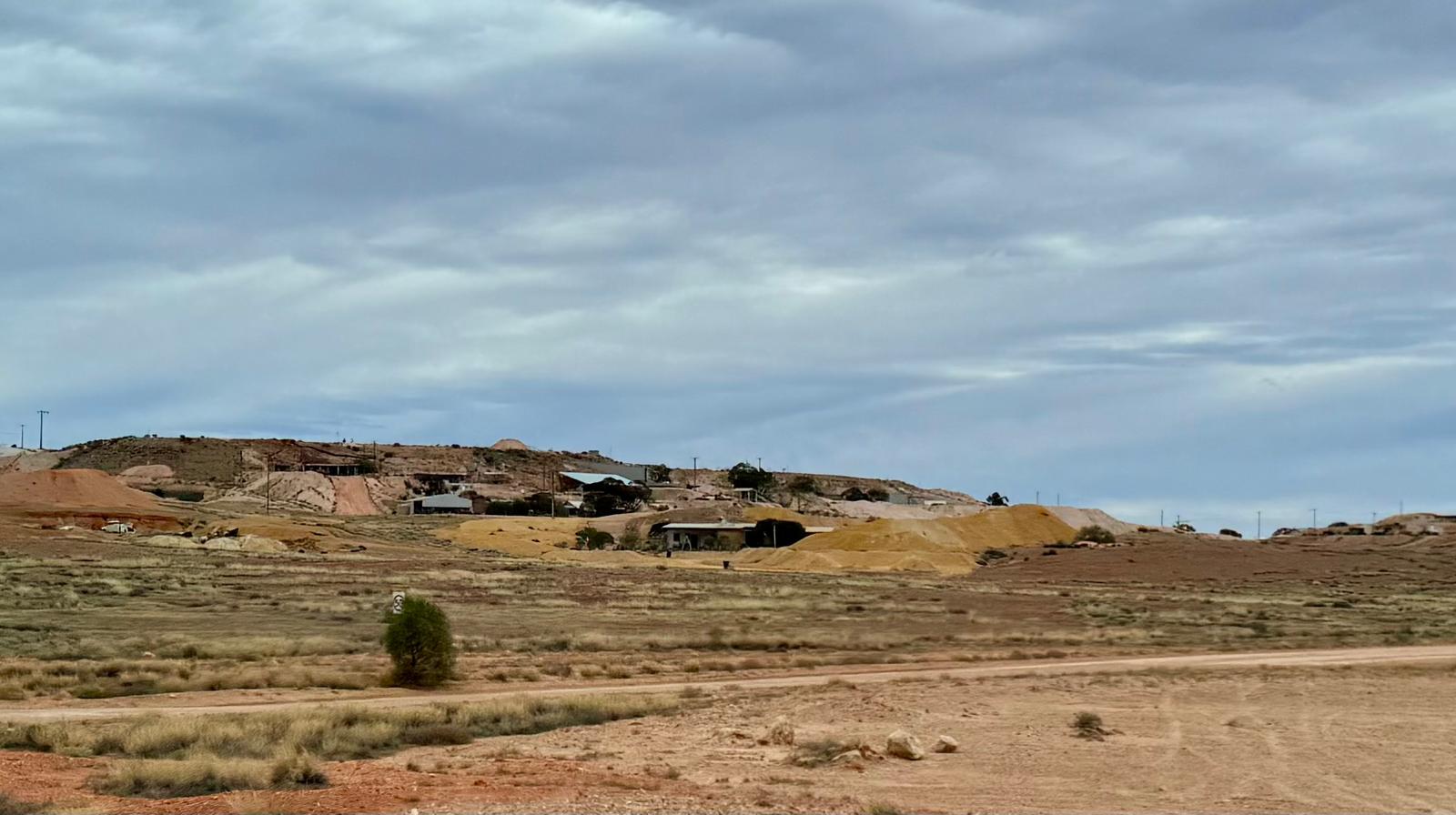
The land around Coober Pedy is covered in small conical piles of dirt that indicate the entrance to a mine shaft. Initially dug by hand, today the shafts are drilled and a vacuum type machine is used to suck the dirt the 35m or so out of the hole. Apparently originally invented by a kiwi, these vacuum machines are largely built on old trucks – apparently the dust would ruin the electronics in a newer vehicle within days. Driving through the town was not an advertisement for the riches to be made from opal mining. Mostly the town looks like a large dump site with old bits of vehicles and machinery scattered about everywhere. Apparently they don’t throw anything away in case it might come in handy one day.



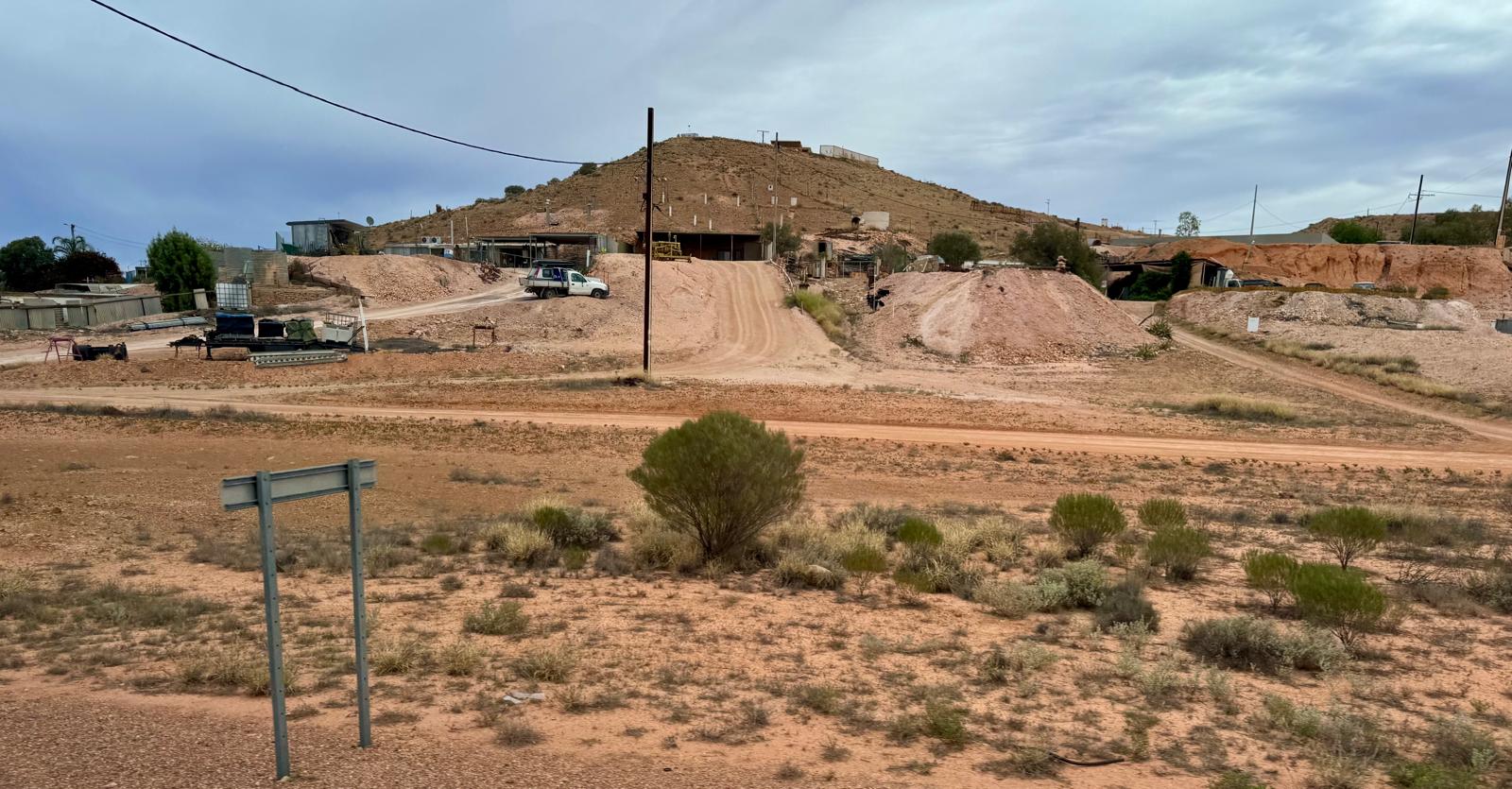
The underground dugouts that many live in, are visible due to the white ventilation pipes poking up out of the hillsides. Only the sleeping and living areas are underground. The bathroom and kitchen facilities are generally in a lean-to area adjacent to the dugout.
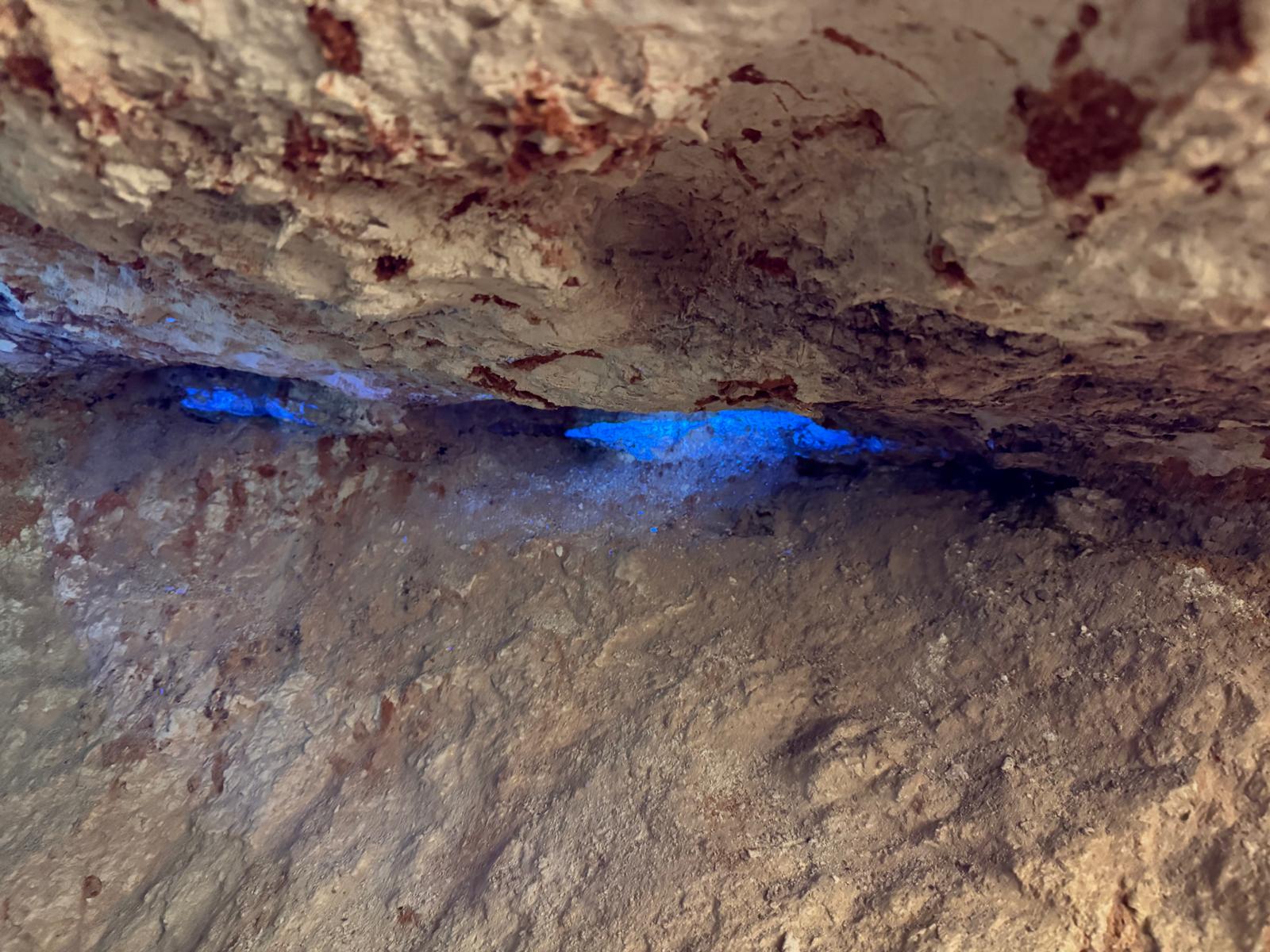
We headed to the Quest Mine and were ushered down a ramp into some large underground chambers that had been dug out to be used as dining rooms. Here we were served a three course lunch on shared platters, after which we had the opportunity to walk further into the mine area and try our hand at opal mining. Most of the mining is done by pick and shovel or grader. We could see seams of opal shining in some areas. There is also some open cast mining where the roach is separated from the clay and then sorted under a black light, under which the opal glows a purplish-blue. A few people found small pieces of opal to take home with them. Apparently it is not uncommon for people to find opals lying on the surface of the ground, especially after it rains.


We next drove through the town to the Umoona Opal Mine and Museum. Here, we were met by our guides from earlier in the day, who explained a bit more about opals and showed us through a couple of dugouts, the first one of the more traditional, basic dugouts, and the second a more modern one. Our guide was keen to point out the benefits of living underground, particularly in terms of sleep quality – it is very dark and silent underground. I have to say, I wasn’t convinced.

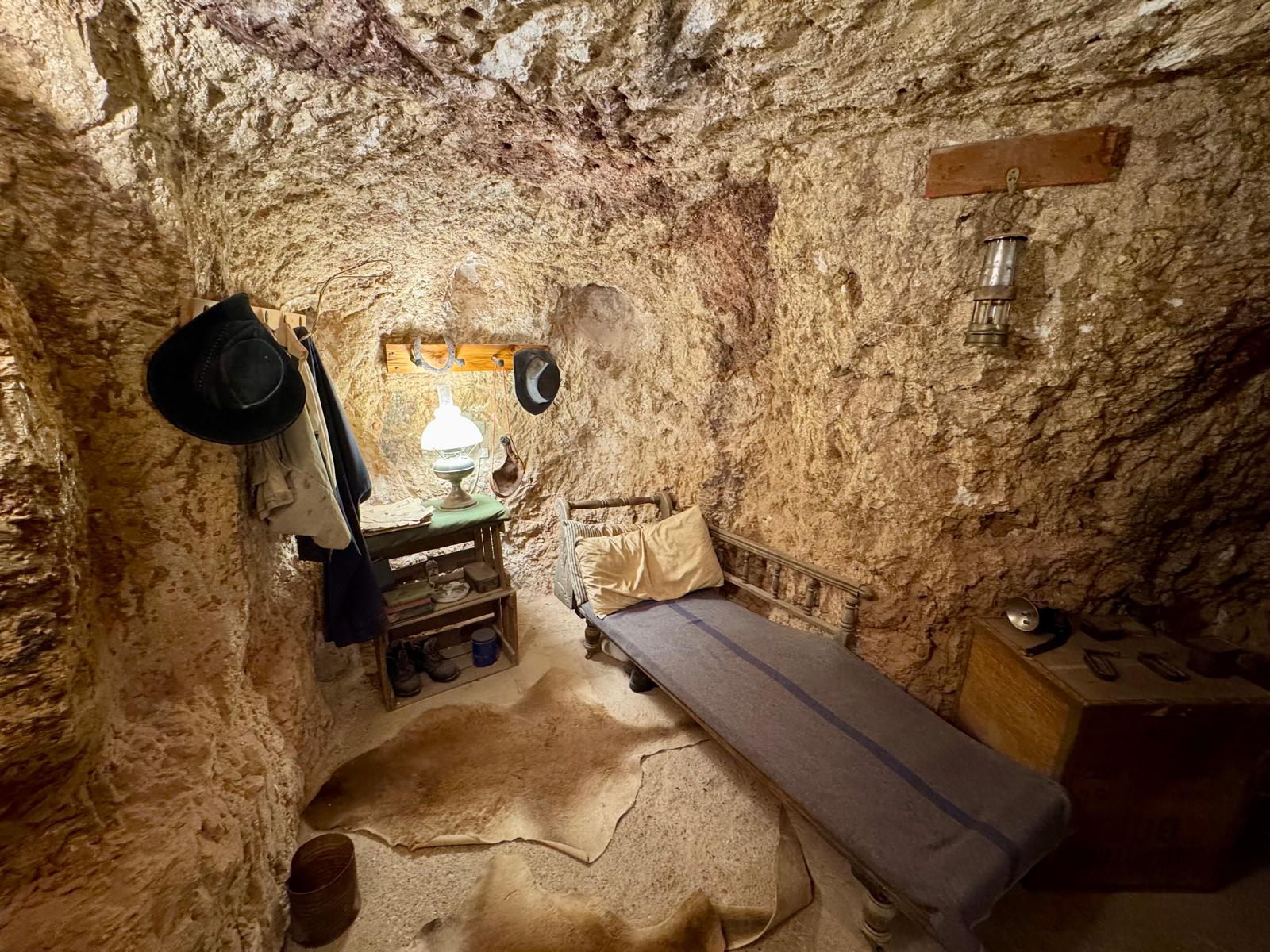

We then wandered around the museum in the mine, showcasing a number of fossils and other finds from the area as well as the history of opal mining. I was particularly impressed with one very large ammonite fossil, and also the partial remains of a fossilised plesiosaur. There was of course also the obligatory gift shop.
As we drove back to the airport to pick up the guests we had dropped off in the morning, we passed the Coober Pedy golf course. This is definitely a unique playing area. Apparently in the summer golf is played at night due to the high temperatures during the day, using golf balls with lights in them. The tee areas are astro-turf and the greens are some form of sand with a bit of tar.

We headed back to the train, stopping to take a few photos before we climbed back on board. It had been another interesting, but long excursion so it was nice to have an hour or so to rest before dinner. We enjoyed another delicious meal in the dining car before heading back to the room for an early night. I think everyone reading this probably knows my aversion to group travel but I have to say The Ghan team have done it well and this has been a very good way to see the centre of Australia.
Hi Wendy – unfortunately not heading to Melbourne this trip…. Maybe next time 😊. Hope all is good with you.
How wonderful to follow your adventures. Are you going to be stopping in Melbourne. Would be happy to catch up for a drink if you are. X
Great photos and commentary. Thank you both. Looks like a very memorable excursion. Such a vast and unique country to traverse. Xx
Hi A very interesting journey. We enjoy your posts. We did an outback adventure bus camping trip ftom Darwin to Alice Springs then took the Ghan back to Darwin. It was part of my 60th birthday trip. Maureen and Neil.
Very interesting. I have always wanted to do this trip.