Wednesday 18 November 2026: At Sea – Sylvia
We had the first of two days at sea today, heading towards South Georgia Island. But a day at sea doesn’t mean there is nothing to do. After heading up for my daily stretch class at 7am, followed by a leisurely breakfast, I headed upstairs to do a few laps of the observation deck. The sea has been unbelievably calm, especially for this area, and it was a rather mild 6 degrees out. Roger managed to book in for a massage.
I then headed to the Ice Lounge for the first of several informative lectures, this one on the movement of the tectonic plates. Jacqui managed to make this fairly complex subject interesting and easy to understand. Many millions of years ago the Falkland Islands were actually on the east side of South Africa, and with the break up of Pangea, ended up on the east side of South America. It is actually quite fascinating.
After a brief break, Cookie entertained us with his unique sense of humour and an overview of how to take great pictures. Nothing really new but always some good reminders, and some incredible pictures to look at.
We then enjoyed a delicious lunch. After a small salad starter I had the most delicious scallop and cod pie. The food on this cruise has been absolutely outstanding. I then headed back up to do a few more laps around the observation deck, calling in at the bridge afterwards to check out the sightings so far today. Earlier I had caught a very brief glimpse of some dolphins a little off the port bow. Apparently there have been quite a few whale sightings but all fairly brief and at a distance.
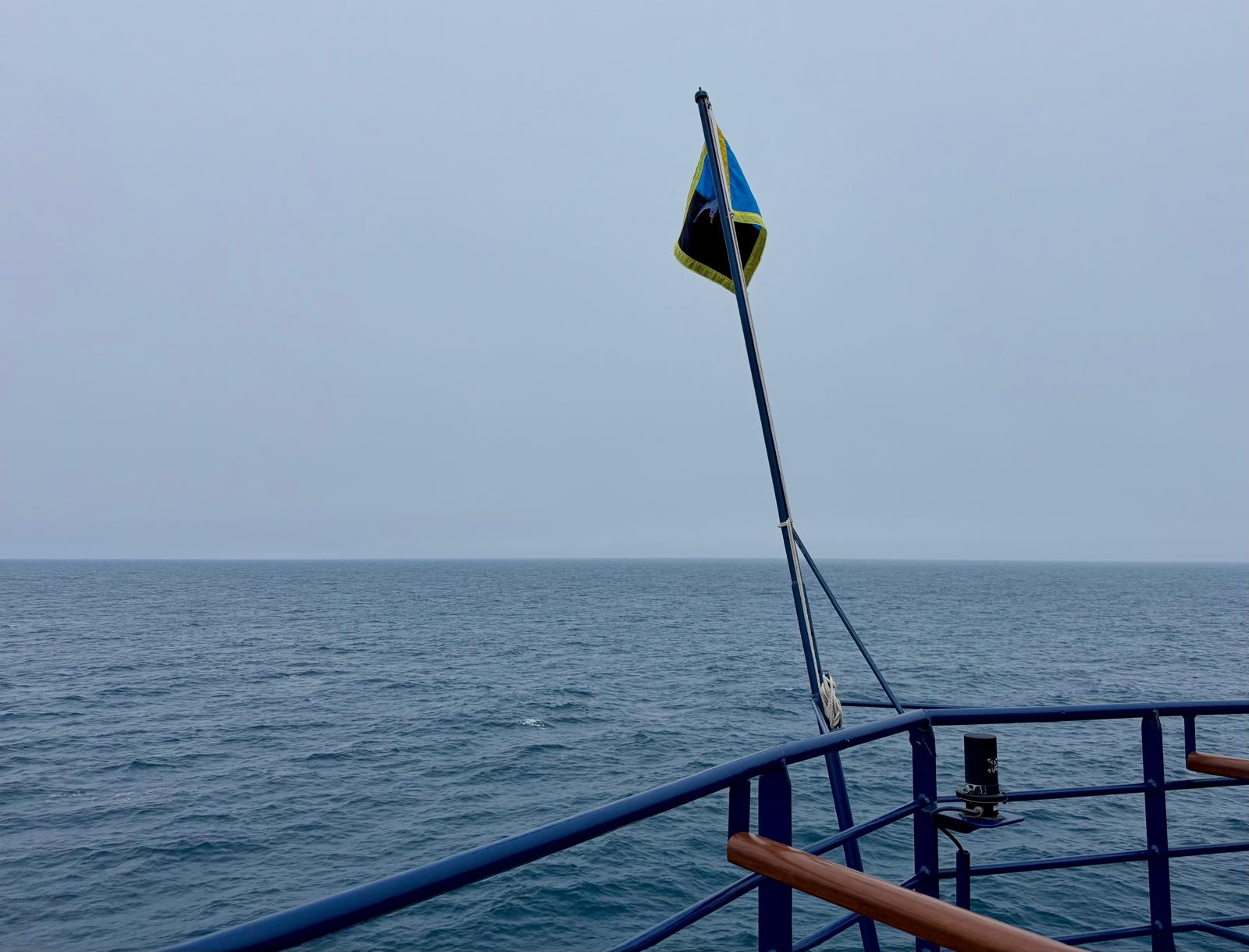
At 2:30pm we headed back to the Ice Lounge for a presentation from Macduff on how he became a National Geographic photographer. This was accompanied by the most incredible array of photographs. He has had the most interesting life, having traveled the world on a shoe-string budget, spending time in a circus, as a cowboy, and as a river-rafting guide among many other things. He spent a lot of time living with the Maya people in the Yucatan region and published a photo-journalism book if his time there.
Halfway through his presentation we were interrupted with an announcement from the bridge that some beaked whales had been spotted off the port side of the boat. We all raced out and I was again just in time to catch a glimpse of them before they dived. Apparently this species are not often seen in this area, and they only surface for short periods before diving for up to a couple of hours so we all headed back in for the end of Macduffs talk.
Scones were served for afternoon tea up on the Observation deck and I couldn’t resist one. A scone with lemon curd and cream really is a simple pleasure not to be missed. Then, after another round of laps around the deck, we headed back to the Ice Lounge for a very entertaining lecture from Martin on penguins and what we can expect over the coming weeks. This was followed by our evening recap, which included some photos the whale expert, Johnny had managed to take of the whales and dolphins seen during the day… not much more than what I had glimpsed.
Roger has developed a bit of a cough so spent most of the afternoon in our cabin to avoid passing it on to anyone else. Hopefully he will fully recover before we get to South Georgia.
Thursday 19 November 2026: At Sea – Roger
We are still steaming, or should I say motoring, east-south-east towards South Georgia. First spotted by Anthony de La Roche in 1675 when he got blown off course, the island was actually first claimed in 1775 by Captain James Cook, aboard HMS Resolution. He landed at Possession Bay, surveyed the coast, and claimed the “Isle of Georgia” for Britain. At just over 100 miles long, 24 miles wide, and rising to about 2000m it’s quite a rugged spot we’re heading for.
In spite of this being a sea day there is always plenty to do on the Endurance. With talks on plant, mammal and bird life given by various naturalists on board, the main item today was concerning biosecurity for both South Georgia and Antarctica. When Captain Cook came here in 1775 he noted there was a surplus of marine life including seals and whales. As a consequence hundreds of people came here to make their fortune from both seal skins and whale blubber. Over the next hundred years or so a lot of the populations were devastated. A big effort has been made over the last 50+ years to reinstate much of the original wildlife. They’ve also gone through and removed invasive species of mammals, grasses and other vegetation that were brought to the island. With bird flu making its way around the world nowadays particular care has to be taken when entering South Georgia. We all had to go down to the mudroom where the boots and clothing that we had worn on the Falklands were carefully inspected by torchlight to ensure that there were no seeds or specks of dirt that could possibly be transferred to South Georgia.
That completed, later in the afternoon was a very entertaining lecture by Dennis on the plant life on the islands. It seemed like in no time at all it was 1800 and time for our daily debrief followed by another lovely dinner.
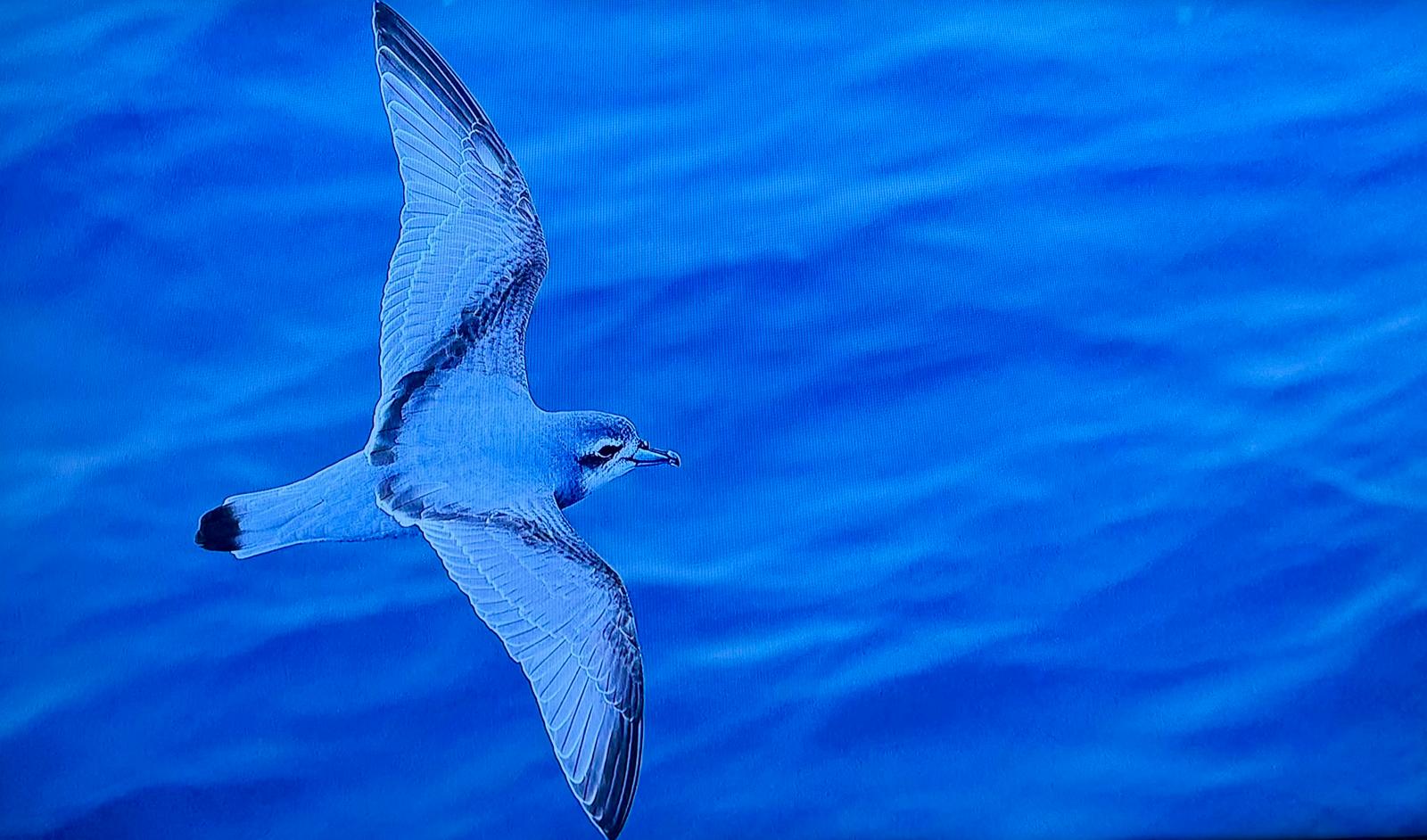
Fairy Prion (Photo is a screenshot taken during one of the lectures today). We saw a lot of these beautiful birds flying around the ship today but they move pretty fast and are hard to photograph.
Friday 20 November 2026: South Georgia – Sylvia
I woke early this morning with a great sense of anticipation. I have wanted to come to South Georgia for the longest time and I can’t truly believe I am finally here. The stretching class started at 6:30am today to allow time for our daily activities and it was pretty impressive to be up on the 8th deck watching the island start to emerge through the mist as I stretched out the body.
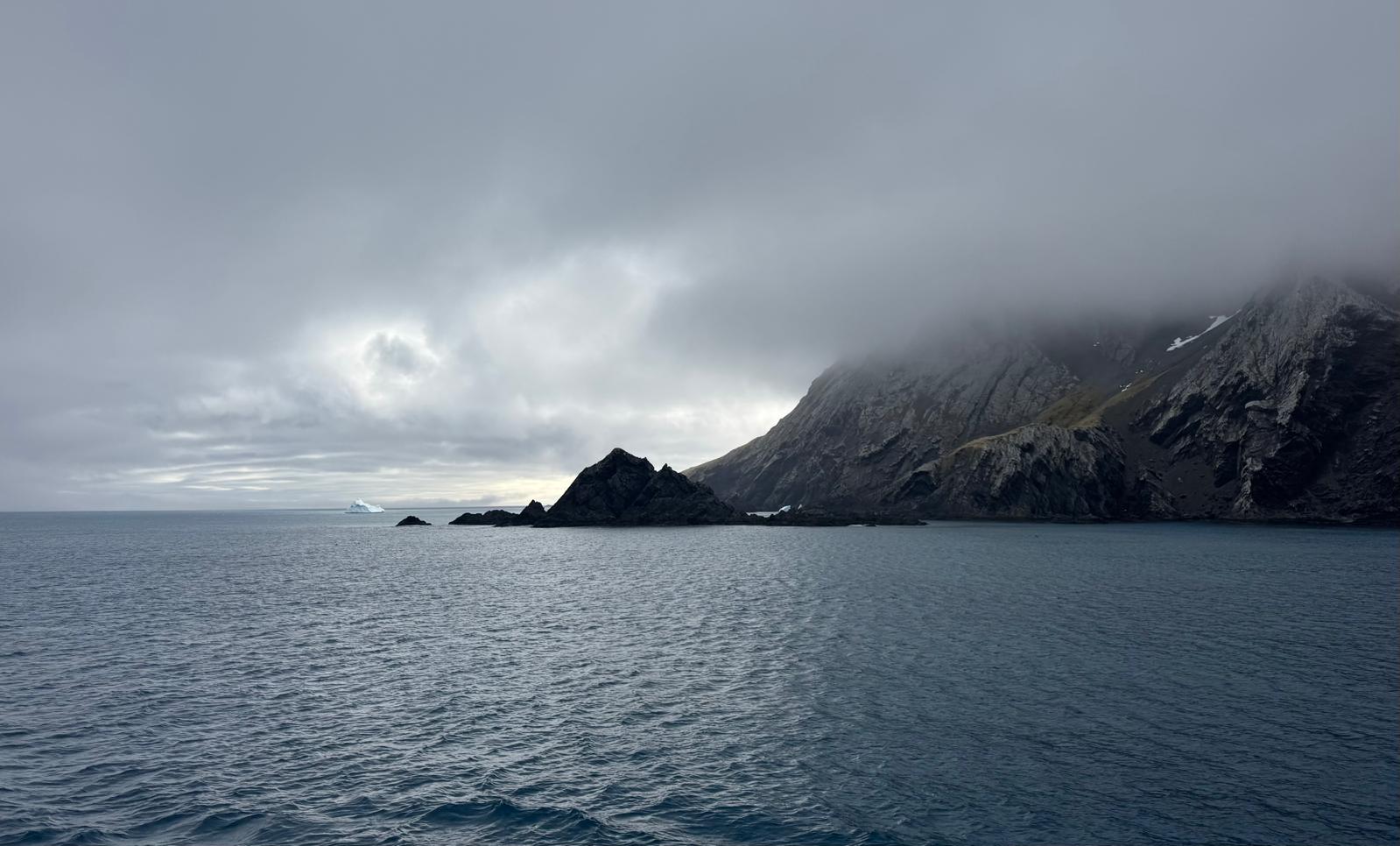
After breakfast, we, being in the Albatross zodiac group, were the first to board the zodiacs for a cruise around Elsehul. This bay is known for its prolific wildlife and in the middle of summer hosts one of the largest Antarctic Fur Seal colonies in the world. We continue to be blessed with incredibly calm seas and excellent visibility.
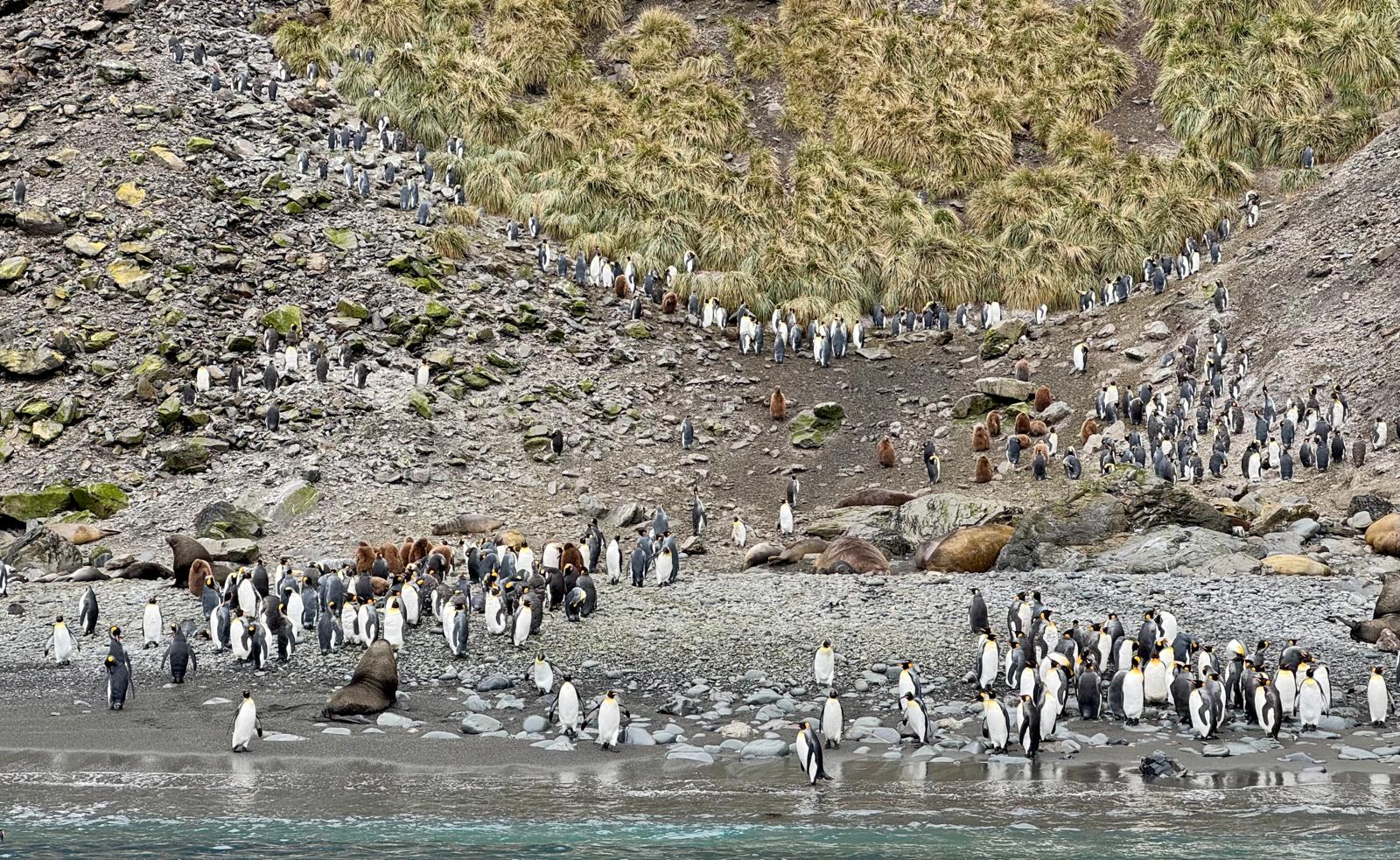
South Georgia has certainly not disappointed me. With it’s unoccupied and somewhat imposing snow-capped, shear cliffs, rising at times almost vertically from the sea the scenery alone is enough to awe. Add to that the incredible array of wildlife and it almost brought tears to my eyes. The Antarctic Fur Seals jostle for space with the King Penguins and enormous Elephant seals. Every now and then a Gentoo Penguin seemed to think it was taller than it is, trying to pass itself off as a King. And we are still fairly early in the season. The male seals of both species roar and puff themselves up, fighting off any other males that might threaten their, yet to arrive, harems. We saw the odd female and occasional tiny Antarctic Fur Seal pup as well as a group of cute, and very fat Elephant seal weaners.
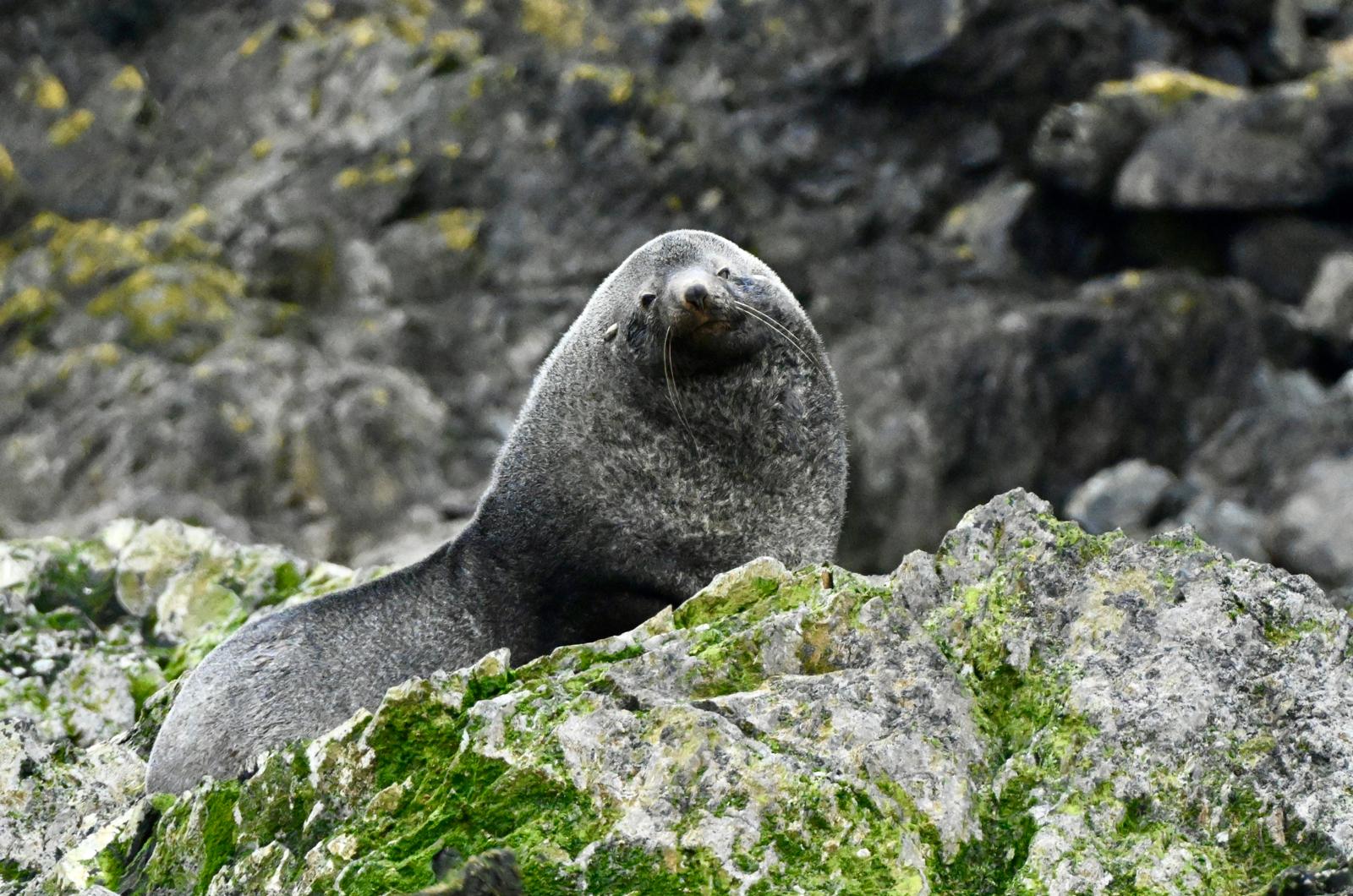
Antarctic Fur Seal
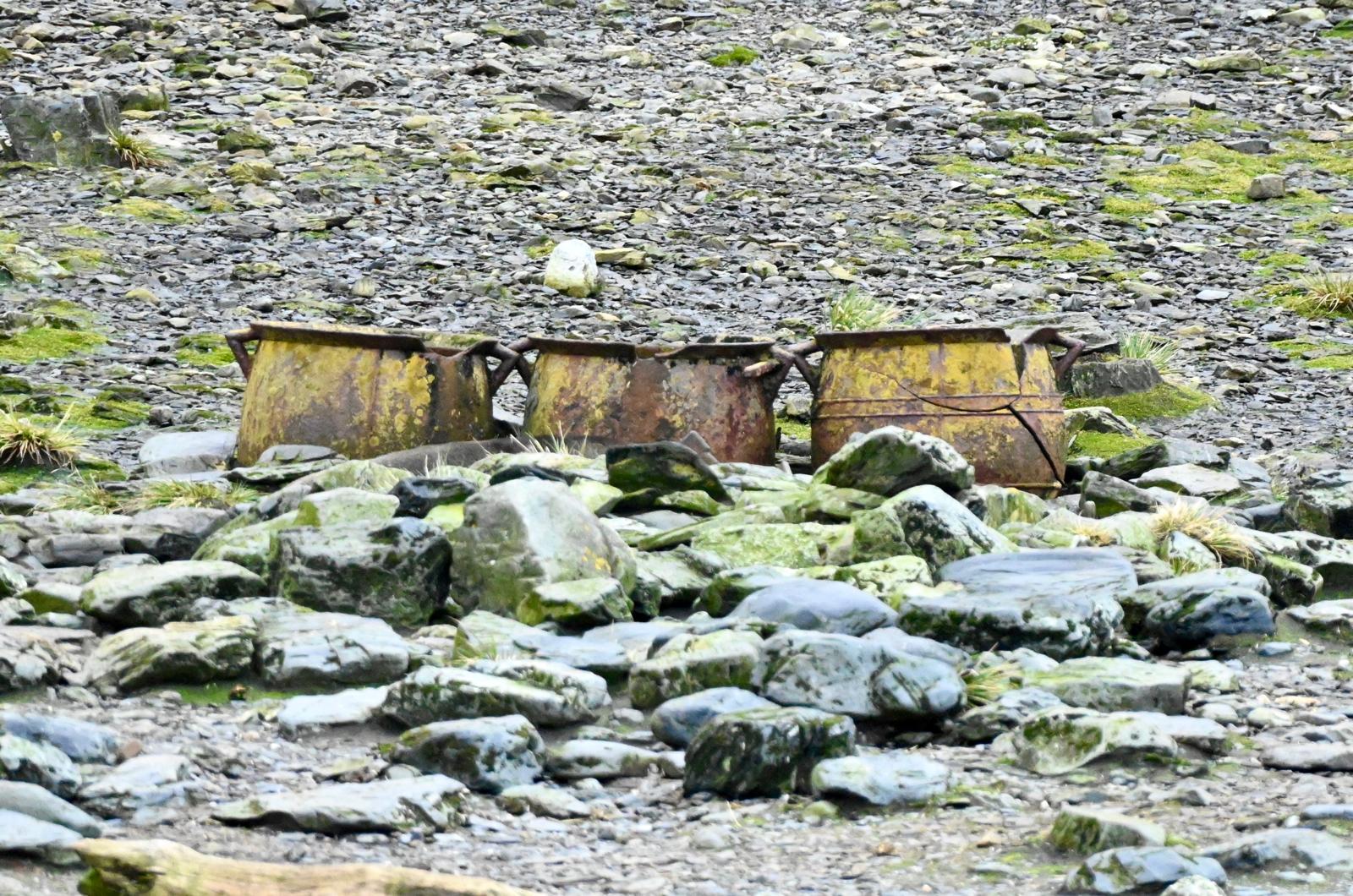
Old Whaling/Sealing pots for boiling down blubber
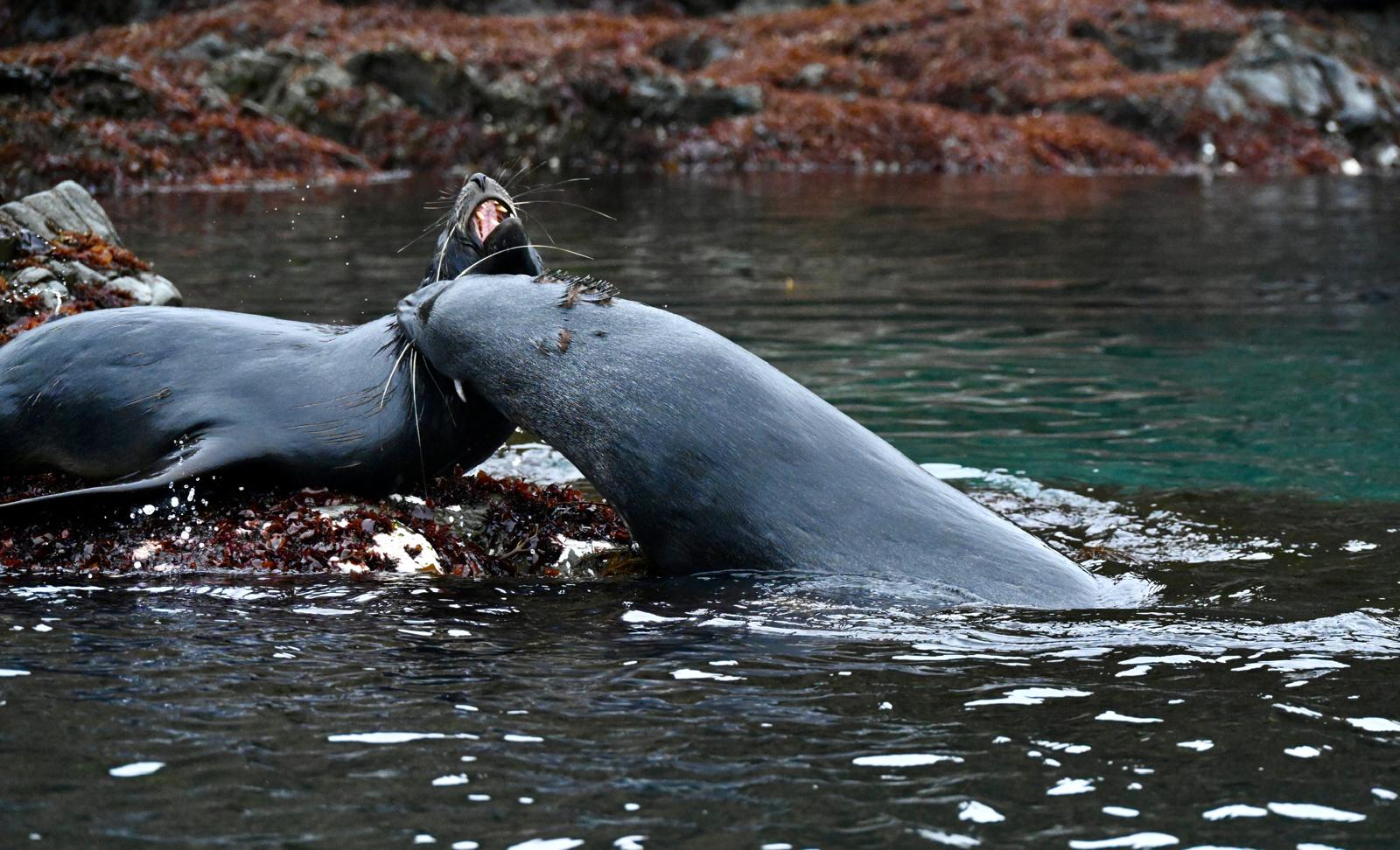
Antarctic Fur Seals fighting (Juvenile males)
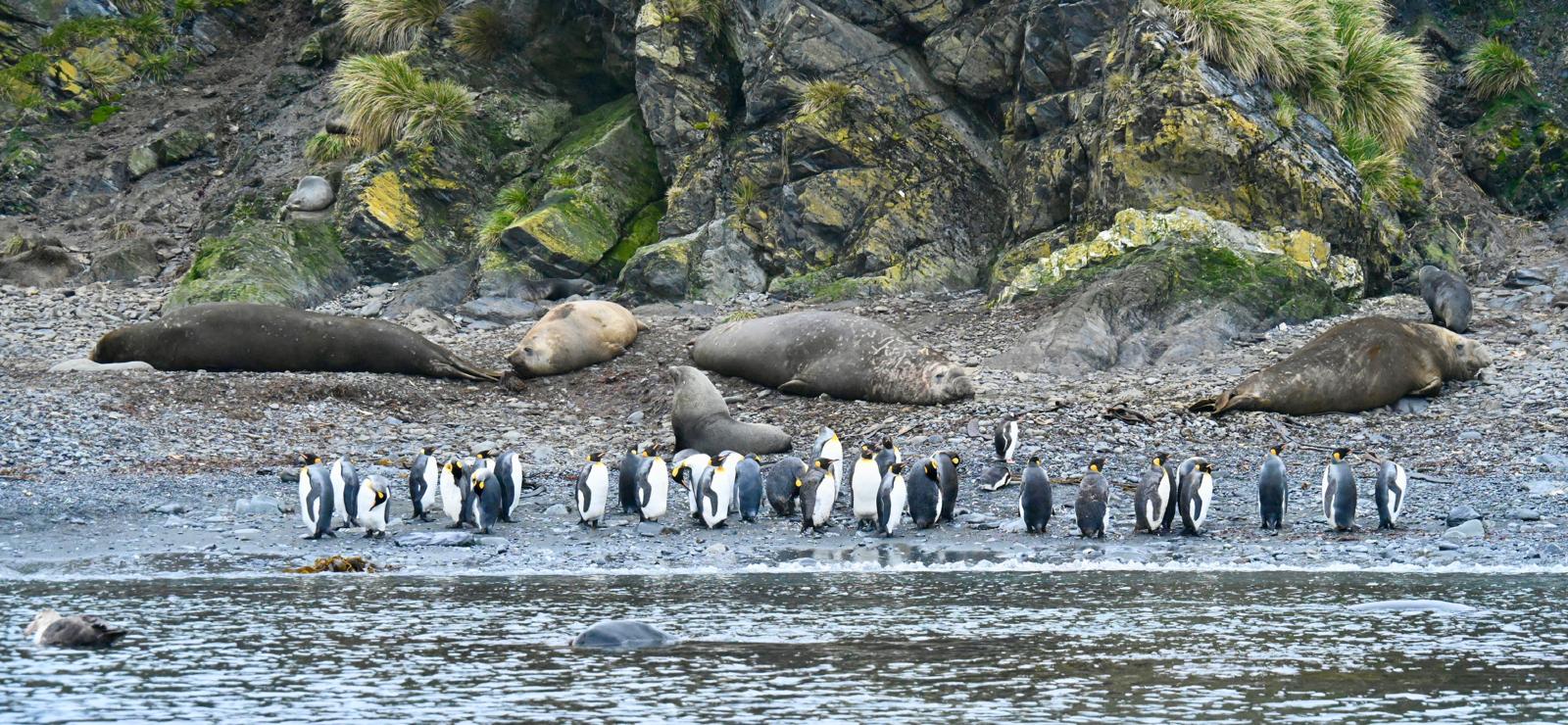
King Penguins with Elephant Seals and Antarctic Fur Seals in the background
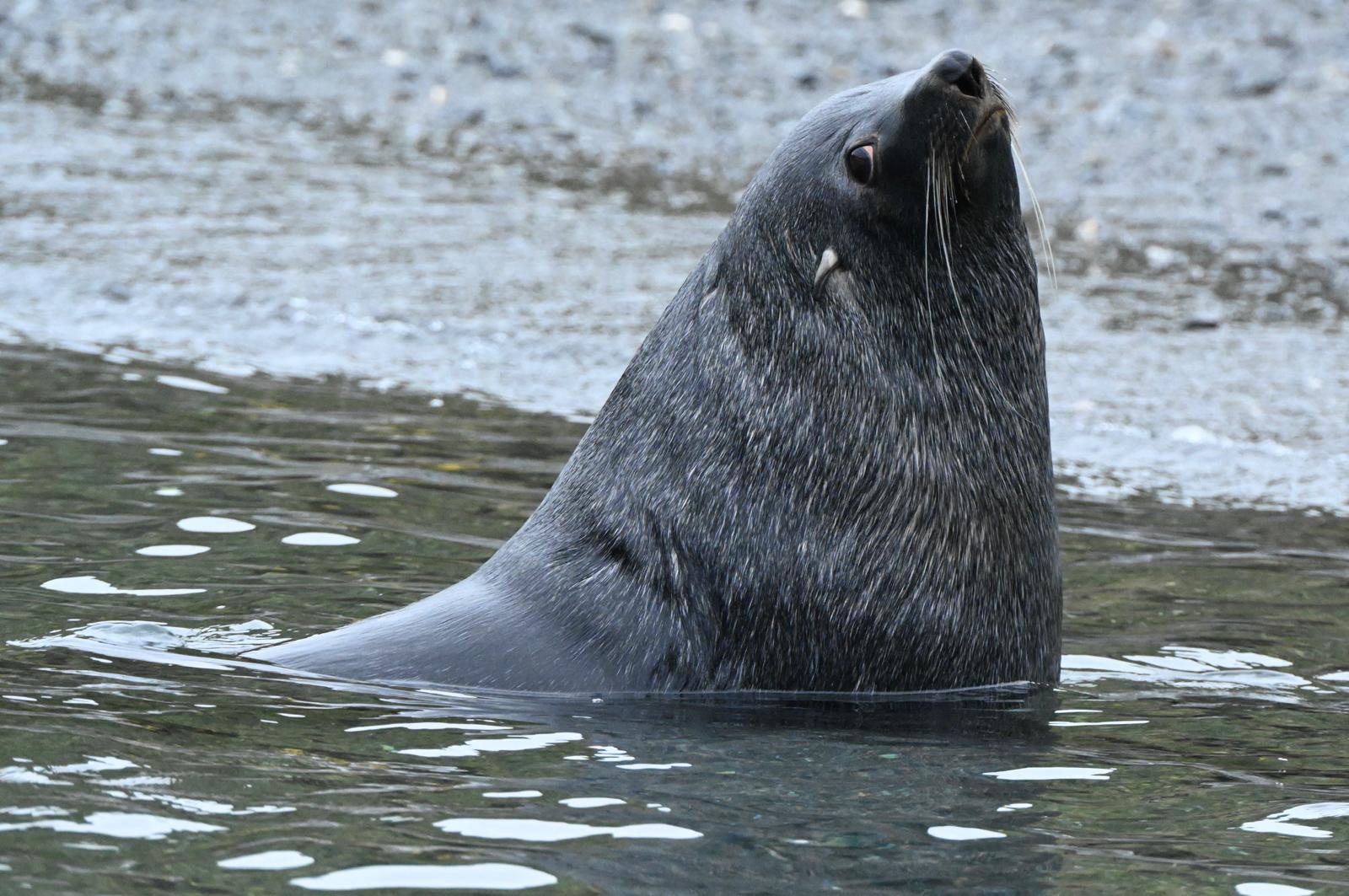
Antarctic Fur Seal (Note the long whiskers)
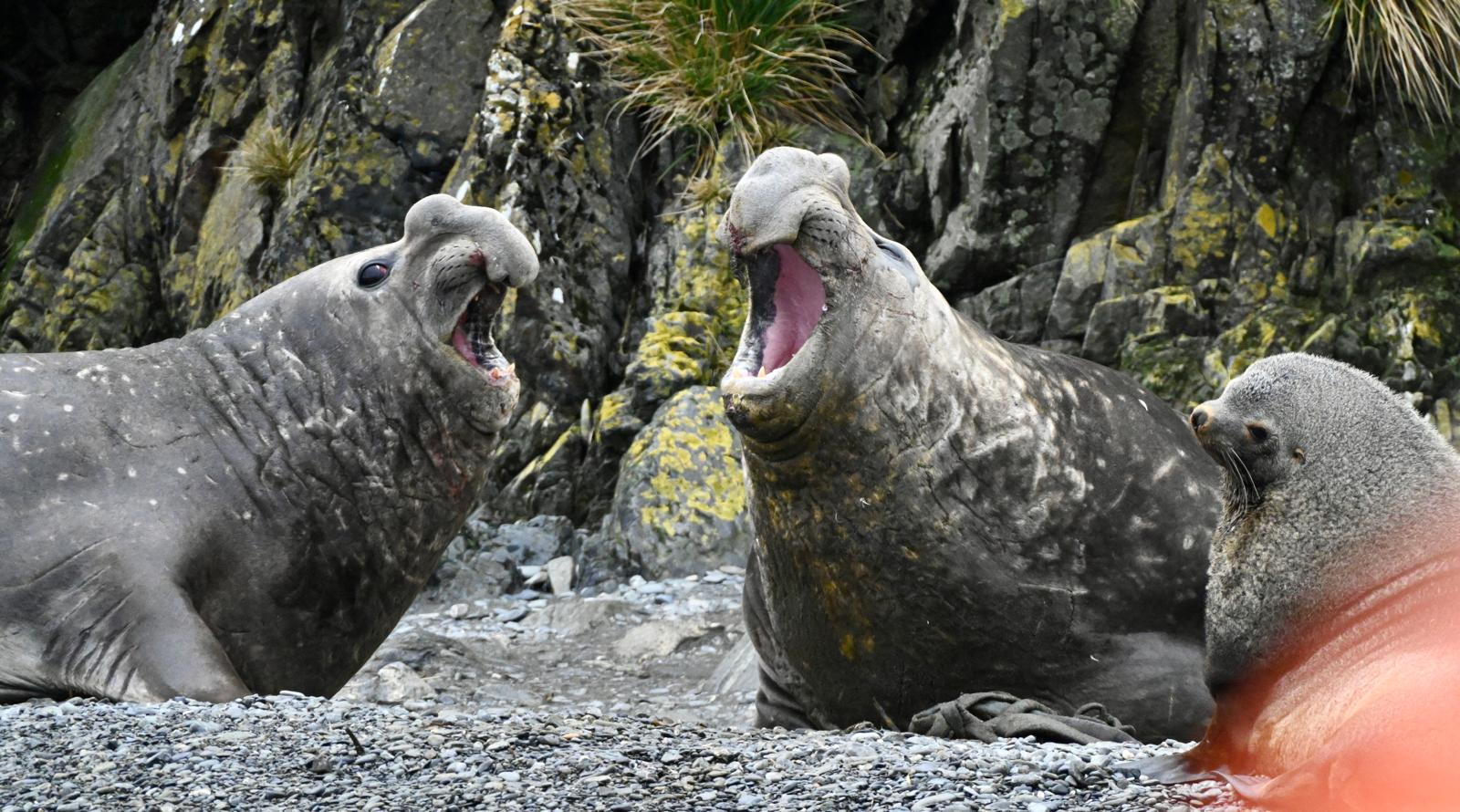
Male Elephant Seals
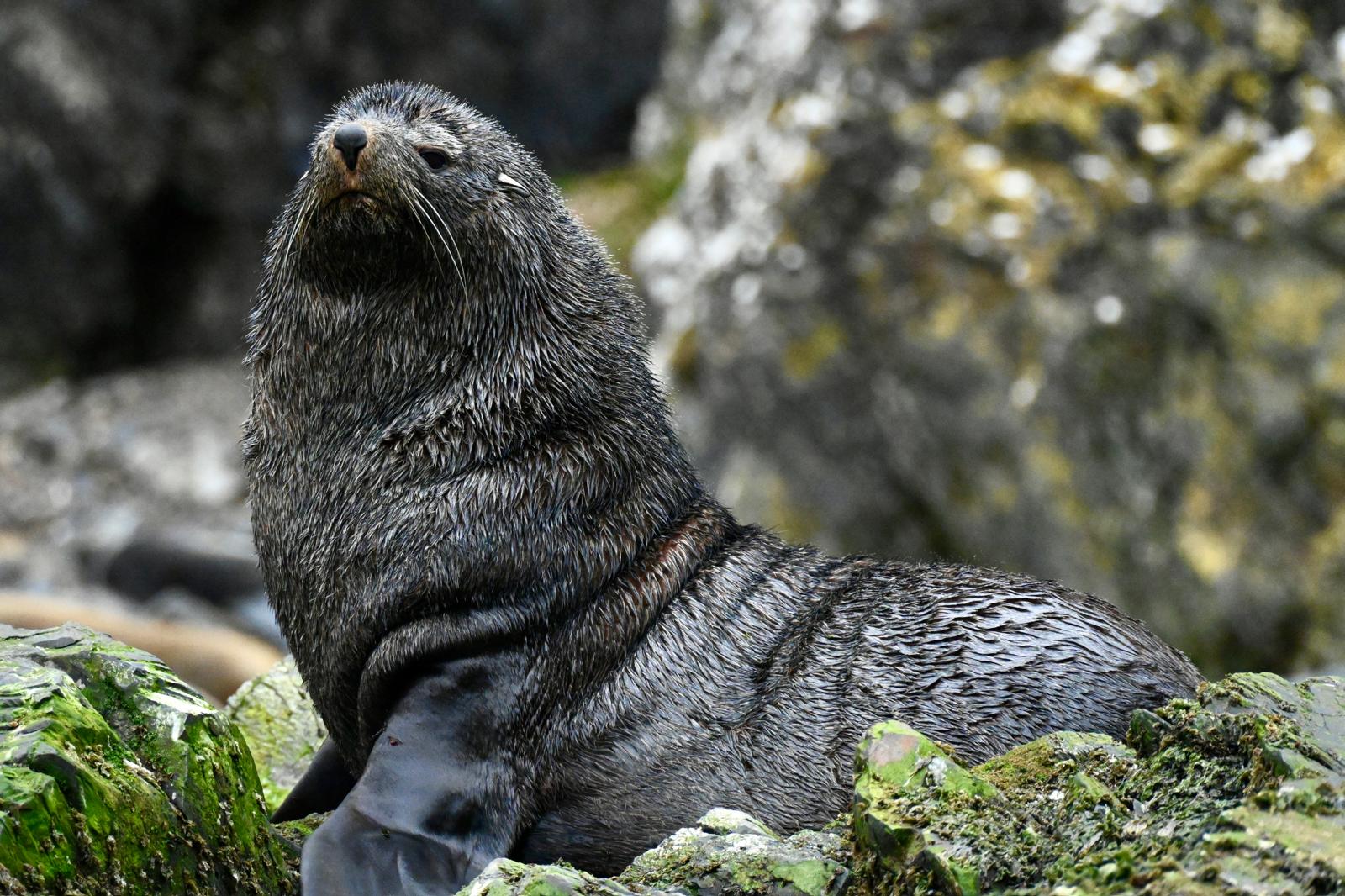
Antarctic Fur Seal
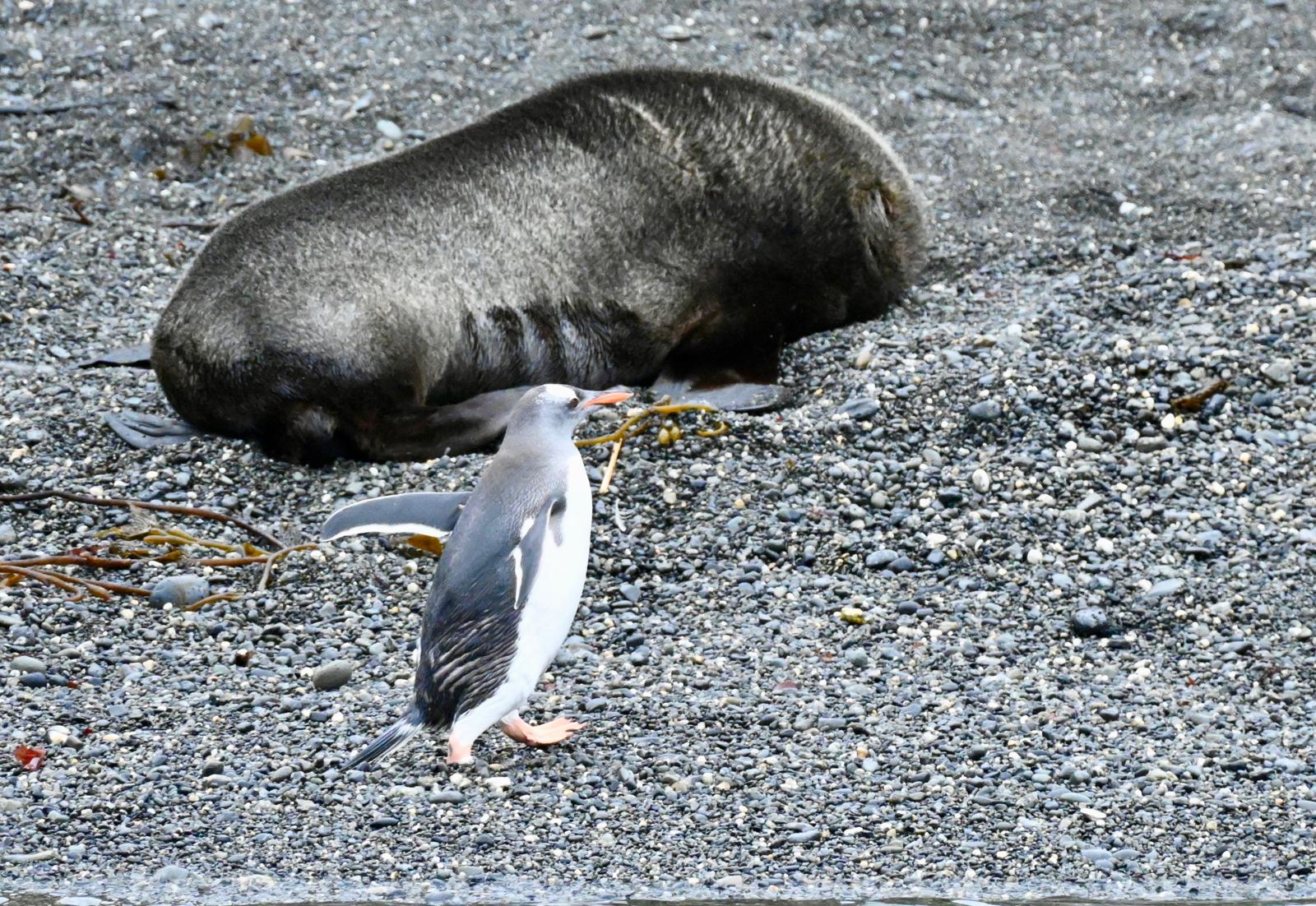
Gentoo Penguin and Antarctic Fur Seal
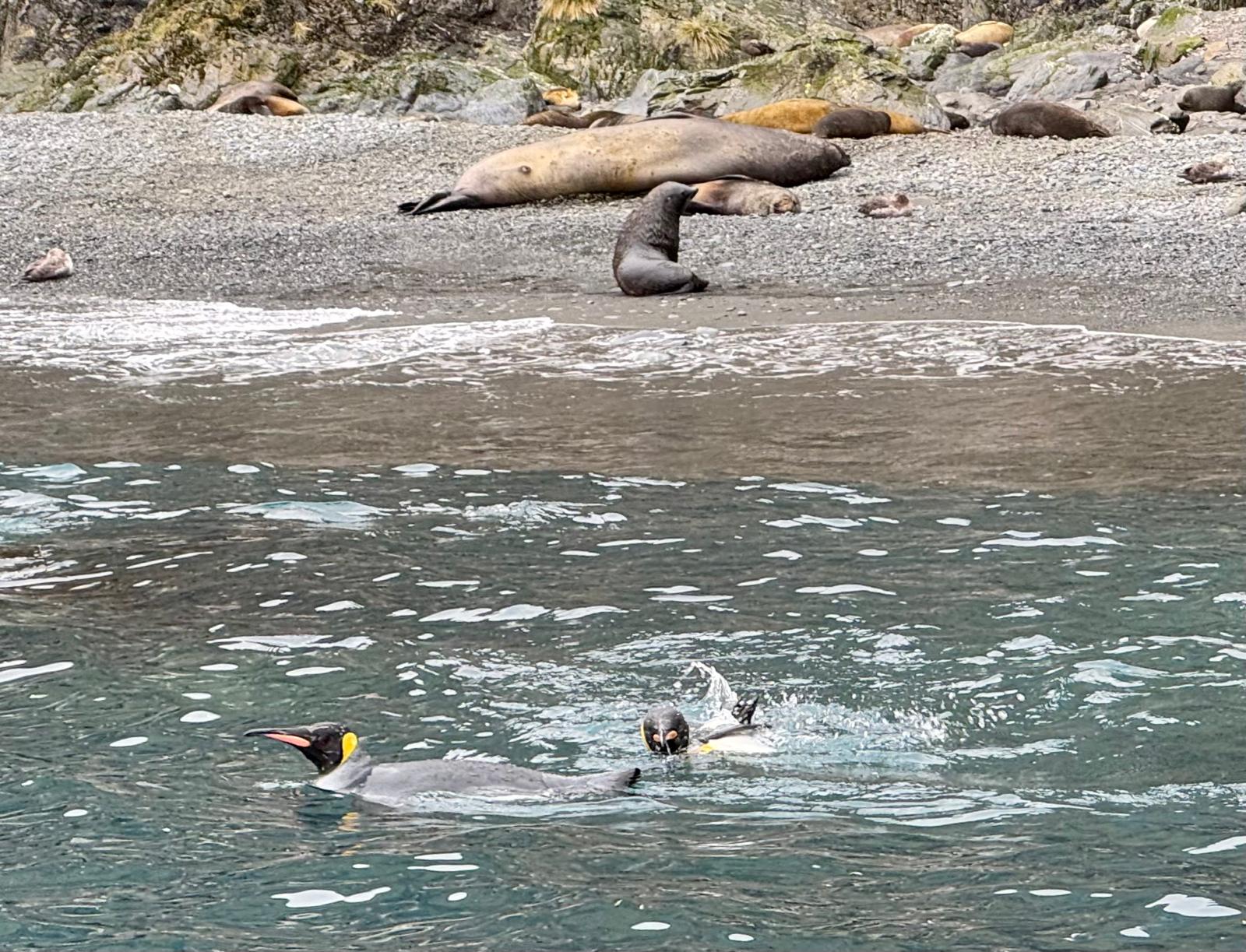
Antarctic Fur Seal and Elephant Seals with King Penguins swimming in foreground
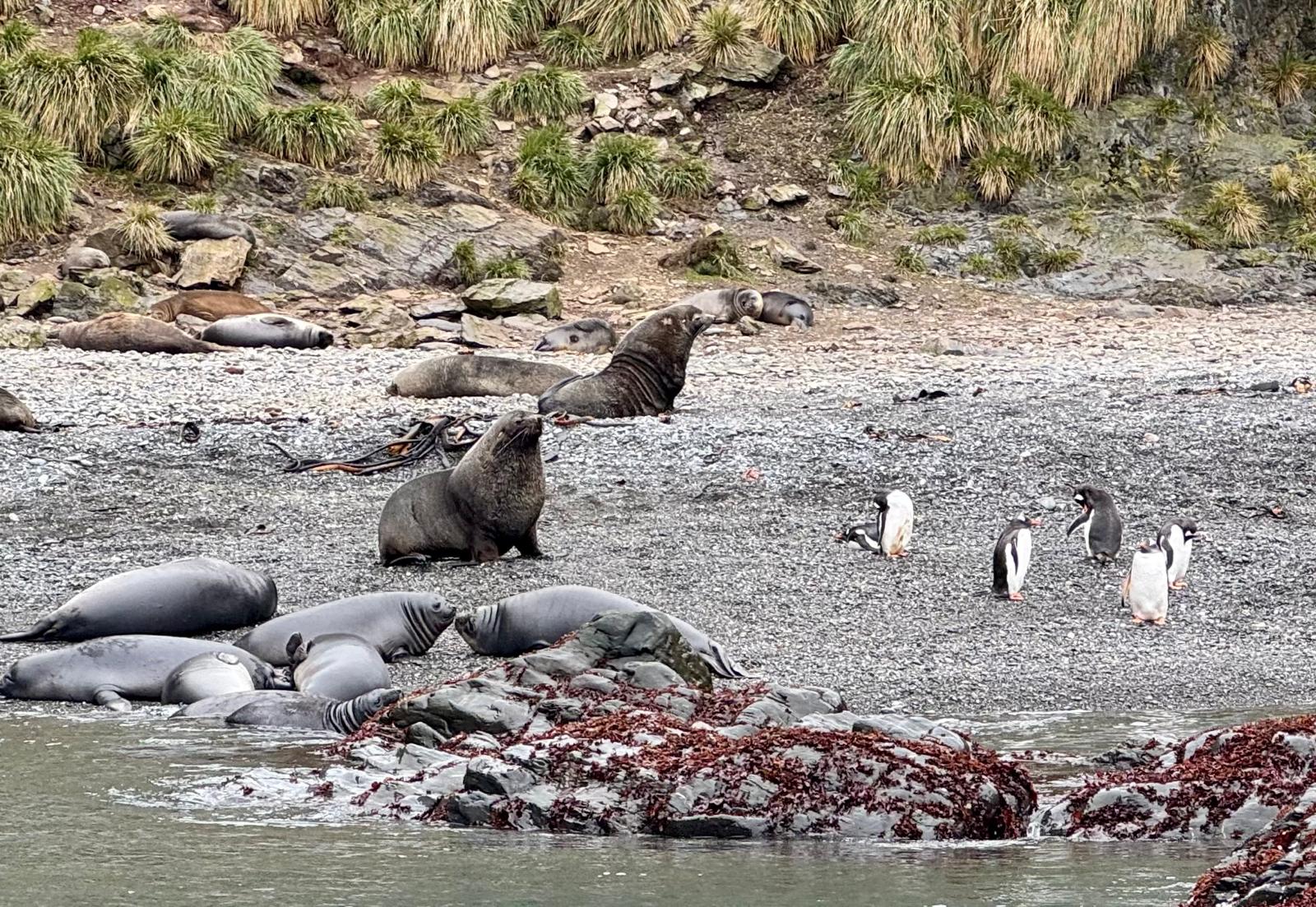
Elephant Seal Weaners in left foreground (note the chubby neck roles), Gentoo Penguins in right foreground. Antarctic Fur Seals behind
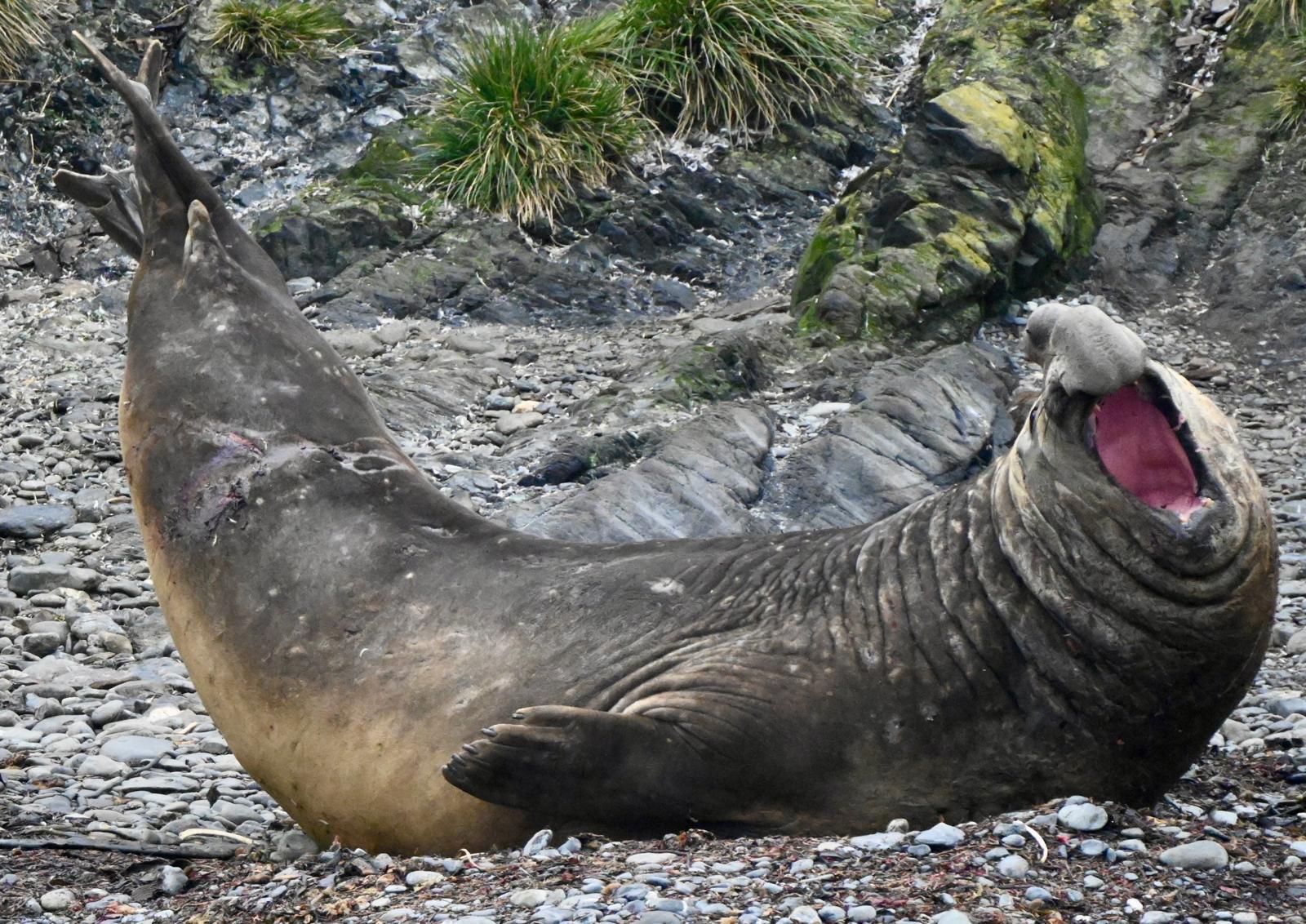
Male Elephant Seal
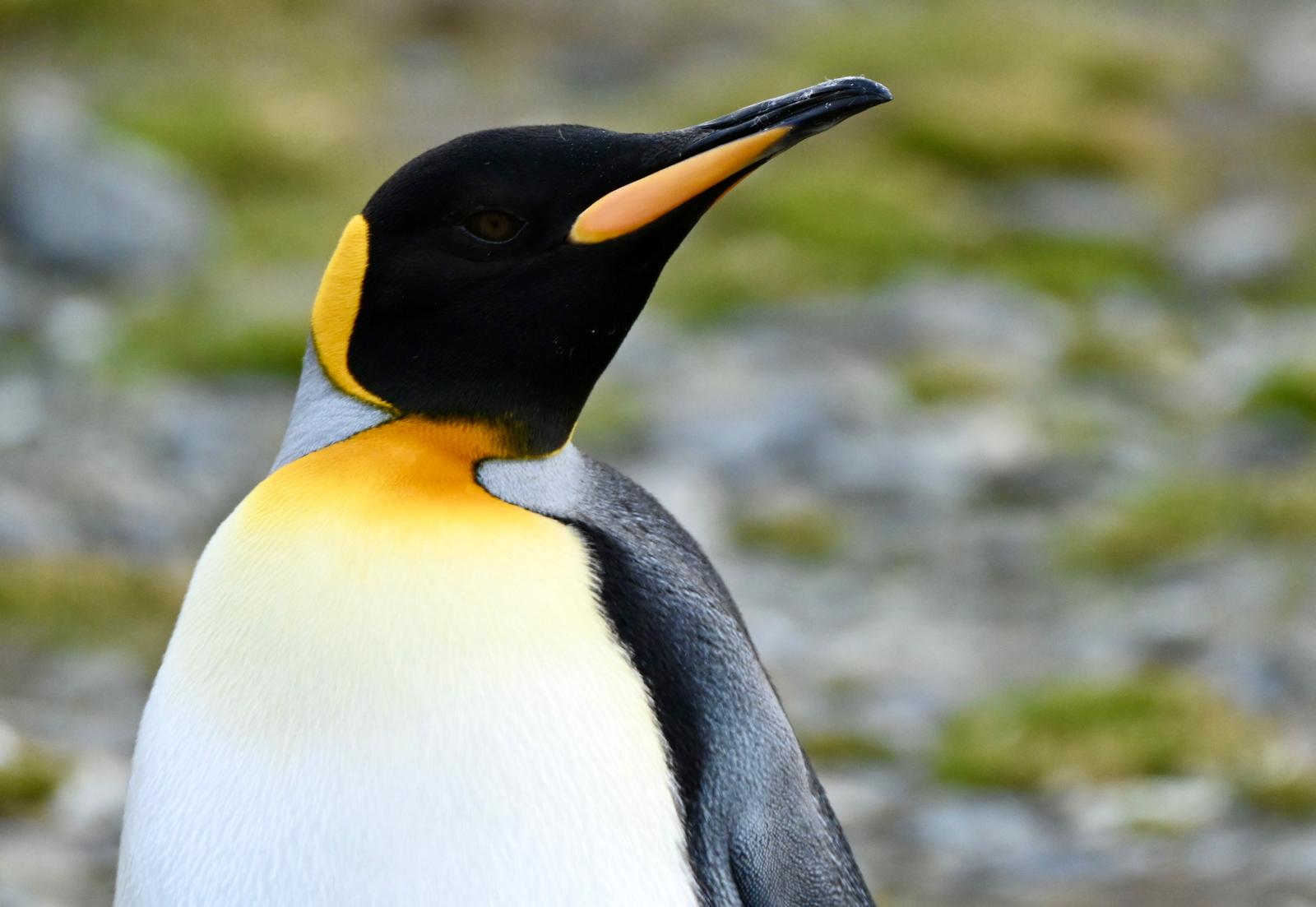
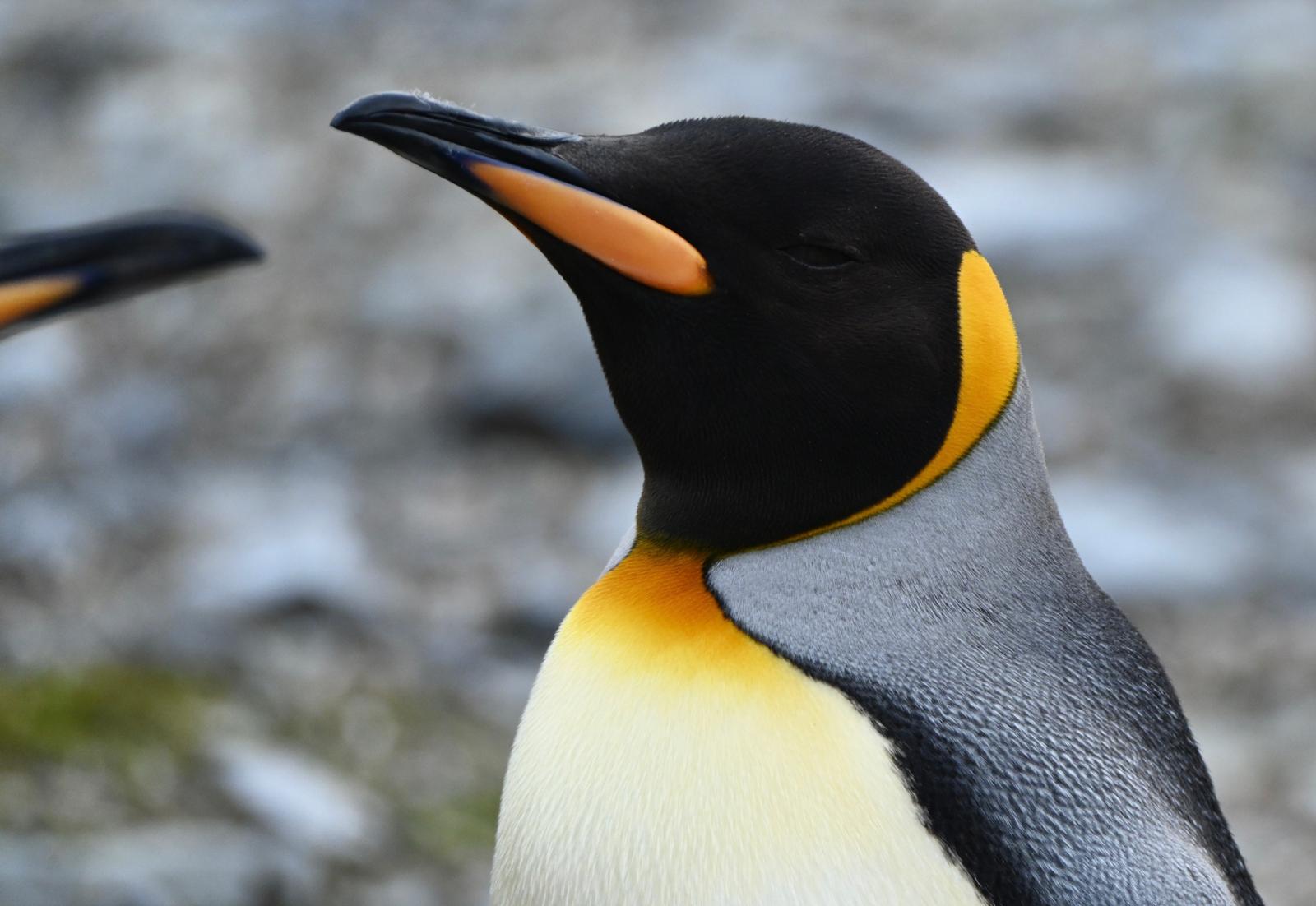
The King Penguins, majestic with their orange markings, stand about in large groups, some moulting. Further on we spotted many of the very fat, nearly year-old young ones with their fuzzy brown coats. Black-browed, Light-Mantled and Grey-headed Albatross soared about overhead, or were seen nesting on the cliffs and in the tussock. These birds are so sleek it is easy to see how they make such good flyers.
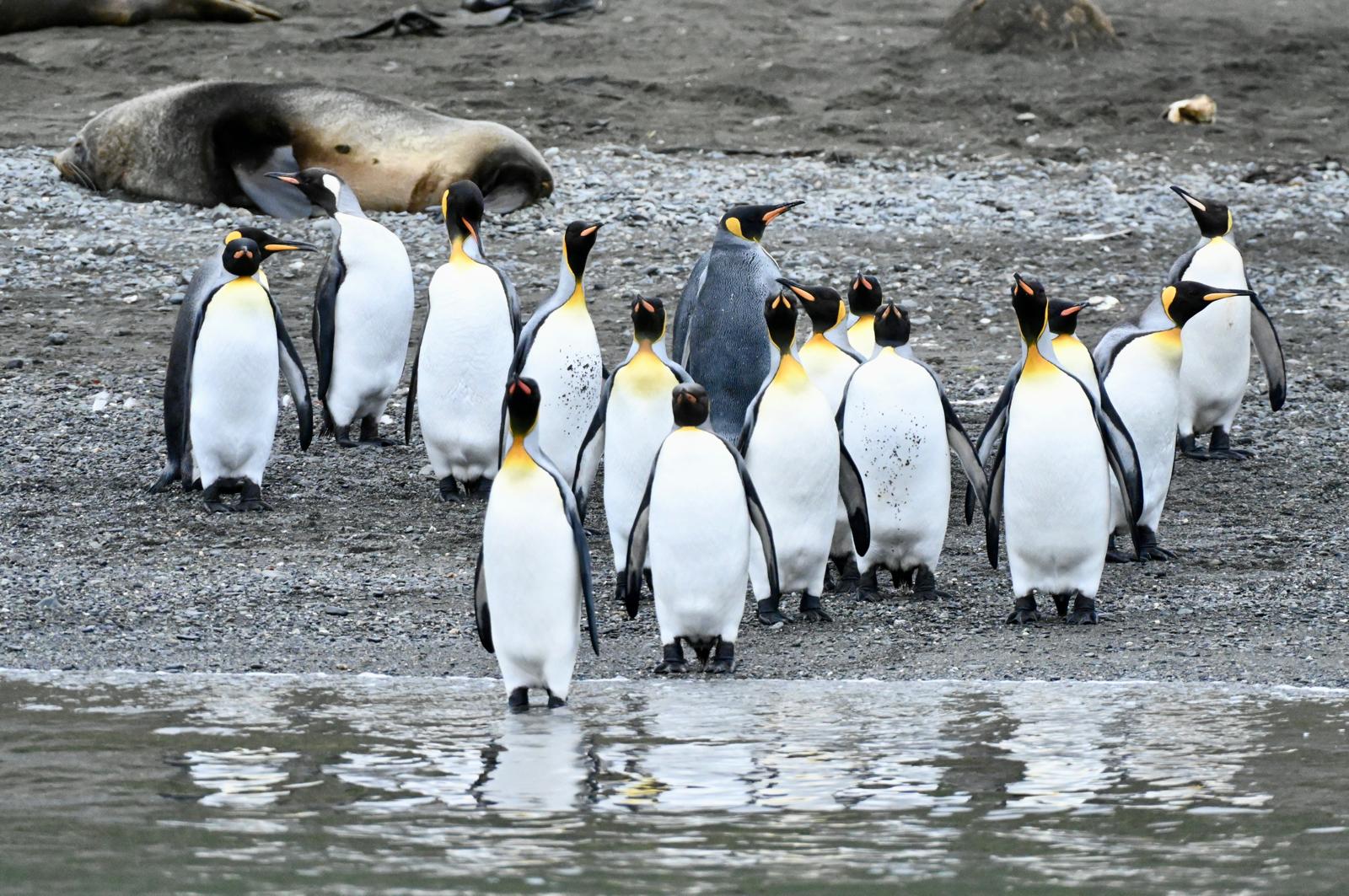
King Penuins
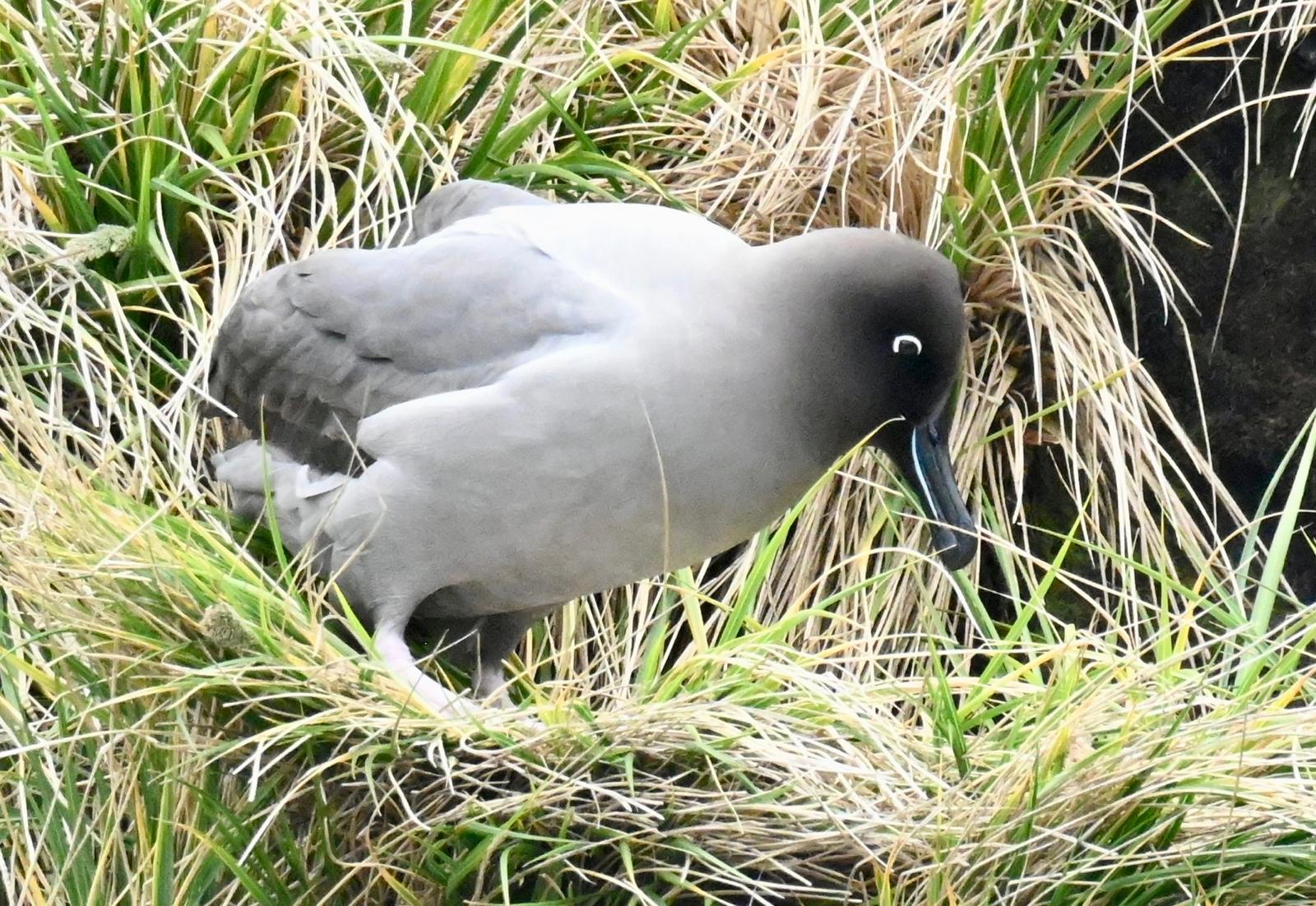
Light-Mantled Albatross
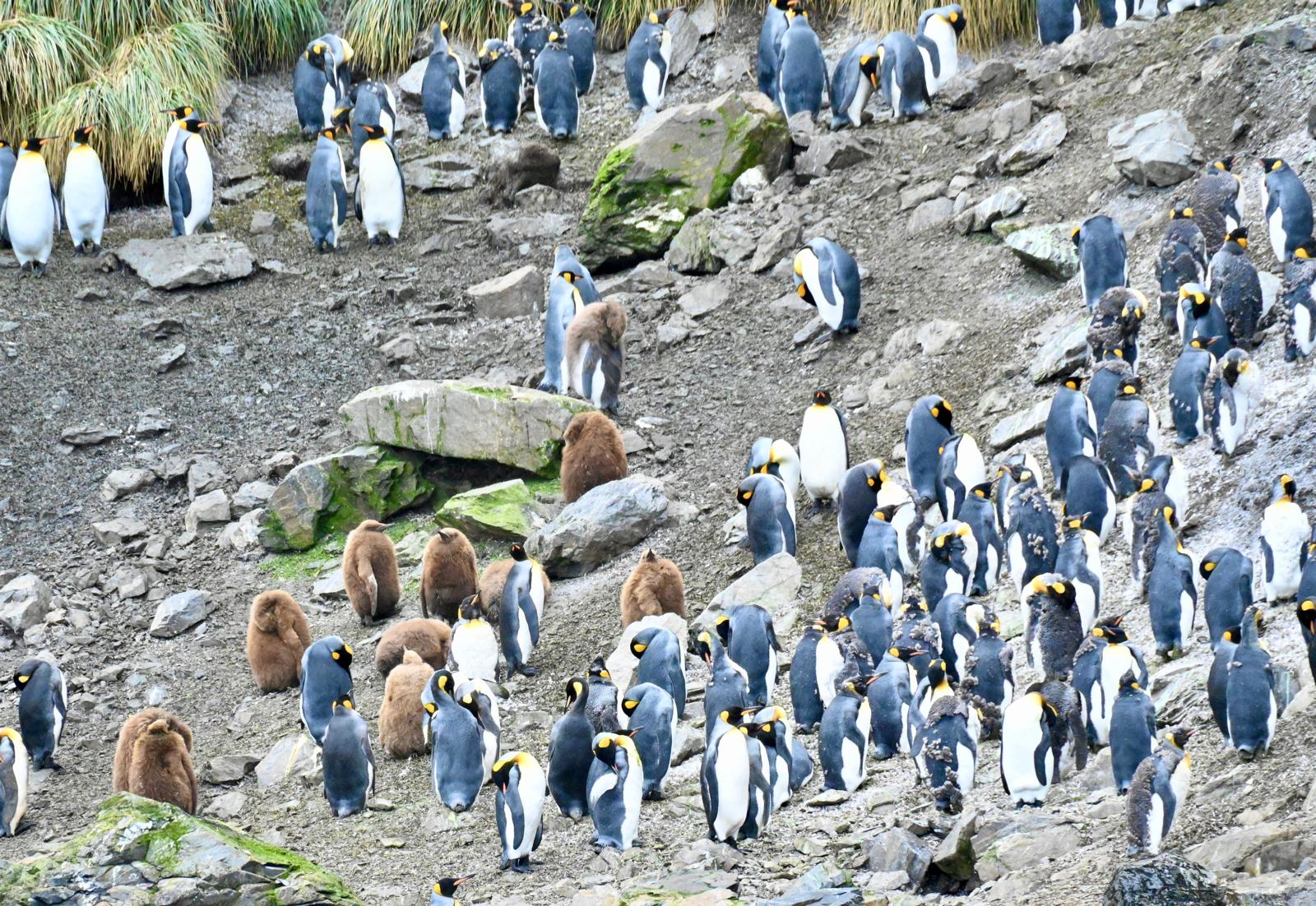
King Penguins – Some in the foreground are moulting; the brown ones are juveniles
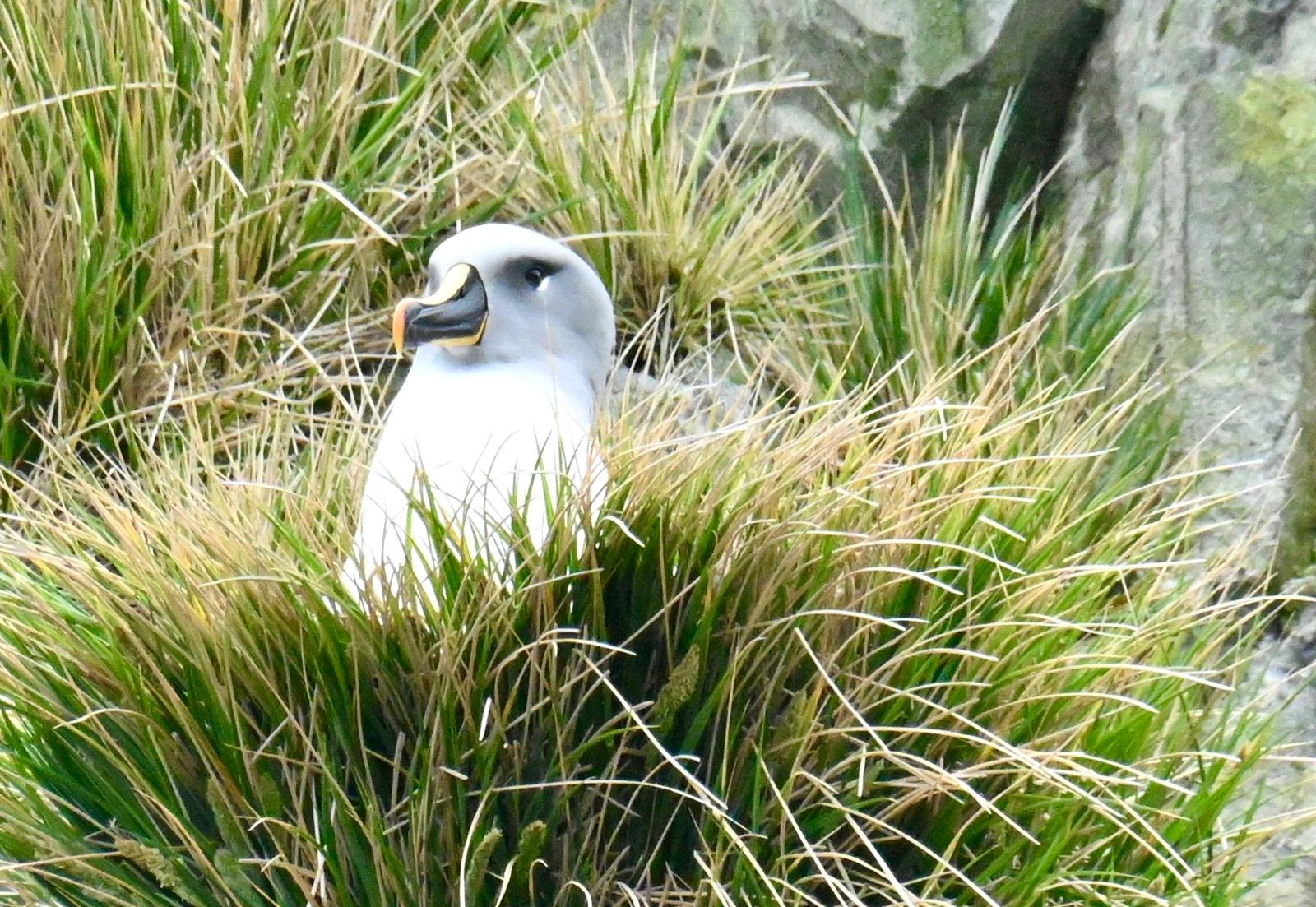
Grey-headed Albatross
Snowy sheathbills flew around or pecked along the ground. They feed on the waste of the penguins and other birds. There were also plenty of Northern Giant Petrels around, both in the air and on the water.
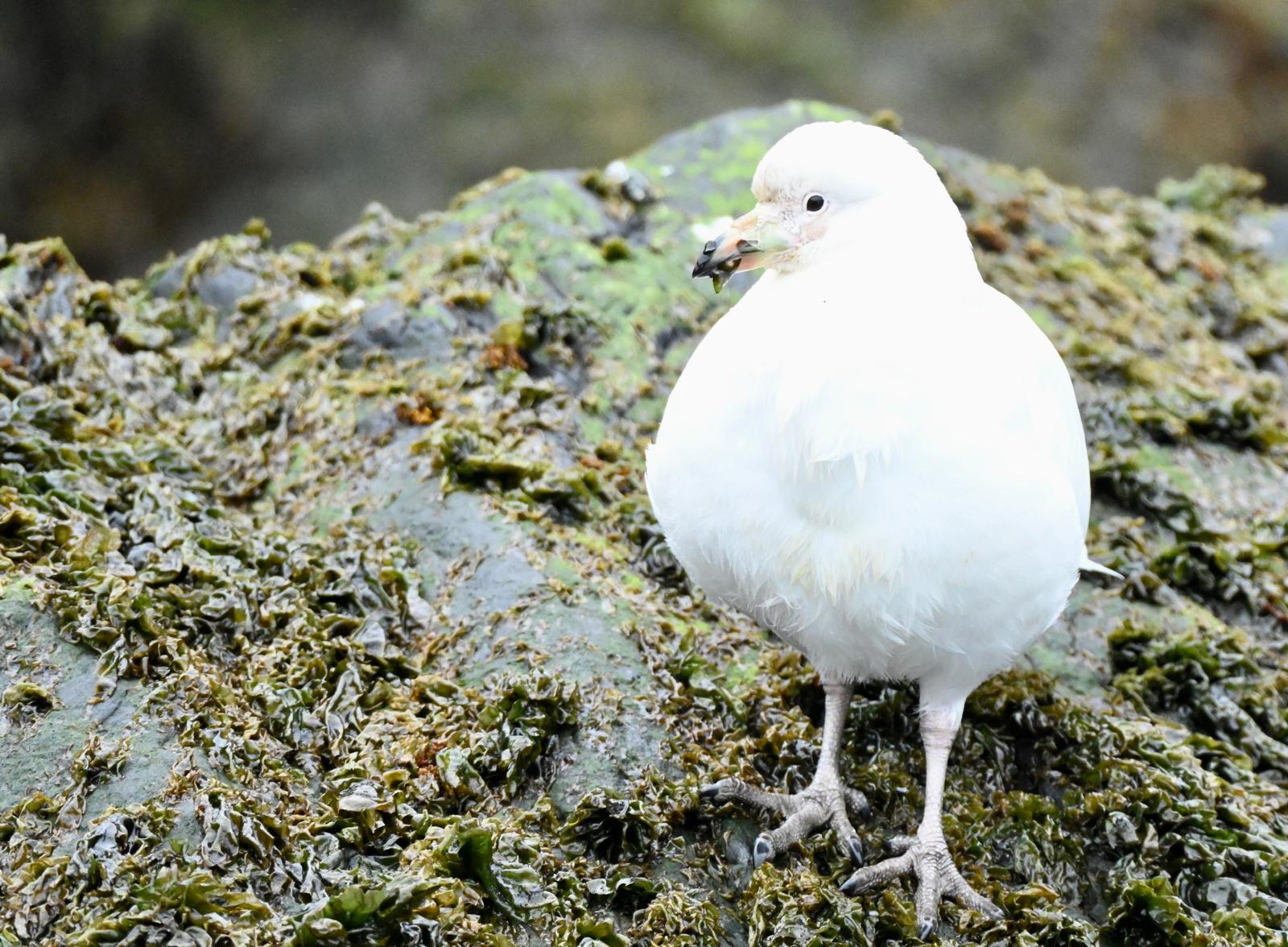
Snowy Sheathbill
Roger’s artistic shot of a Snowy Sheathbill
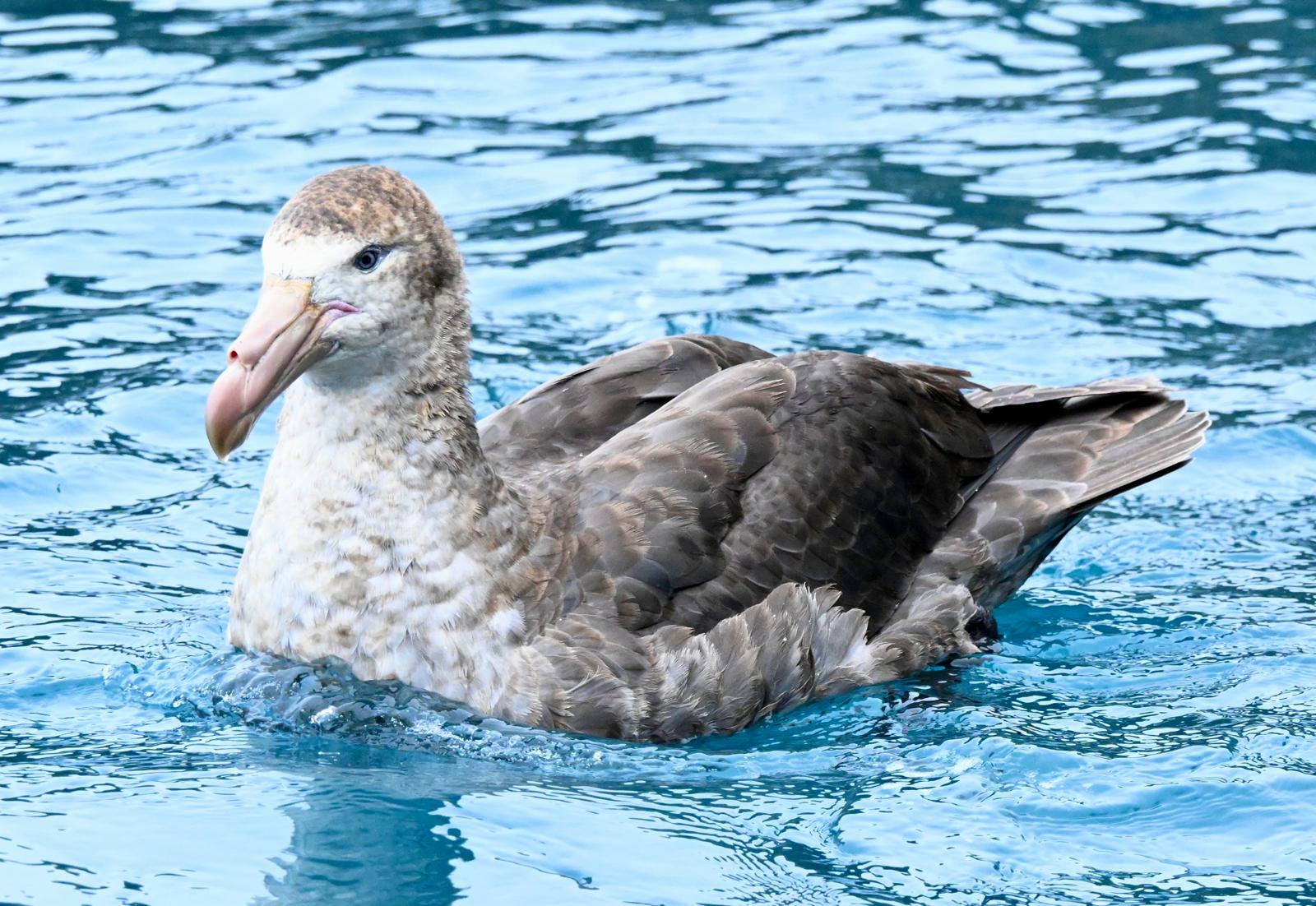
Northern Giant Petrel
As we cruised around the bay we came across a huge, noisy colony of Macaroni Penguins high in the tussock, all chattering away to each other. Around a corner we spotted a few of these daring birds making their way slowly up the sheer rock face towards the nesting site.
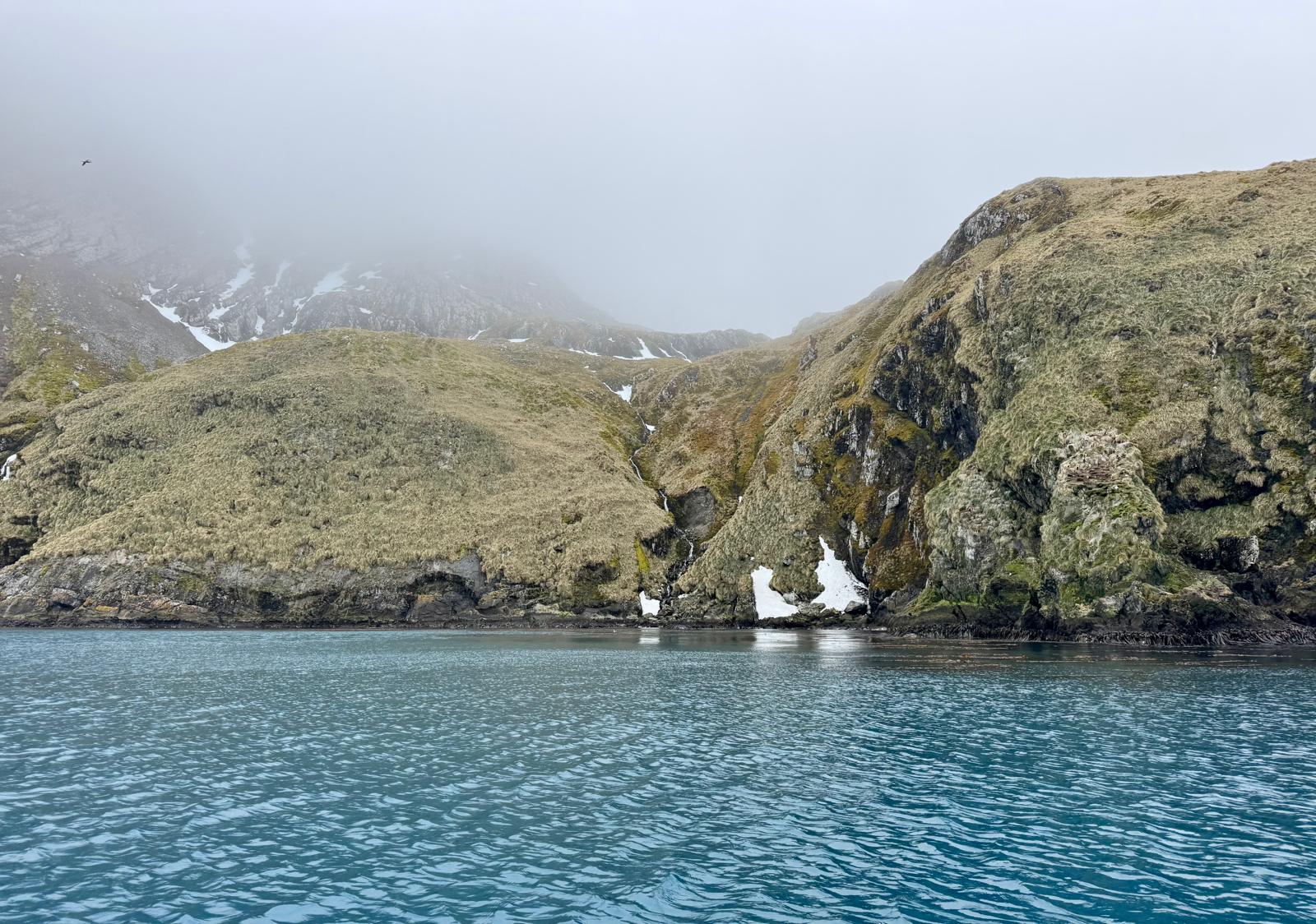
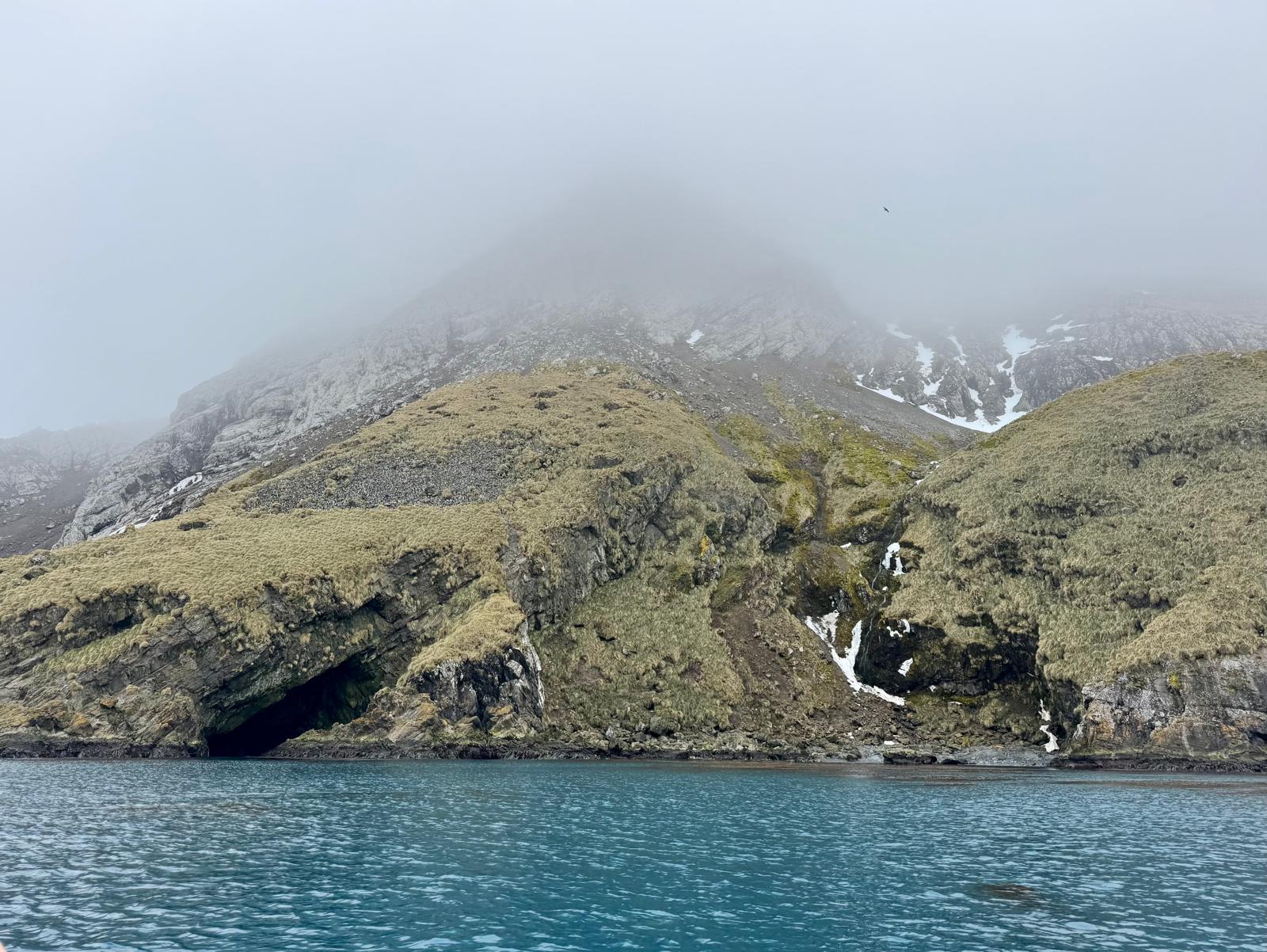
Macaroni Penguin Colony – the bare patch of tussock about a third of the way from the left
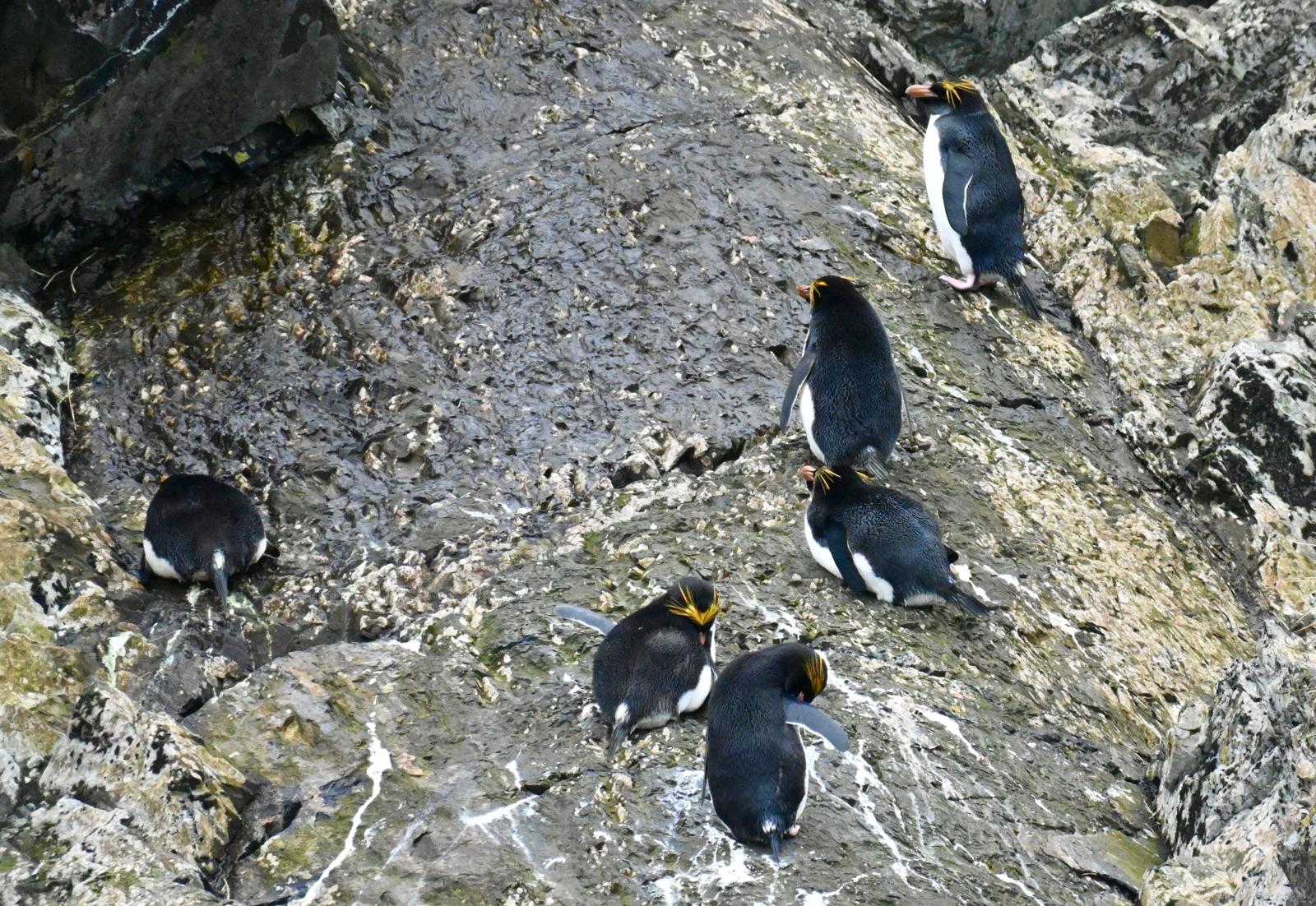
Macaroni Penguins slowly making their way up the rock
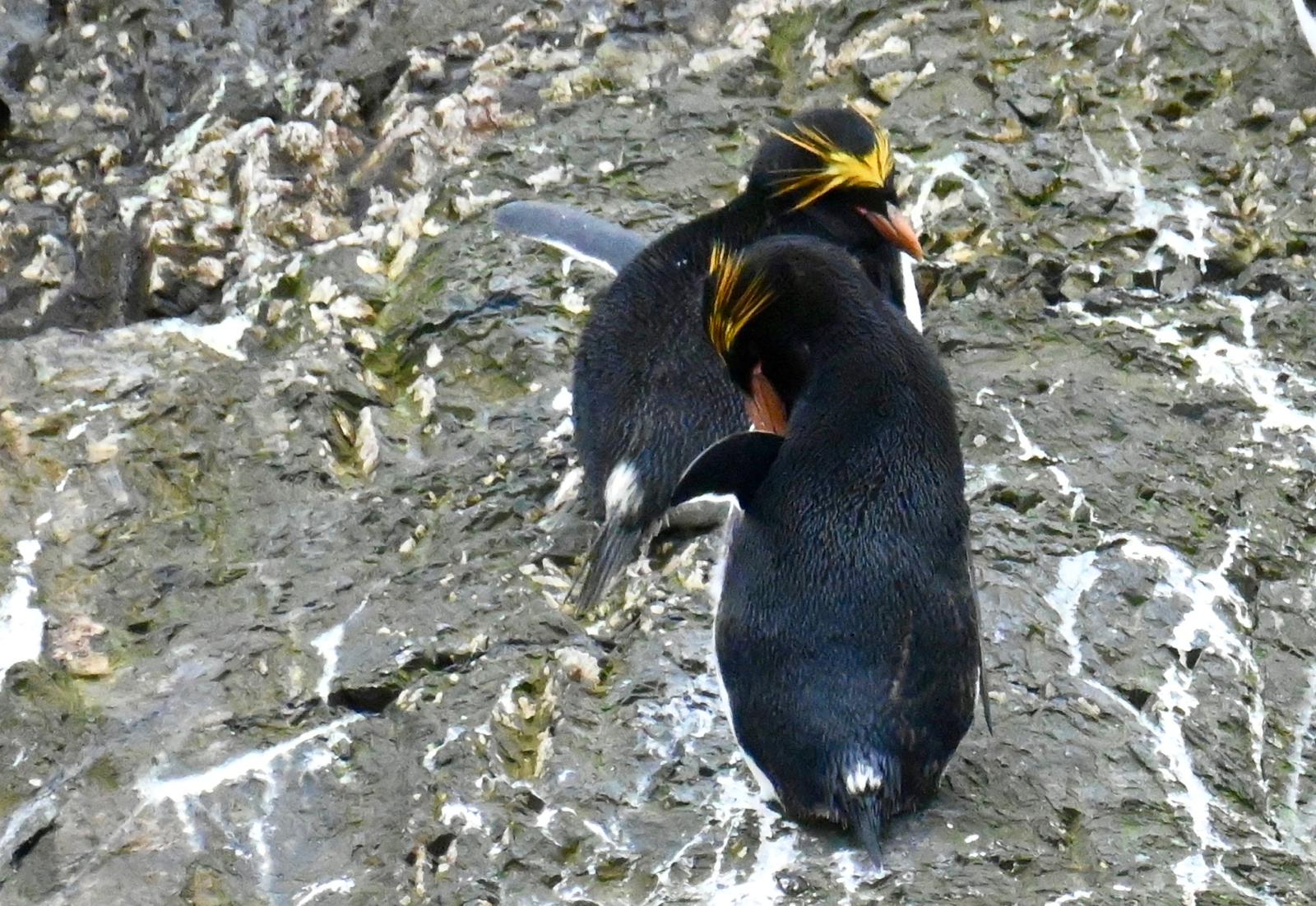
Macaroni Penguins
At one point another zodiac arrived with some of the hotel crew, bringing some very welcome hot chocolate to warm us from the inside.
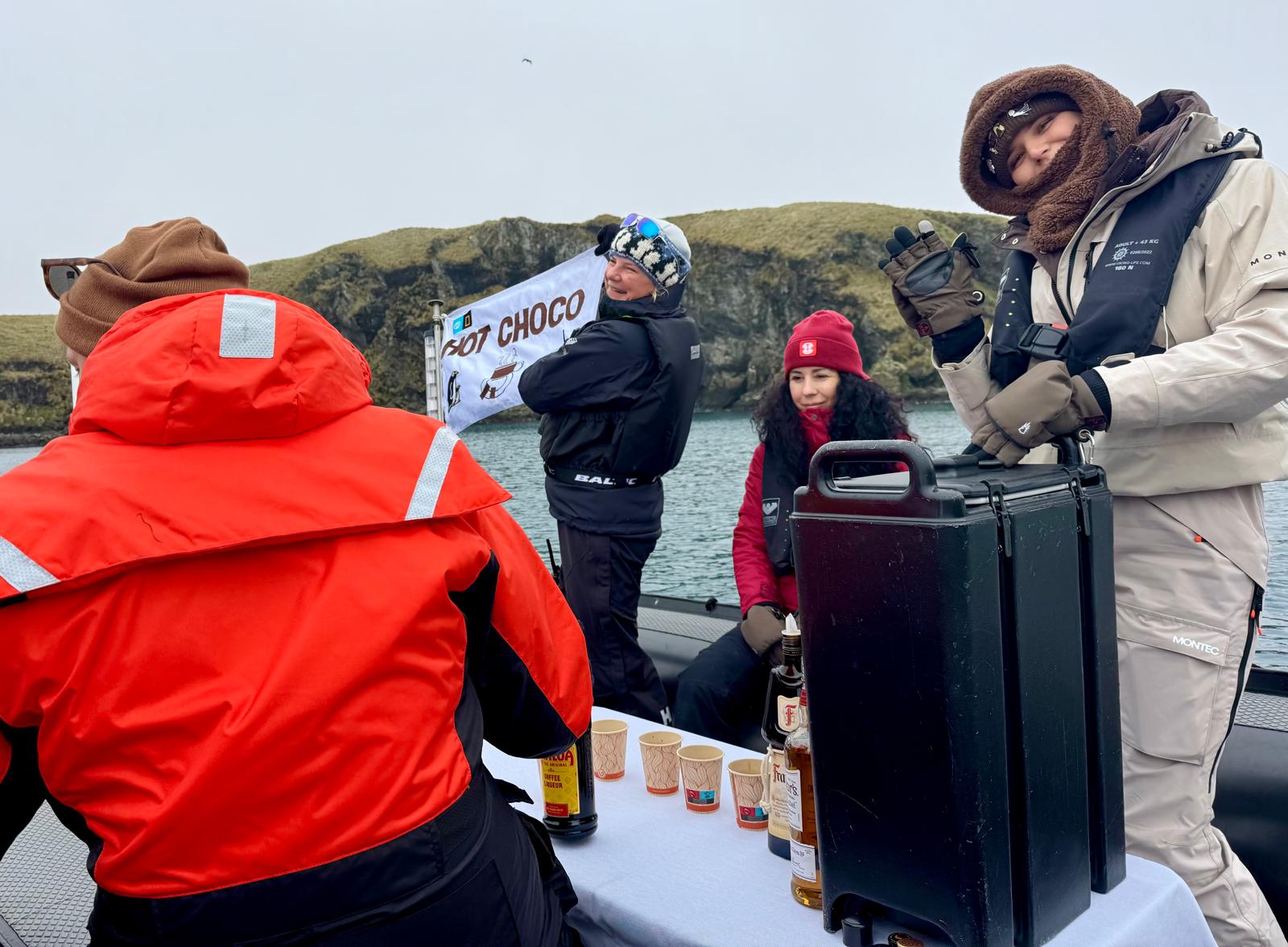
After about 90-minutes it was time for us to return reluctantly to the Endurance to give the other group their chance to head out. From here on we will always be split into two groups as the maximum party allowed out at any time is 100. With 138 guests on board, we will still all have plenty of opportunity for amazing encounters.
Lunch today was a burger buffet. After which I headed up to do my laps around the Observation deck while we relocated to our afternoon excursion spot at Right Whale Bay.
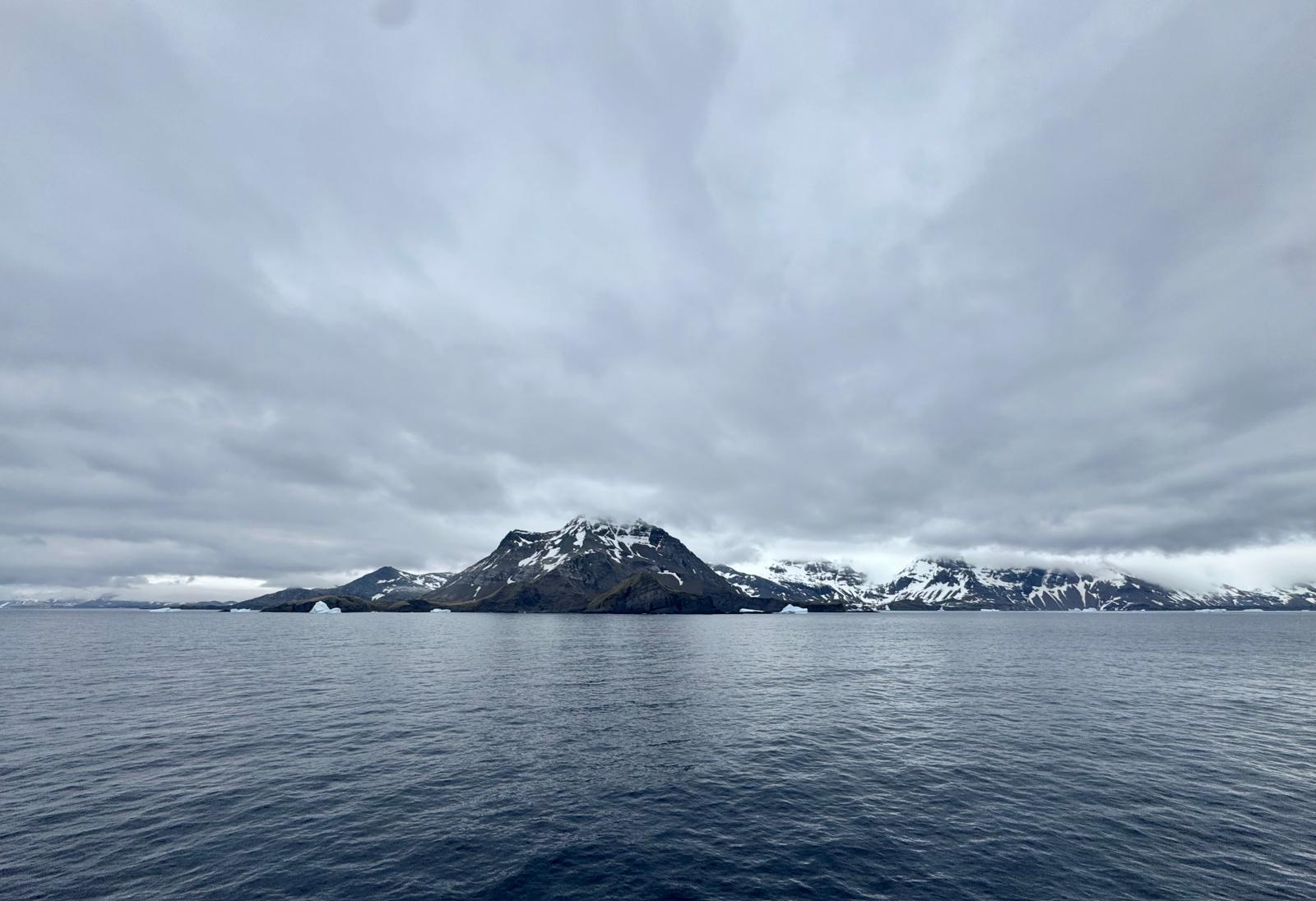
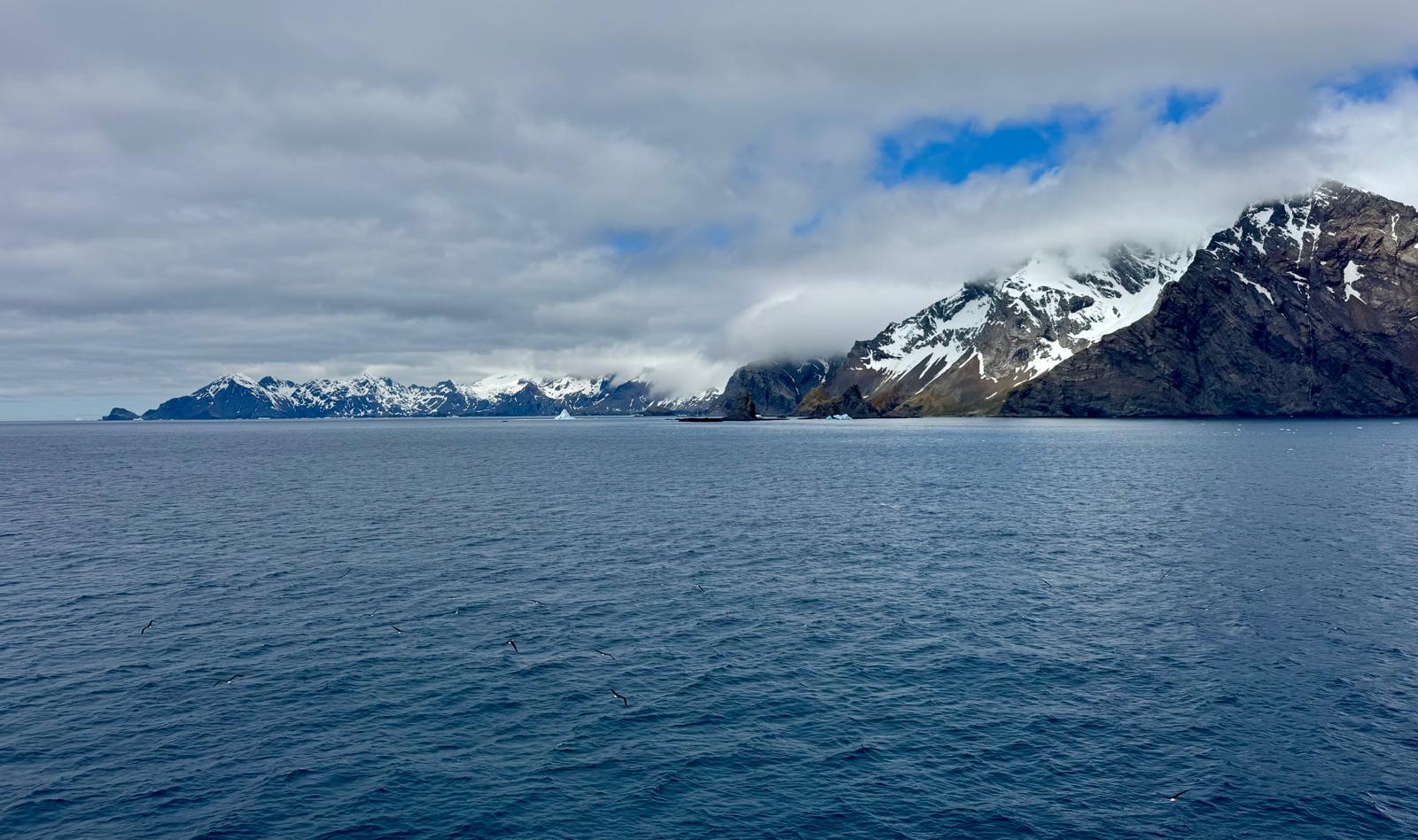
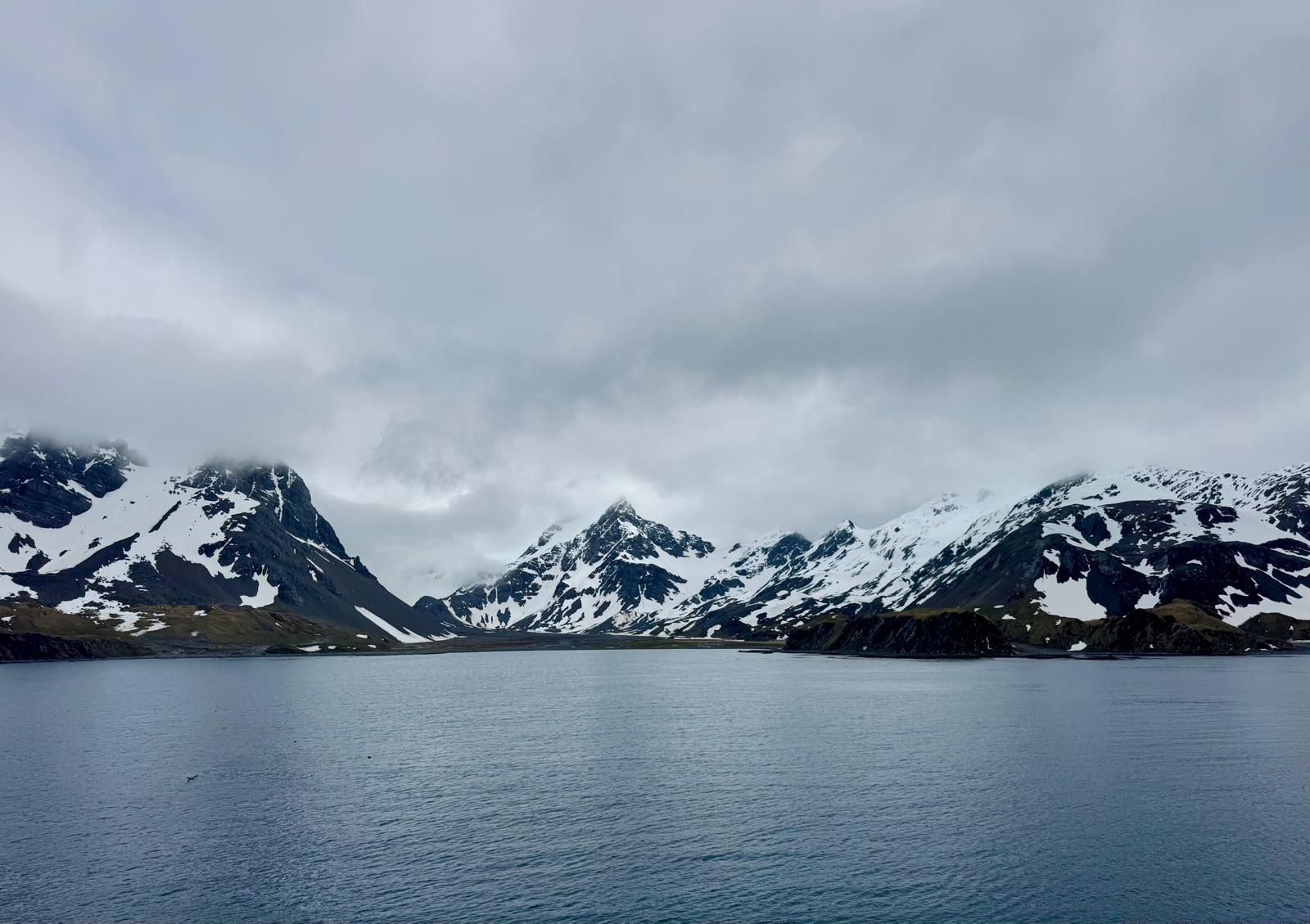
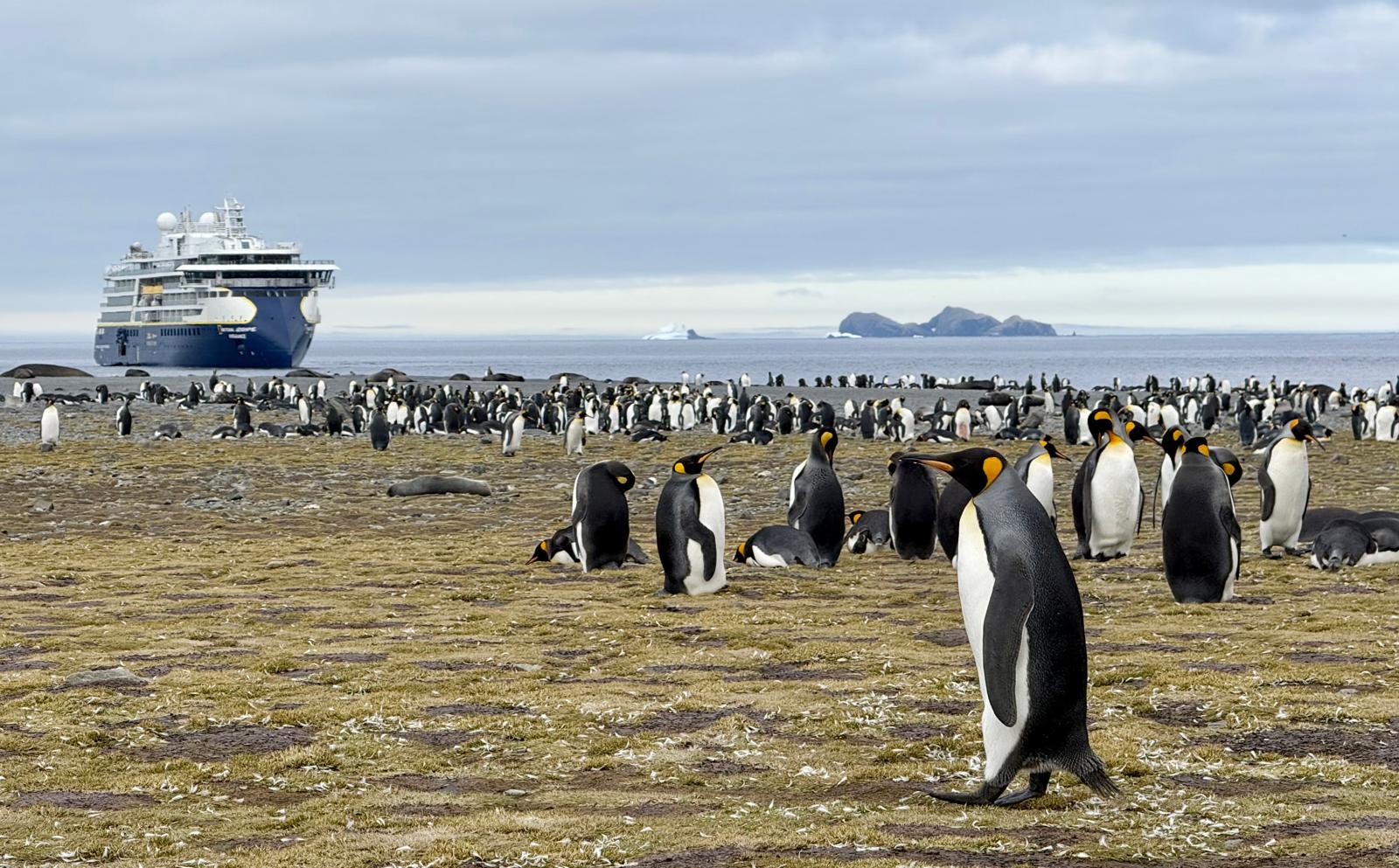
Our afternoon landing site – Right Whale Bay. What you cannot see from the photograph is the density of wildlife in the flat areas.
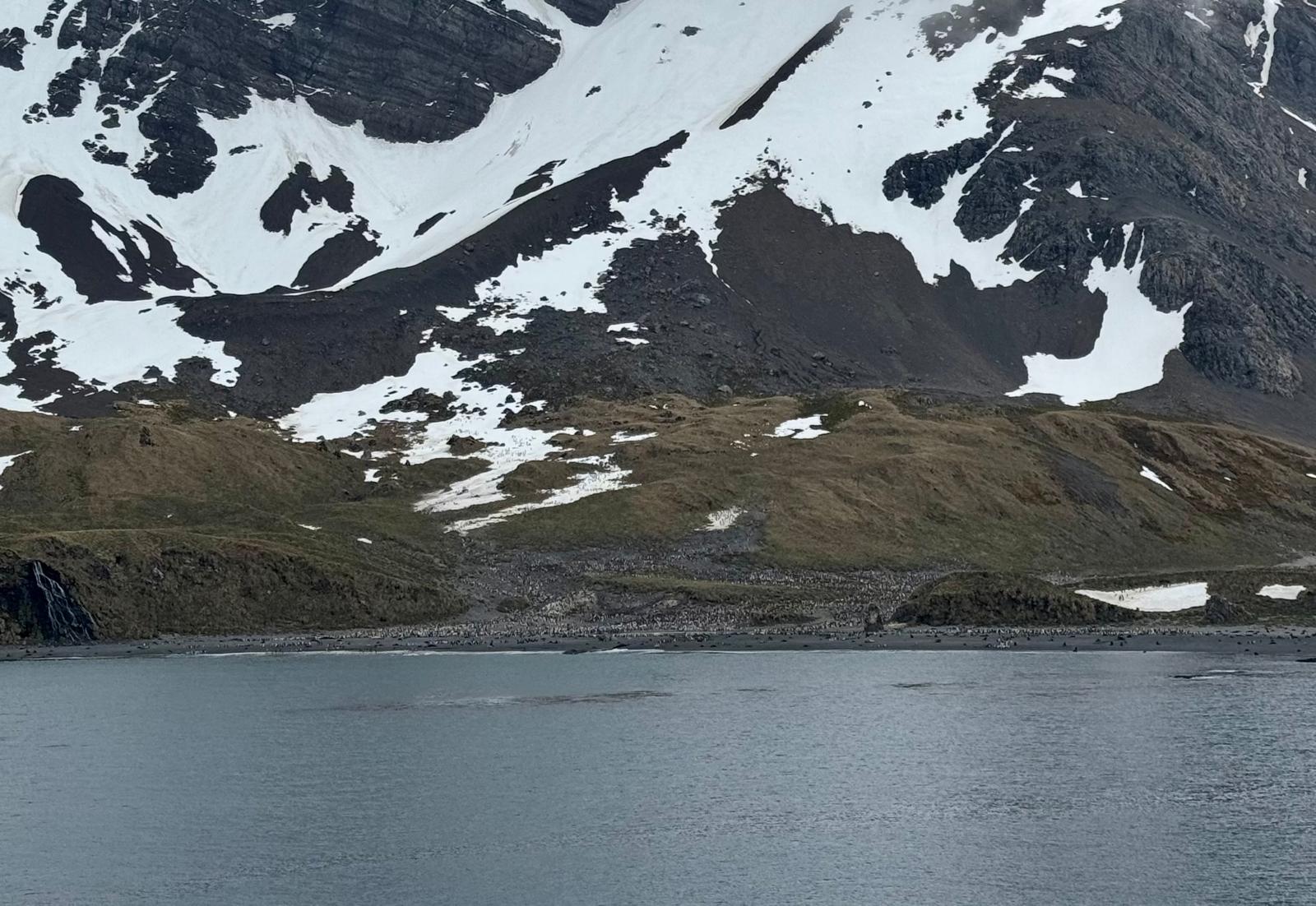
Right Whale Bay – If you zoom in a bit you get a small sense of the density of animals
This afternoon we were in the second group to go to shore so had a lovely, relaxing time on board catching up on things before heading out at about 4pm.
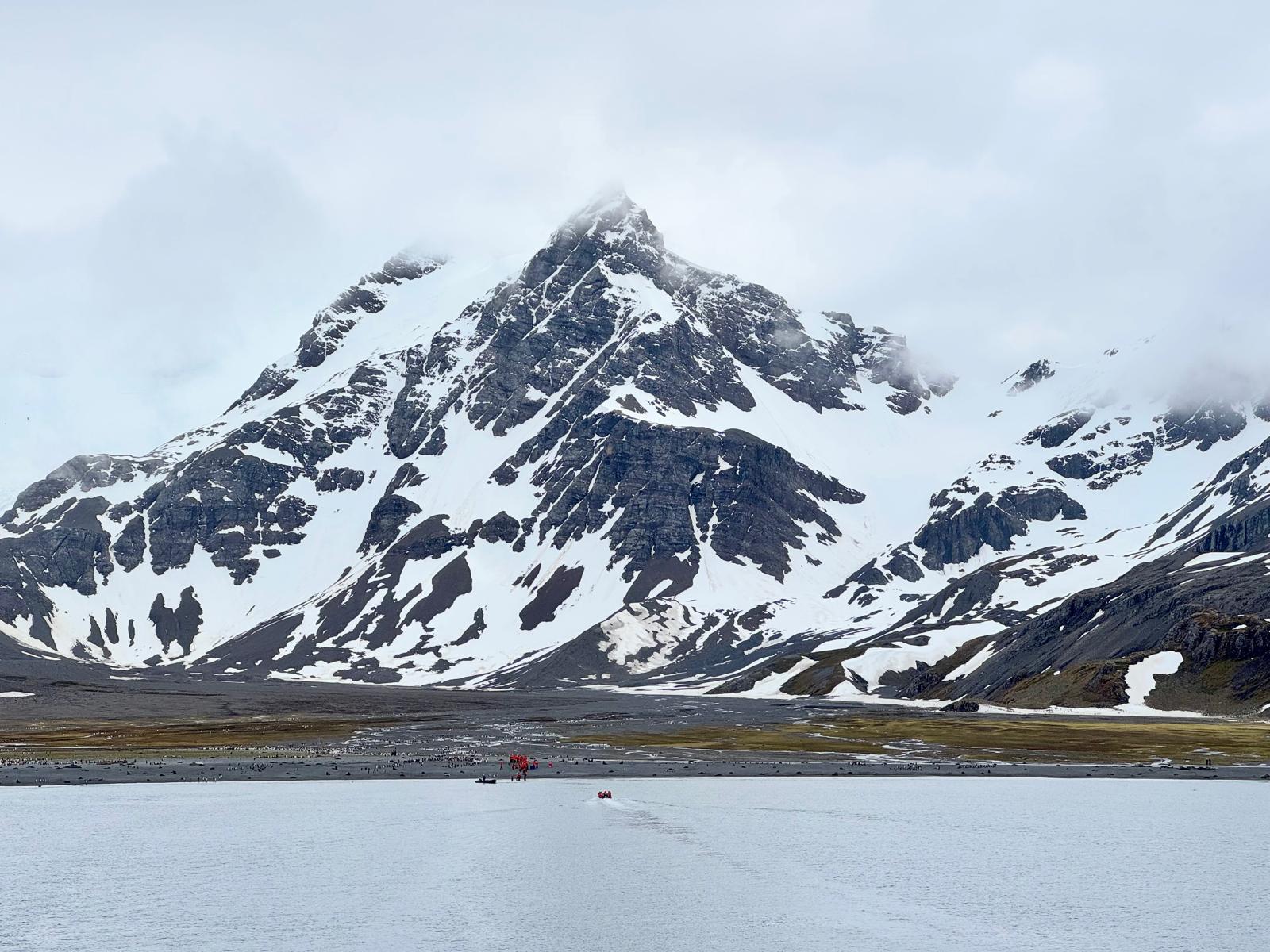
First group ashore at Right Whale Bay
The afternoon excursion was no less magical than the morning. In fact, I am running out of superlatives to use. Walking amongst so many animals, the sights, the sounds, the smells is such a privilege. I even got mock charged by a couple of Antarctic Fur Seals, quite a scary experience. We did see one person get knocked over, but luckily not badly hurt.
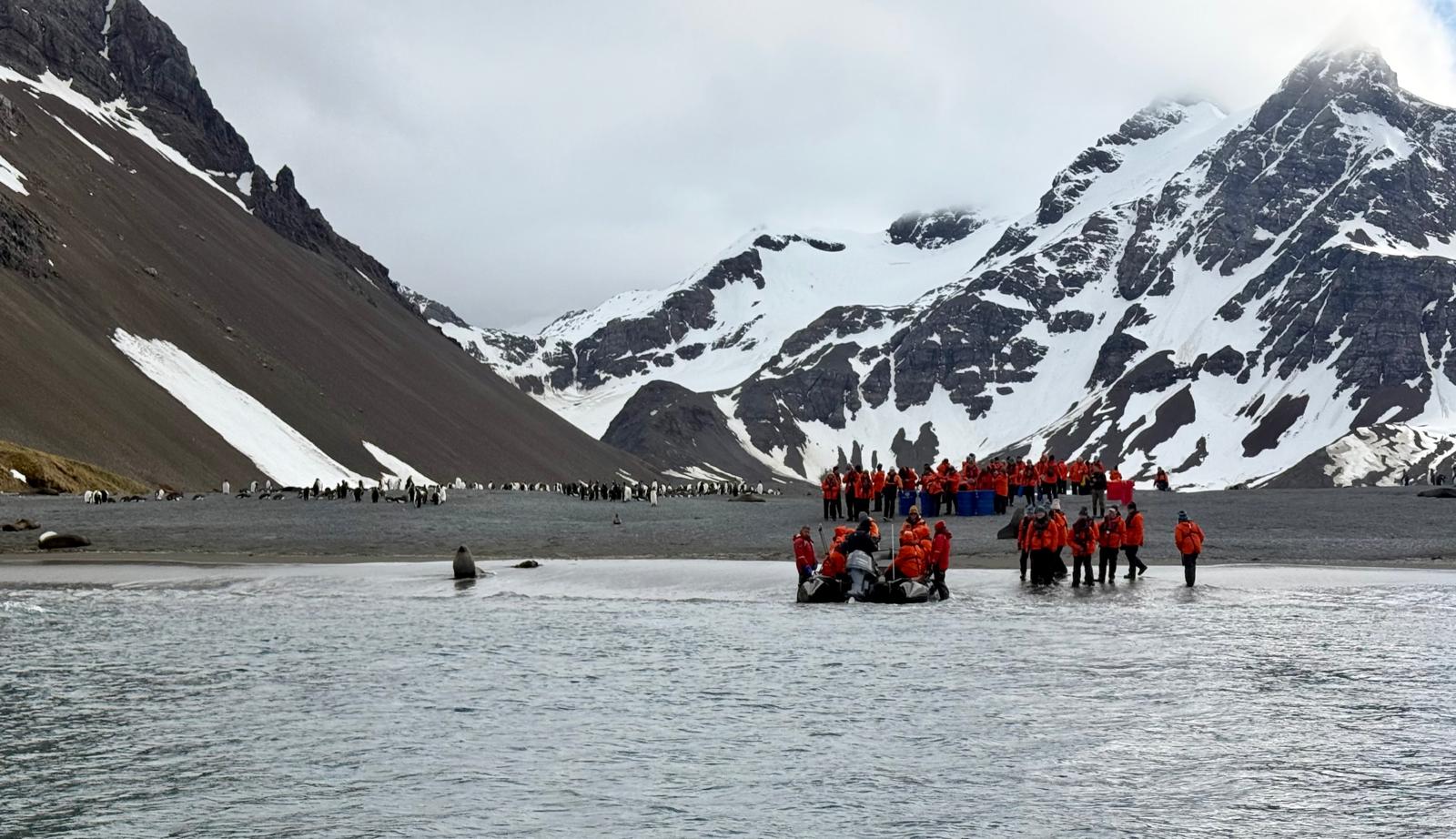
Landing ashore
After landing ashore, we spent about 90 minutes wandering amongst the penguins and seals, marvelling at how they survive in this seemingly inhospitable environment. The photos really do not do justice to what we have seen and I beg your forgiveness for having included so many. This is just a small sample of what we saw.
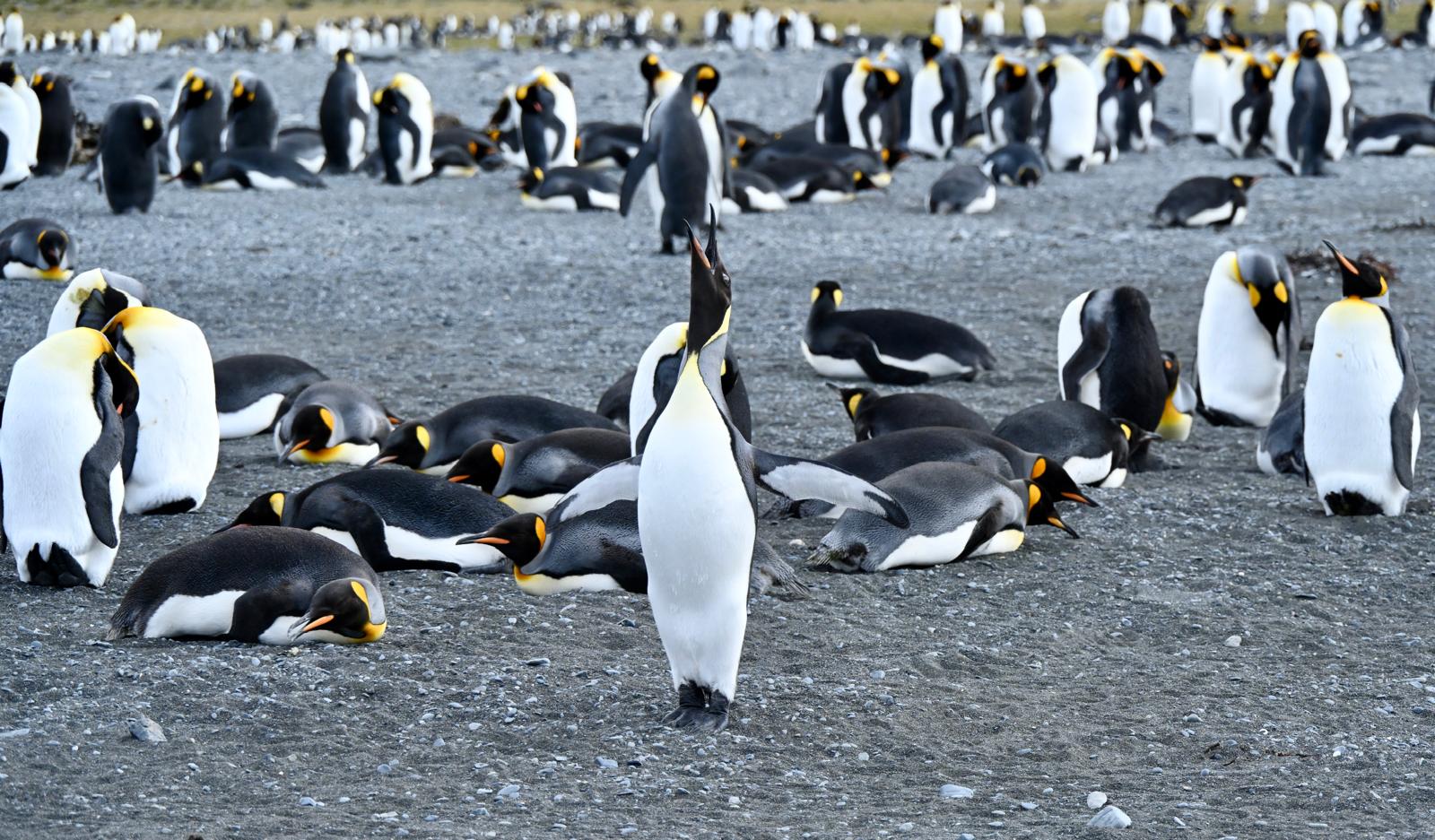
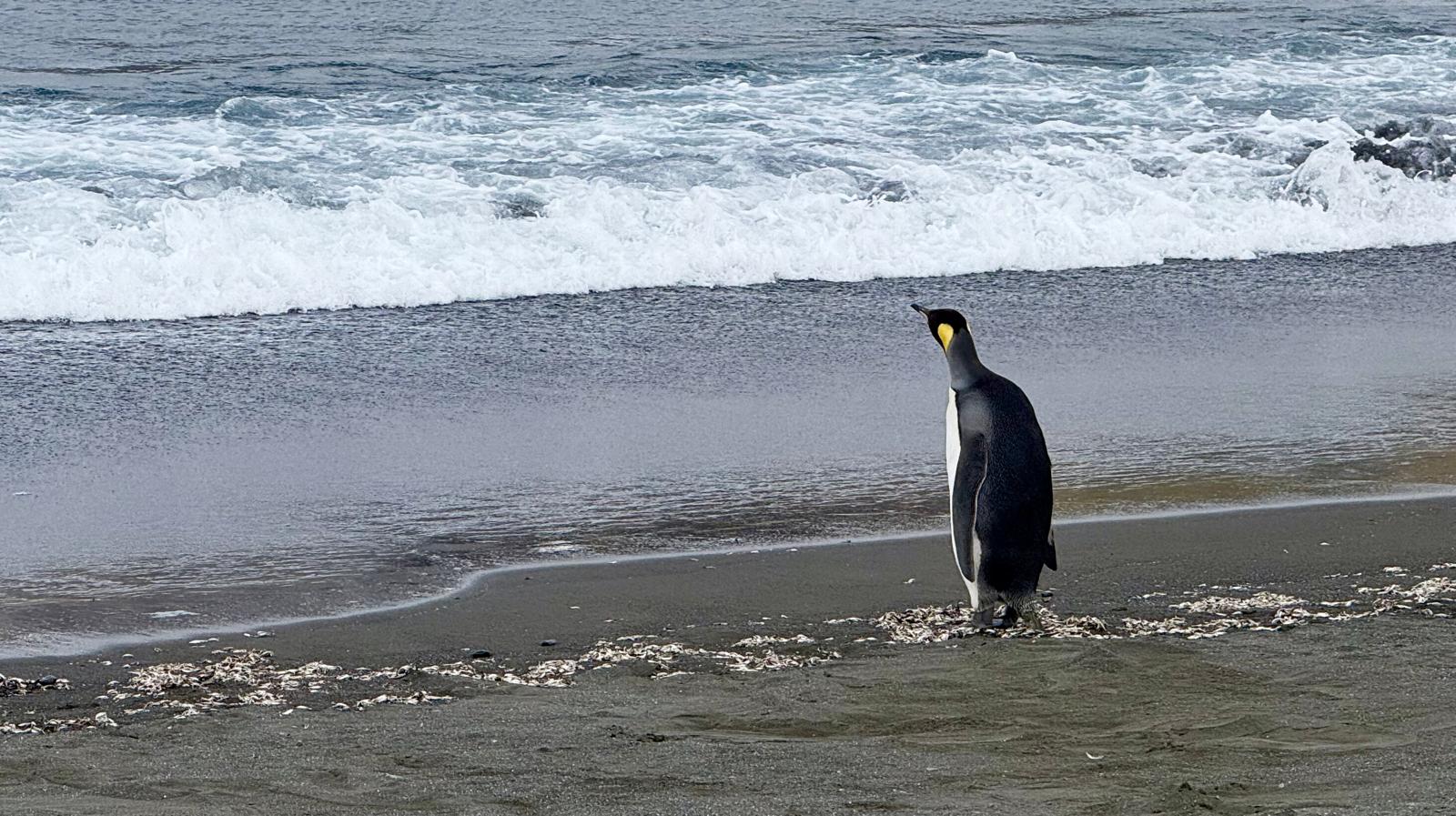
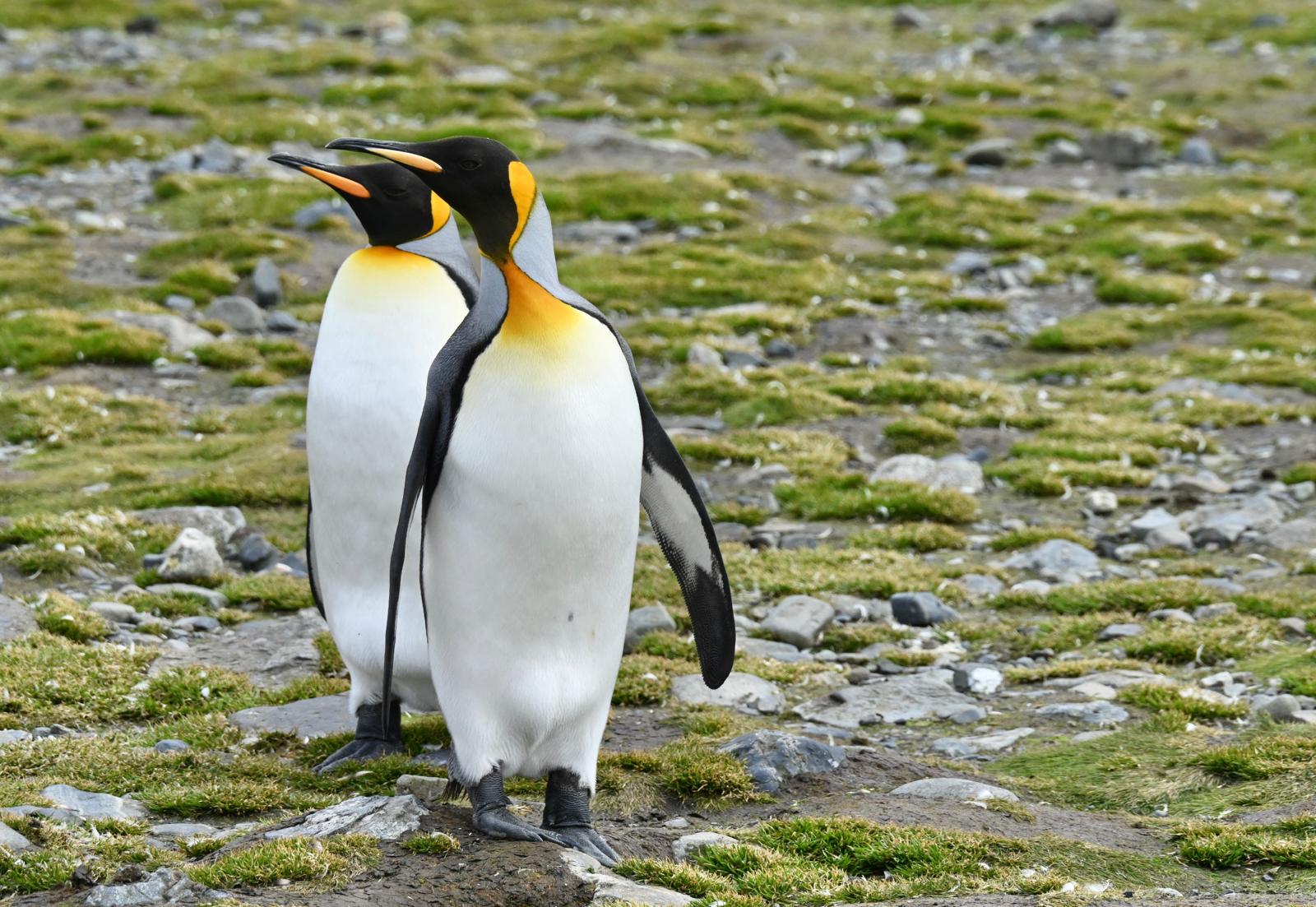
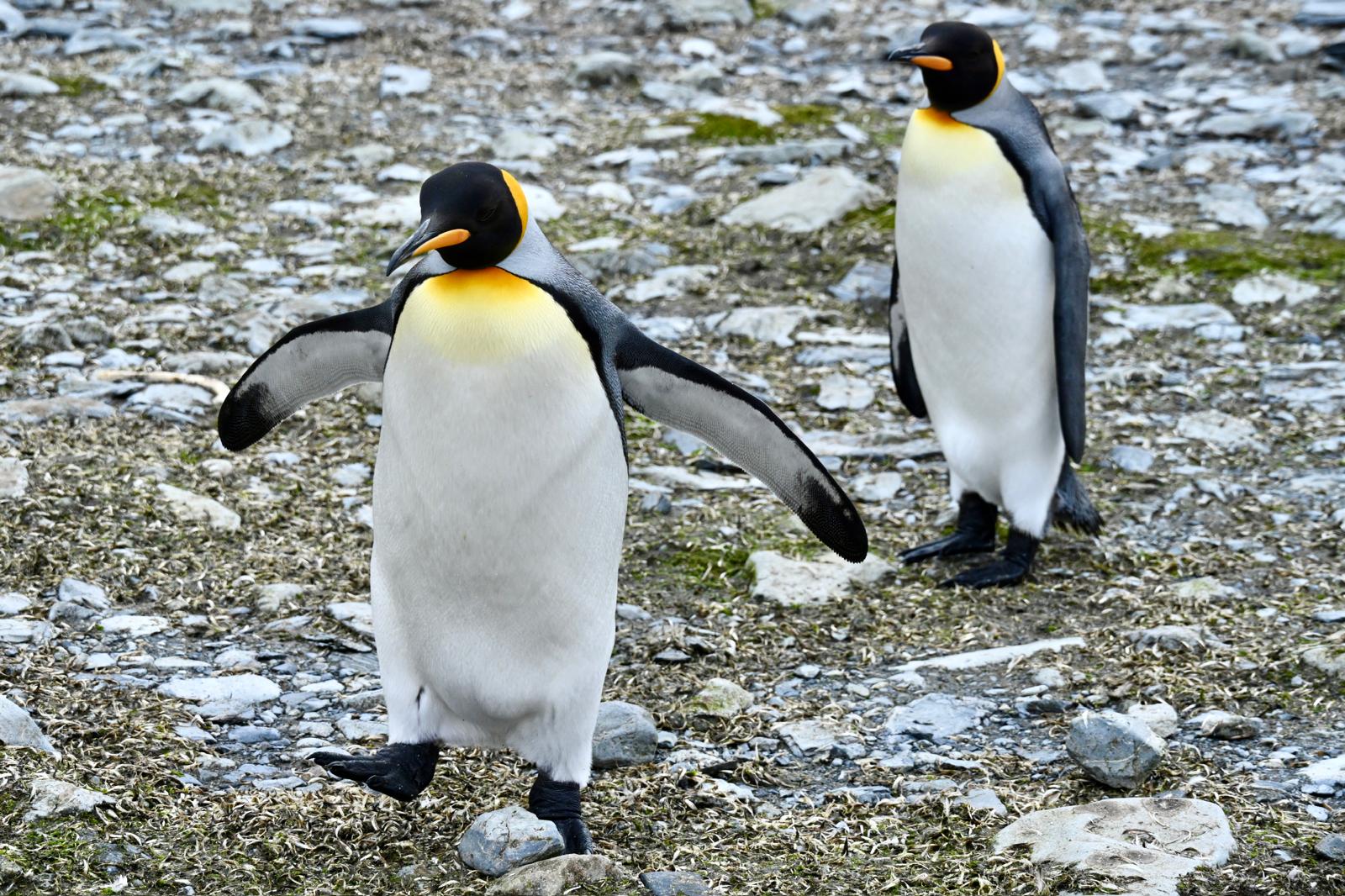
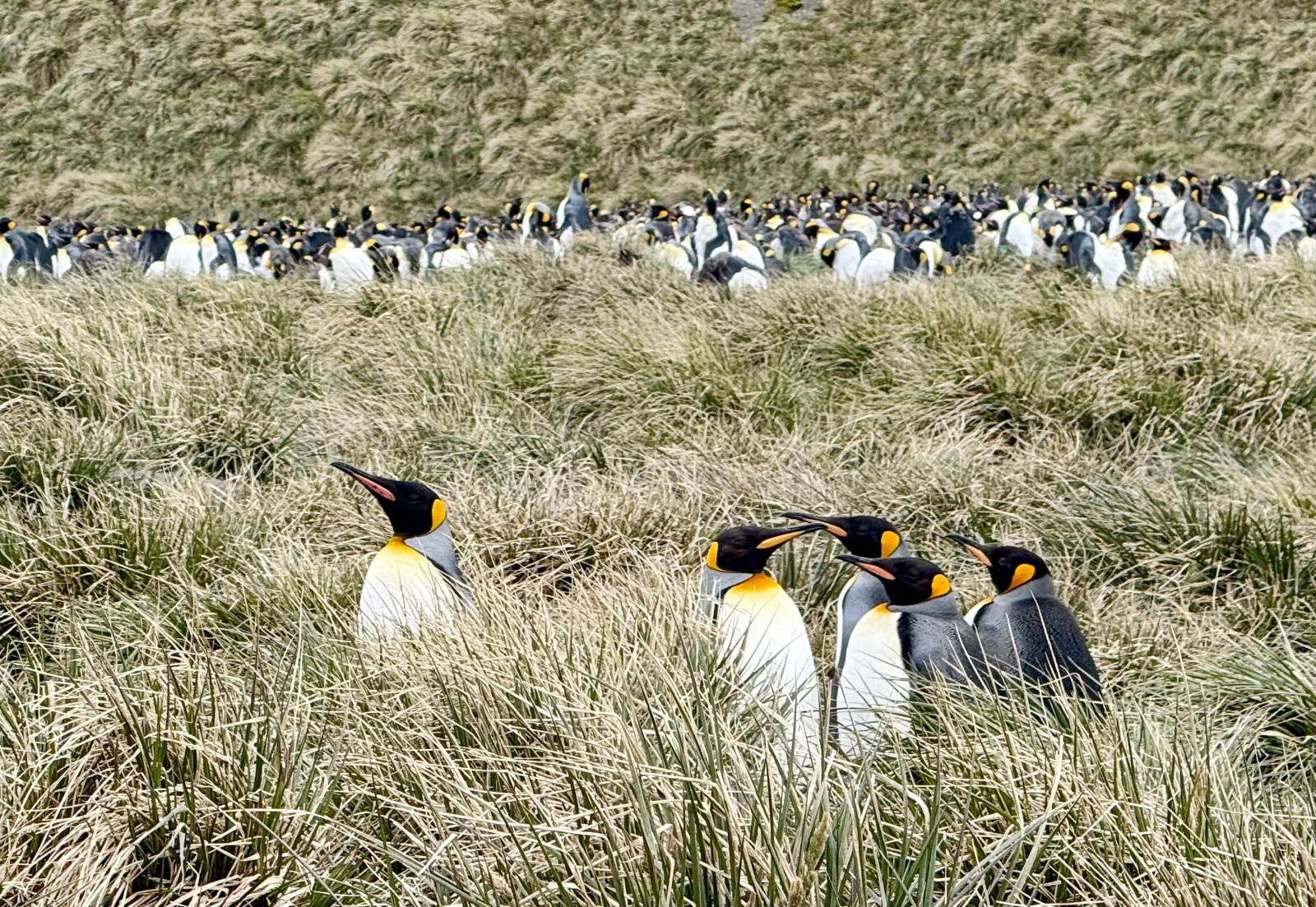
King Penguins in their thousands. I loved the one in the front, sort of singing.
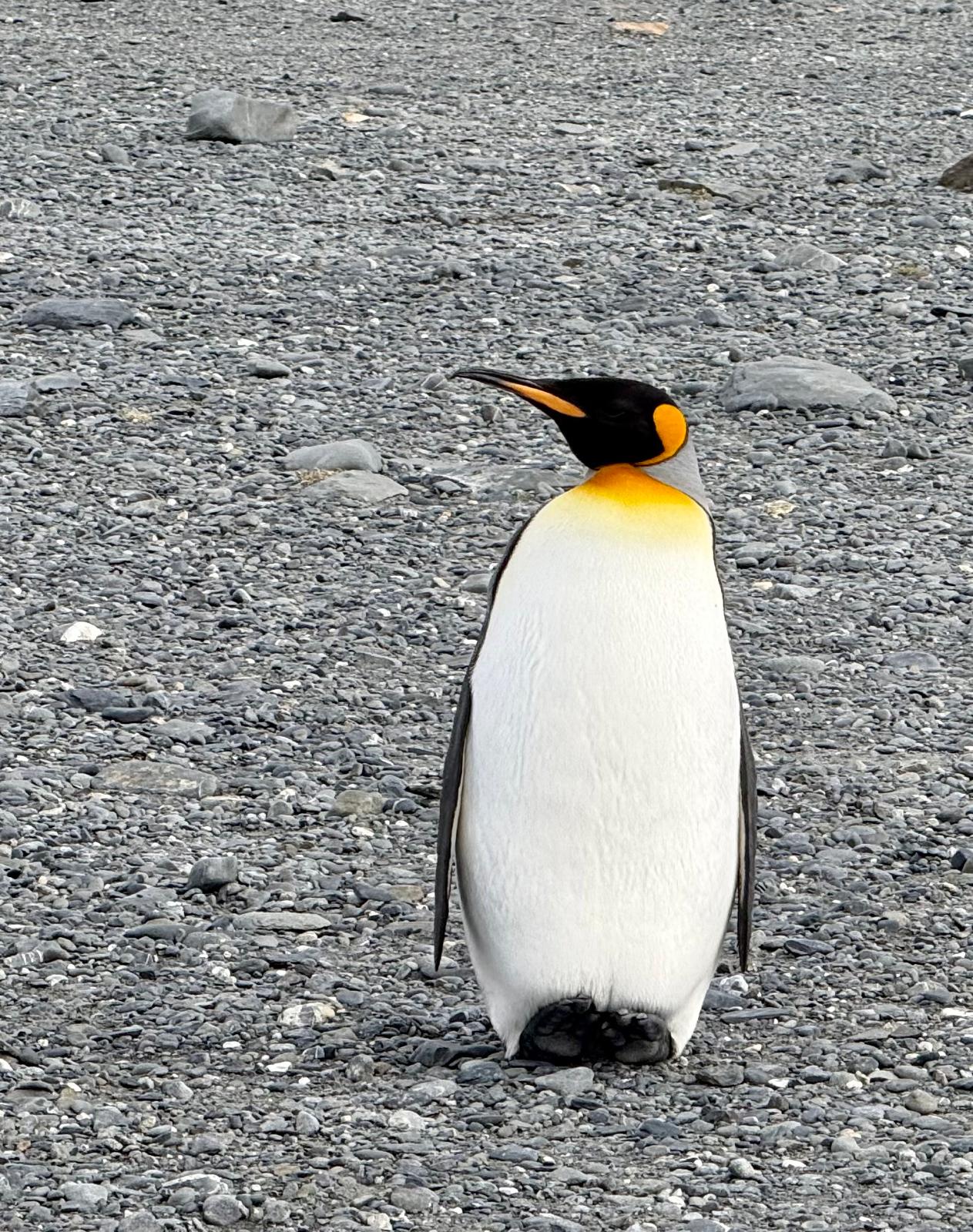
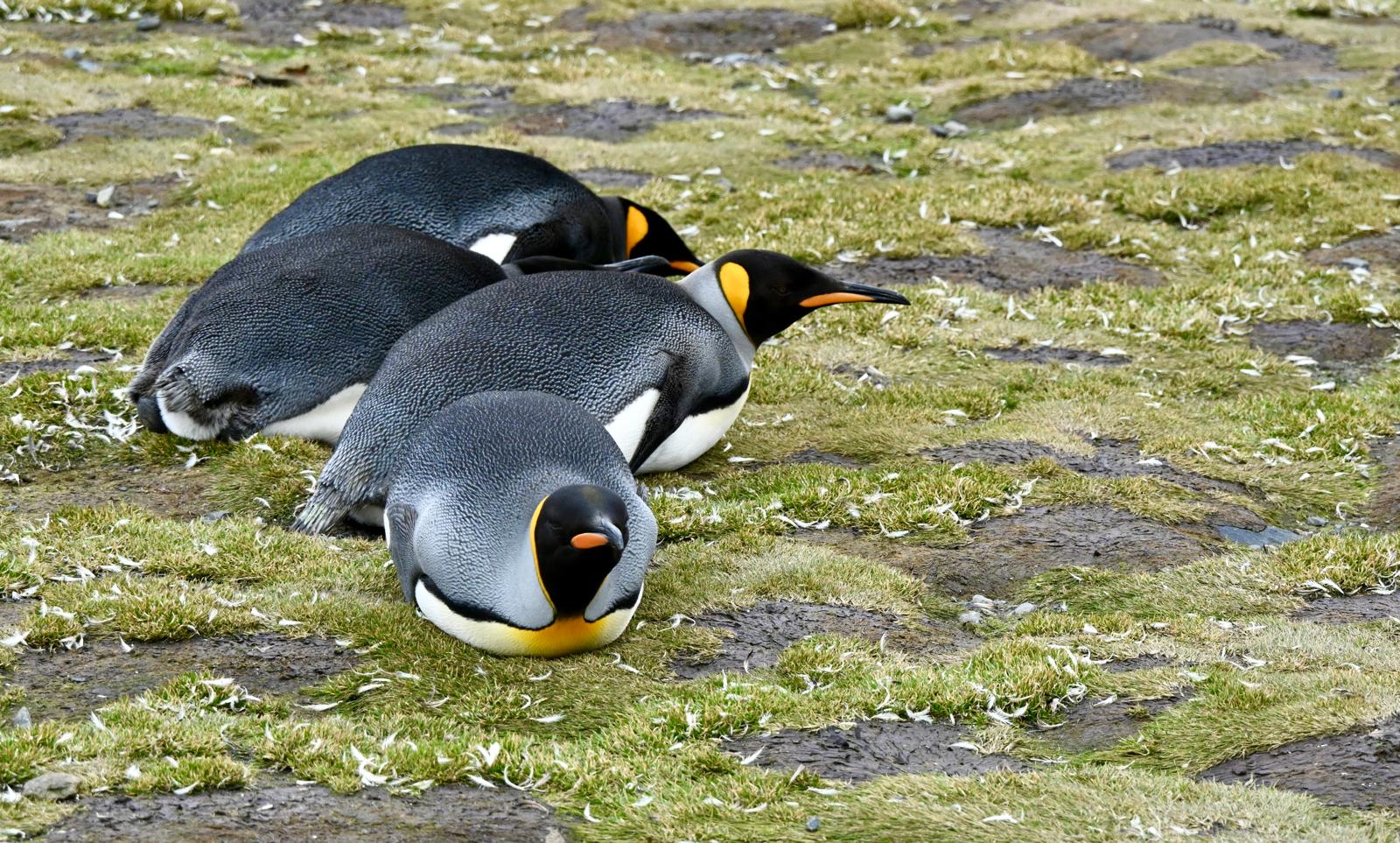
This King Penguin was sitting on its heels. This is how they sit once they have laid an egg, although it was too early in the season for that I think. They keep the egg on top of their feet under a little patch of skin and feathers to keep it warm.
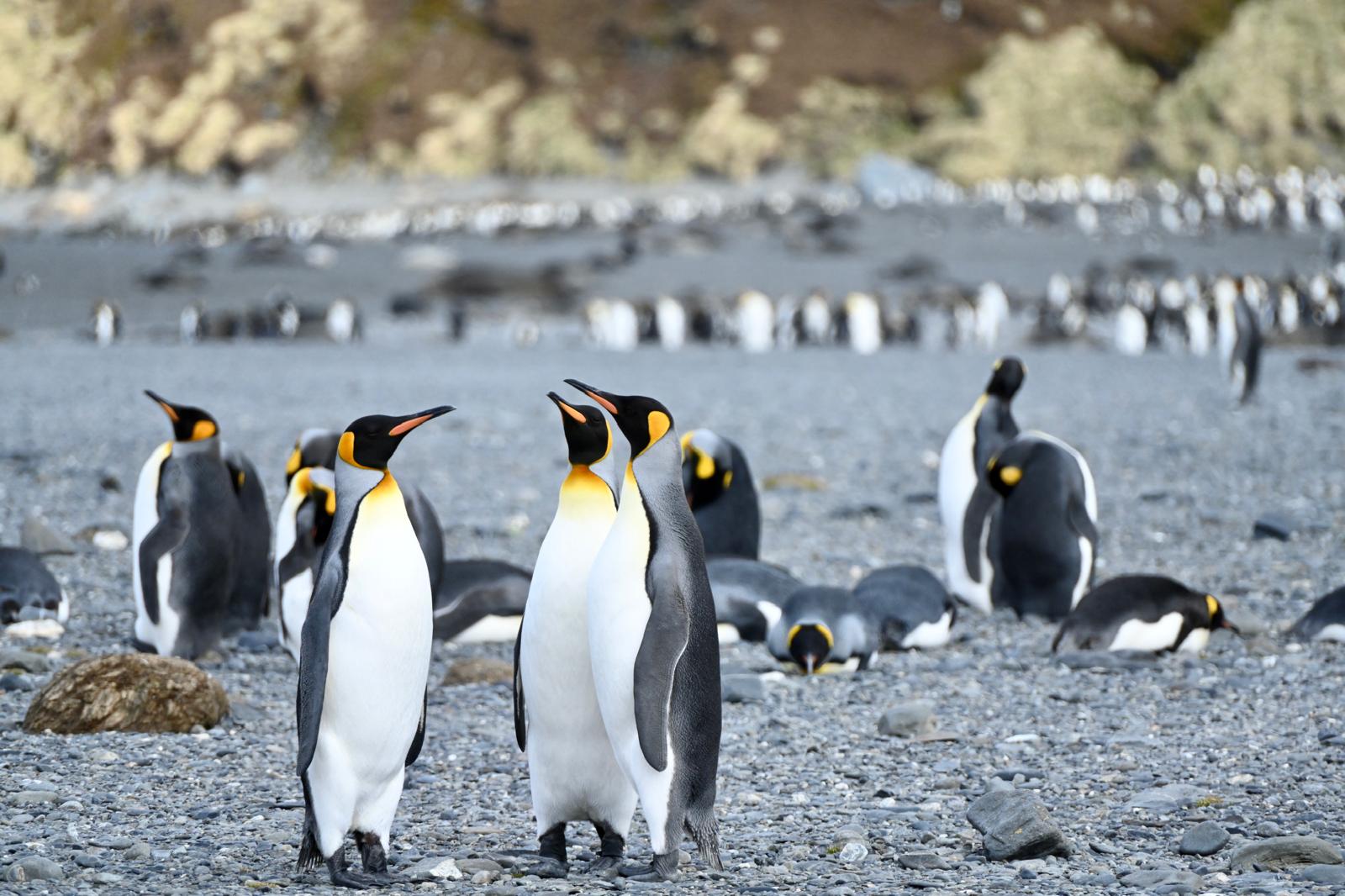
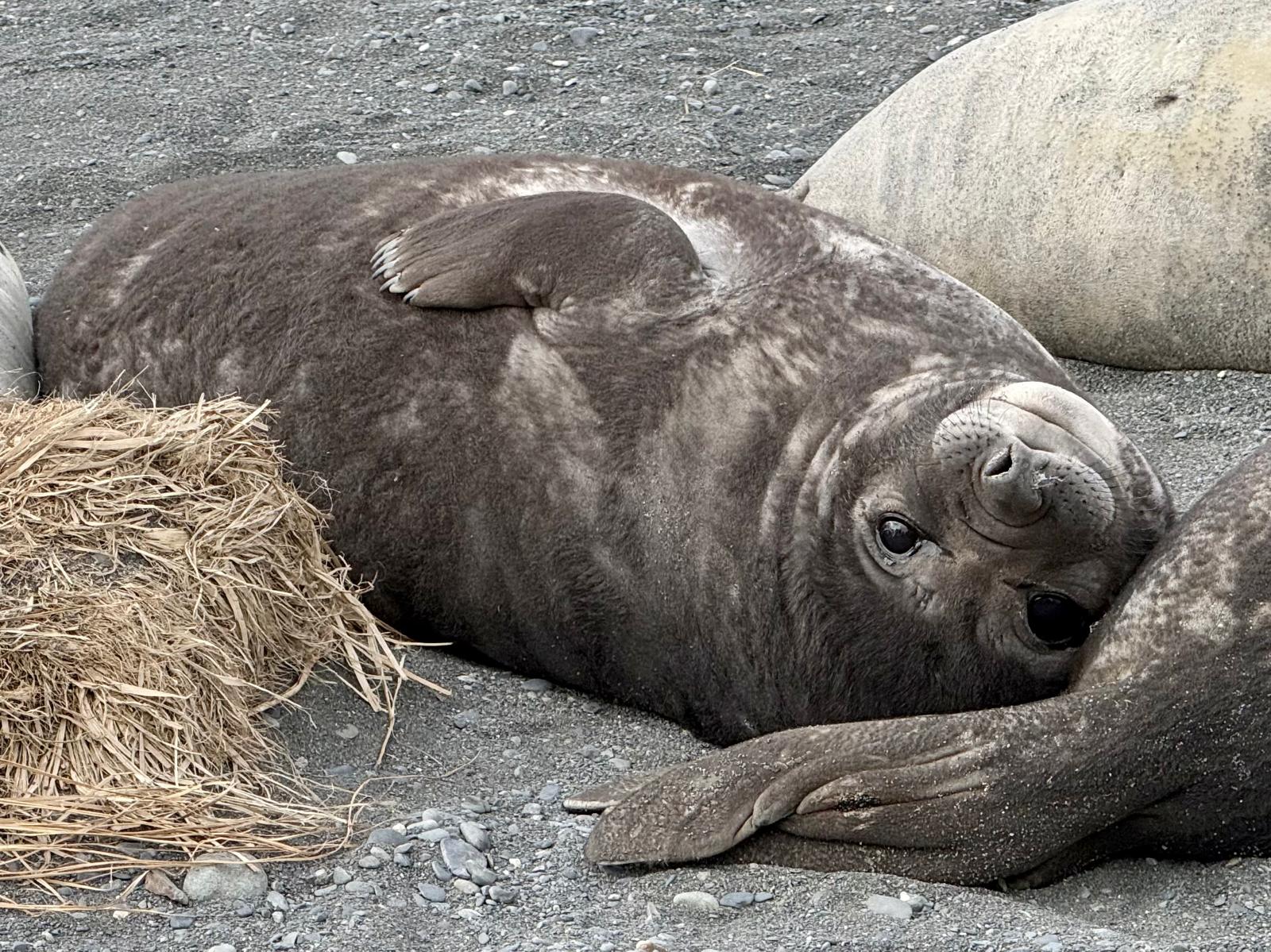
Elephant Seal Weaner
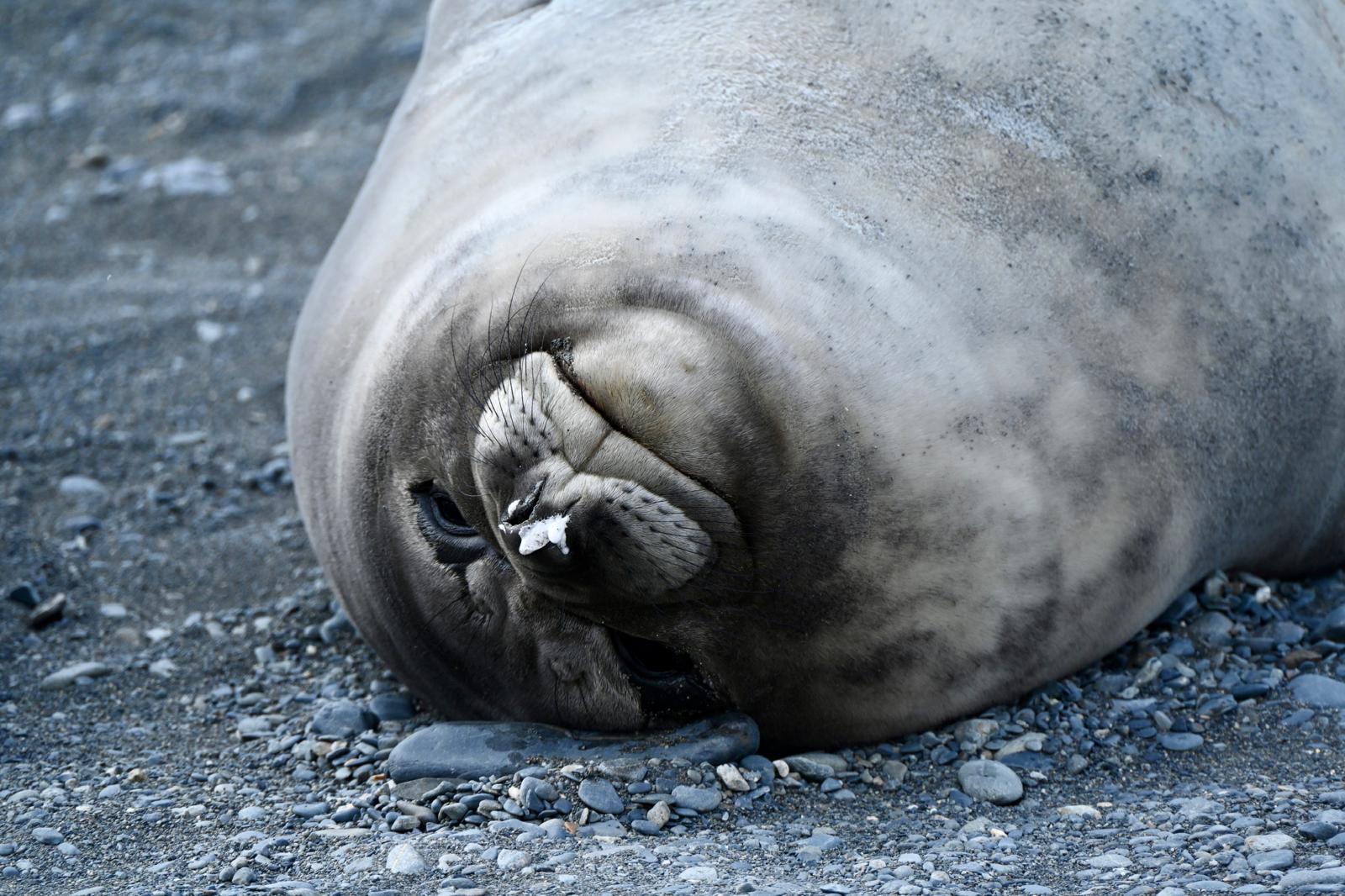
Elephant Seal Weaner
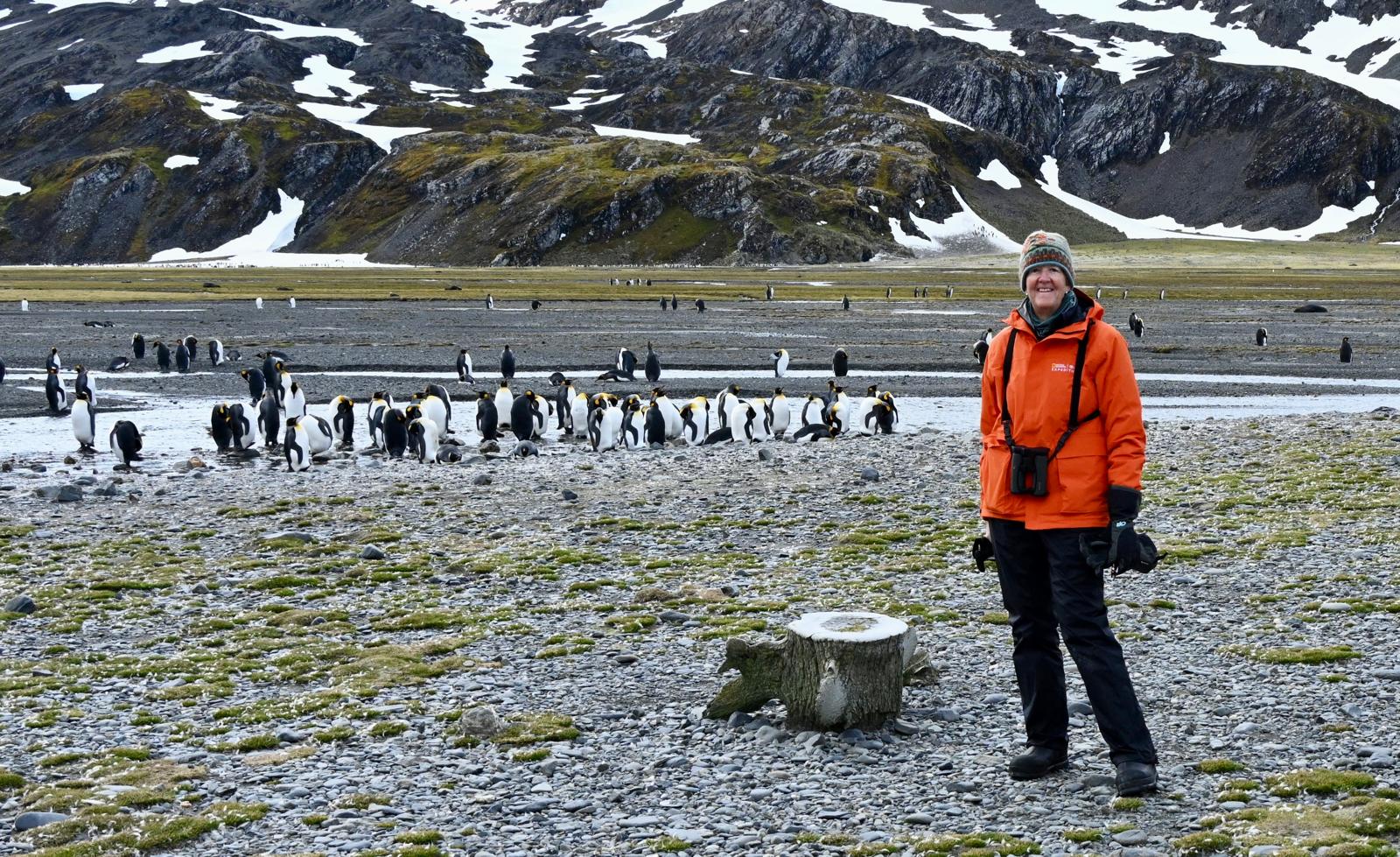
Note the size of the whalebone vertebra I am standing next to.
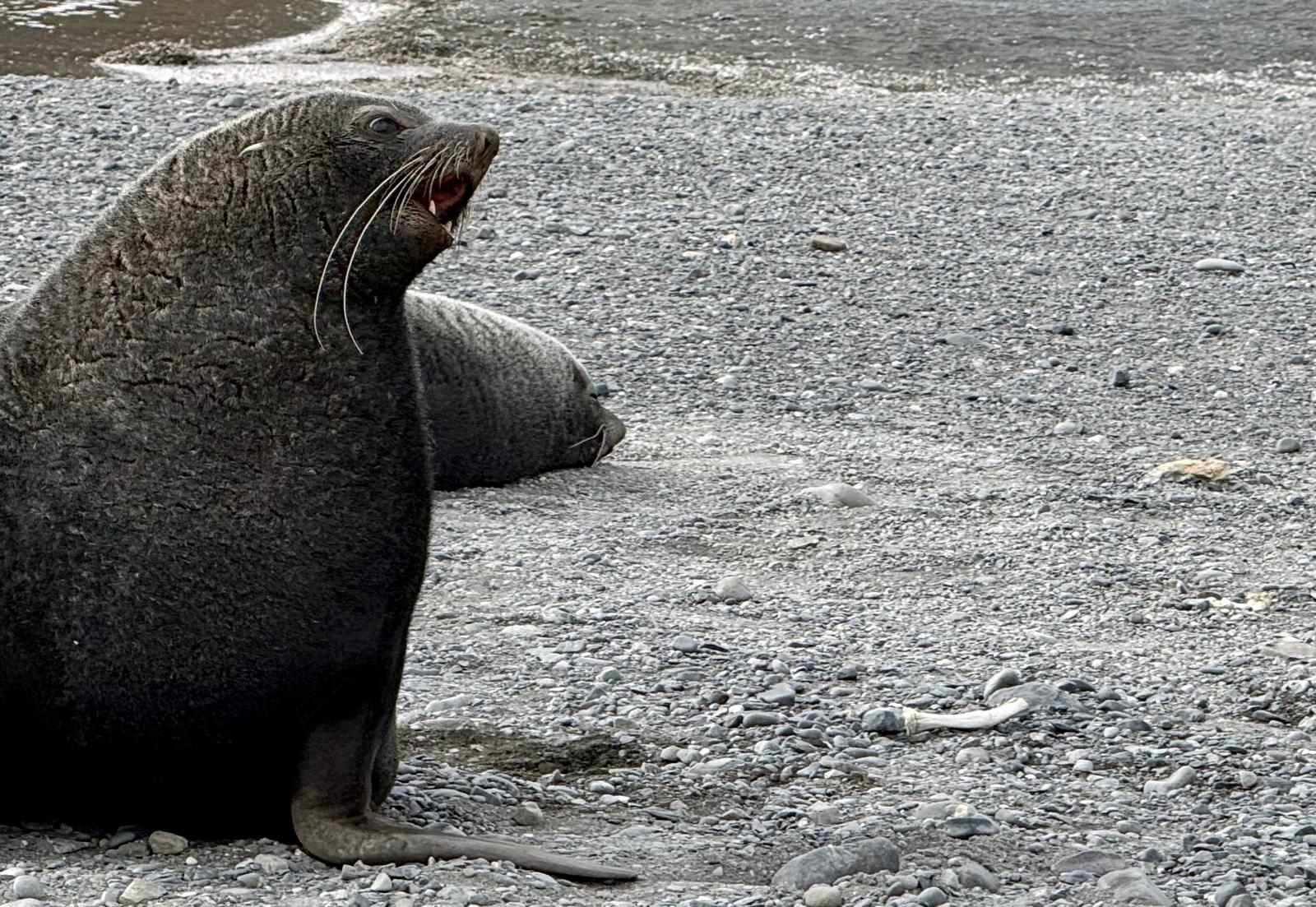
Antarctic Fur Seal
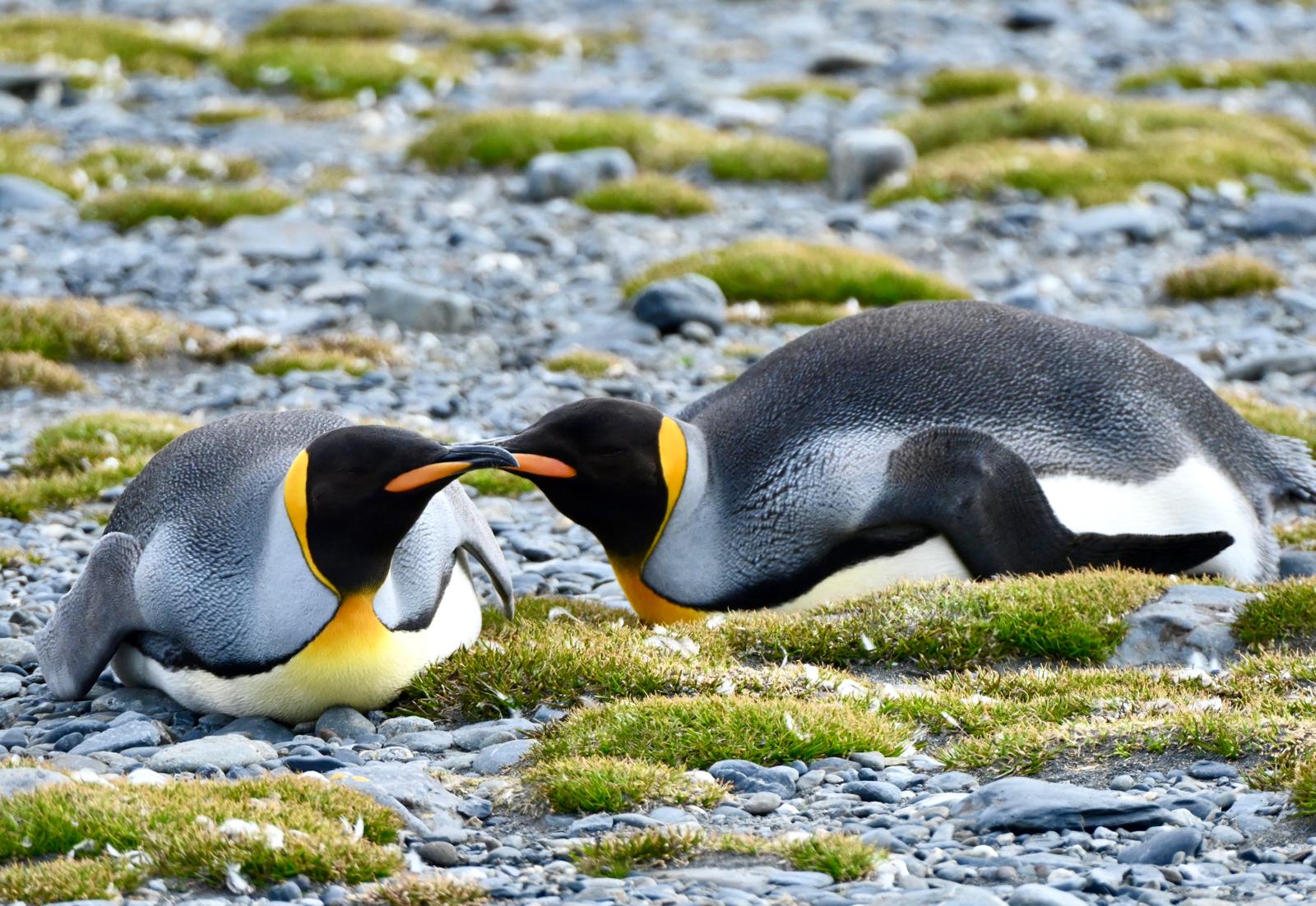
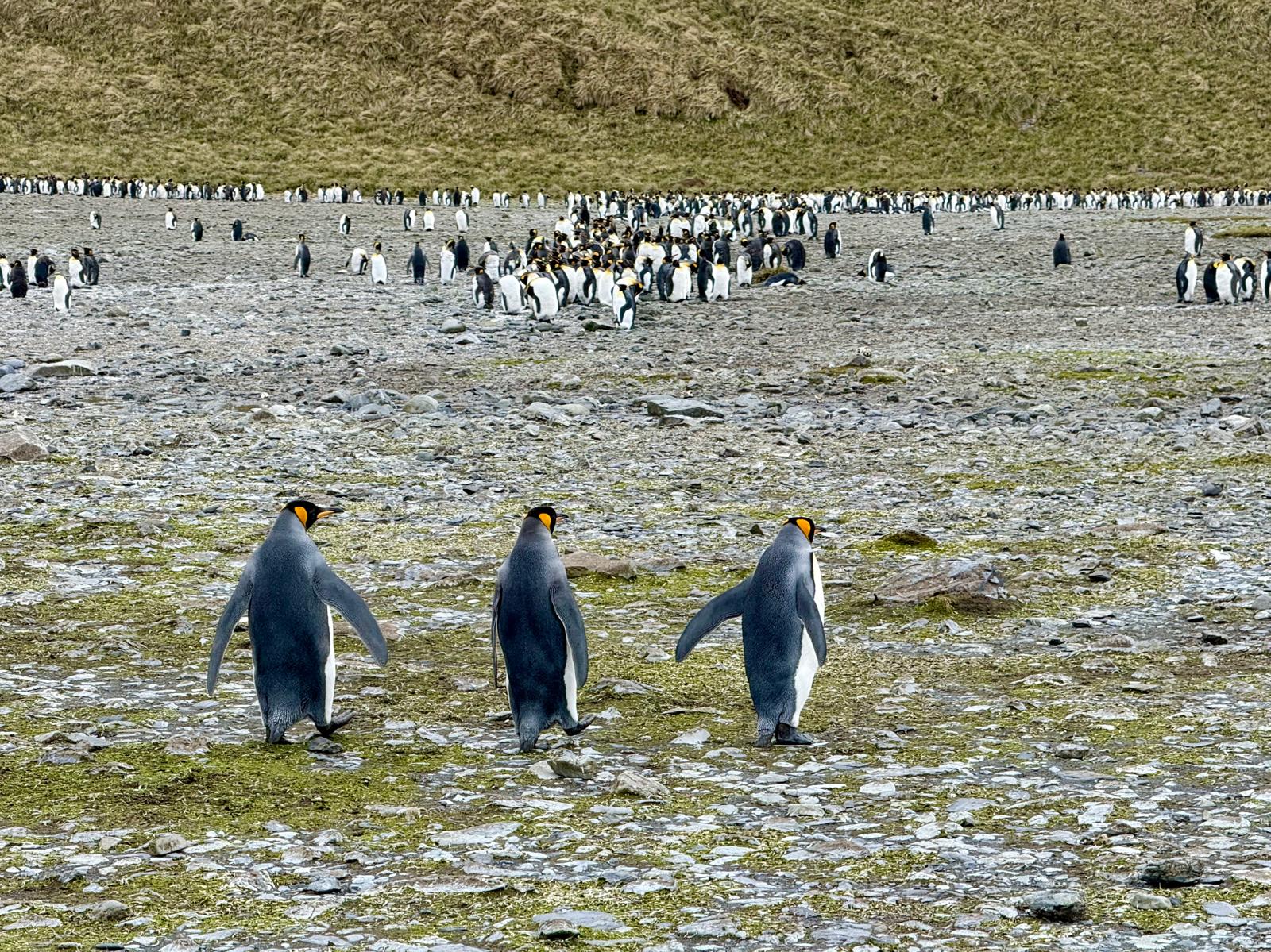
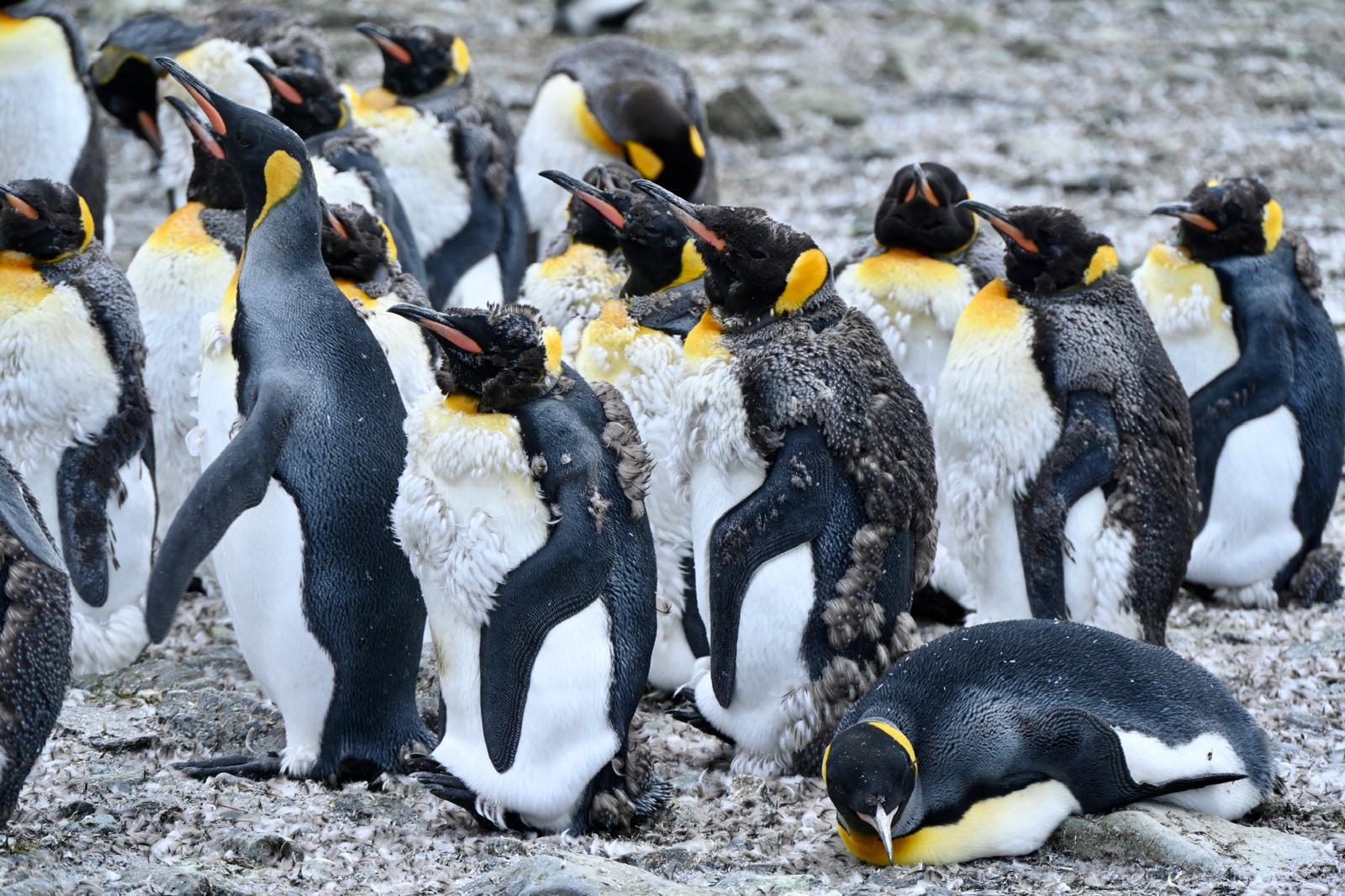
King Penguins moulting. While moulting their feathers are not waterproof so they must stay on shore until the process is complete.
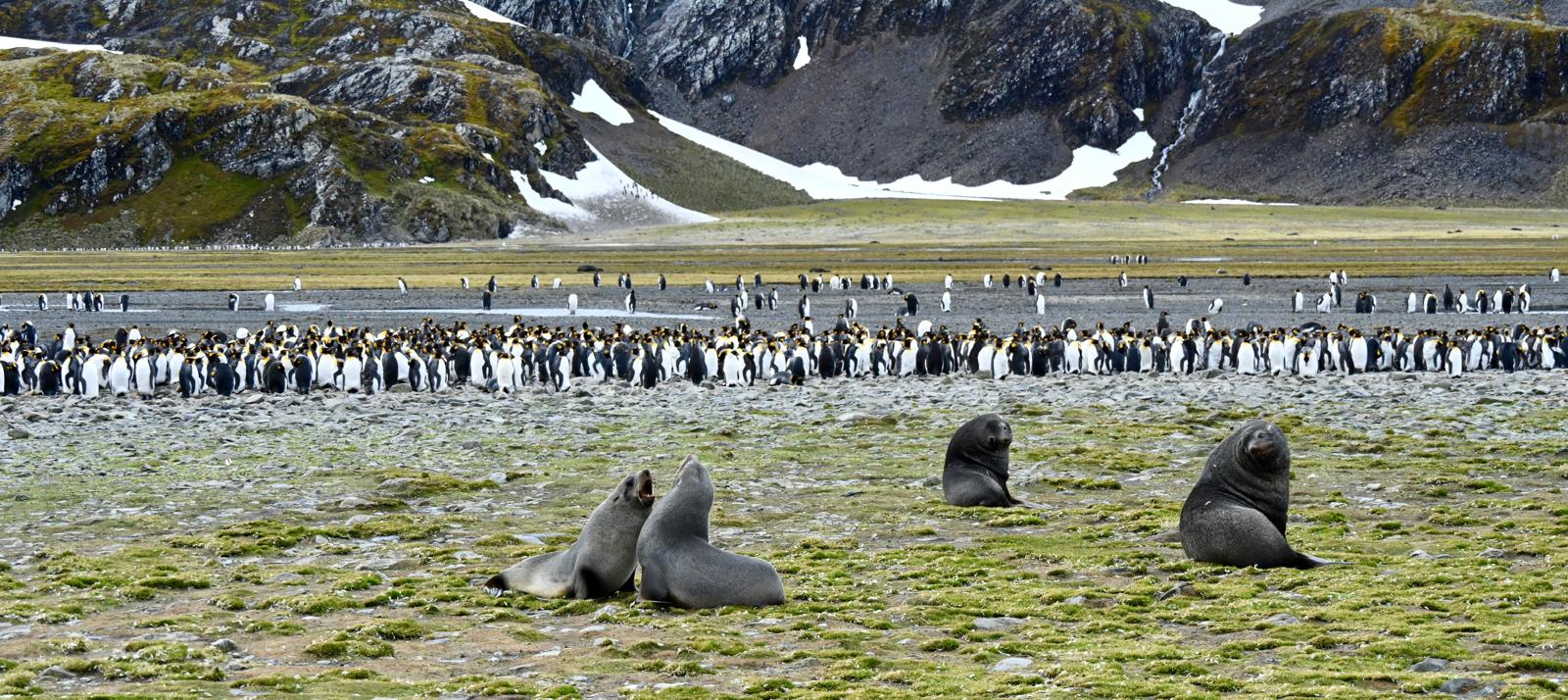
Antarctic Fur Seals with King Penguins in the background
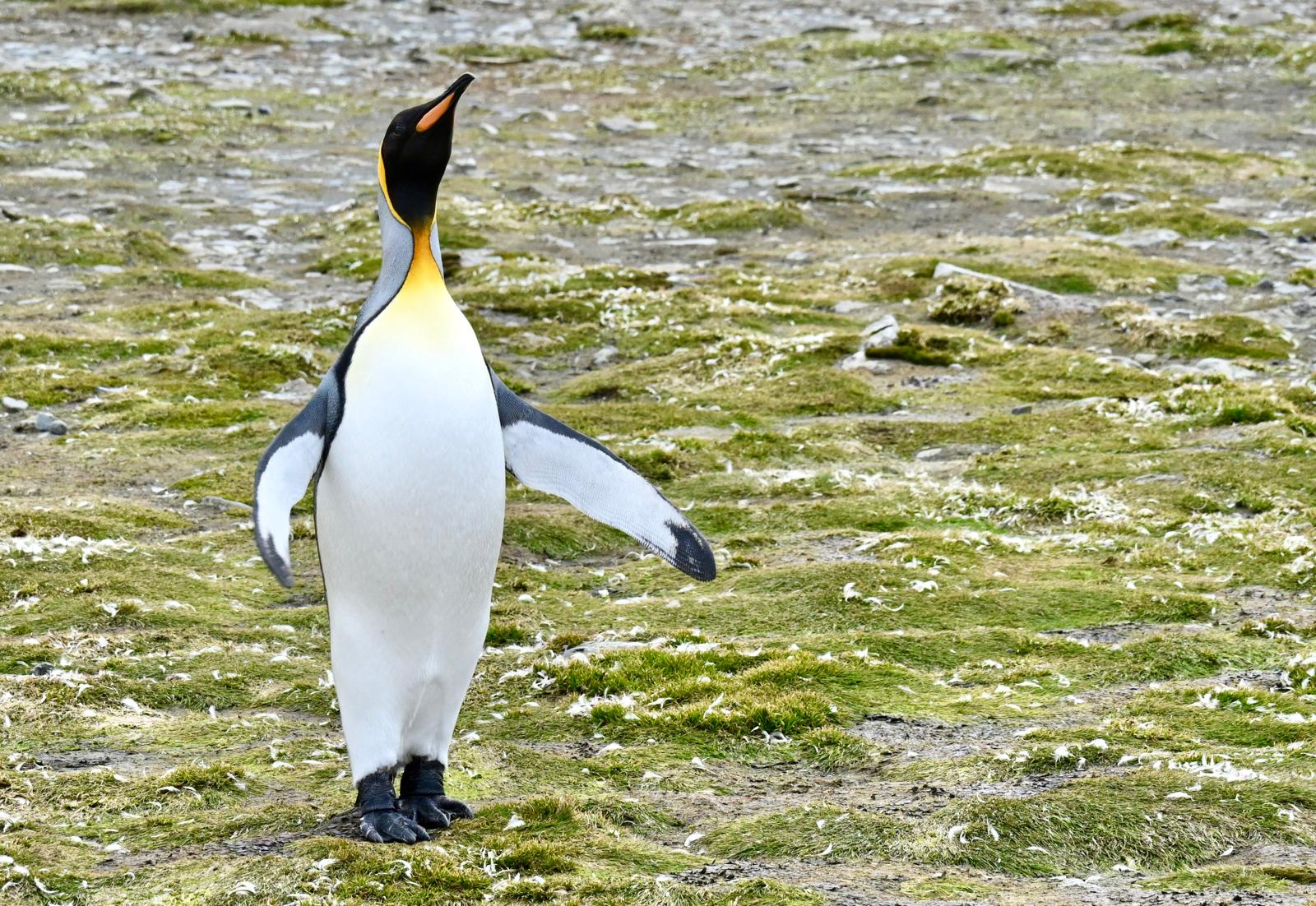
I thought this one looked like it was about to conduct a symphony
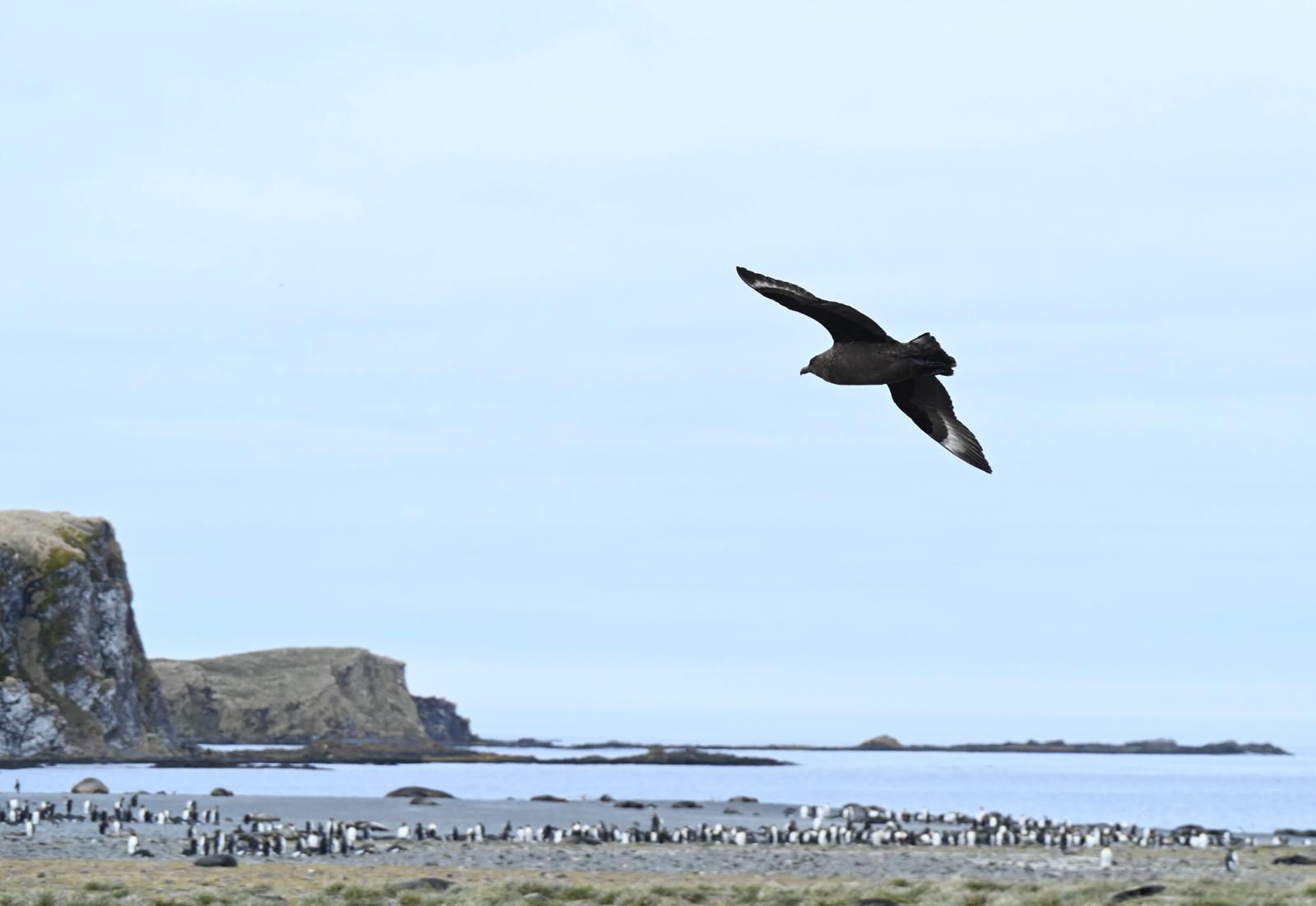
Brown Skua
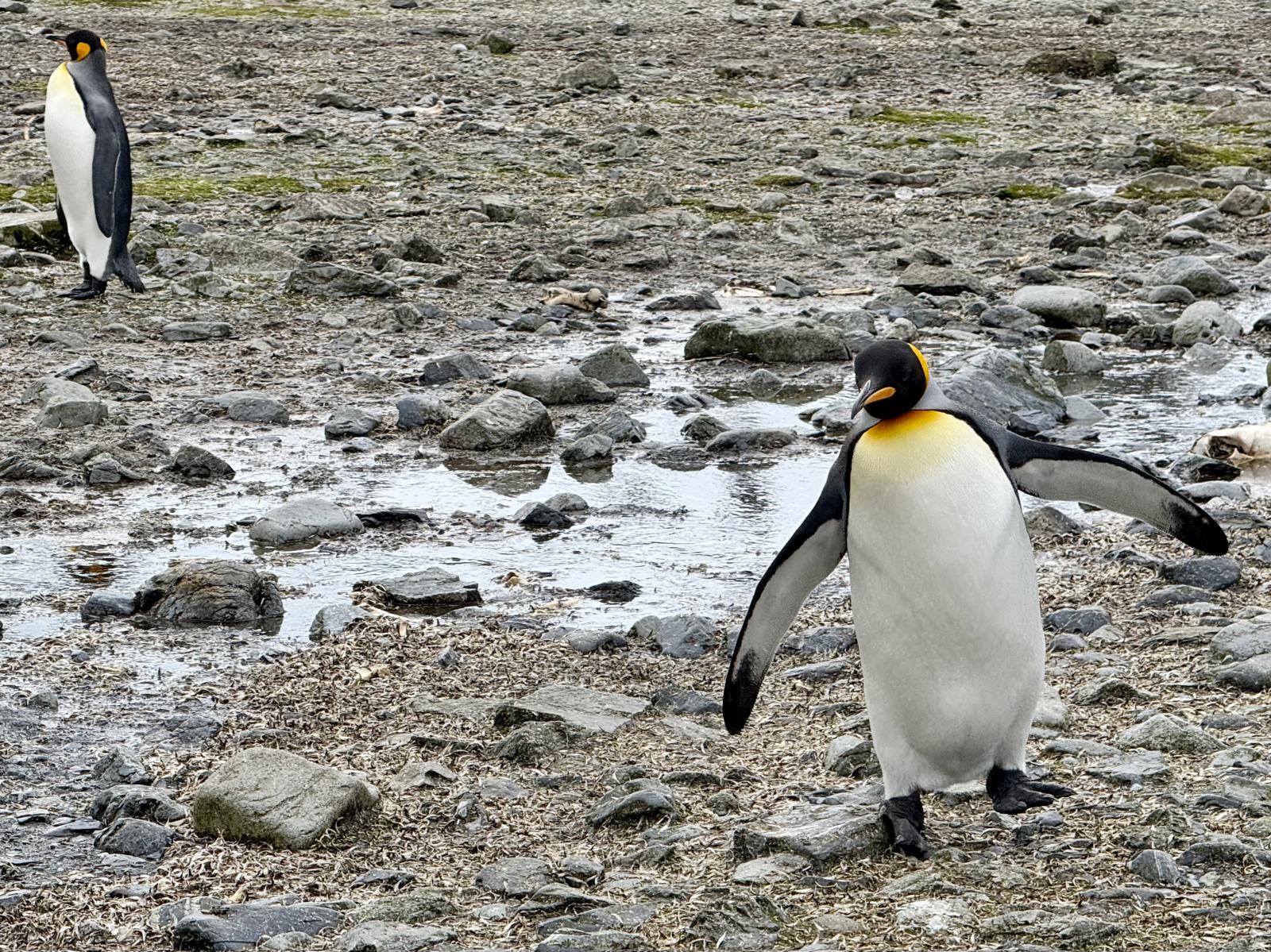
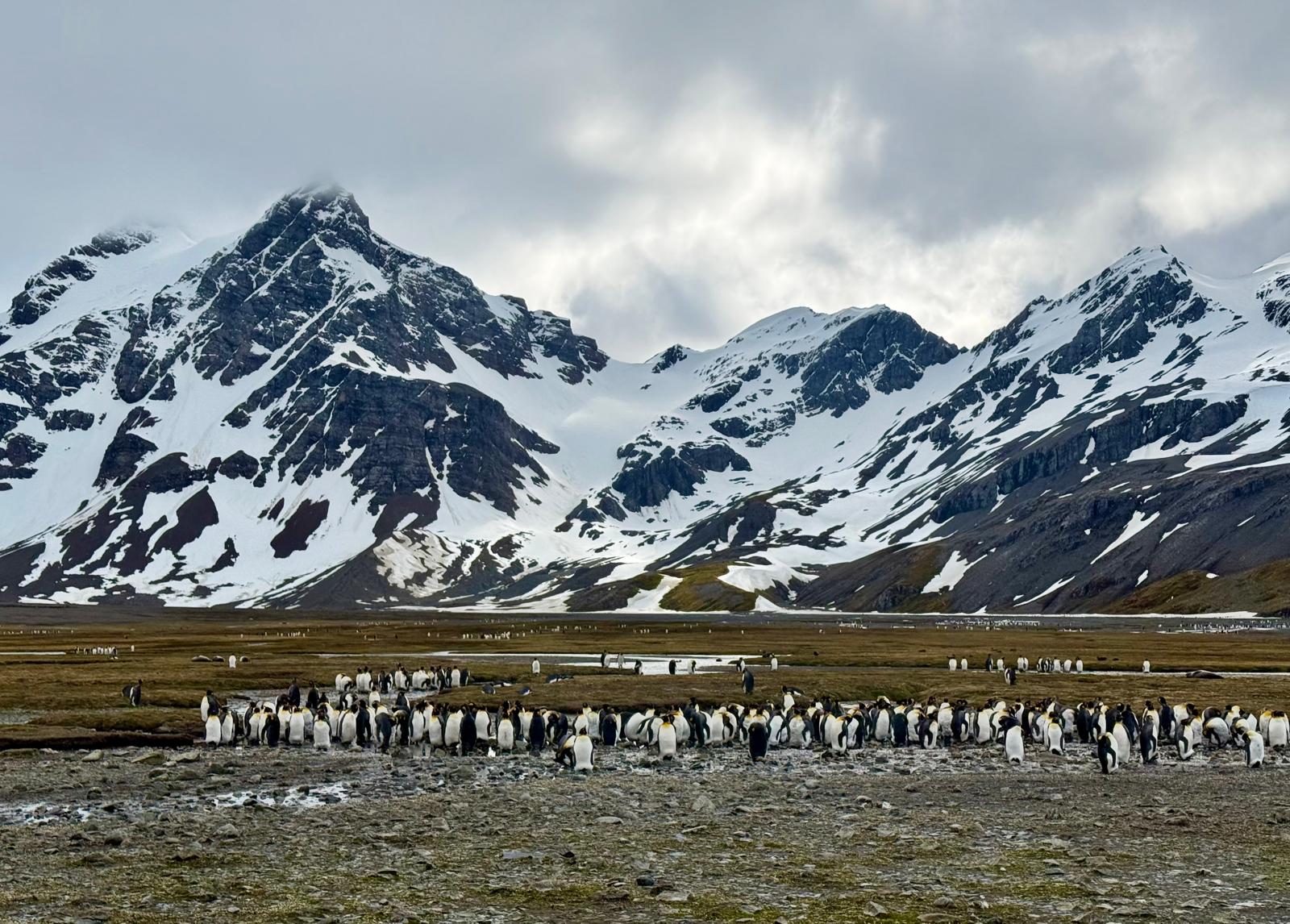
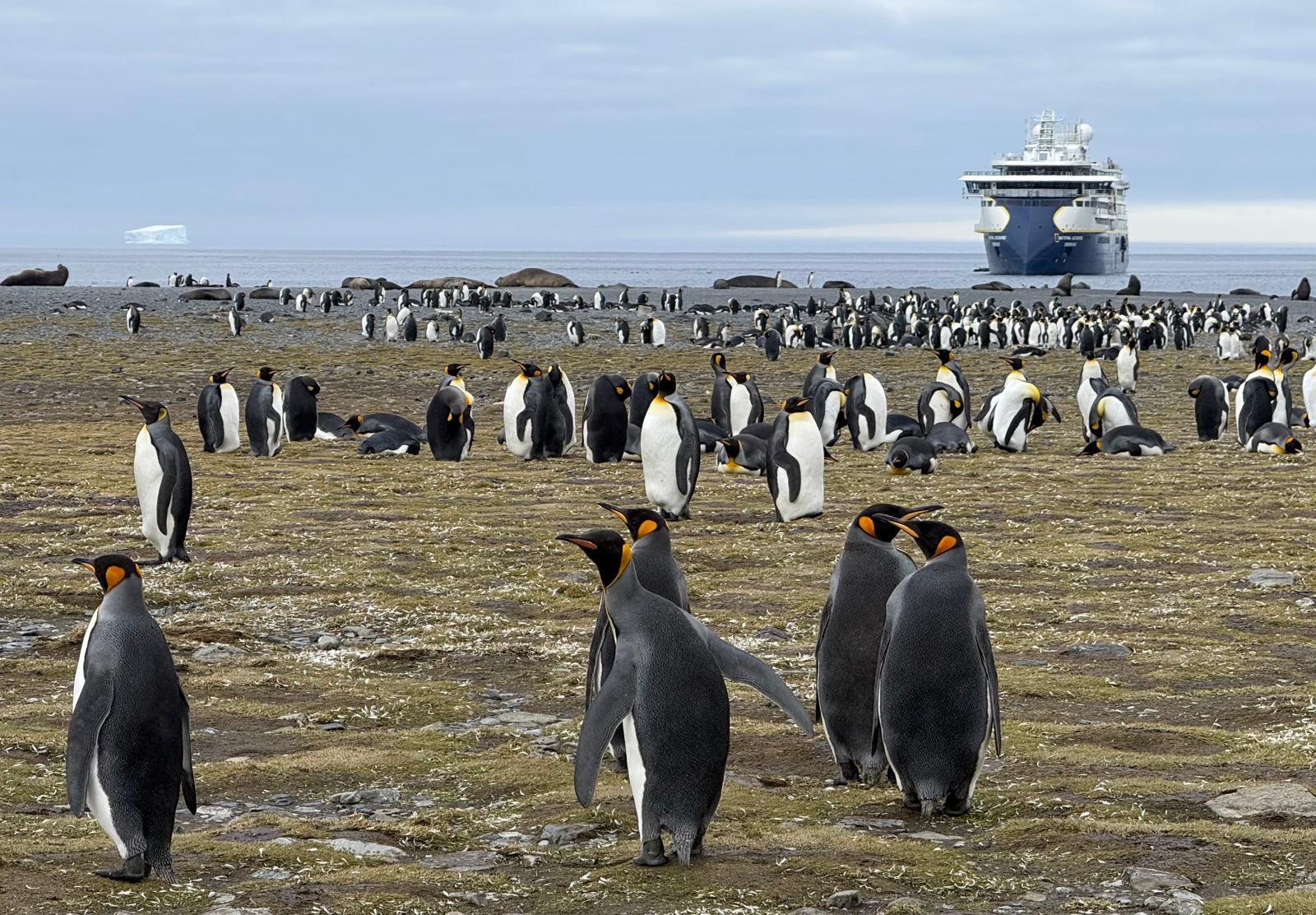
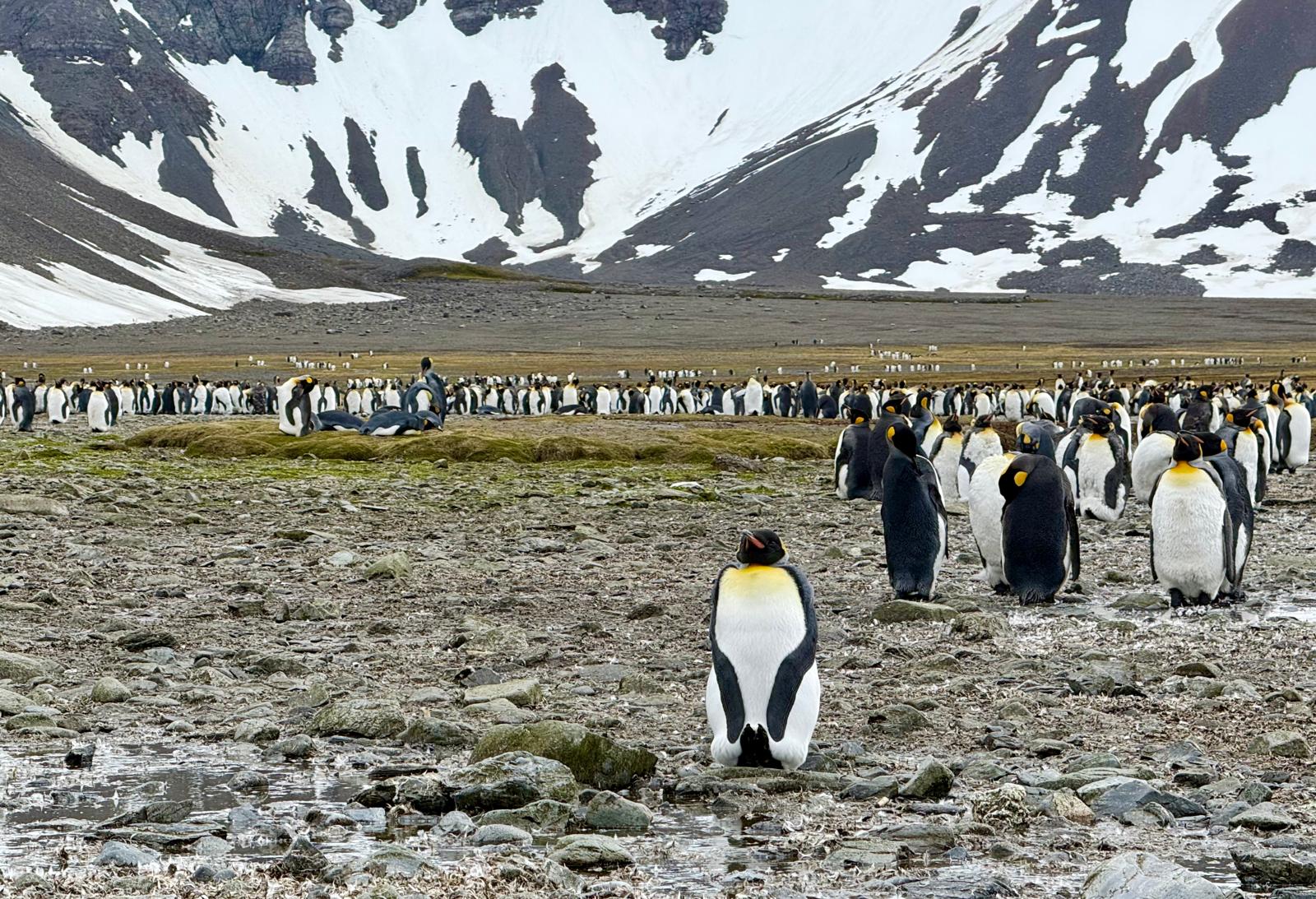
Some of the light conditions were absolutely magnificent.
Saturday 21 November 2026: South Georgia – Roger
It was around 0830 when we sailed into the, once, Whaling Station at Grytviken. Sylvia, along with about 27 others, had been dropped ashore earlier to do a cross-country walk to the harbour.
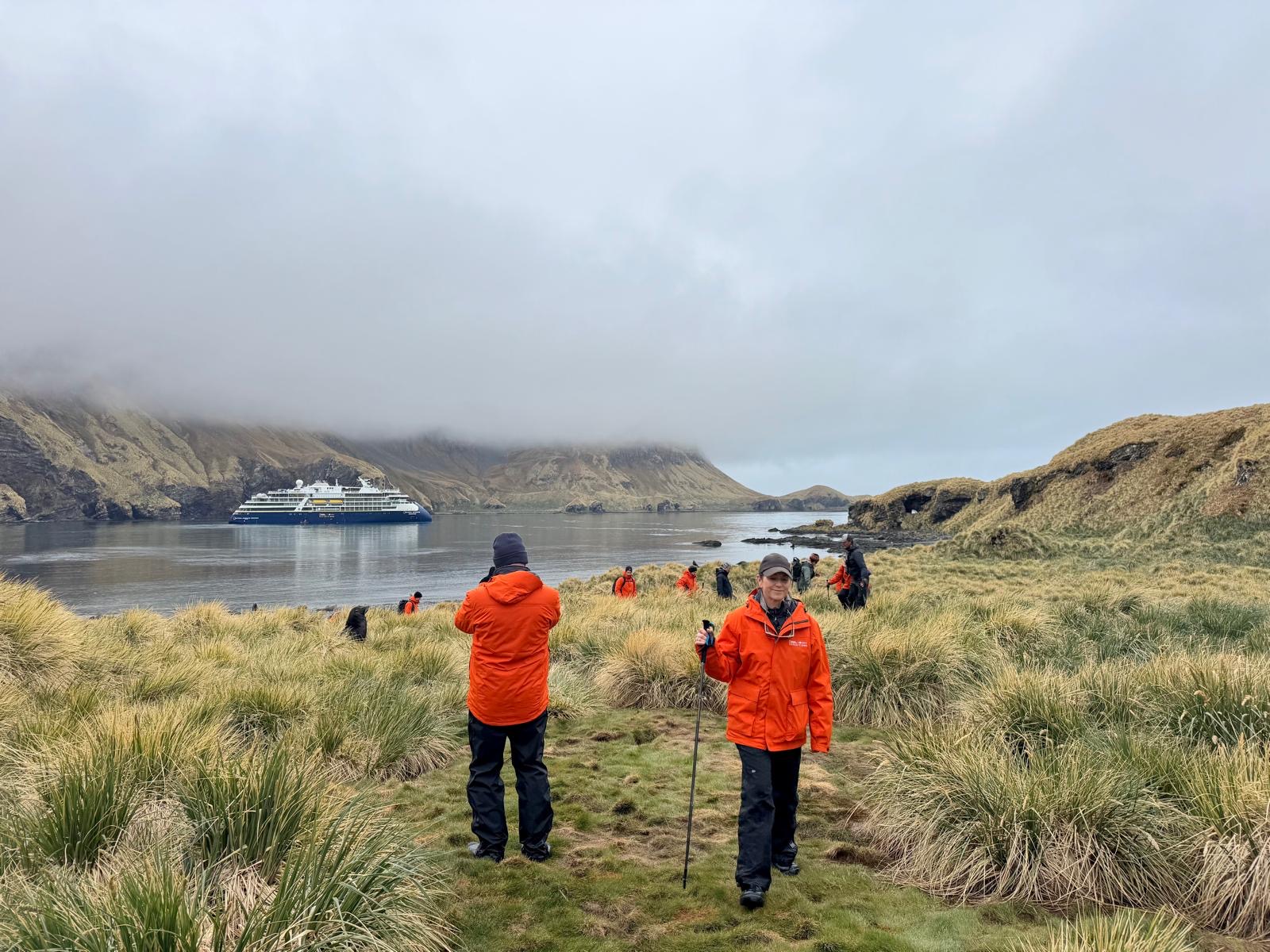
View back from the long hike towards departing ship
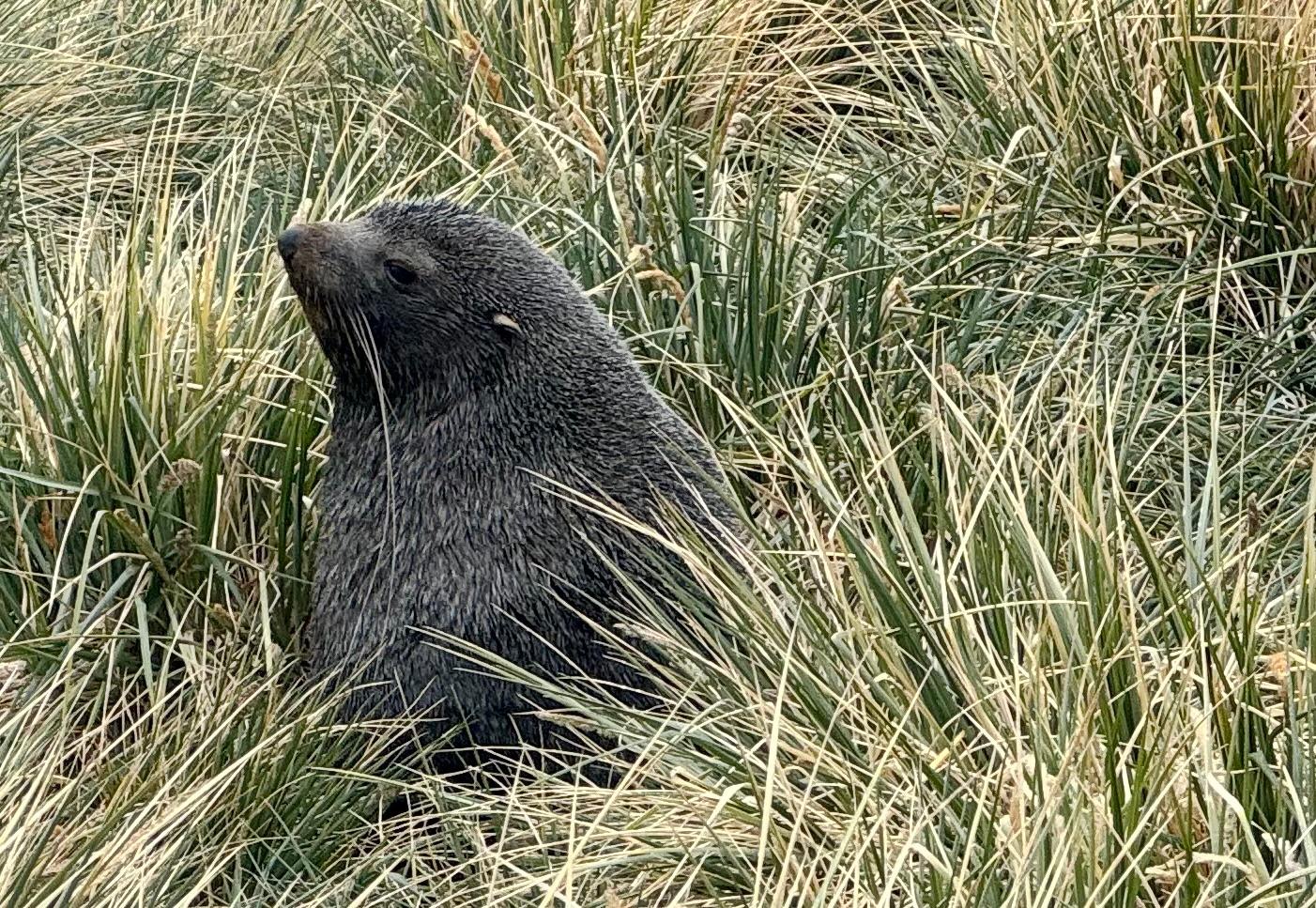
Antarctic Fur Seal hiding in the tussac
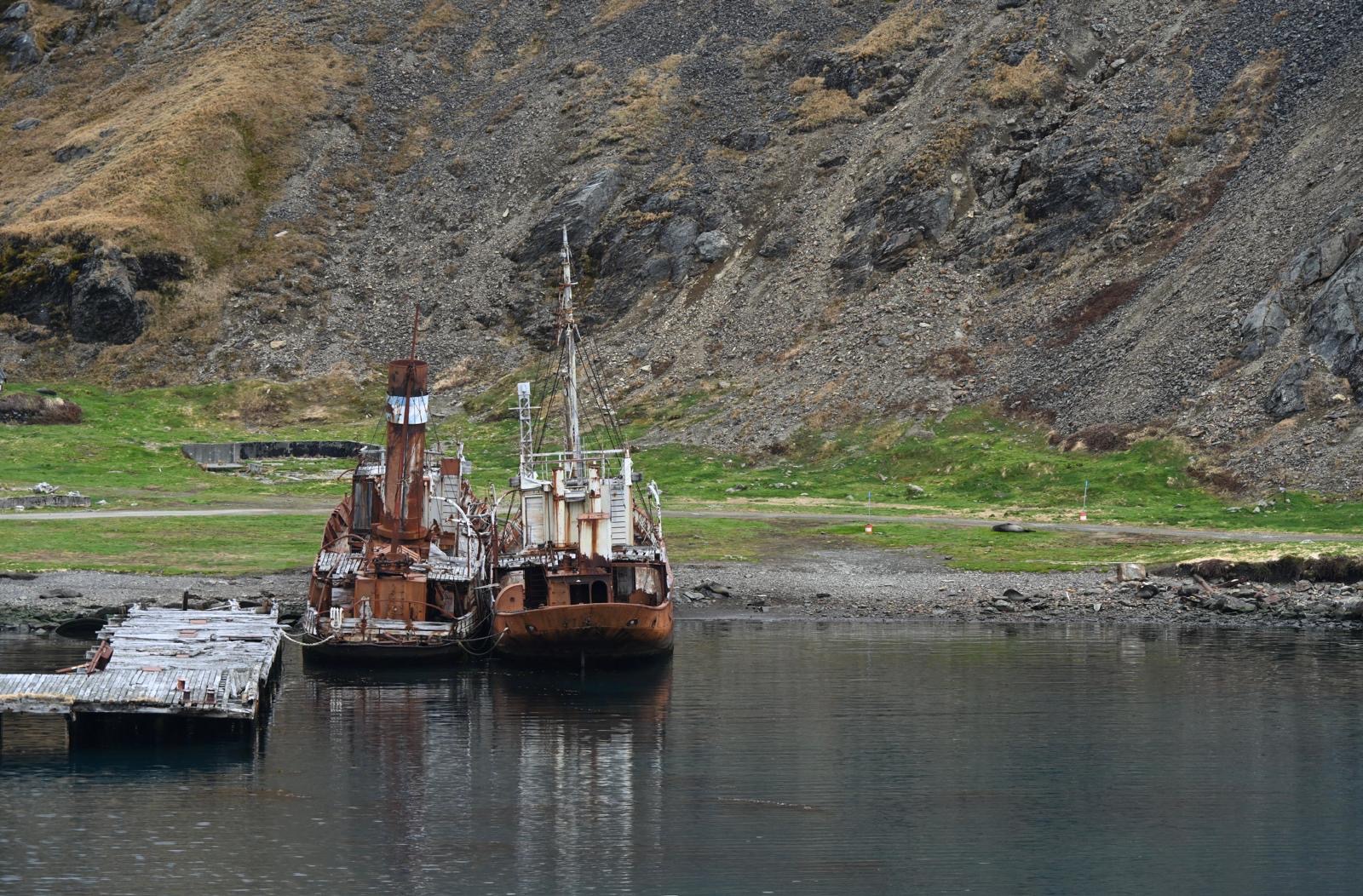
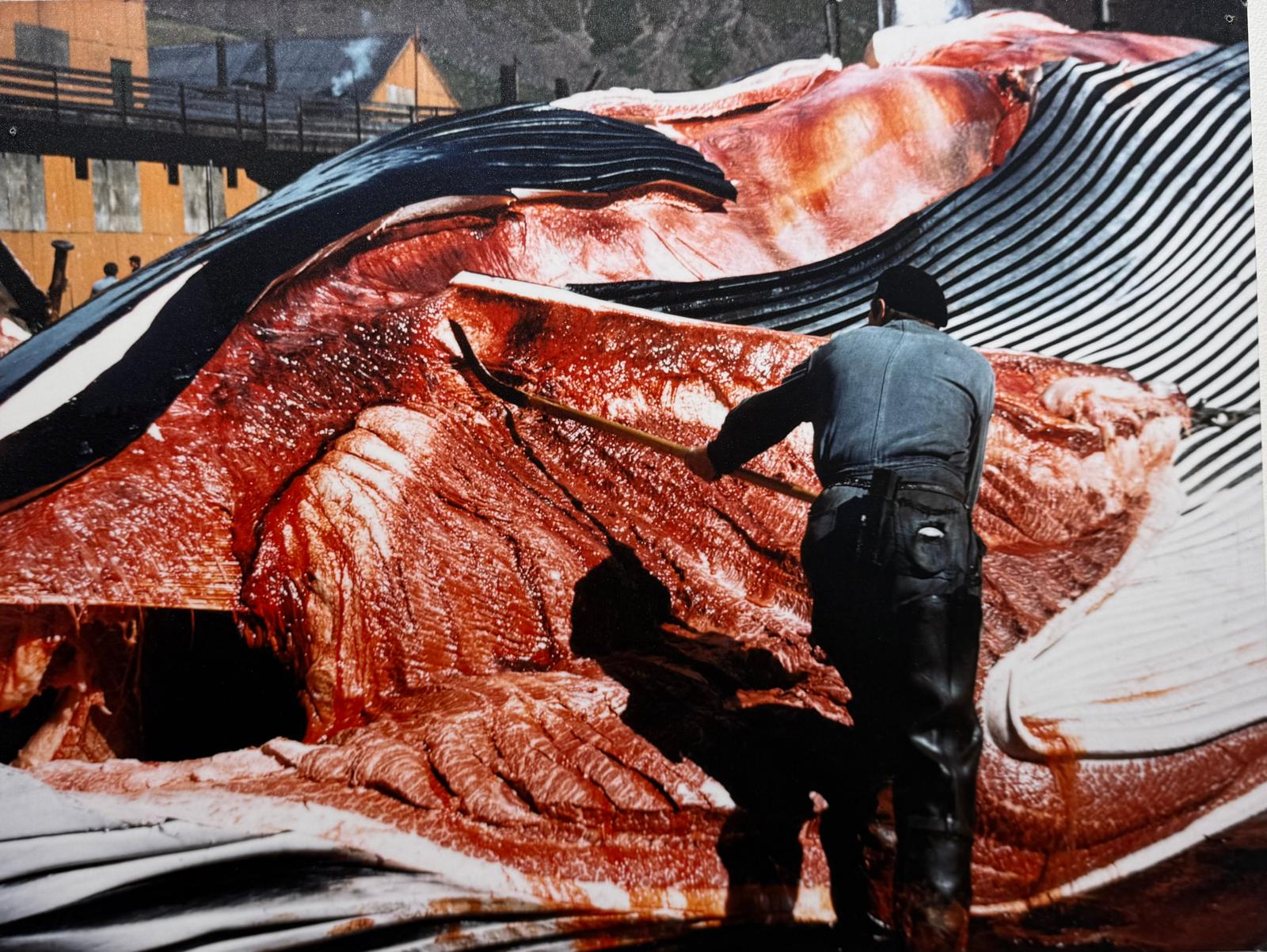
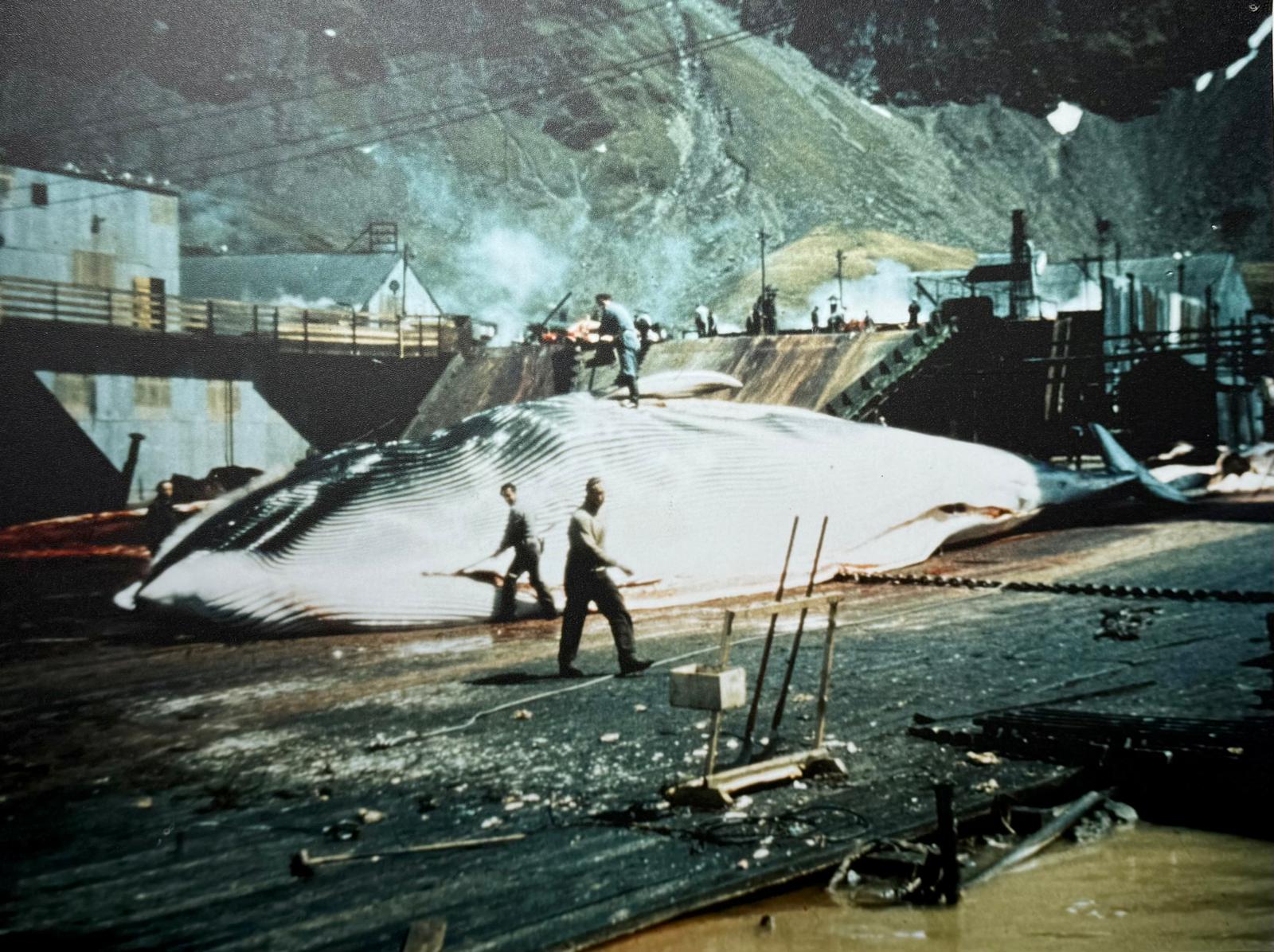
Established as a whaling station in 1902 by a Norwegian sailor by the name of Larson, Grytviken remained such until 1966, when there were only a few whales left in the area to harvest. Grytviken was only one of several such stations in the area, and by the time it finally ceased operation nearly 2 million whales had been taken from the southern ocean and nearly 180,000 from South Georgia. Grytviken was quite a big establishment, although not the largest on South Georgia, with, at the time, some 300 people working there. Cattle, sheep and reindeer were brought in to supplement the food for the population. They also tried introducing foxes and rabbits that didn’t survive too well.
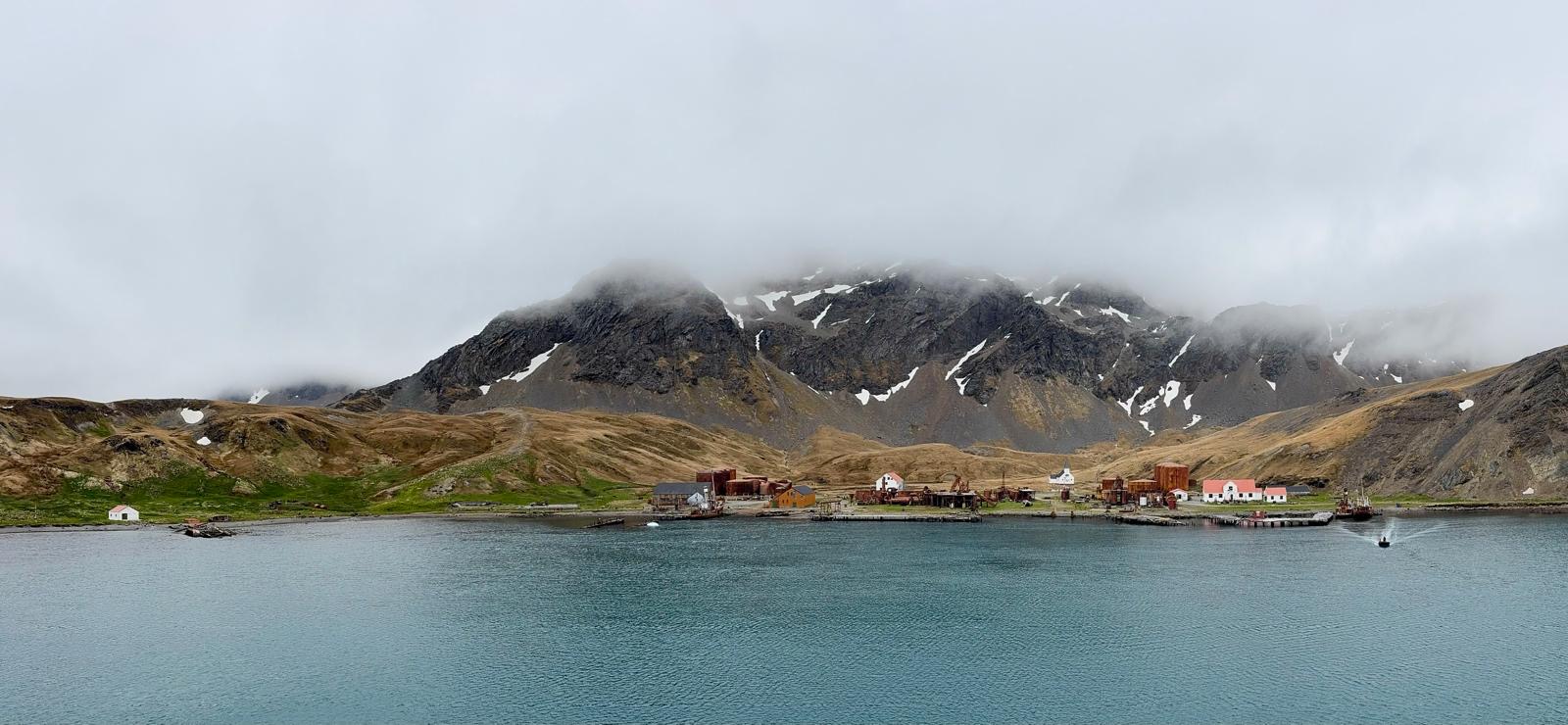
View of Grytviken from Endeavour
After breakfast we were ferried the short distance to our landing just below the cemetery. This is where the body of Ernest Shackleton was laid to rest after he died here at the age of 47. As we went to the cemetery we were given a small cup of whiskey (or apple juice) to toast Shackleton “the boss” before we were free to explore the rest of the place. Sylvia and the rest of the walkers had already arrived in the settlement and completed their toast before I made it to shore.
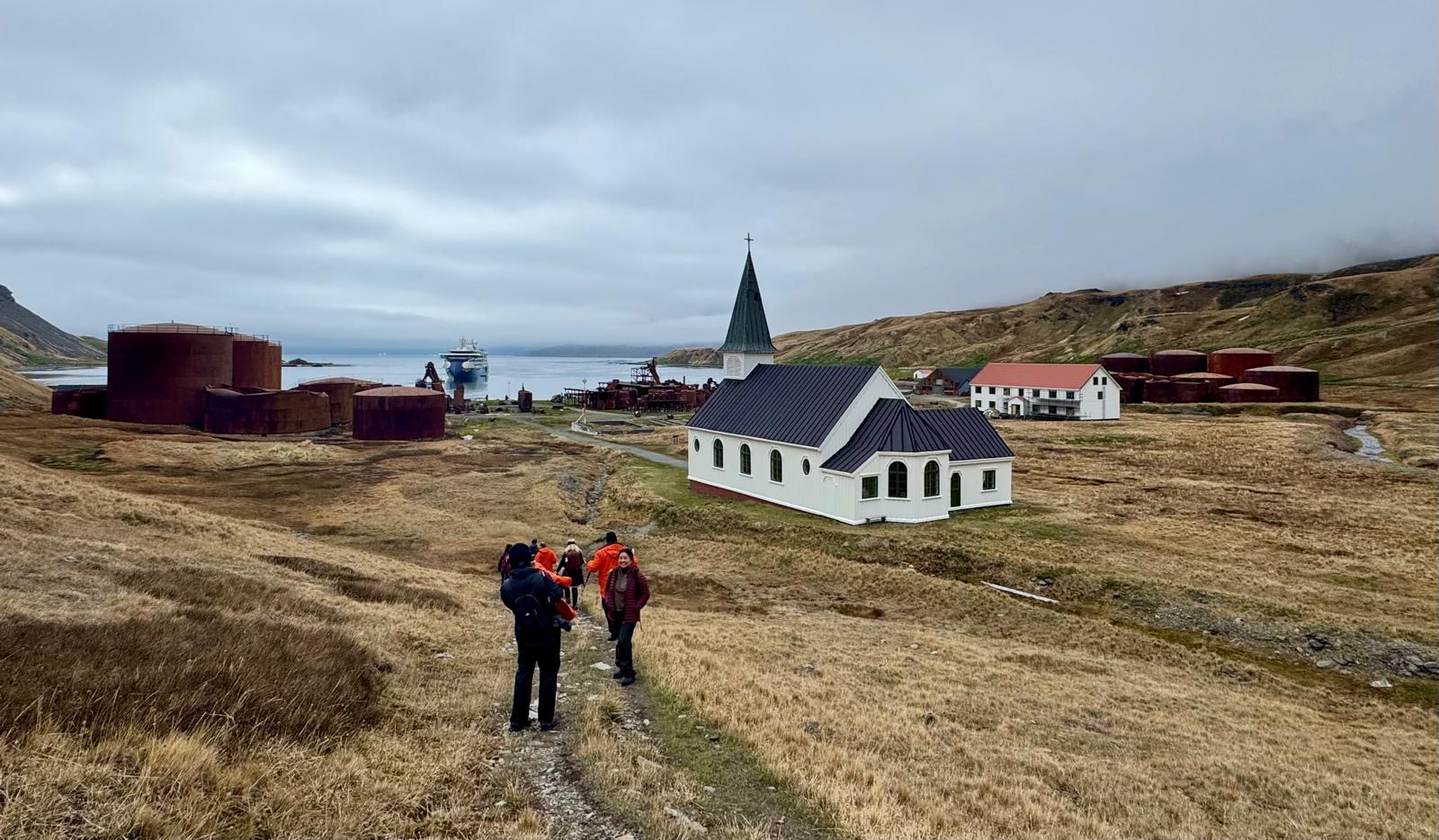
View towards Grytviken arriving from long hike
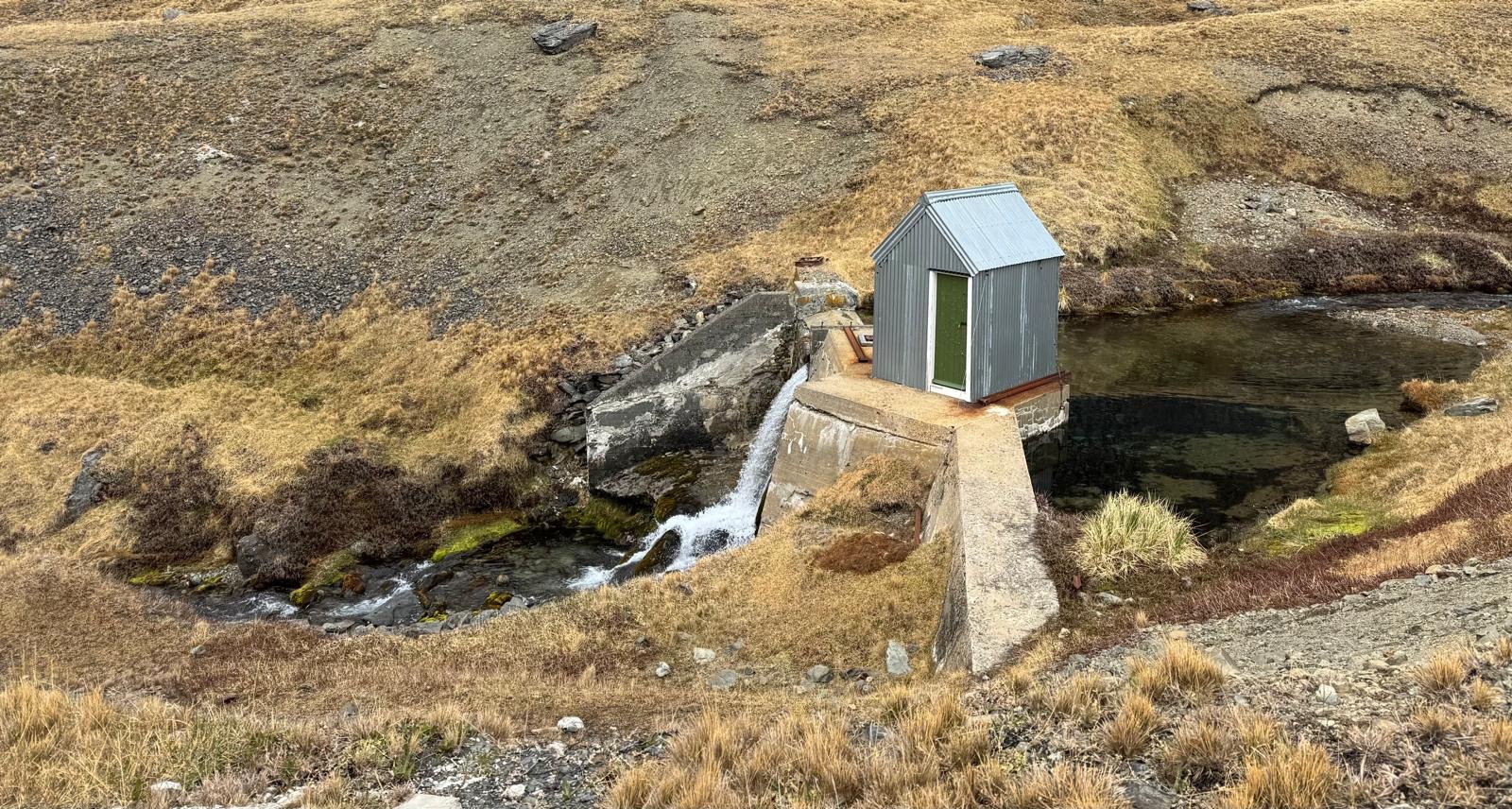
Now abandoned pump house – seen from long hike
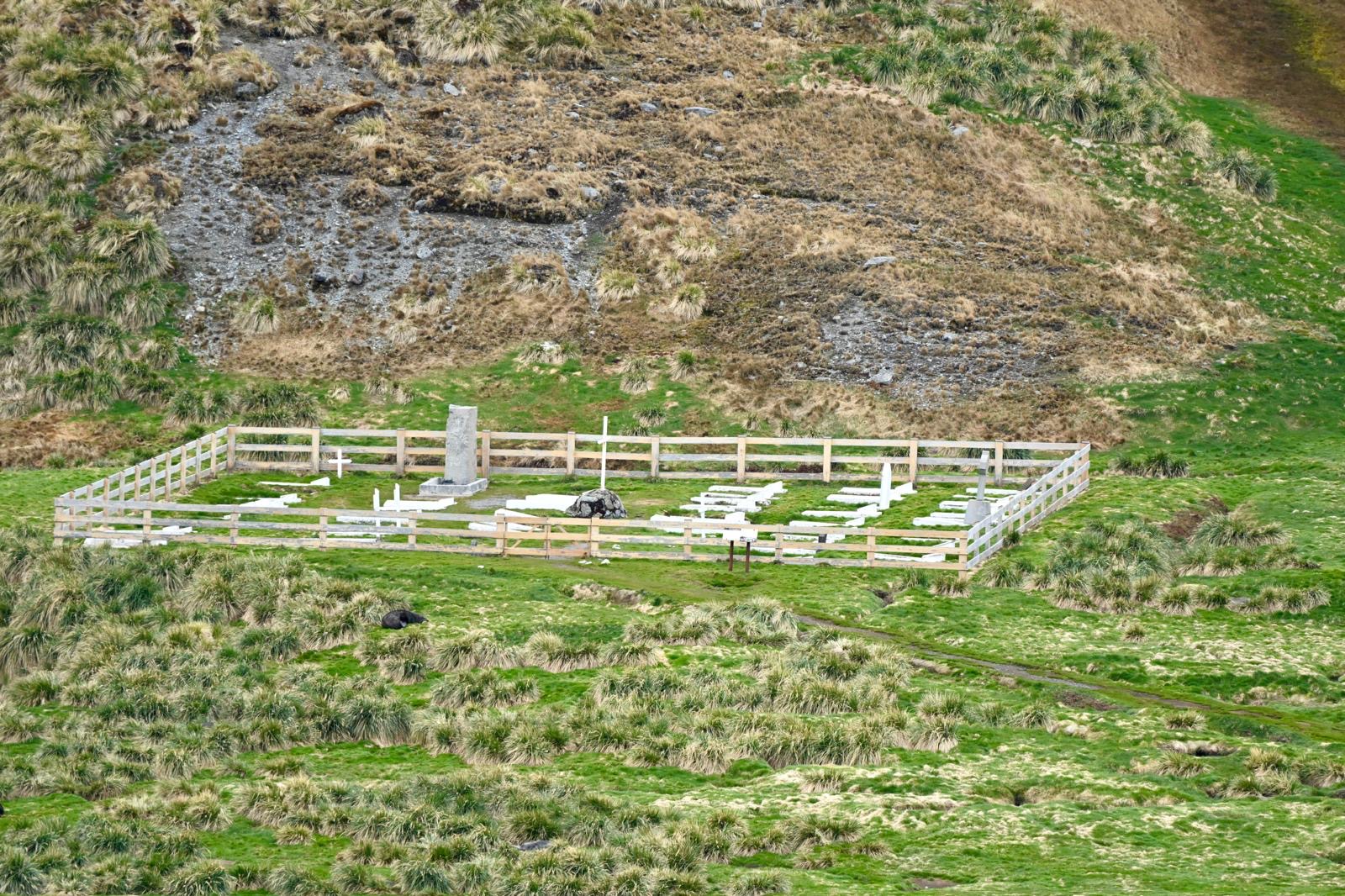
Cemetery at Grytviken
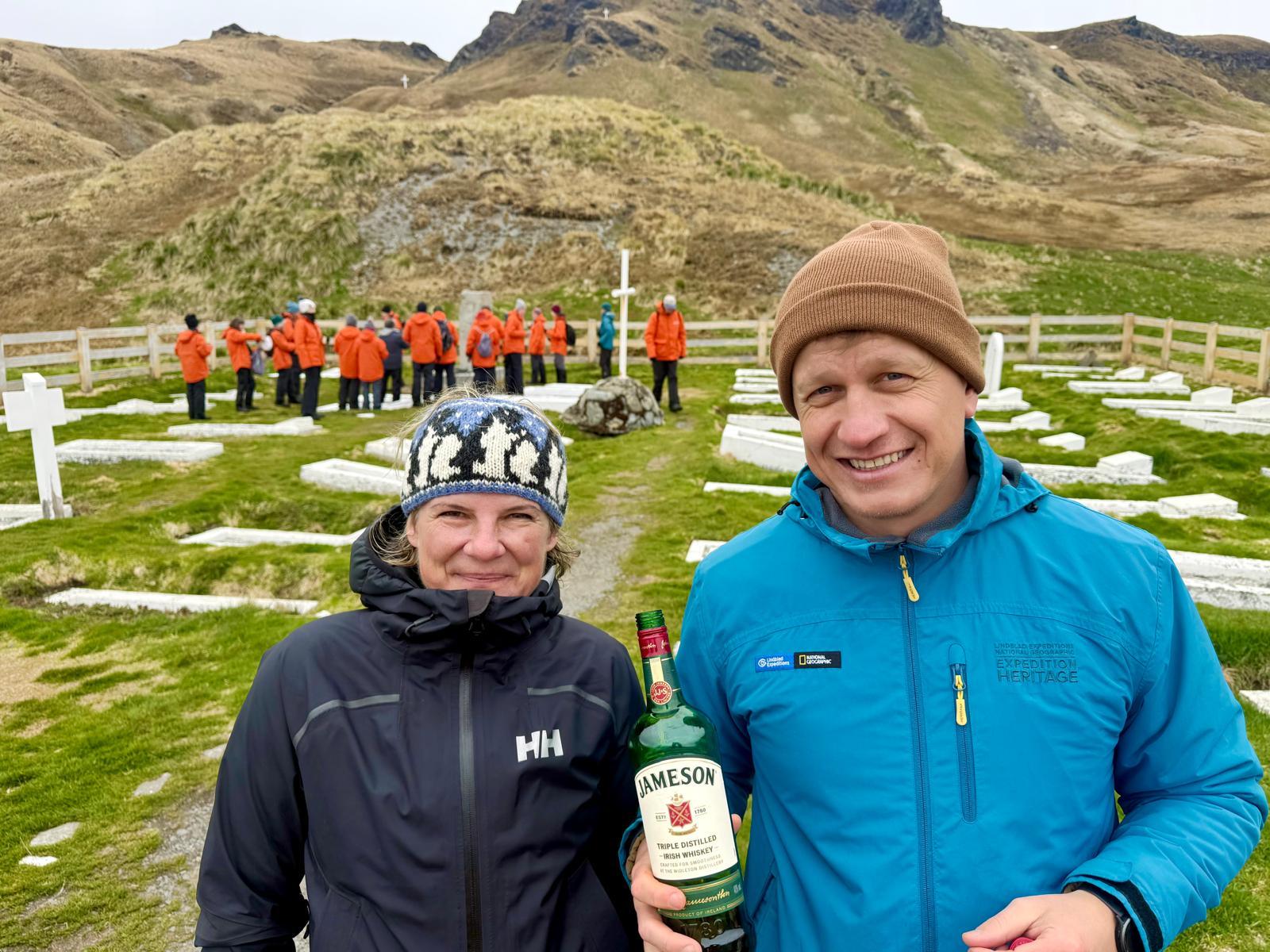
Some of the ship crew handing out drinks to toast Shackleton
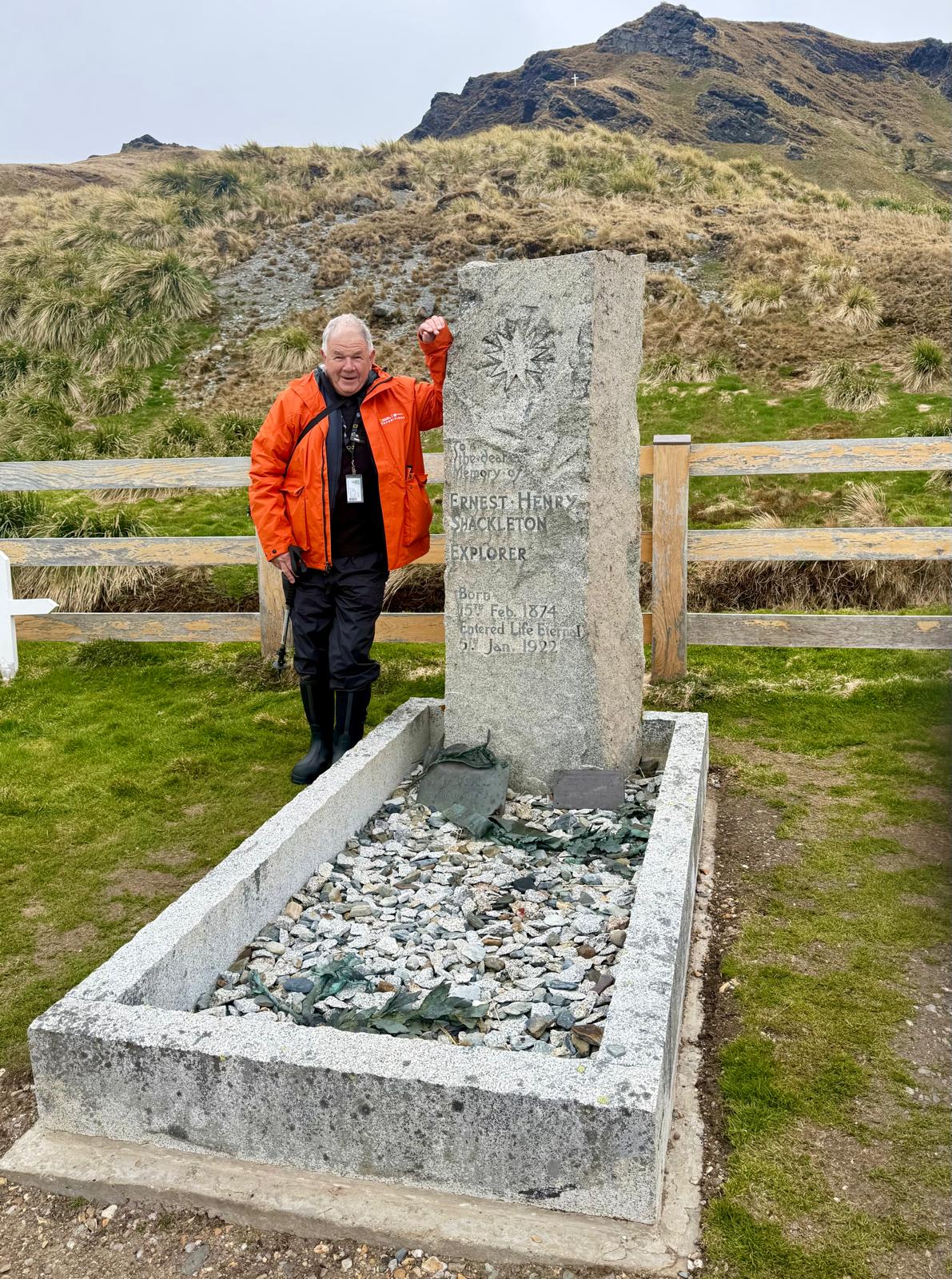
Roger at Shackleton’s grave
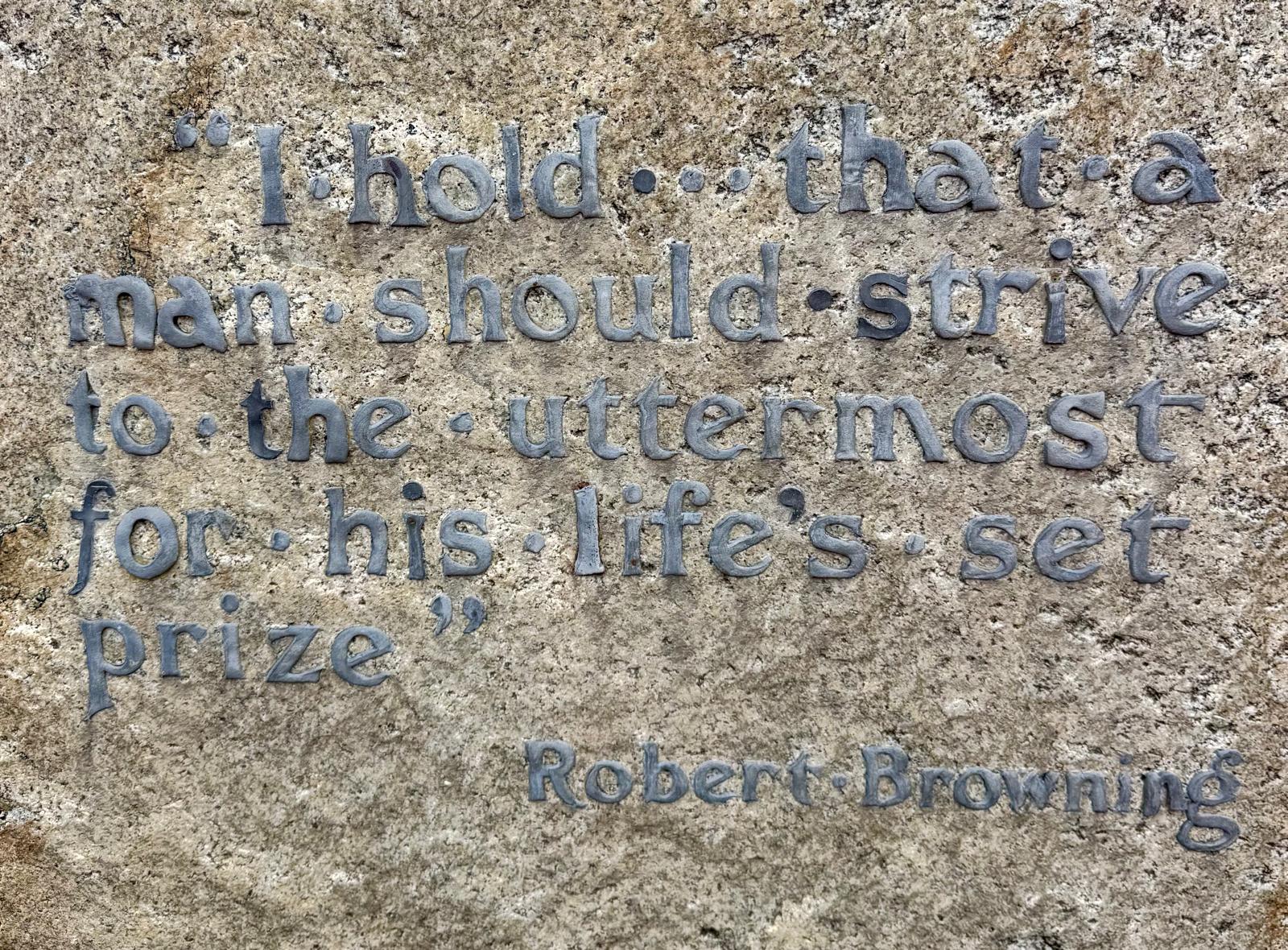
One of Shackleton’s favourite poems, on the back of his grave stone
Elephant and fur seals were prominent here, often lying around like large rocks. One had to be aware so that one didn’t walk into one as they can get a little bit grumpy as one woman found out yesterday when one rushed to knock her over. The males guard their territories jealously, waiting for the females to arrive and it is common to see them fighting each other.
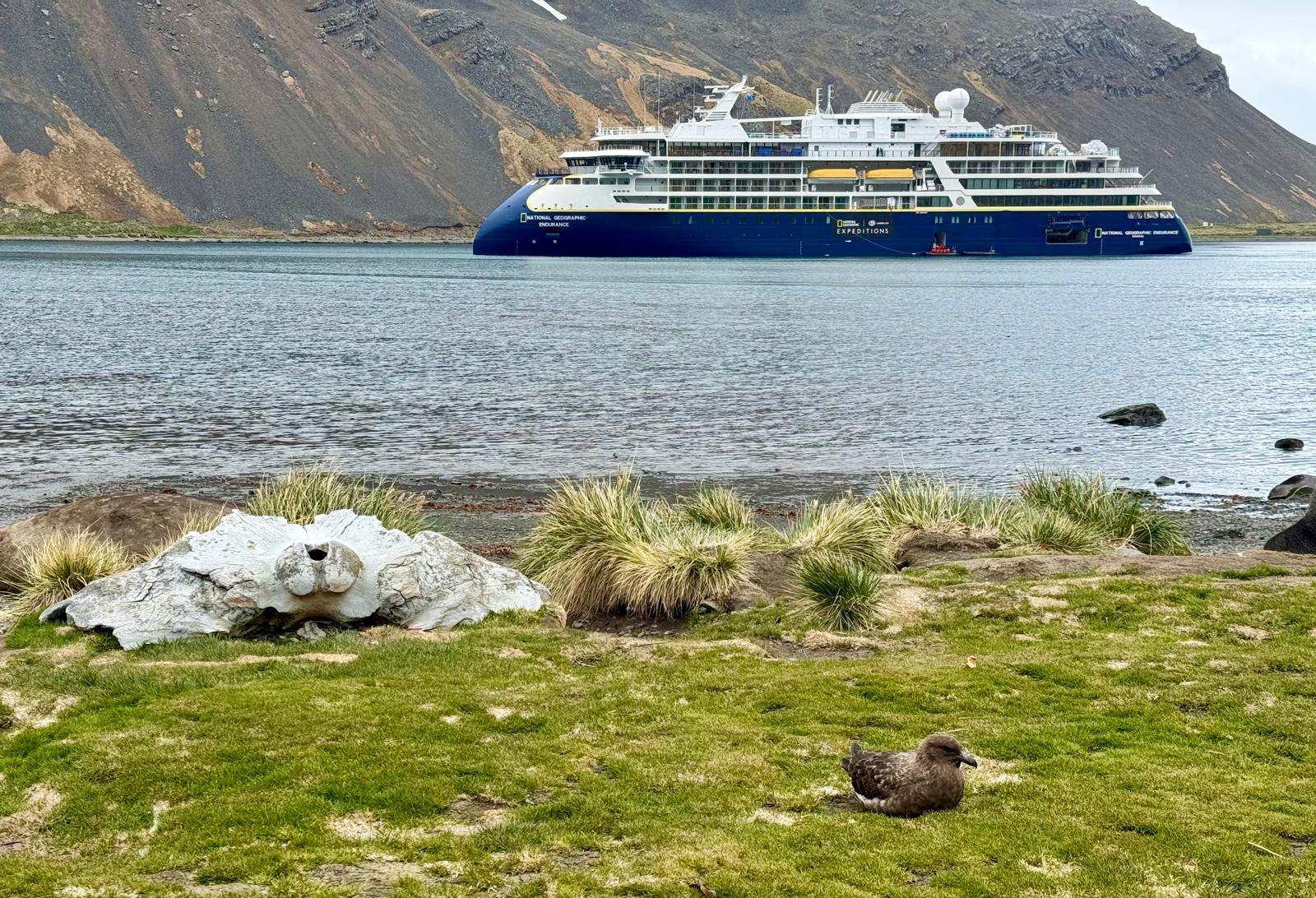
Whale skull and brown skua, Endurance in background
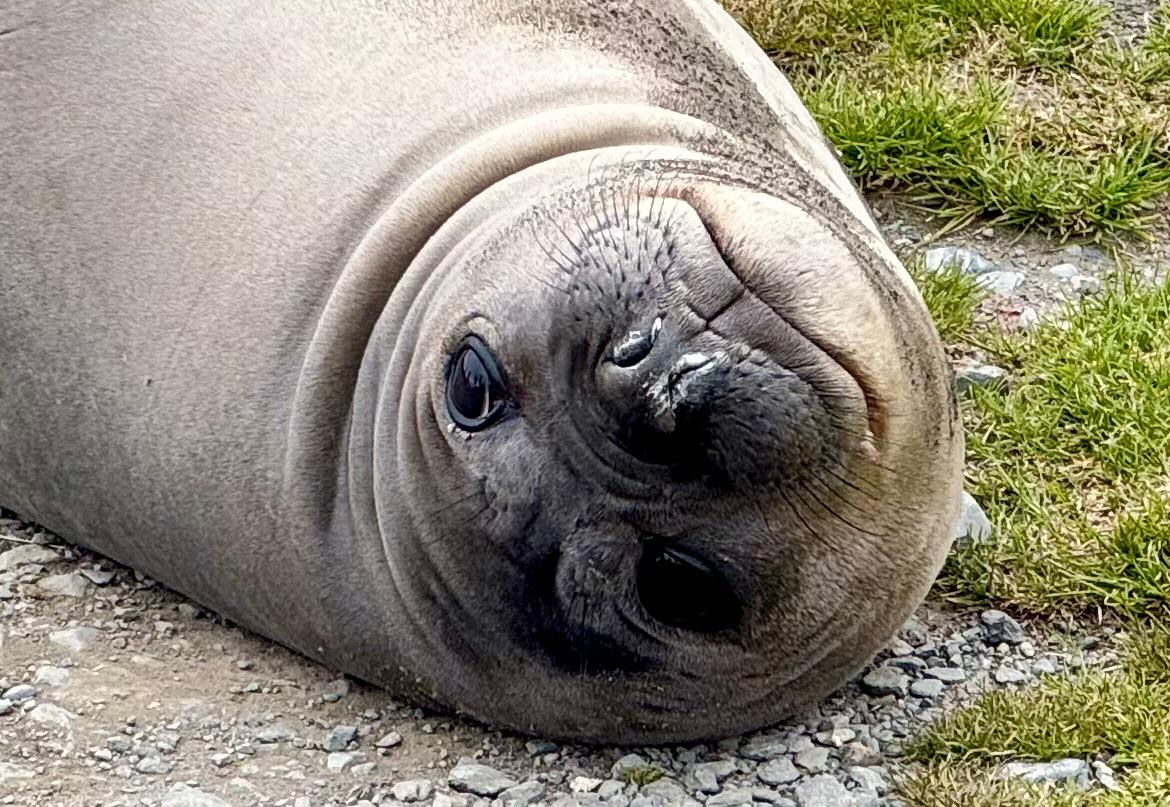
Elephant Seal weaner
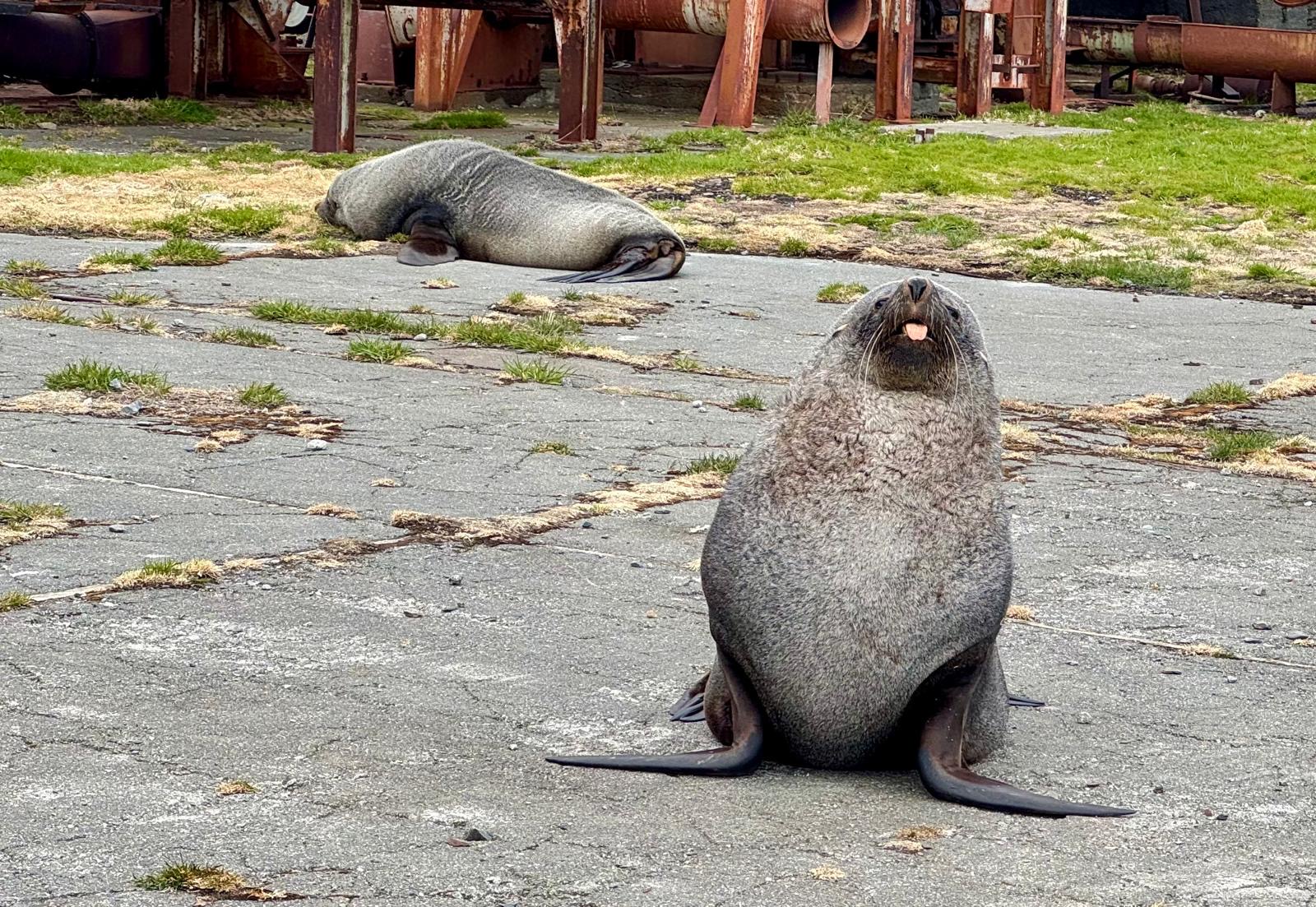
Antarctic Fur Seals
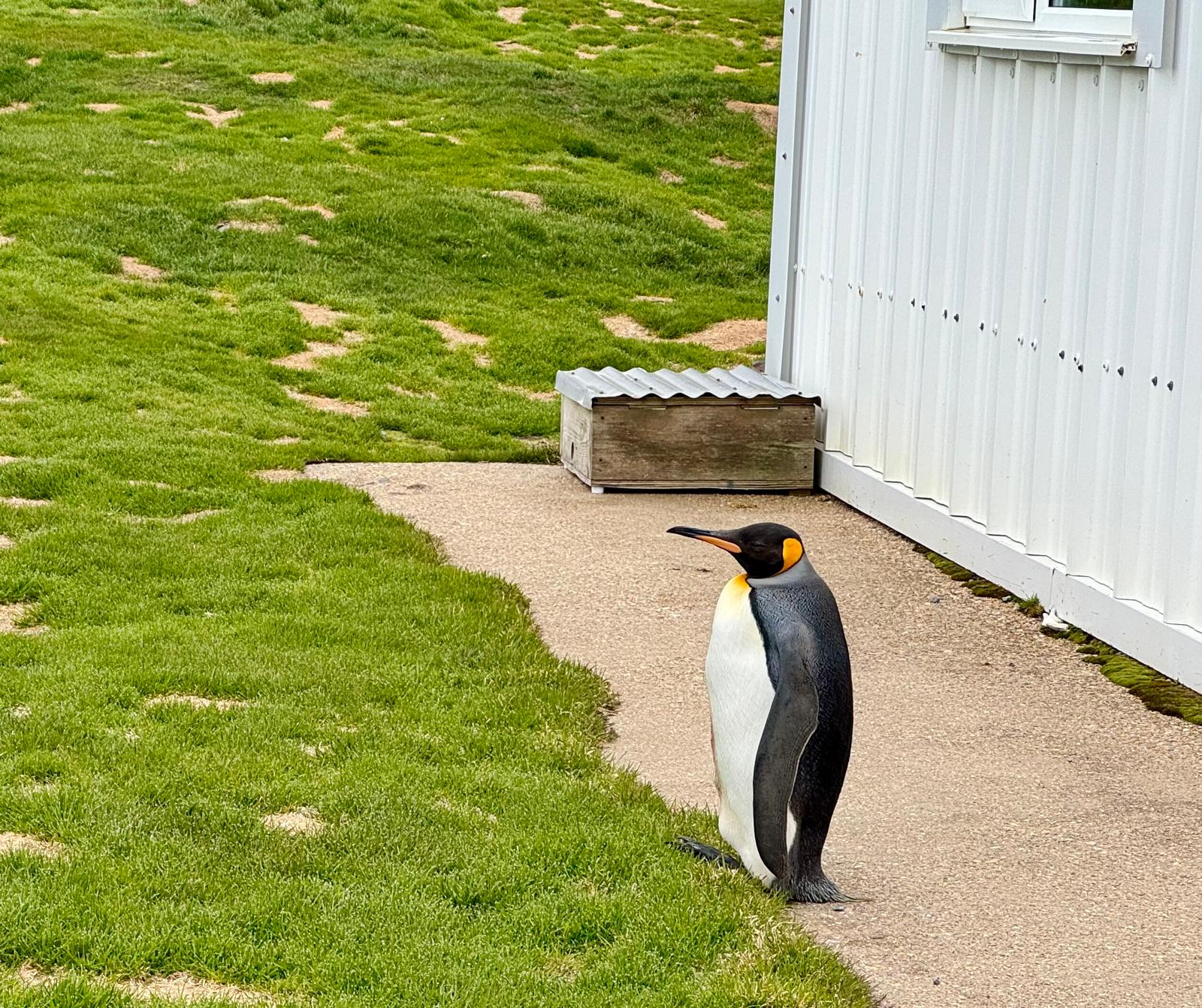
King Penguin
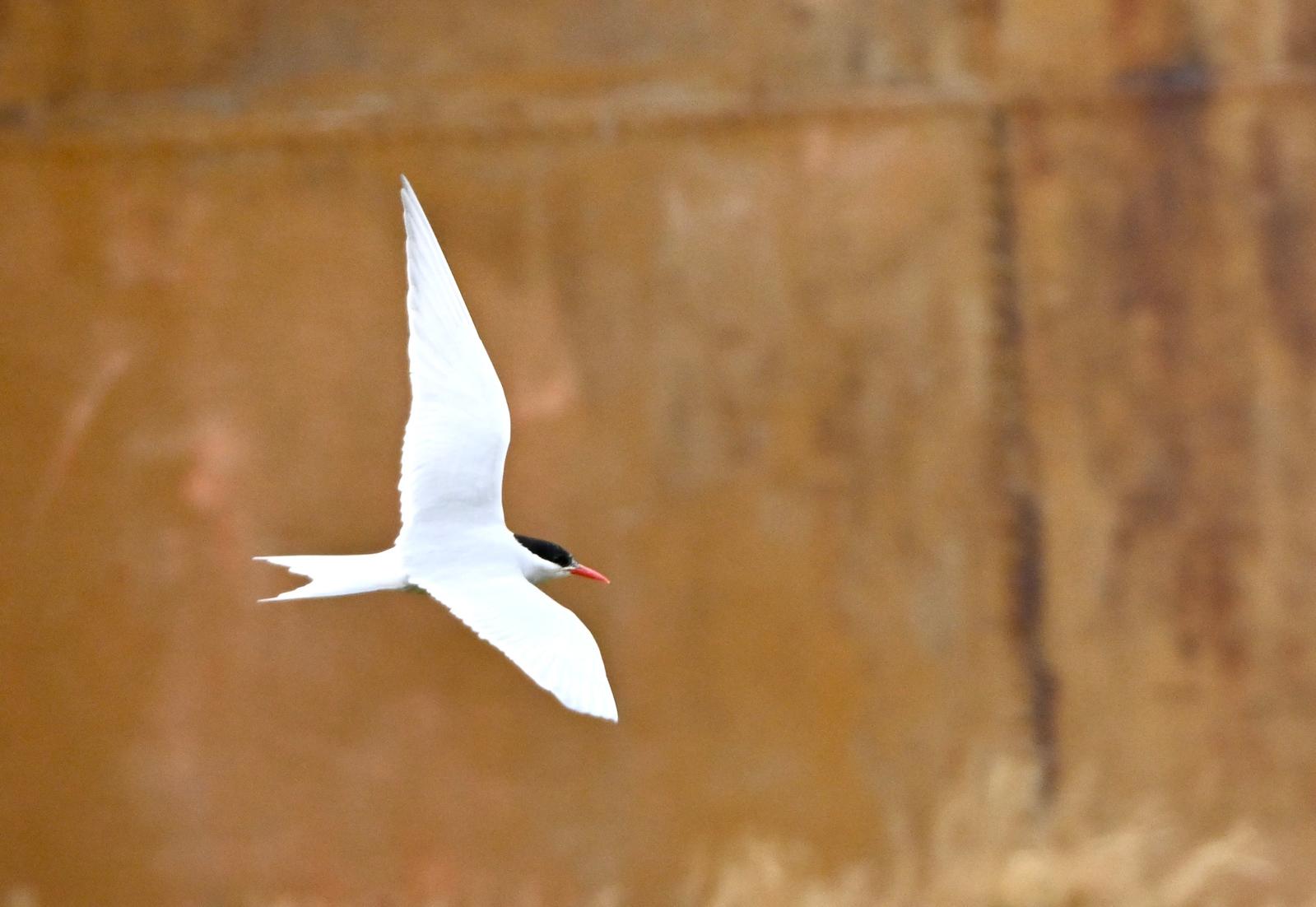
Arctic Tern
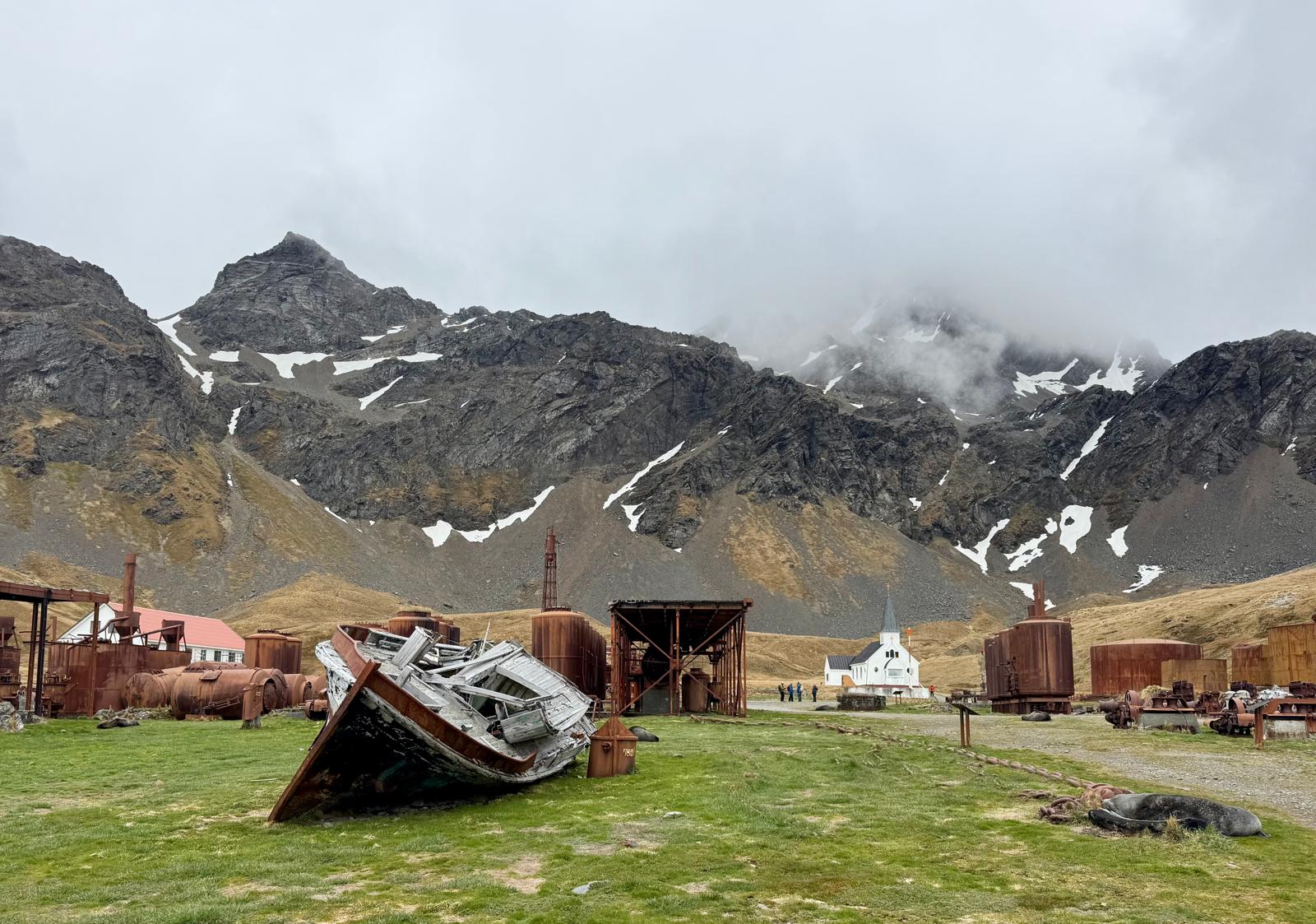
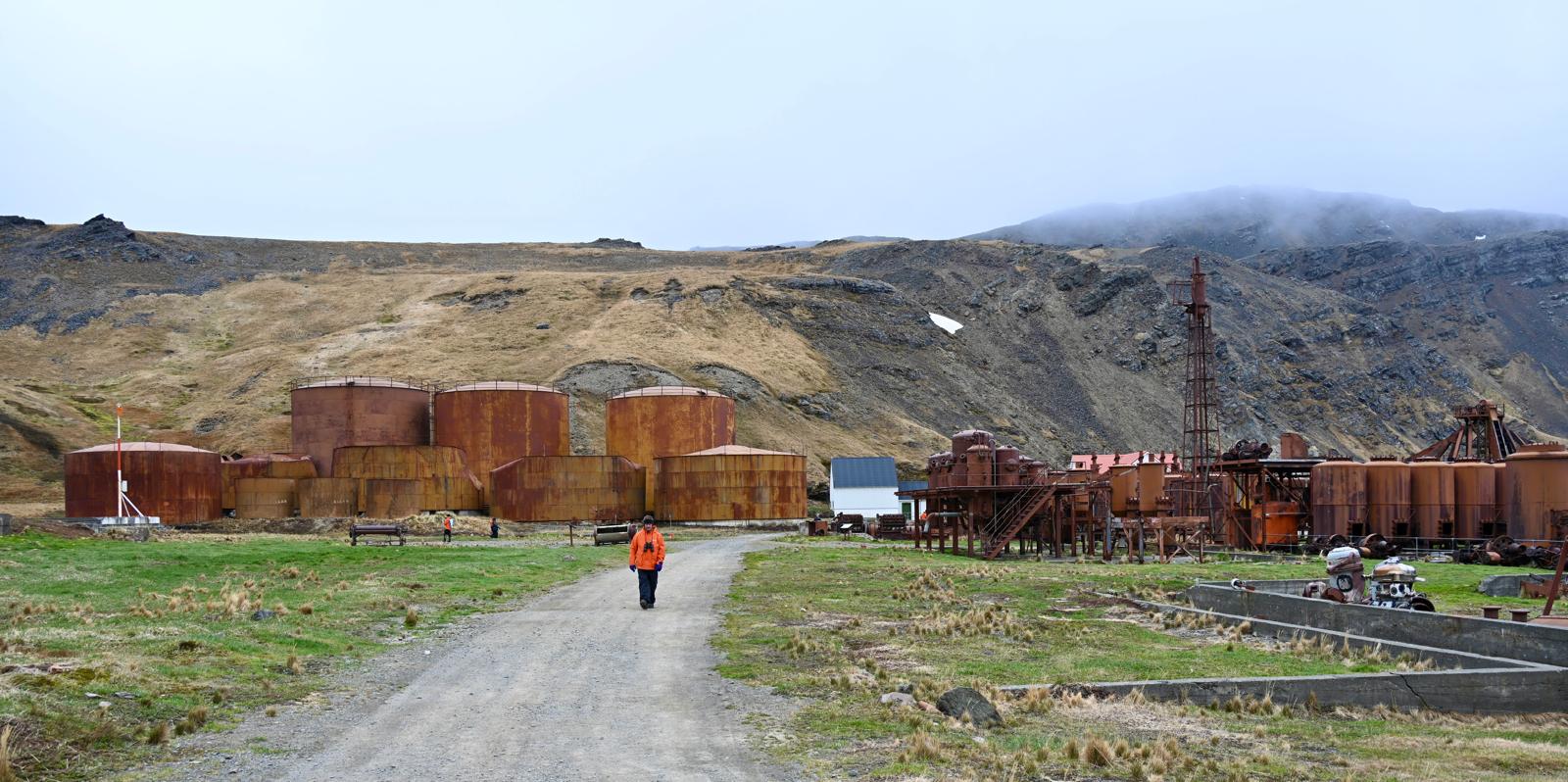
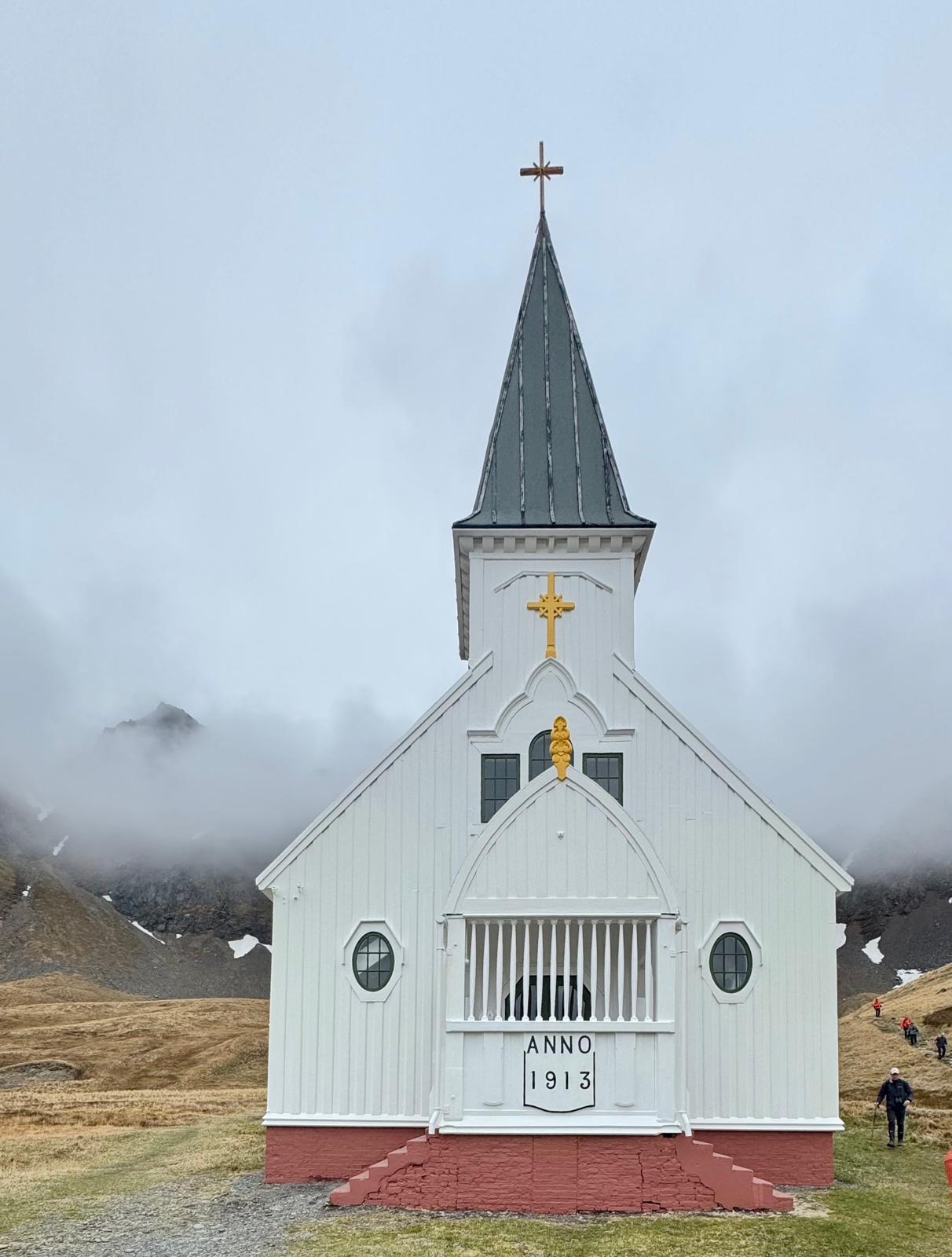
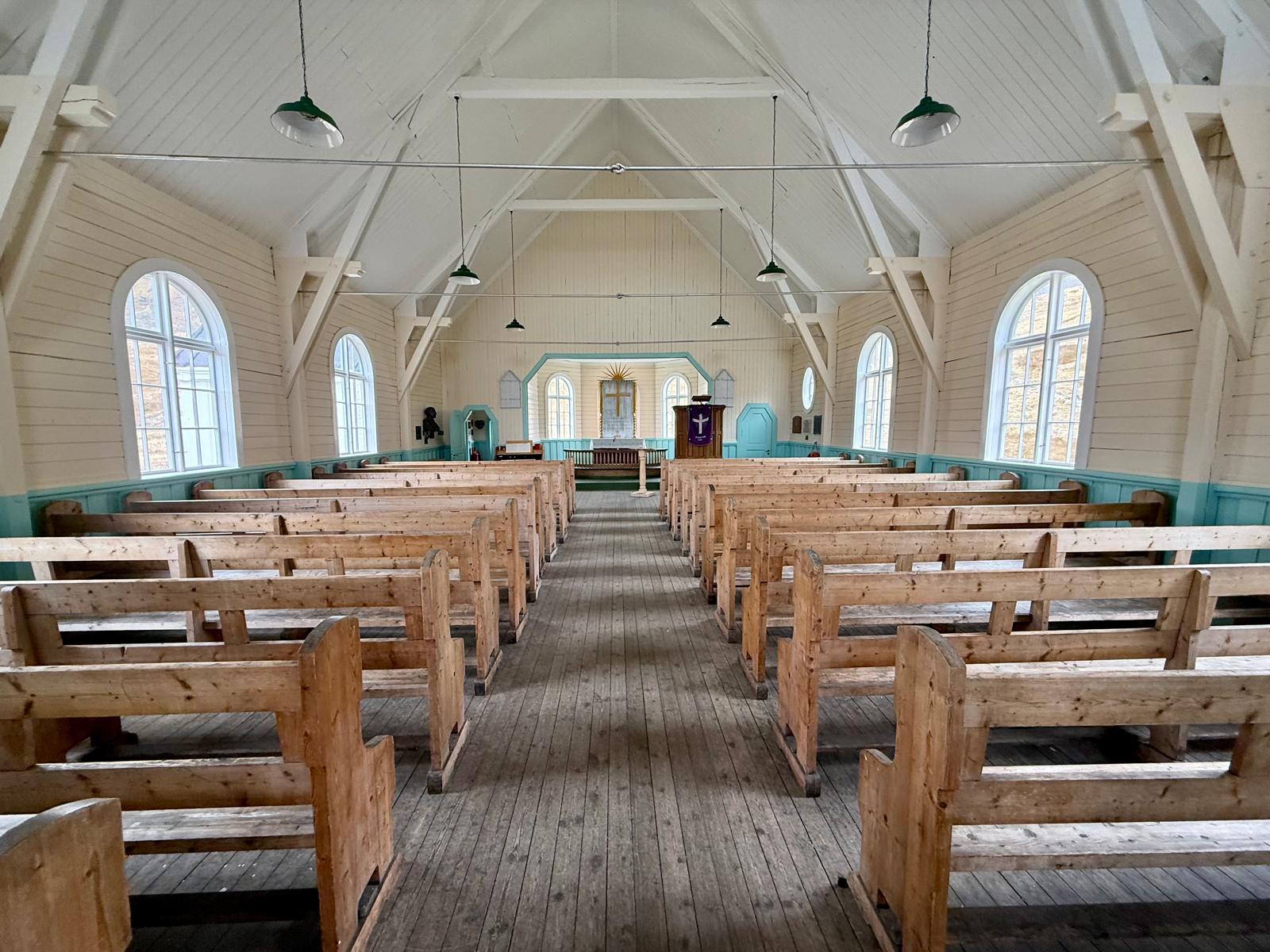
As we wandered around the waterfront we passed a fairly modern hydro power station in a building. Further on there were dozens of large, rusting tanks that were used for storing whale blubber, and I presume also fuel to run the many motors and generators that are still lying around the place. Up the back of the settlement is a church that was built in the early 1900’s and has obviously been restored.
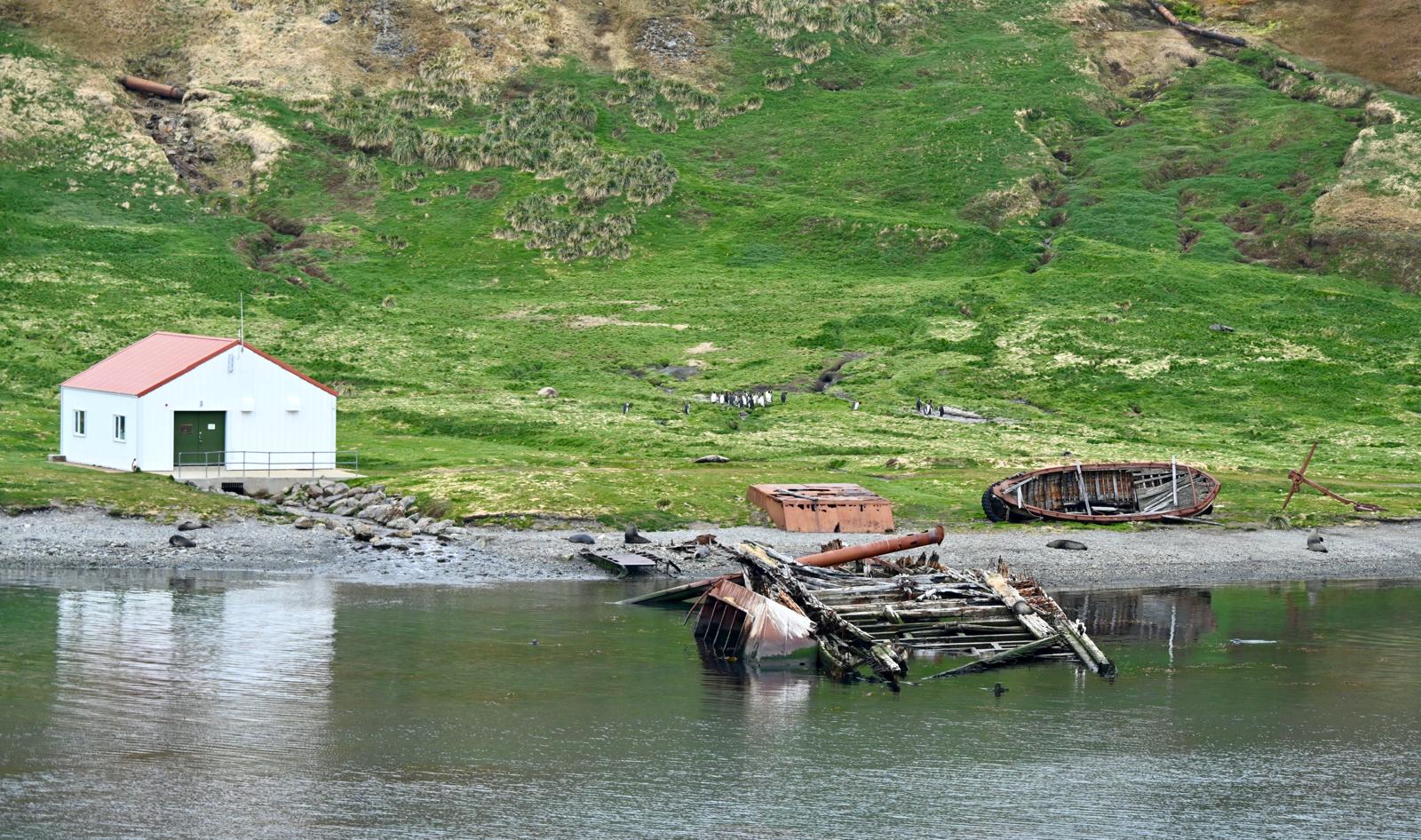
Pump station building on the left
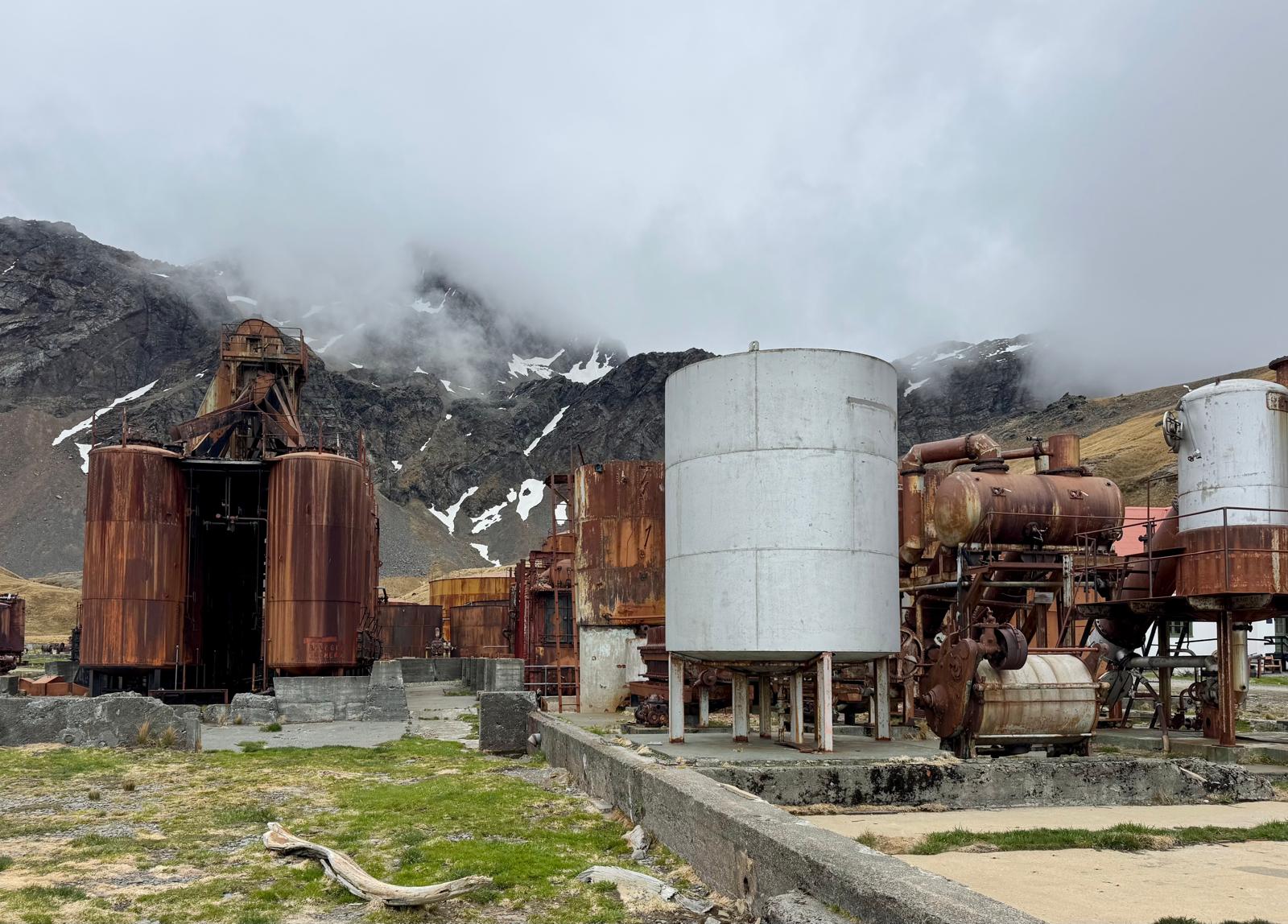
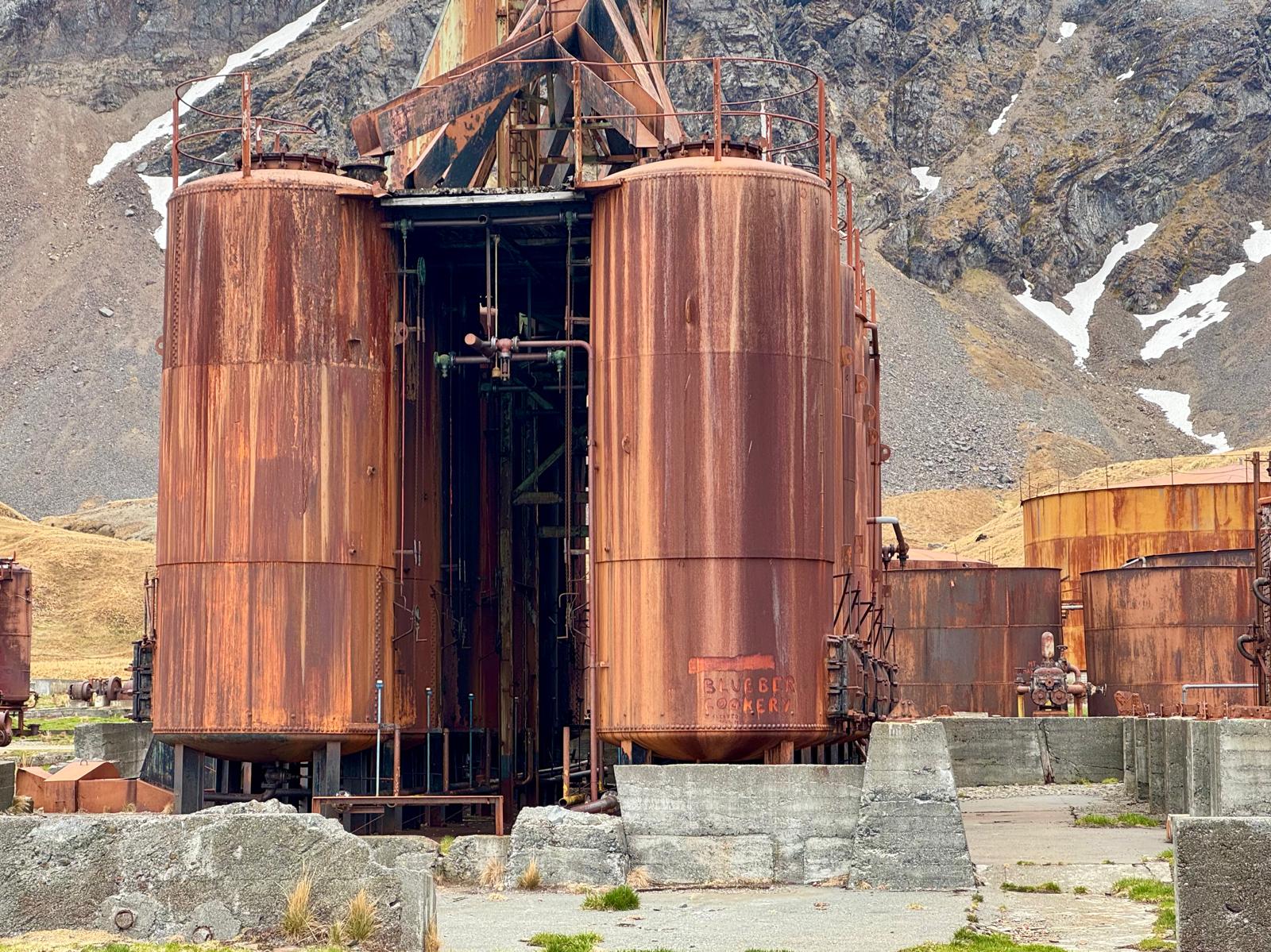
Blubber Tanks
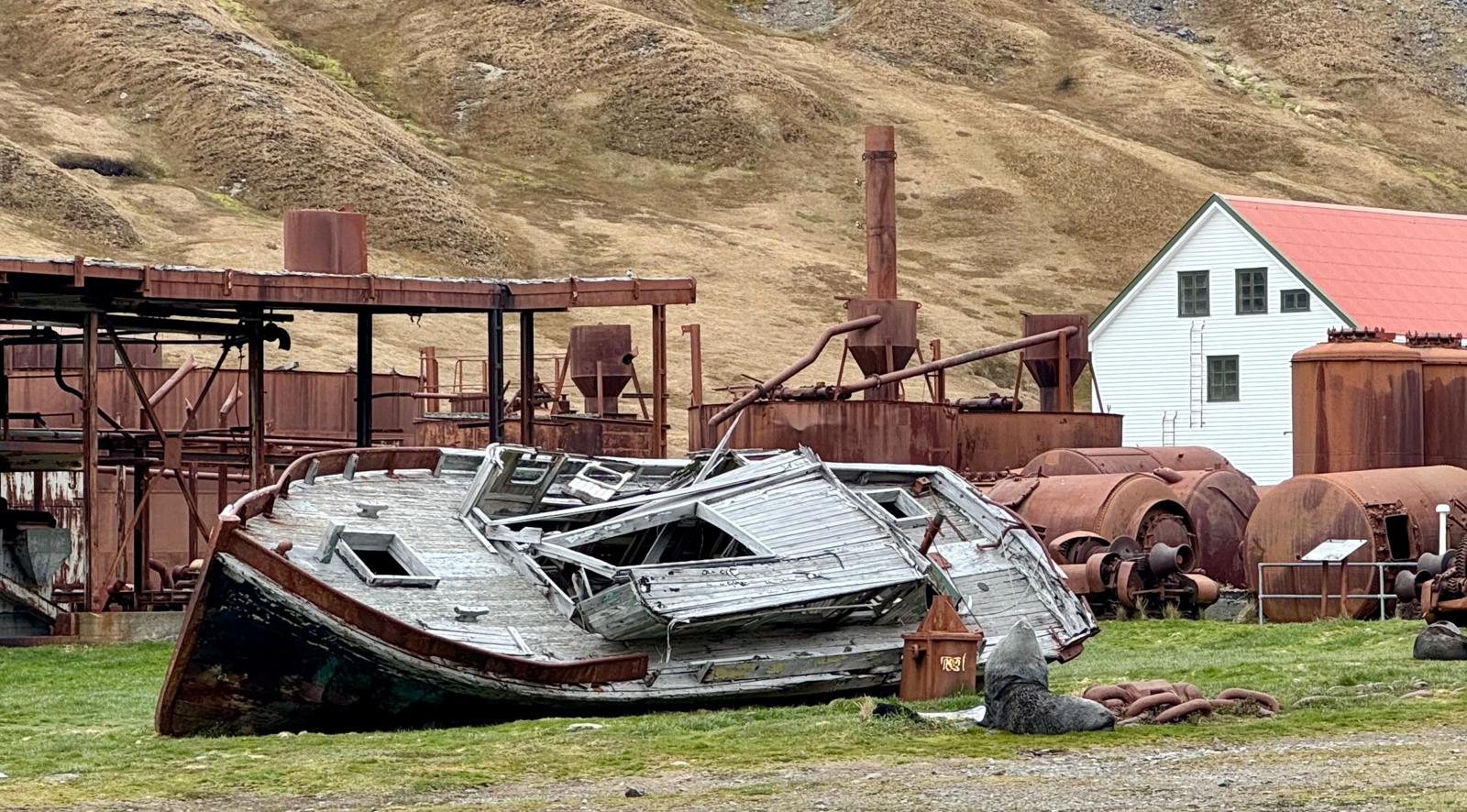
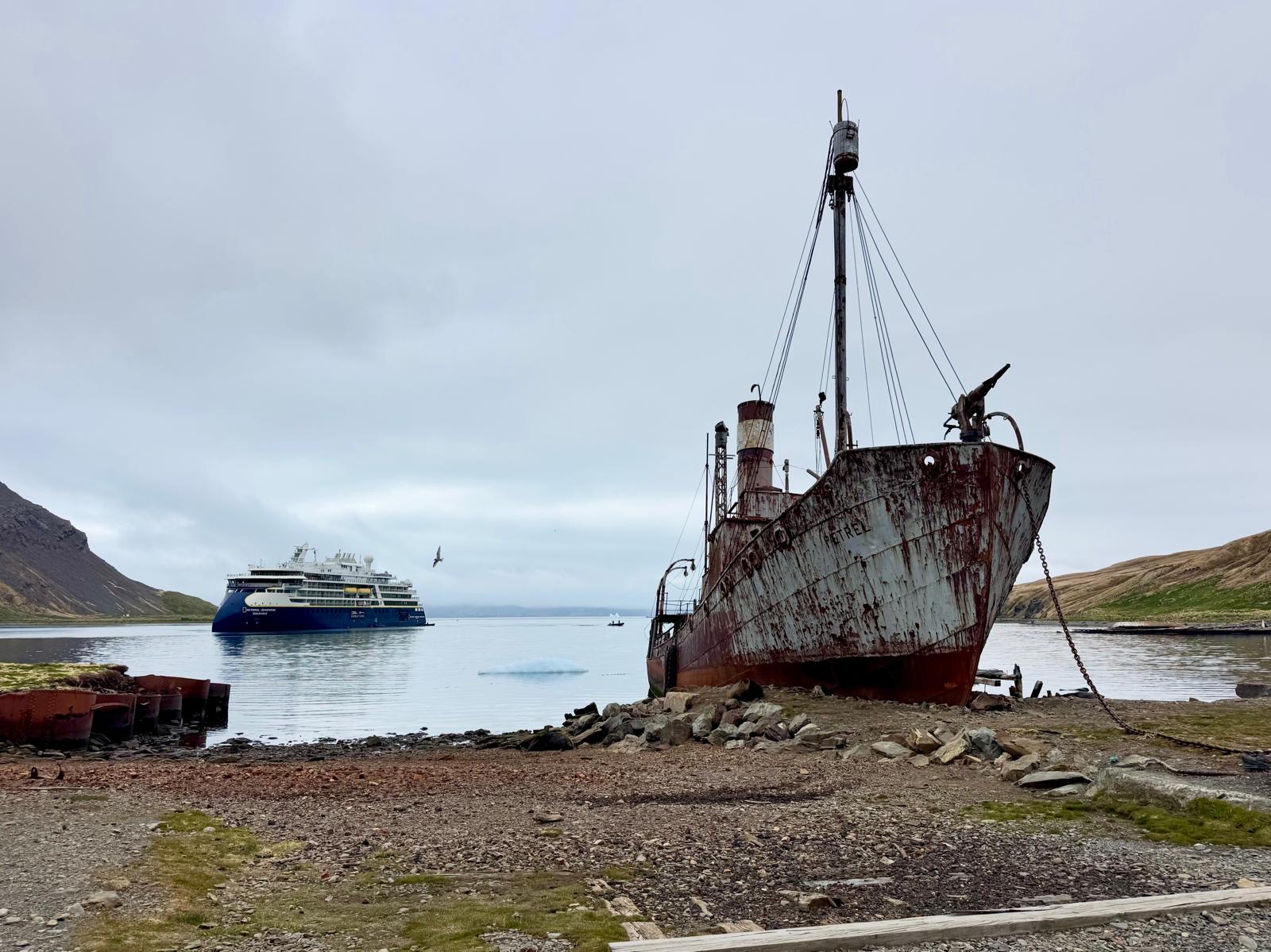
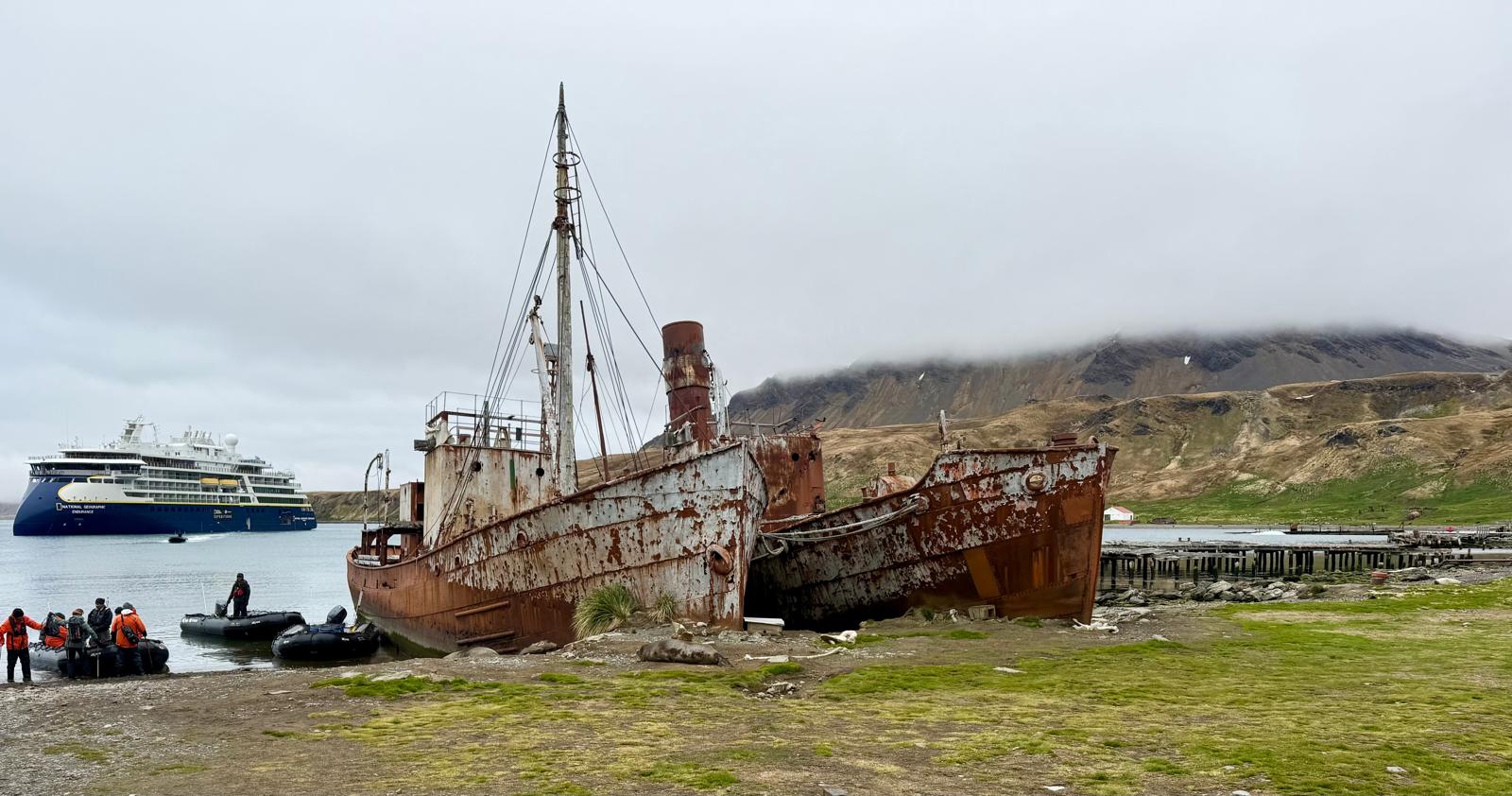
Wreck of the Petrel, one of the whaling boats, with harpoon gun visible on the bow
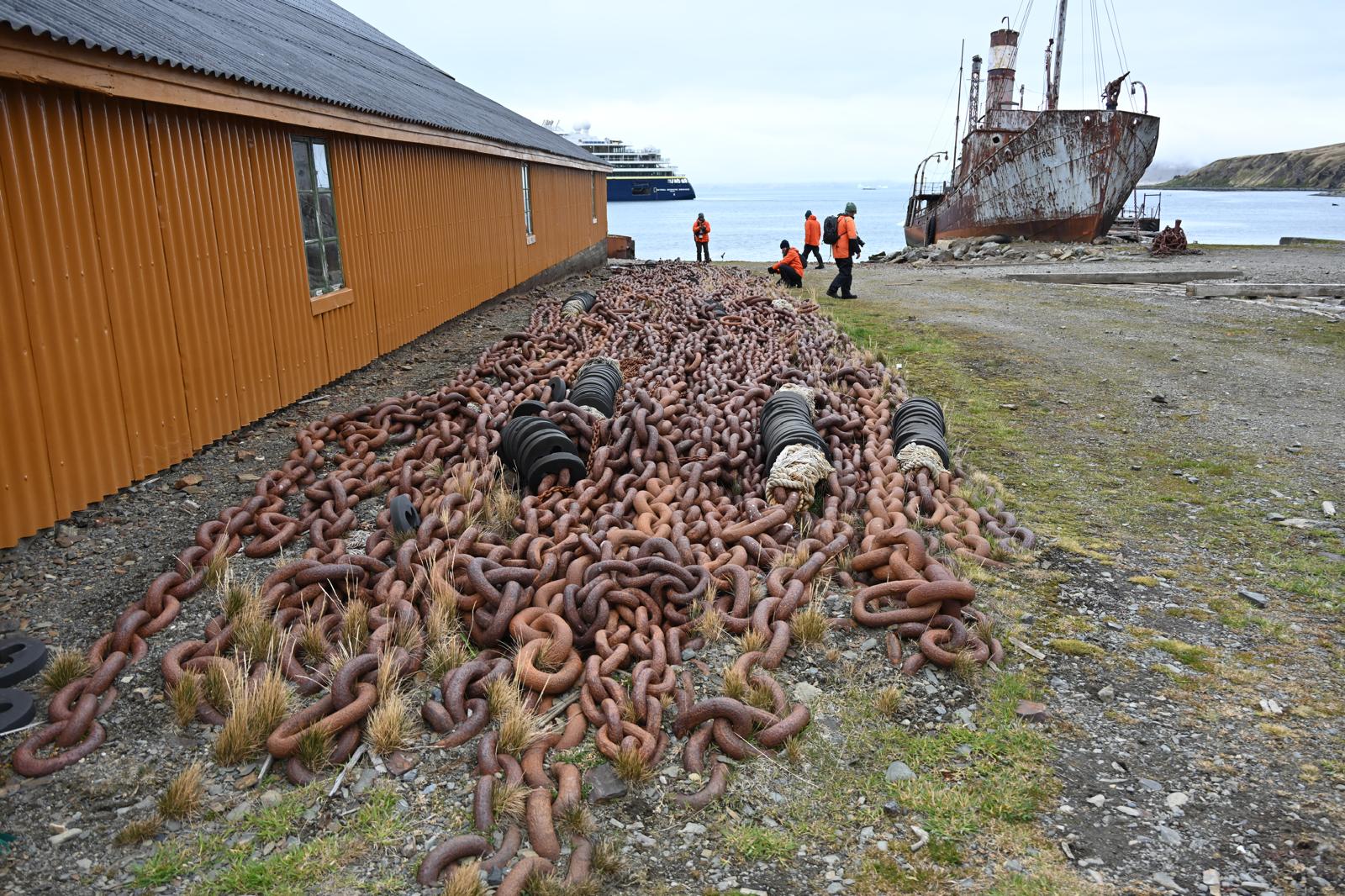
Chains for pulling ships up the slipway
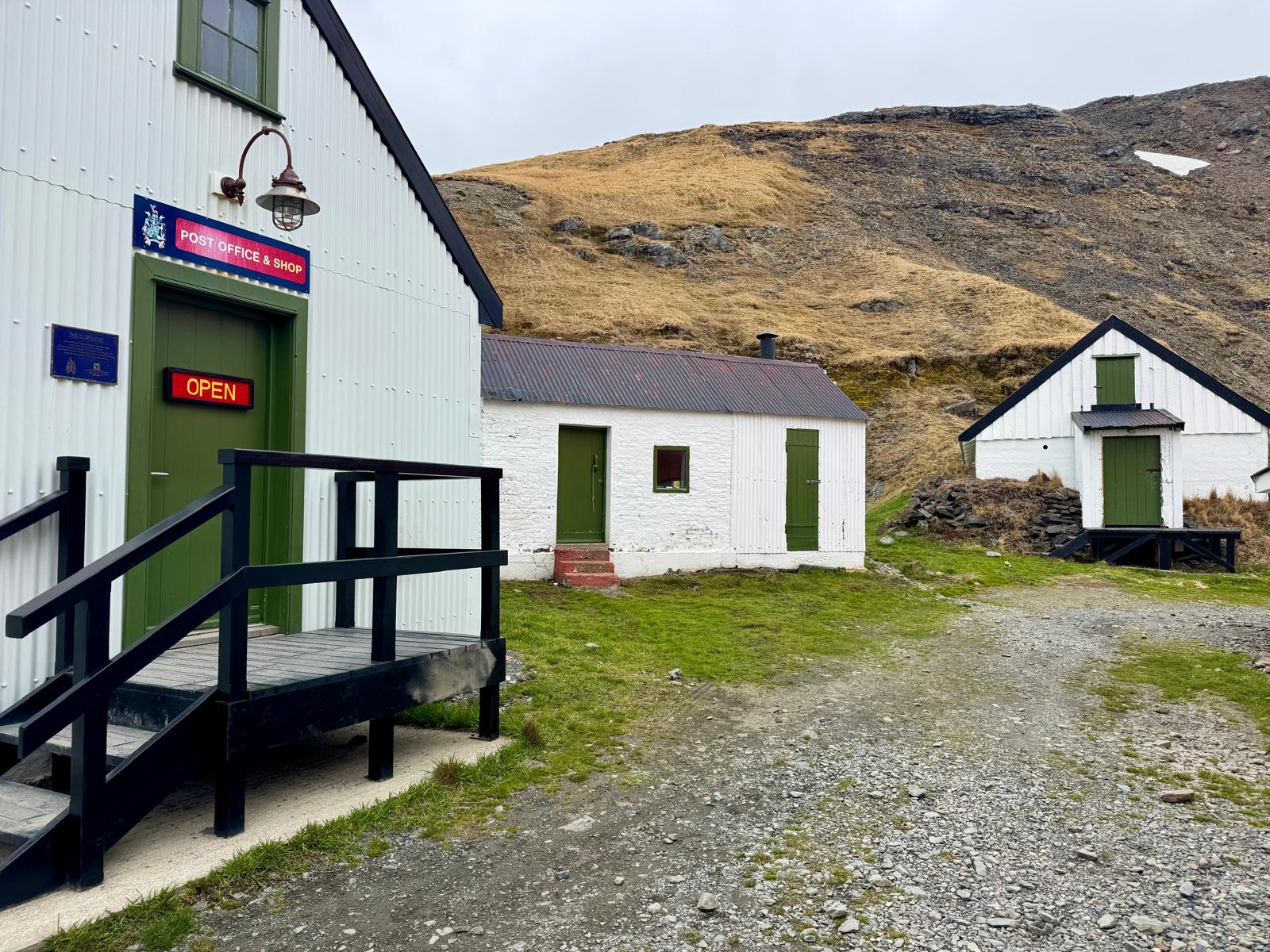
And as we continued into the old settlement part there was a post office, still operational. On first impressions one could think that this operates as a bit of penal colony with a large number of young English men and woman working around the place. But don’t worry, they’re all volunteers that come there for the seven-month summer and work in the post office, the museum or in the large research station on the point not far from the settlement. I think there are around 30 people employed here in total over the summer.
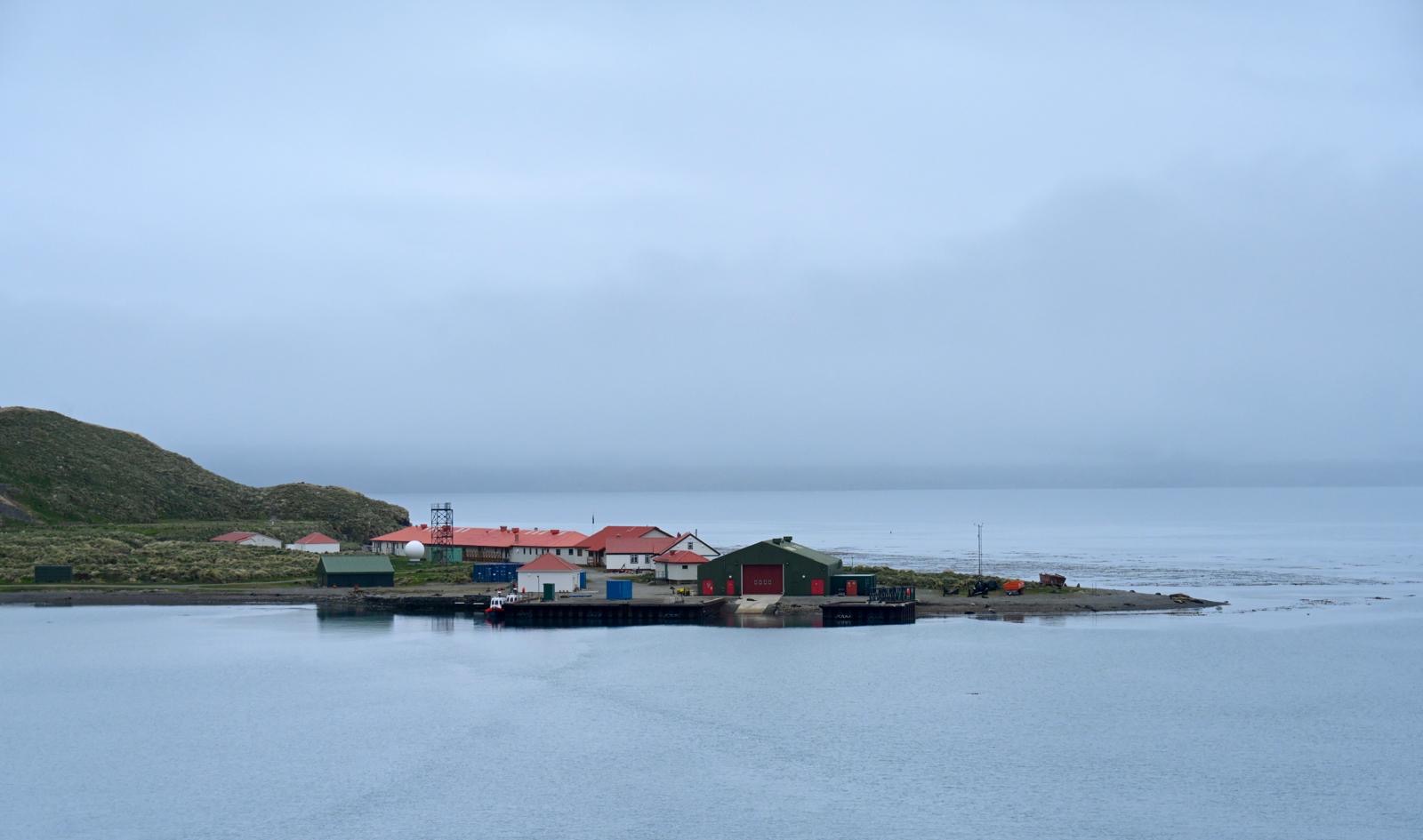
Research station to the northeast of Grytviken
I bought some postcards, scribbled on them and put them in the postbox to the grandchildren back in New Zealand, I’ll be surprised if they arrive before we do, which is often the case with the world Postal Service these days.
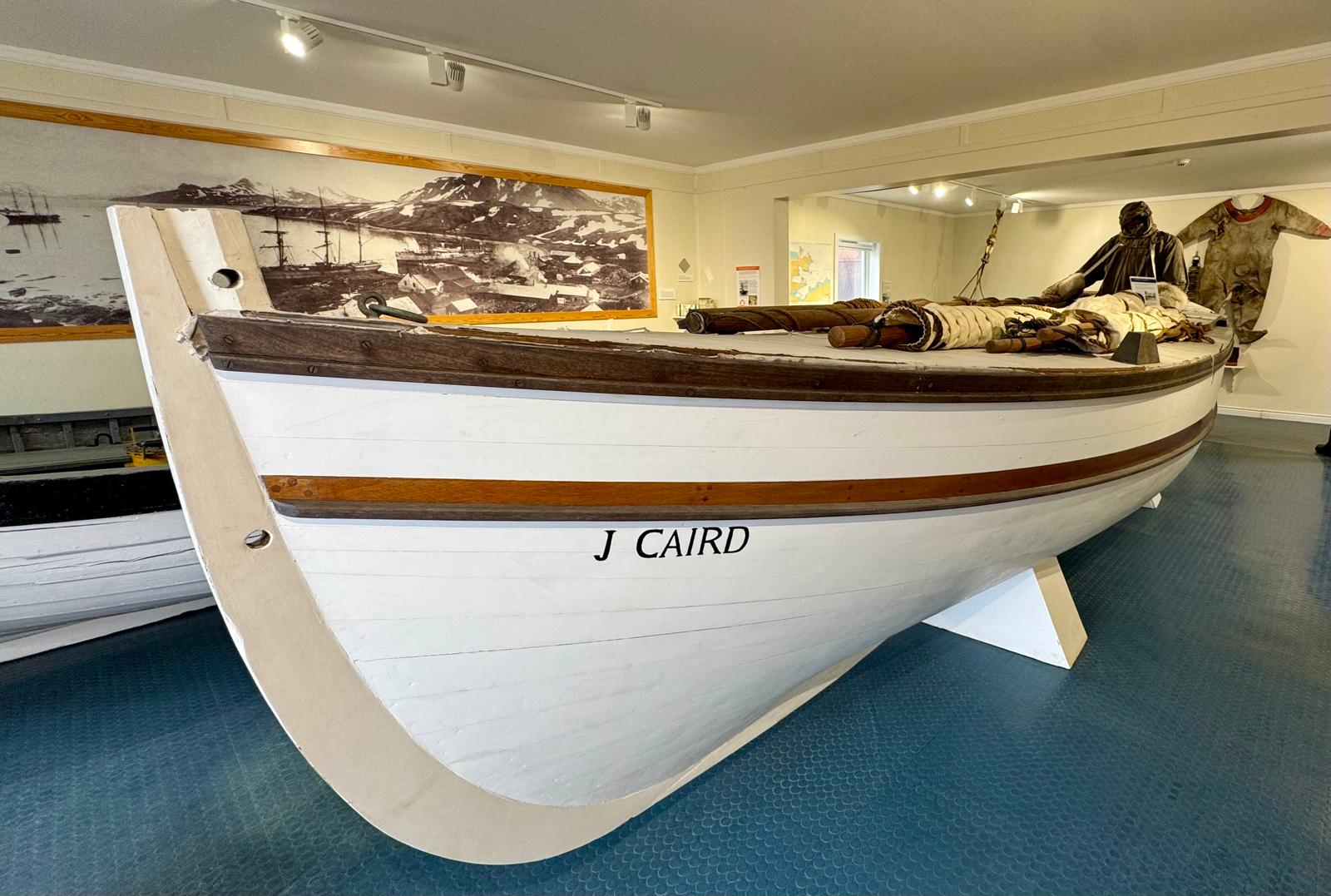
The area was quite interesting with even a life-size copy of the boat Shackleton and his four shipmates had sailed/rowed in from Elephant Island, where he left the rest of his crew. When you see the size of the boat it’s quite impressive that they managed to make it some 800 miles across the south Atlantic. At ~21 feet long it is only a little larger than the zodiacs we are using.
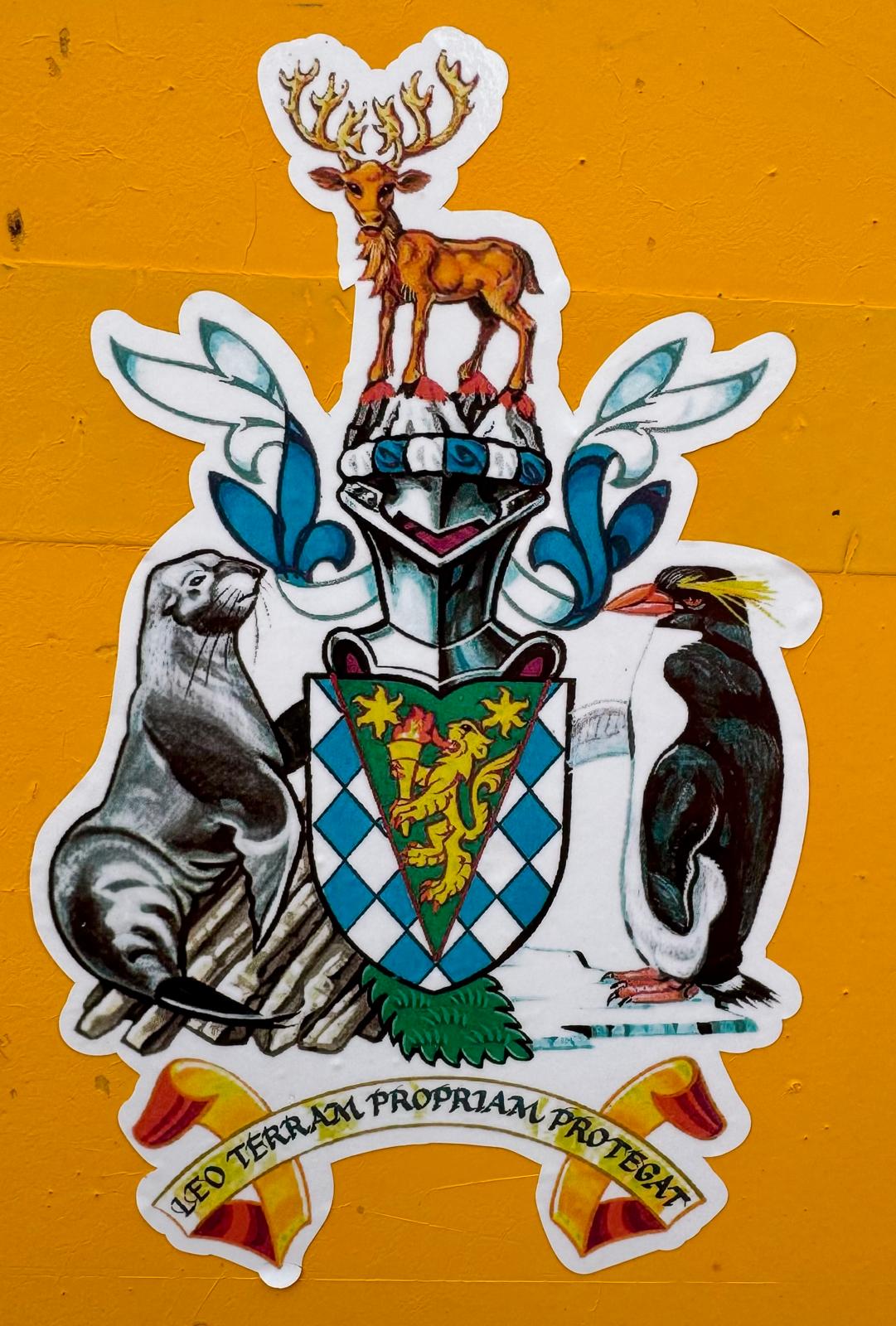
Official crest of South Georgia. Until recently there were a lot of reindeer on the island, originally introduced by the Norwegians as a food source. They thrived and a few years ago were culled as part of restoring the island to a more natural state
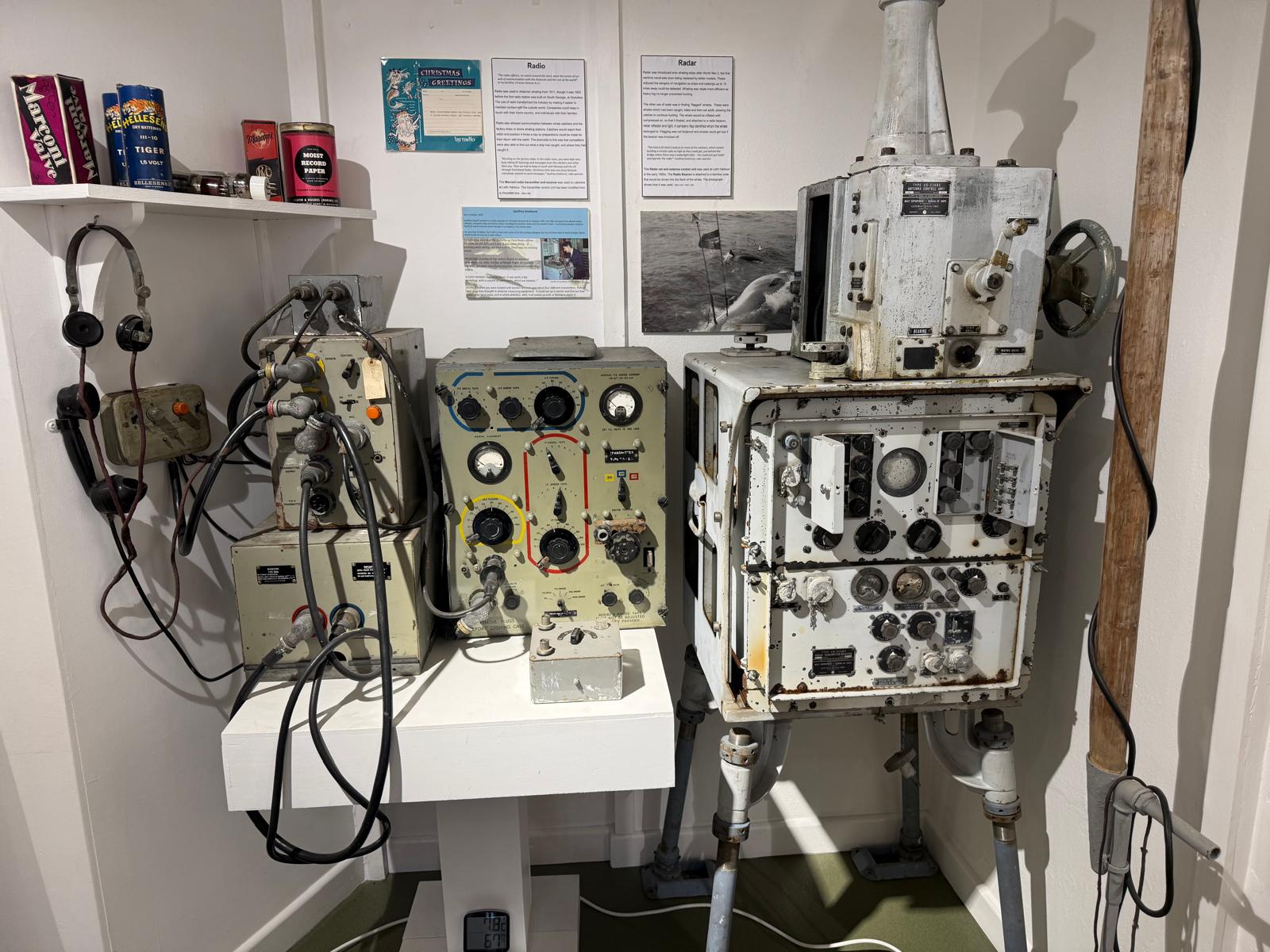
There was also an example of an early radio set used here to communicate with the rest of the world in the early 1900s. Several harpoon heads for the whale guns were also on display and must have inflicted incredible damage when hitting a whale. There were a number of photographs of workers cutting whales up. In some cases the meat was used for pet food and even human consumption while the blubber was turned to oil.
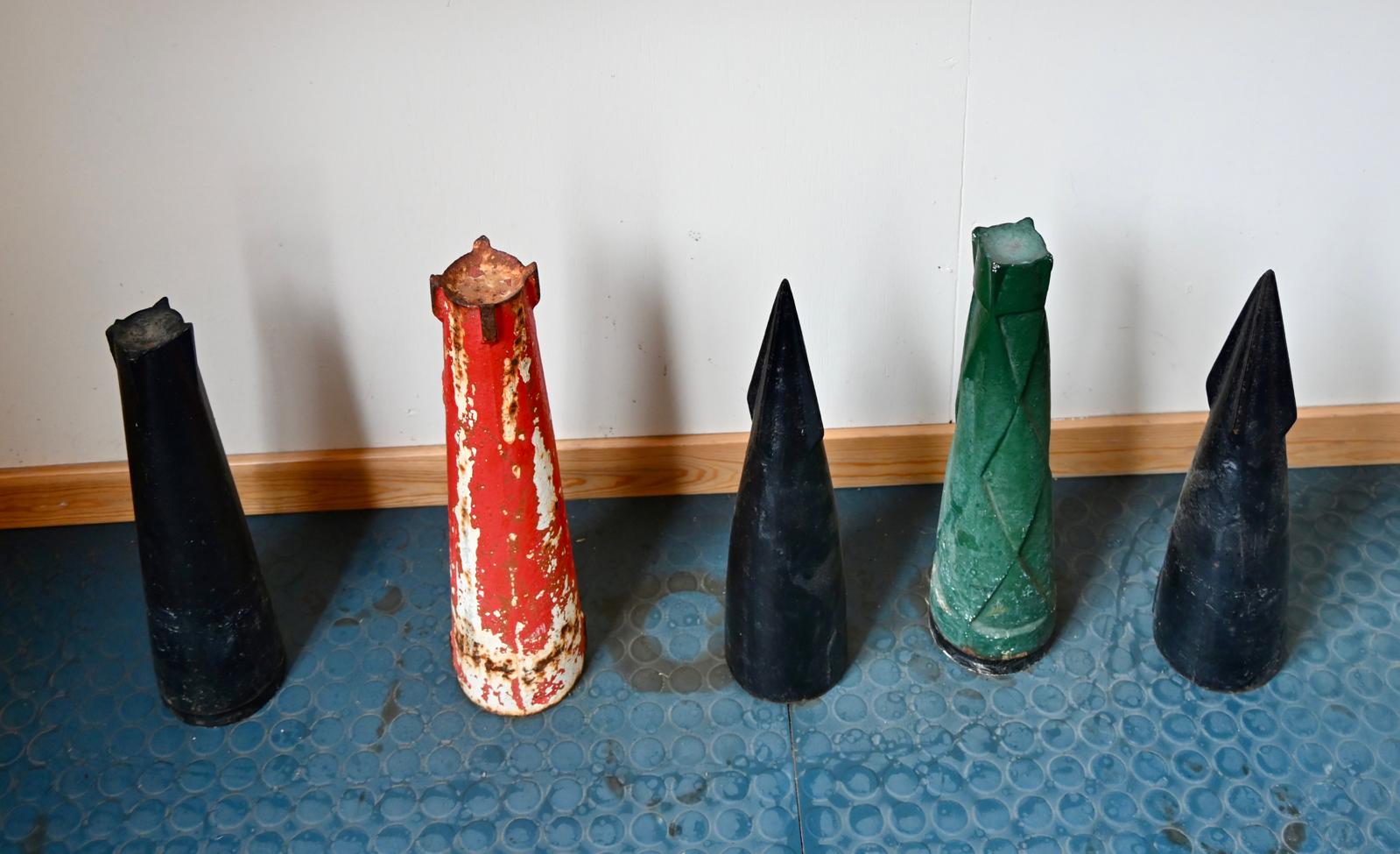
Harpoon Heads
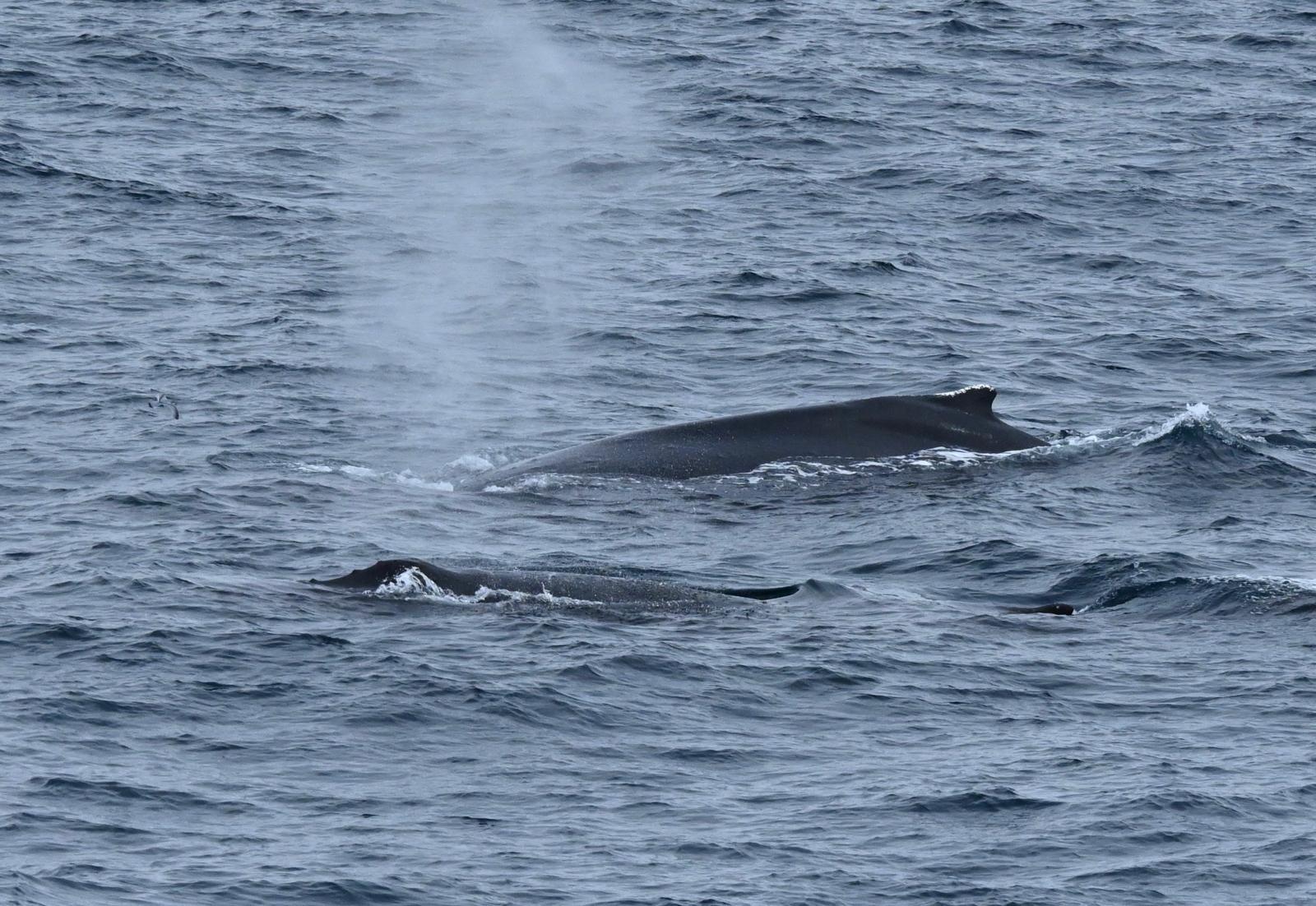
It was about 11:30am when we headed back to the ship for lunch and were soon underway, heading south along the coast. Just as we were finishing lunch a whale sighting was announced and most of us went to the foredeck to watch six or eight humpback whales fool around in the water not far off. There were also hundreds of penguins all mobbed up together swimming alongside the boat. We saw King, Gentoo and even our first Chinstrap penguins. I presume this is a method they must use for hunting but would make them an easy target for killer whales who consume any of them.
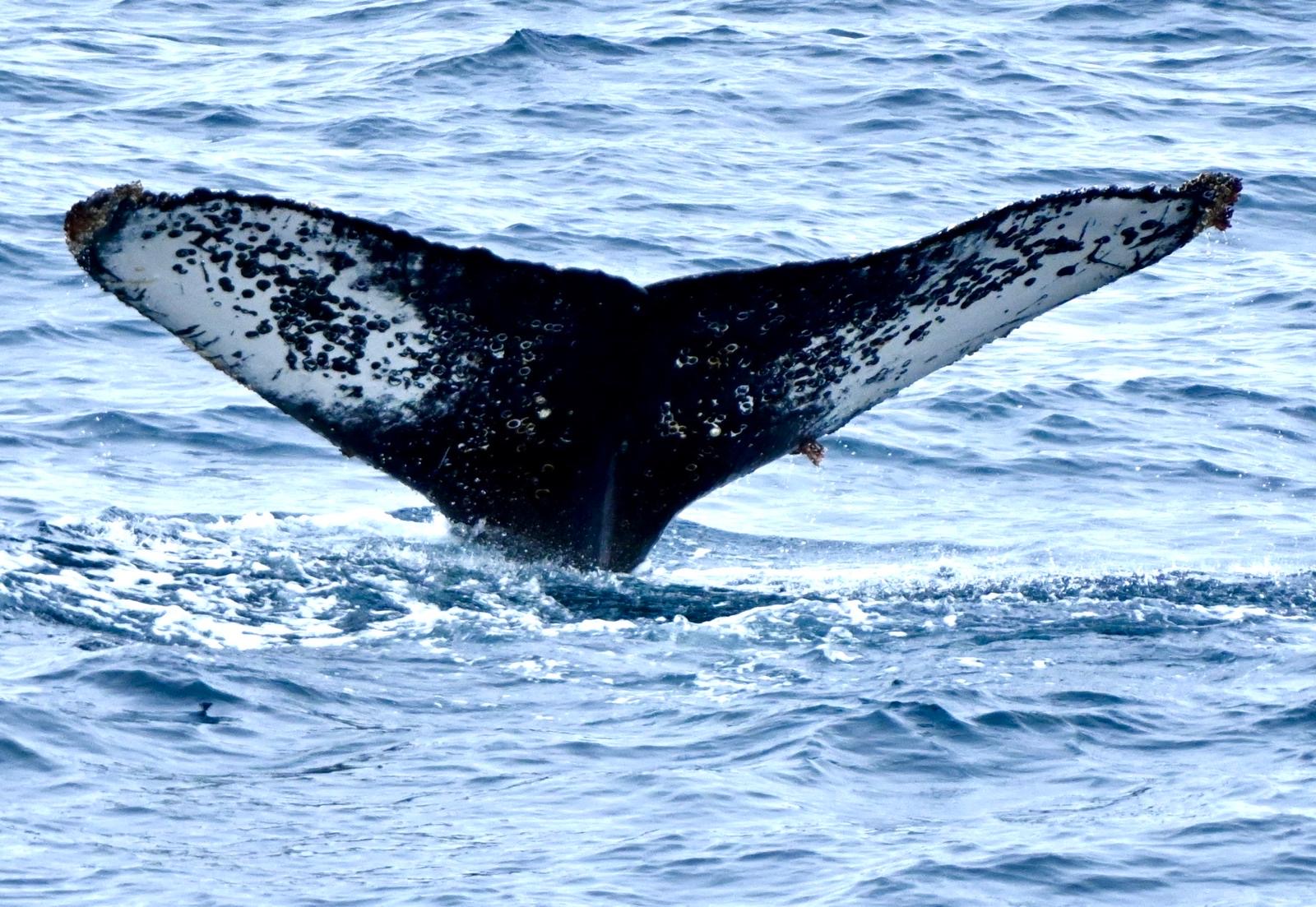
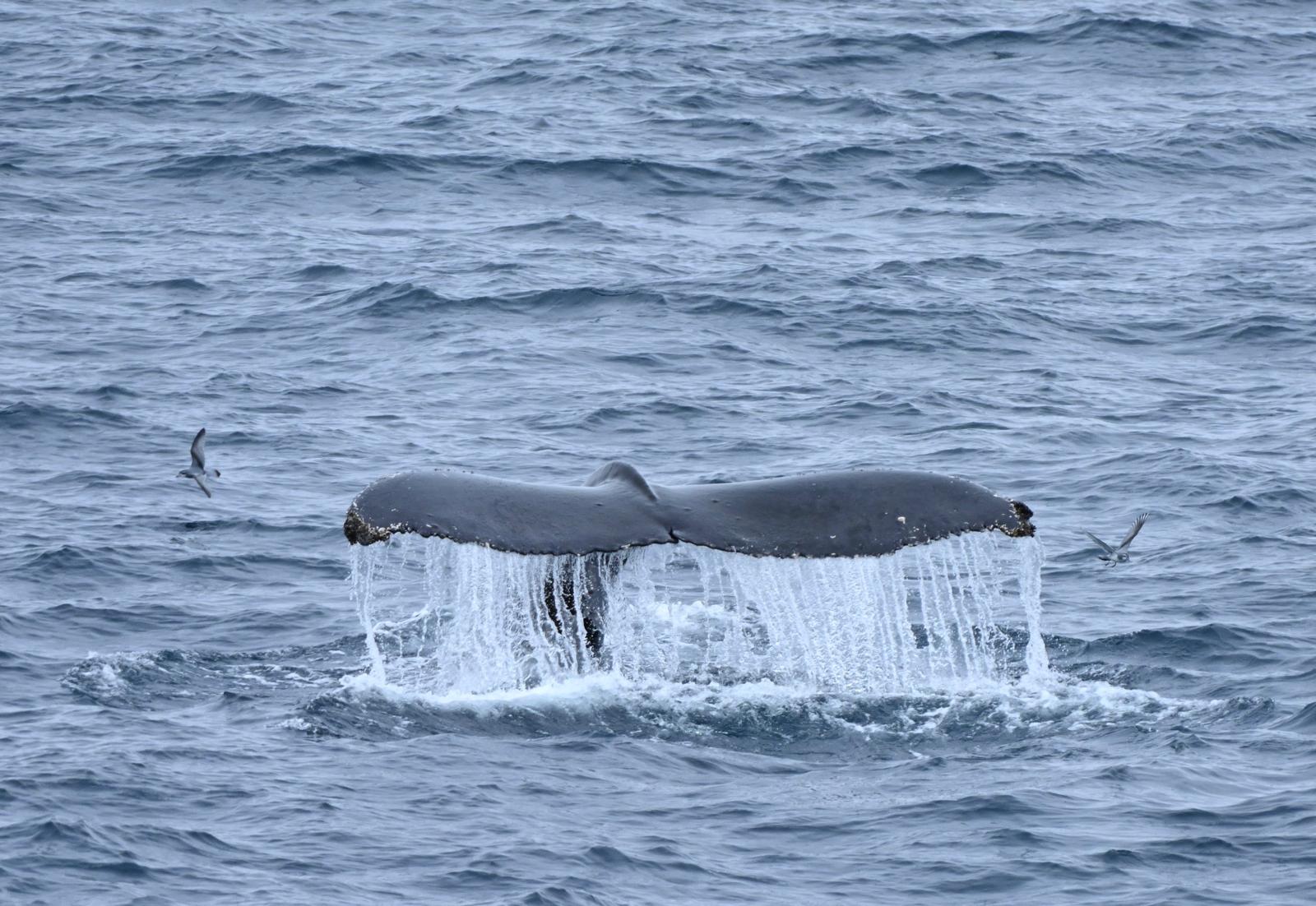
Humpback fluke with Prion behind
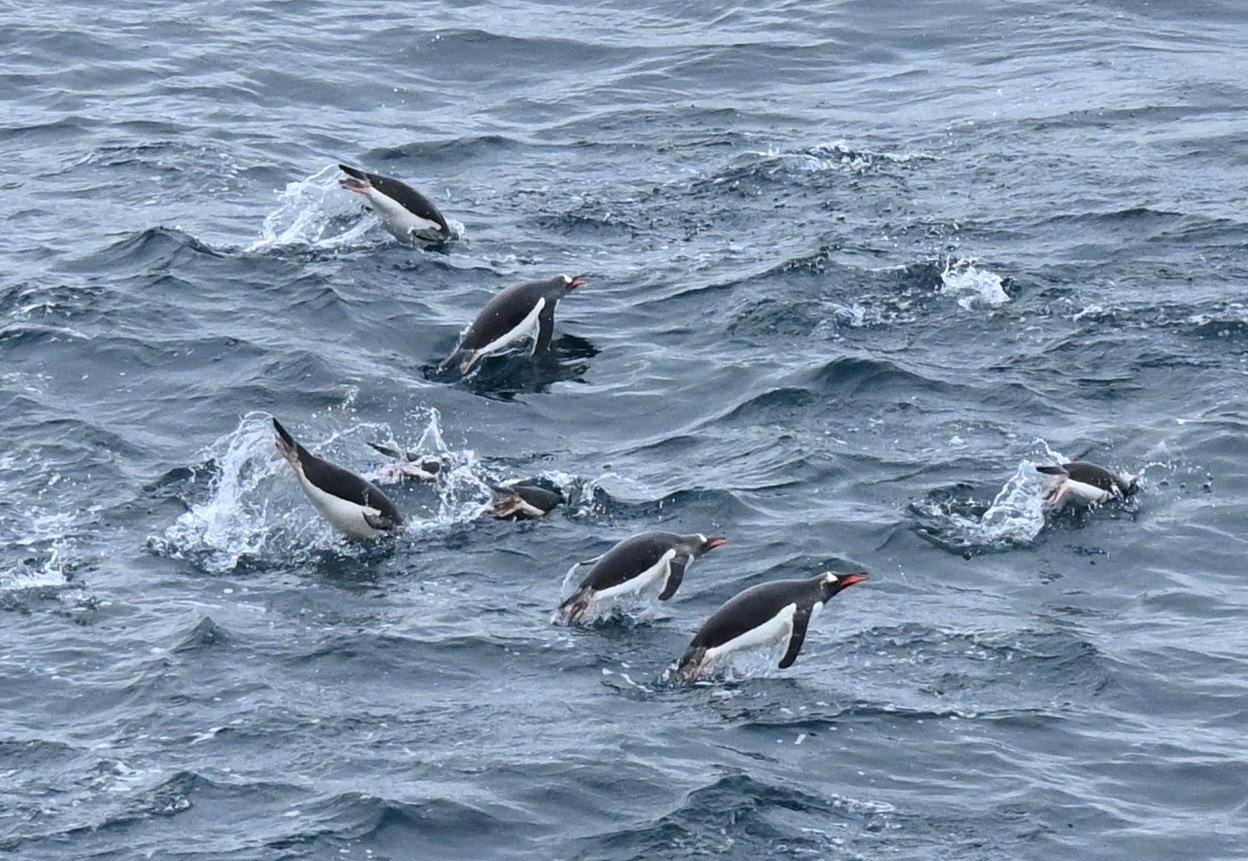
Gentoo Penguins
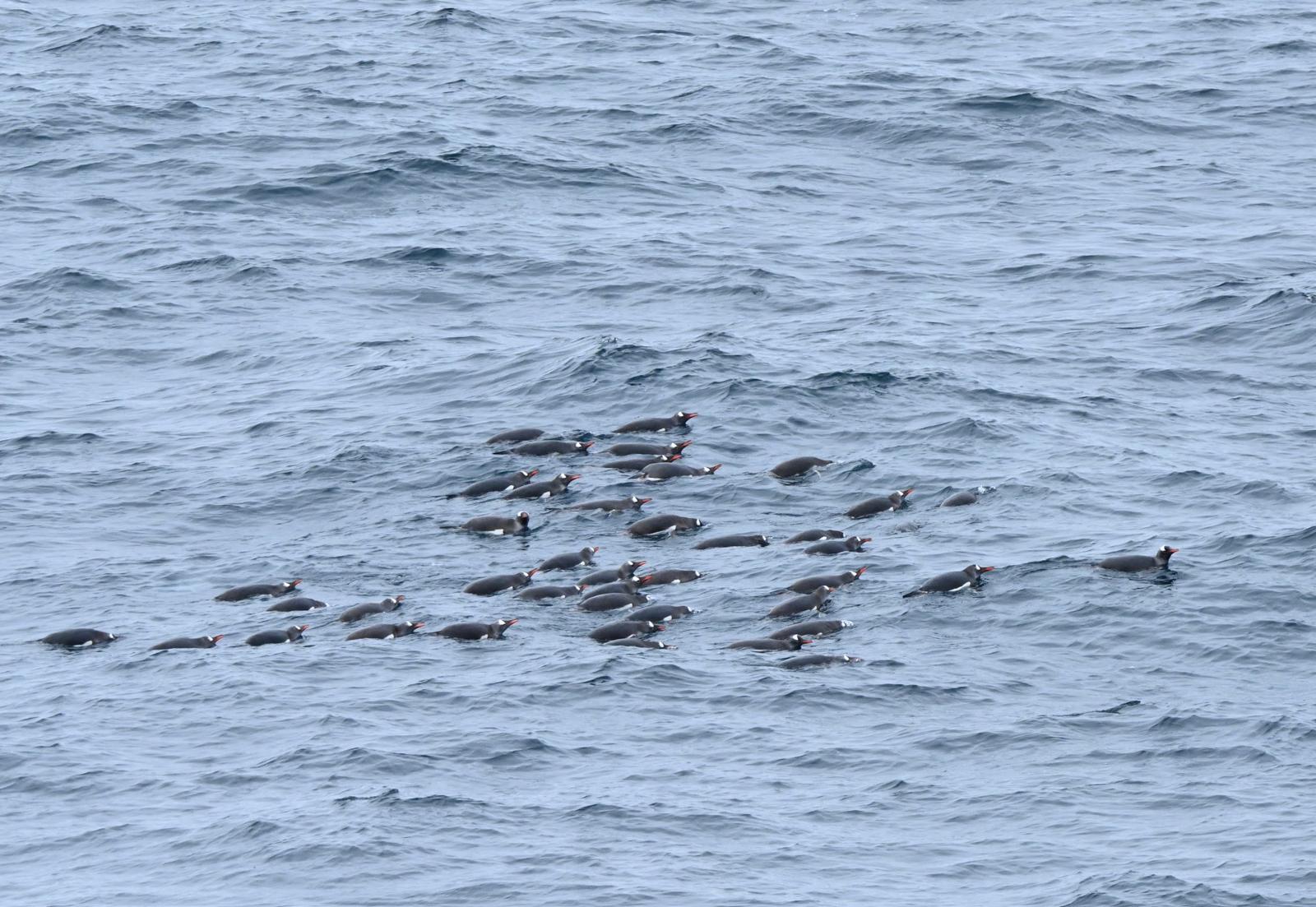
Gentoo Penguins
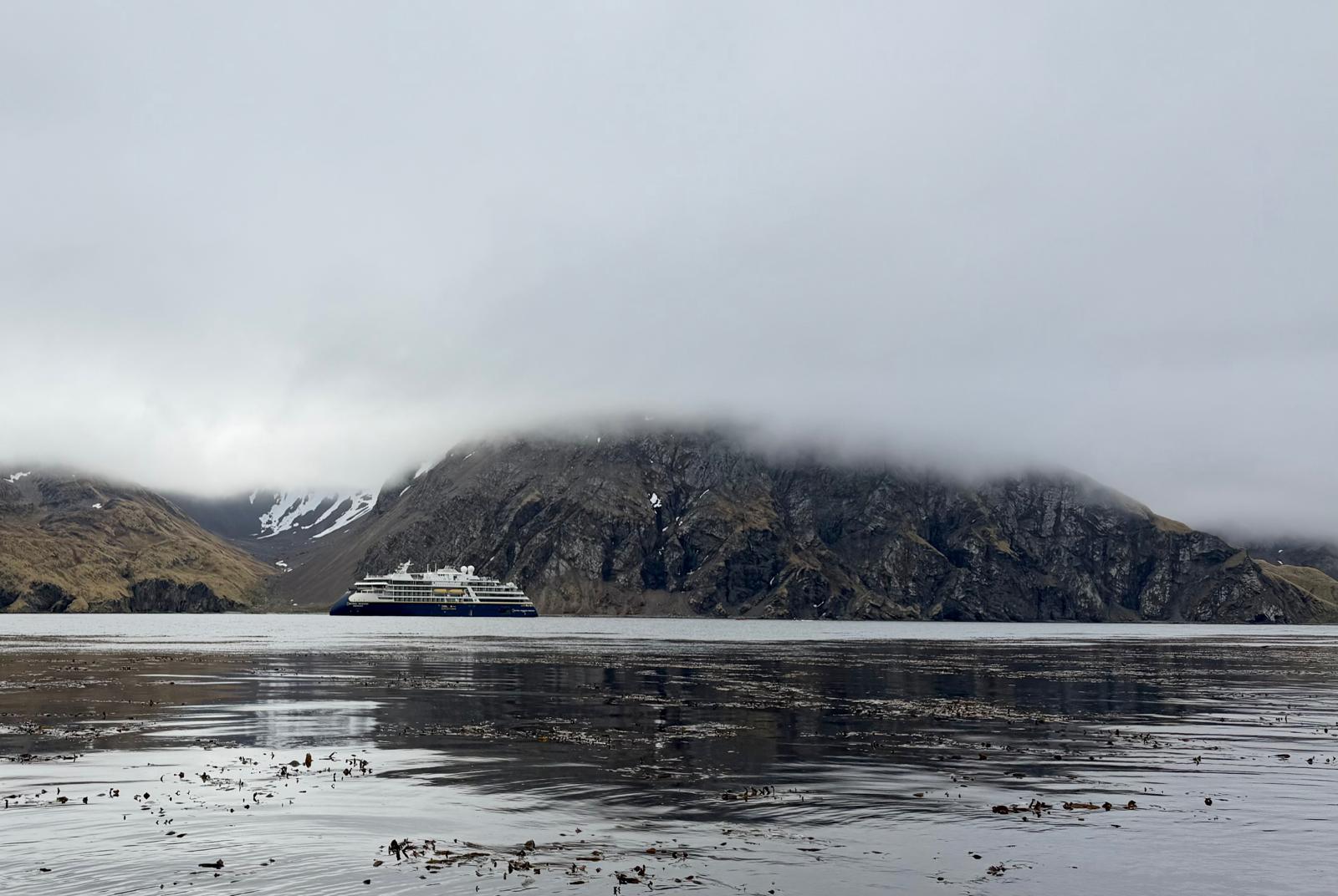
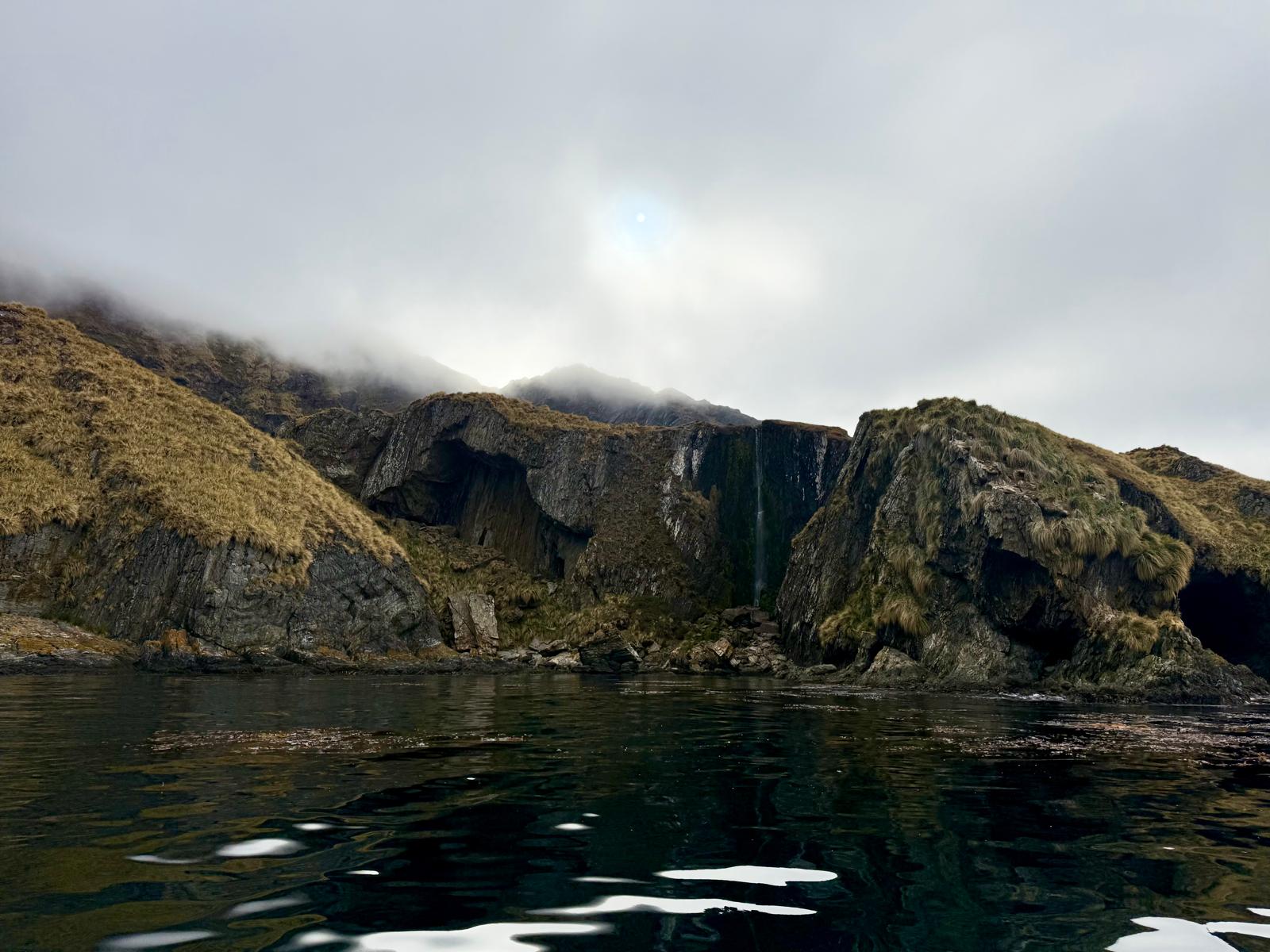
Not long after that we pulled into Godthul bay. We had a few hours rest while half the group took their zodiac tour around the bay. We were in the second group that got called at about 4pm. Seven of us mounted the zodiac and we pushed out to the edge of the bay looking at Antarctic Fur Seals, Elephant Seals and various bird life as we cruised all the little bays. There were also some interesting rock formations along with a lot of Gentoo penguins and the odd group of King penguins. It is quite interesting watching these guys porpoising through the water, which apparently is the most efficient way they can swim.
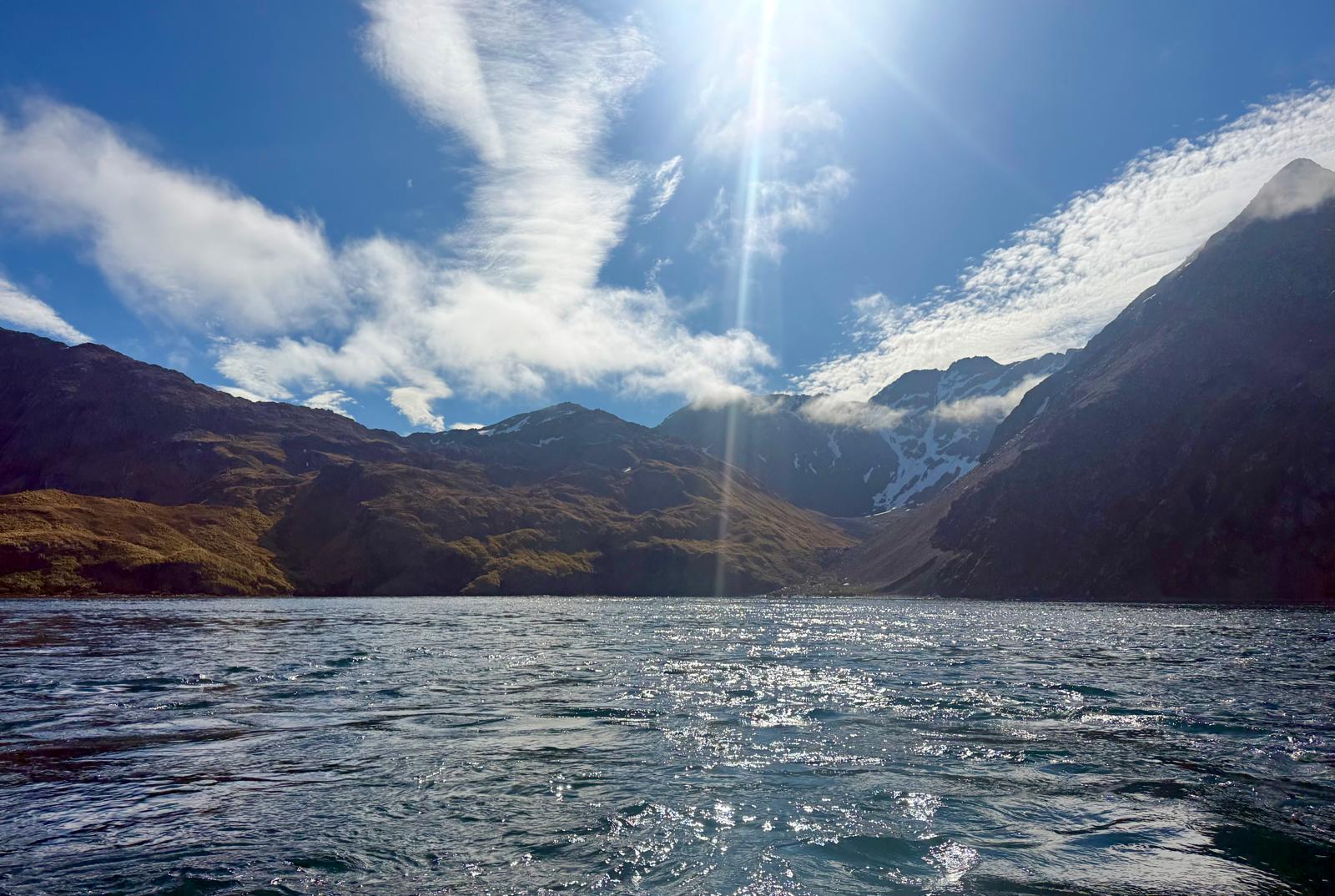
Godthul Bay
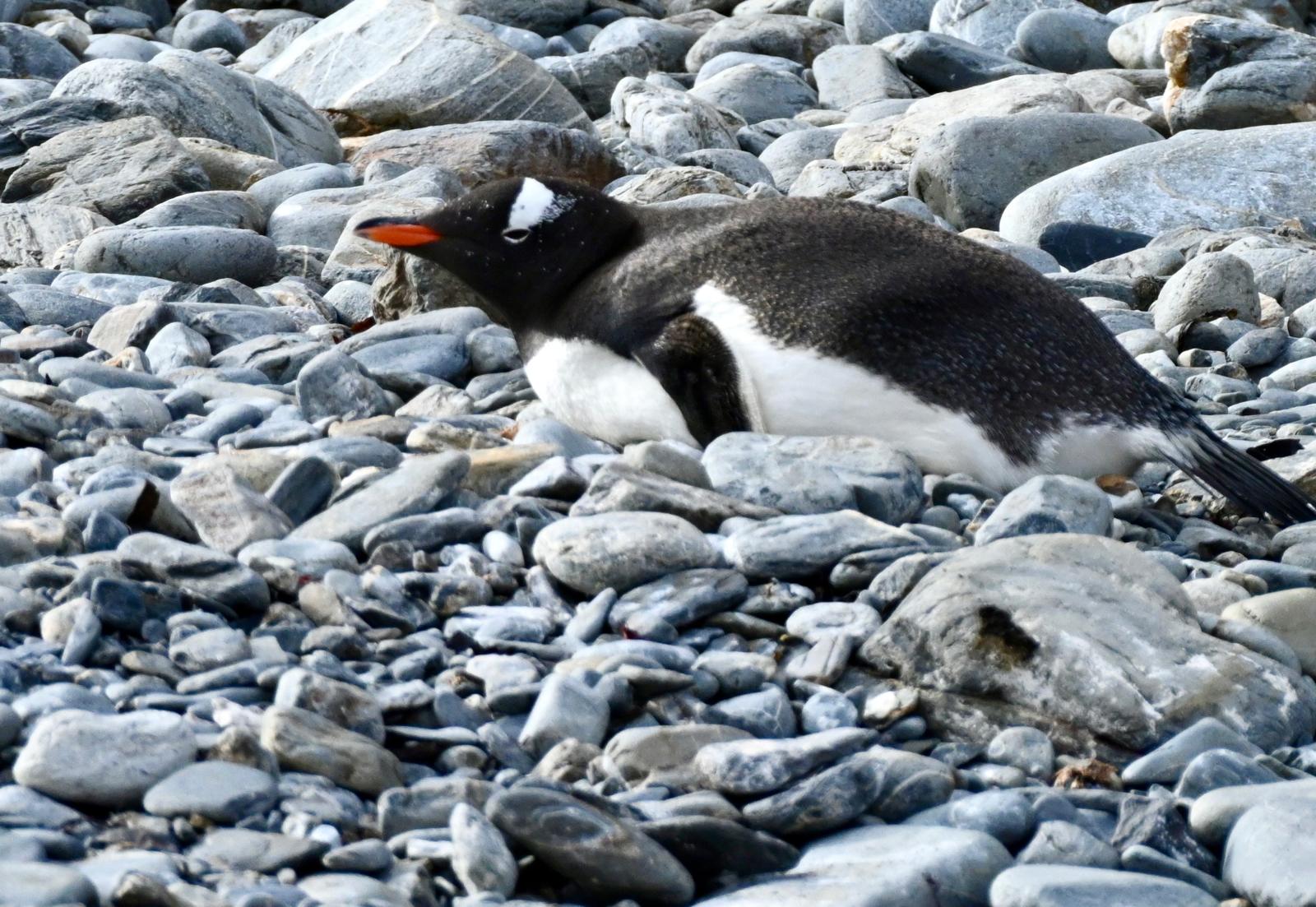
Gentoo Penguin
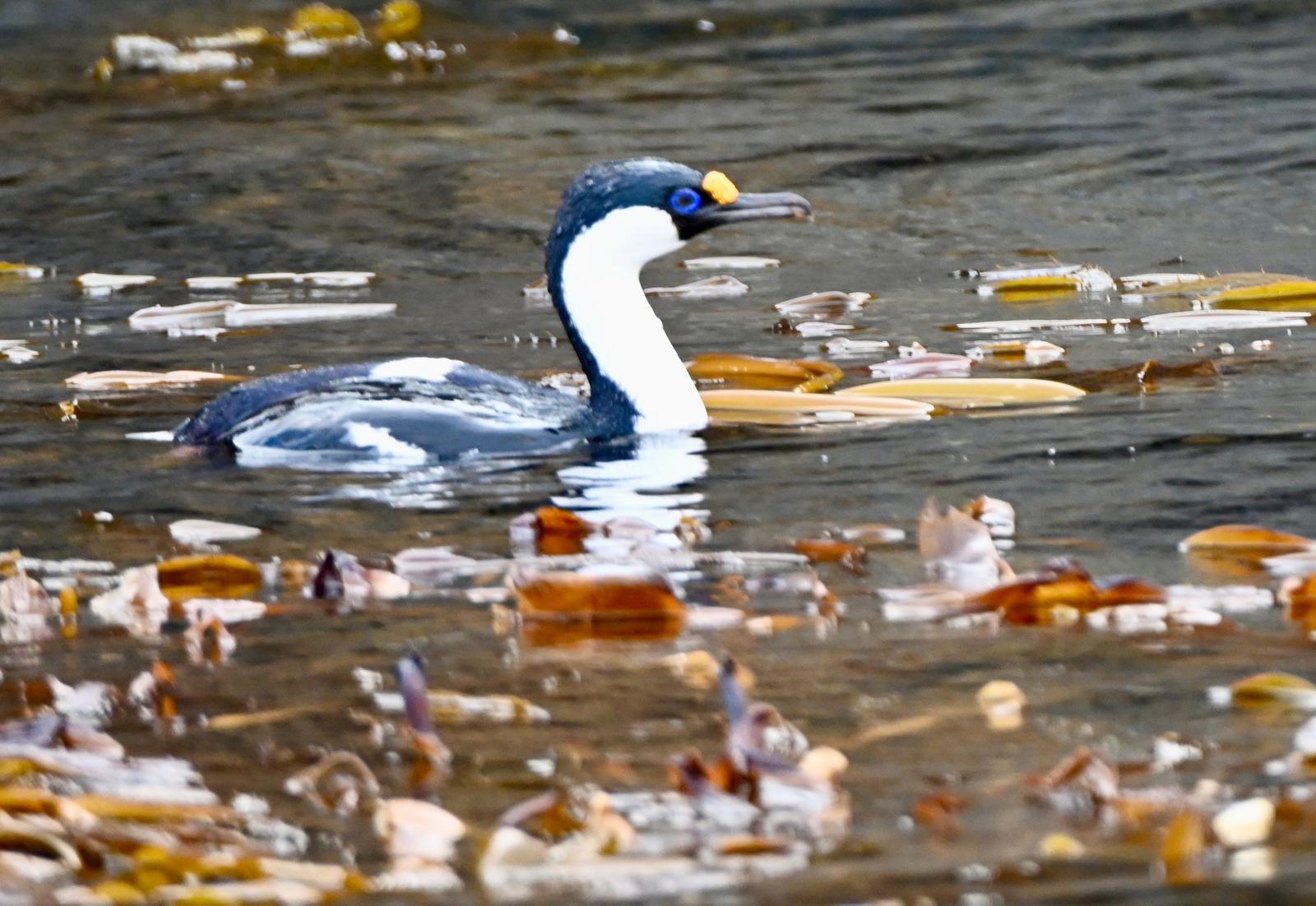
Imperial Cormorant
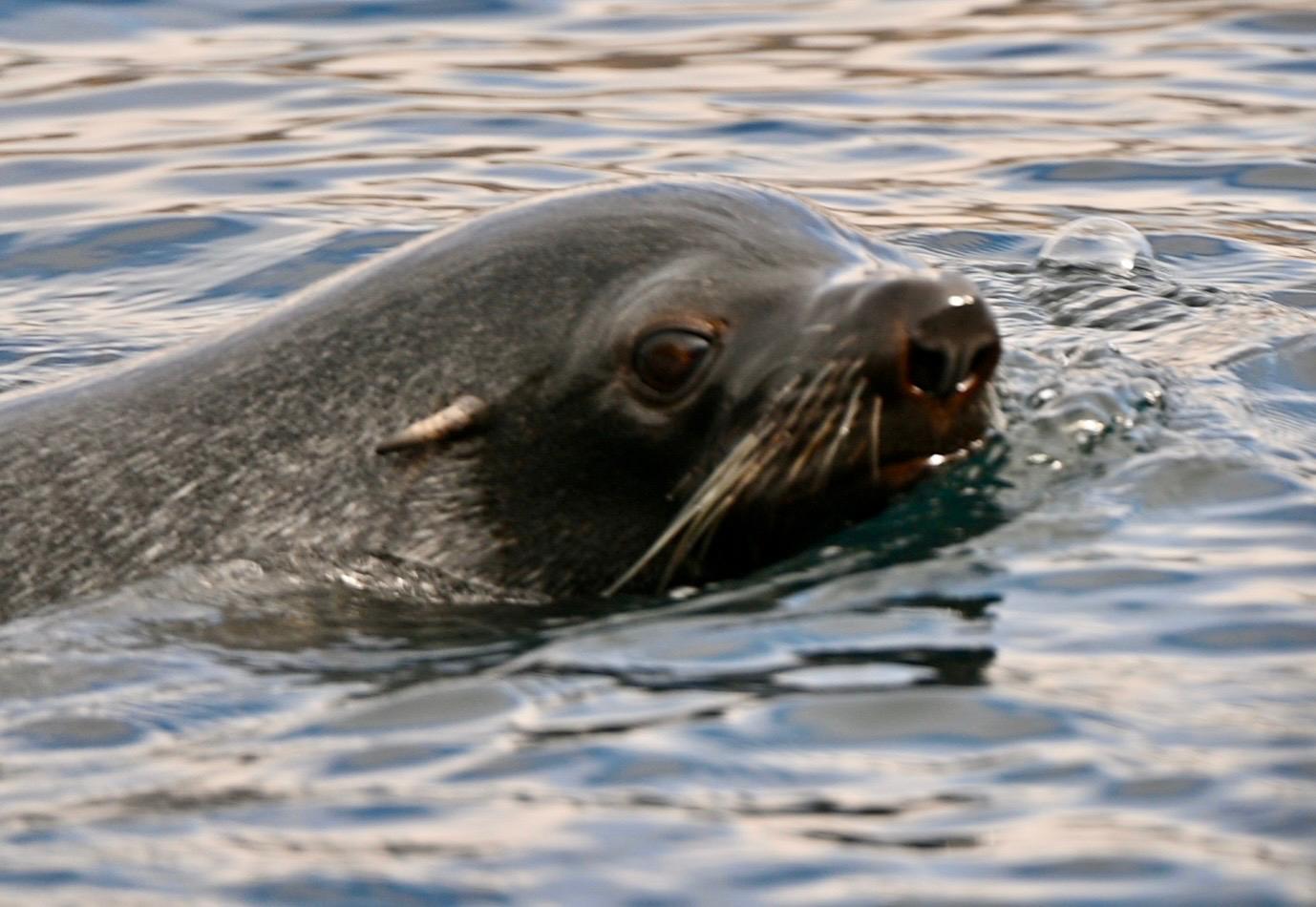
Antarctic Fur Seal
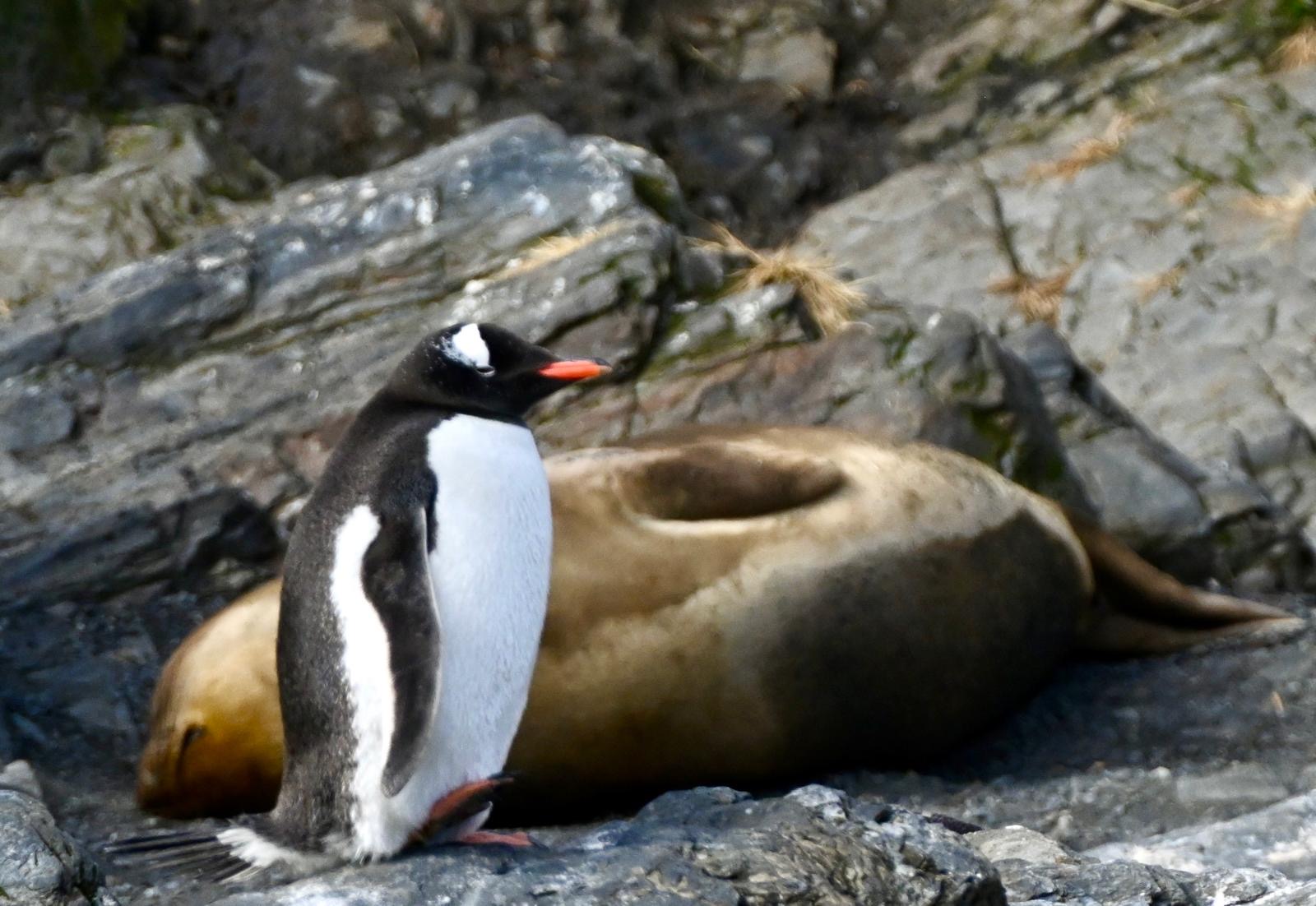
Gentoo Penguin with Antarctic Fur Seal behind
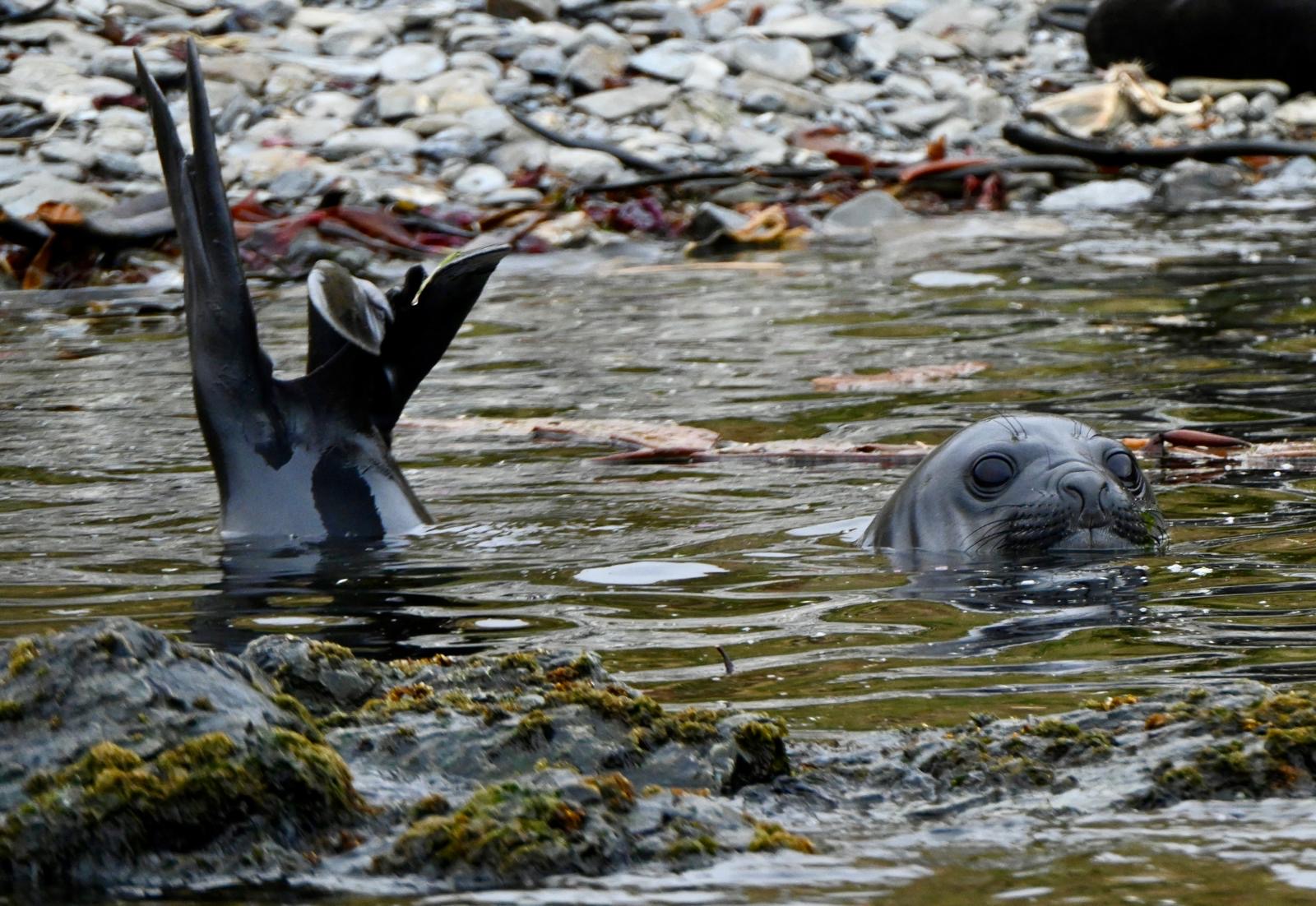
Elephant Seal weaner
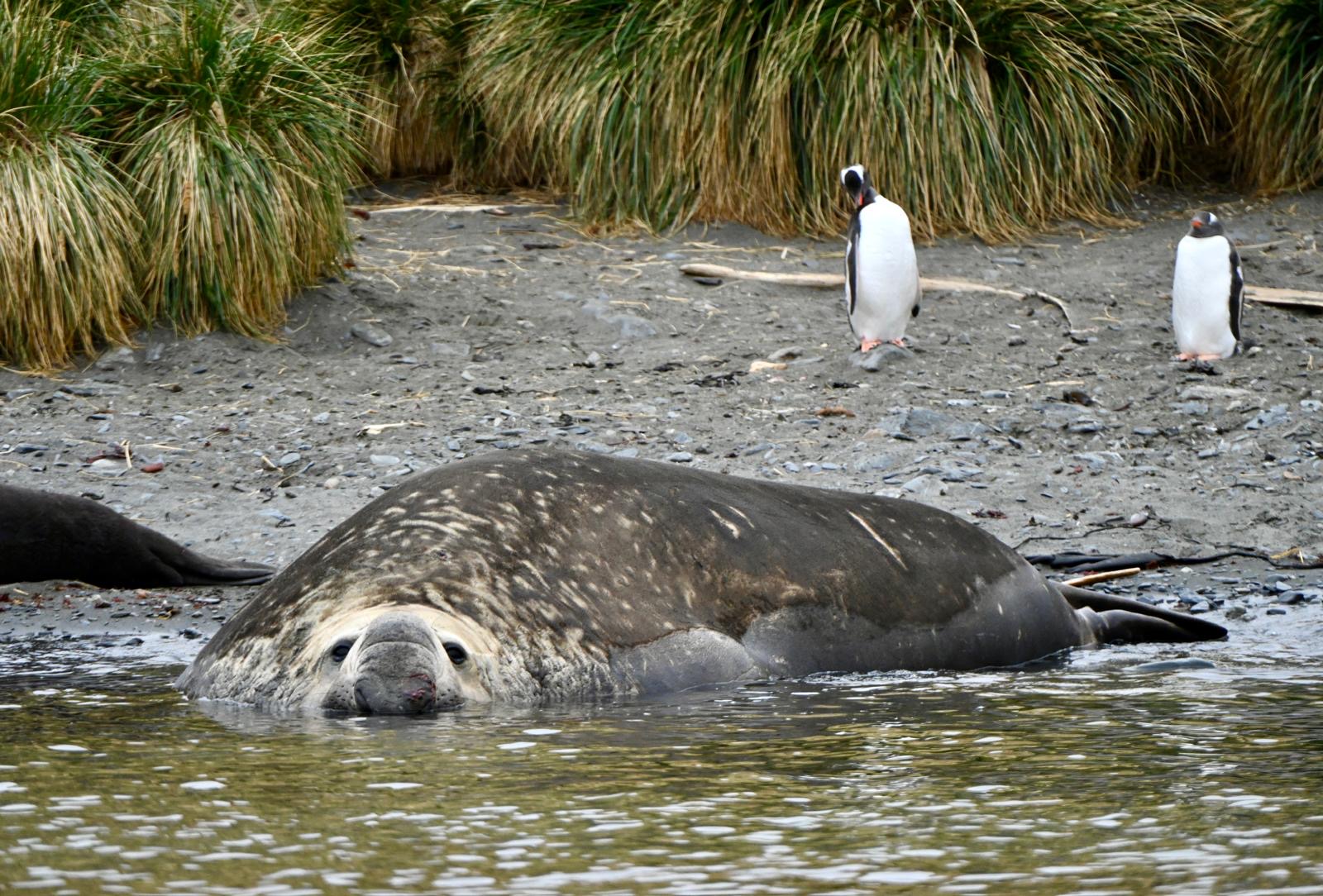
Elephant Seal and Gentoo Penguins
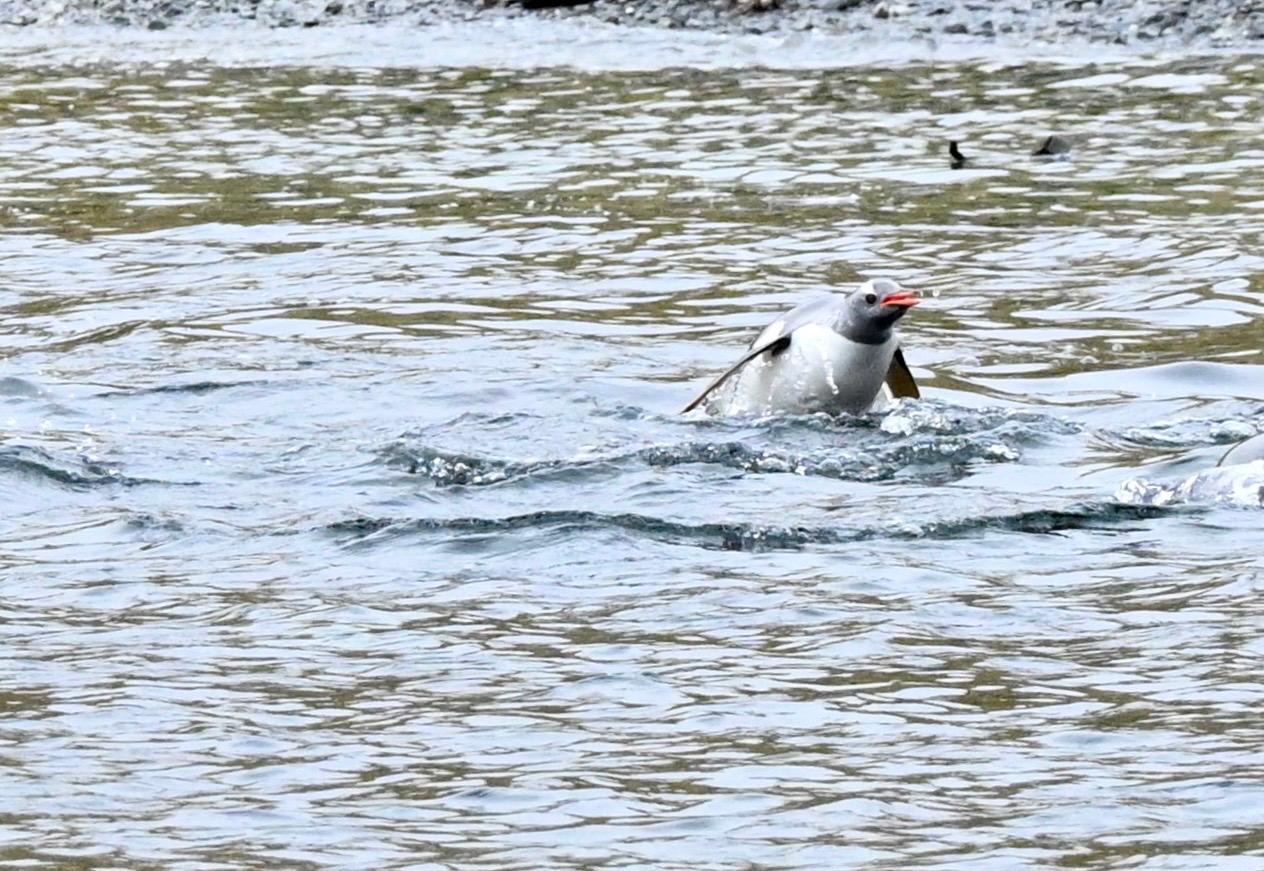
Gentoo Penguin porpoising
We also spotted the pintail duck, which feeds on carrion and is sometimes known as the vampire duck, and a couple of newly born seal pups. At one stage a Kelp Gull flew by carrying a rather large fish in its mouth. It took quite a few goes to be able to swallow the thing.
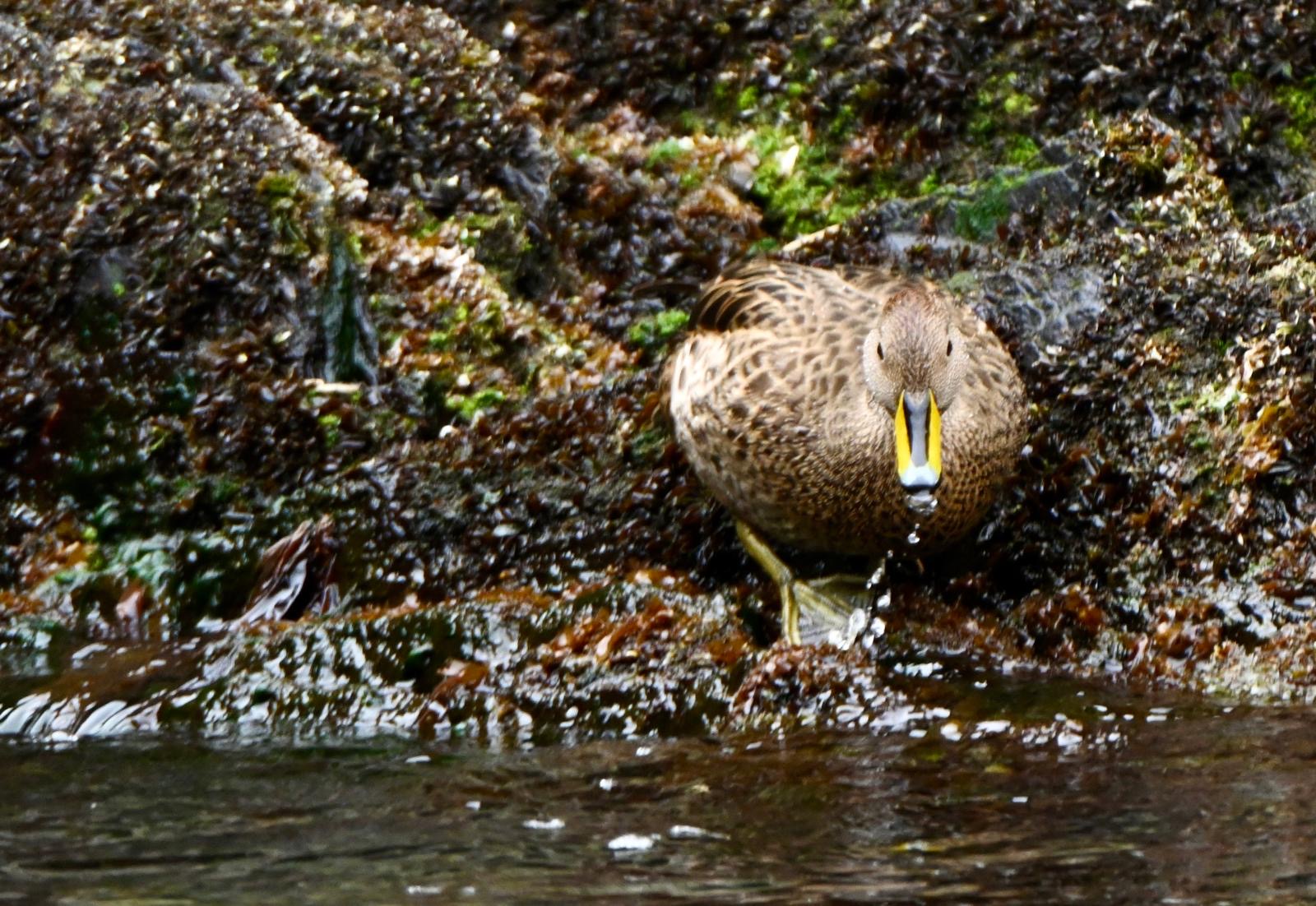
Pintail Duck
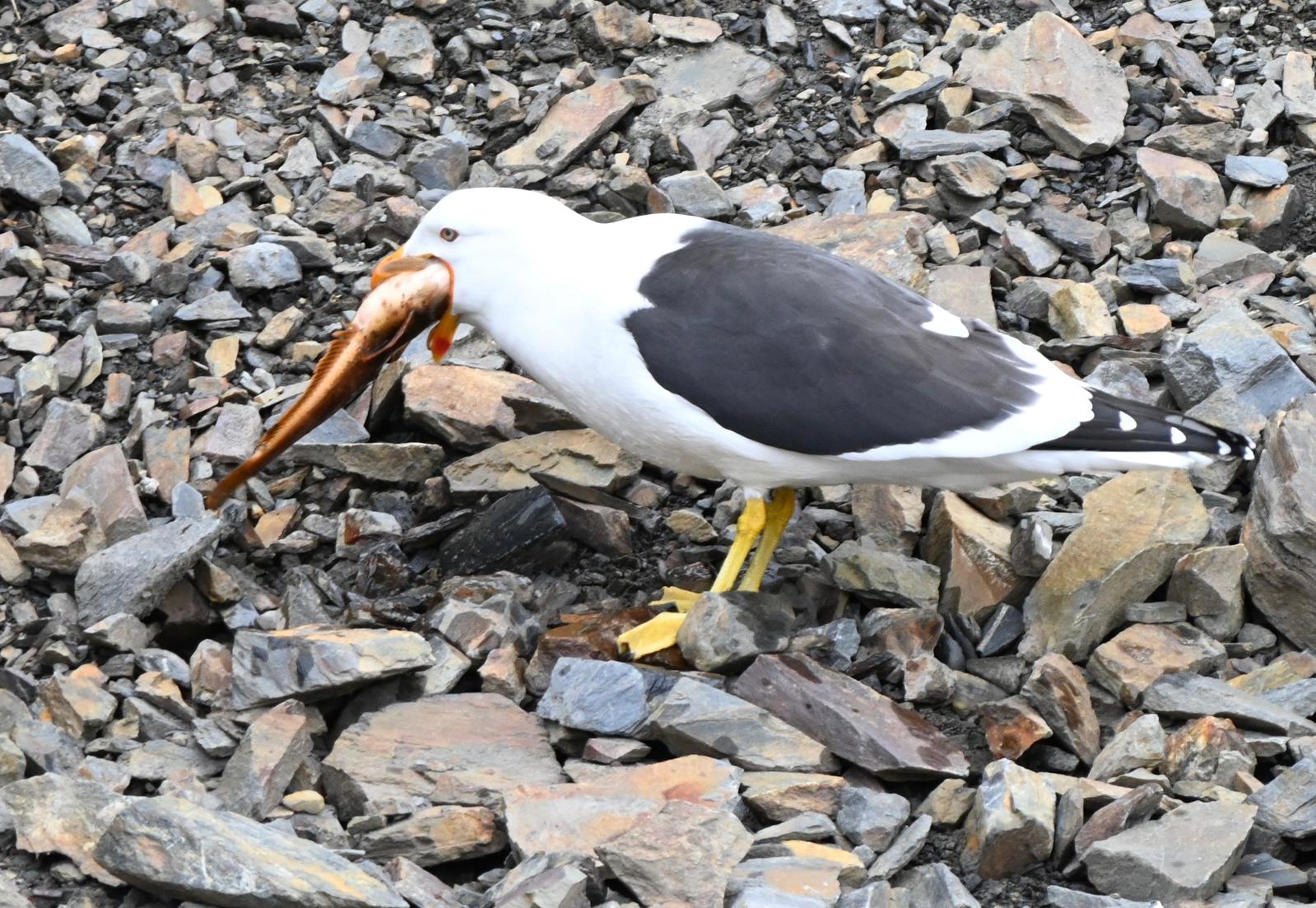
Kelp Gull with fish
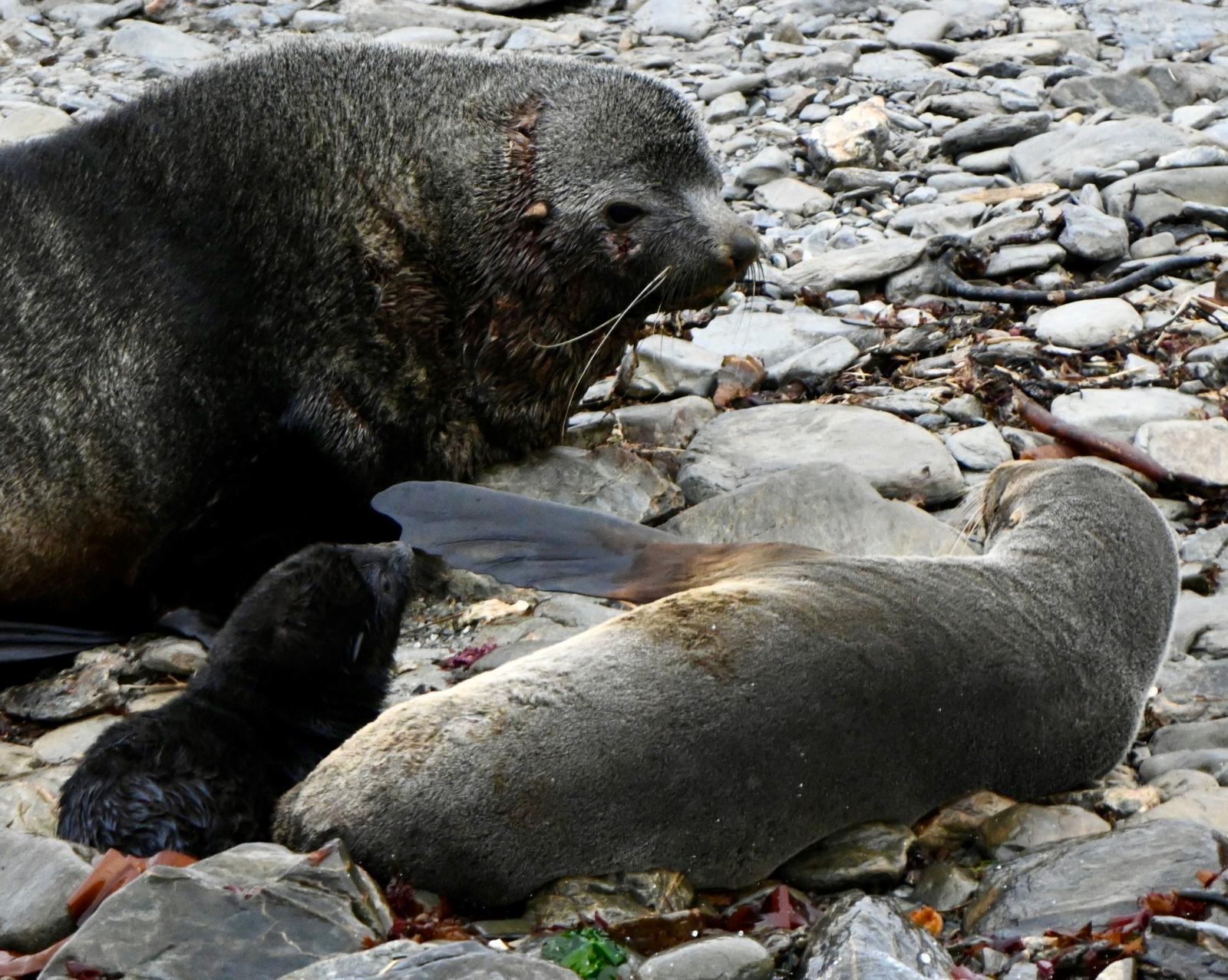
Antarctic Fur Seal, tiny pup in the centre
Around the other side of the bay there was some old infrastructure on the shore that was used back in the old whaling days before they started using factory ships to harvest and process the whales.
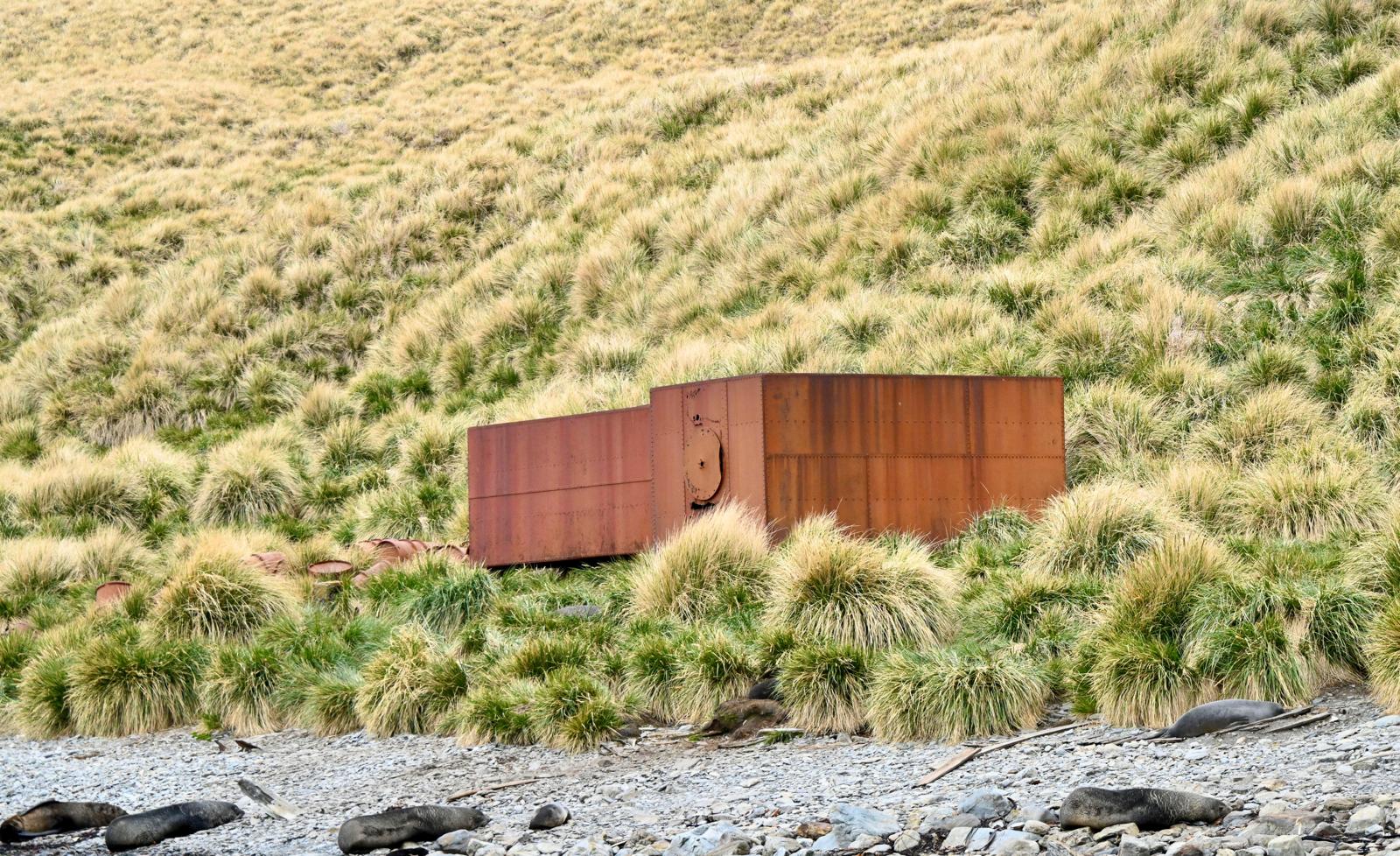
We were back on board about 5:30pm in time for the daily briefing at 6pm. After a brief overview of tomorrow’s activities, the dive team gave us a presentation on stuff they had seen during their daily dives, including a piece of wood from a 19th century sealing boat. Macduff, the senior photographer on board presented some excellent aspects on photography, providing ideas and inspiration for finding new ways of looking at things and photographing different stuff. During the briefing we could see humpback whales, penguins and hordes of sea birds out the lounge windows.
We headed down to the dining room around seven and enjoyed a delicious dinner with Steve and Karen before retiring for the night.
Sunday 22 November 2026: South Georgia – Sylvia
I was up super early this morning to join about 25 others on another long hike. This one held particular significance for me as it covered the last part of the trek that Shackleton made to reach the whaling station at Stromness to coordinate rescue for his crew. We boarded the zodiacs at 6:15am and were dropped off in Fortuna bay, another picturesque bay, dotted about with Antarctic Fur seals and the odd Elephant seal. This made our initial trek quite exciting as we picked our way up the tussock while a few of the crew members held off the seals with their sticks.
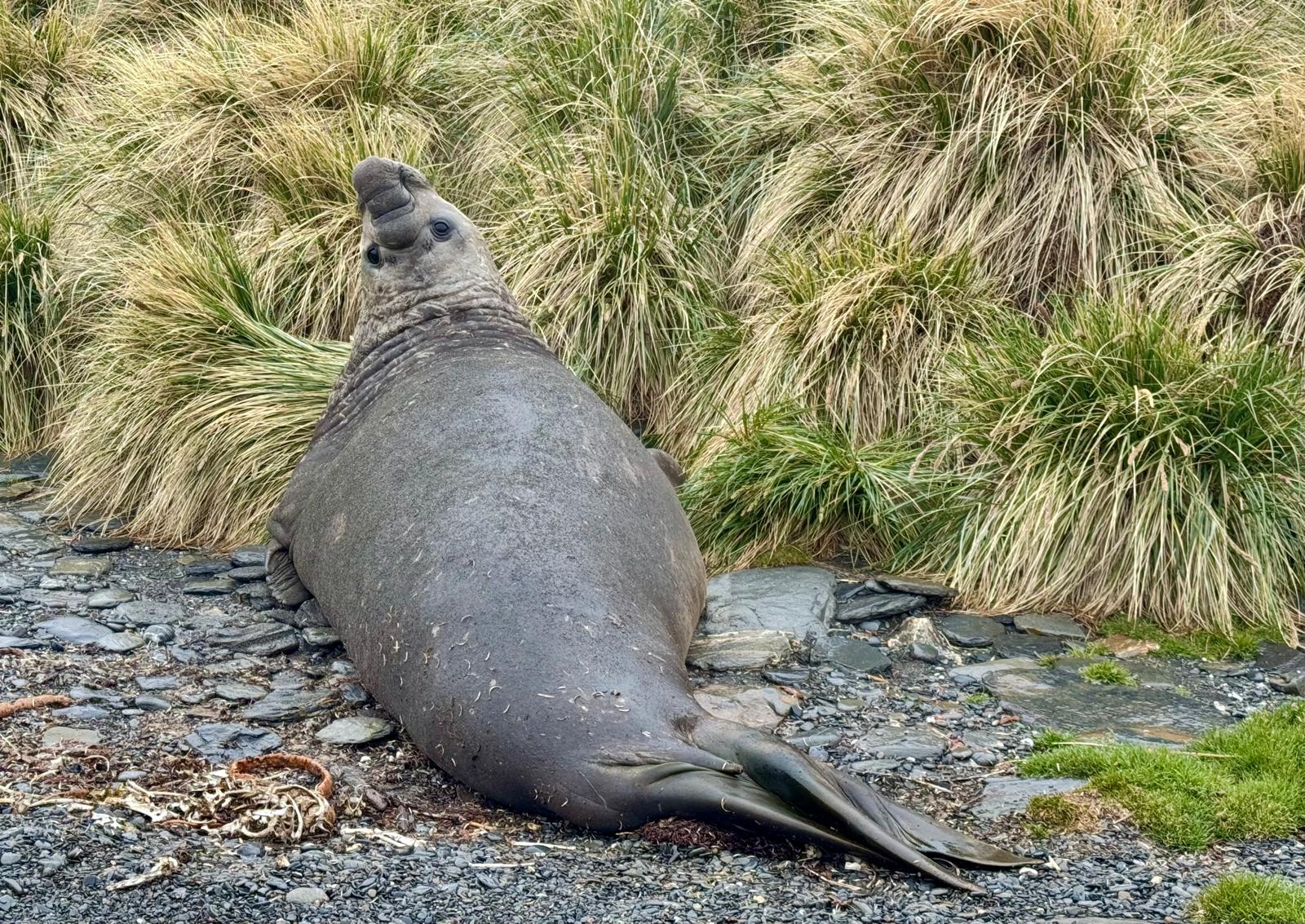
Elephant Seal – very curious as we headed up the path
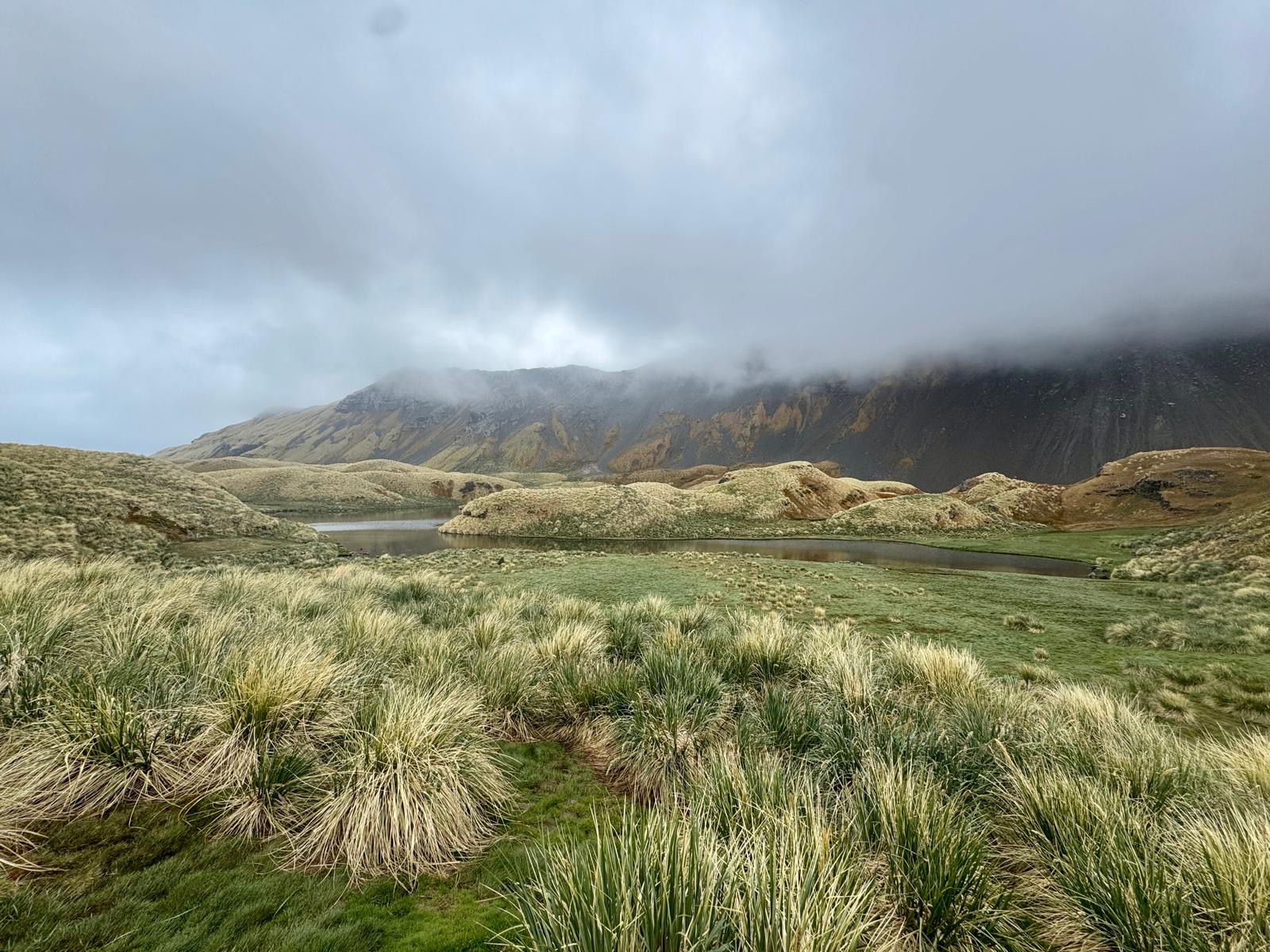
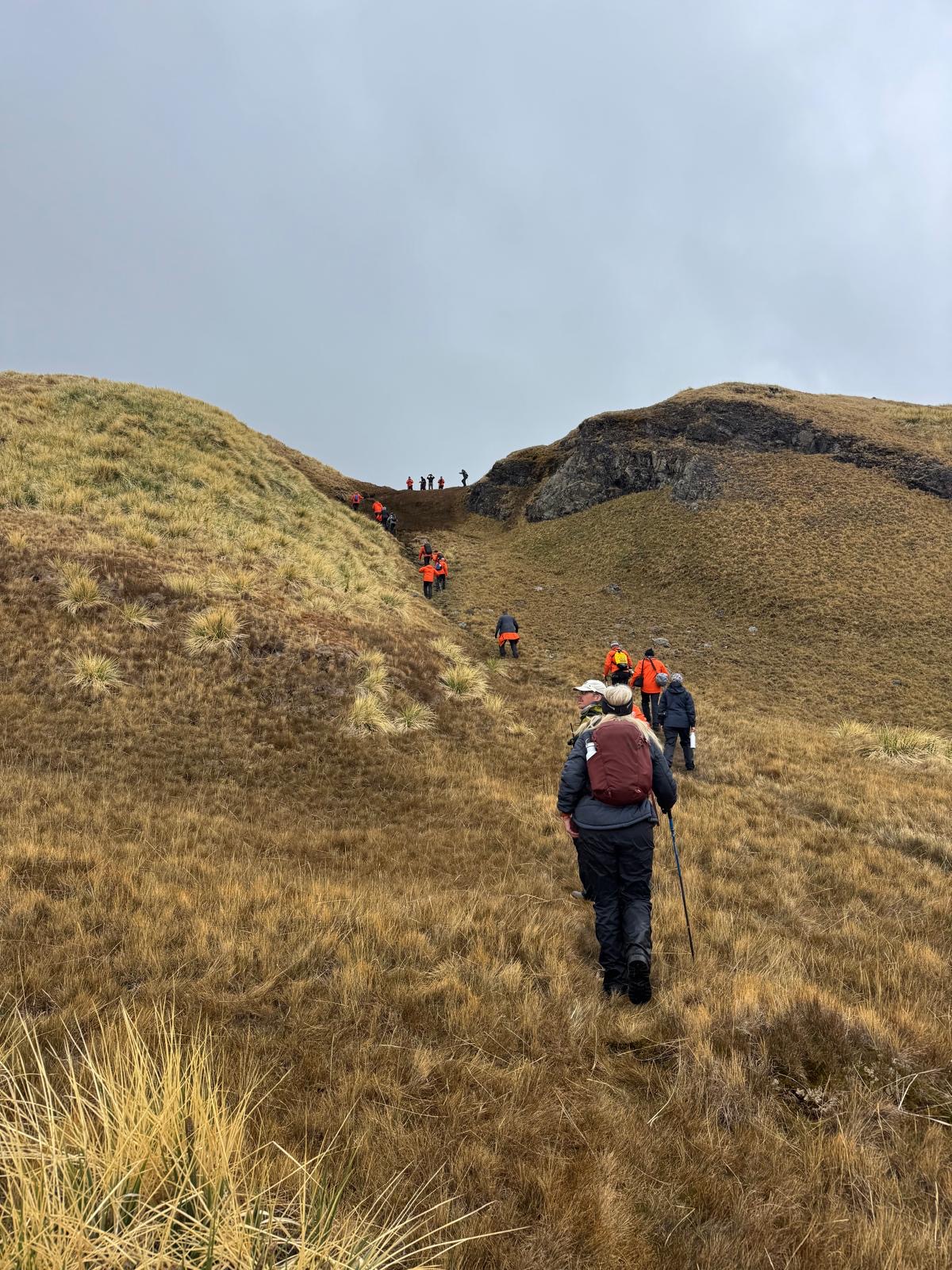
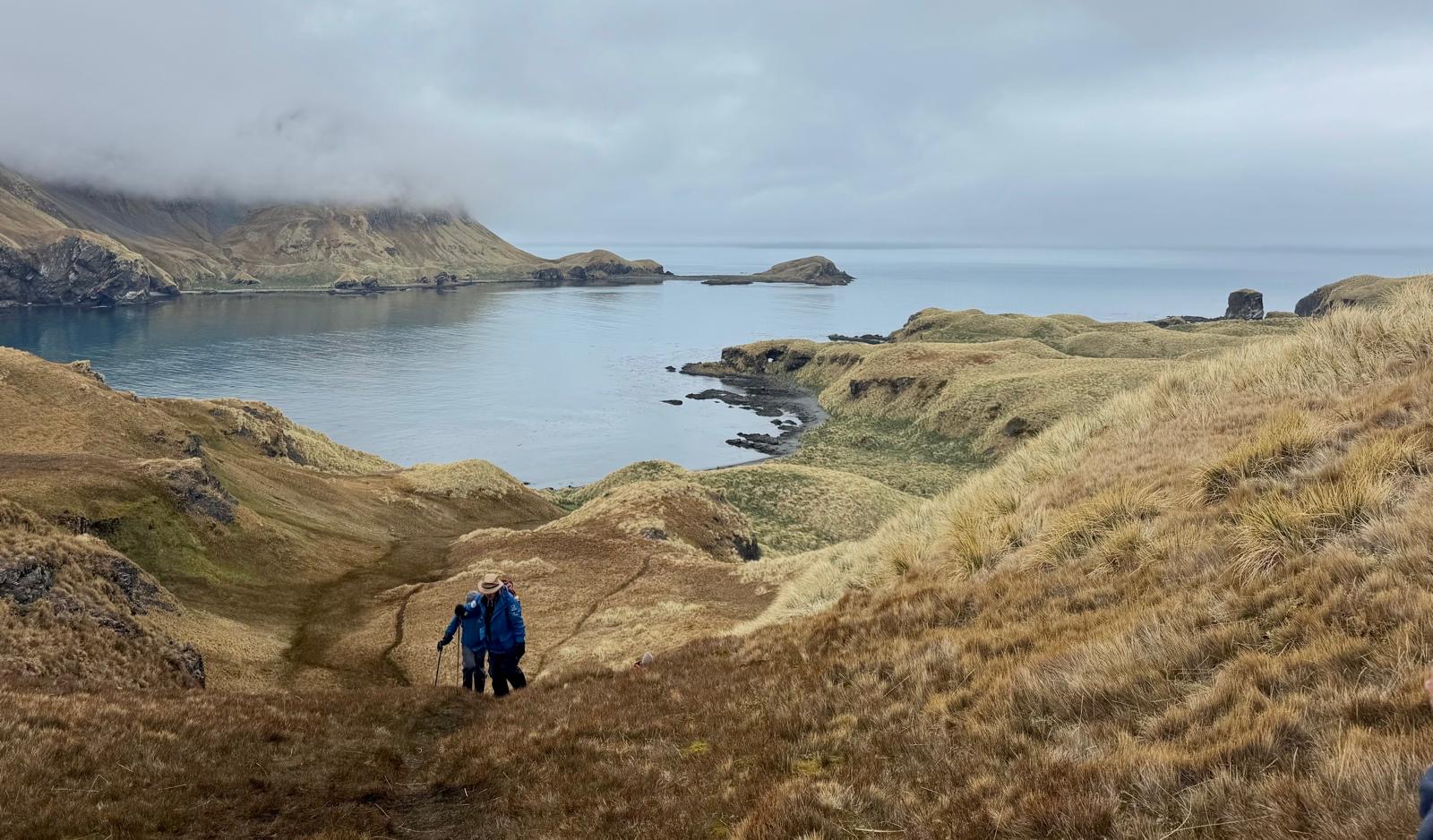
There was a lot of low mist around making for some quite eerie landscapes. We made our way up the slope, going single file to avoid damaging the local fauna. As with the walk yesterday, I don’t quite know how to describe the sense of wilderness, walking in these stark places and looking back and seeing the ship sailing away. Even knowing it will pick us up in the next bay, it still gives a sense of isolation.
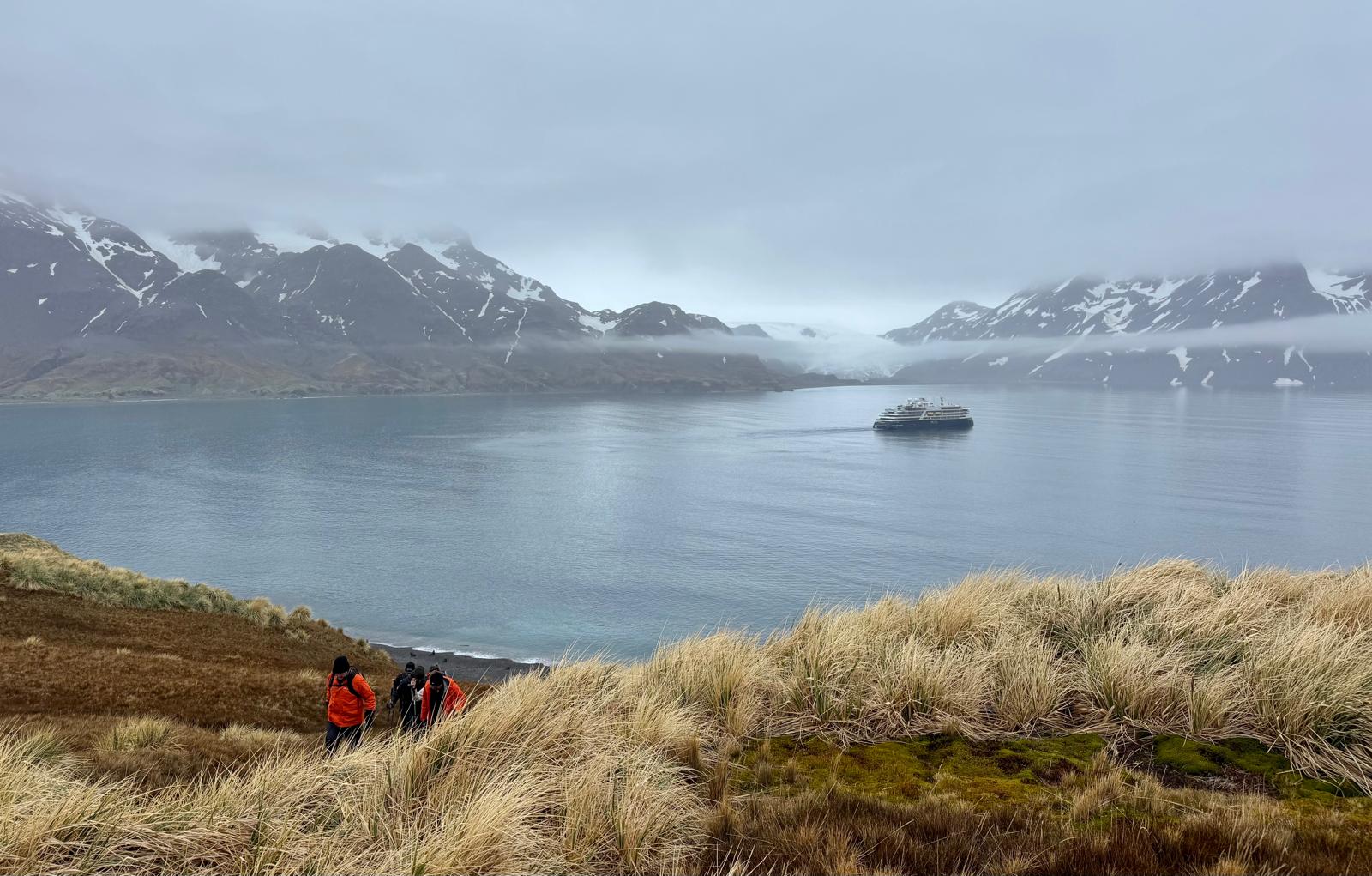
Endeavour departing as we made our way up the first rise
We reached a tarn and joined the path that Shackleton took. He and his companions had actually hiked up and over from the rough western side of the island. Apparently it was about where we met the track that they heard the whistle blowing from the whaling station at Stromness which must have given them a real sense of hope, although I am sure he didn’t feel real relief until he finally reached his men back on Elephant Island.
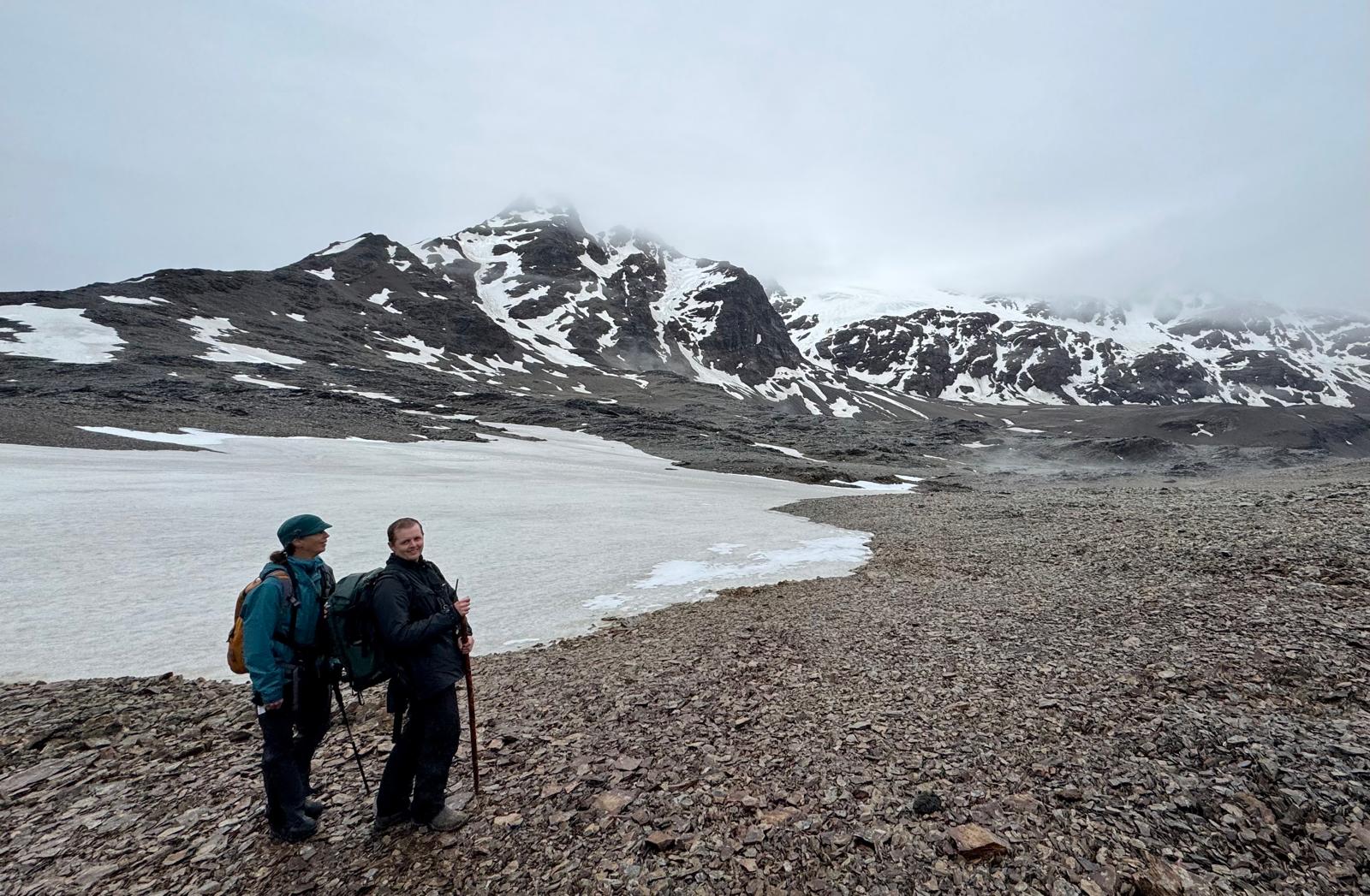
Naturalists Johnny and Elise
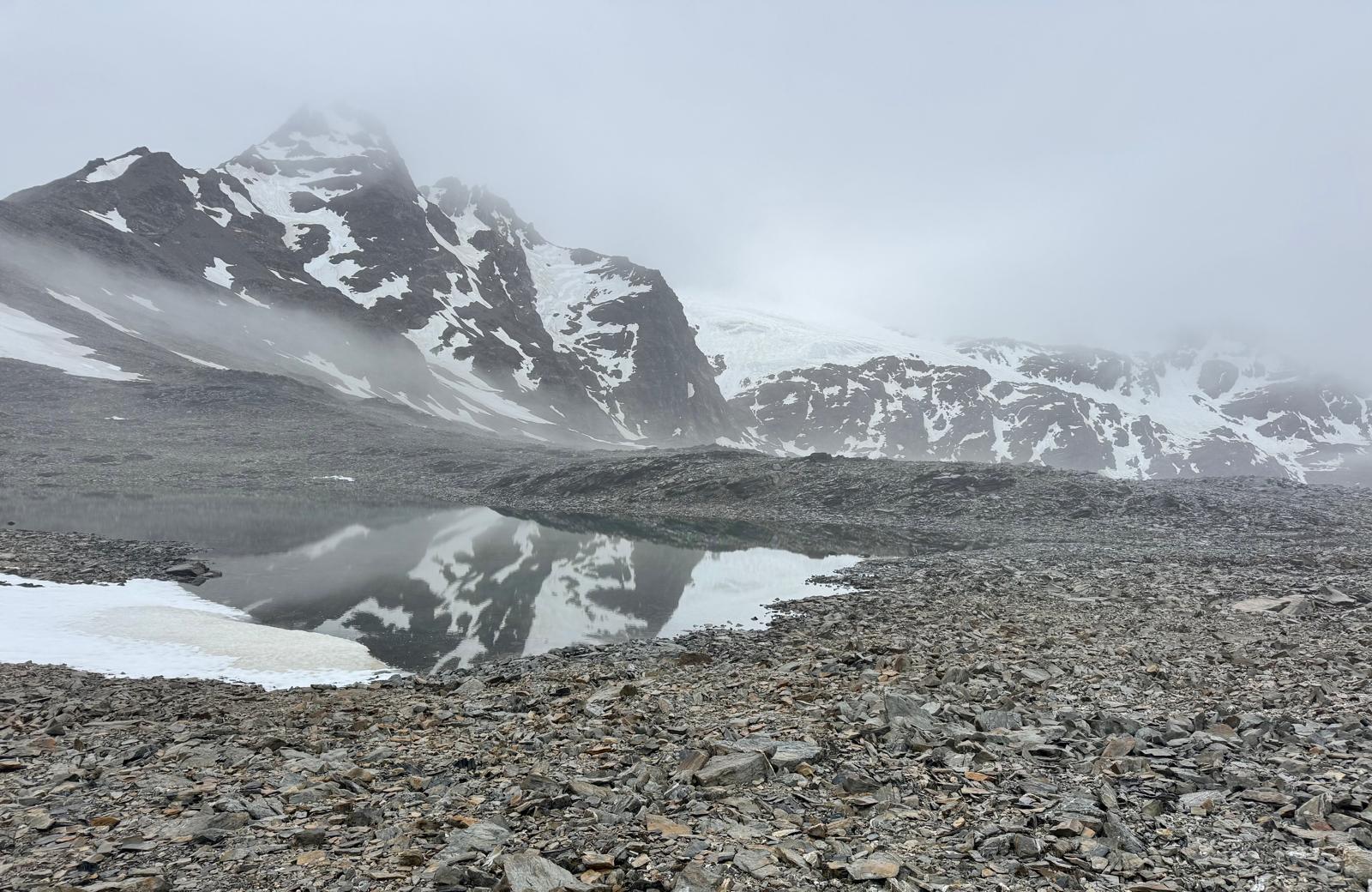
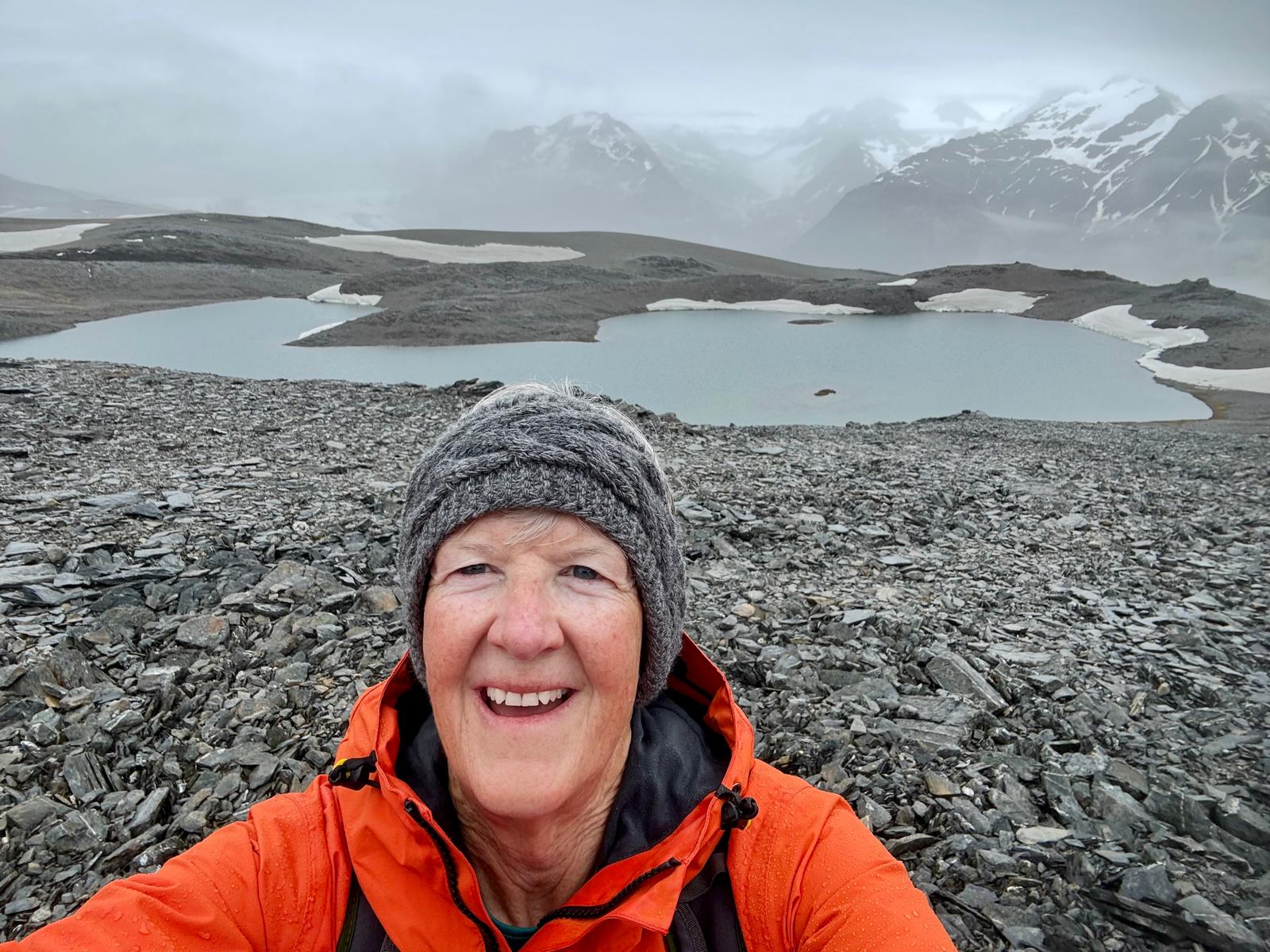
Tarn near where we met the path Shackleton and his team took
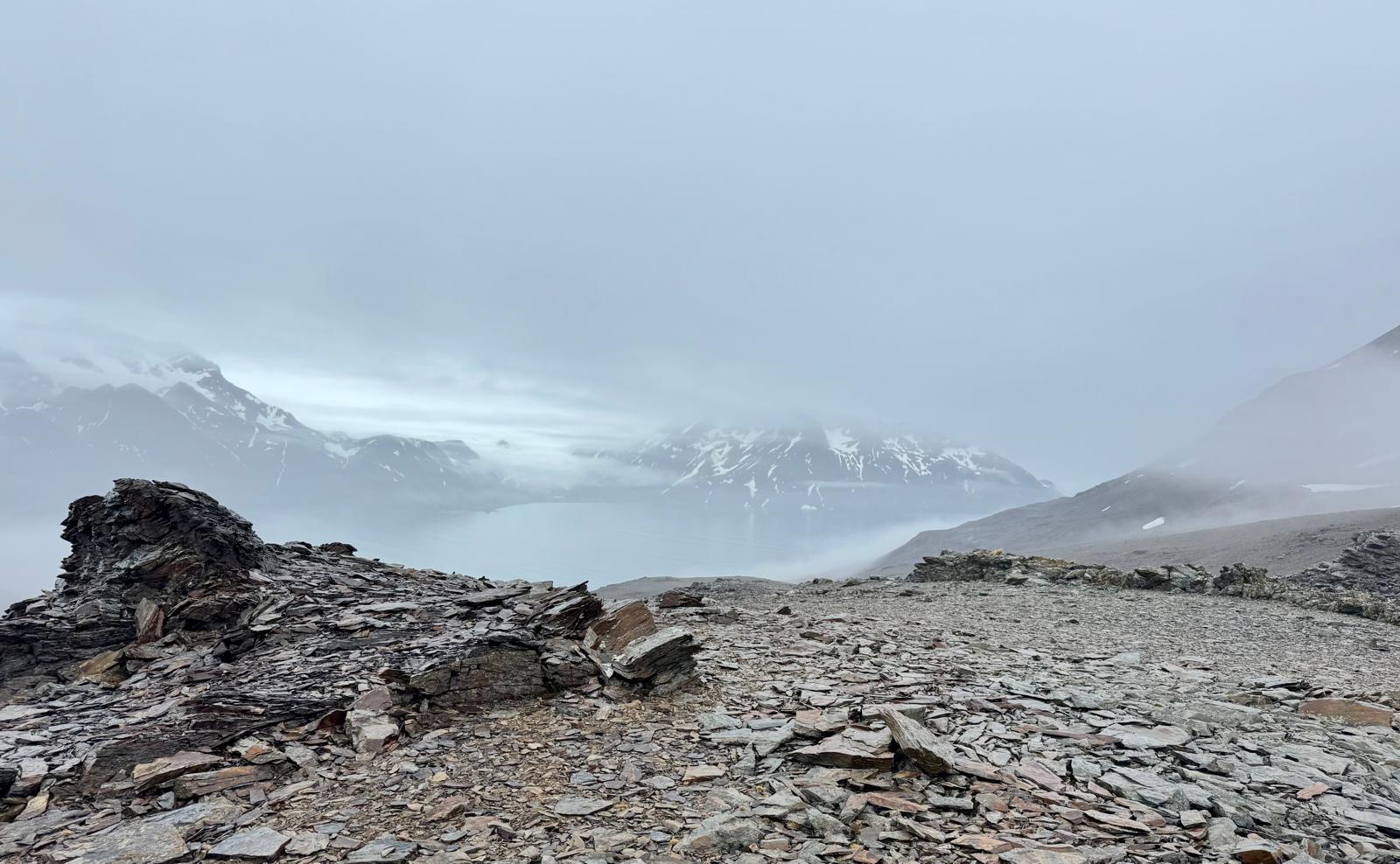
The mist came and went
Johnny, one of the naturalists, led the way at quite a good pace. We would walk some distance then stop and wait for everyone to catch up, take photos and hear a bit of history before carrying on. It was a bit tricky managing temperature. It gets hot climbing up hill but you cool quickly when you stop. Due to biosecurity you are not allowed to put anything down so layering up and down becomes quite a chore. I was very happy today to have learned from my mistakes yesterday and feel like I got things pretty right. Other than hat and gloves, which I could put in my pockets when not wearing them, I only added a fleece layer once we had reached the high point and were about to head down the other side.
It was a magnificent sight when we reached the point where we could look down on Stromness and see the Endurance sailing in. We watched as she nosed almost right into the beach. Apparently there is a very steep drop off here. As we headed down the slippery and at times quite steep path, the mist closed in and we couldn’t see the landing area at all.
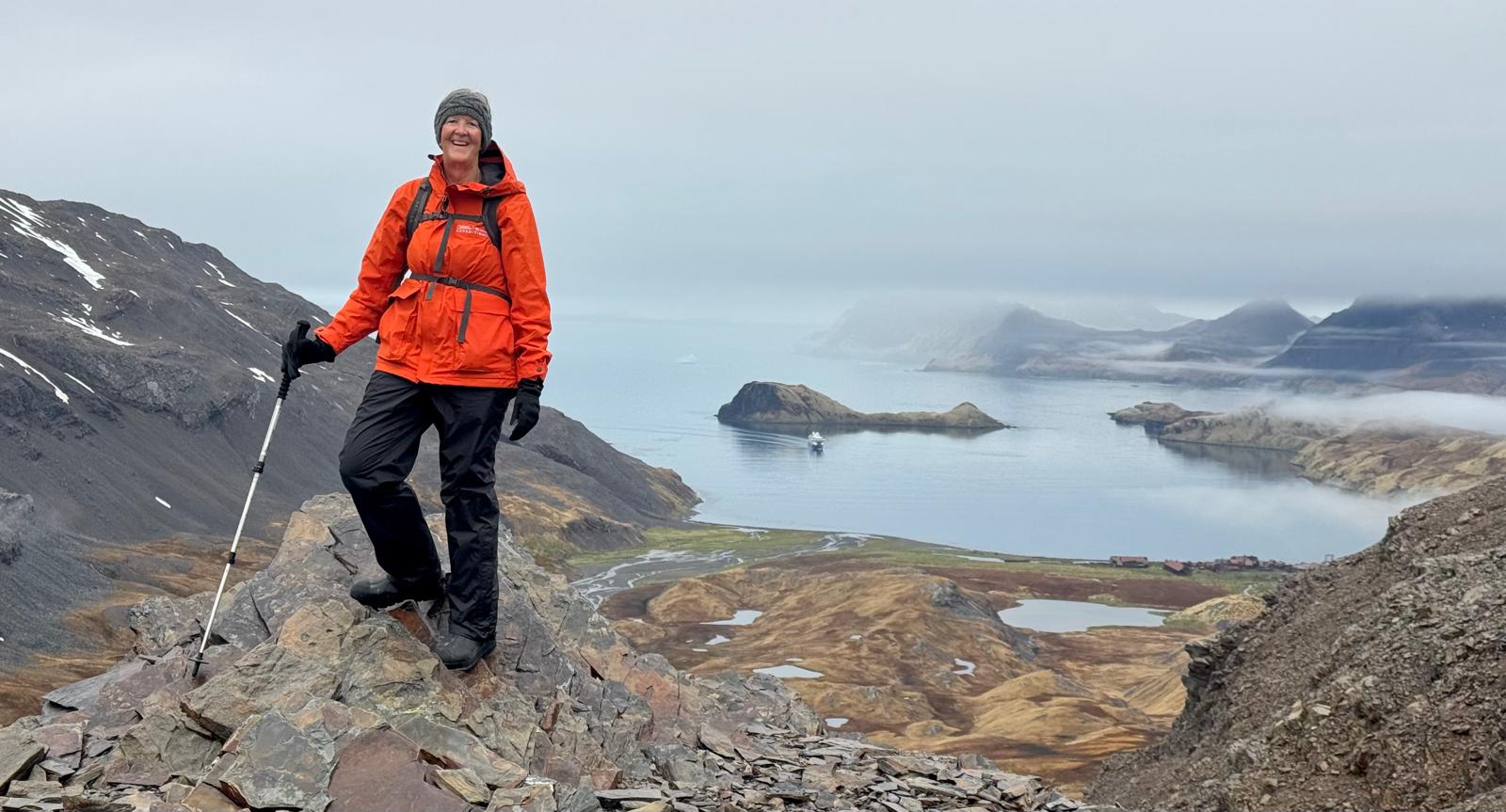
Looking down over Stromness
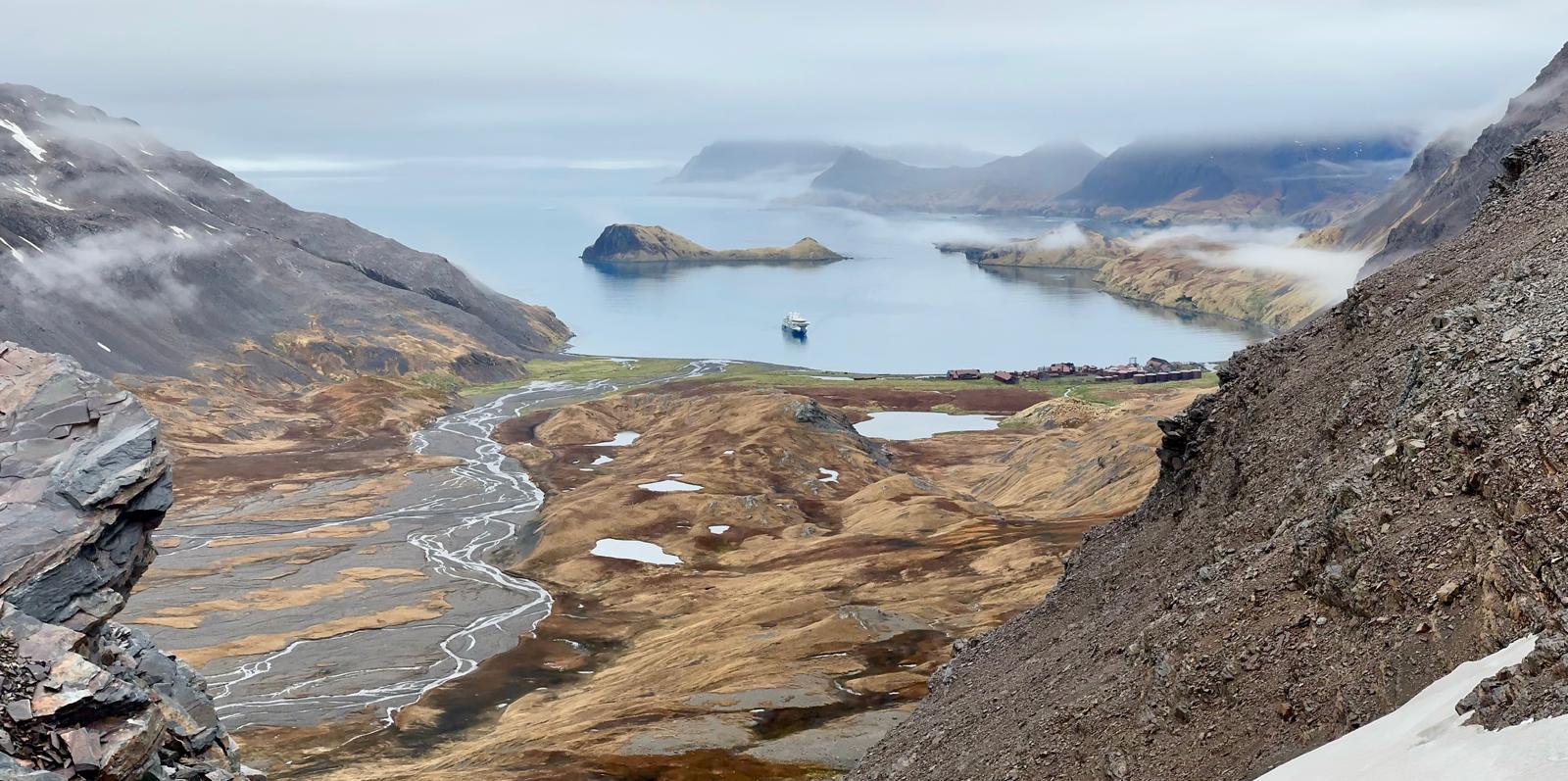
Endeavour arriving in Stromness
We made our way slowly down, past the large waterfall that Shackleton and his men apparently abseiled down, and then completed the fairly easy, flat walk along the river back towards the ship. By this stage the rest of the guests were disembarking and making their way towards the waterfall. I eventually bumped into Roger and suggested that if his knees weren’t great, he wouldn’t miss much in turning around, which he did, accompanying me back towards the ship.
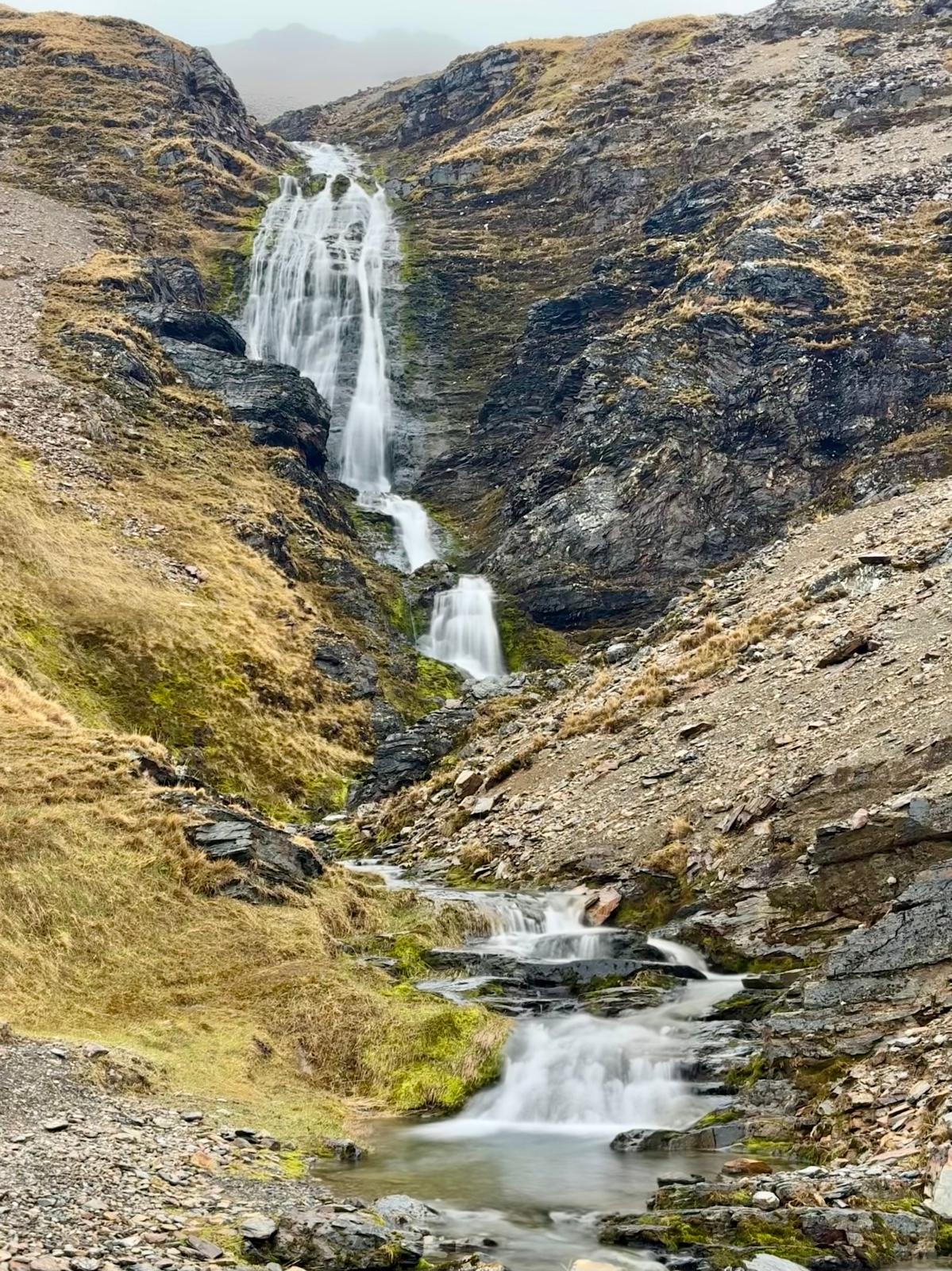
As at all the landing sites, many male Antartctic Fur Seals guarded their patches, waiting for their harems to arrive. The seal populations have been devastated by bird flu after having recovered from the sealing days. Apparently the females have usually arrived by this time so the staff have expressed a little concern. A few King Penguins posed beautifully for us, reflecting in the pools at their feet.
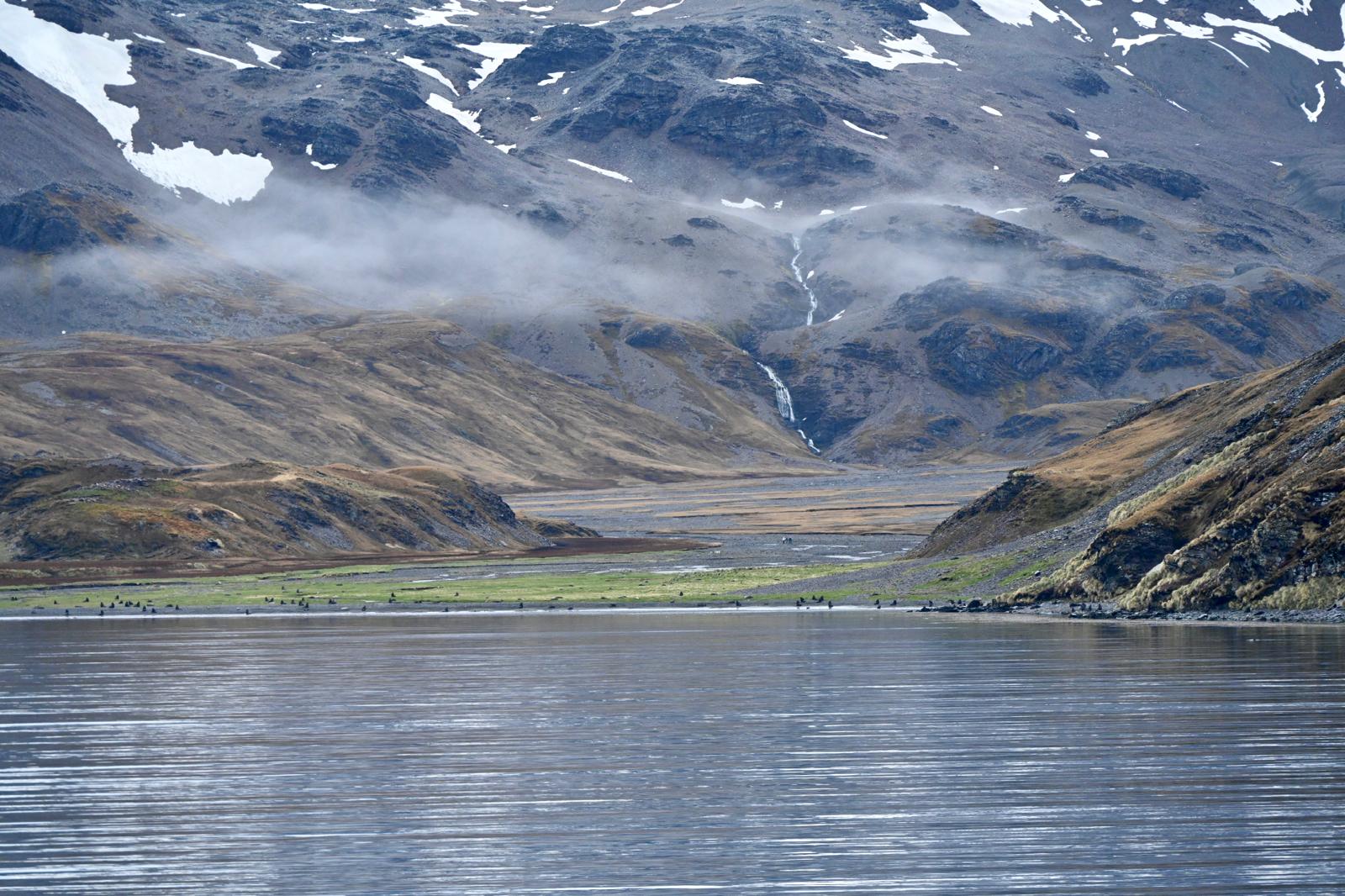
View towards the waterfall from onboard. It looks quite close but is a fair distance.
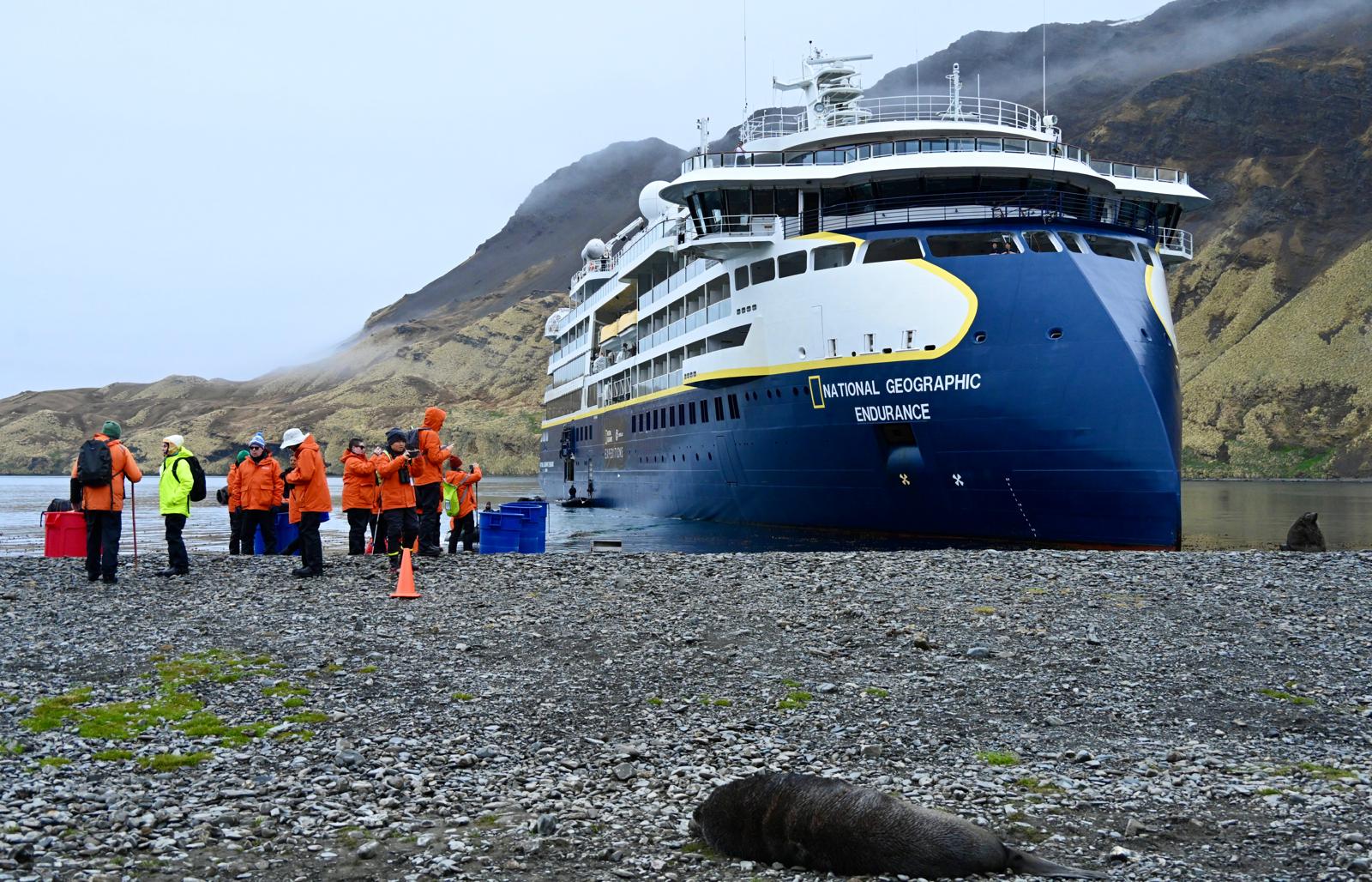
Every disembarkation meant taking care to avoid Antarctic Fur Seals
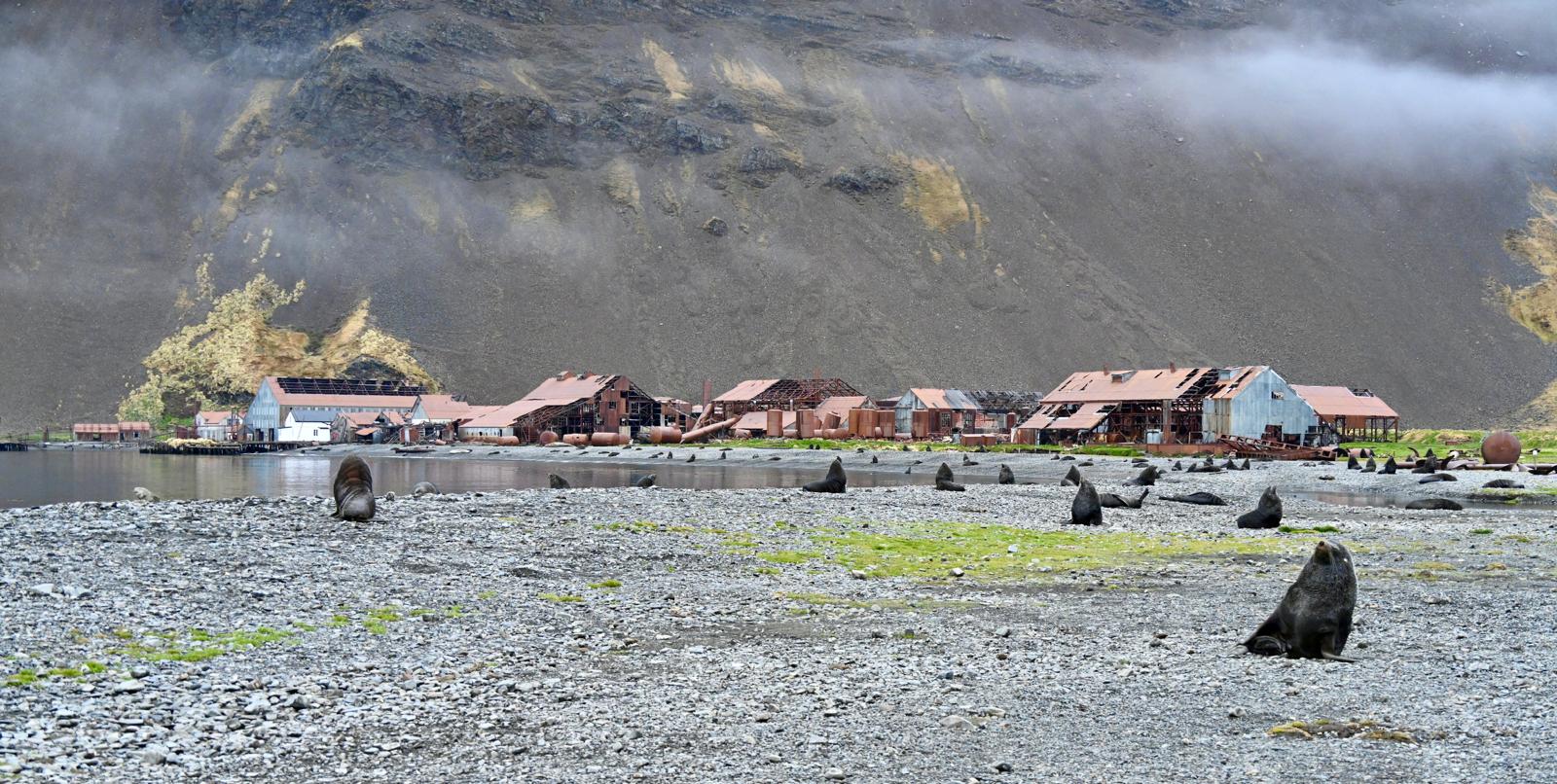
Antarctic Fur Seals on the shore in front of Stromness
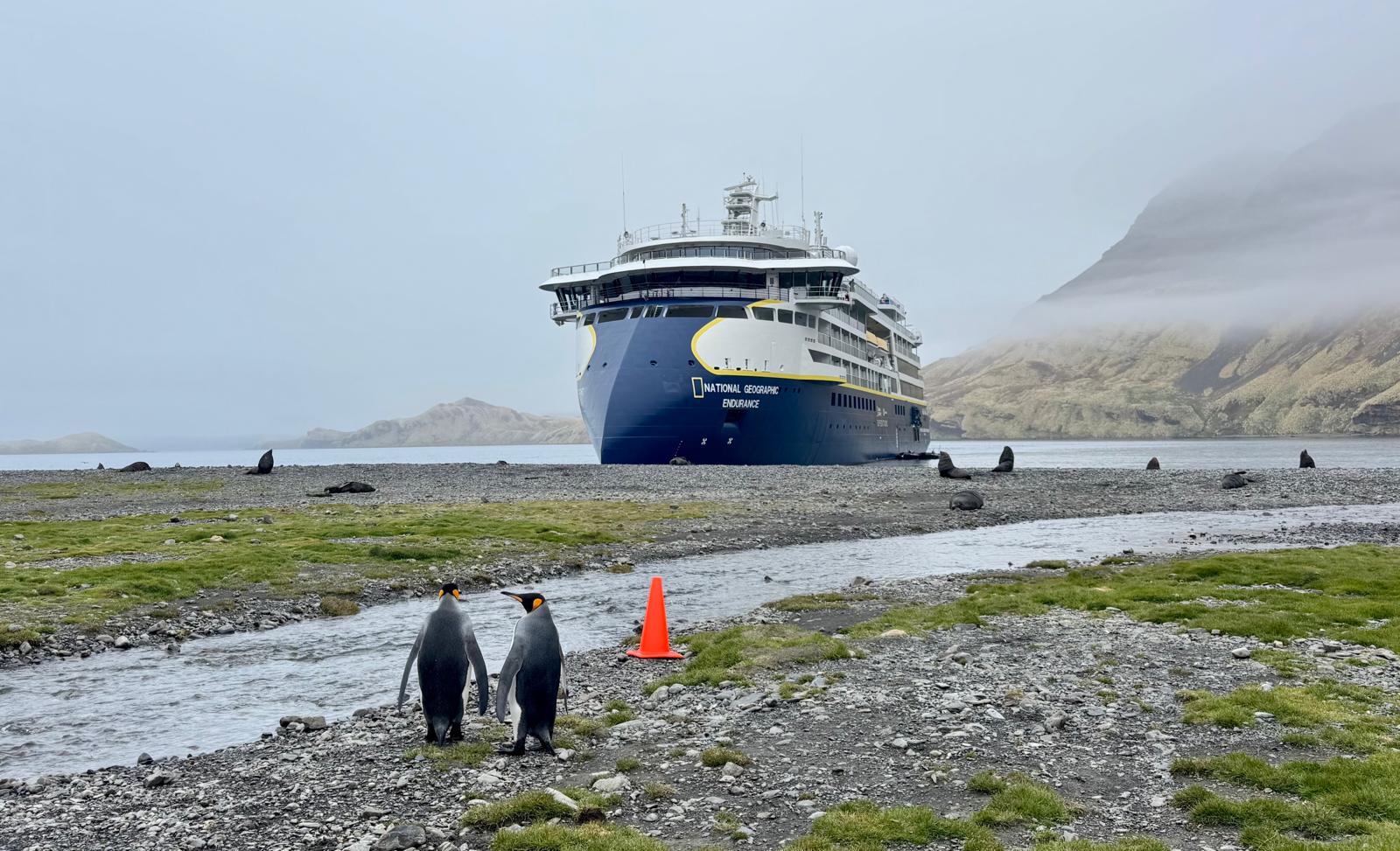
King Penguins. Antarctic Fur Seals and Endeavour
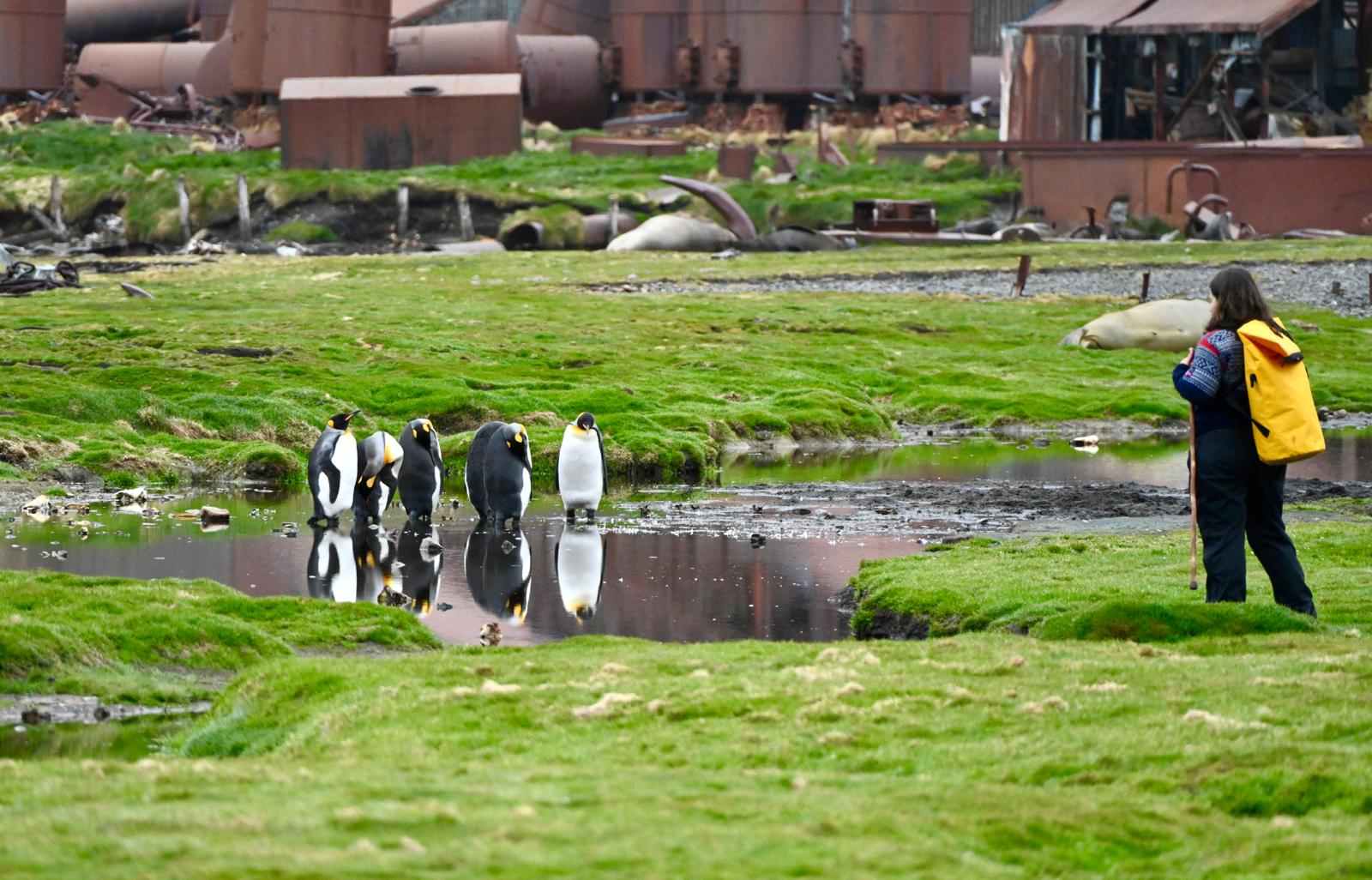
King Penguins
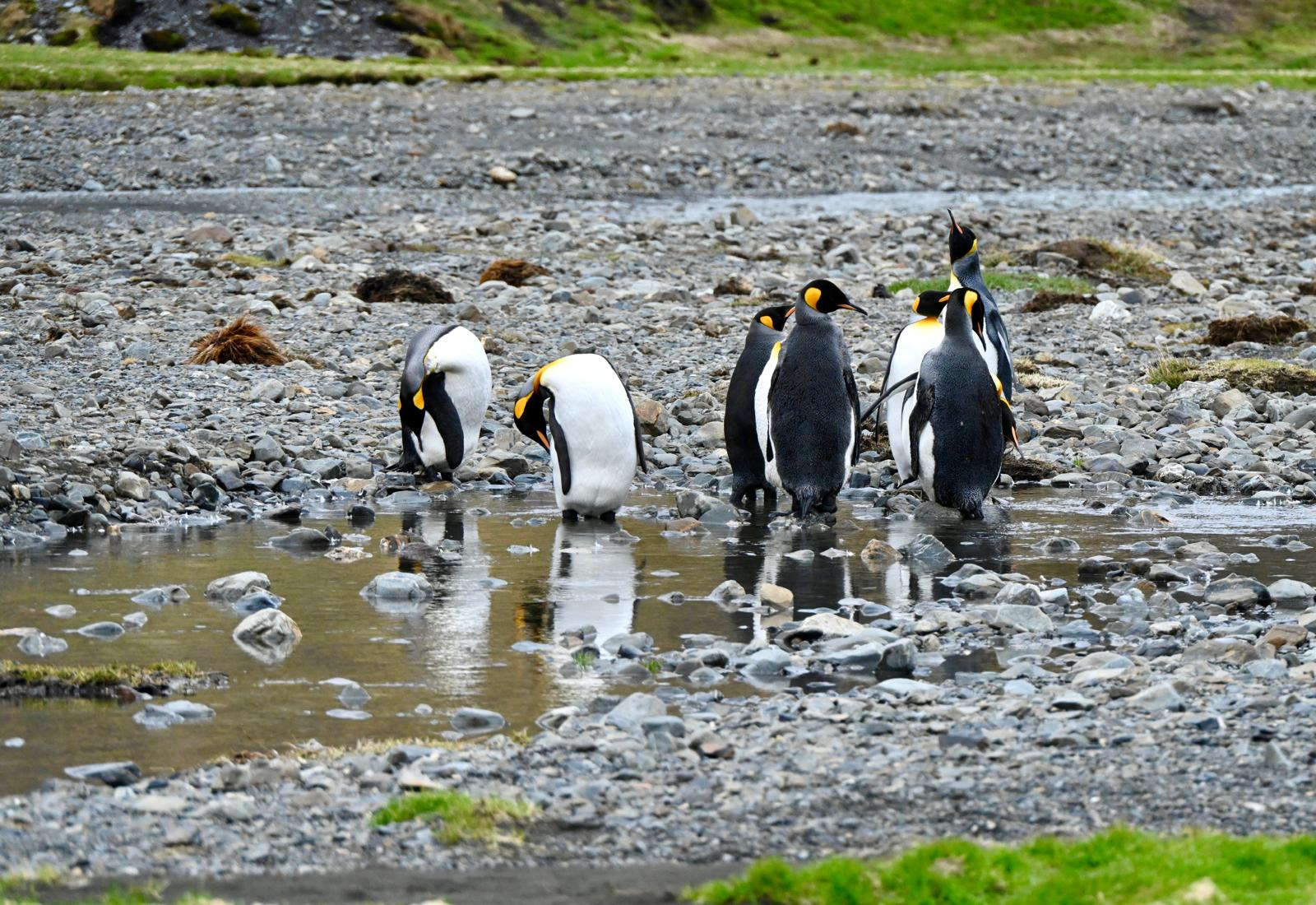
King Penguins
The old whaling village itself is off limits. Like all the old whaling stations on the island except for Grytviken, there are too many concerns about asbestos so we could just look at the ruins from a distance before heading back on board for a very welcome cup of tea.
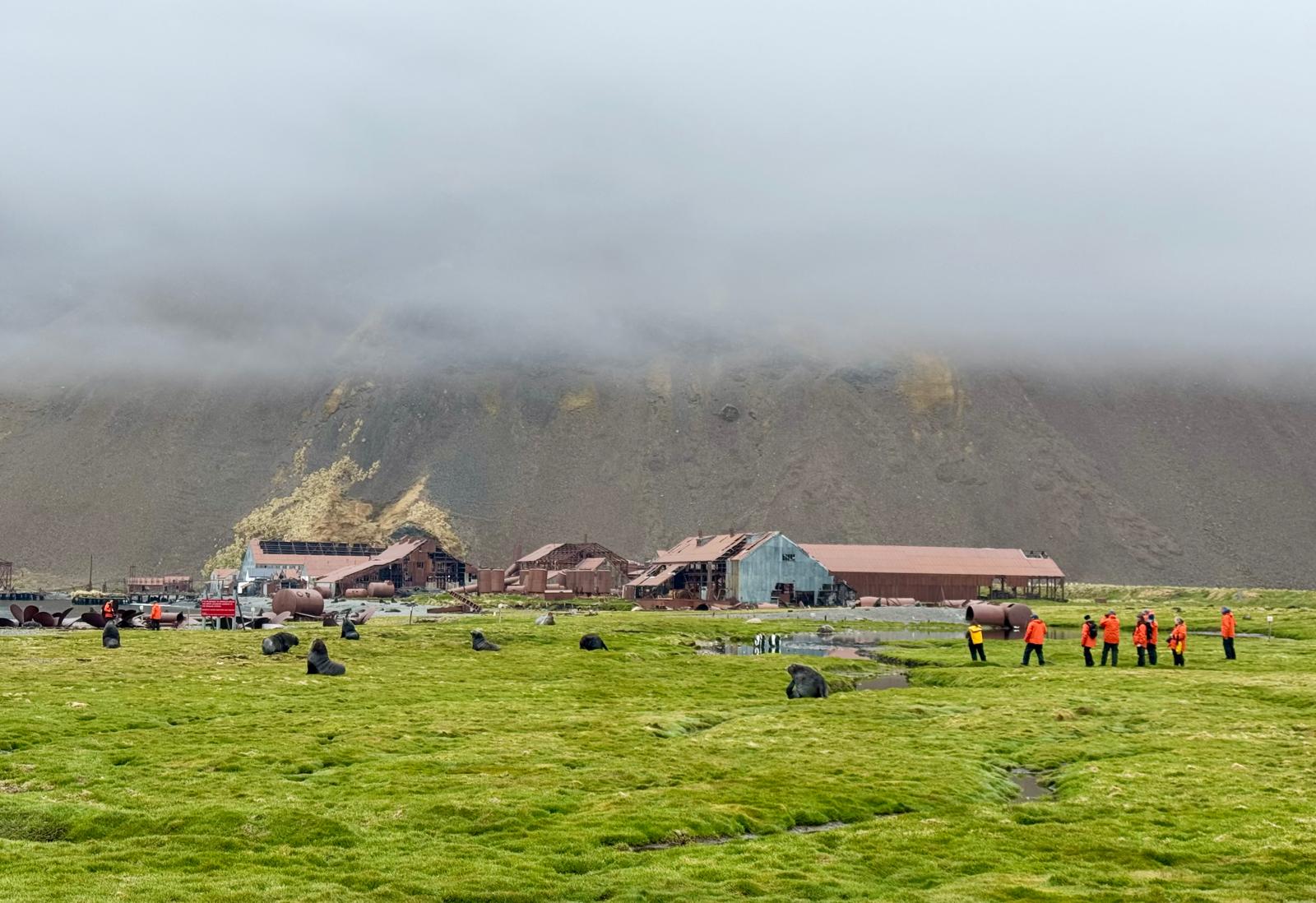
After a delicious lunch (Beef goulash soup, Pork Schnitzel cordon-bleu, and Chocolate pot-de-crème) we settled in for a bit of a rest while the ship relocated to Hercules Bay for our afternoon activities. A light rain had started to fall.
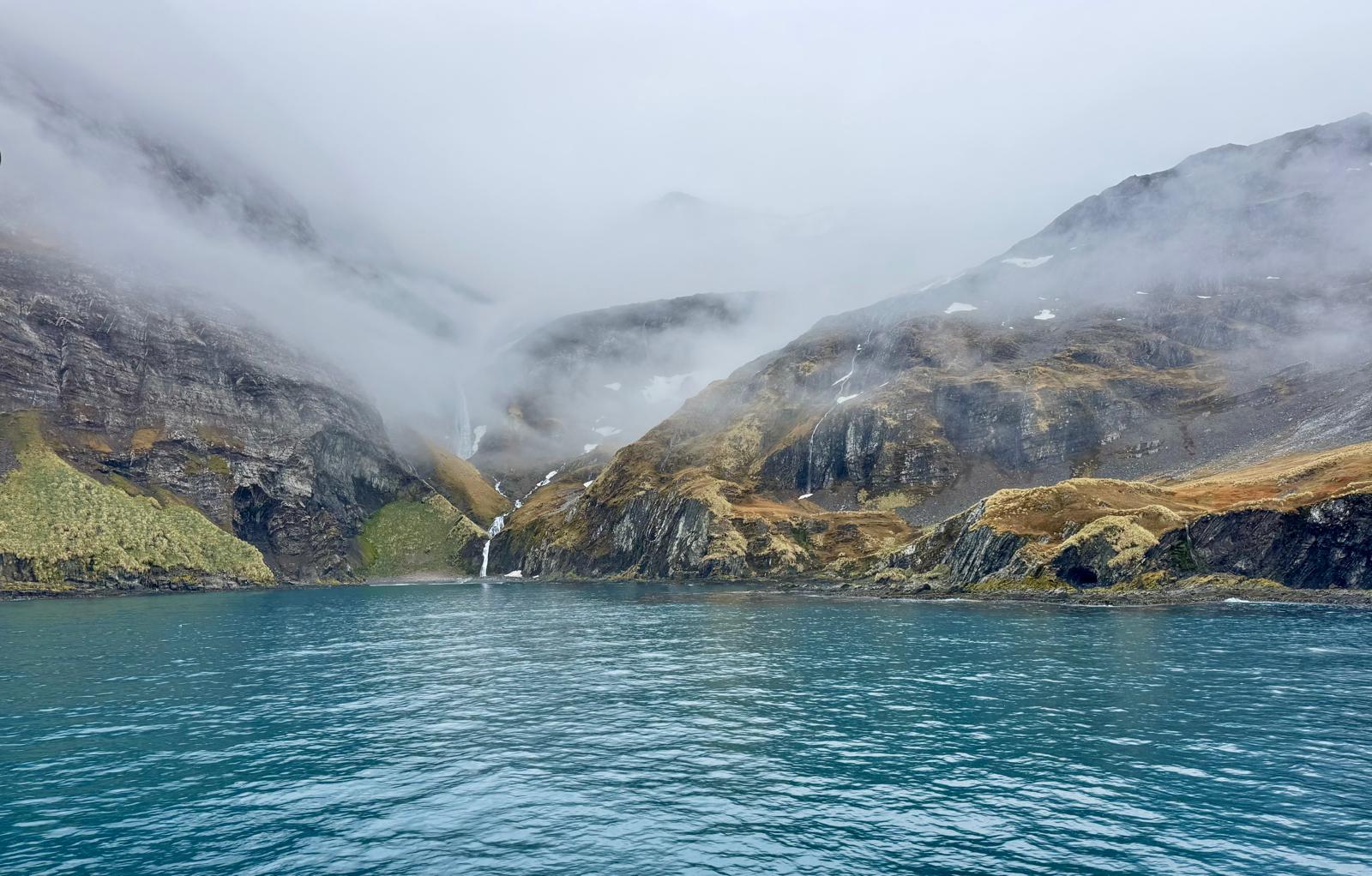
Hercules Bay
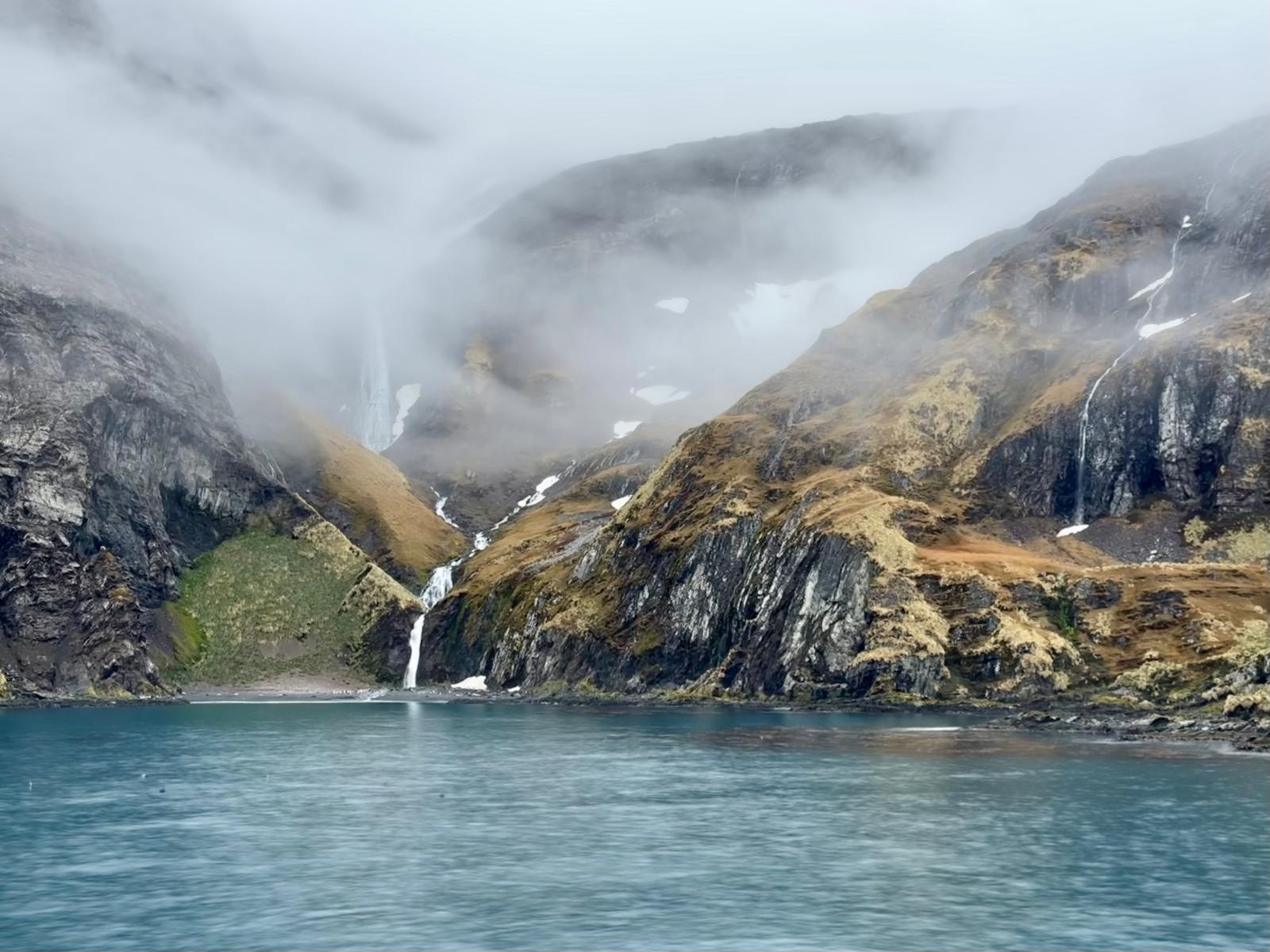
Roger decided to stay on board for the afternoon but I headed out for the zodiac cruise just after 2pm. The rain continued to fall and despite there being little wind there was a reasonable swell, which made taking pictures a little challenging. This area is known for the thousands of Macaroni Penguins, which nest up in the tussac. It is a beautiful spot with its waterfalls and magnificent rock formations. I was pretty drenched by the time I got back on board about 90 minutes later but it was definitely worthwhile.
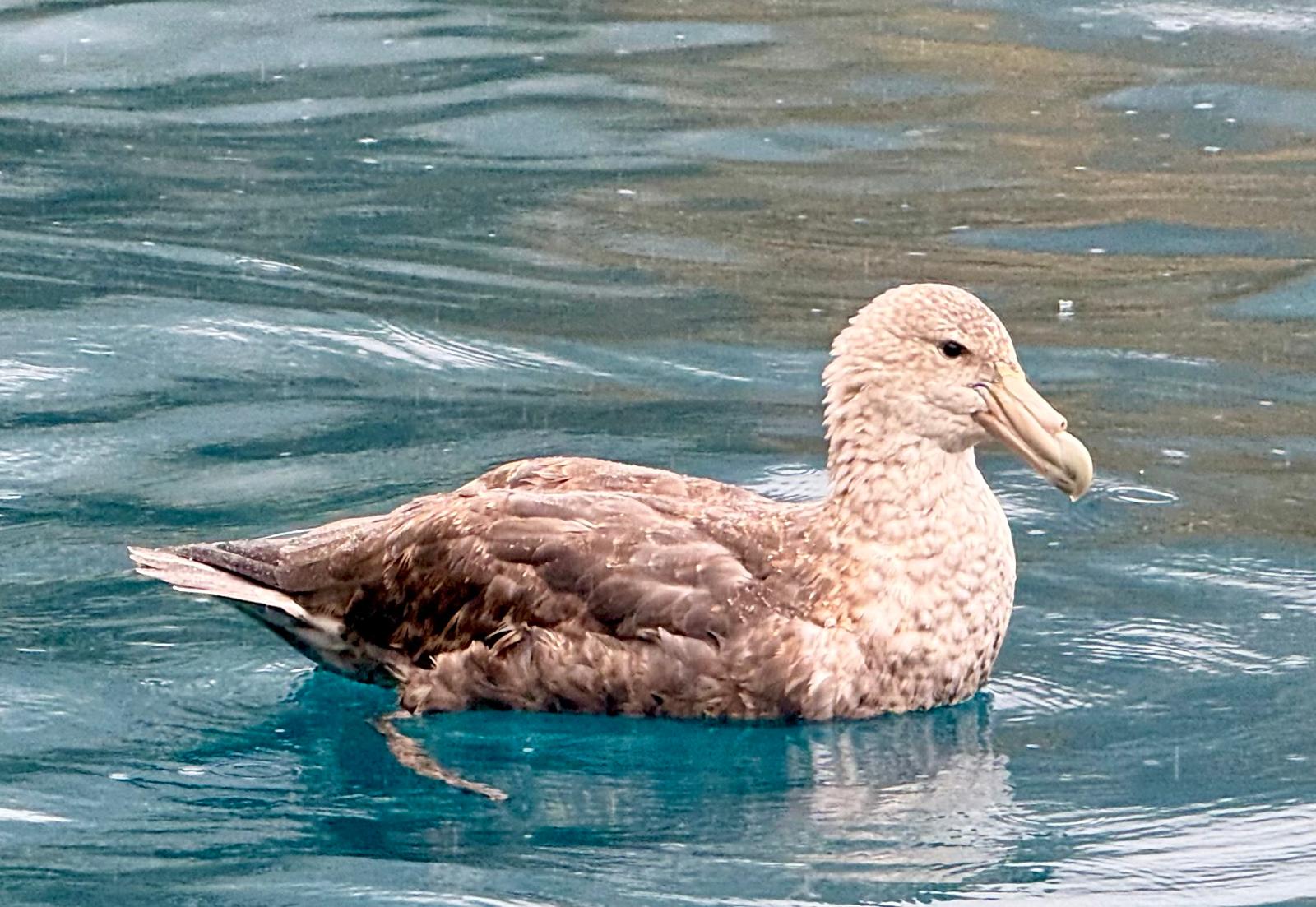
Southern Giant Petrel – For anyone interested, the way to tell the difference between the Northern and Southern varieties is that the Northern has a slightly red tint to the end of the beak and the Southern a slightly green tint.
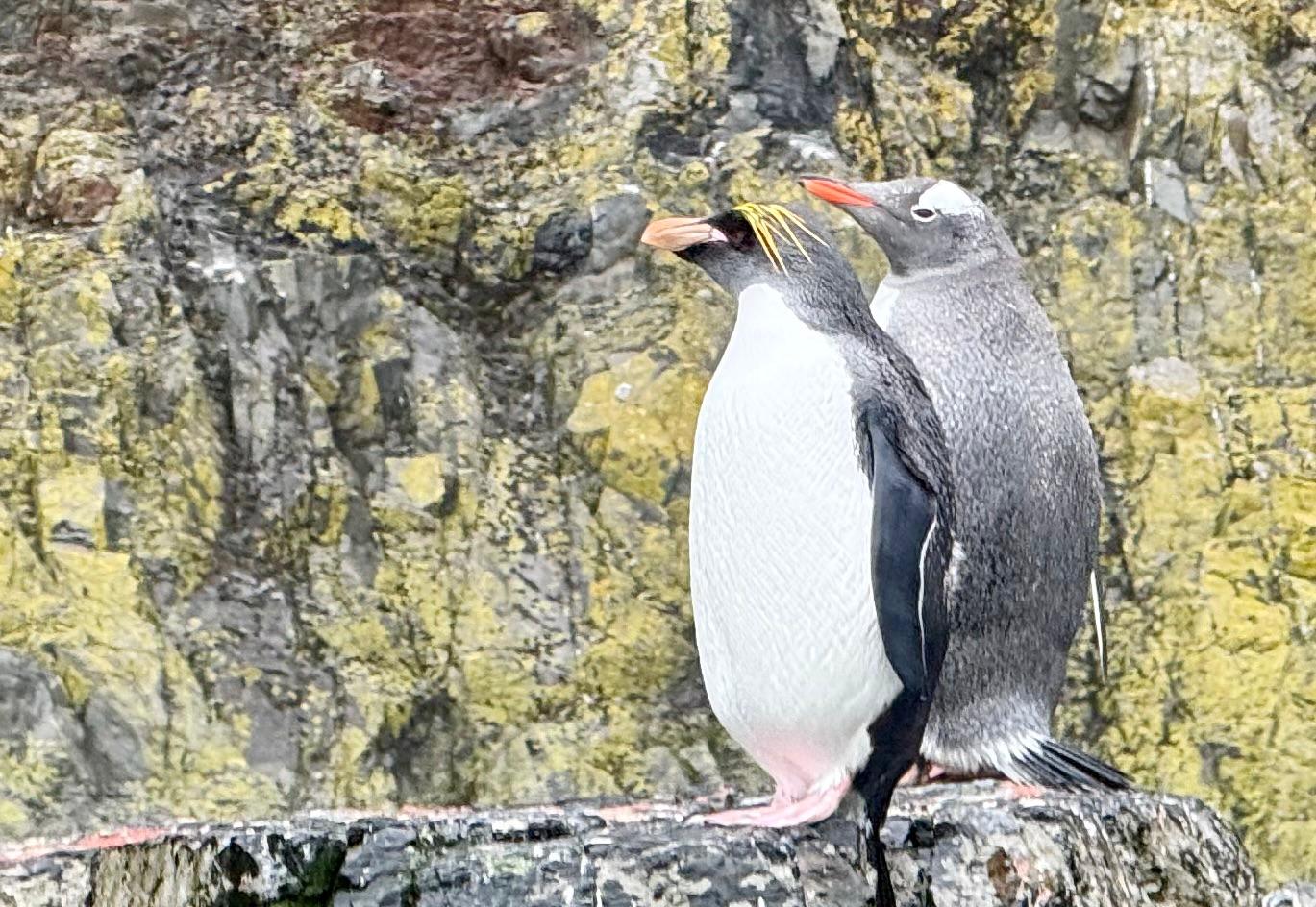
Macaroni Penguin (in front) and Gentoo Penguin
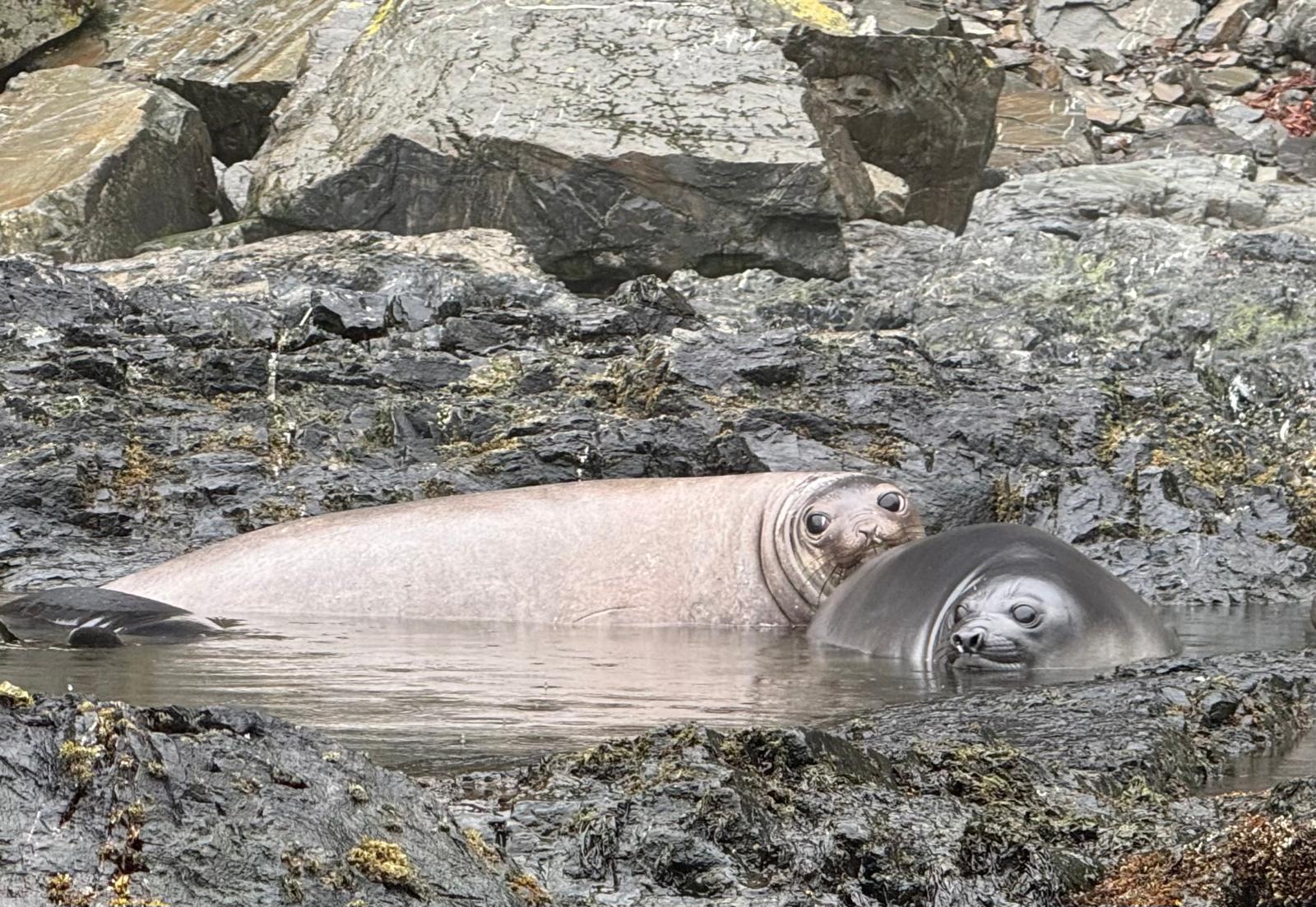
Elephant Seal weaners
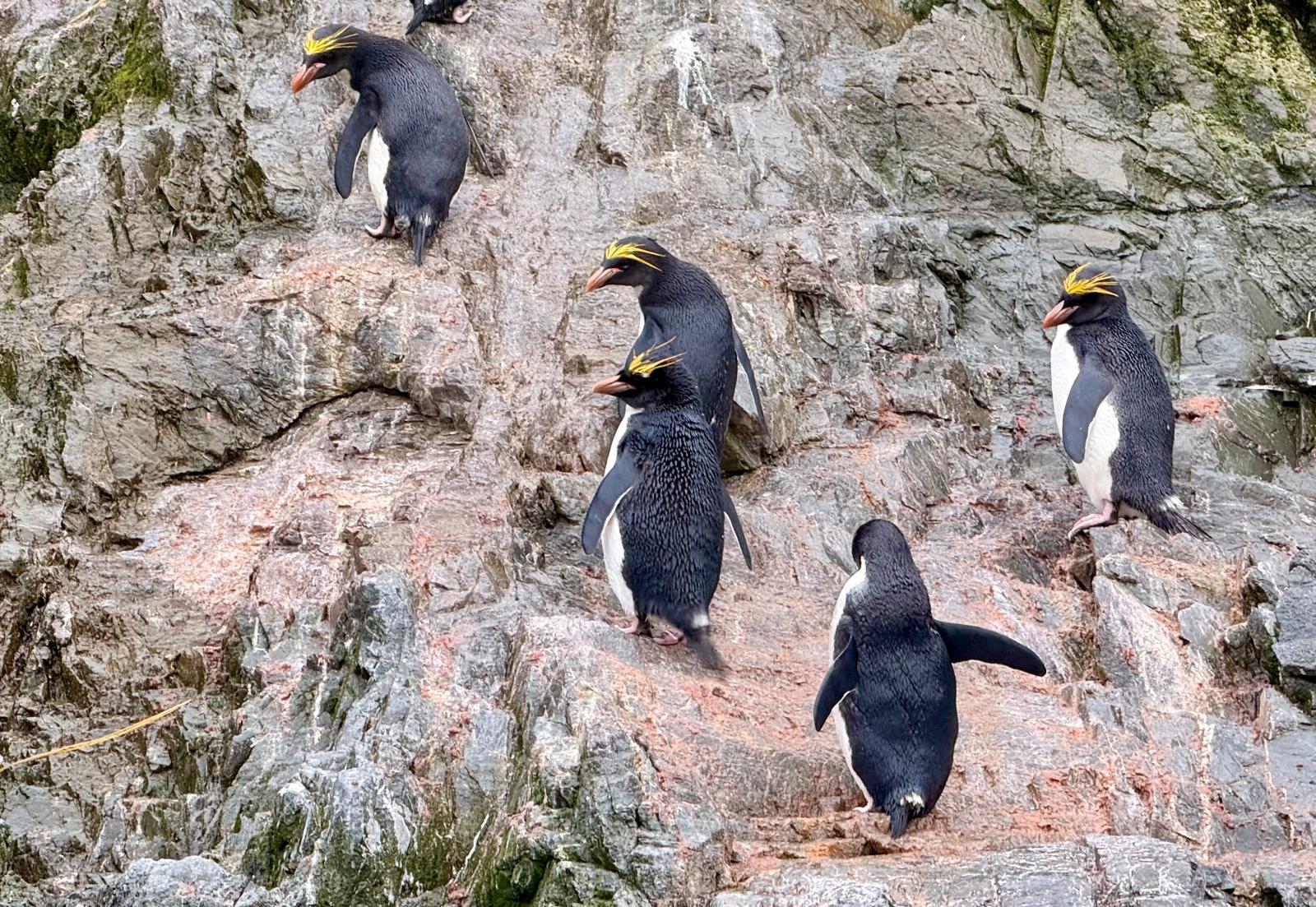
Macaroni Penguins. These birds nest in the tussac up to 50m above the sea. It is quite incredible to see them hopping their way up steep rock faces to reach their nest sites. We also got to see some courting behaviour
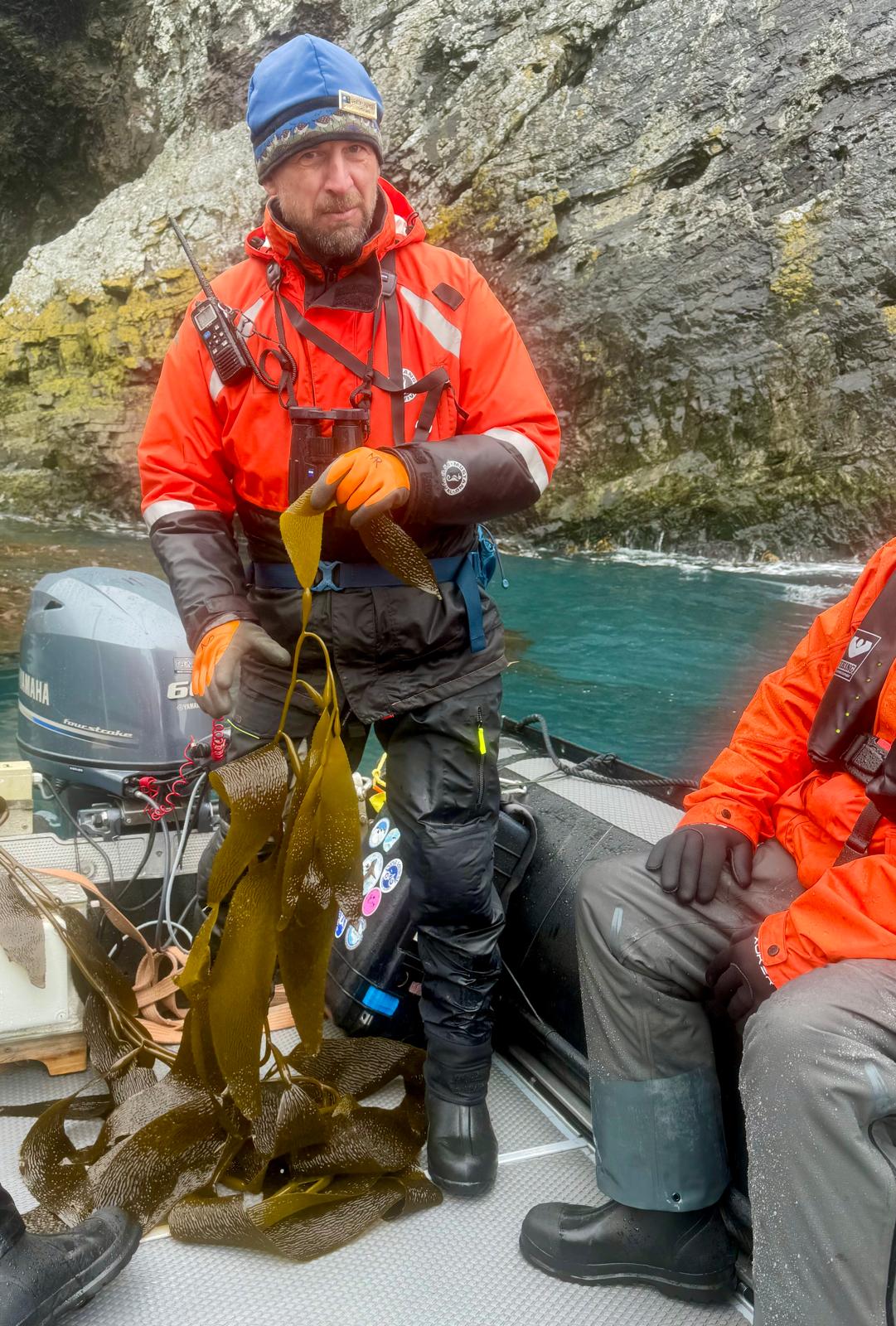
Martin, one of our naturalists, explaining all about Giant Kelp. There is also Bull Kelp in the area
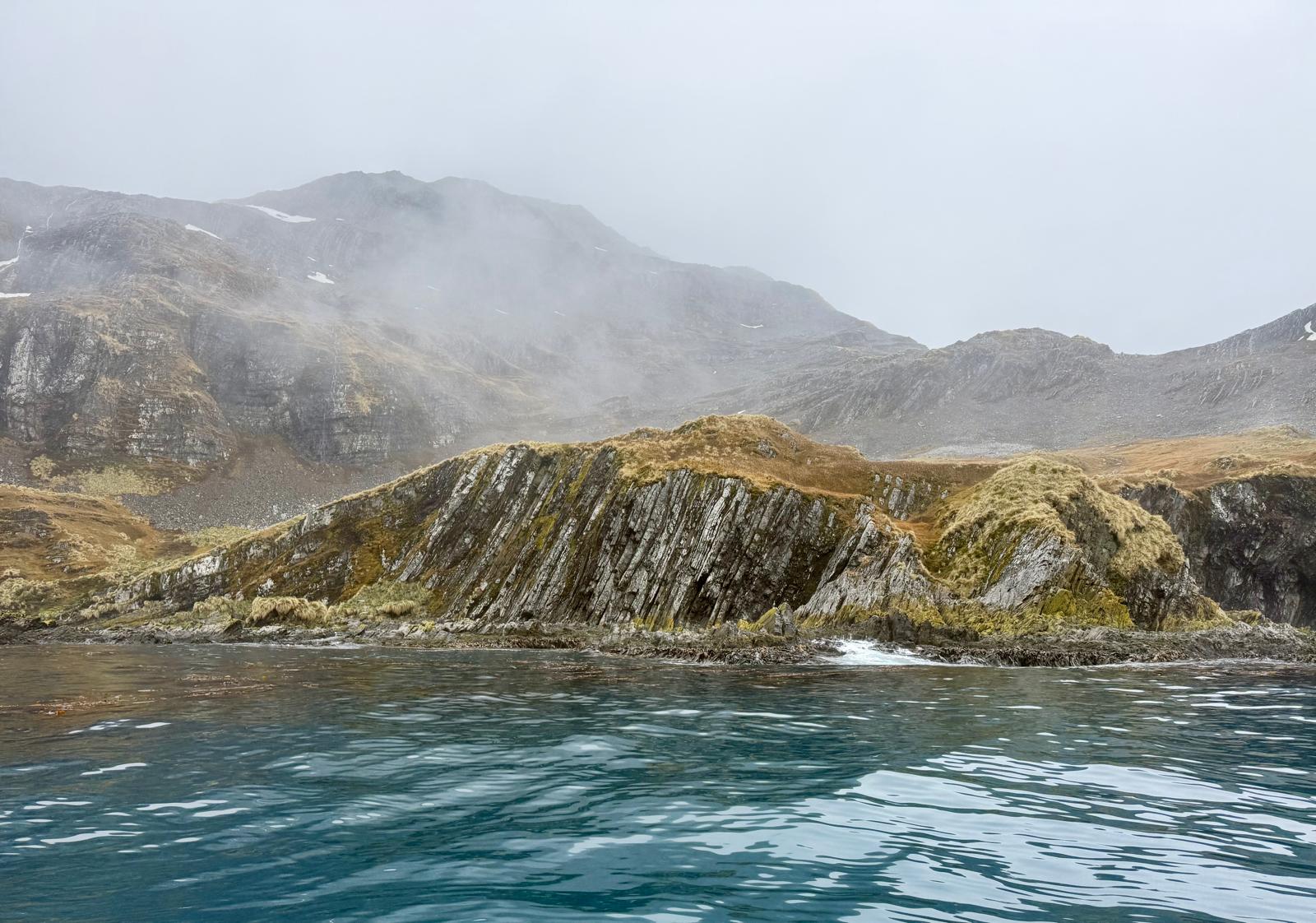
There are some incredible geologic features in the area
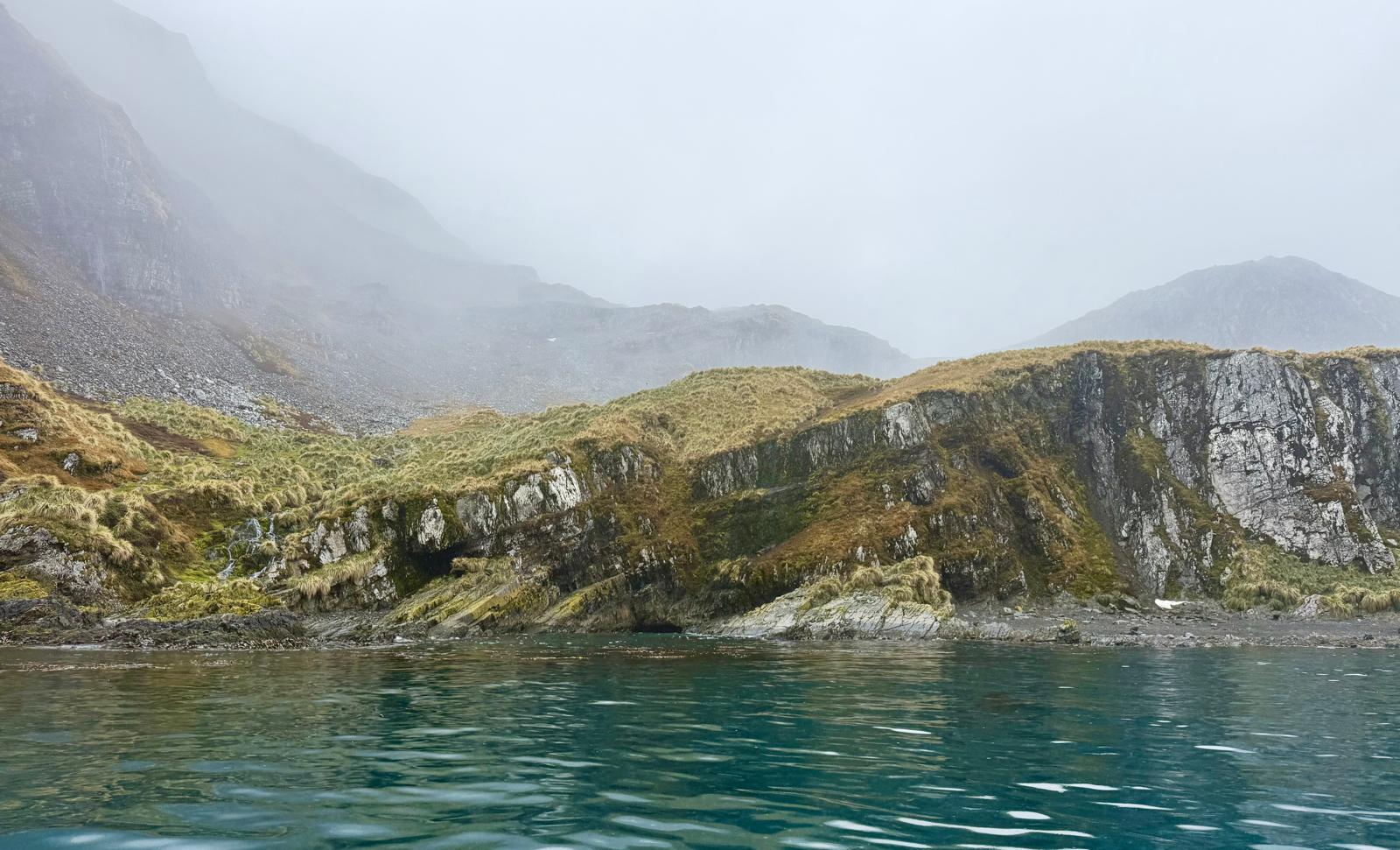
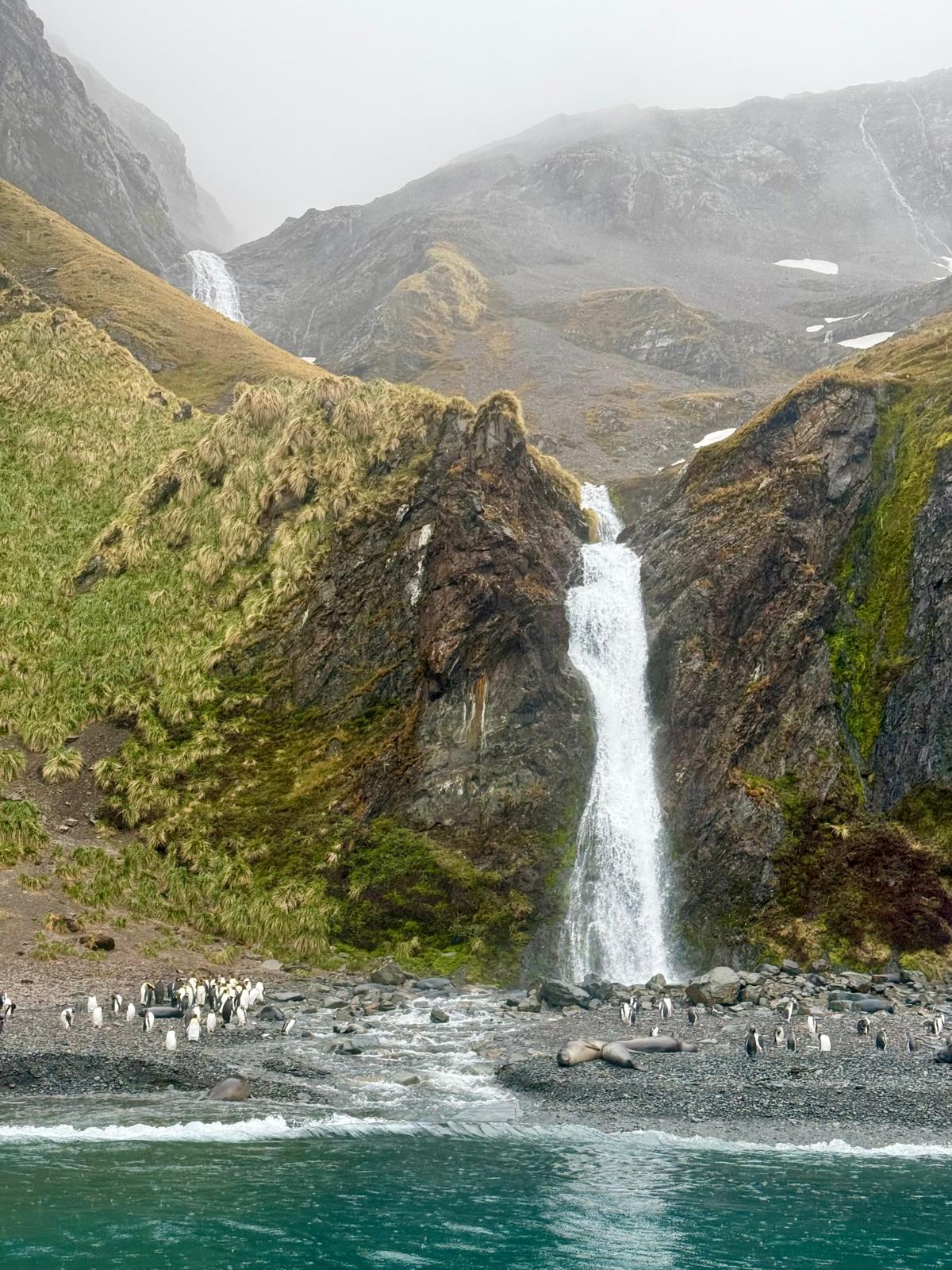
King Penguins, Gentoo Penguins, Elephant Seals
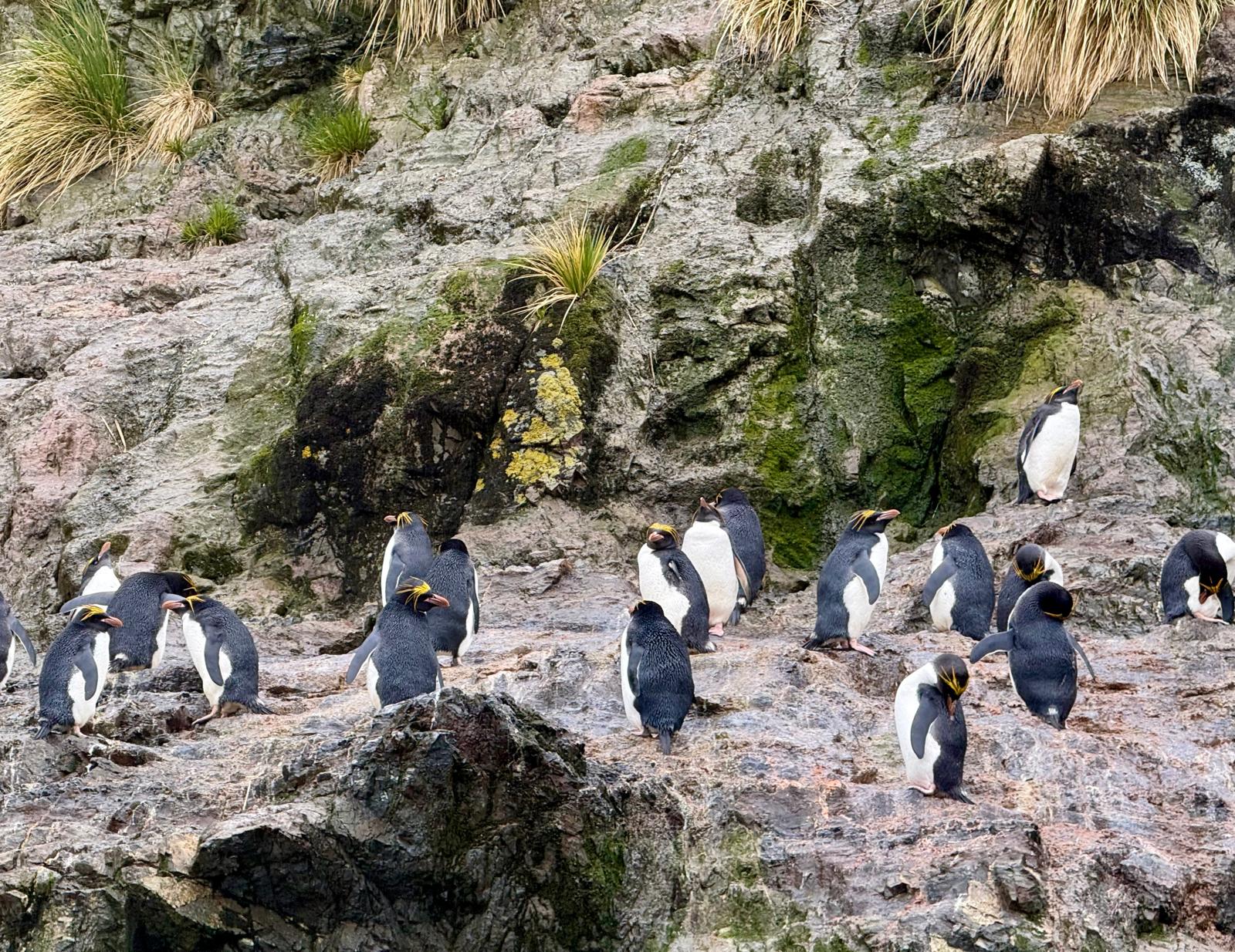
Macaroni Penguins
What an amazing trip! Can’t believe the calm weather you’ve had. Your excitement at being there comes through your narrative and the photos are stunning. Thank you both for another enlightening blog.
That’s serious adventure tourism and definitely not your typical tourist destination.
Thanks for sharing your off the beaten track adventure.
Thank you – interesting with great pictures!! Can understand your fascination….
Spectacular what a trip, scary the number of whales that were slaughtered, photos up to your great standards thank you