Thursday 12 November 2026: La Paz to Buenos Aires – Sylvia
A long travel day today with another fairly early start. We met Anita and Johnny, our guide and driver, at 6am for our transfer to the El Alto airport. At this hour of the morning the streets were still remarkably quiet so it was an easy drive. Anita supported us through the check in process with both a paper and an online form to complete. We passed through security, then our bags went through a narcotics check, then immigration control and finally we settled into the Priority Lounge to wait for our flight.
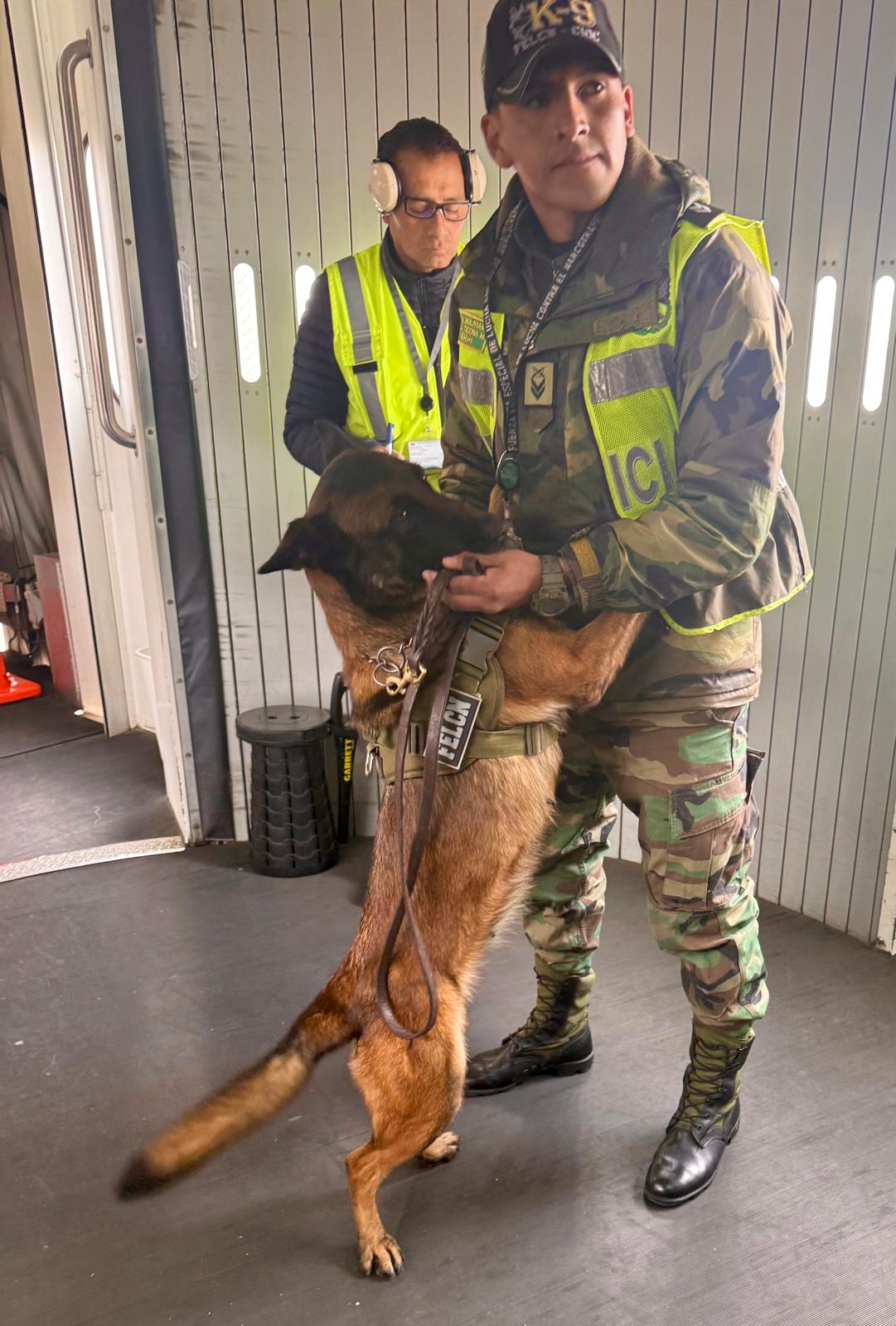
Eventually we headed to the boarding gate and were first in line to board the flight that would take us first to Santa Cruz (we would stay on board) and then on to Santiago. A first for me, we reached the end of the air bridge and were all asked to stop, place our bags on the floor on one side of the air bridge and step back and stand on the other side. After a short wait, a couple of soldiers appeared with a sniffer dog. They walked up and down between us and our bags doing another narcotics check before we were finally allowed to board.
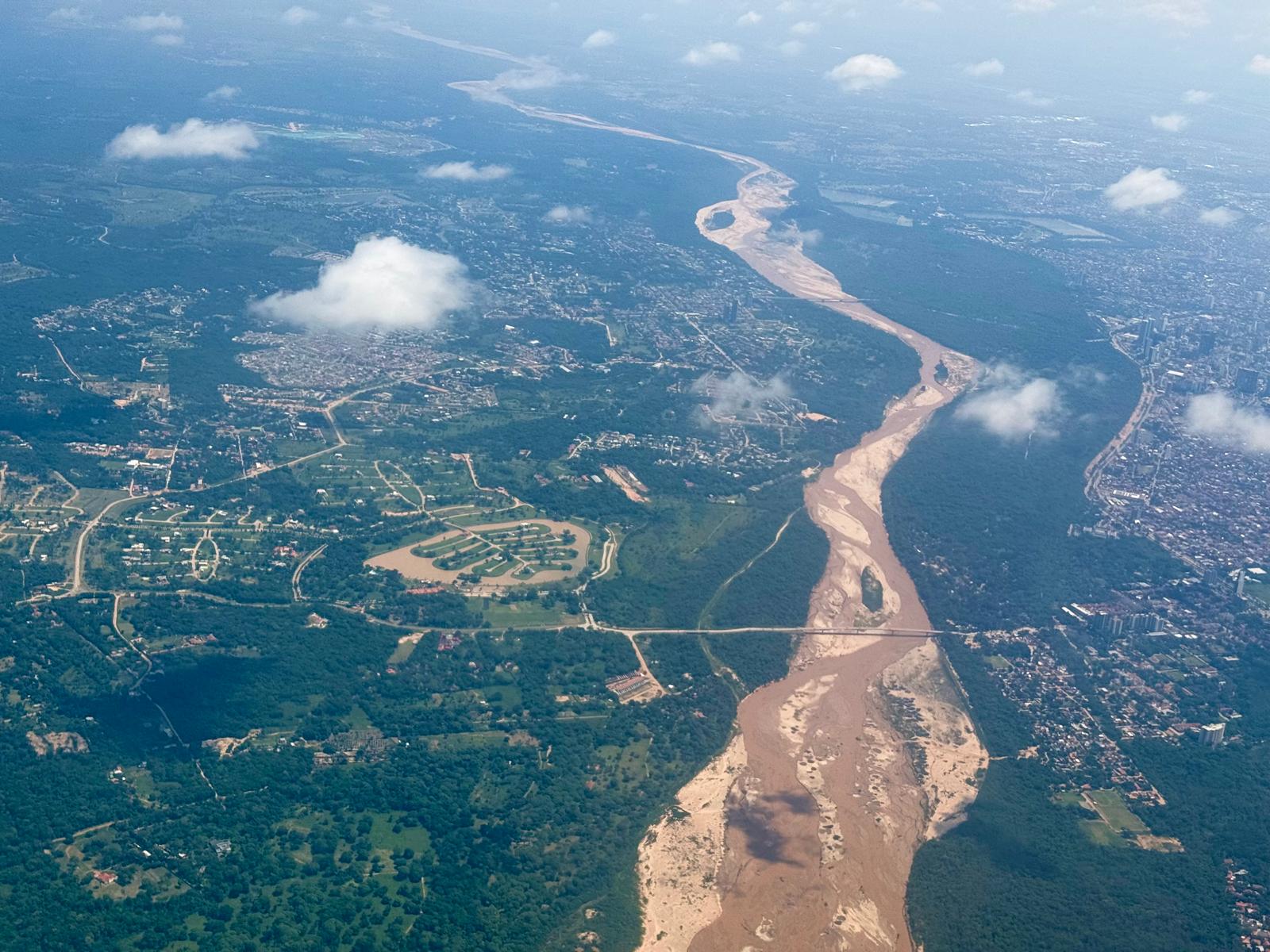
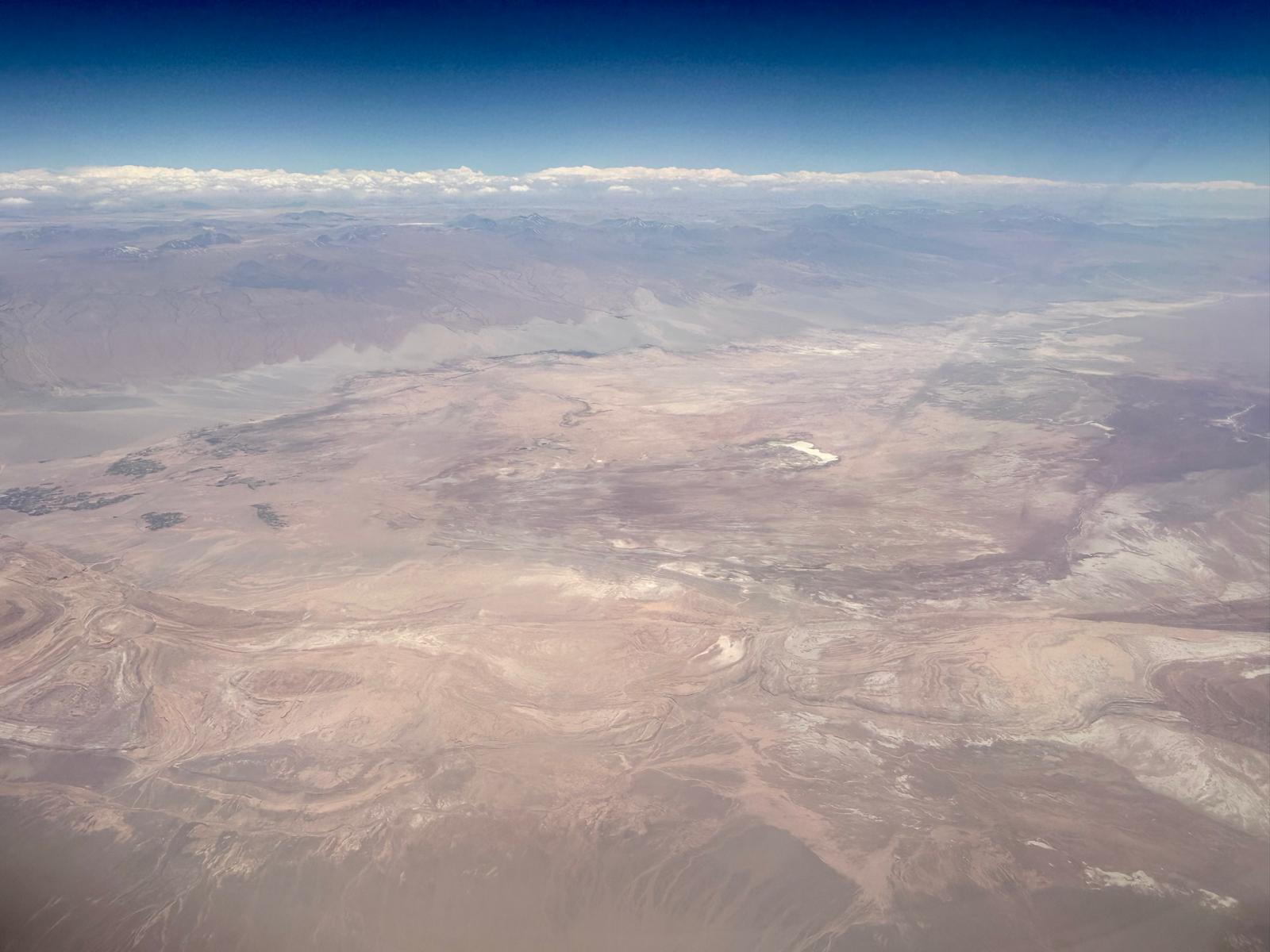
The flights were straightforward, the first leg to Santa Cruz only about 45 minutes. Unfortunately this had taken us in the wrong direction for Santiago so the second leg was about 4 hours. With the 40 minutes on the ground in Santa Cruz it made for quite a long flight. We had only about an hour in the lounge in Santiago before boarding our next flight, just over two hours to Buenos Aires, where we arrived just as the sun was setting.
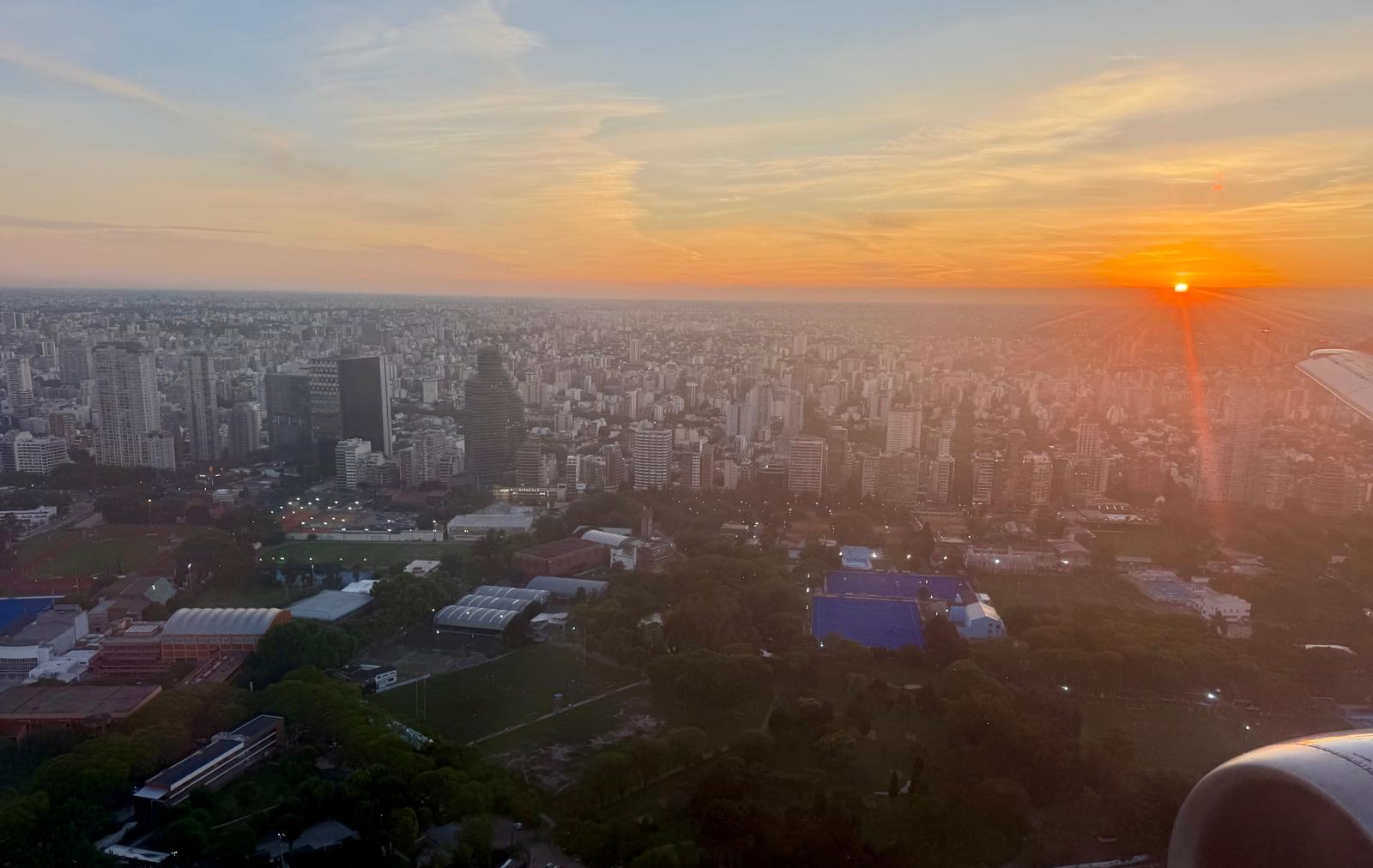
There was quite a long queue for immigration at Buenos Aires but it moved relatively quickly and we caught an Uber to our hotel for the night. Having started in La Paz with a 6am pick up, it felt like a long day by the time we checked into the hotel at about 9pm. We had arrived too late to meet the crew from the National Geographic Endurance but they had left us good instructions. We got our suitcases organised and dropped them outside our door for pickup, completed the little bit of required paperwork and then headed to bed.
Friday 13 November 2026: Buenos Aires to Ushaia – Roger
We woke just before 6am having slept really well, with blood oxygen levels back in the high 90s. Over the last few days at altitude they’ve been sitting around 85%. Heading down for breakfast at 7am we met up with Steven and Karen, our good friends from NZ, who are accompanying us on the next part of our journey.
At 8am we jumped on the first bus and headed to the airport as we had to go and check our bags in, not having been able to sign for them last night. We then found our way into a Priority Lounge, where we relaxed until it was boarding time. At about 9:50 the chartered 737 lifted off and headed south towards Ushuaia.
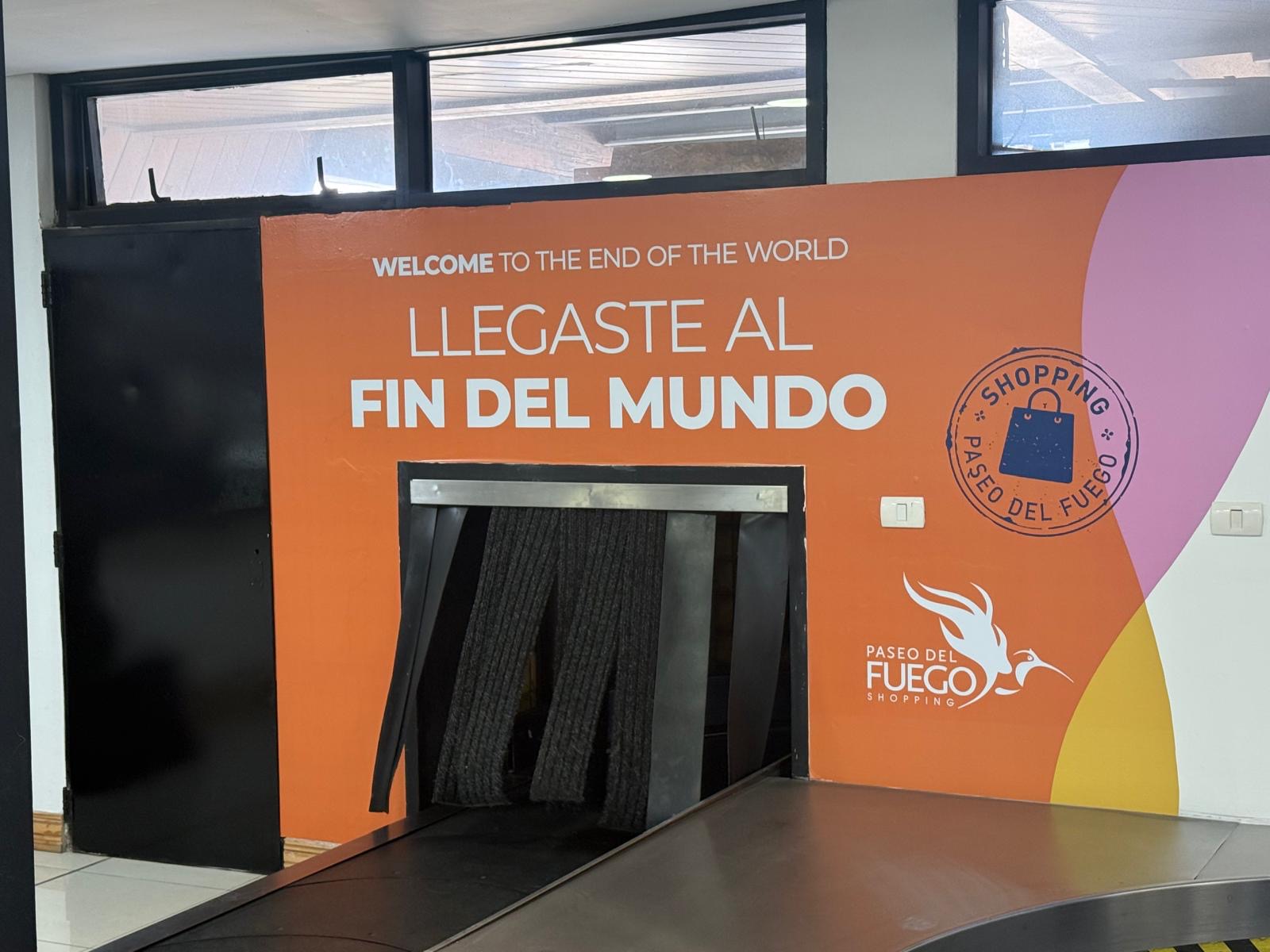
The flight was pretty smooth, with a meal served along the way, until we started to descend for a landing at Ushuaia. At that point it got a little bit bumpy, to the point that you could feel the seatbelt holding you in the seat. In spite of that, the landing was pretty smooth and soon we were off the aircraft and waiting for our baggage to appear on the conveyor. Interestingly the sign here said welcome to the end of the world.
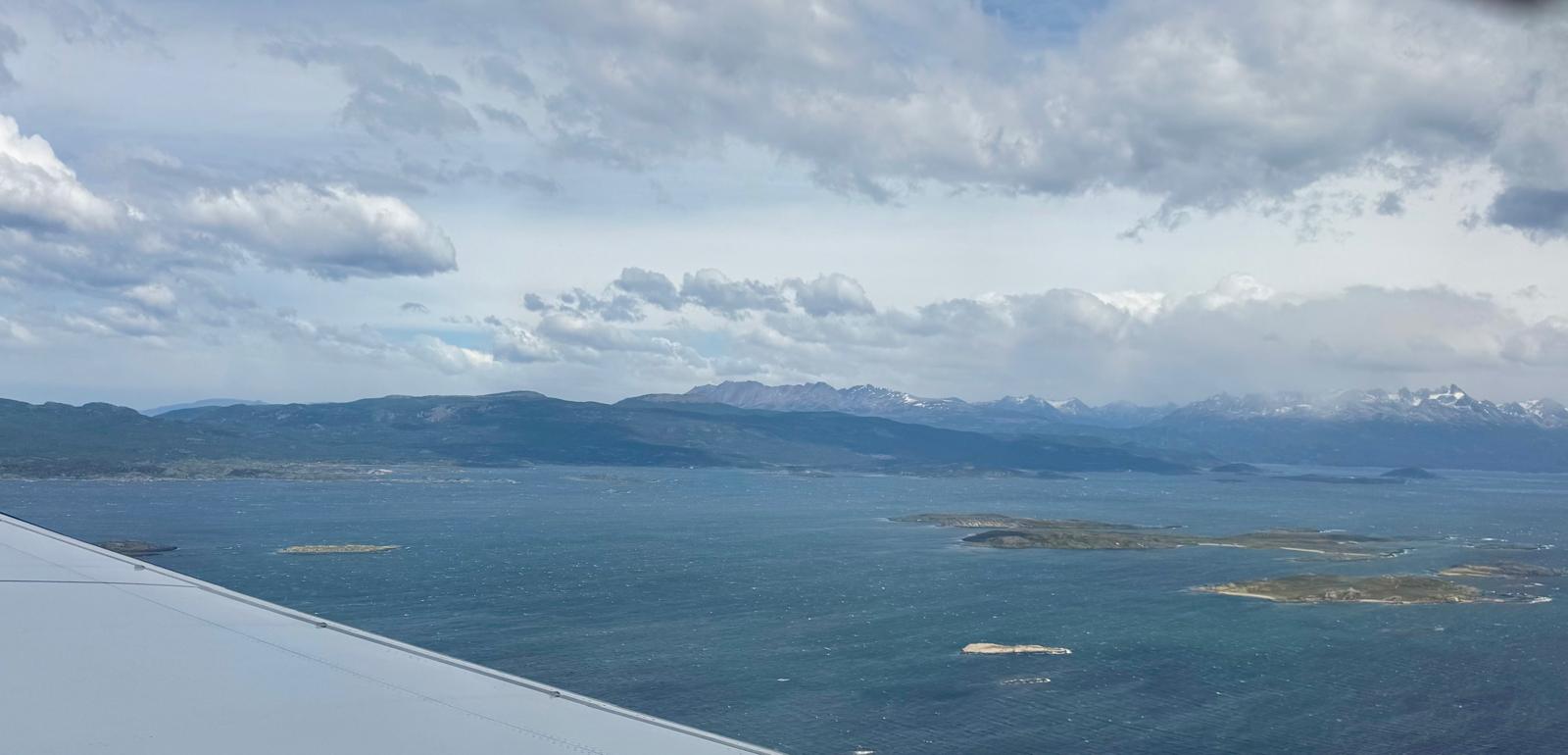
Having collected our bags and passed them to the porters to transfer to the ship, we mounted bus number two and were driven through the town to the wharf where we mounted a catamaran for a lunchtime cruise. After we’d been sitting there for some time and munching on some rather nice food, I was about to say ‘looks like we’re just gonna have lunch here and get back on the bus’. At that point it was announced that that is exactly what we were doing. Apparently with the high winds it was too rough for the catamaran cruise.
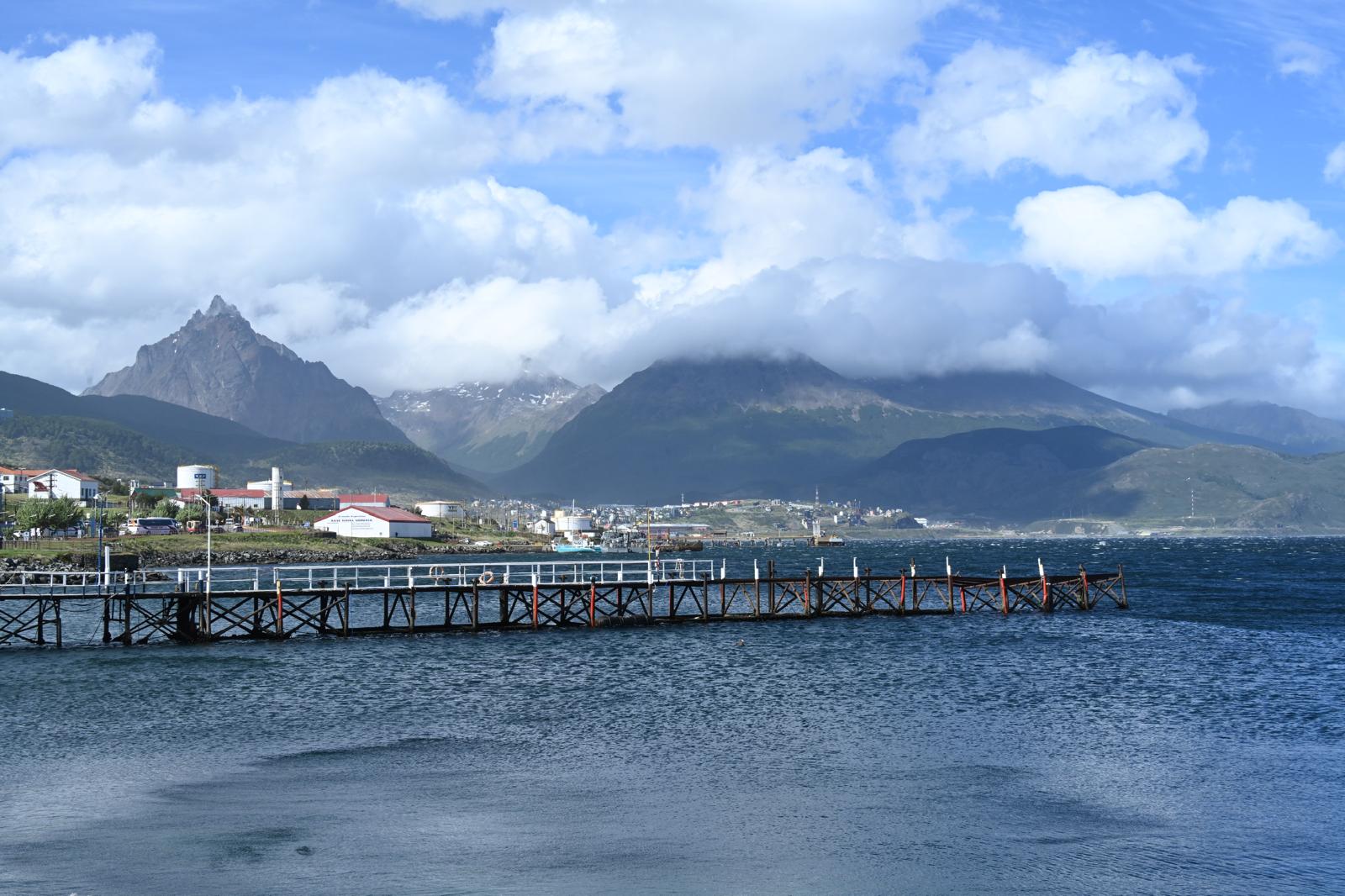
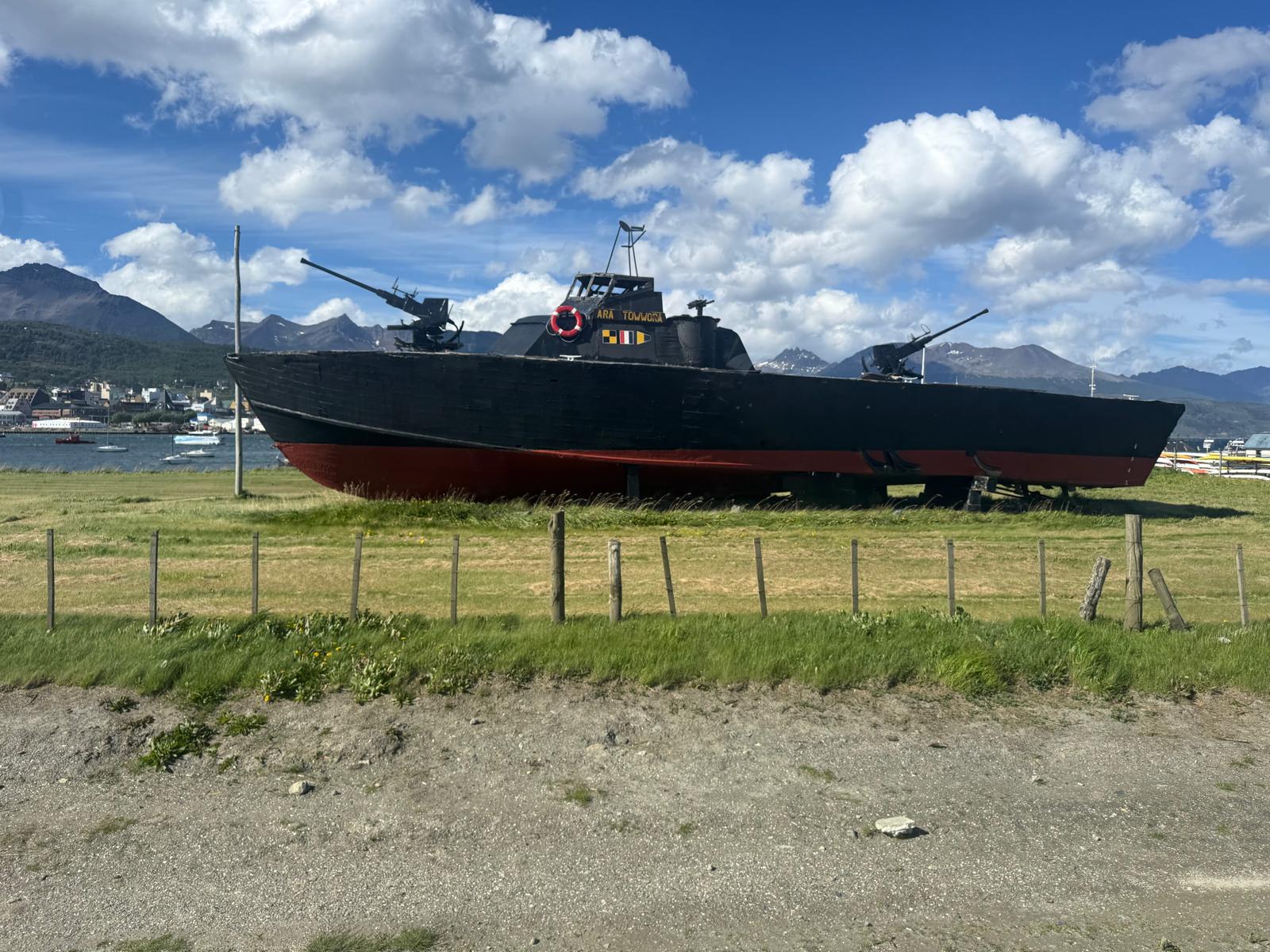
Having finished our lunch we hopped back on the bus and did a bit of a tour back through the town. They don’t seem to be very good with ships here as there was one boat that was kind of grounded on a reef type of thing and then, near the naval yard, there was another boat parked in a paddock, complete with machine guns and all.
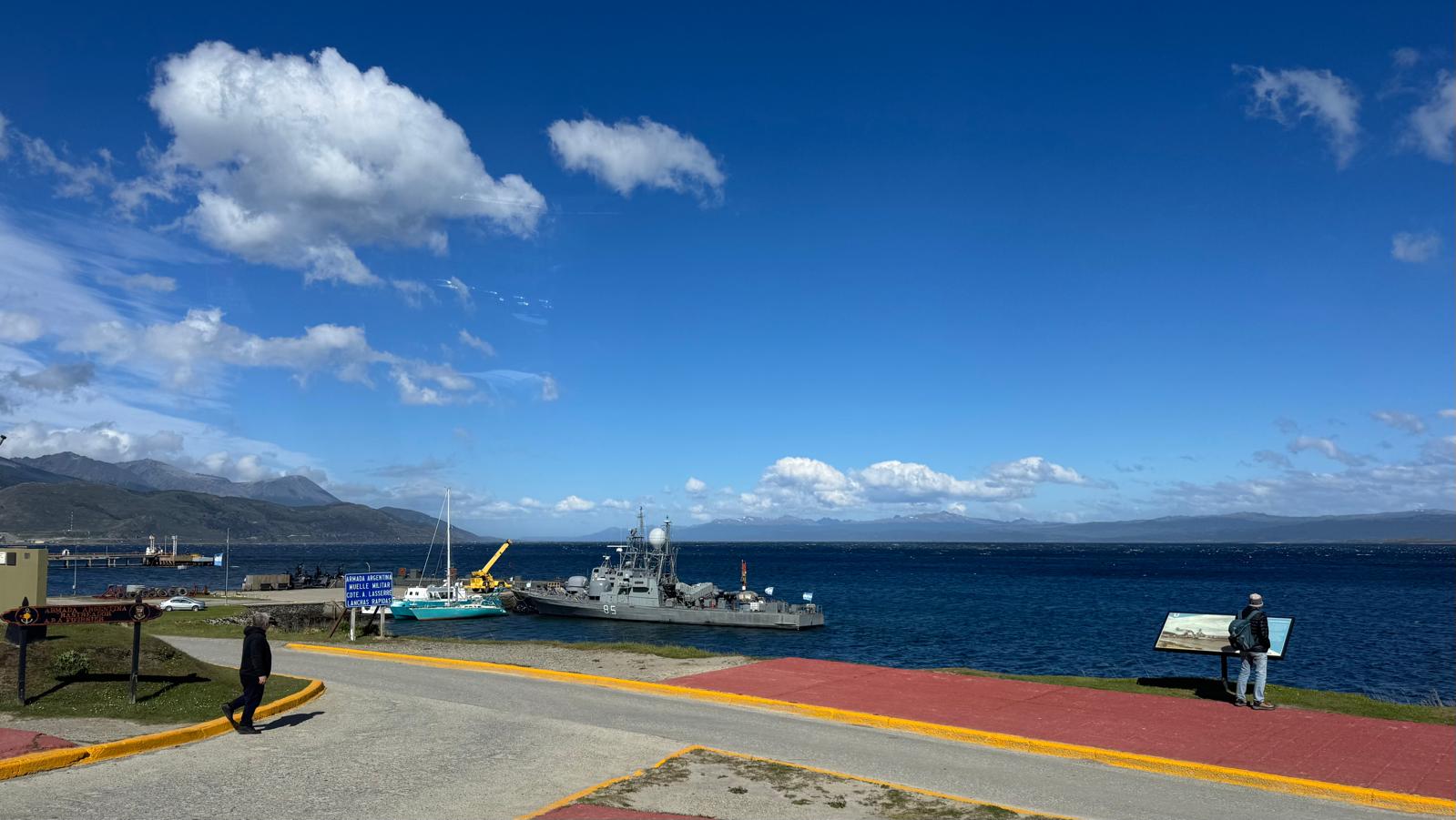
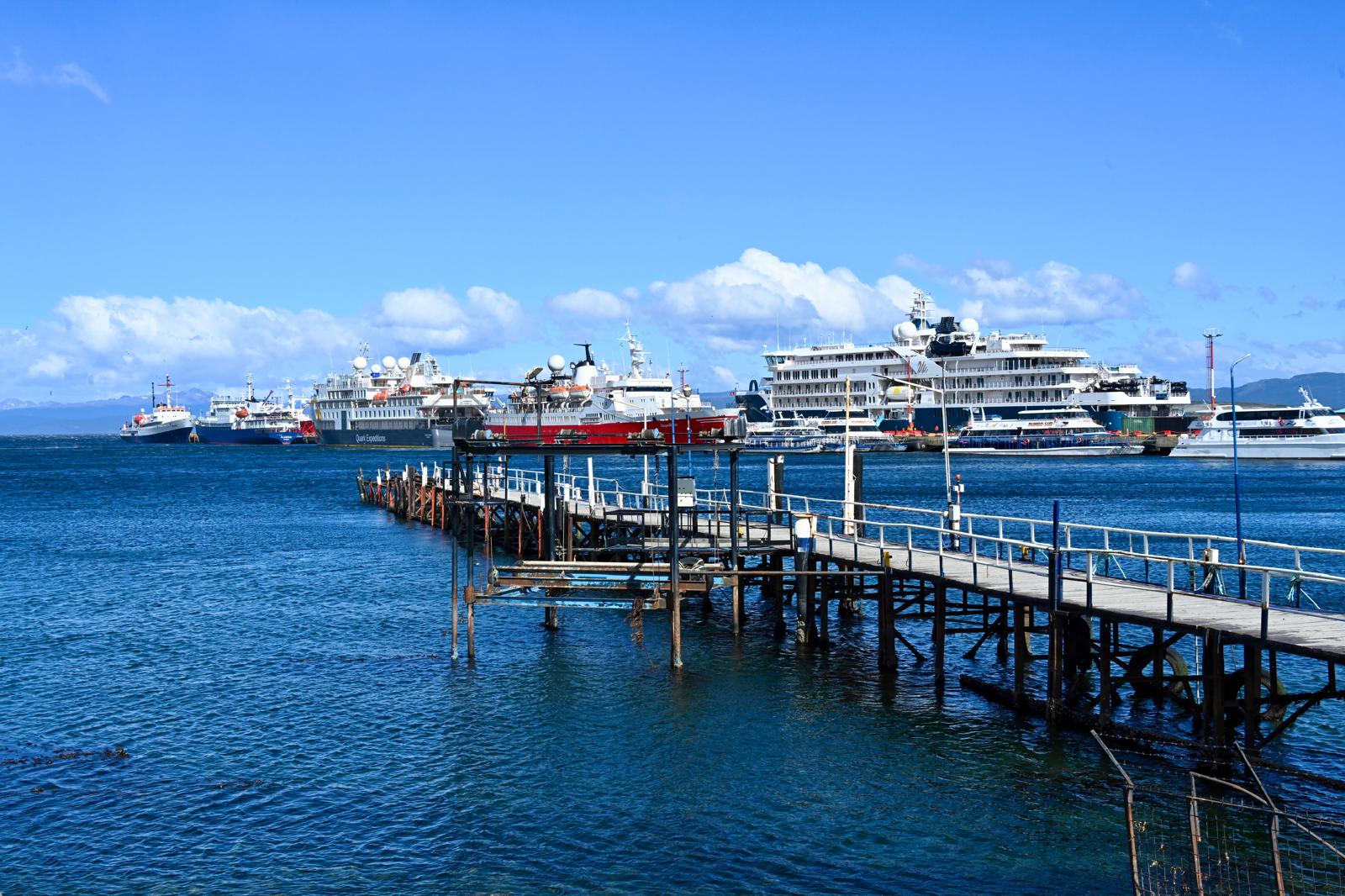
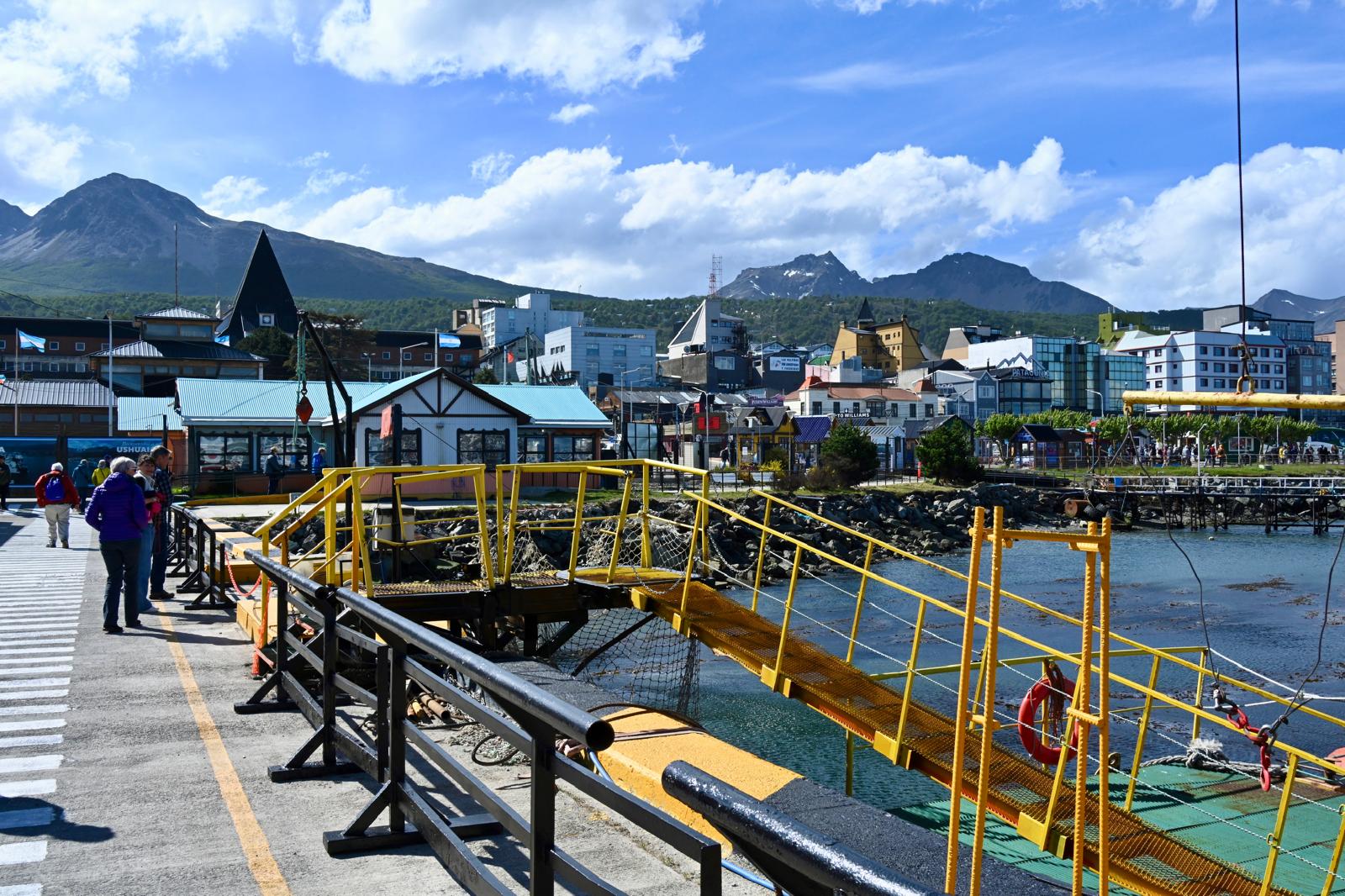
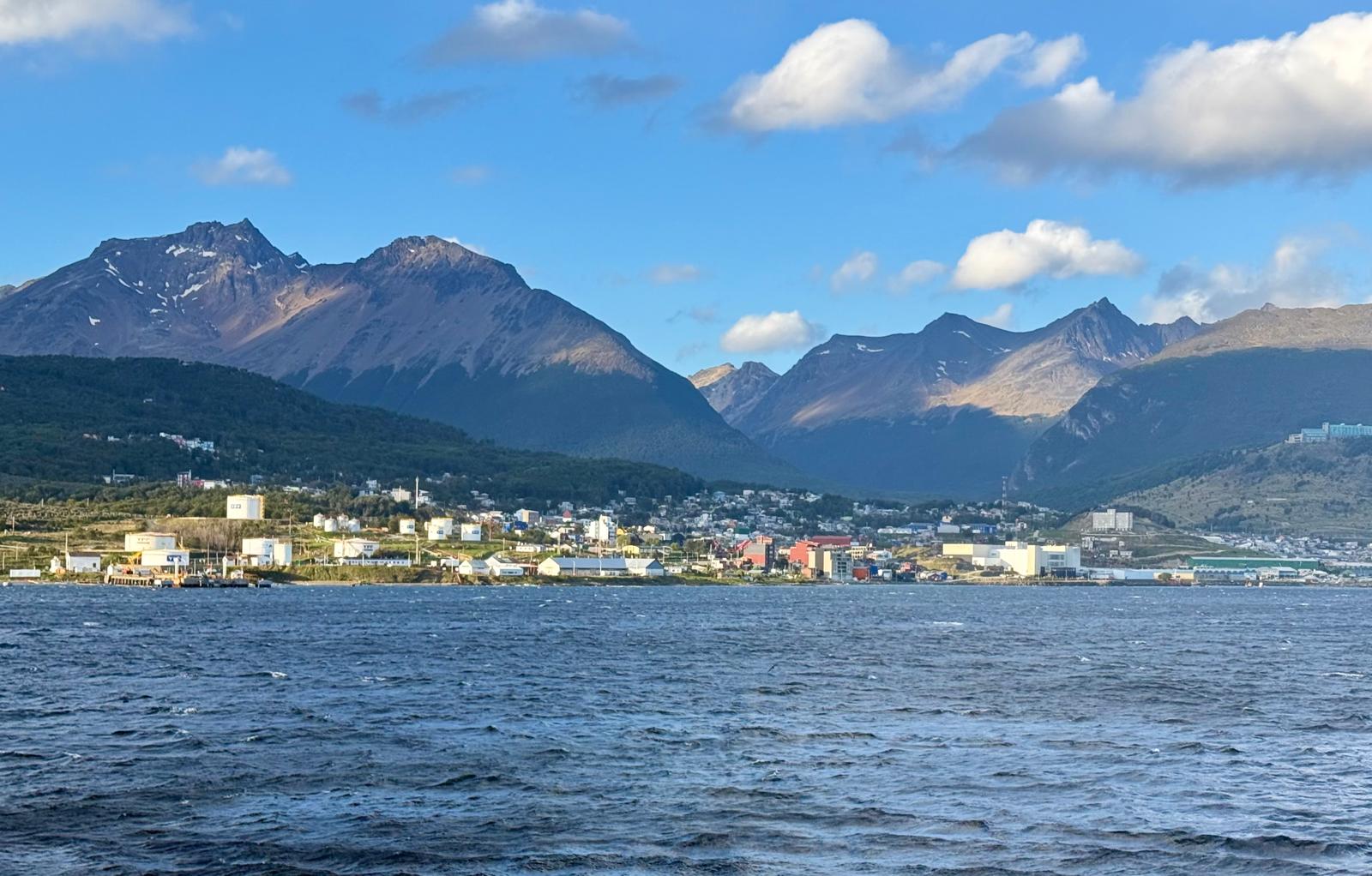
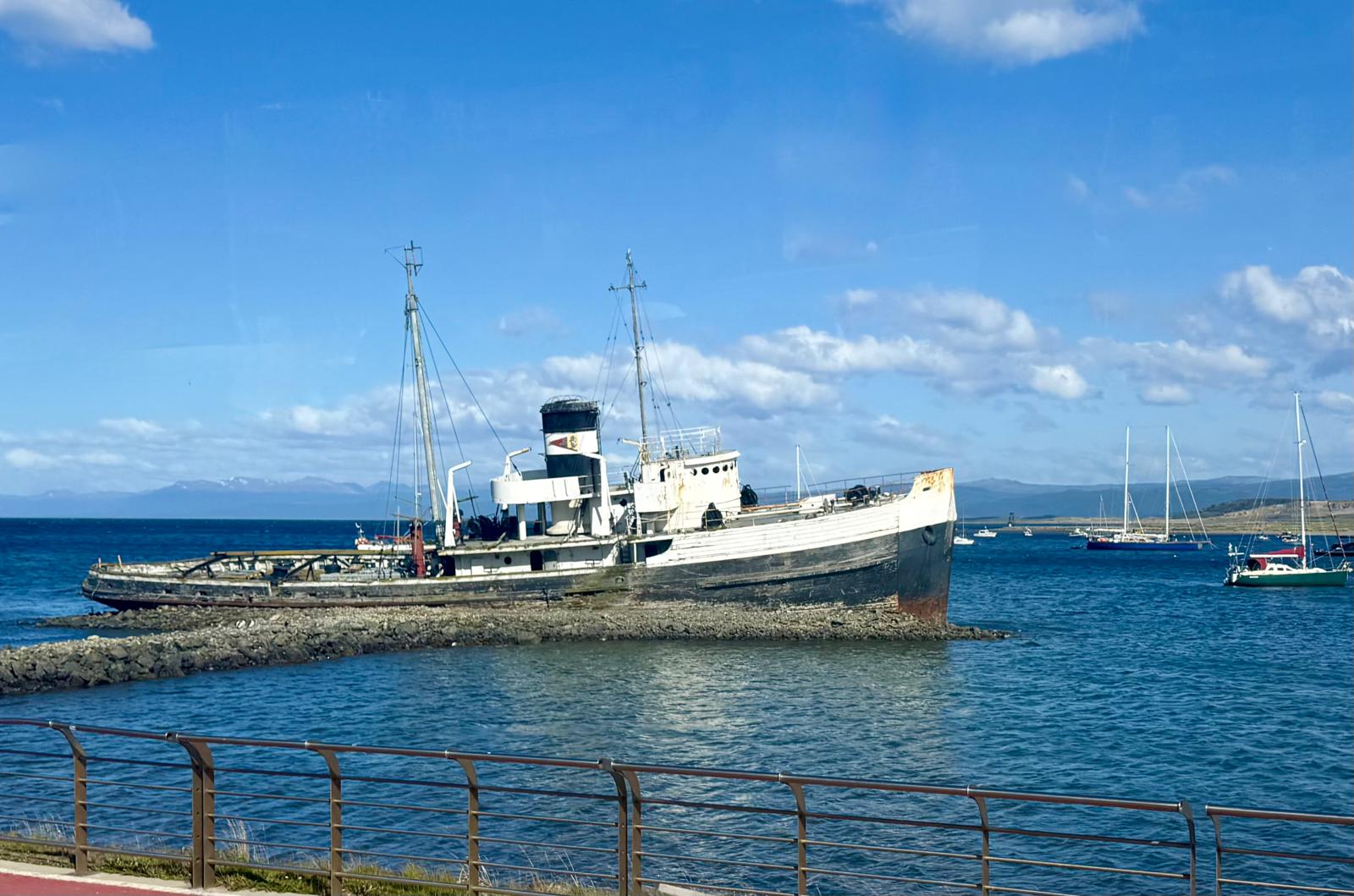
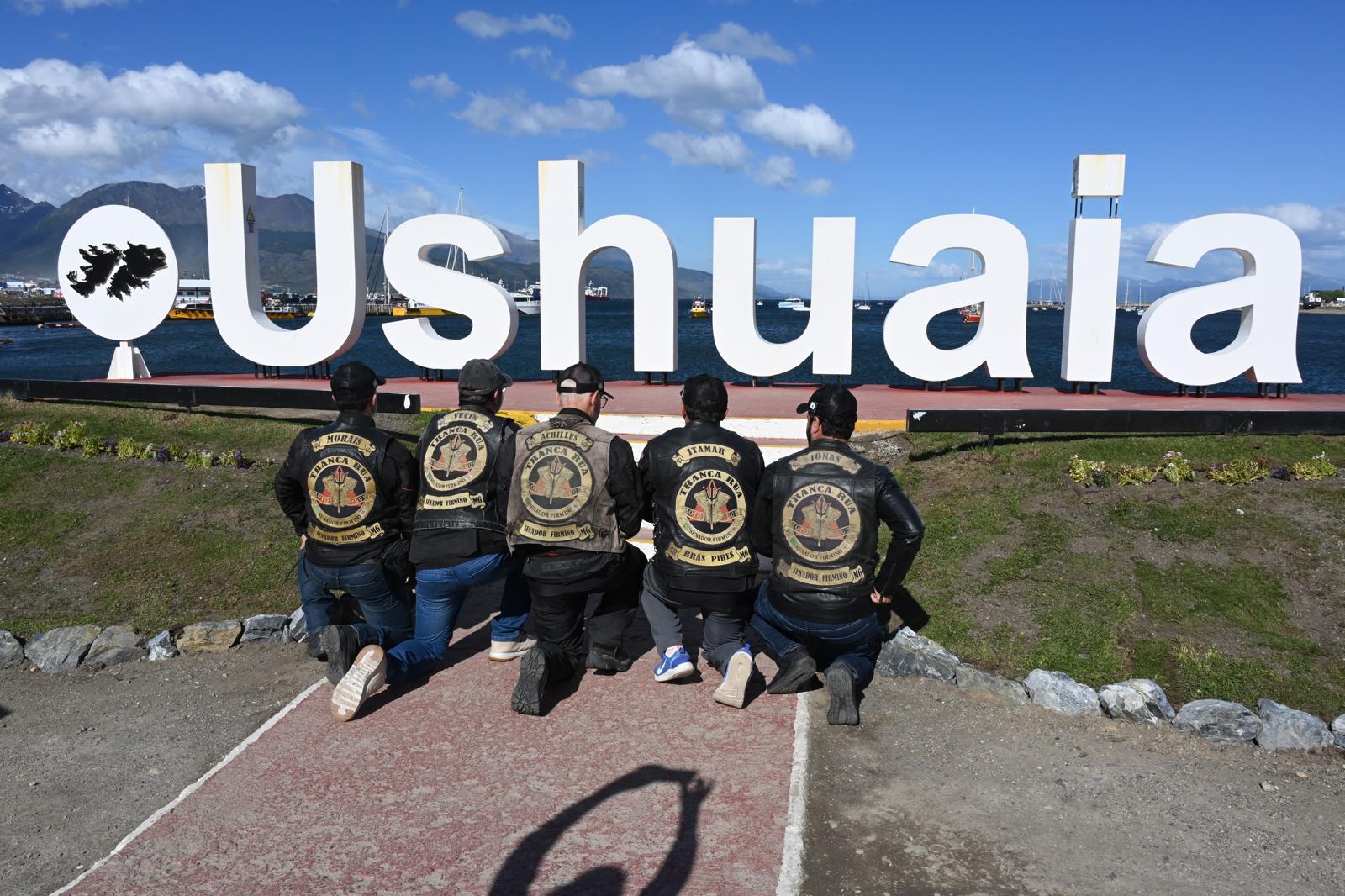
On the way back towards the wharf we stopped at the Ushuaia sign. There were a bunch of bikers with a selection of bikes from BMW, Honda and Triumph. These guys had ridden all the way down from Brazil and were about to go out tonight and celebrate the end of their journey I presume they have to ride all the way back again but good on them. They gave me one of the stickers they had had made for the ride.
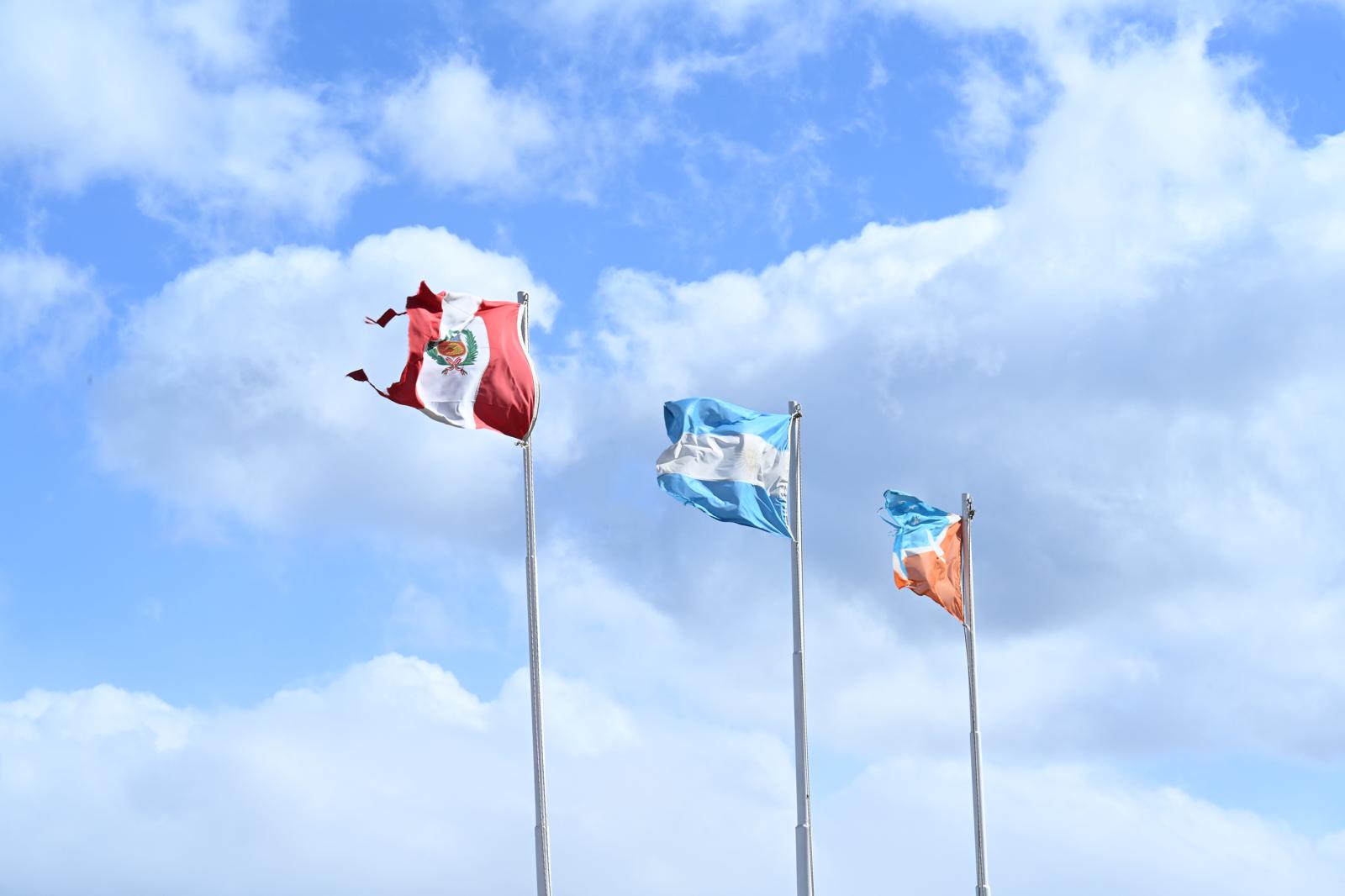
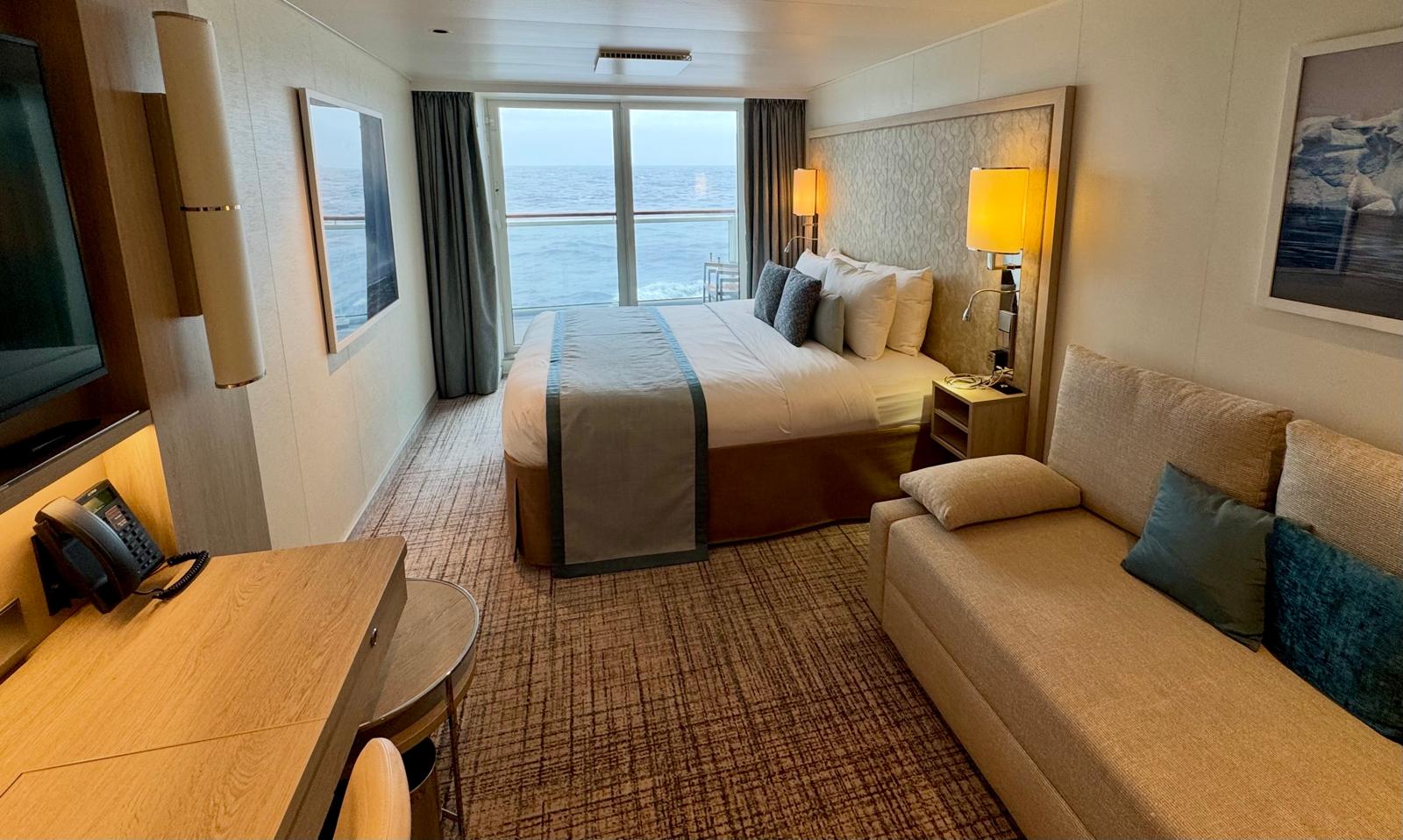
It was about 5 pm when the bus pulled up at the wharf alongside the National Geographic Endurance. Soon we were on board and settled in the same cabin that we had in Greenland a couple years ago, number 515, with Steven and Karen right across the corridor. Over the next couple of hours we went through the safety drills, where we all had to get our lifejackets and head up to the lounge and were then led in groups to the lifeboats. Steve and I even hung around to have a look inside the lifeboats after the drill was over. Each lifeboat takes 60 people so the four of them can carry all the passengers and crew. Plus they have a number of life-rafts.
At about 6:30pm we headed back to the lounge and were given a briefing and introduced to all the important people on the boat, including the ship’s doctor, the chef and various others.
Sylvia skipped dinner and I joined Steve and Karen to share the well prepared buffet. By the time dinner was over we were well underway, heading east through the Beagle channel, named after the first ship that came through here. The passage was discovered in 1830, along with the local population, who basically ran around pretty much naked in spite of the somewhat cool temperatures in this part of the world. They must’ve been tough buggers.
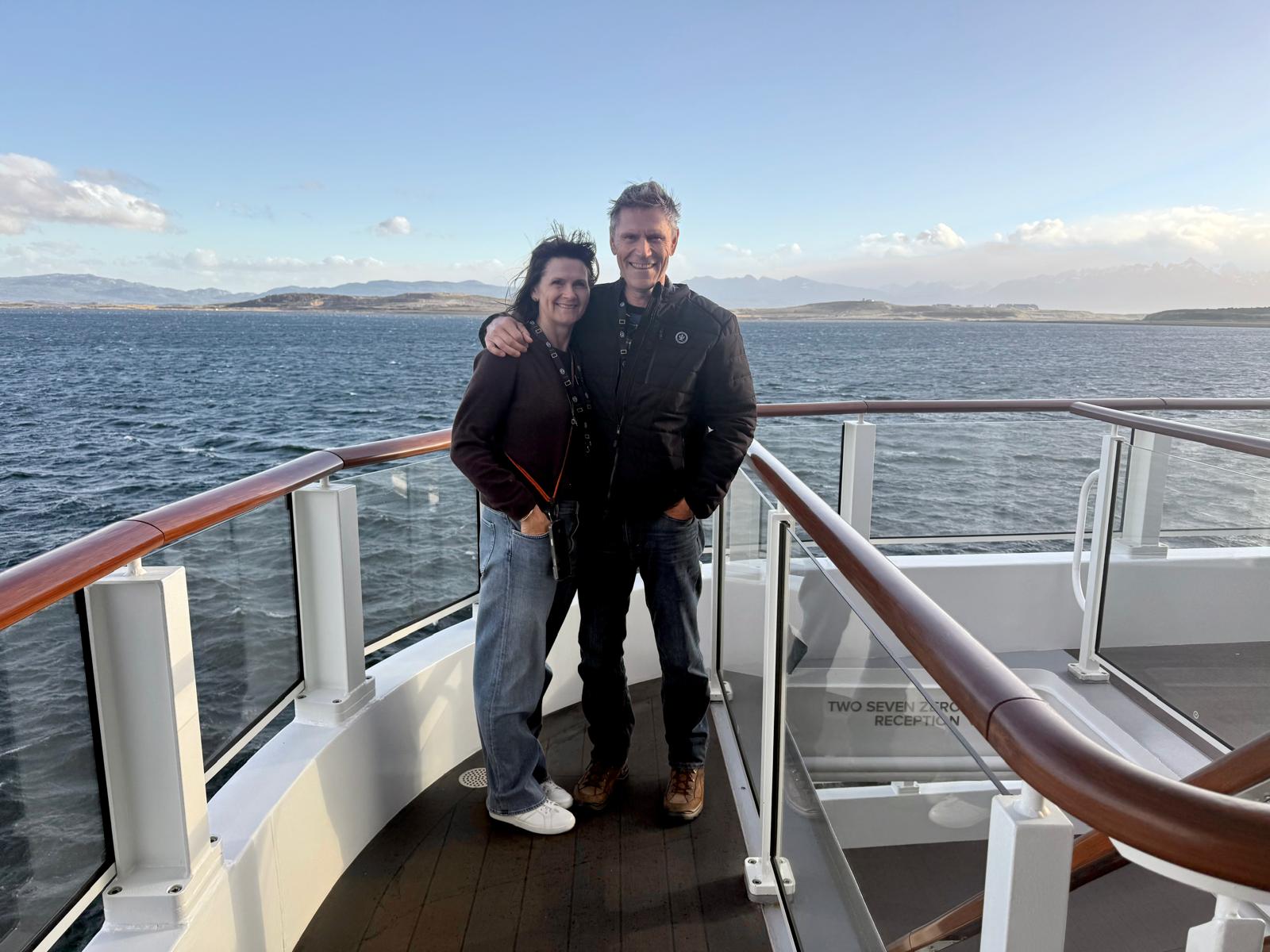
Our friends, Steve and Karen
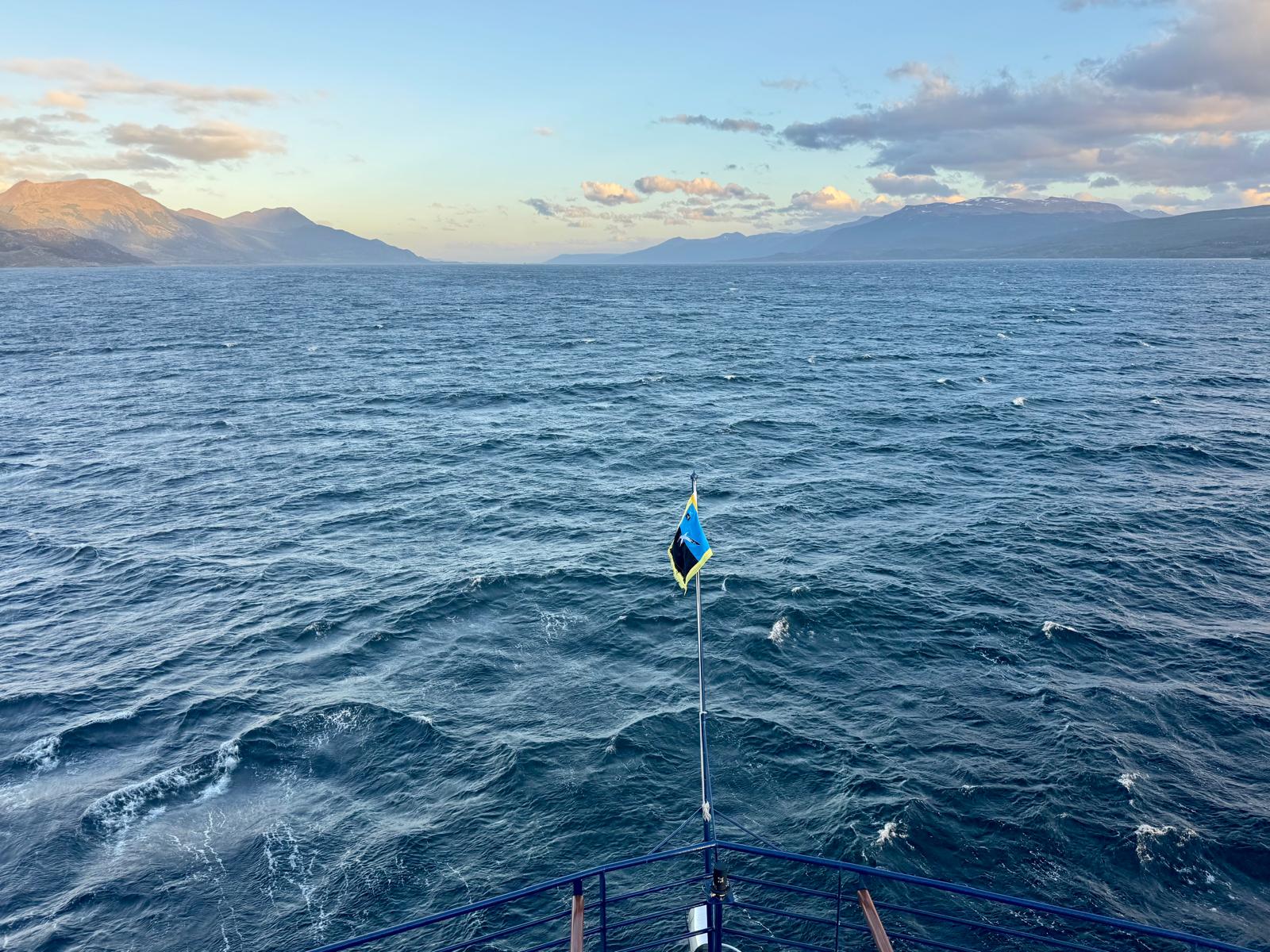
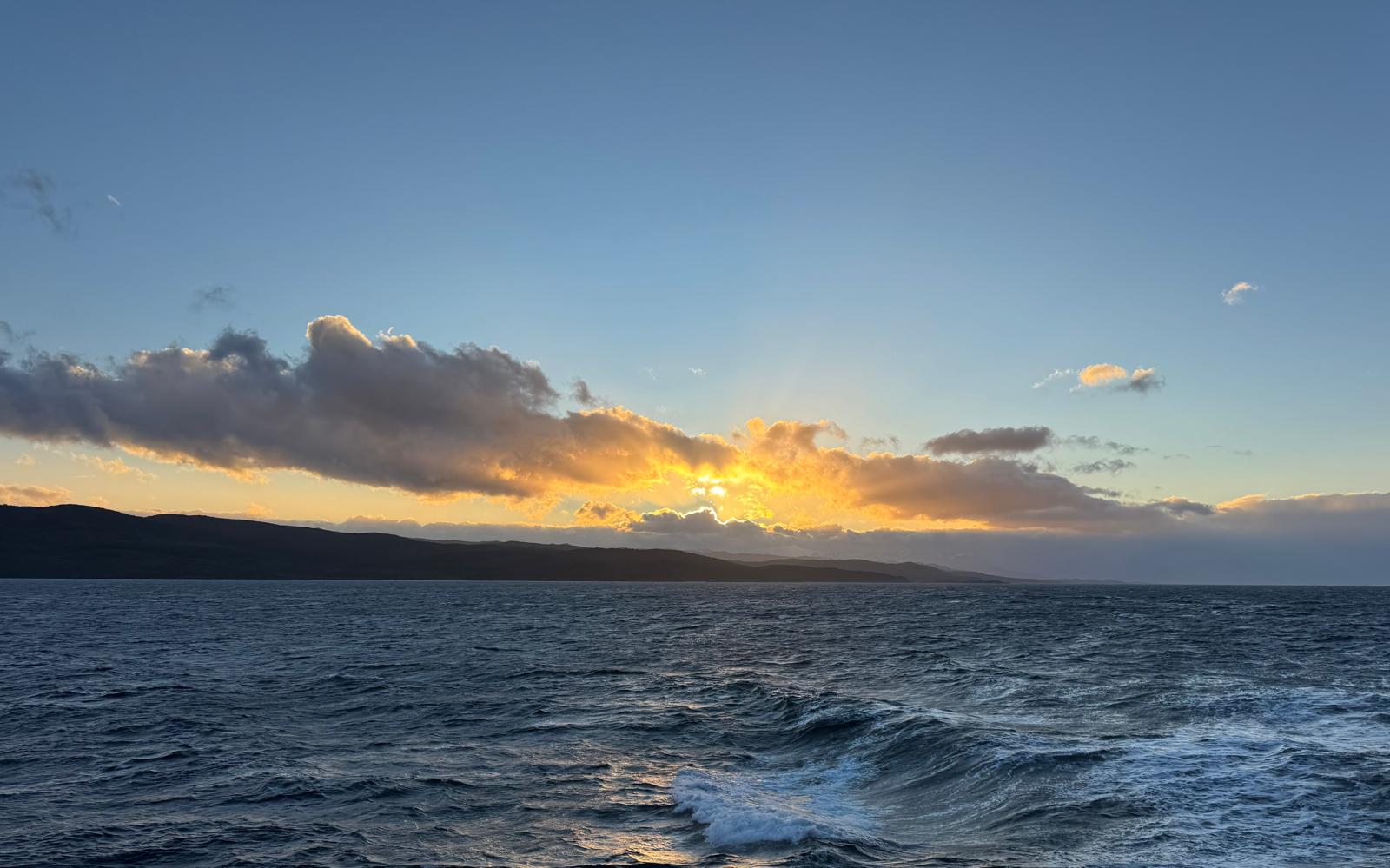
It’s 21:45 as I’m writing this and we still have a couple of hundred kilometres to go before we clear the peninsula at the tip of South America.
Saturday 14 November 2026: At Sea – Sylvia
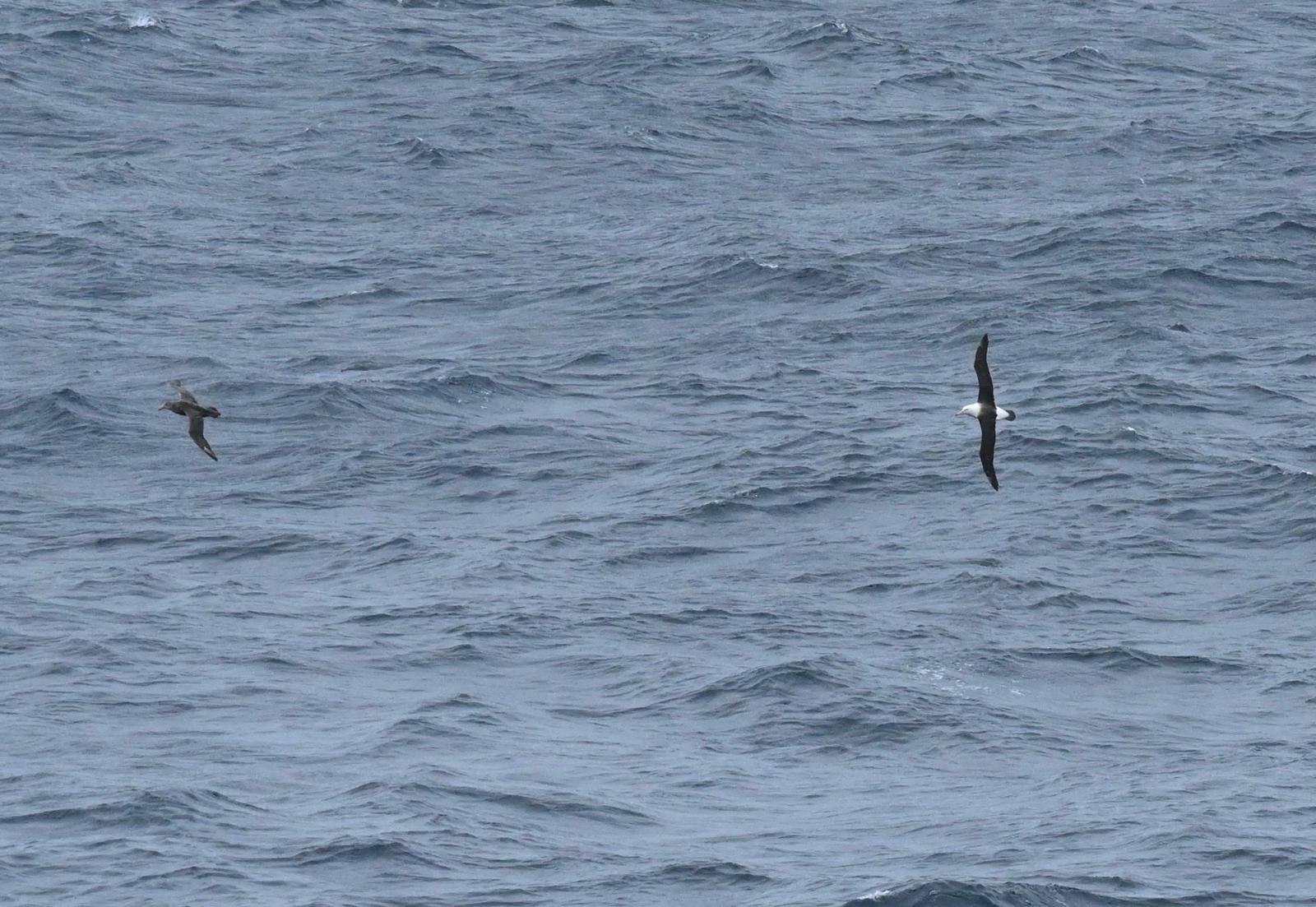
Today was the first full day of our voyage south and a full day at sea, travelling northeast from Ushaia towards the Falkland Islands. I woke at about 6:45am after an excellent night’s sleep, despite the rolling motion of the boat. Seas are fairly smooth with only about 3m swells, even though there is a pretty strong wind blowing. I headed straight up to the spa area on deck 8 aft, for a morning stretch class. There is something very pleasant about starting the day this way, looking out at the ocean and watching the birds soaring behind the ship.
Sea days are always full of informative lectures and today was no exception. After breakfast in the main dining room, we headed to the Ice Lounge for the first of these. Peter, our expedition leader, introduced the exceptionally experienced and qualified expedition team, including National Geographic photographer, Macduff, a photographic expert, Cookie, from Australia, geologists, archaeologists, bird specialists, marine mammal specialists, undersea specialists and more. Based on these introductions we are in for some really informative and interesting lectures over the next three weeks.
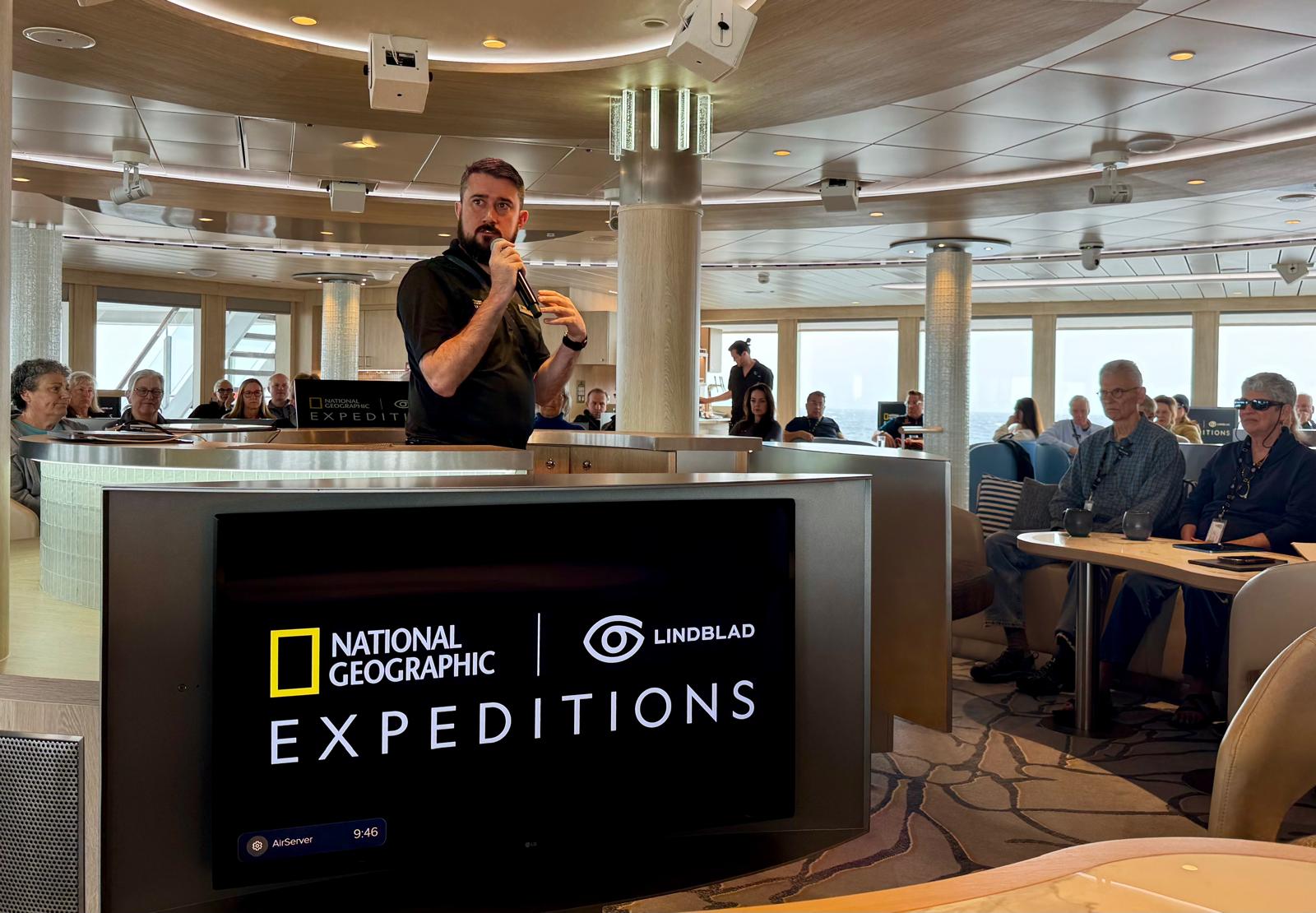
Expedition Leader, Peter
After a short break, during which I did my first eight laps (one mile) around the observation deck, stopping regularly to admire the sea birds, mainly giant petrels, but also pintado petrels, black-browed albatross and even the magnificent royal albatross, we headed back to the Ice Lounge for an i-Phone photography lecture. I have attended lectures on this subject before but picked up more information today than I have before. Am looking forward to trying out some of the new tips and tricks over the course of the journey. Roger took the following photos on the big camera. With the movement of the boat and the speed of the birds it is not easy to capture these impressive flyers. We’ll have a lot more practice over the next few weeks.
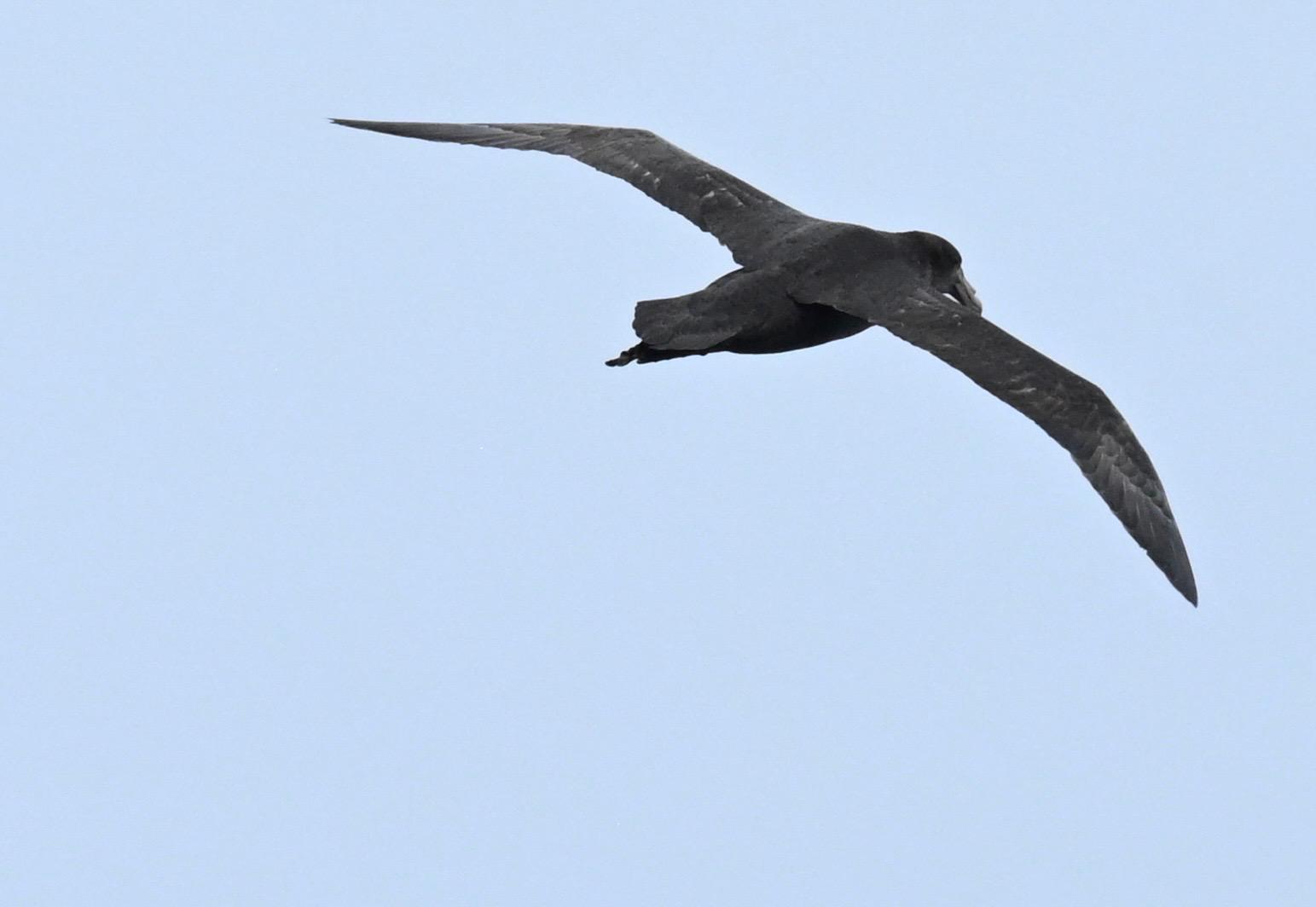
Giant Petrel
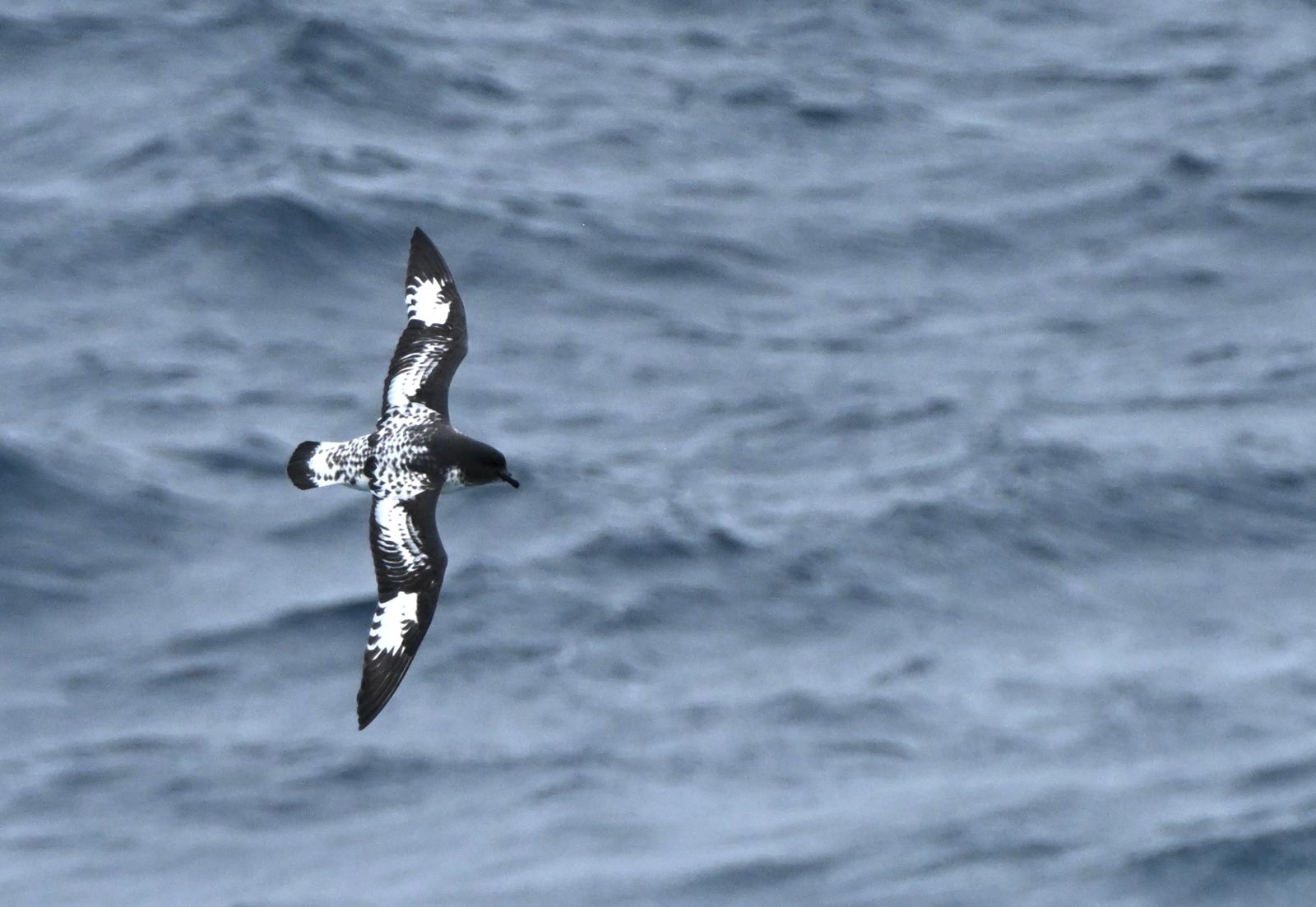
Pintado Petrel
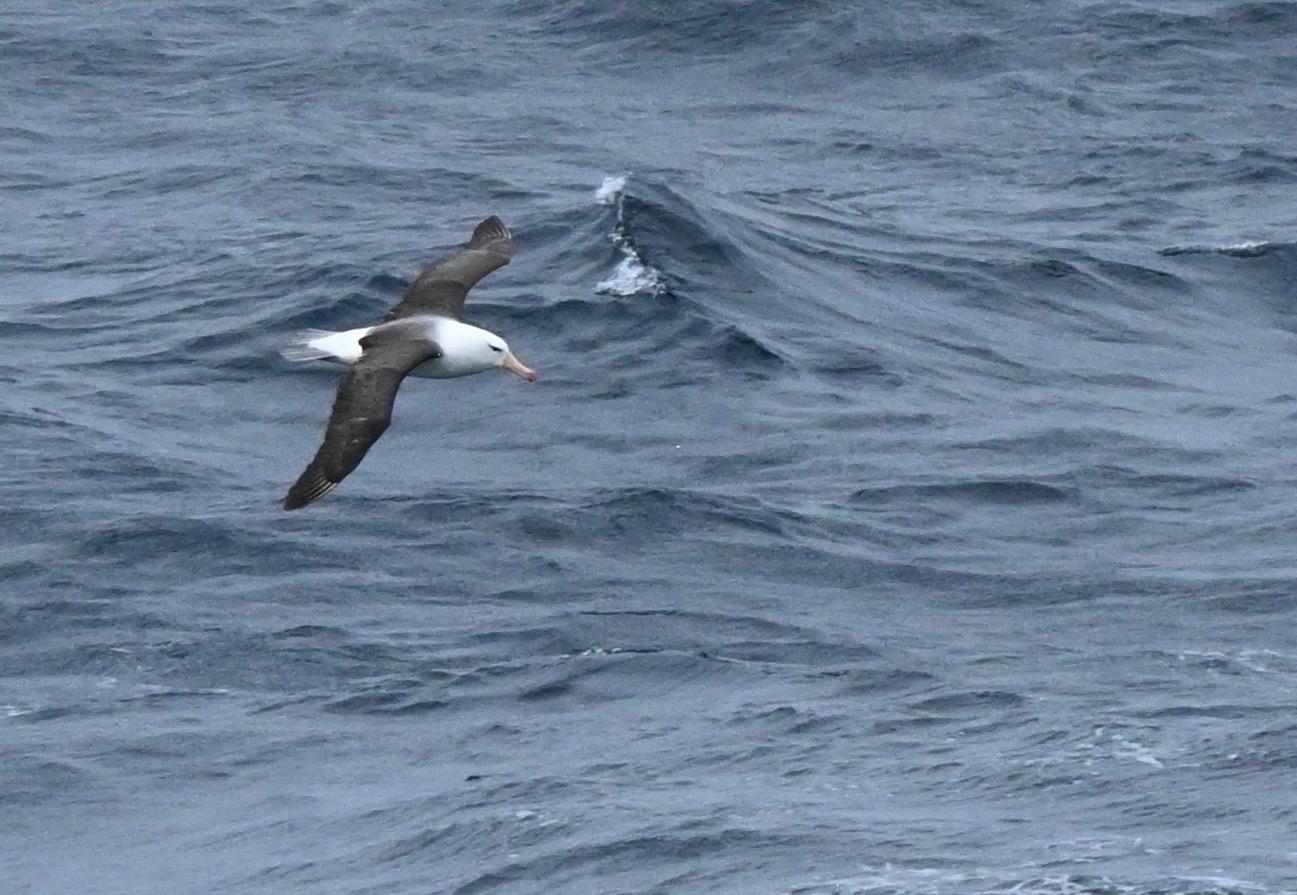
Black-browed Albatross
We enjoyed a delicious lunch in the main dining room. I had carrot and ginger soup as a starter, followed by a sage and cheese quiche with beans and broccoli. I think the star of the show was the caramel popcorn crème brûlée. I am sorry, I forgot to take a photo of a truly photo-worthy dish. Steve even went back for seconds it was so good.
After lunch I headed back to the Observation deck for another 8-laps. It is not really possible to walk in a straight line with the motion of the boat and walking directly into the wind, especially on an uphill swell can be quite challenging. At other times, with the wind behind me and on a downhill swell I was almost pushed to running pace. Very refreshing though.
After the walk, I called into the bridge just in time to see a few blows from a fin whale. With the choppy water and distance we couldn’t see the whale’s body but it is exciting to know they are out there nonetheless.
At 2pm it was back to the Ice Lounge for an introduction to the Falkland Islands and a brief overview of tomorrow’s planned activities, followed by mandatory briefings on zodiac safety and biosecurity measures. It is critical that we follow the biosecurity processes to help maintain these pristine environments as much as possible. After the briefings we had to take any outerwear that was not brand new or part of the ship rental package down to the mudroom to be checked and cleaned from any potential contaminants. I was pretty surprised at how many small bits of wood and grass came out of my backpack. I think we will have to repeat this process again between the Falklands and South Georgia, and between South Georgia and Antarctica.
Later in the afternoon Steve, one of the naturalists gave a talk on sea birds. Unfortunately, for some reason, we missed the announcement and therefore the start of his lecture. What we did hear was interesting but I was disappointed to miss the beginning. We spotted more fin whale blows off the starboard side of the ship just after this presentation. Afterwards we stayed in the Ice Lounge for canapes and the Captain’s welcome and introduction, which left us feeling extremely confident that we are in safe hands for this voyage.
Steve, Karen and Roger all headed off to dinner and I did my final 8-laps of the observation deck and settled in to do the blog and catch up on a few other admin things.
One consistent message from nearly every person who has spoken so far is how magical this itinerary is so we are all excited for what is going to come next.
Sunday 15 November: Falkland Islands – Roger
It was around 6 am when I woke to find the boat stationary, parked in the bay of New Island, on the southwest side of the Falklands. Interestingly this island was discovered in the 1700’s; in the 1800’s whalers arrived here from the Americas and called it New Island.
Over the years it has had said whaling station, which closed down in the early 1900’s as the catch didn’t provide great oil, mainly being Sei whales. They then harvested penguin oil by throwing them in a big pot and boiling them, getting about one gallon of oil per 20 penguins, which was used for treating leather, polishing timber and cooking. Another commodity from the island was the penguin eggs, which were harvested in huge numbers in the late 1800’s. Nowadays only a limited number of eggs are harvested from the gentoo penguin, as if you take a couple of eggs away early in the season they will lay some more so it’s managed in a way that conserves the penguin population. Over the years the island used to breed sheep and some cattle. I presume over that period various exotic grasses were also introduced, as were rabbits here for food. In 1972 they stopped running sheep here, when a couple of people bought the island and turned it into a conservation zone. There are still a number of buildings on the island but they now have solar power and septic tanks with two permanent residents and other scientists visiting the island from time to time.
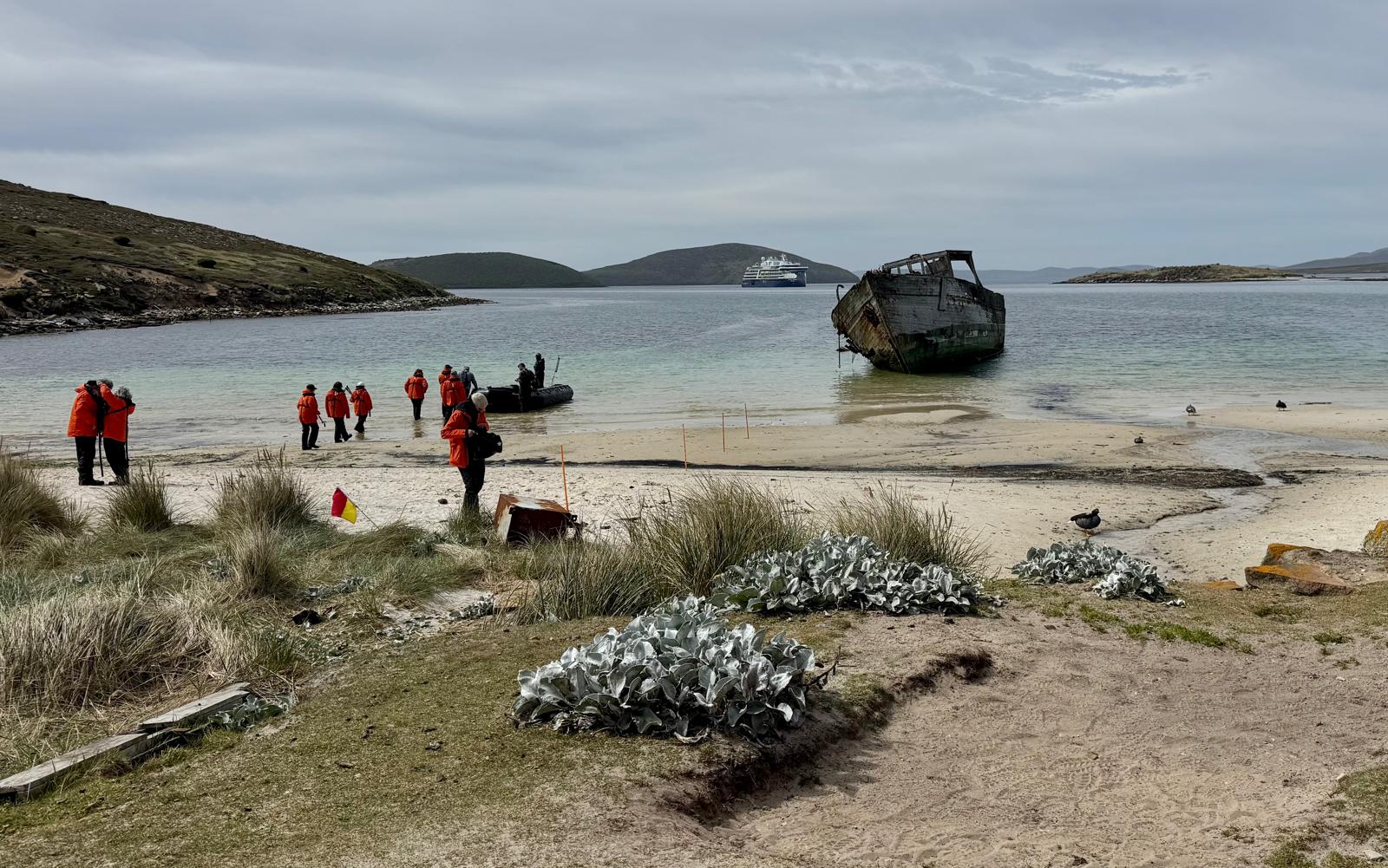
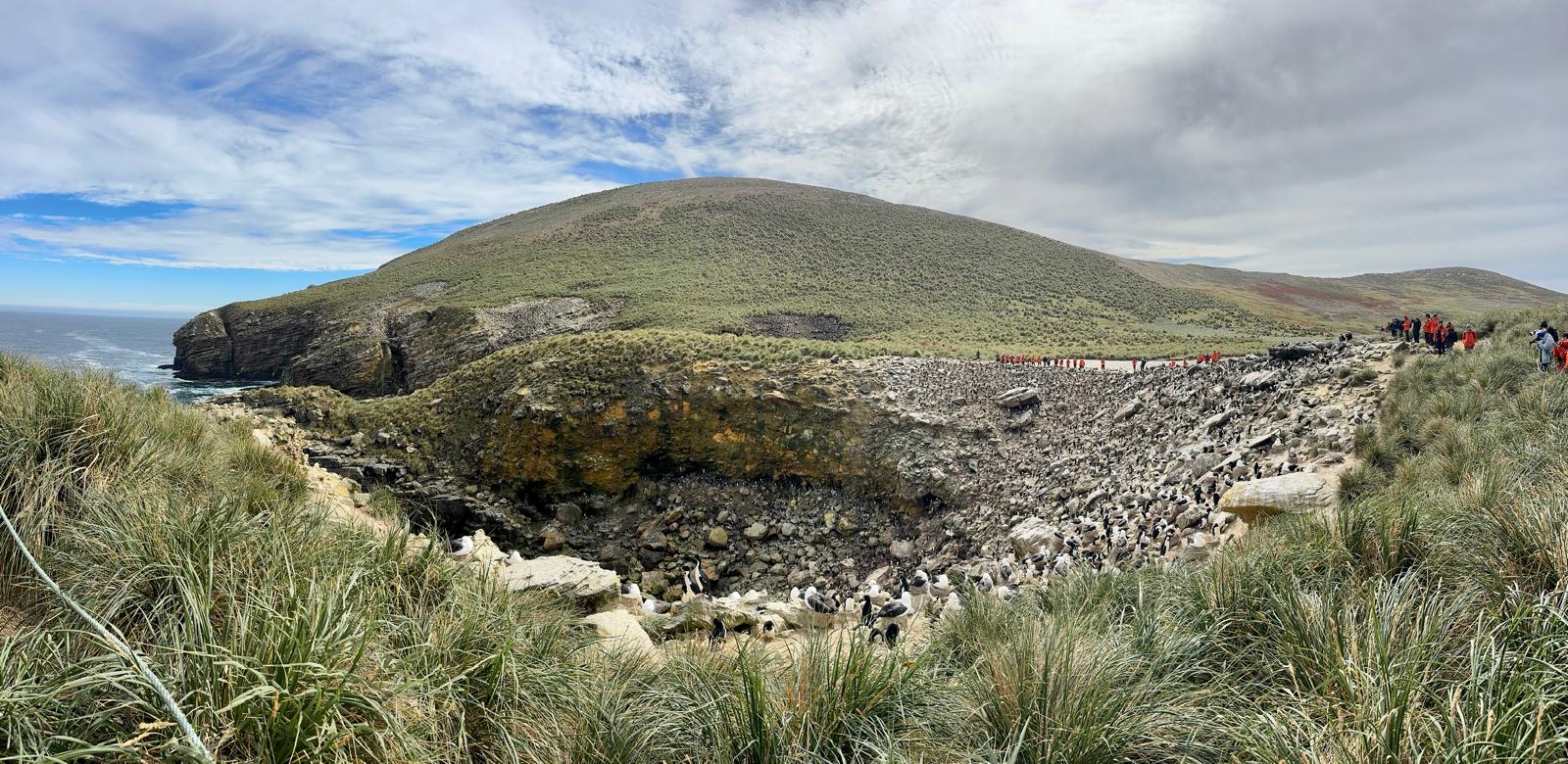
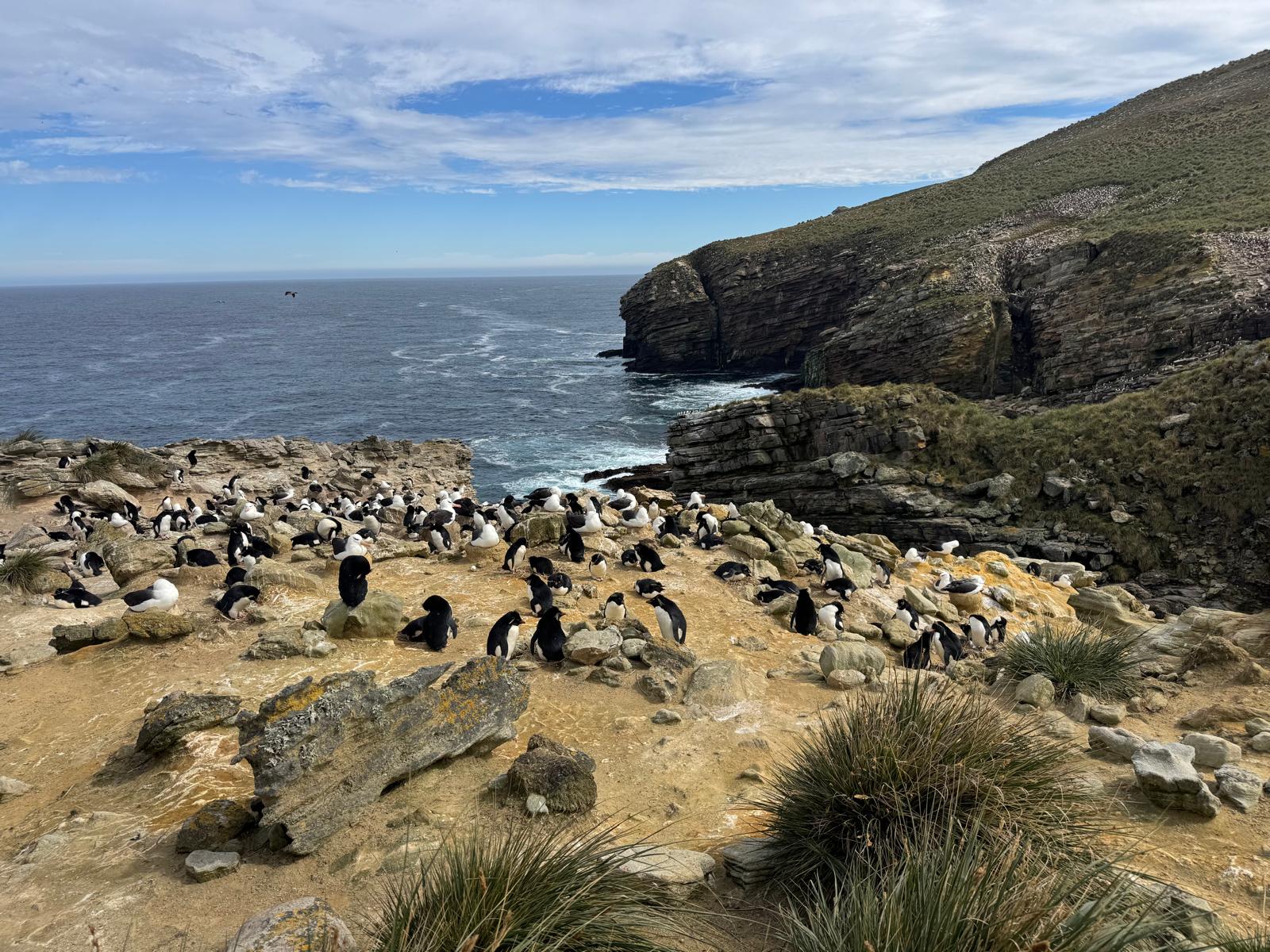
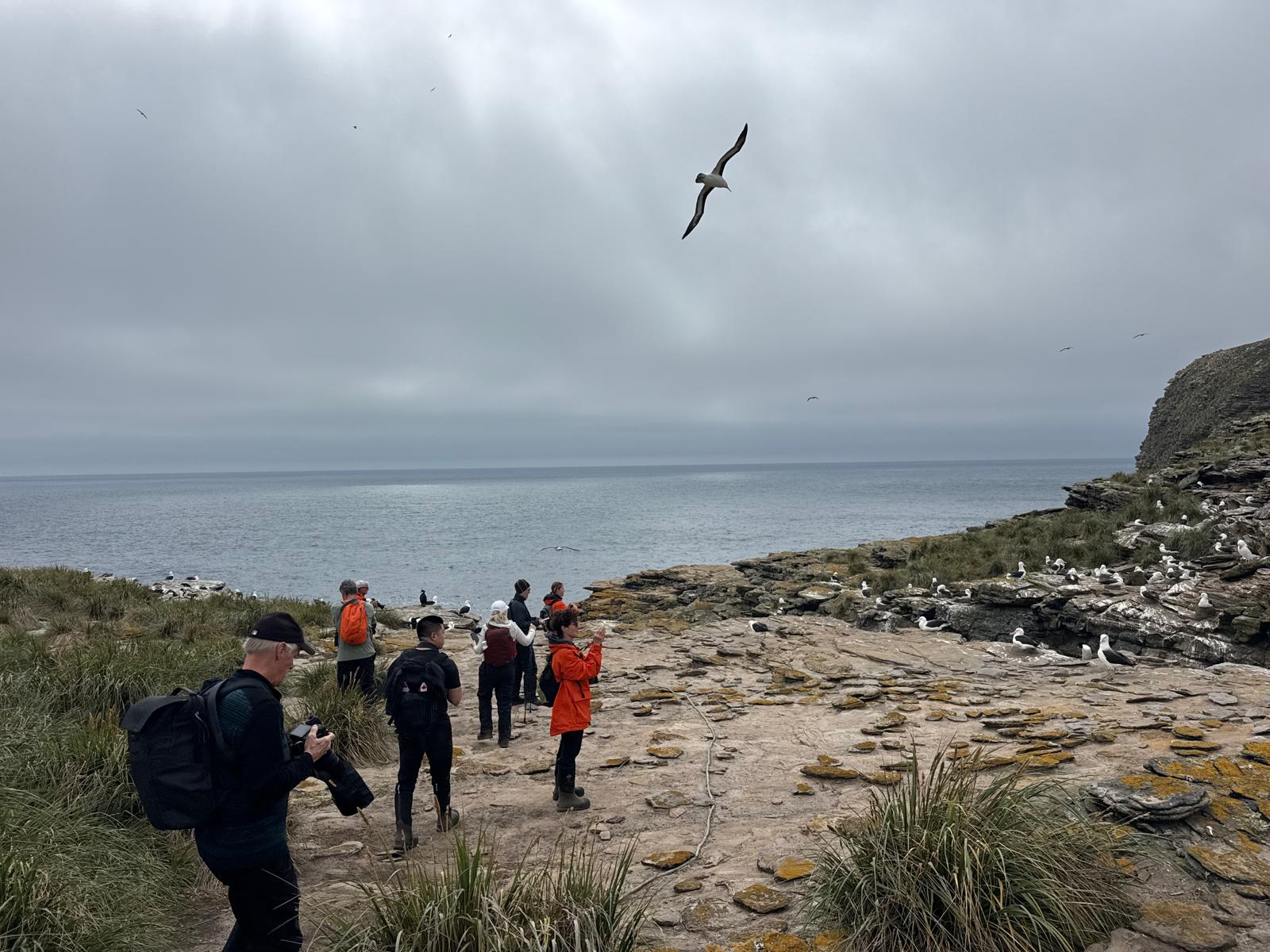
It was just after 9 am when we jumped in the zodiacs and headed for the shore. After disembarking near an old shipwreck we wandered up a track and were soon at a colony that not only has rockhopper penguins, but also black browed albatrosses and imperial cormorants. It was really interesting because they all seem to hang out in this one area of exposed rock and I’m sure the penguins, as they watch the albatross fly off and out to sea, must be thinking ‘I wish I had wings like that because I have to walk/hop all the way down to the sea’. What was even more surprising was the way they all got along as they all seem to be nesting together. Apparently, in some cases, the penguins even take over a nest that belongs to an albatross.
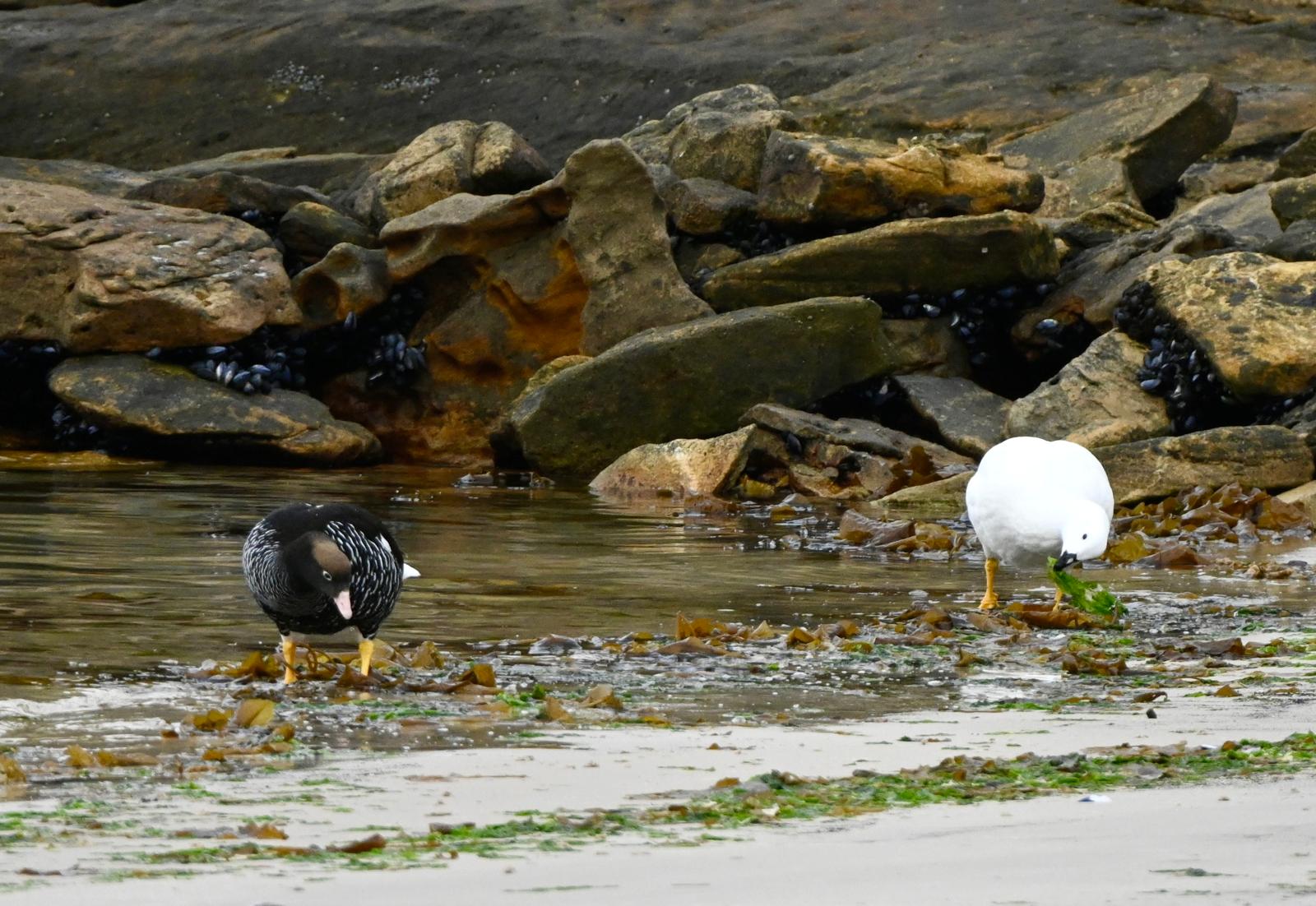
Kelp Geese
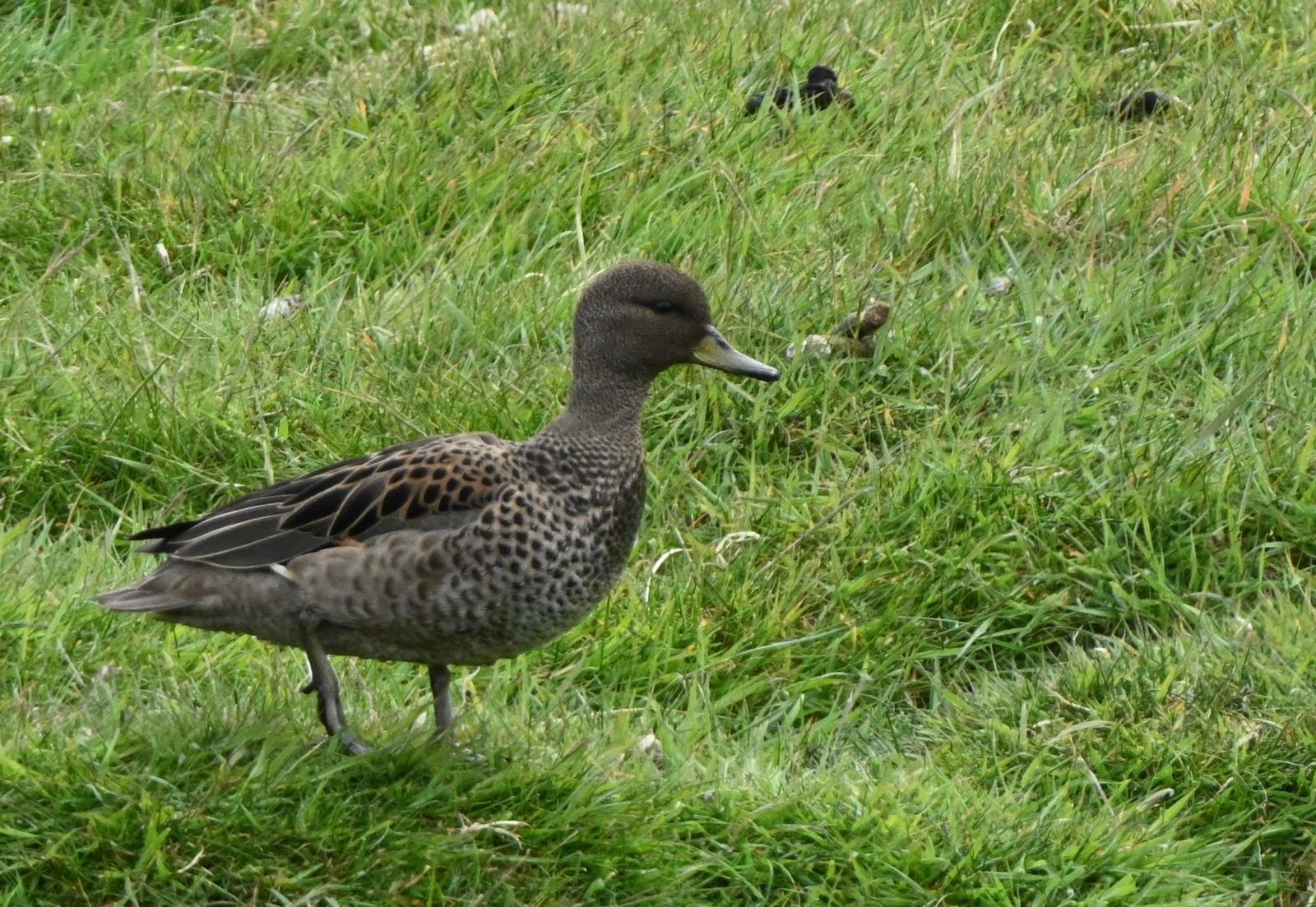
Yellow-billed Teal
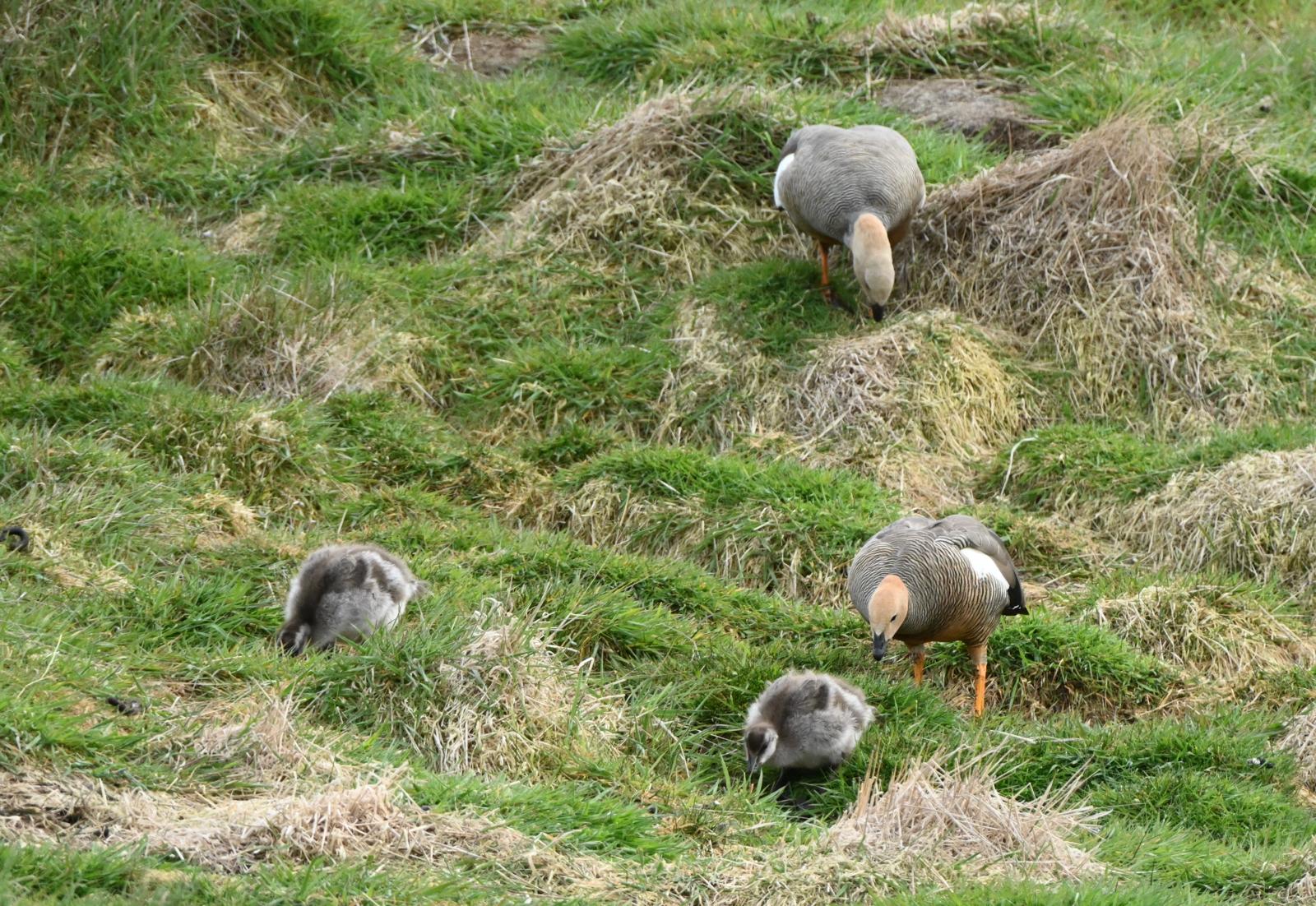
Ruddy-headed Geese with goslings
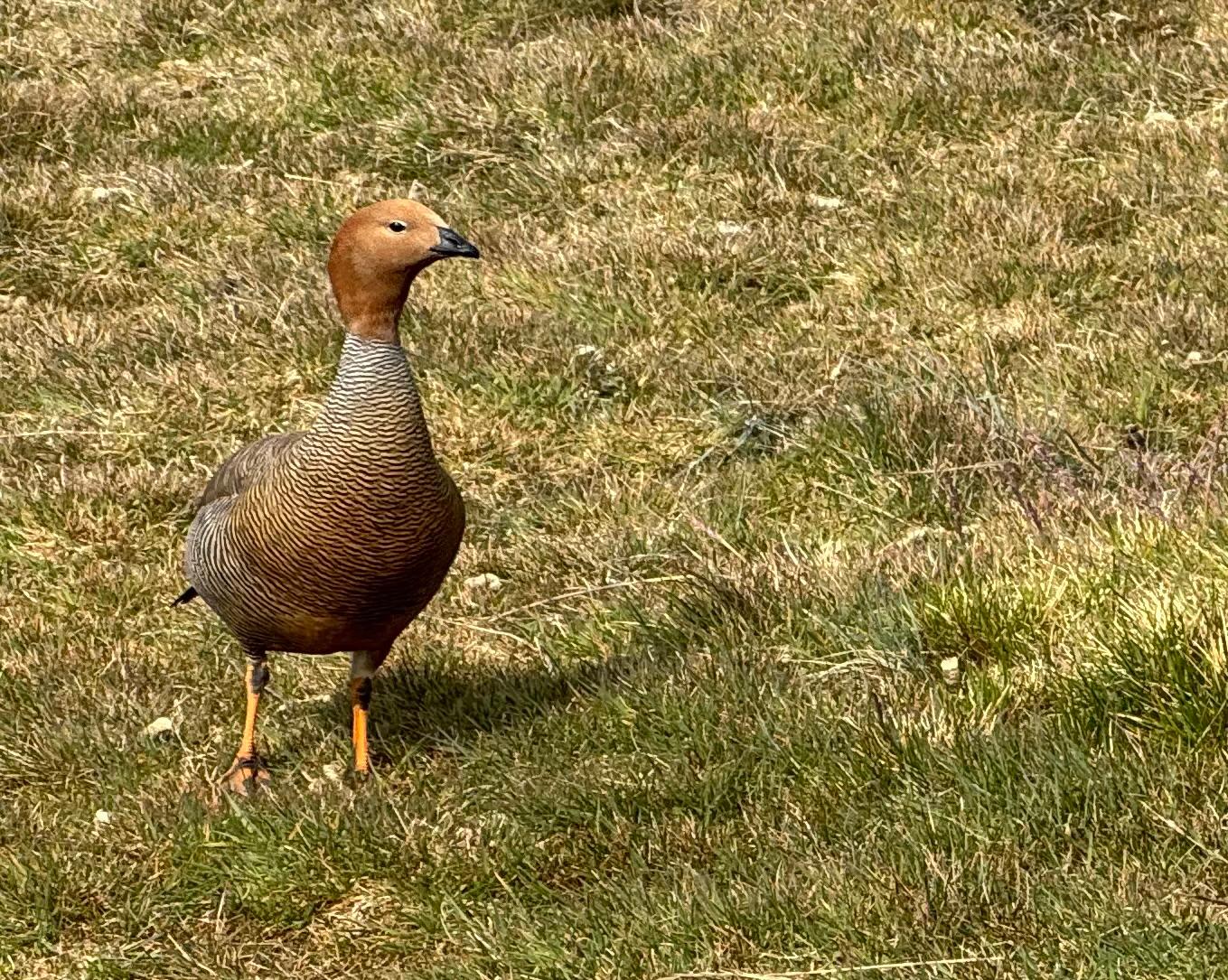
Ruddy-headed Goose
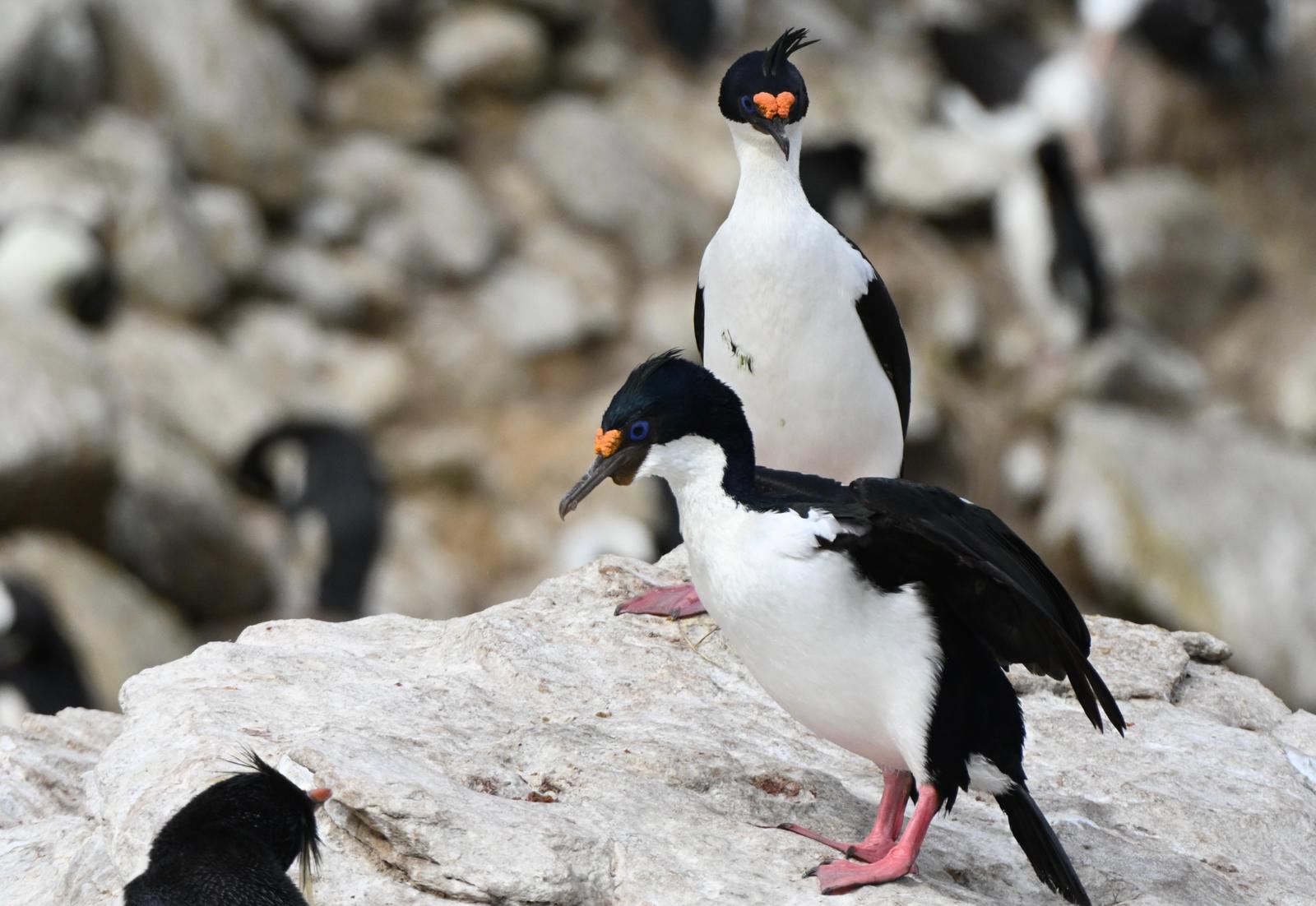
Imperial Cormorants
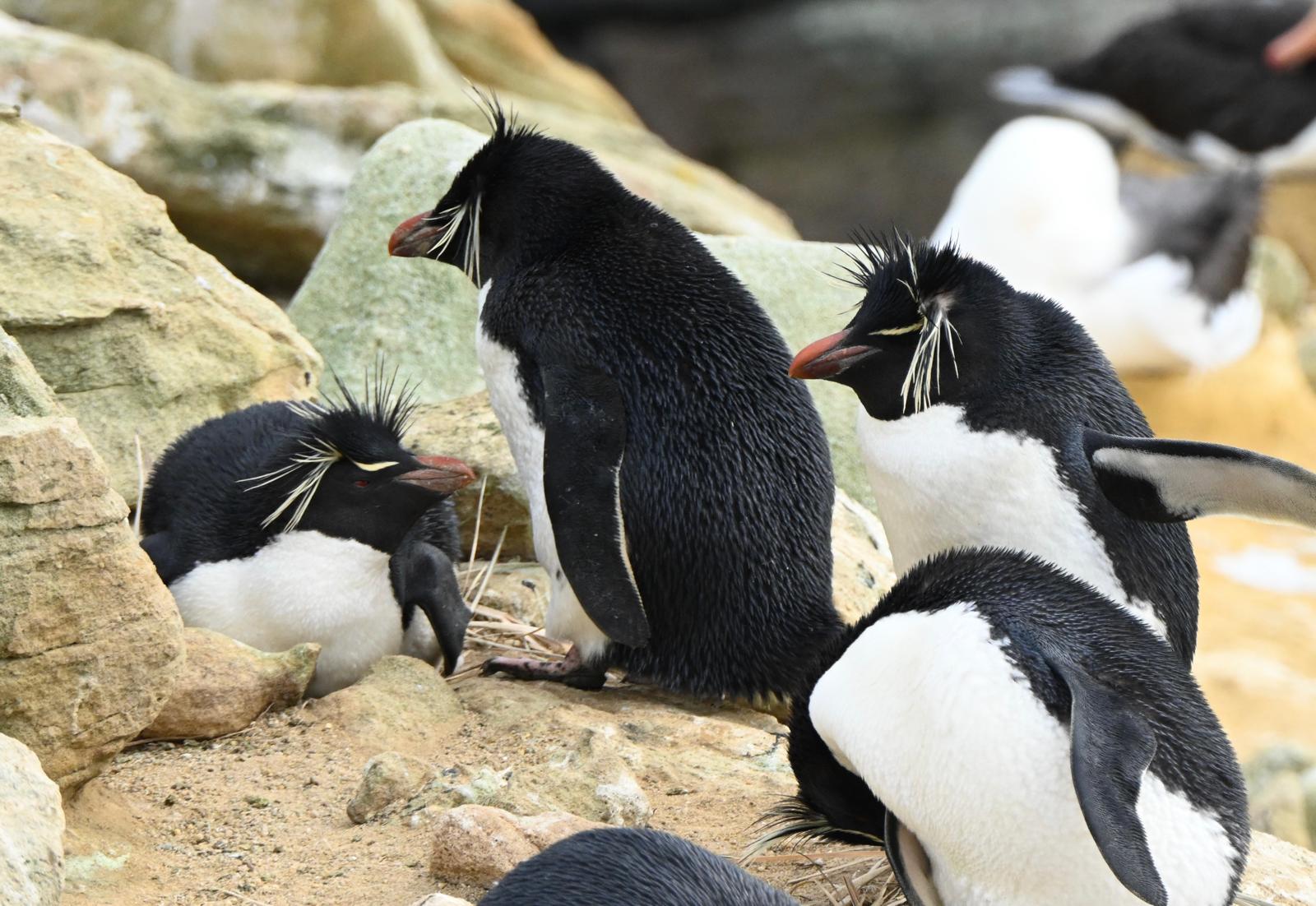
Rock Hopper Penguins
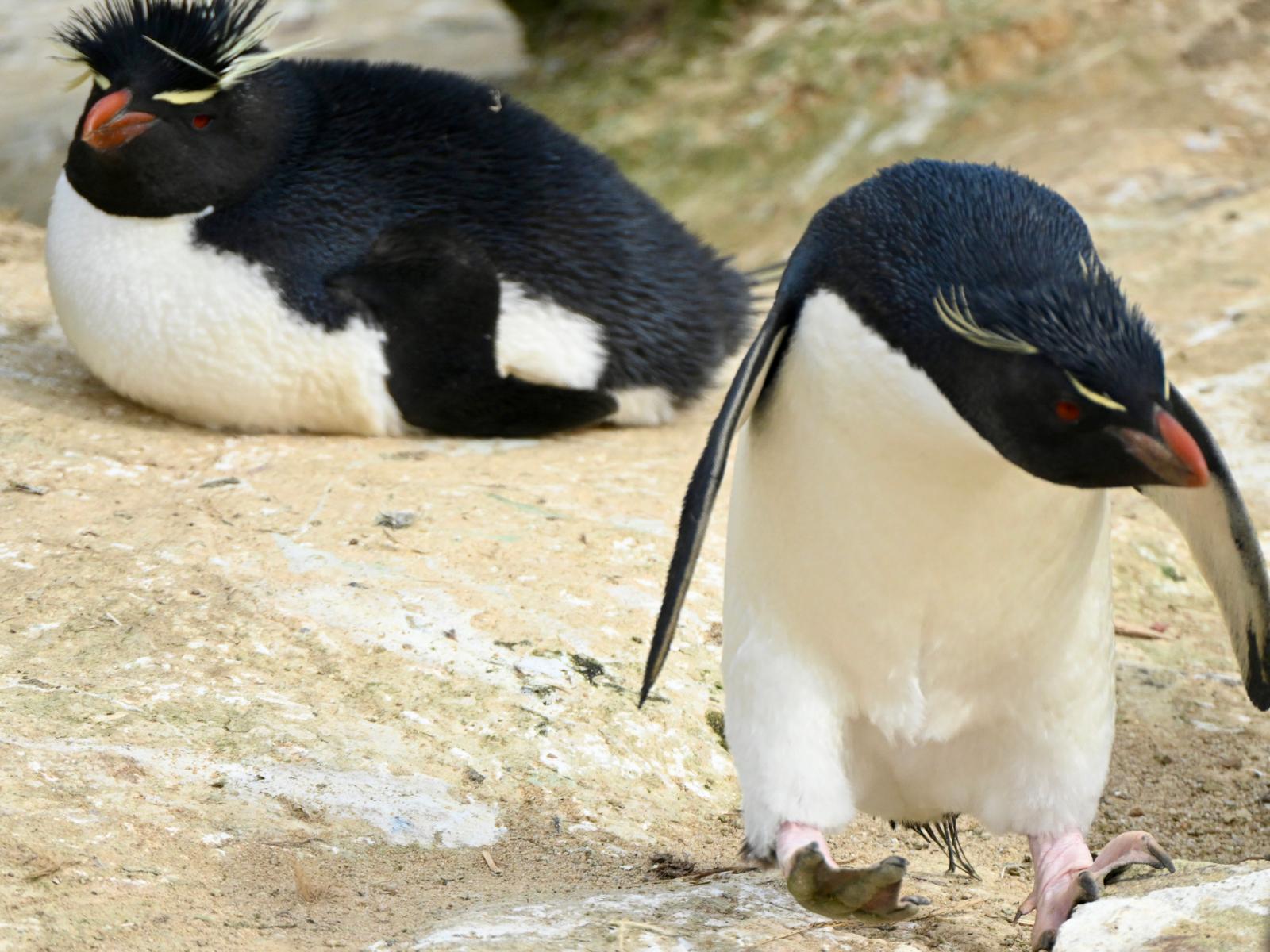
Rock Hopper Penguins
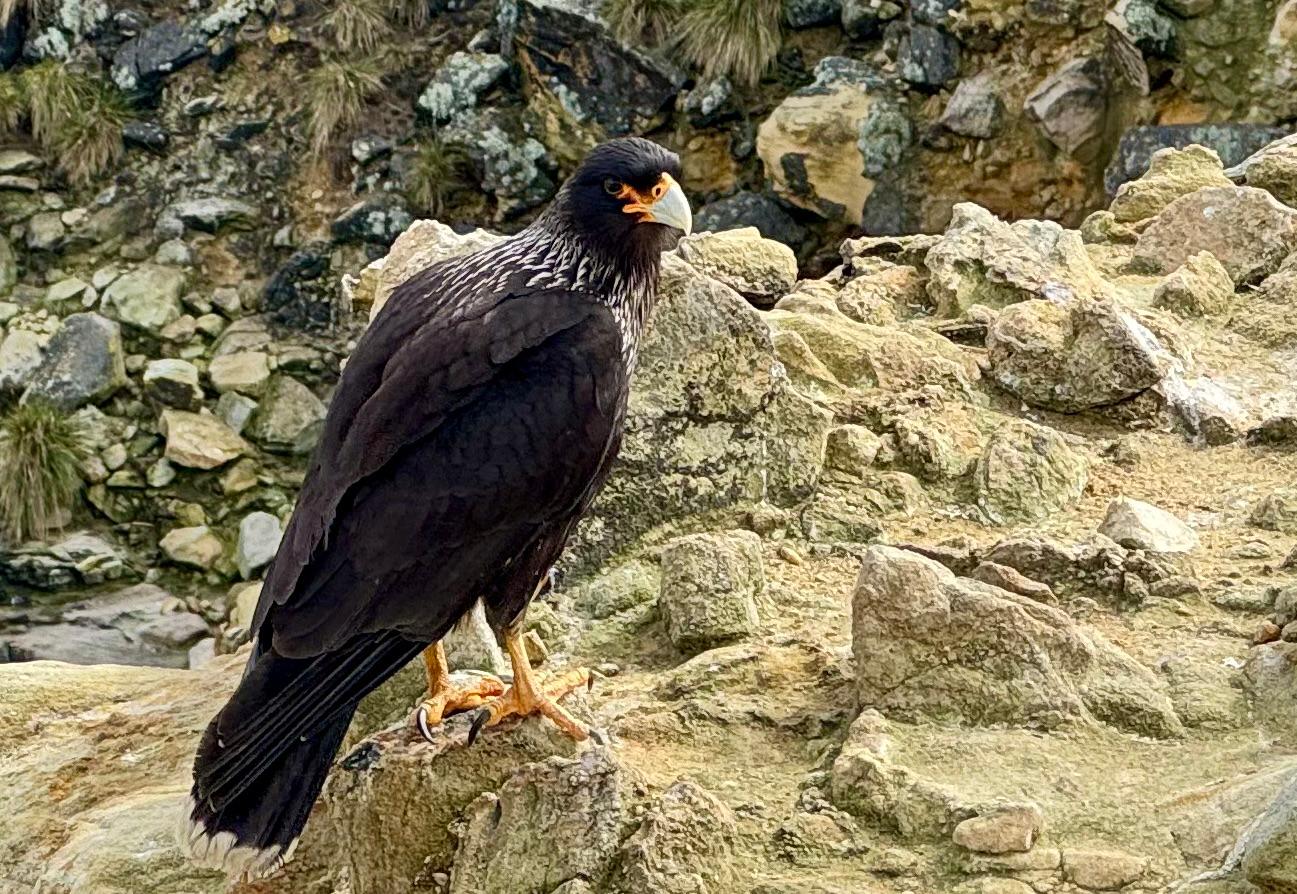
Striated Caracara
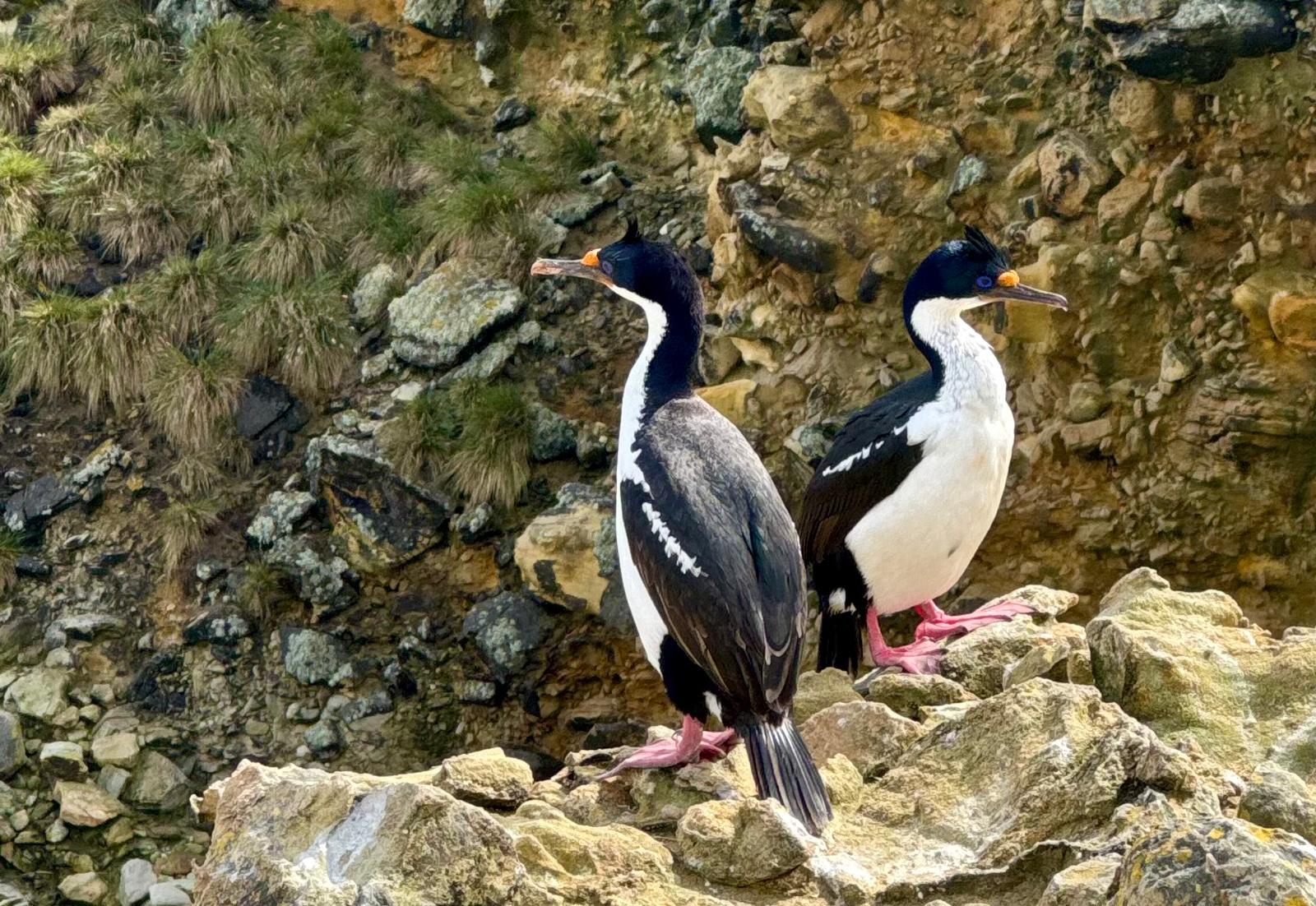
Imperial Cormorant
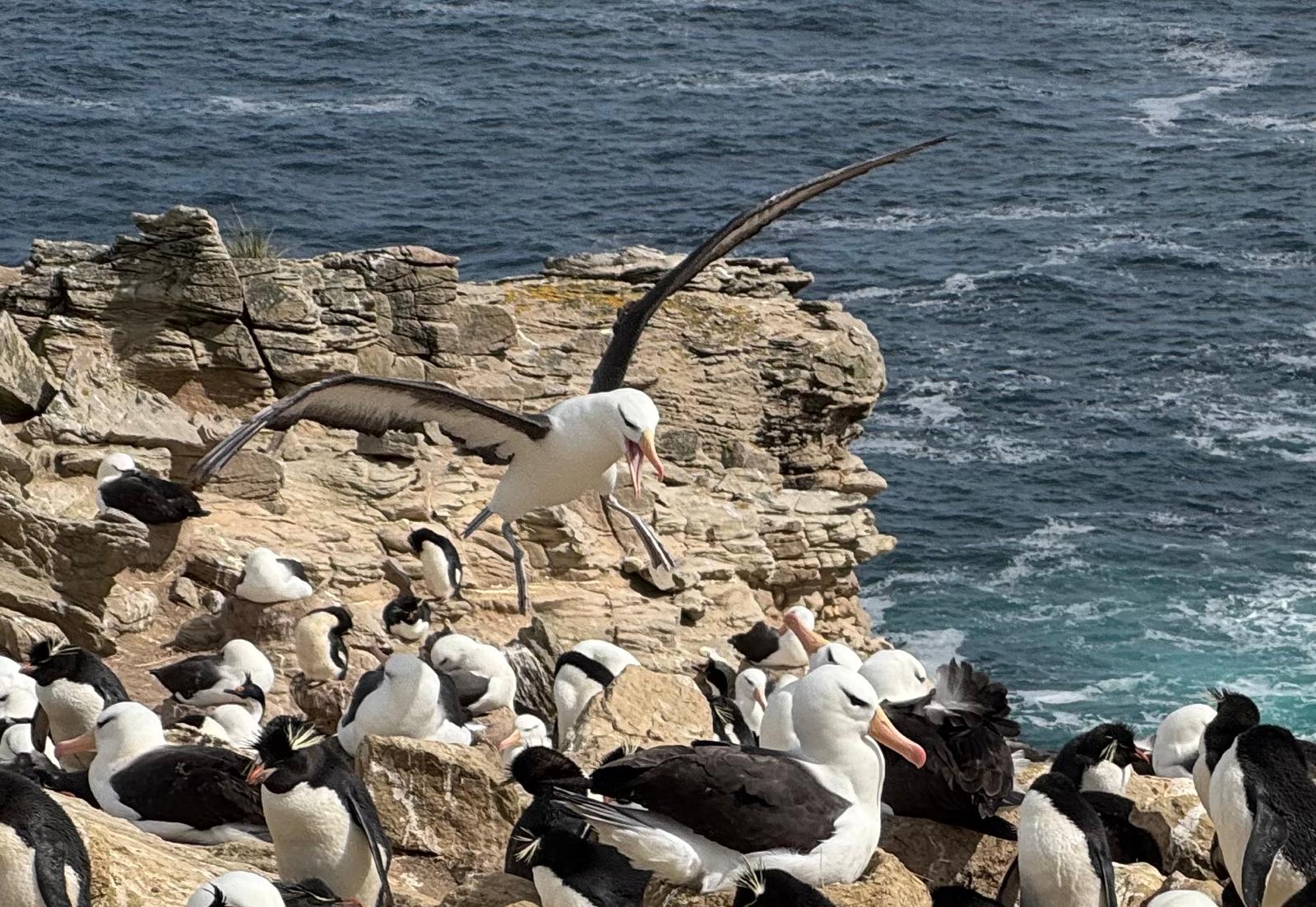
Black browed Albatross coming in to land
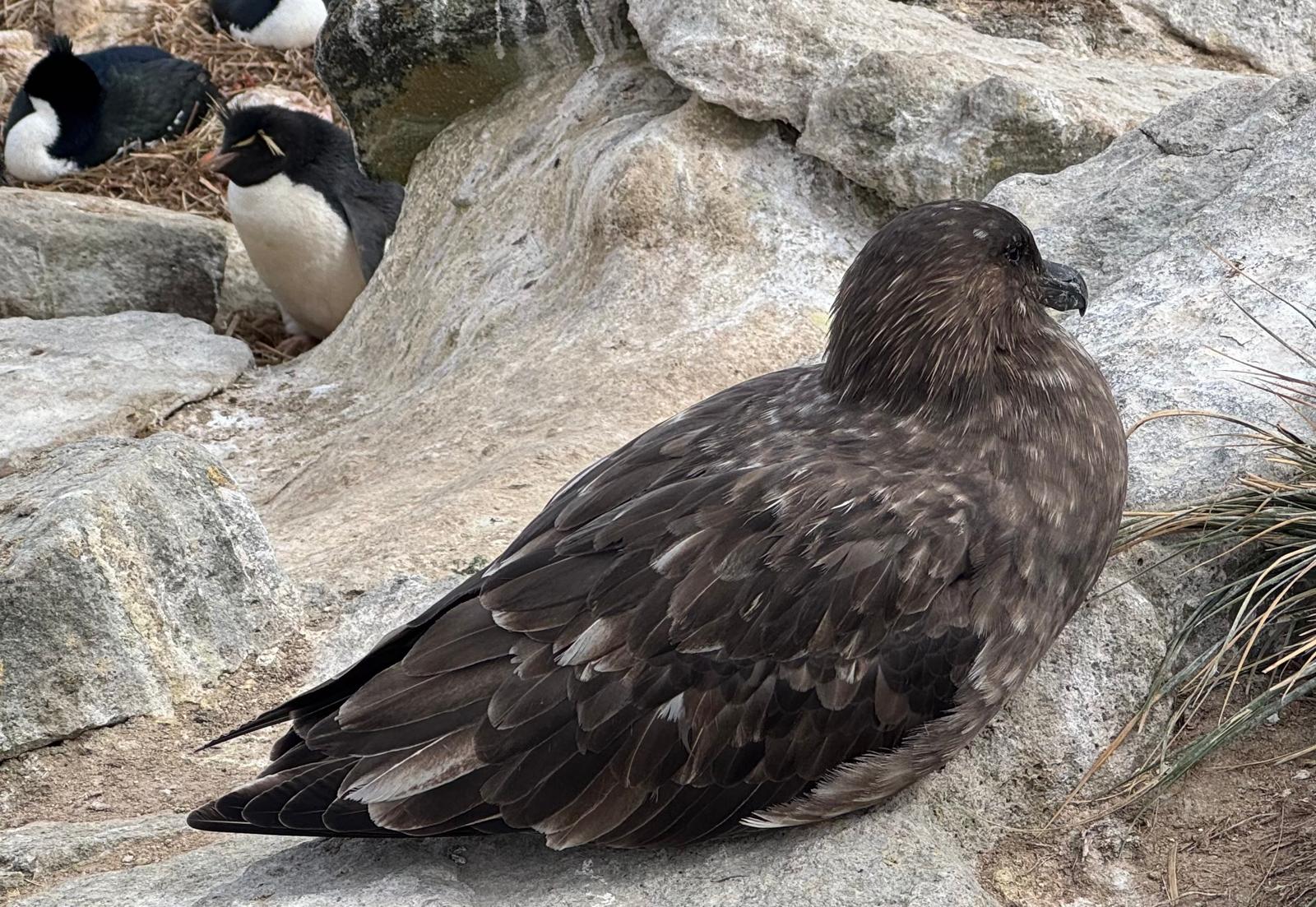
Falkland Island Brown Skua
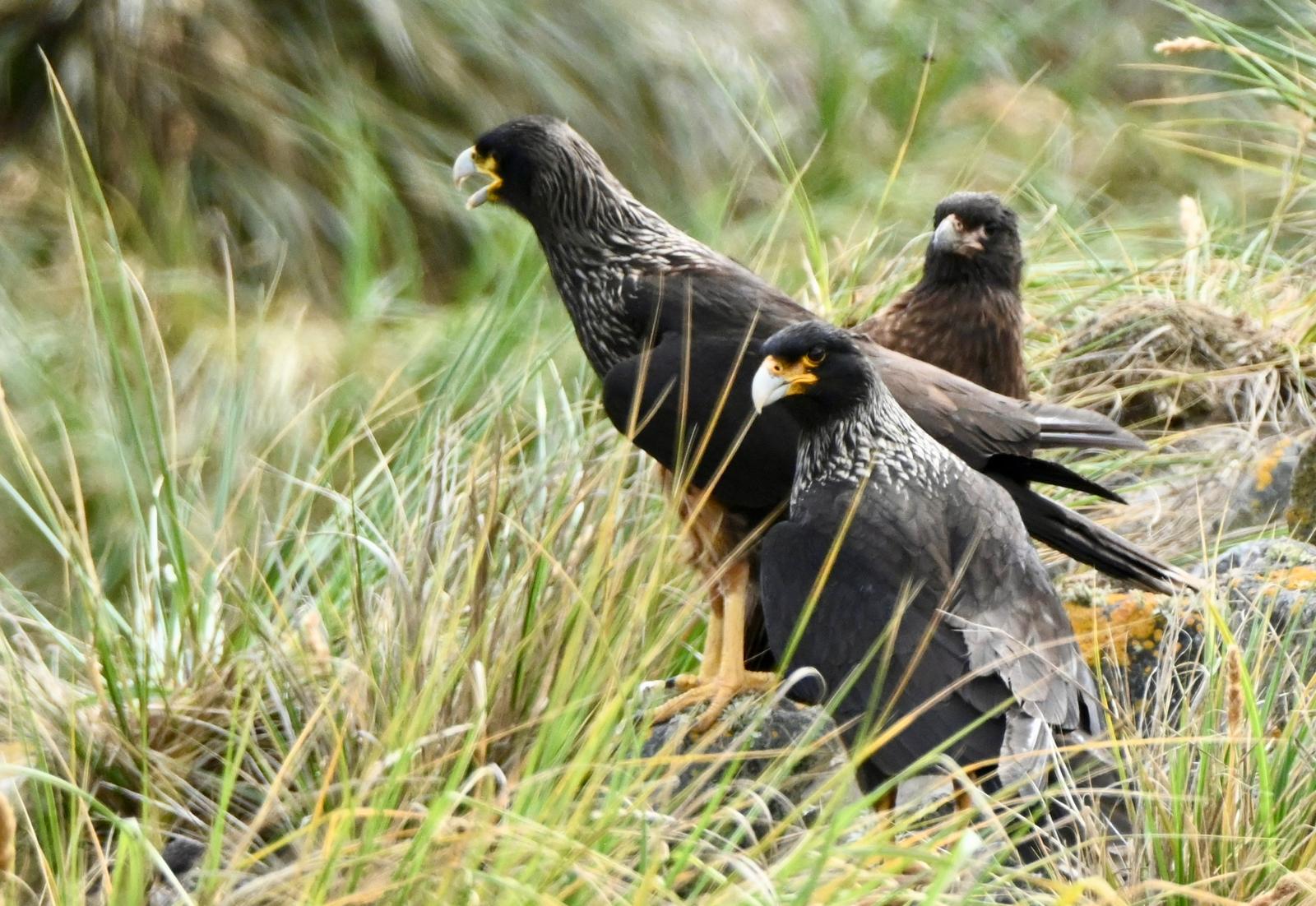
Striated Caracara
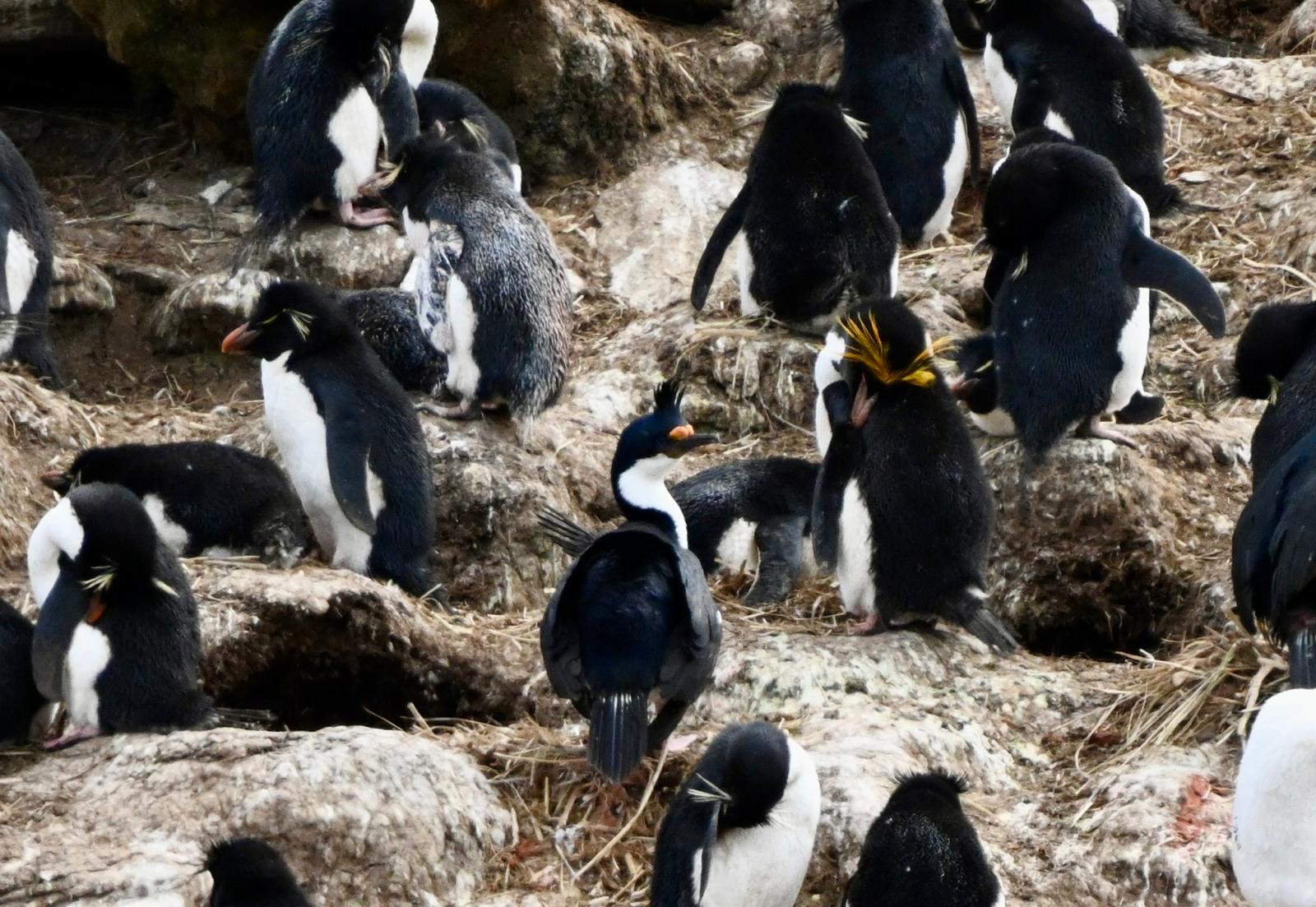
One Macaroni Penguin had somehow got lost and landed up here with all the other birds.
With the number of rabbits on the island, now a bit of a problem, apparently they are going to try to run a rabbit extermination program sometime soon.
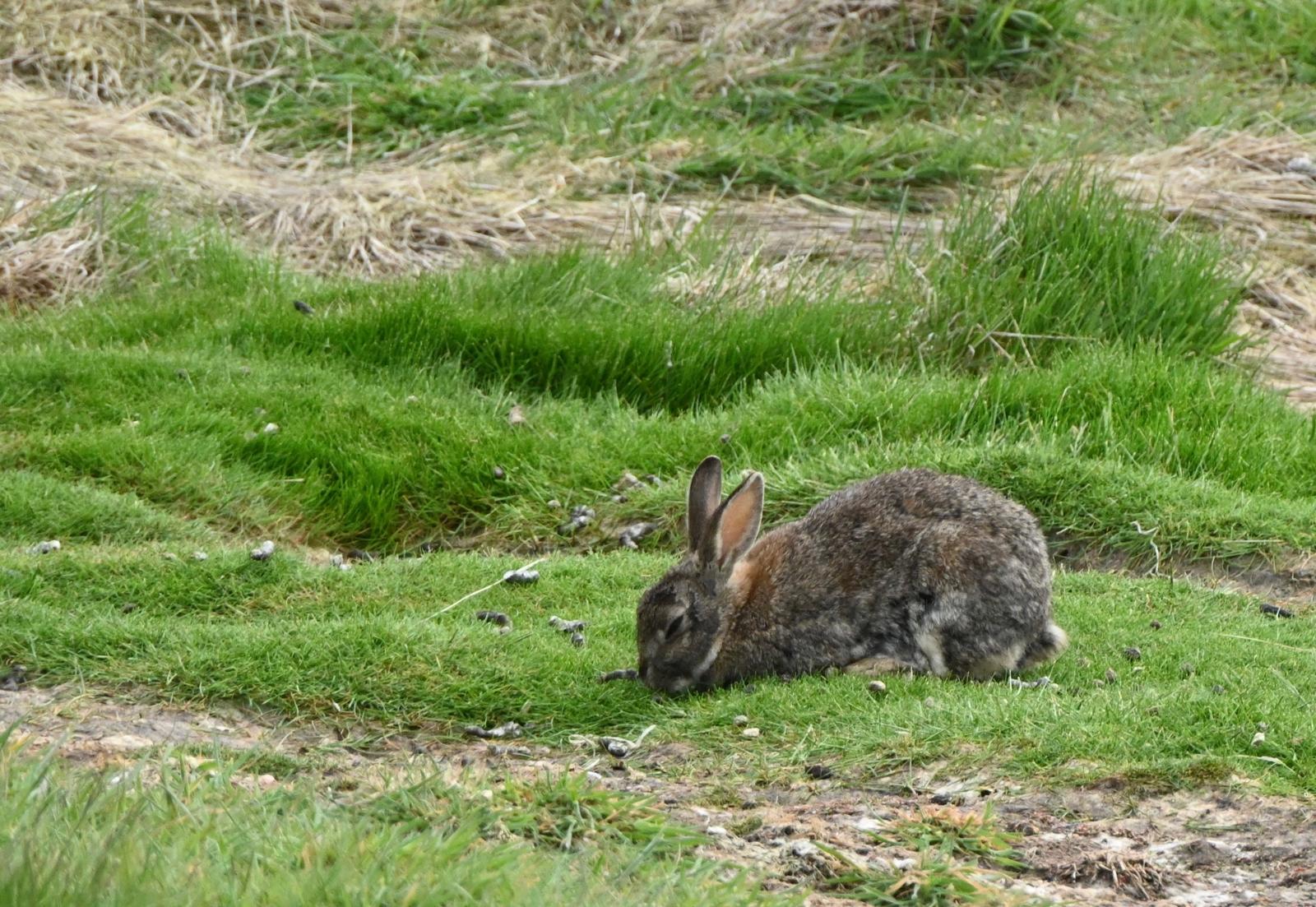
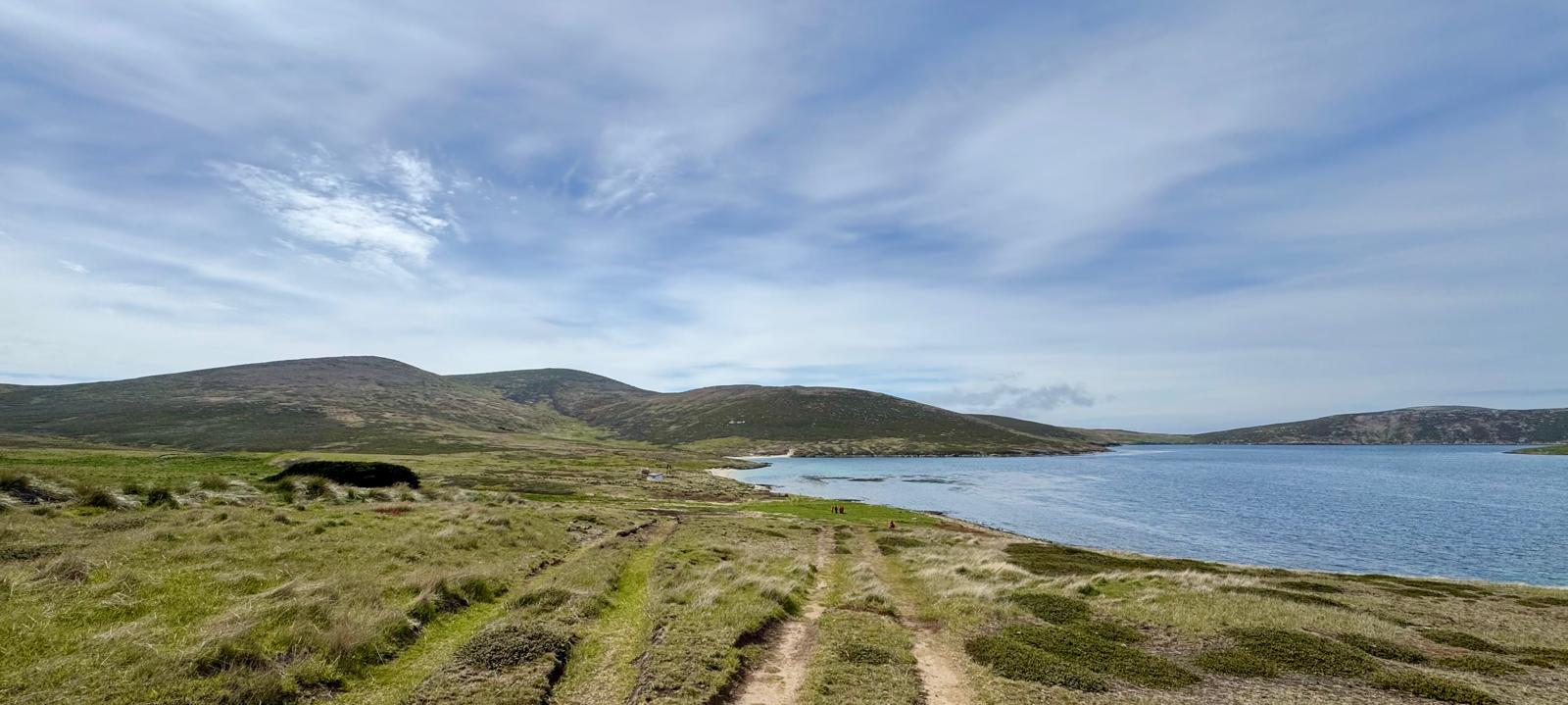
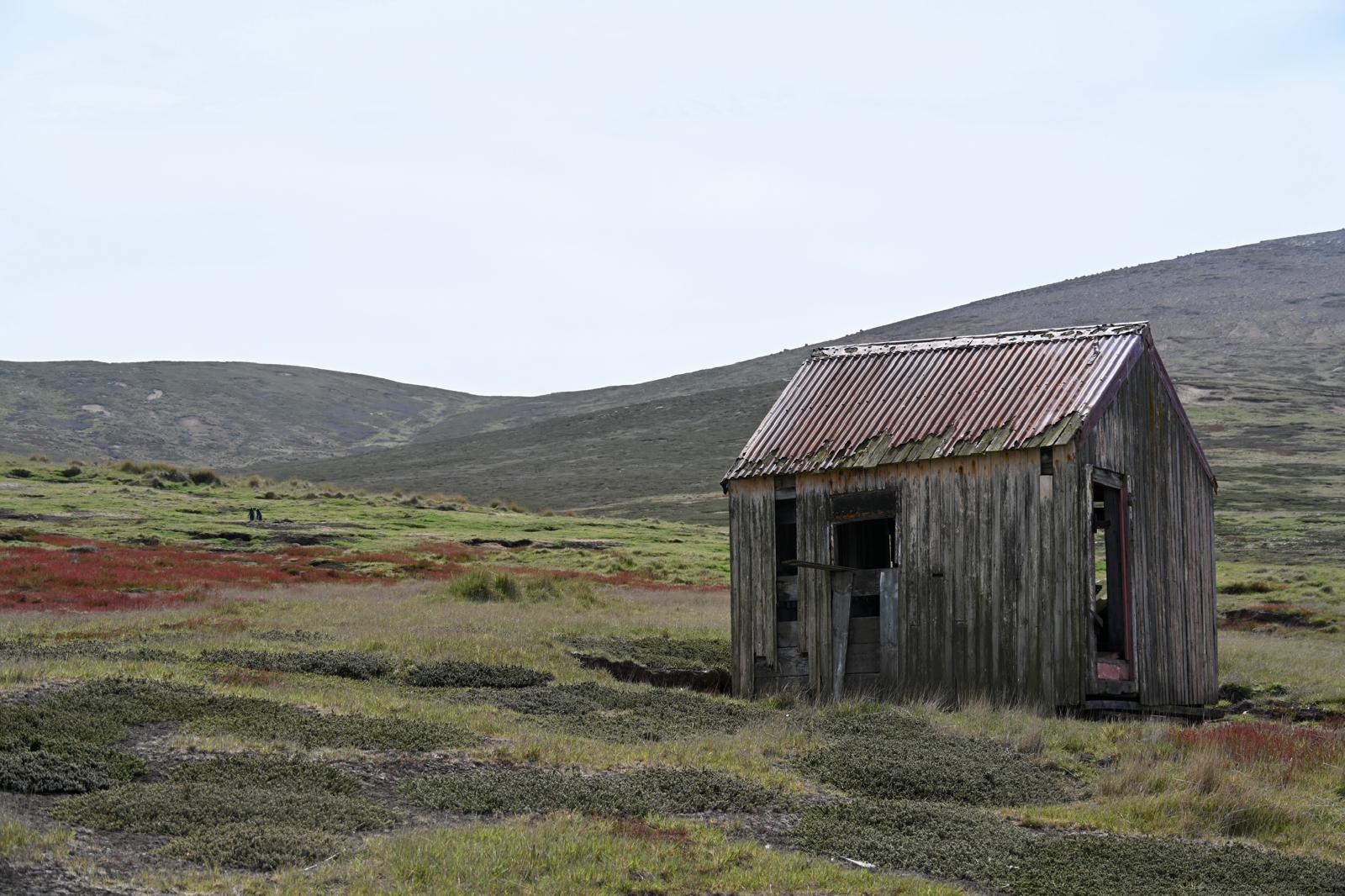
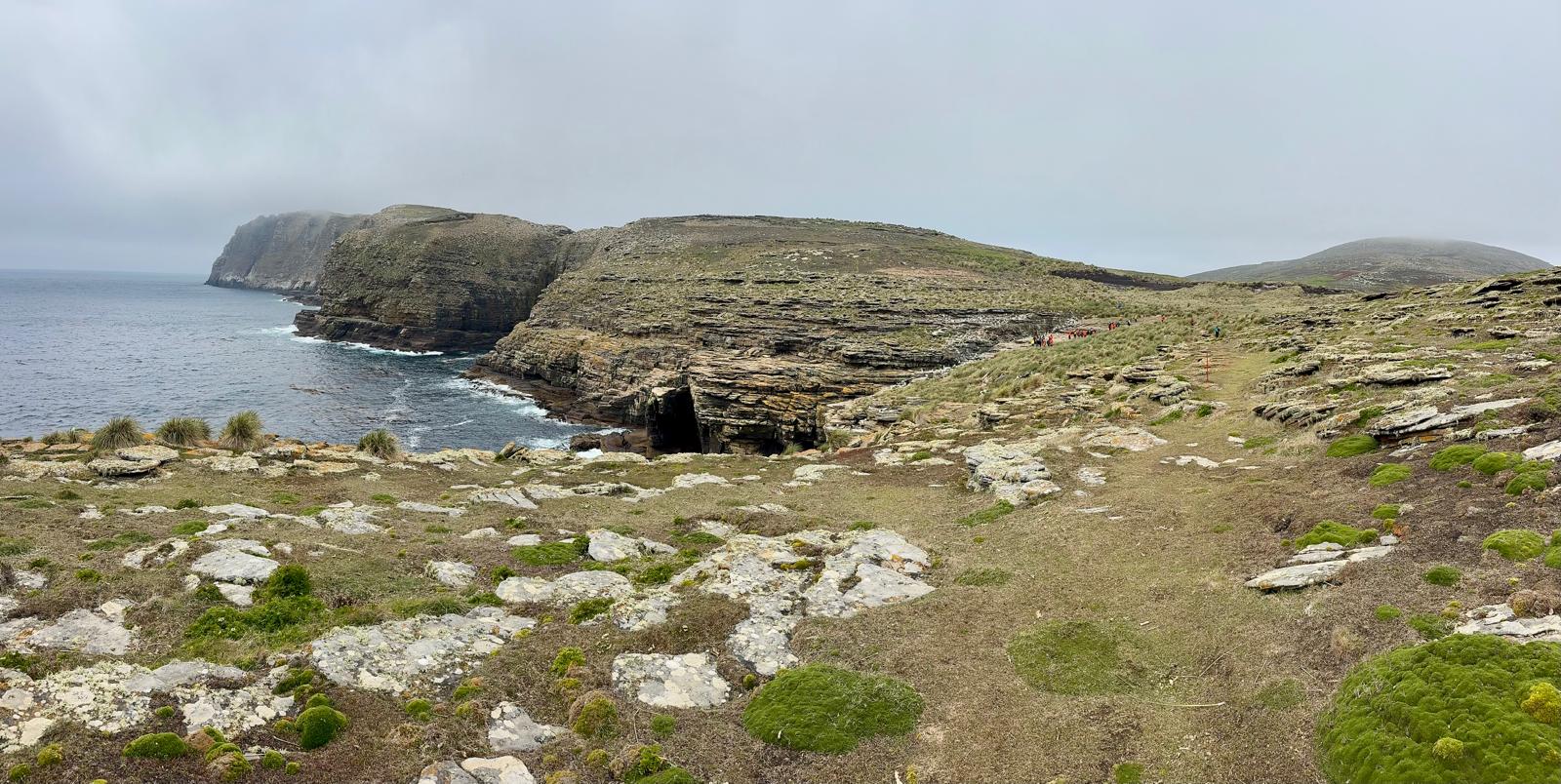
We were back on board the ship about 1130. After lunch Sylvia, Steve and Karen jumped back on the zodiacs and went to shore for the long walk towards the other end of the island. I stayed on board as I’m sure the surgeon must have stuck some concrete in my new knee, which doesn’t seem to work too well. It was about 1500 when I went to shore and walked up to another colony, where once again all these different birds hung out together. On the way we saw oyster catchers nesting as well. Magellenic penguins had dug burrows in the ground to nest in. These are very similar to the South African Penguins. The island also hosts hundreds of other birds including Falkland Islands skua, various types of geese, striated caracara, seagulls and other birds. The island has very little growth – there are definitely no trees, but lots of native tussock and a lot of introduced grasses, but there were certainly plenty of bird life.
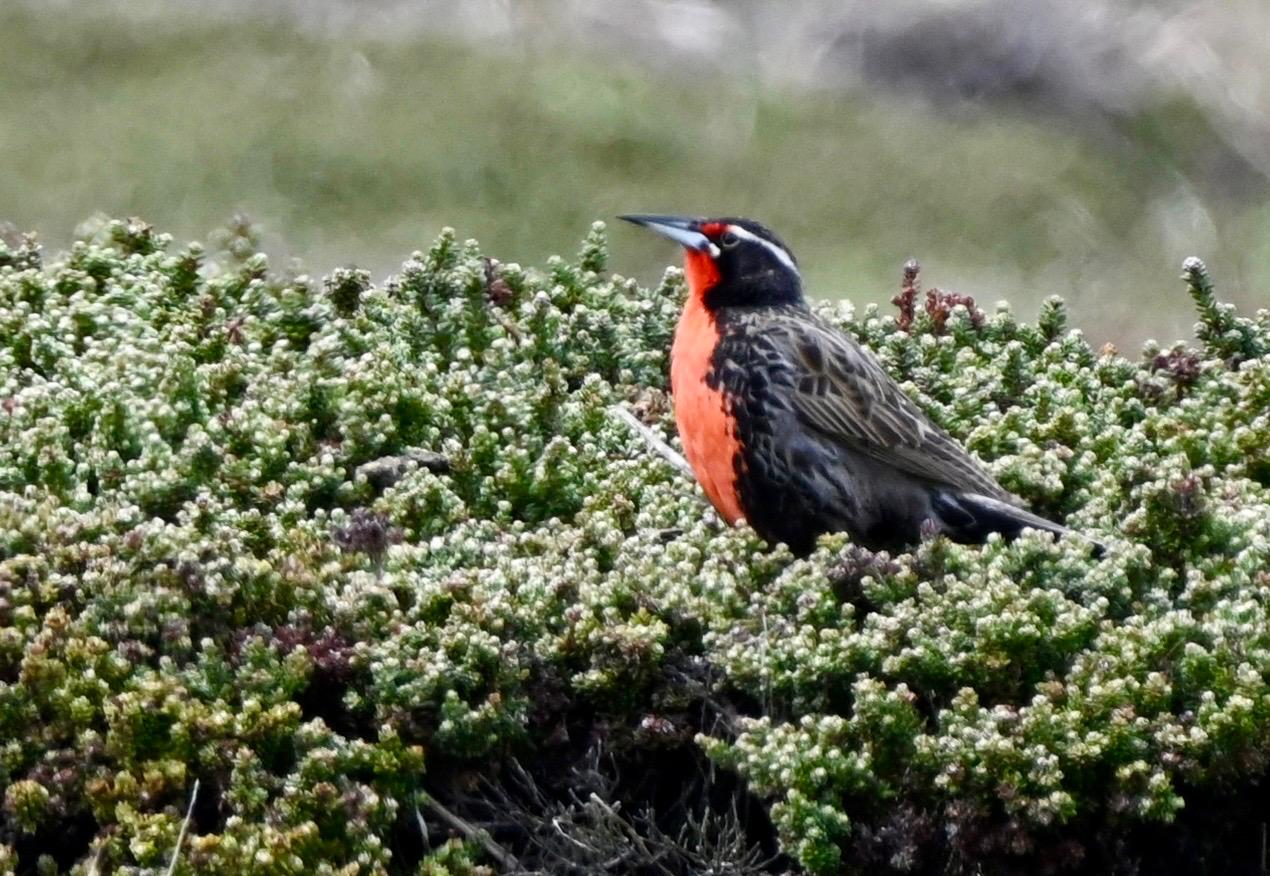
Military Starling
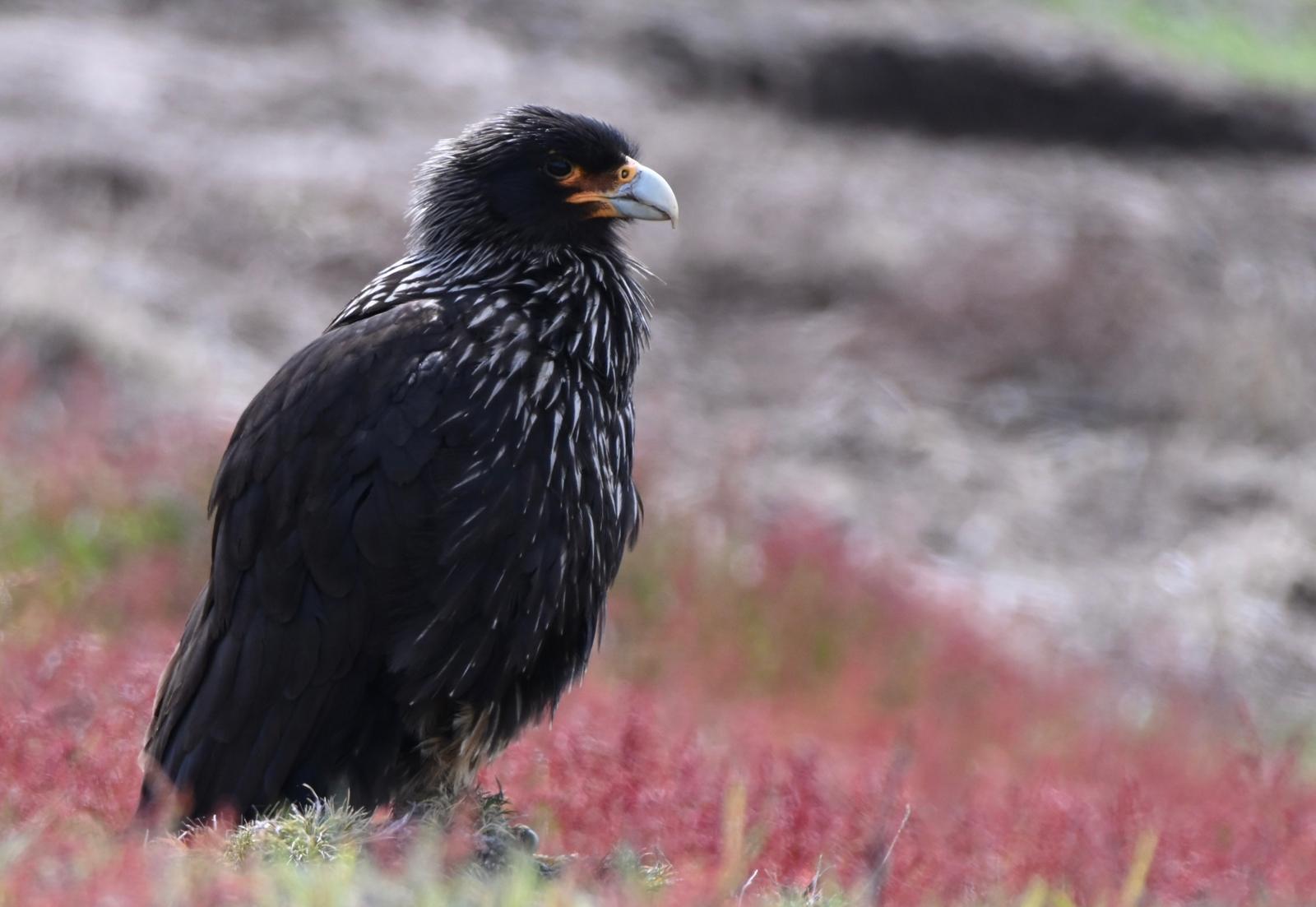
Striated Caracara
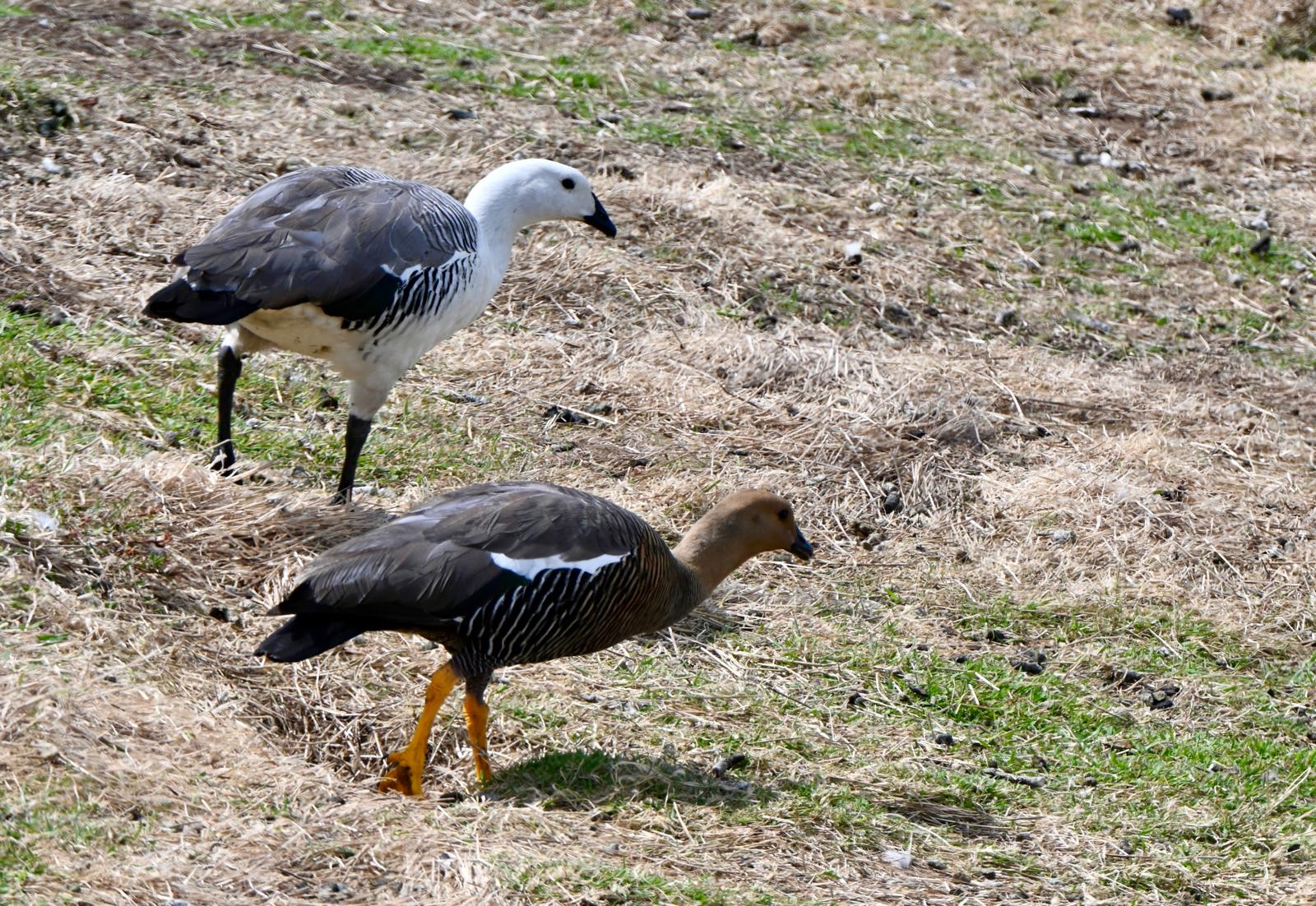
Upland Geese
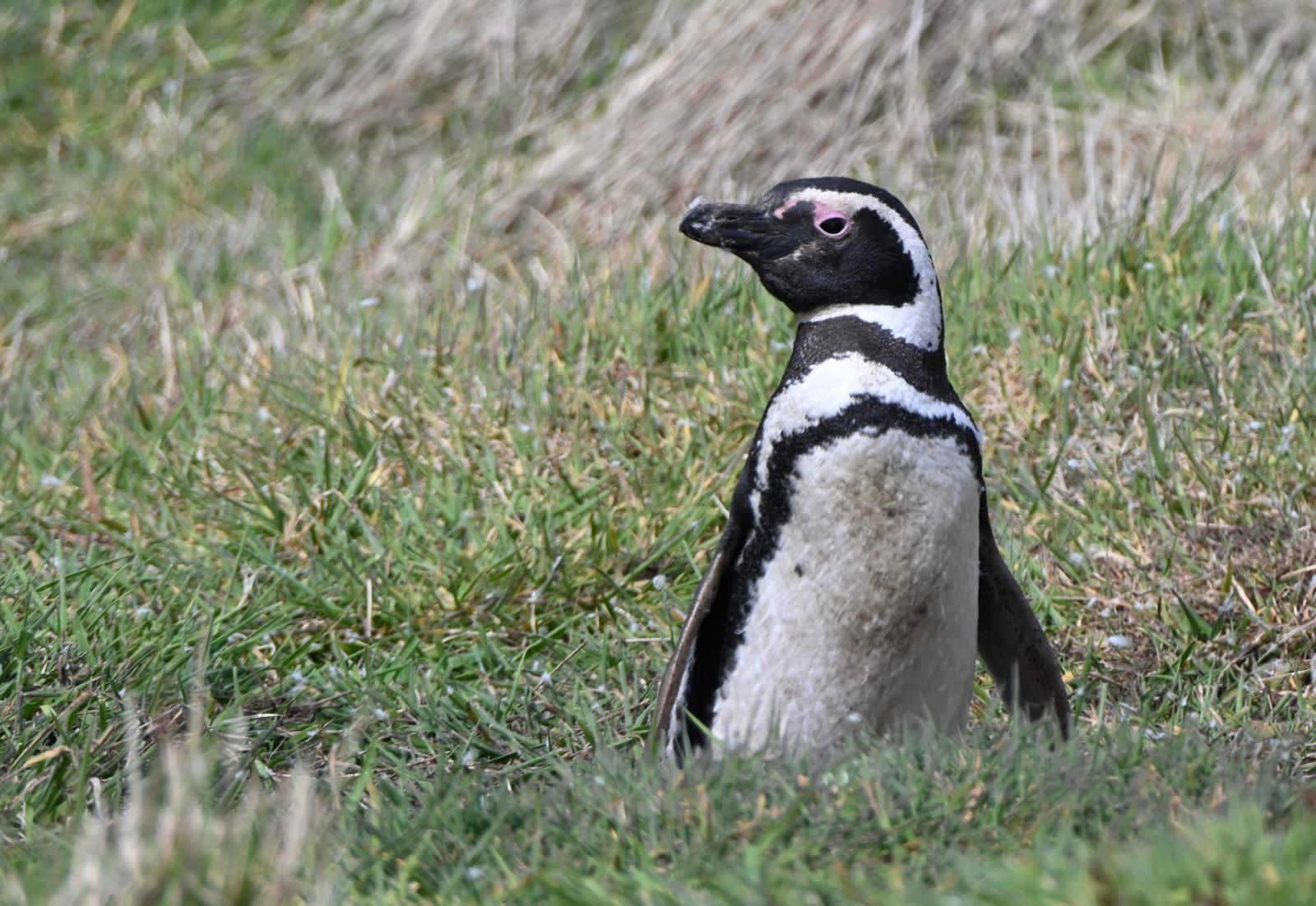
Magellanic Penguin
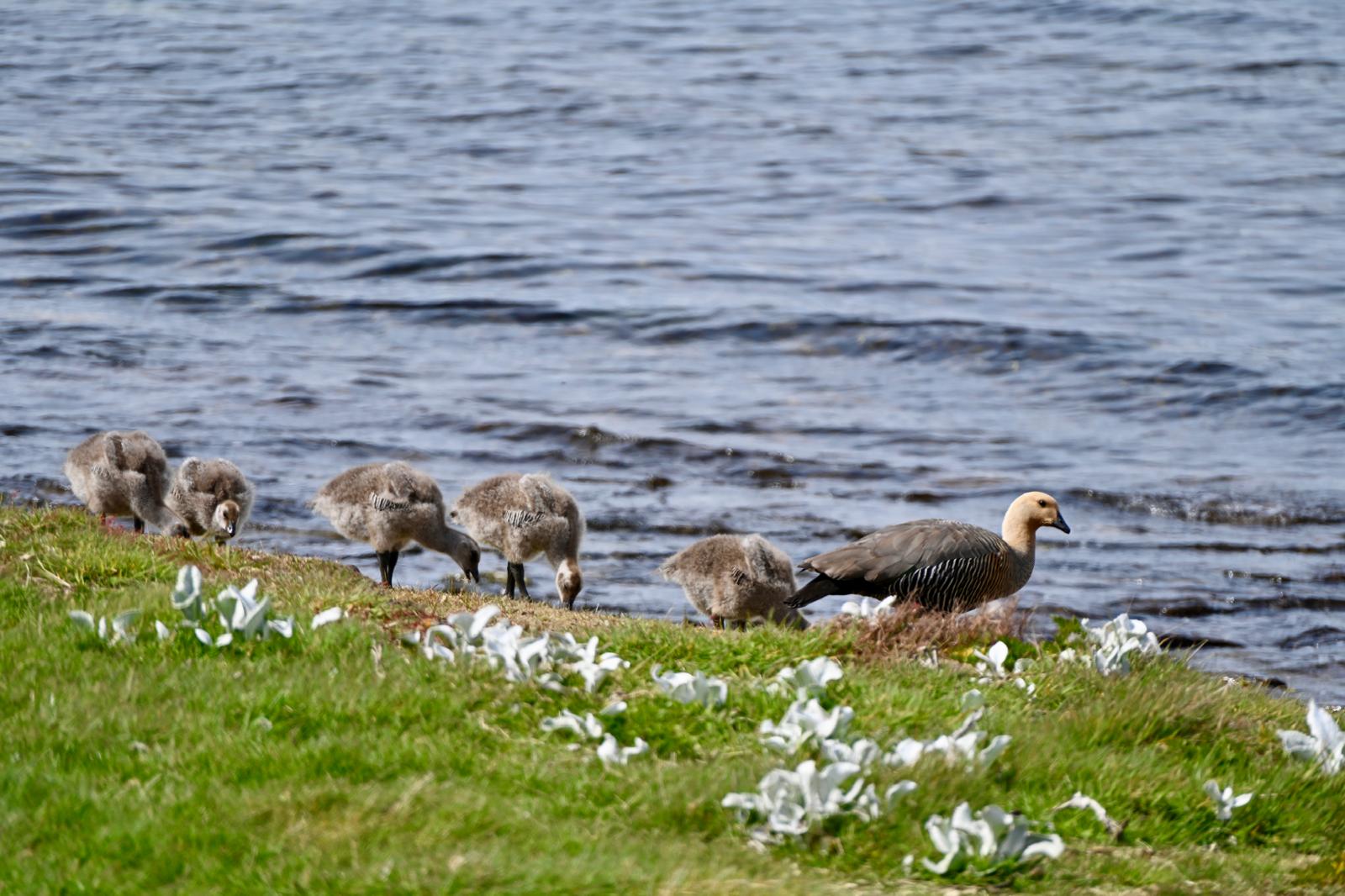
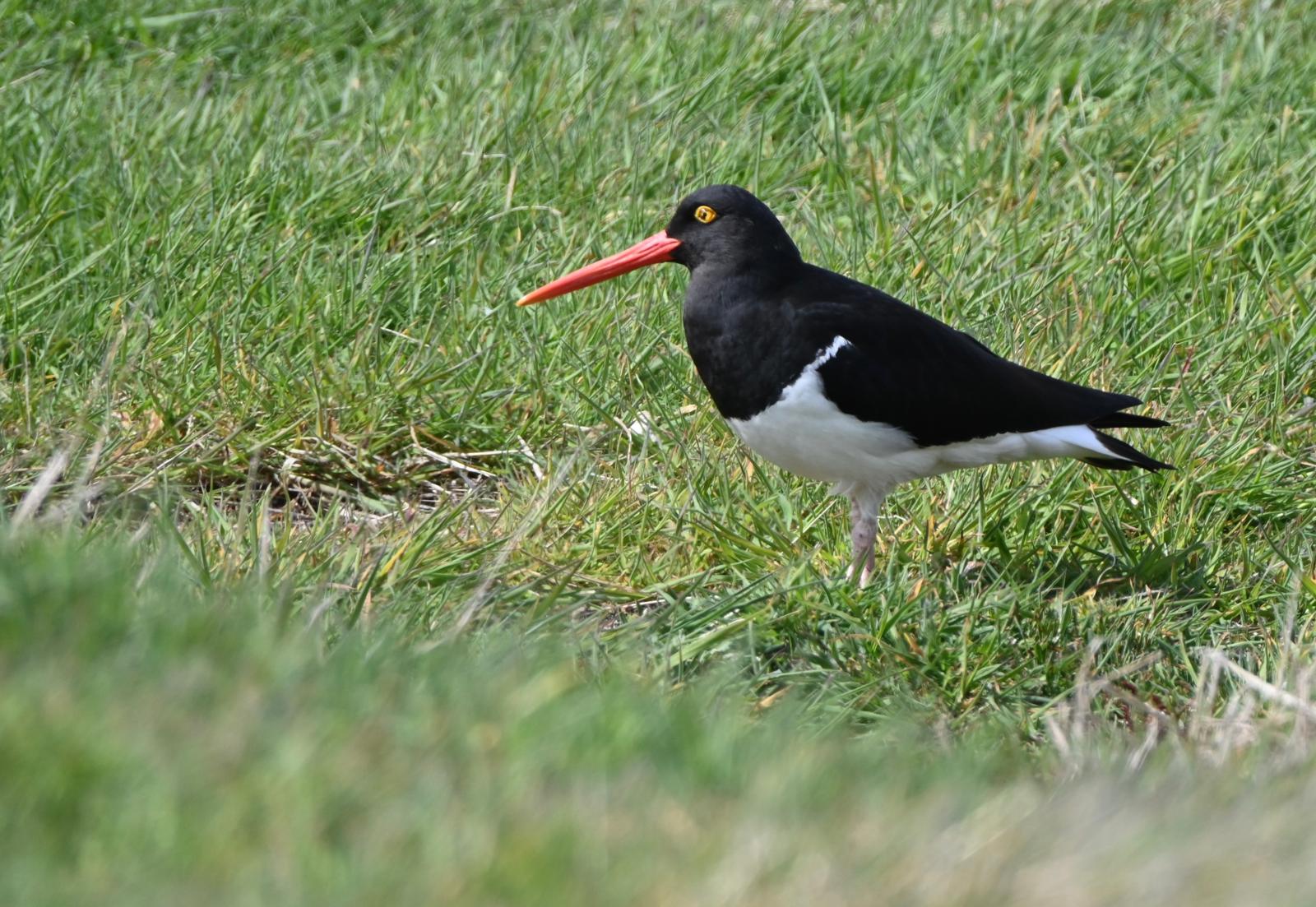
Magellanic Oyster Catcher
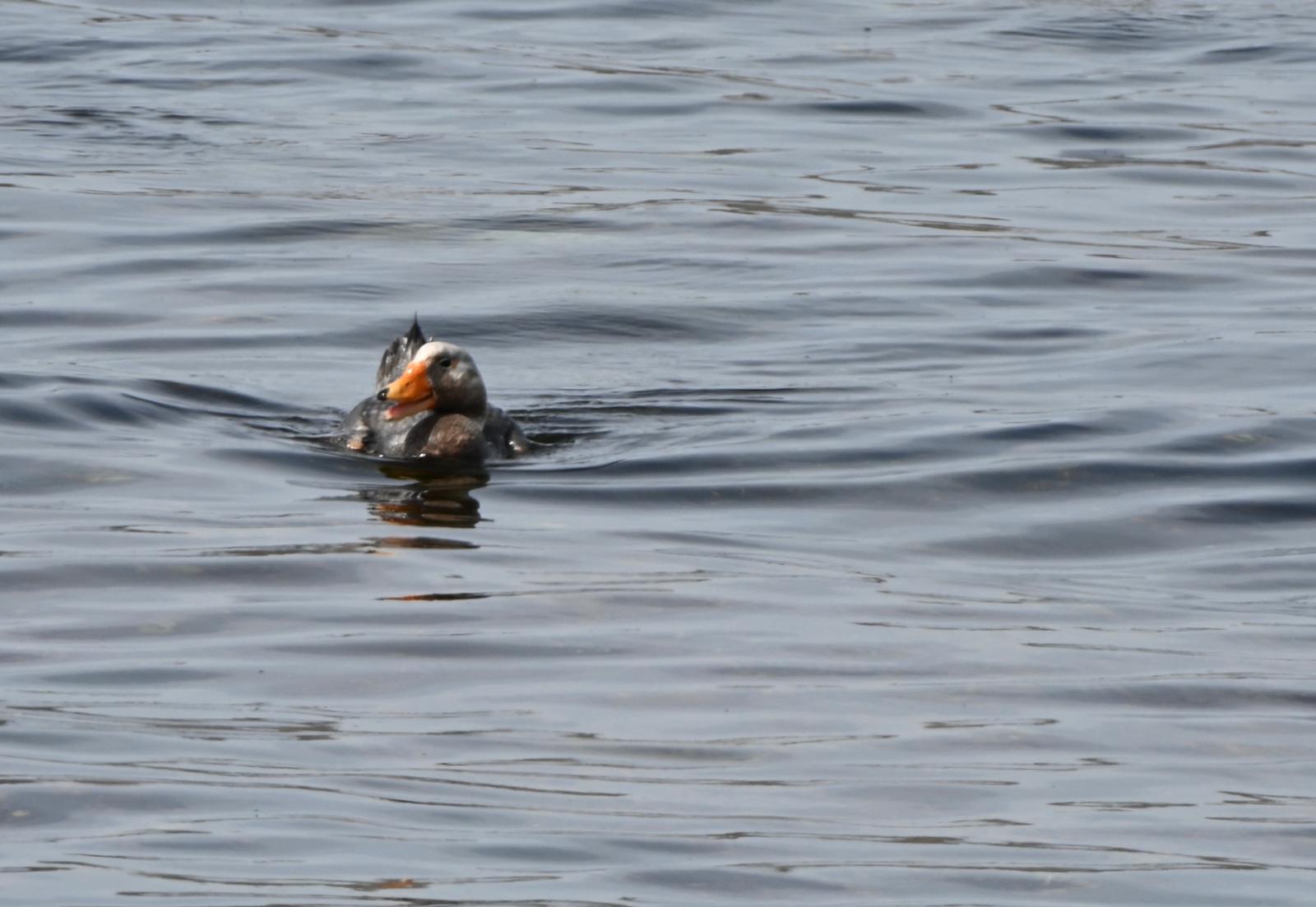
Falkland Islands Steamer Duck
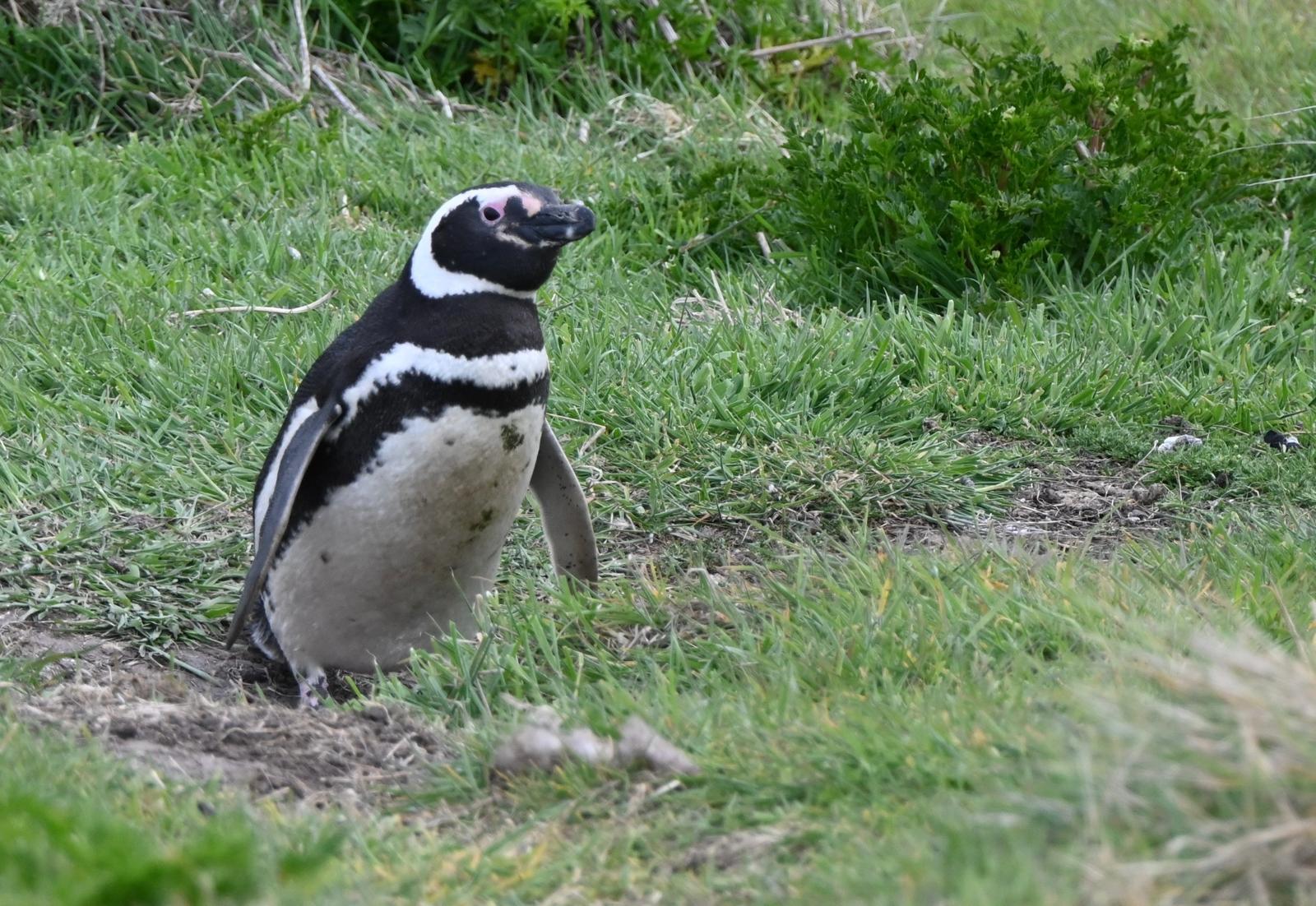
Magellanic Penguin
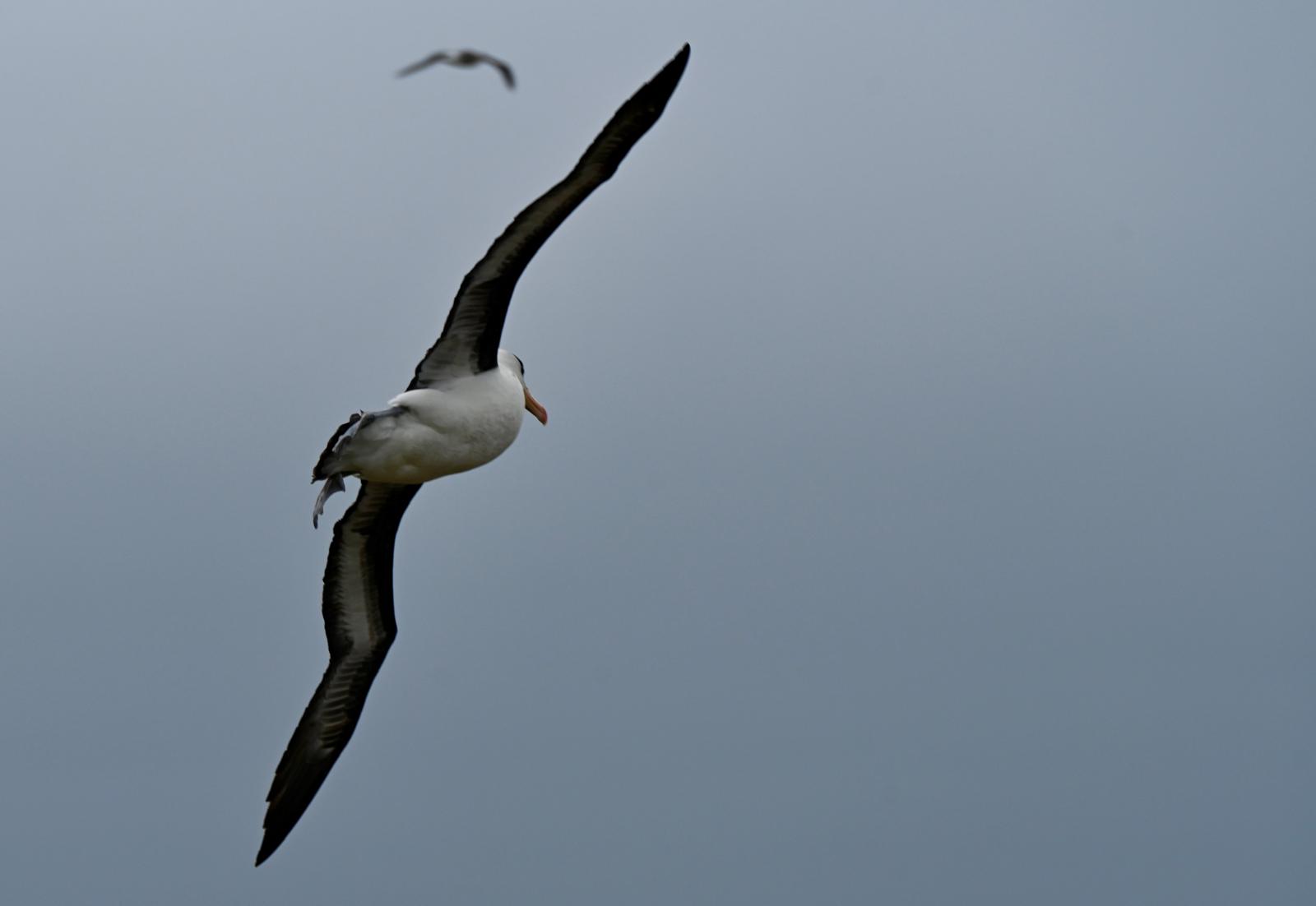
Black-browed Albatross
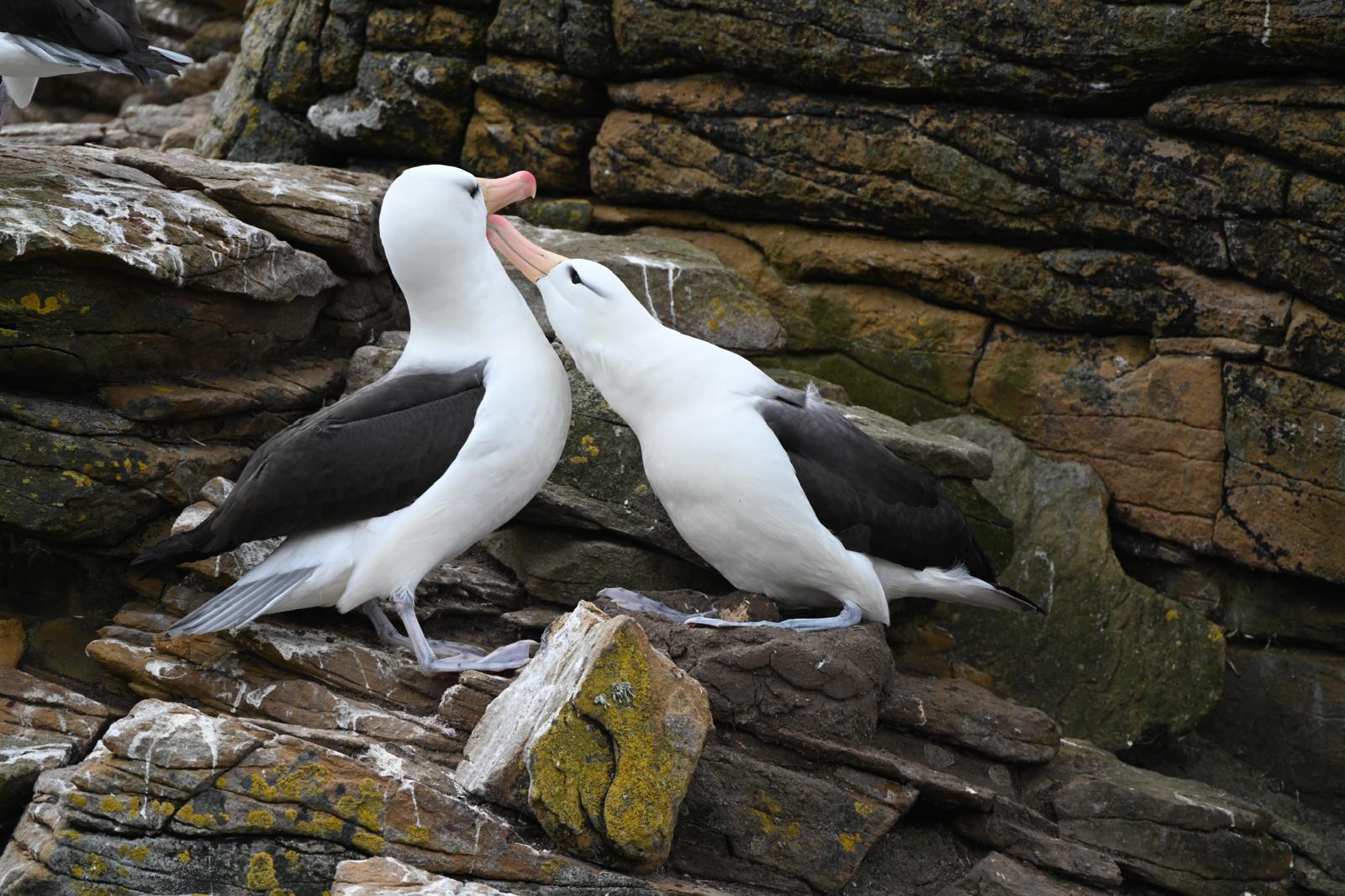
Black-browed Albatross pair greeting each other after returning from sea
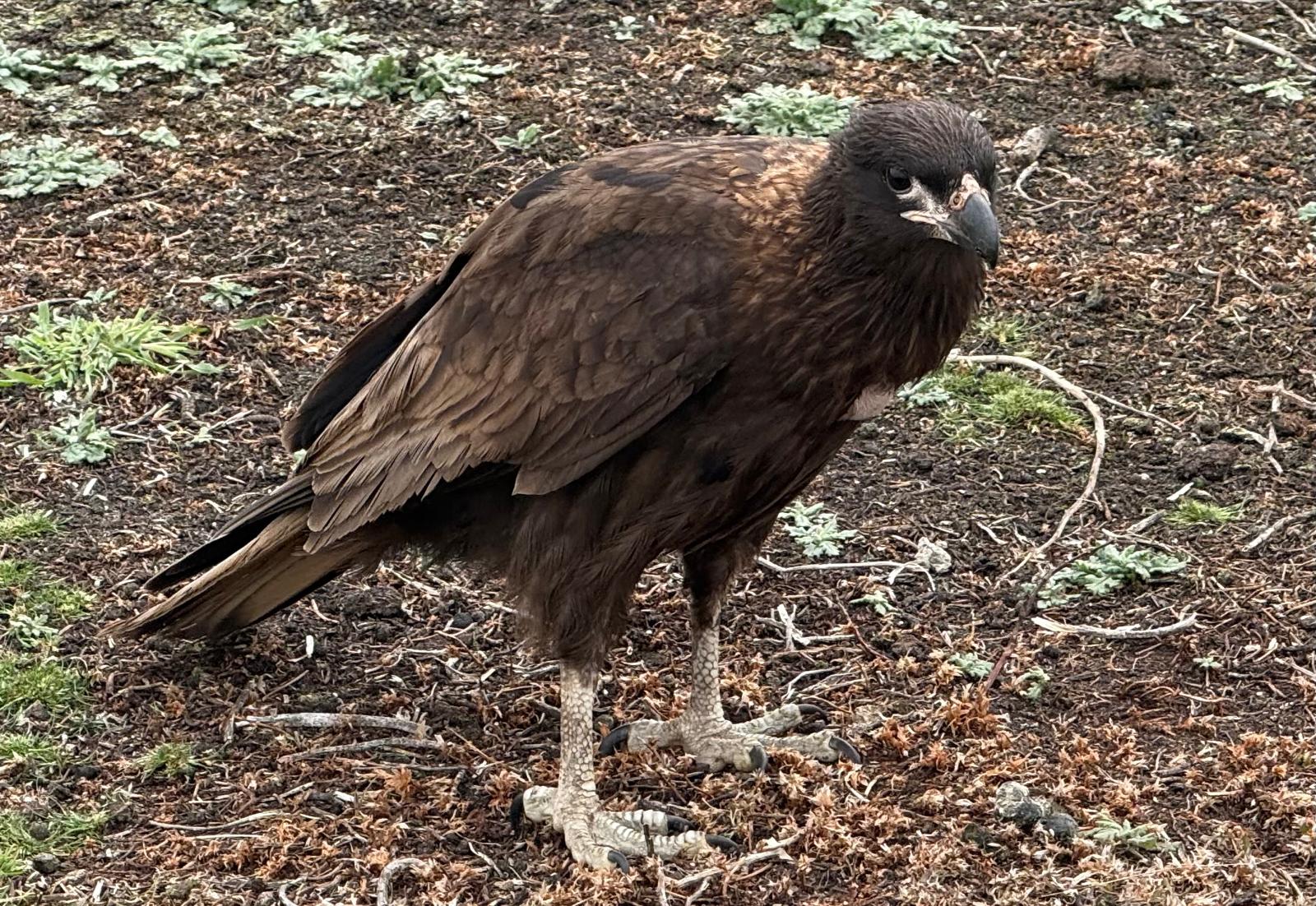
Striated Caracara
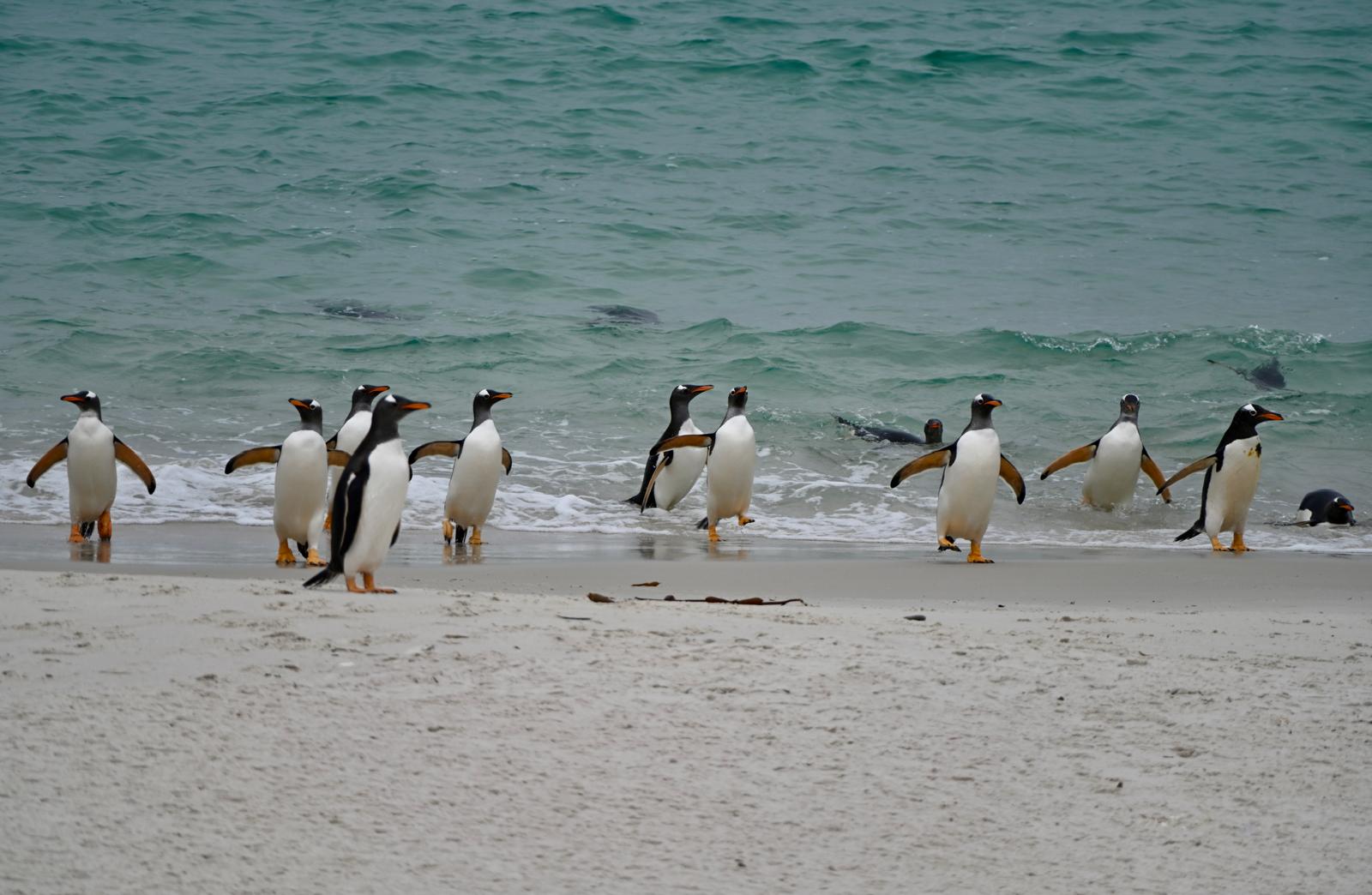
Gentoo Penguins
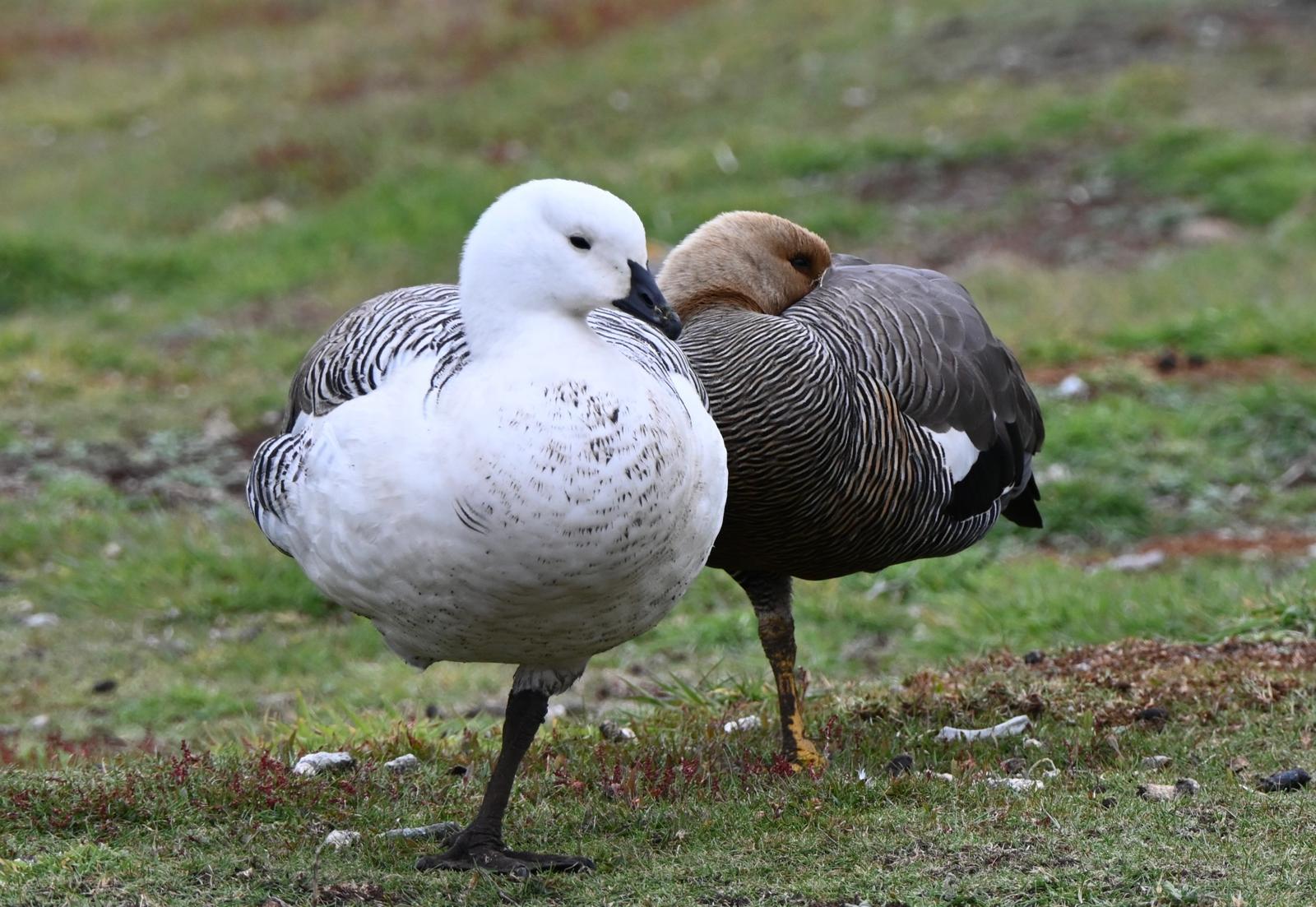
Upland Geese
Back on the boat at the daily debrief we were shown some superb photographs from the naturalists and photographers on the boat. One bit even included a video of a sea lion swimming right up to the underwater specialists while they were diving in the bay.
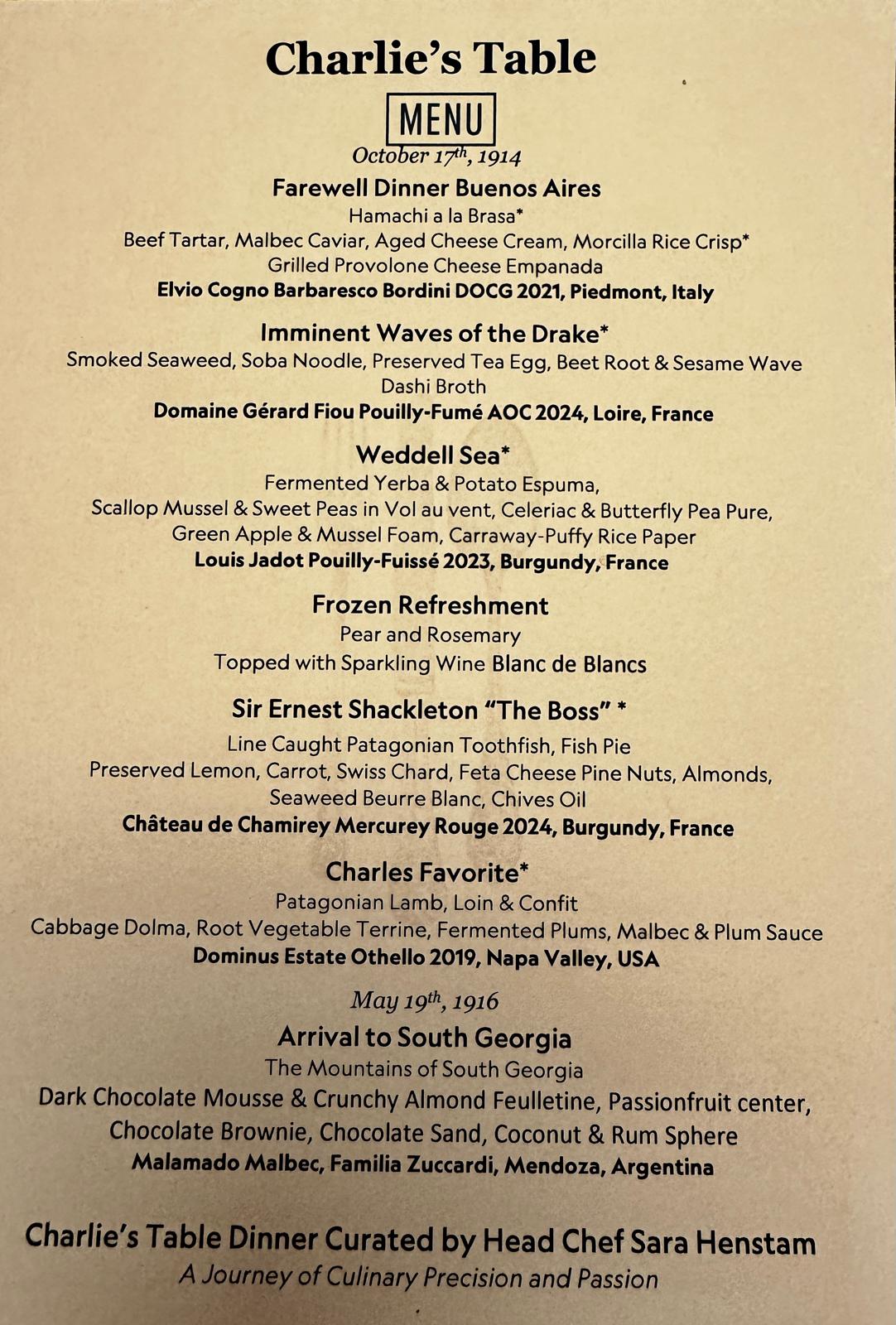
The debrief over, we headed up to level eight, where we had been invited to what is called a Captain’s dinner. Never mind that the Captain wasn’t there. We had a set menu which was seven courses, including wine to go with each course, as we engaged in great conversation with some of our fellow passengers. The menu was designed around Shackleton’s adventures and was a visual feast as well as being absolutely delicious.
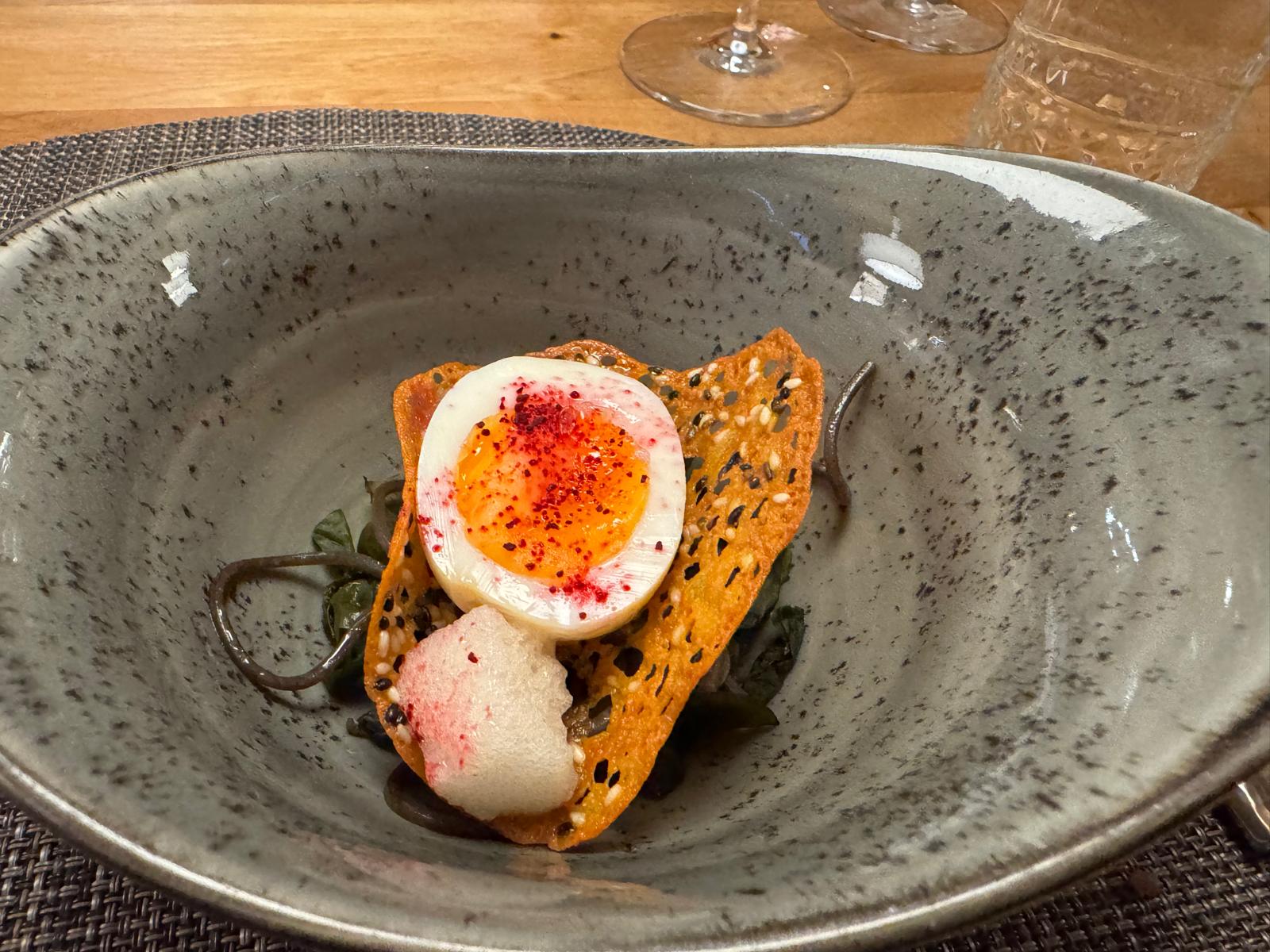
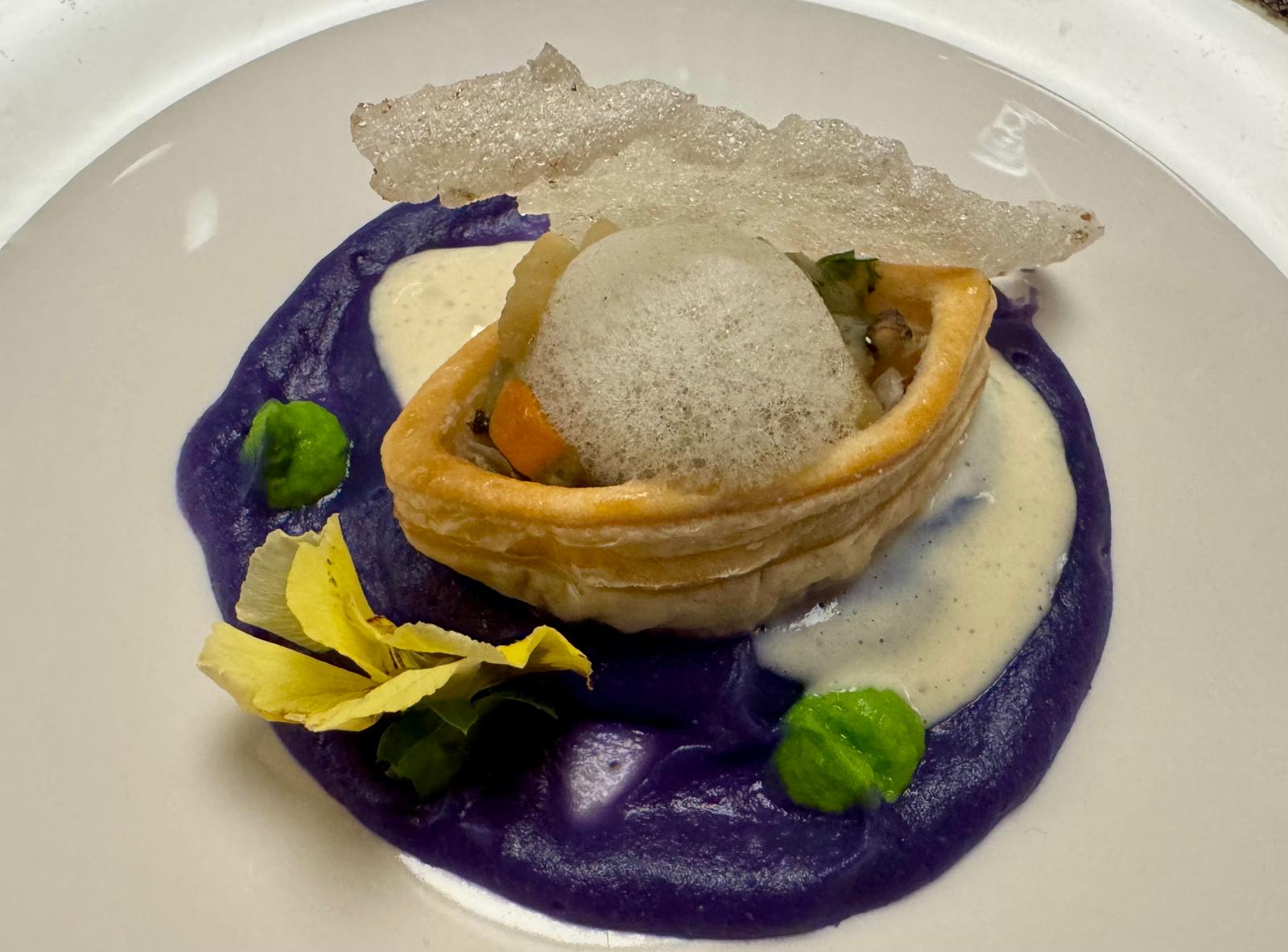
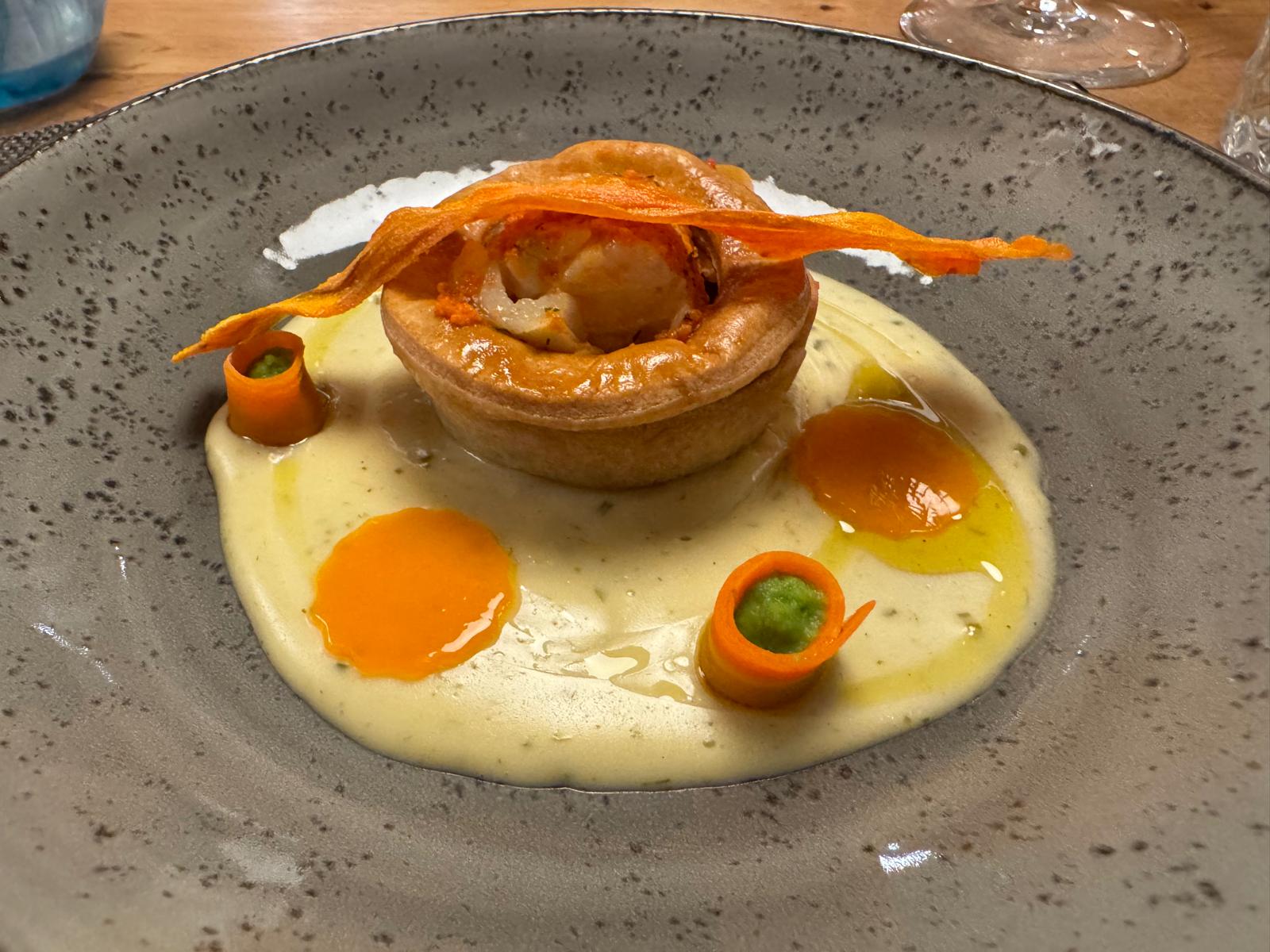
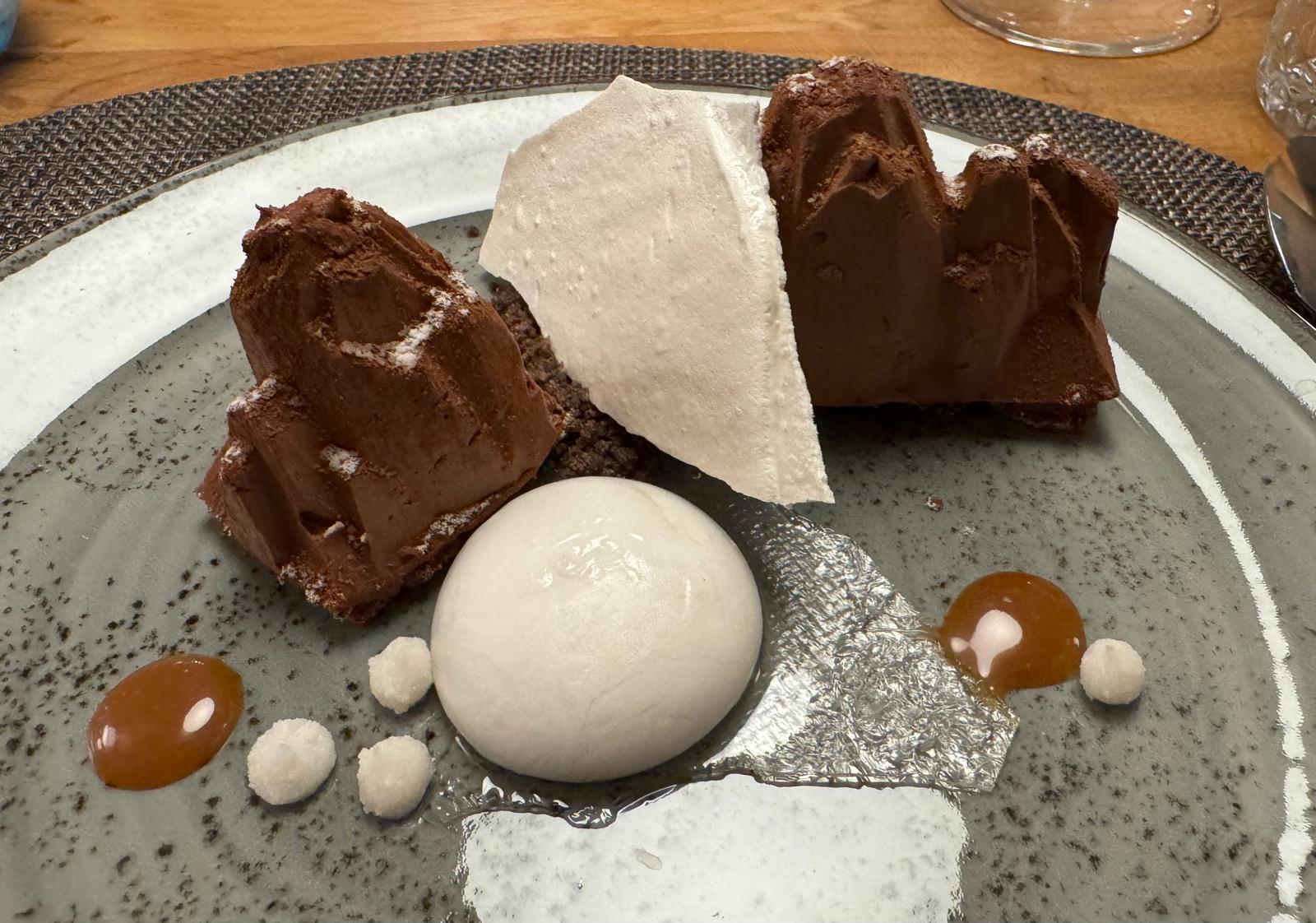
Monday 16 November 2026: Falkland Islands – Sylvia
We arrived early this morning at Saunder’s Island. As we were finishing breakfast a couple of Commerson’s dolphins were spotted off the bow. These are particularly beautiful animals with quite large white patches so we could see them underwater until they dove deep. They have a similar fin shape to the NZ Hector’s dolphin.
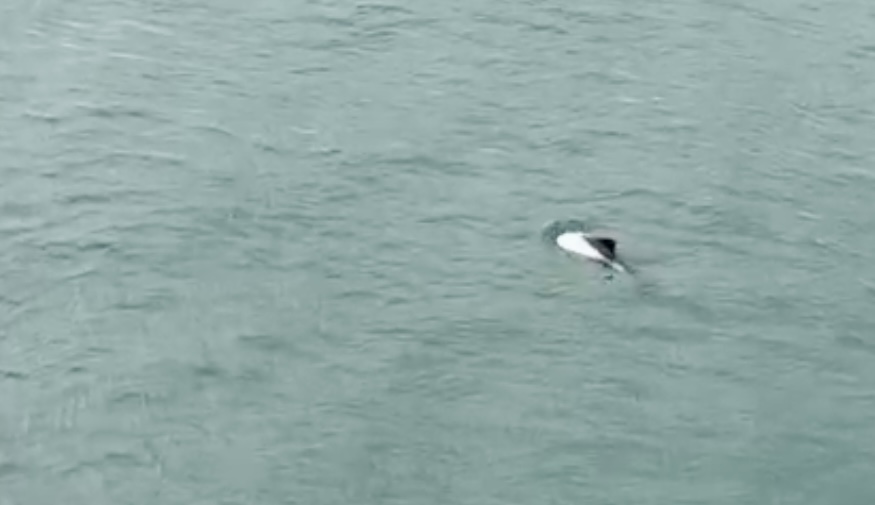
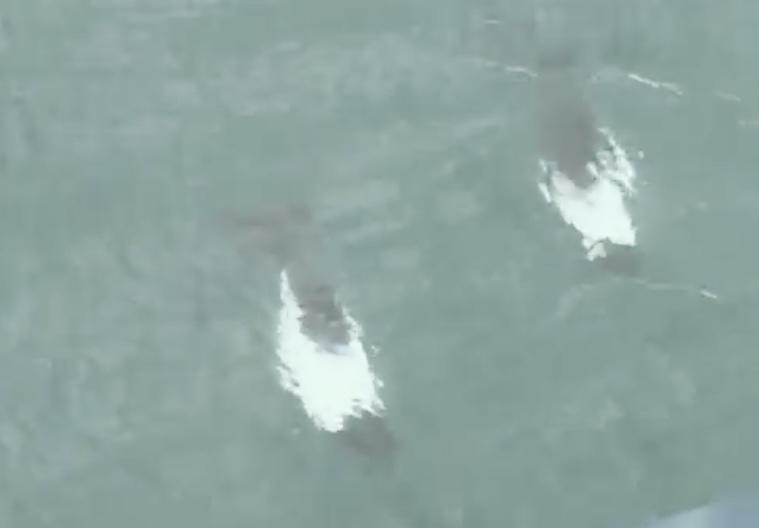
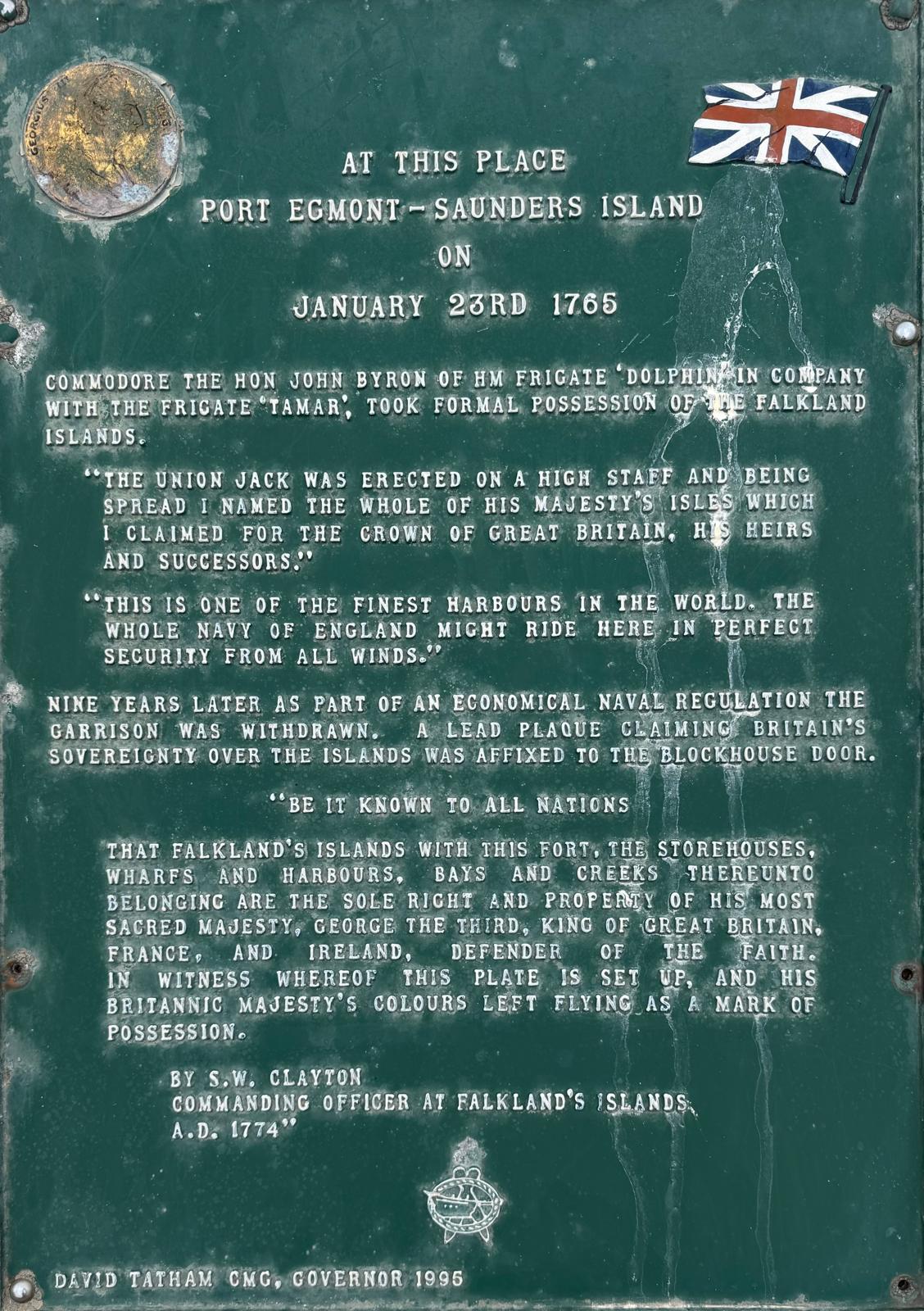
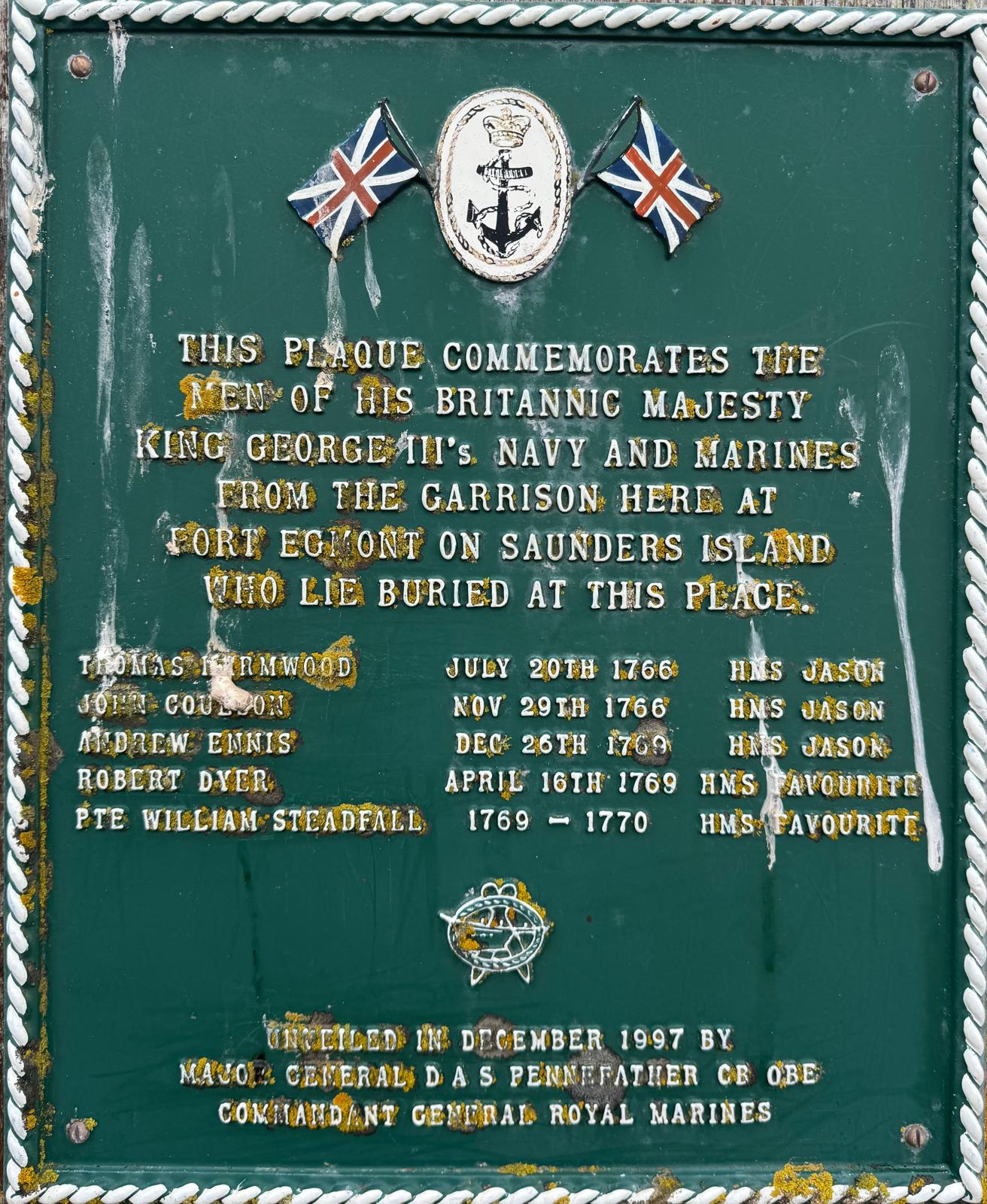
The Falkland Islands were first sighted by Byron in 1592 but it was not until 1765 that the British landed here, on Saunder’s Island. Unbeknown to them, the French had actually landed in the islands a year earlier, so the British staked their claim. A small group of about 230 people lived on this island for about eight years before returning to Britain, but not without leaving behind a plaque claiming their sovereignty over the islands. Later the Spanish bought out the French claim but it was not until 1841 that a permanent settlement was made when the British arrived in Stanley.
Today, Saunders Island is one of about 60 farms on the 14 inhabited islands. Originally many of the farms were owned by absentee owners but today they all have local owners. We were met by the current owner, who’s family have lived here for seven generations.
We wandered up to see the plaque commemorating the early British landing, of course flying the British flag, and then up the hill to a cemetery where seven of the original settlers are buried.
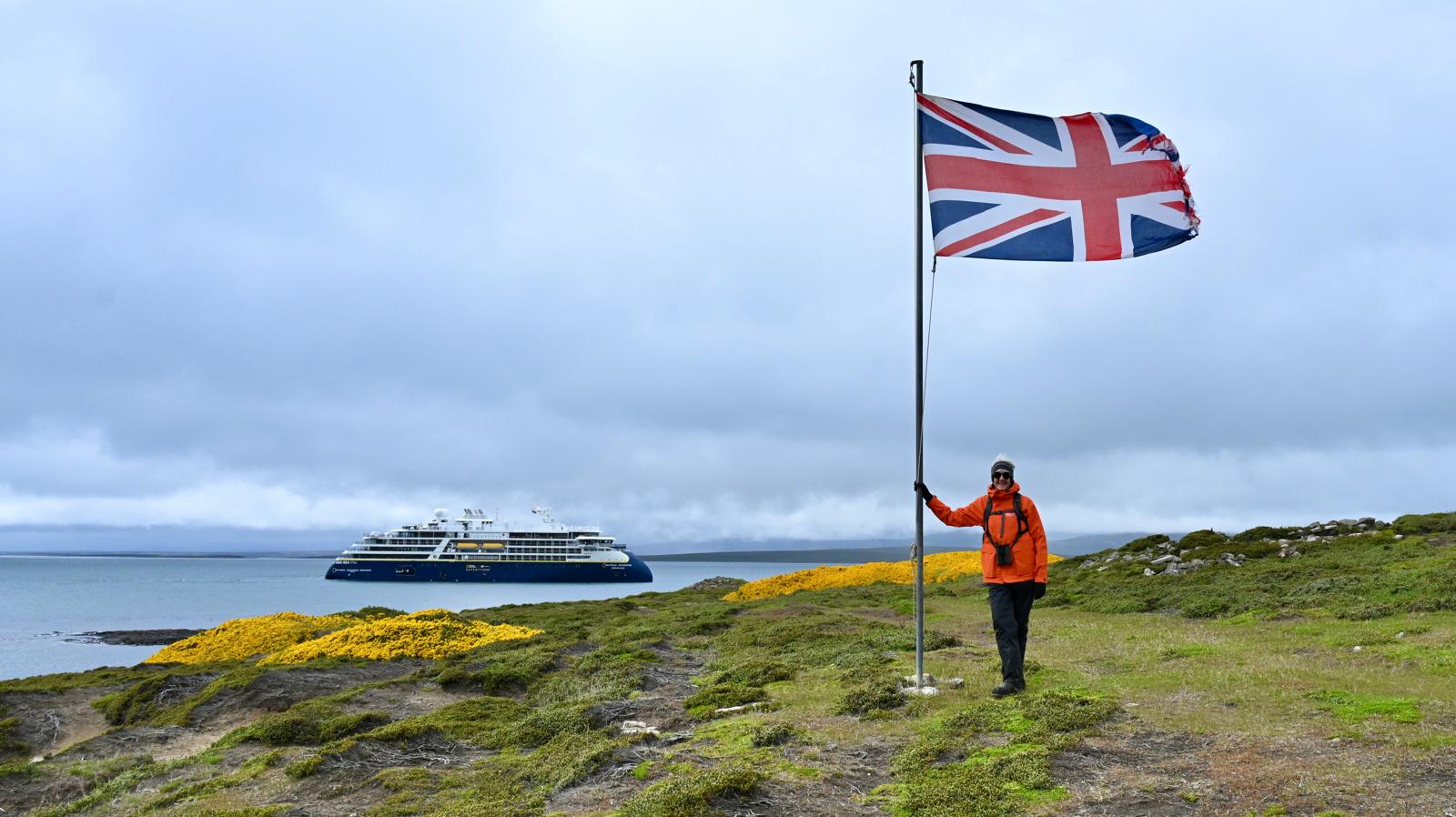
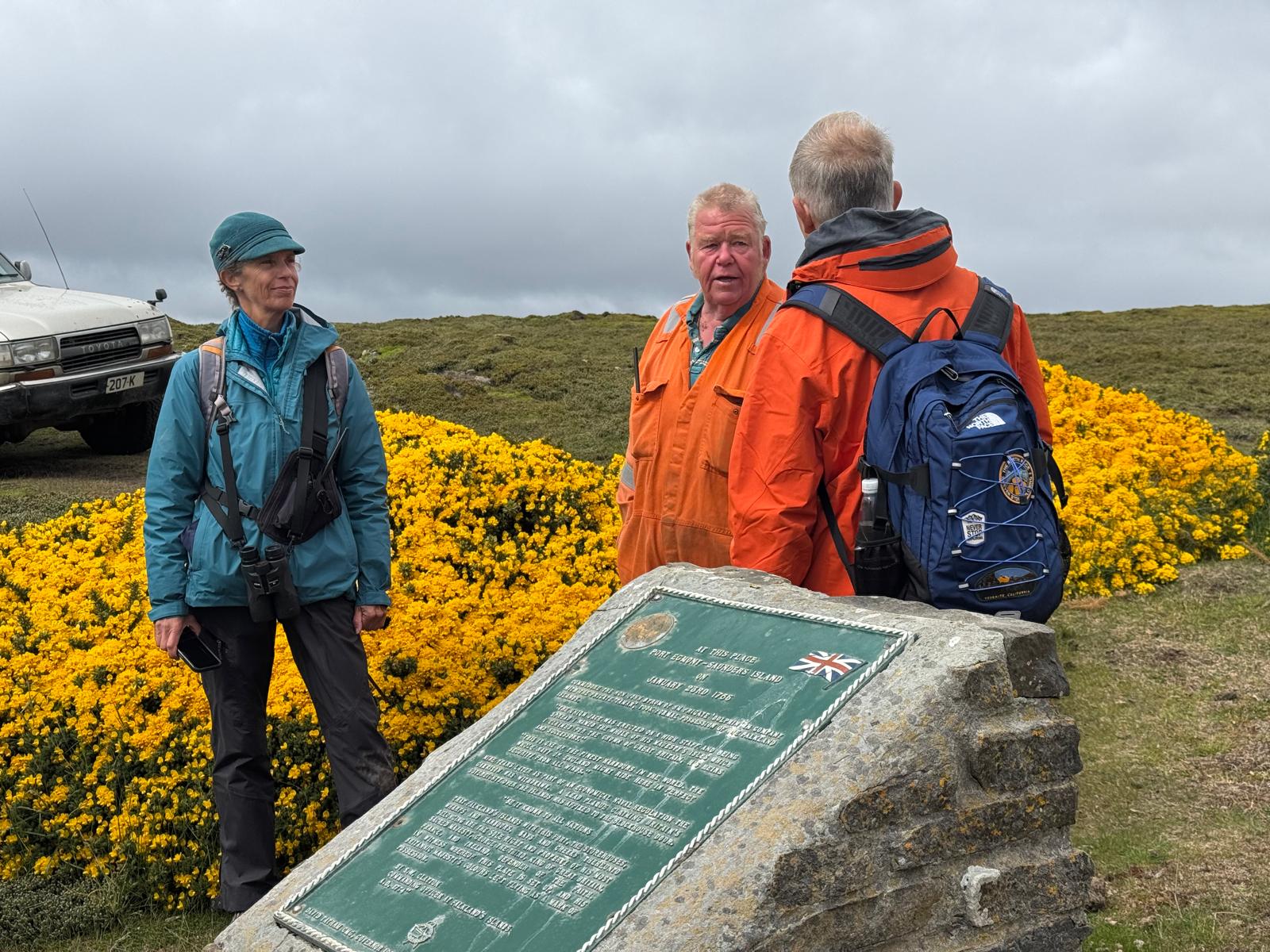
The current farm owner in the center
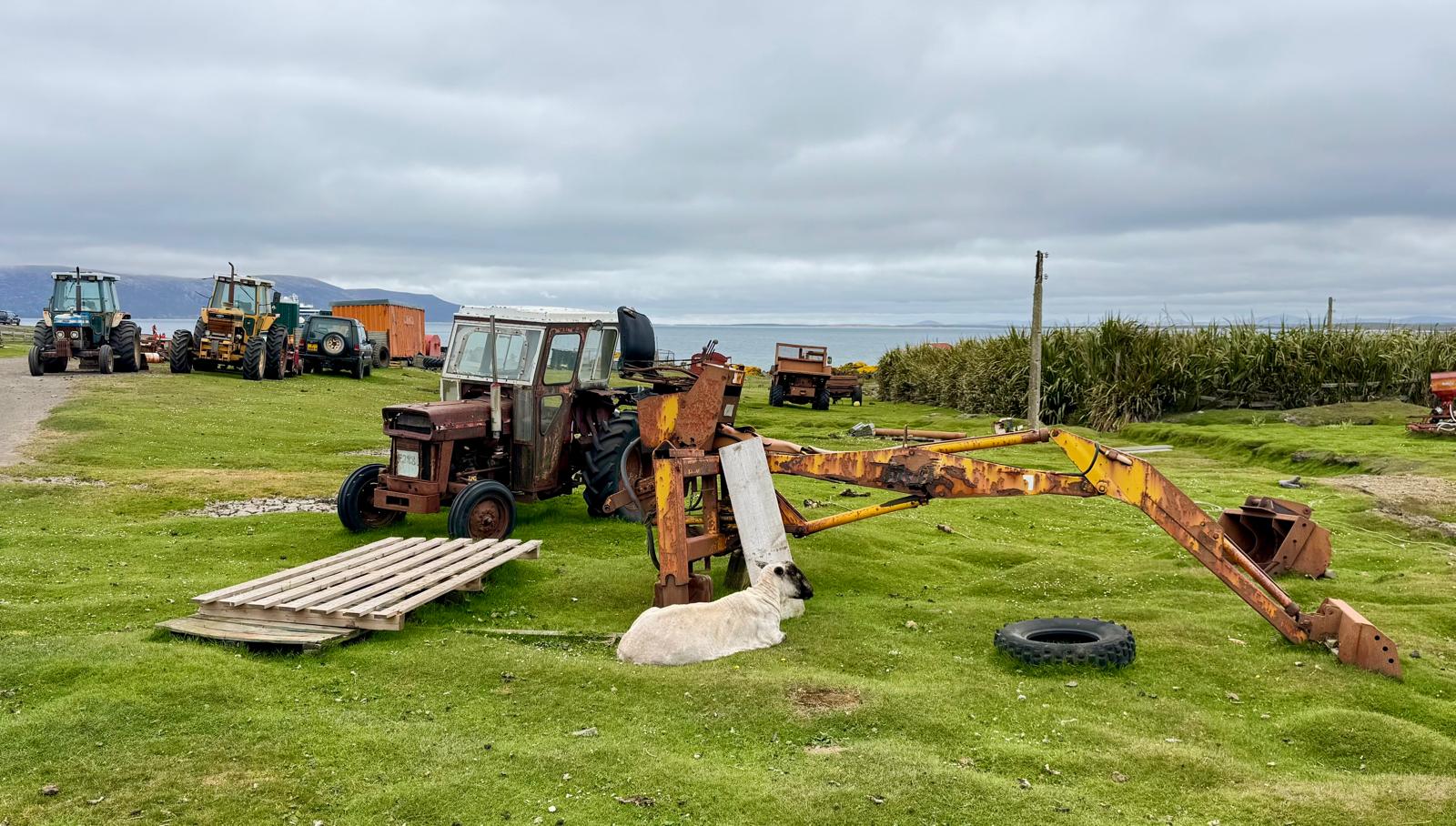
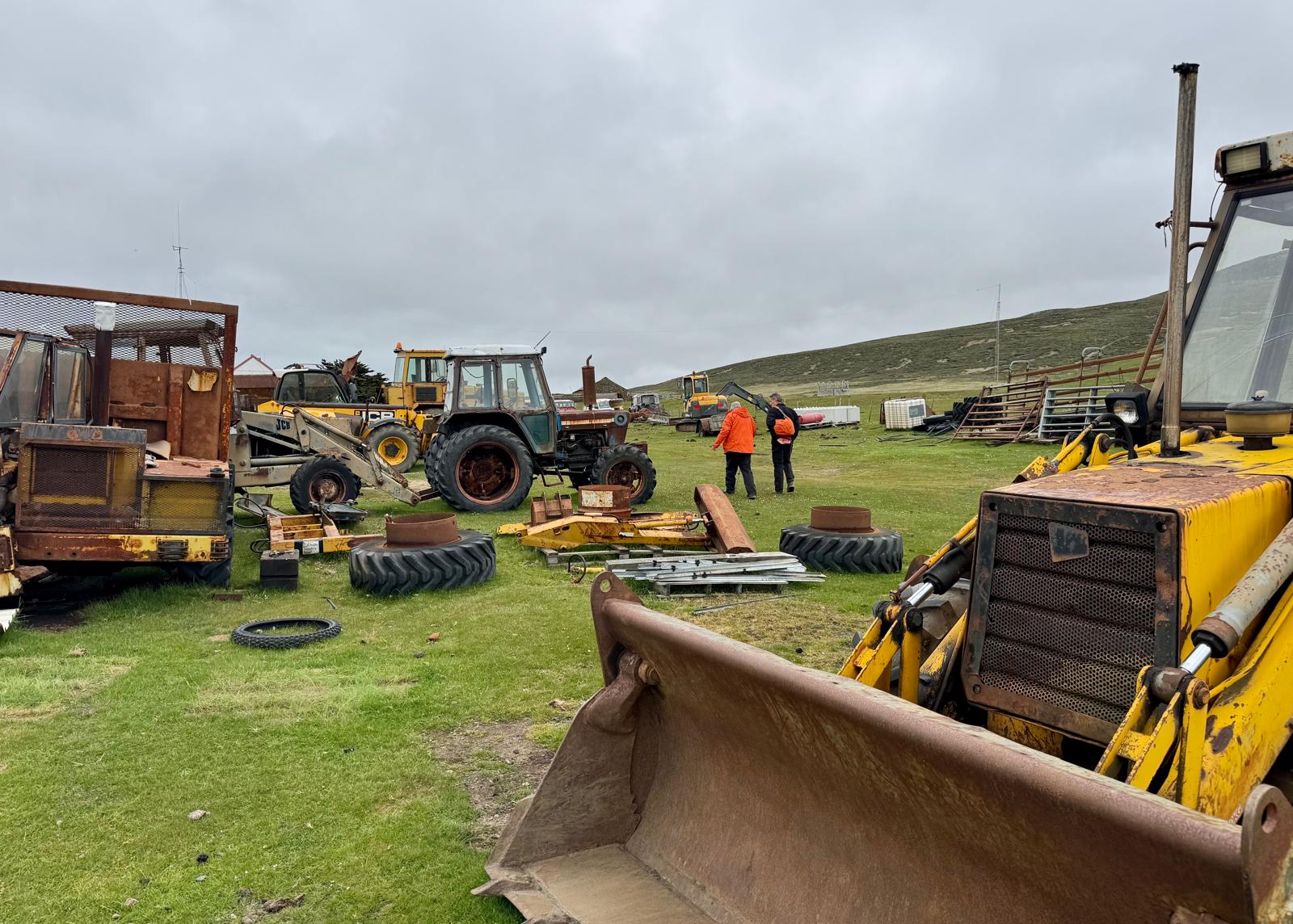
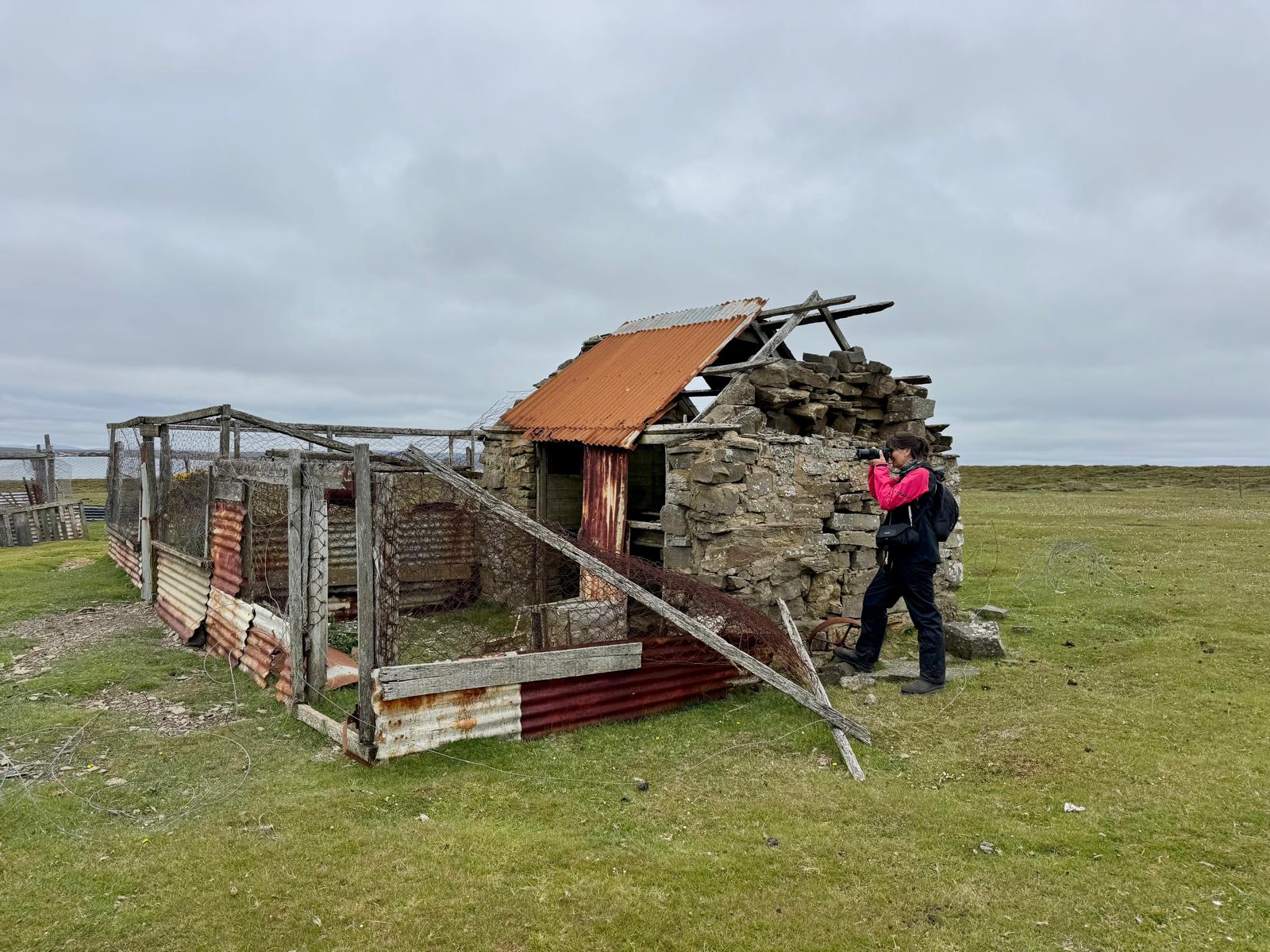
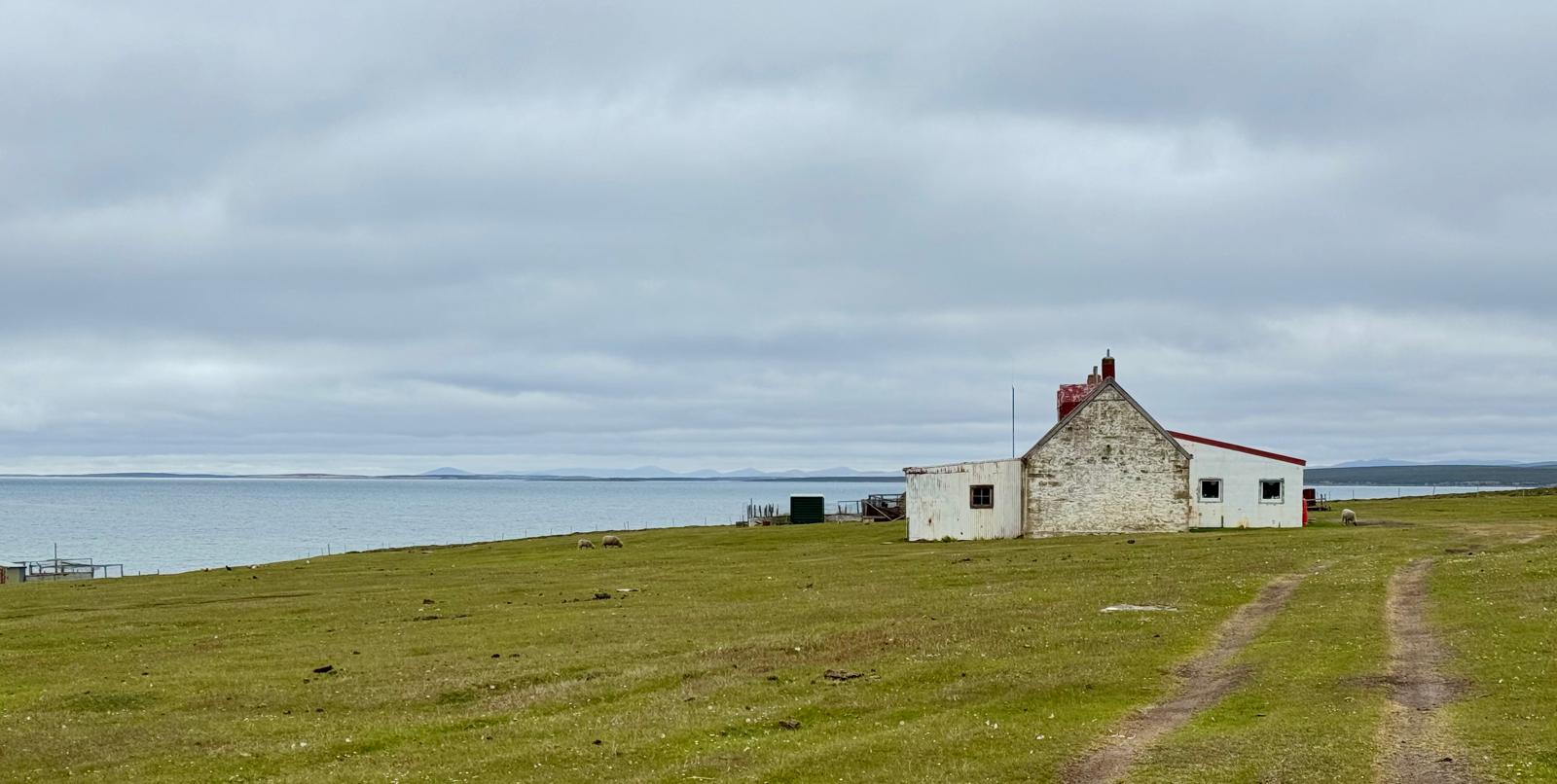
We then continued over a small hill to the farm area. A series of old buildings were laid out in ramshackle style, surrounded by lots of machines, vehicles and other miscellany, some operational and others well-beyond repair. It is certainly not the neatest or tidiest farm we have ever visited. There were a few sheep, cows, horses and geese around as well as dogs, a well-fed farm cat and a few chickens.
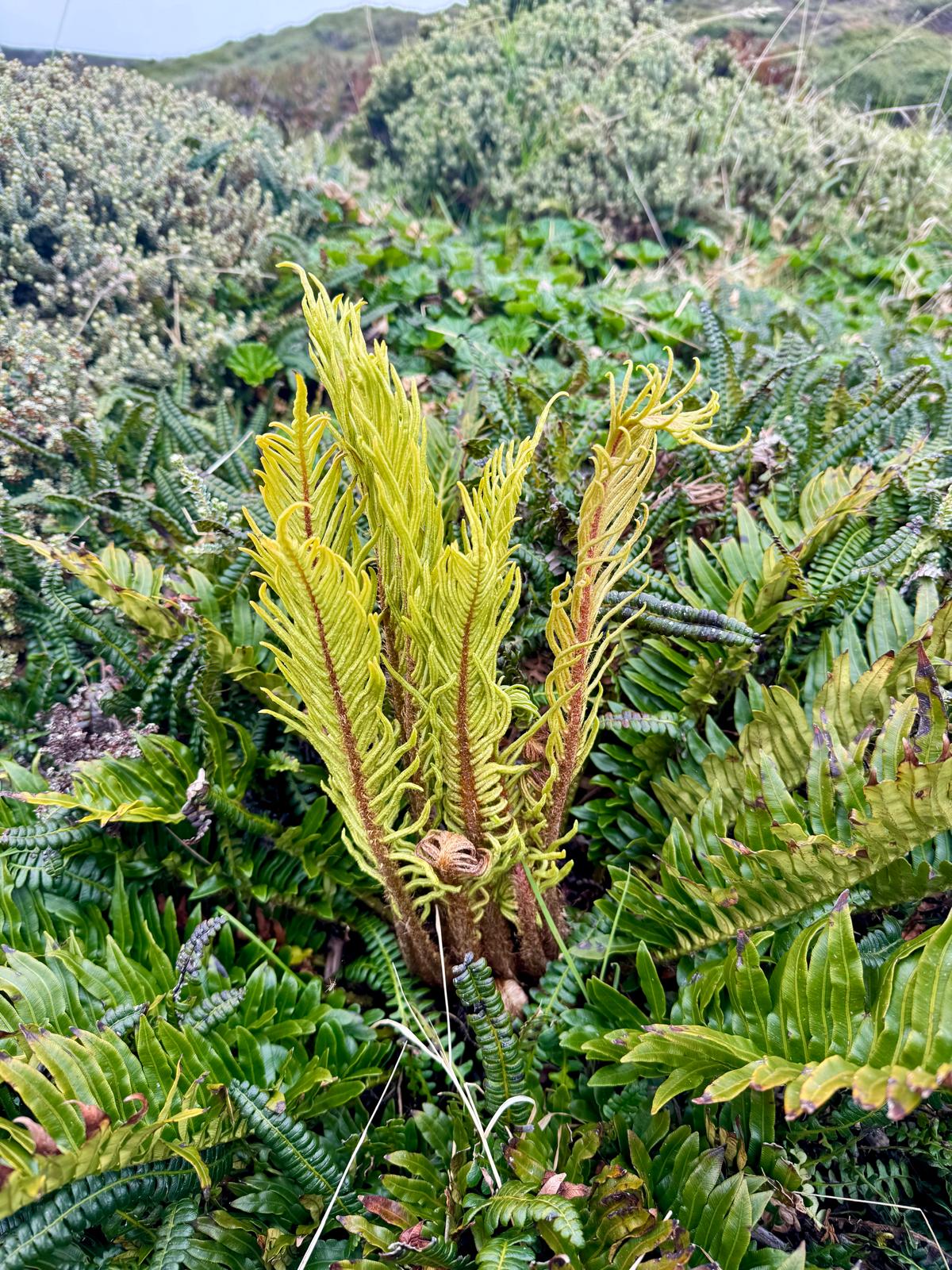
The creatively named Tall Fern
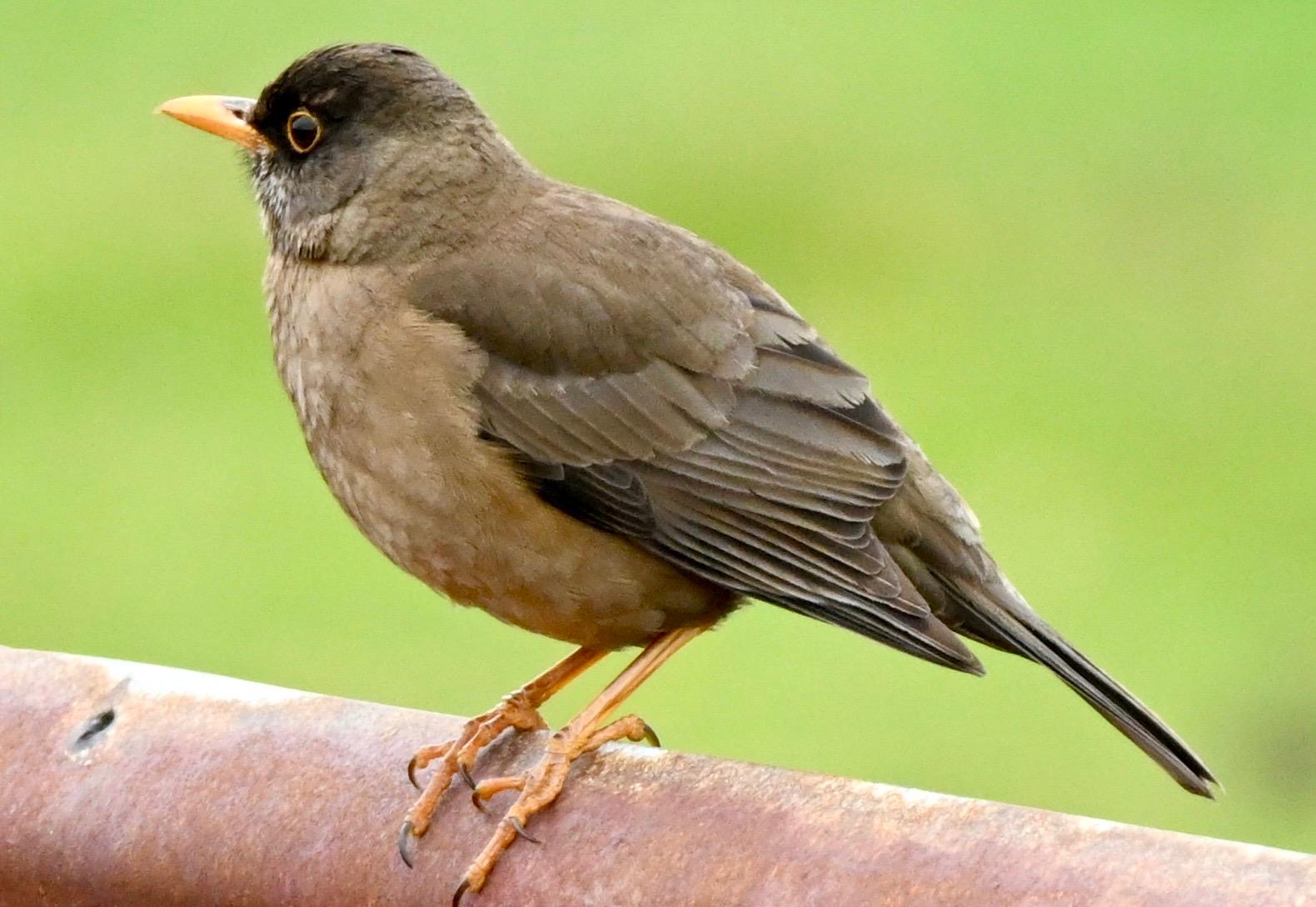
Austral Thrush
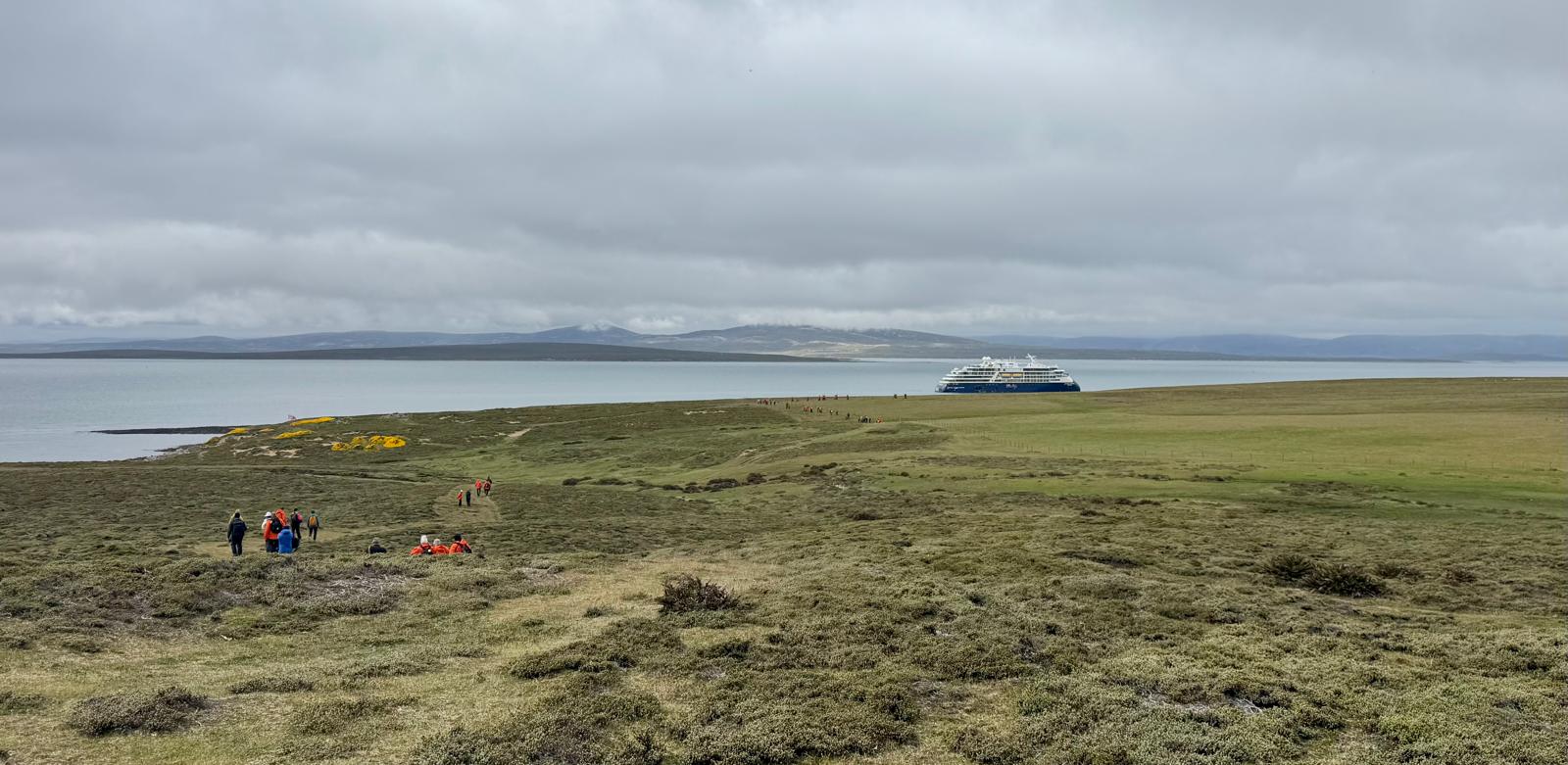
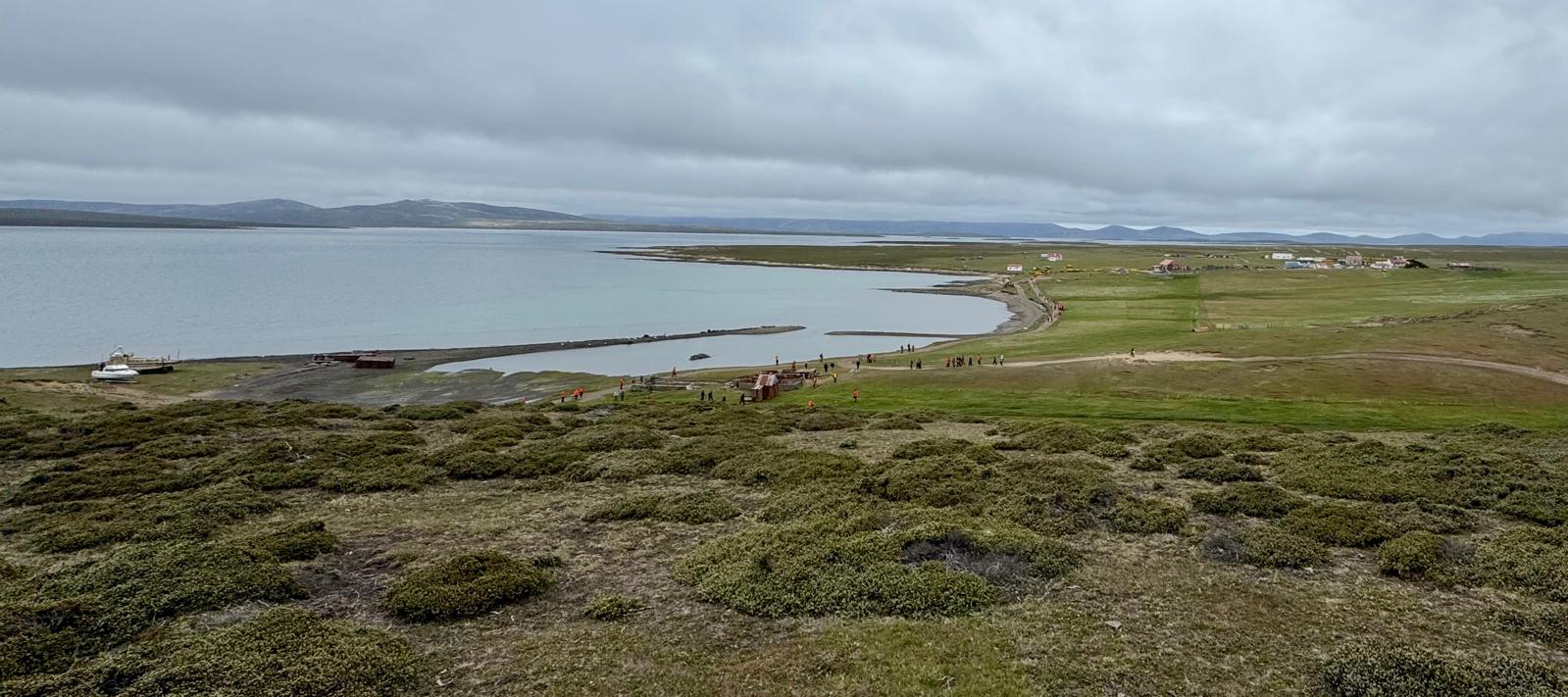
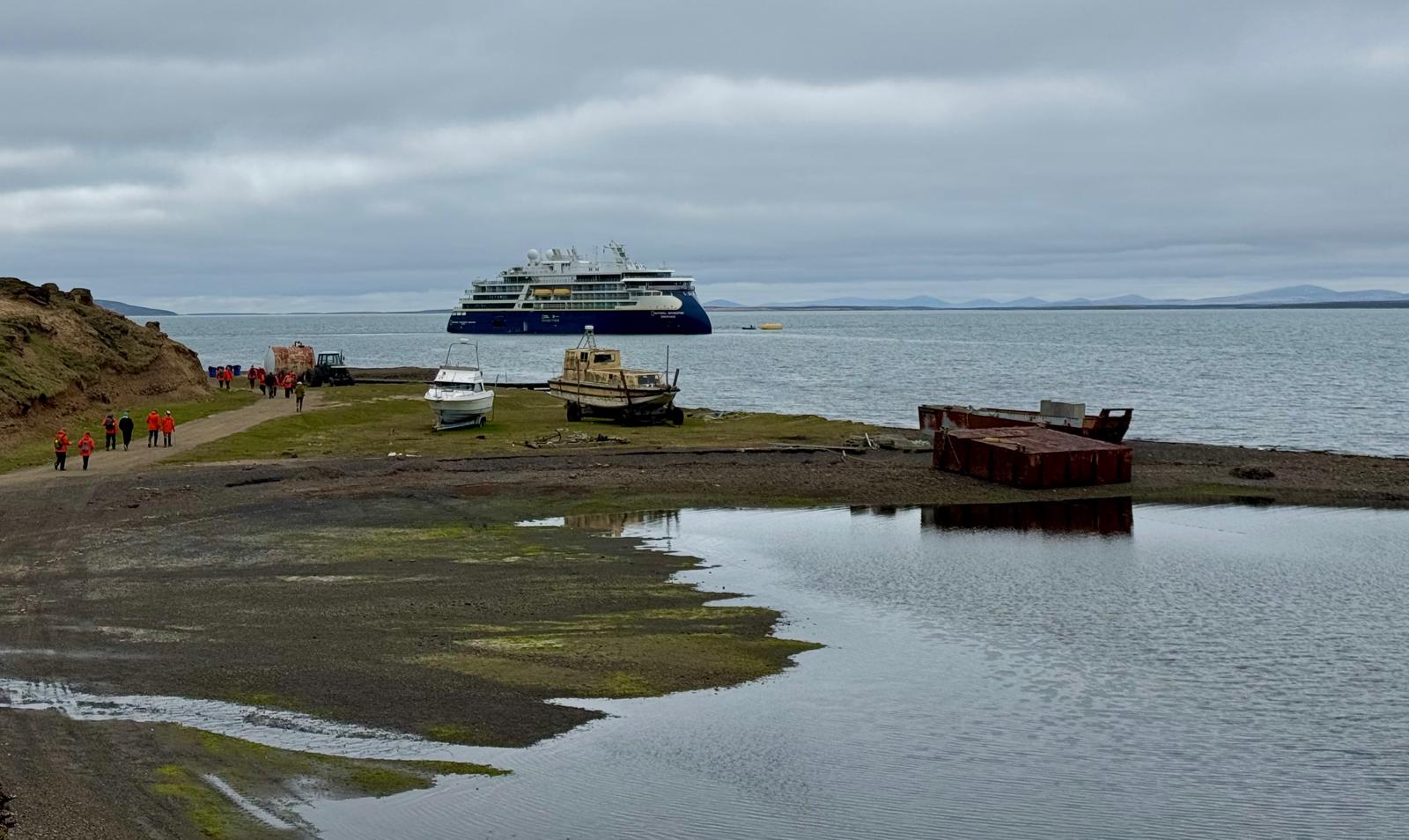
There was a bit of a show of dogs rounding up sheep and even a shearing demonstration and we were able to wander freely among the farm buildings. Roger and Steve spent quite a bit of time examining some of the old machinery.
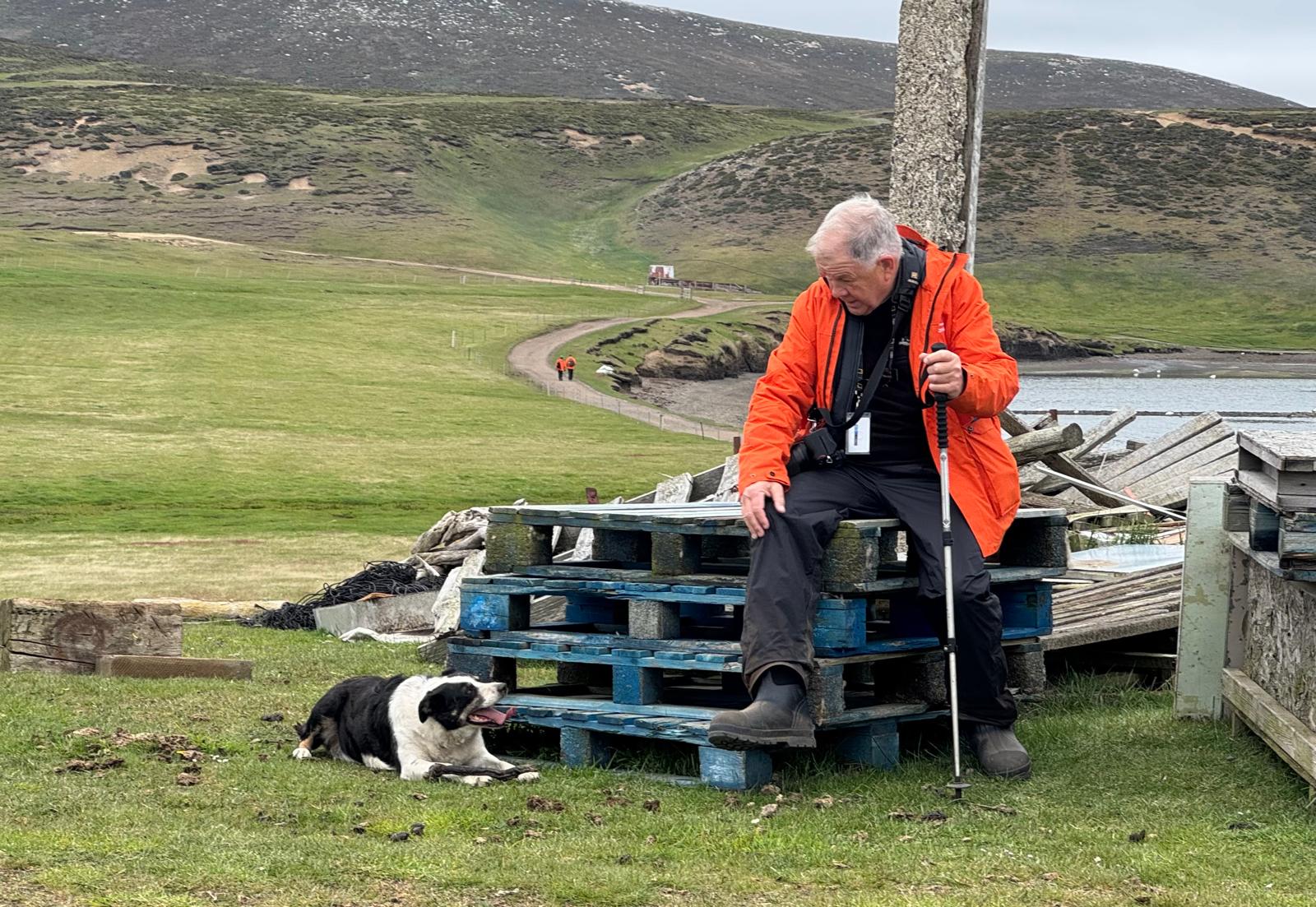
Roger befriending one of the farm dogs
Just before midday we all headed down to the landing area where a large barbecue had been set up for lunch, featuring lamb from the local farm. The Endurance staff were on hand, serving us hot roast vegetable soup and manning the bar, as well as collecting up all the used dishes.
Note the life boat drill underway out by The Endurance while we all headed to lunch
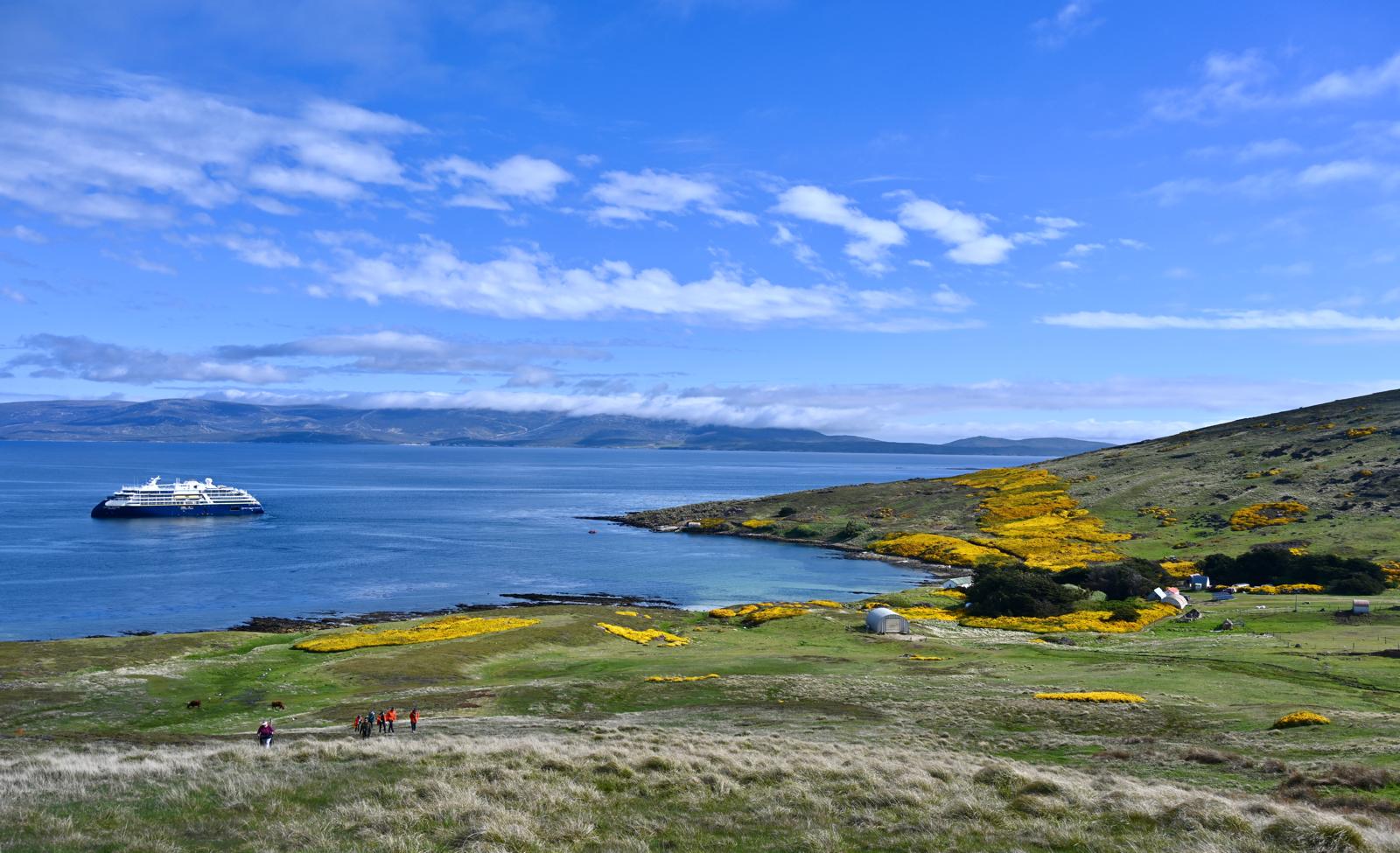
After lunch we headed back on board to reposition the ship to Carcass Island. During this time, we attended a lecture from Johnny on the whales and dolphins of the Southern Ocean. Just after 3:30pm we got the call that it was time for the ‘long-hikers’ to head to shore on Carcass Island. This is another privately farmed island but it is interesting because it has been made predator free. Steve, Karen and I kitted up and made the short zodiac-hop to shore. The concrete in Roger’s knee was still playing up so he decided to stay on board and rest for the afternoon.
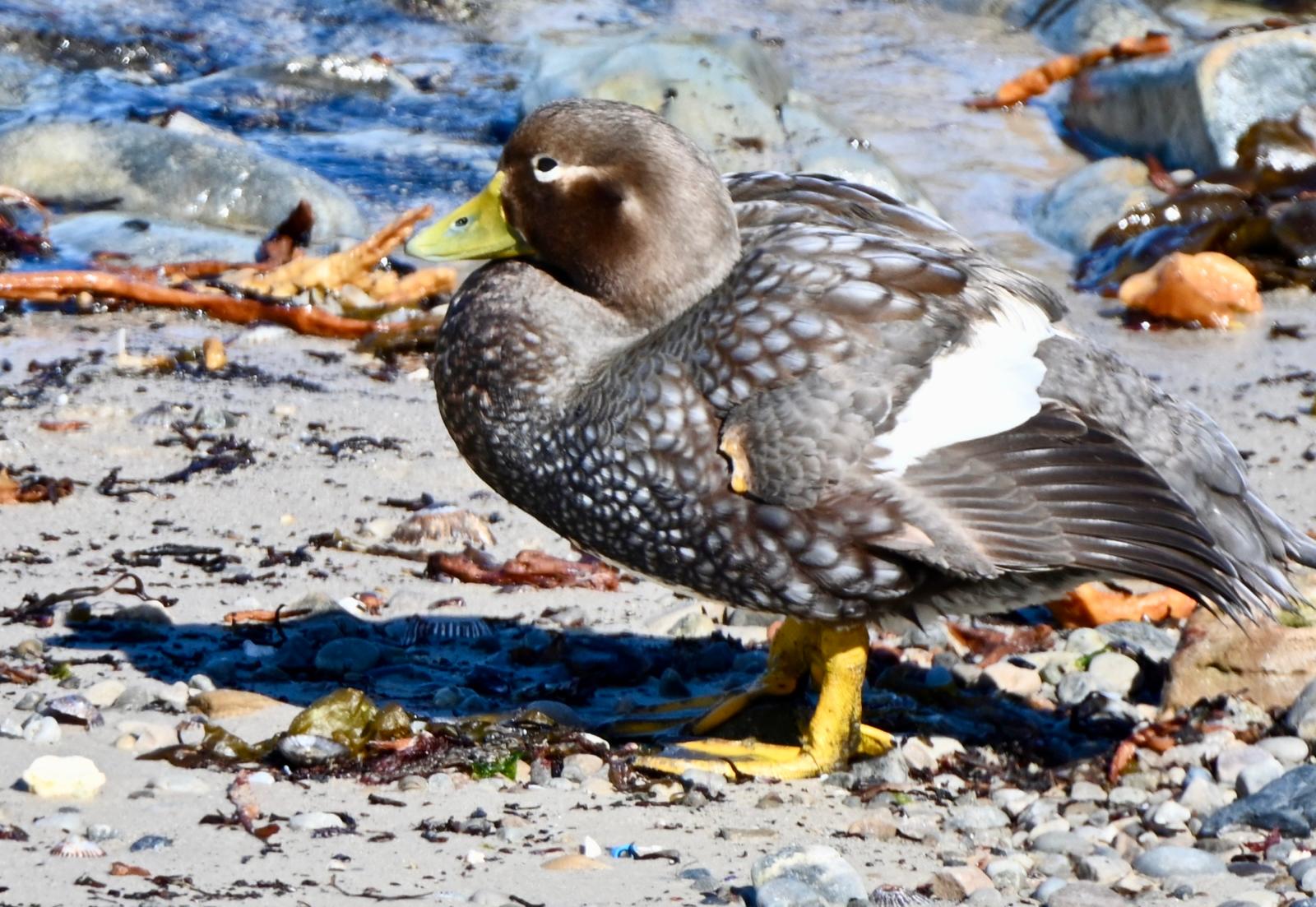
Falkland Steamer Duck
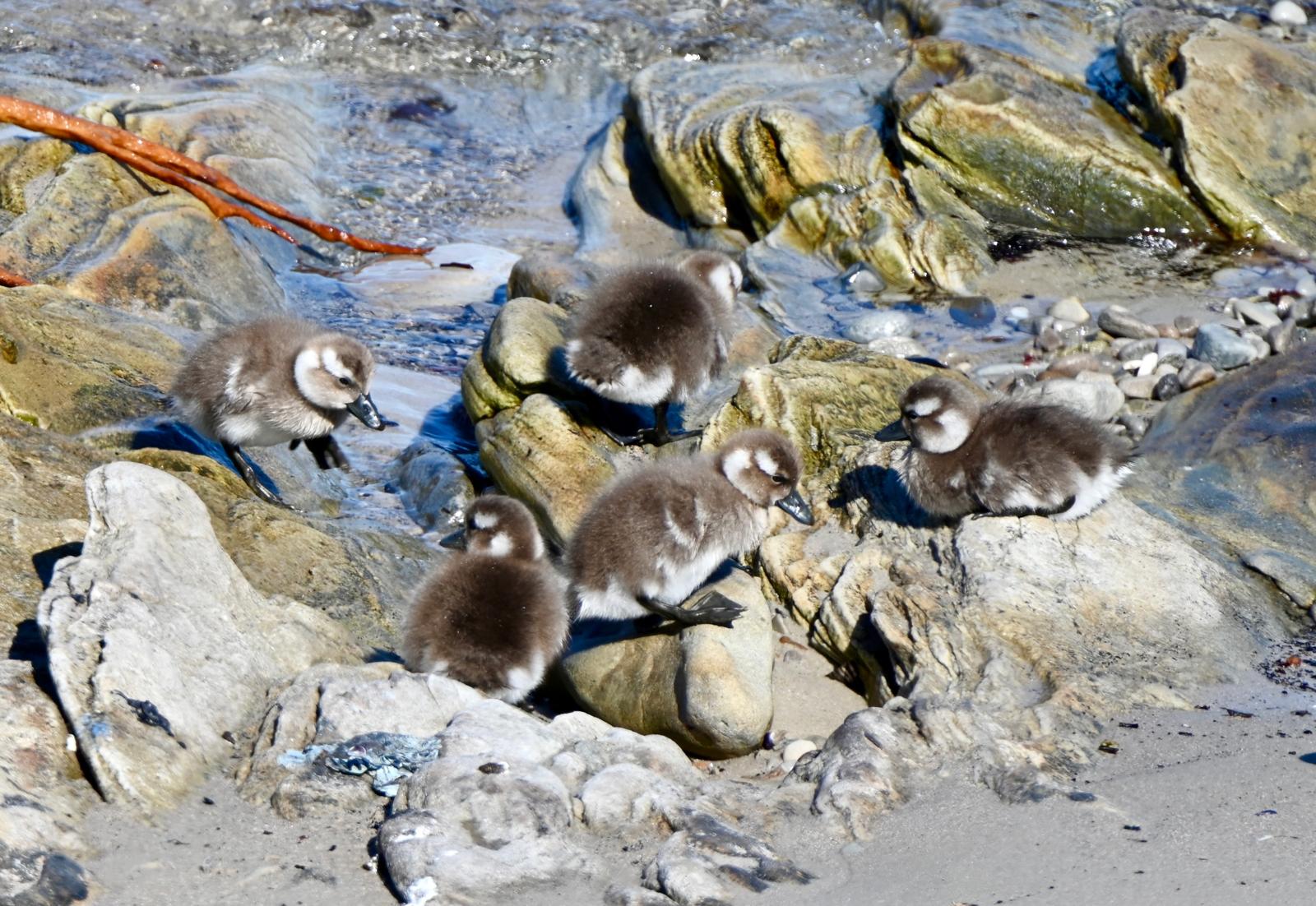
Falkland Steamer Ducklings
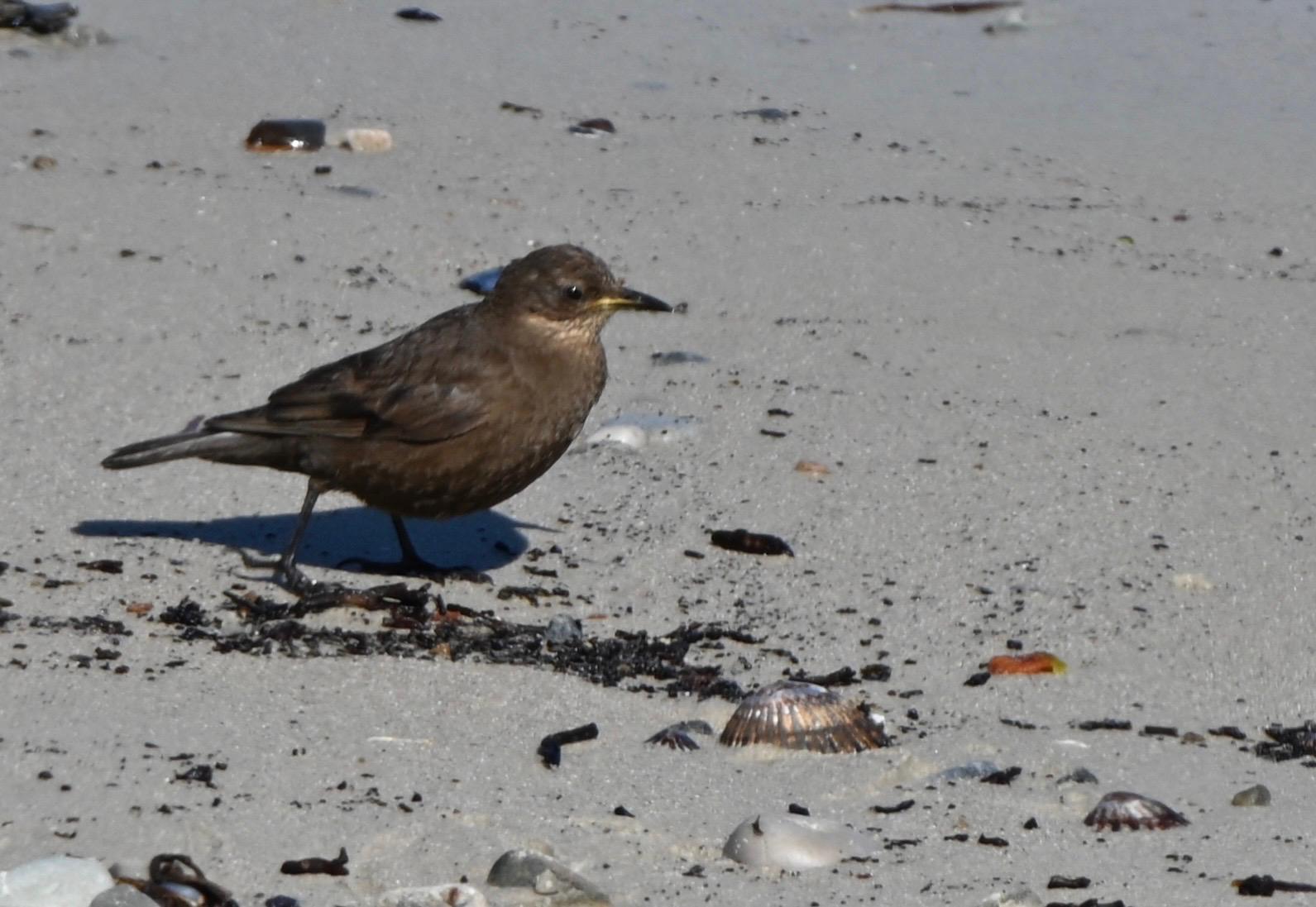
Tussock Bird (Blackish Cinclodes)
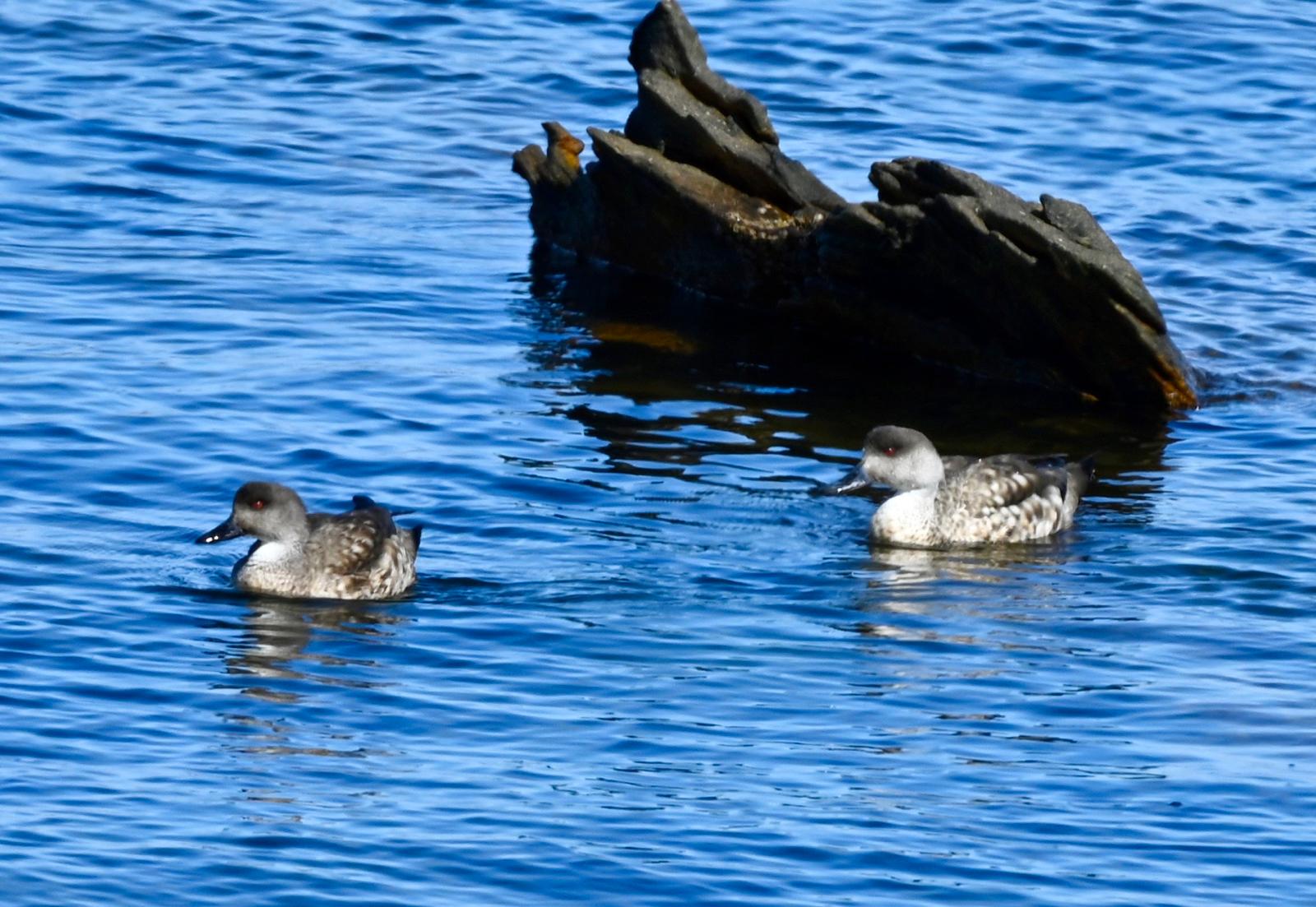
Patagonian Crested Ducks
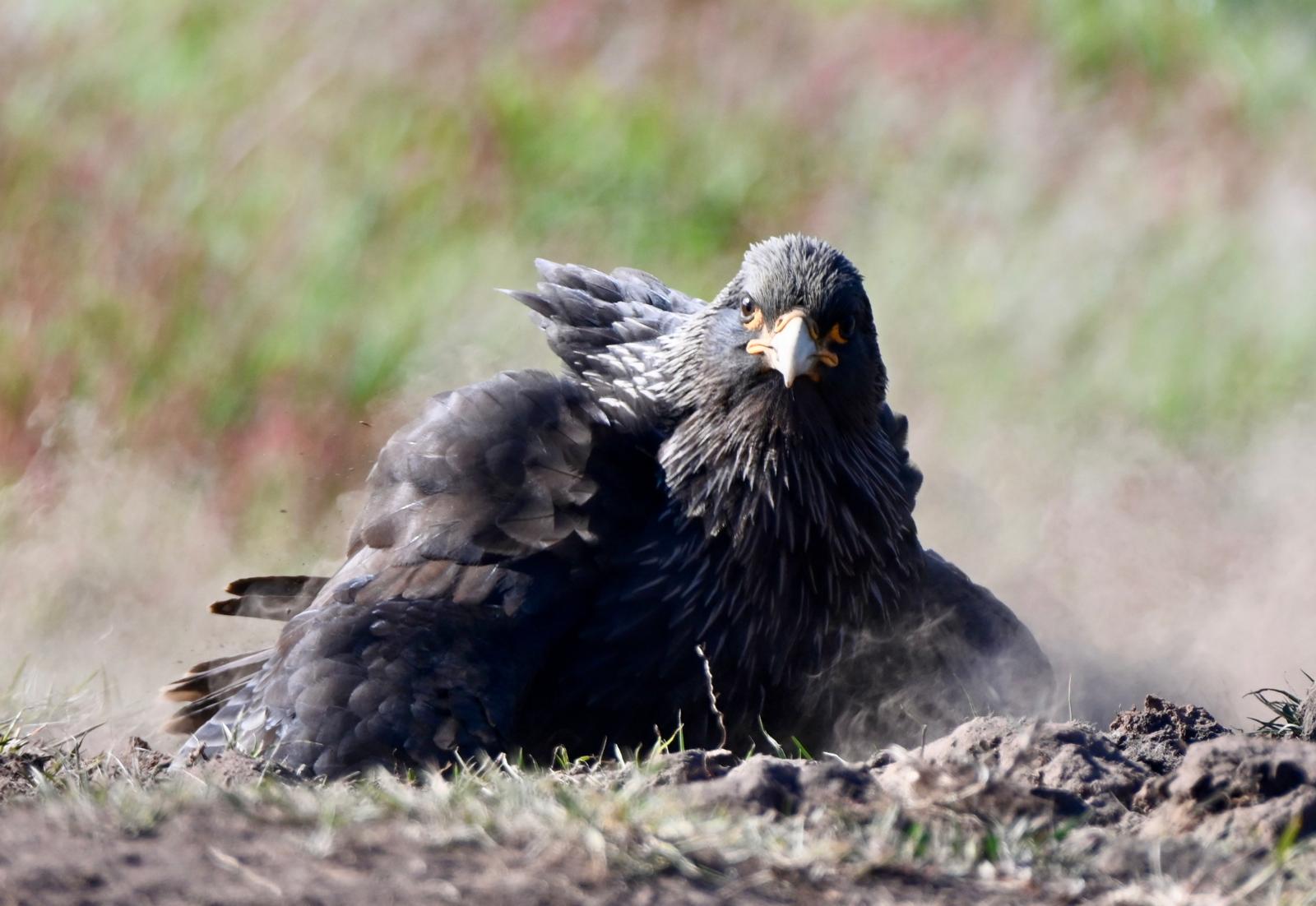
Striated Caracara taking a dust bath
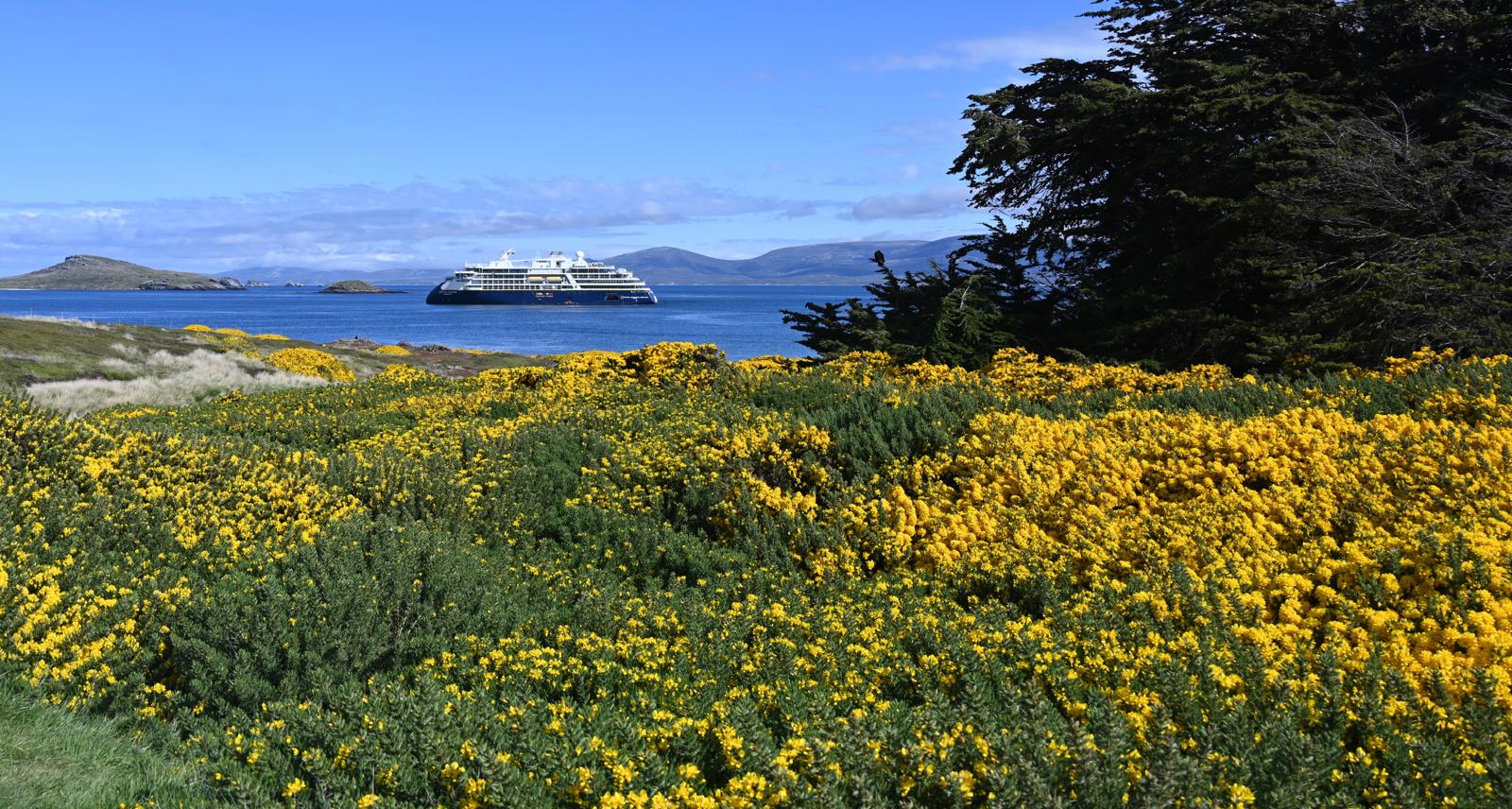
There is introduced gorse all over the Falkland Islands
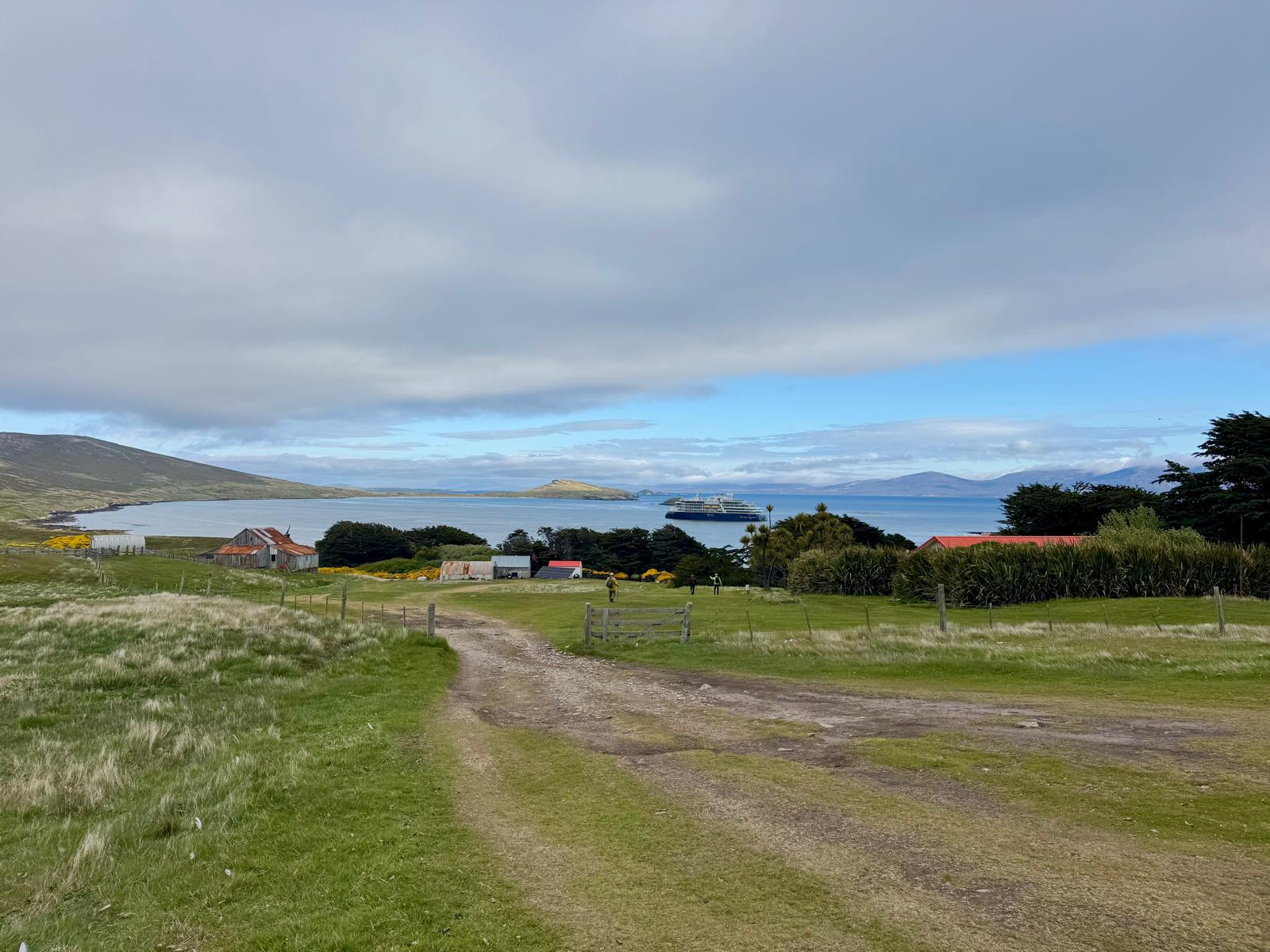
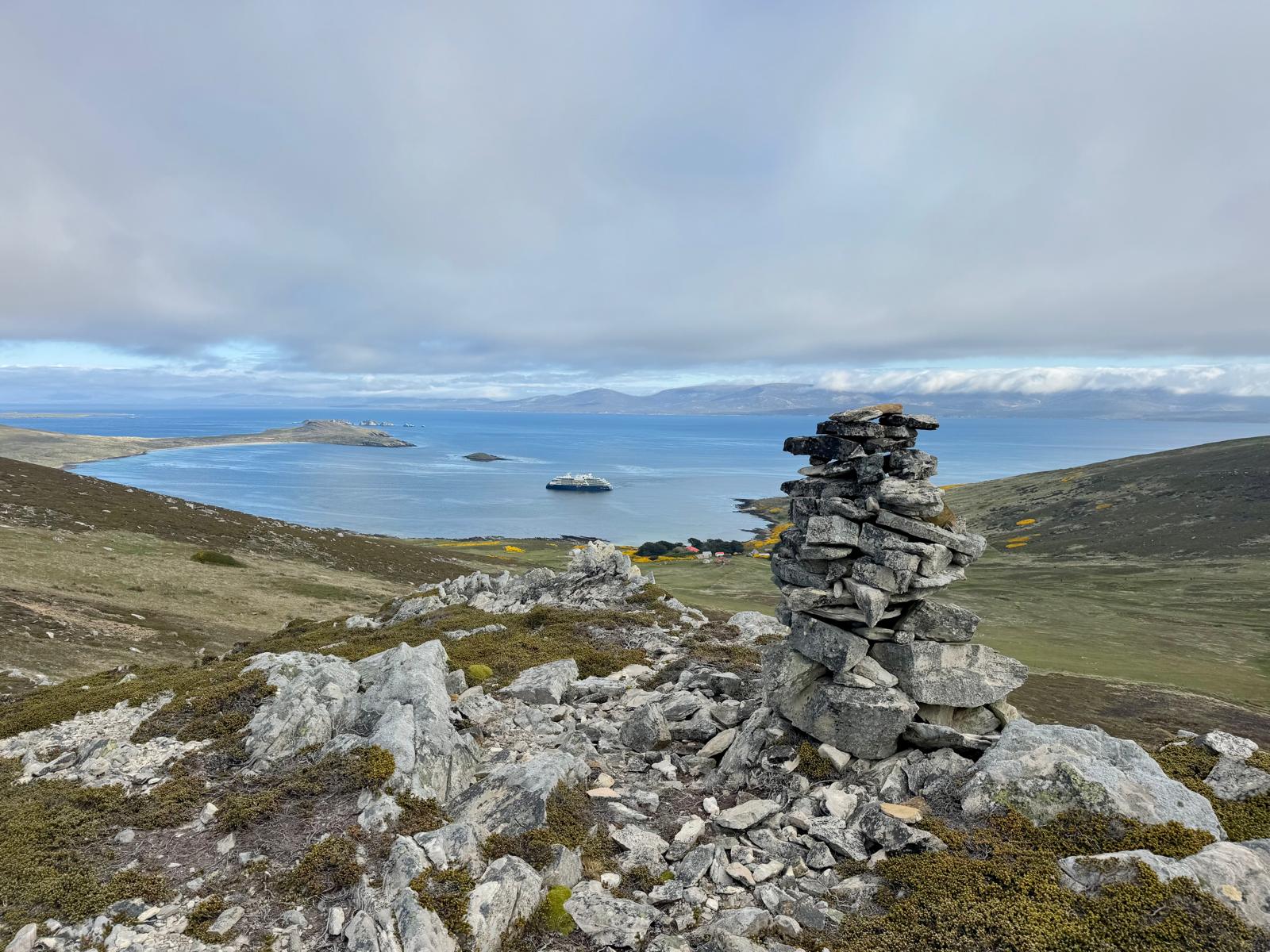
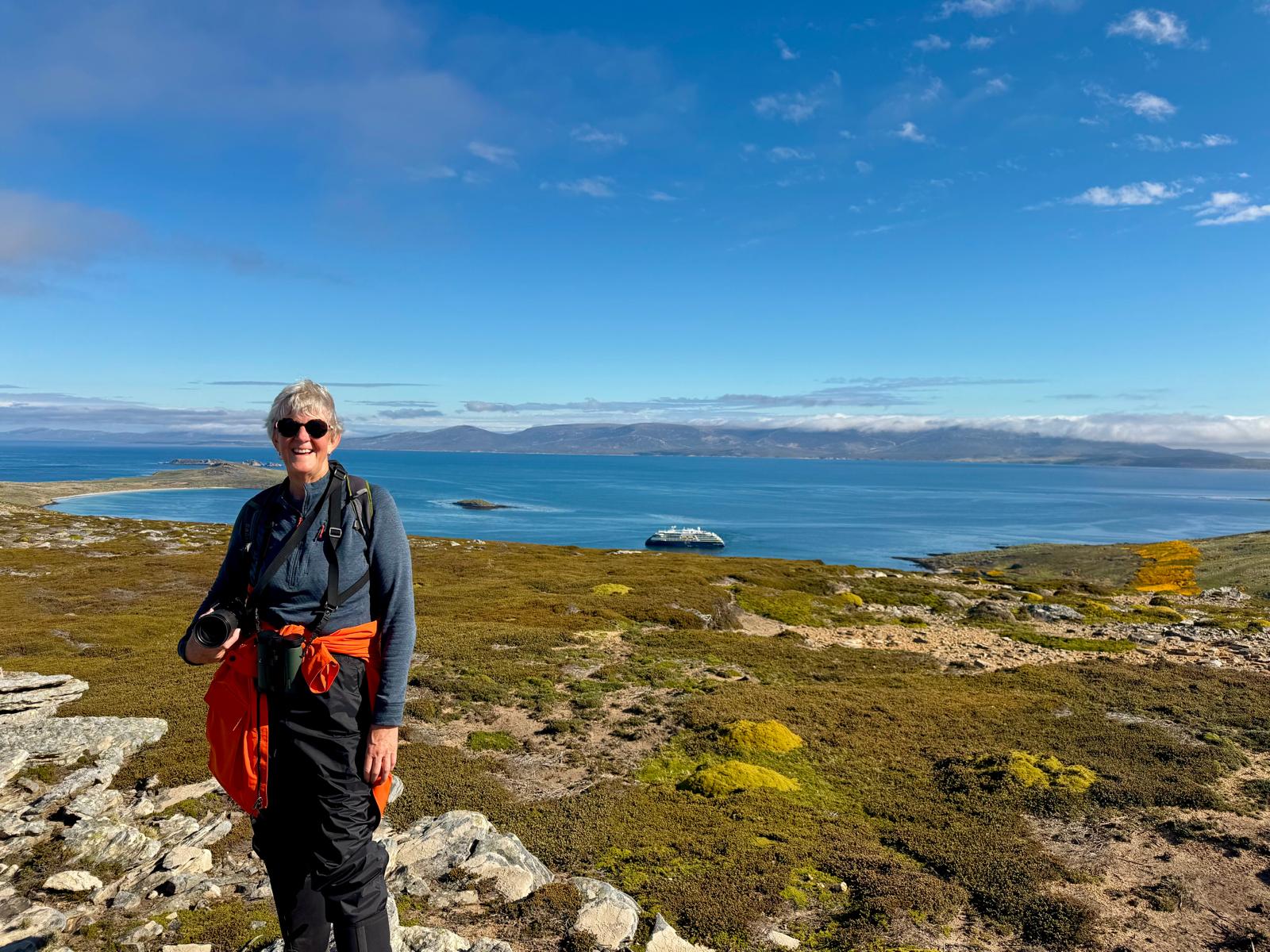
We headed up to the ridge line for fantastic views across both sides of the island, then made our way back down past the farm buildings, where a late afternoon tea was being served for those interested. I headed back to the boat, spotting a sea lion frolicking in the shallows off shore on the way.
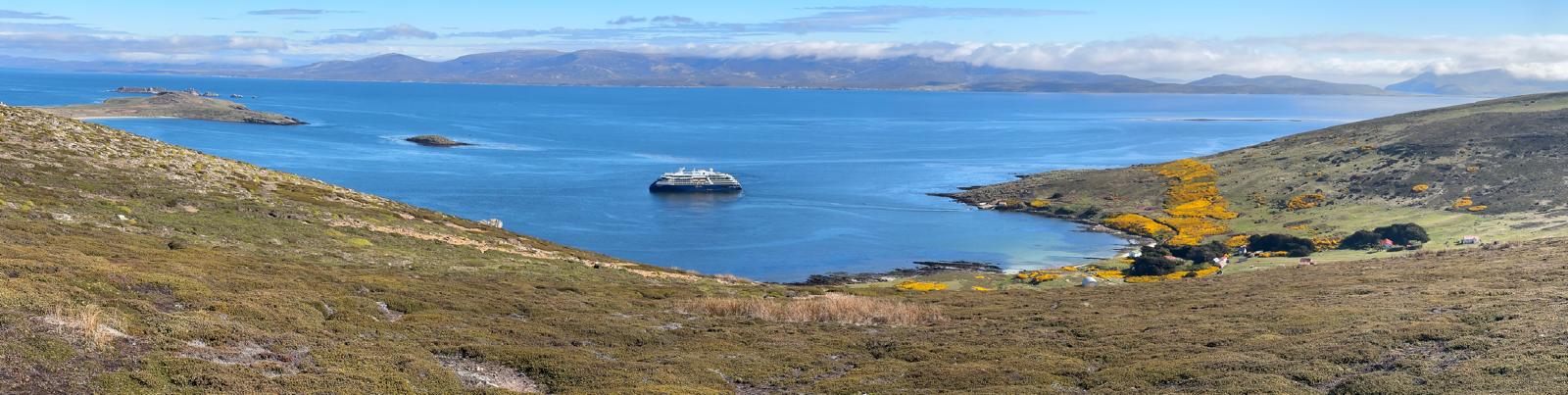
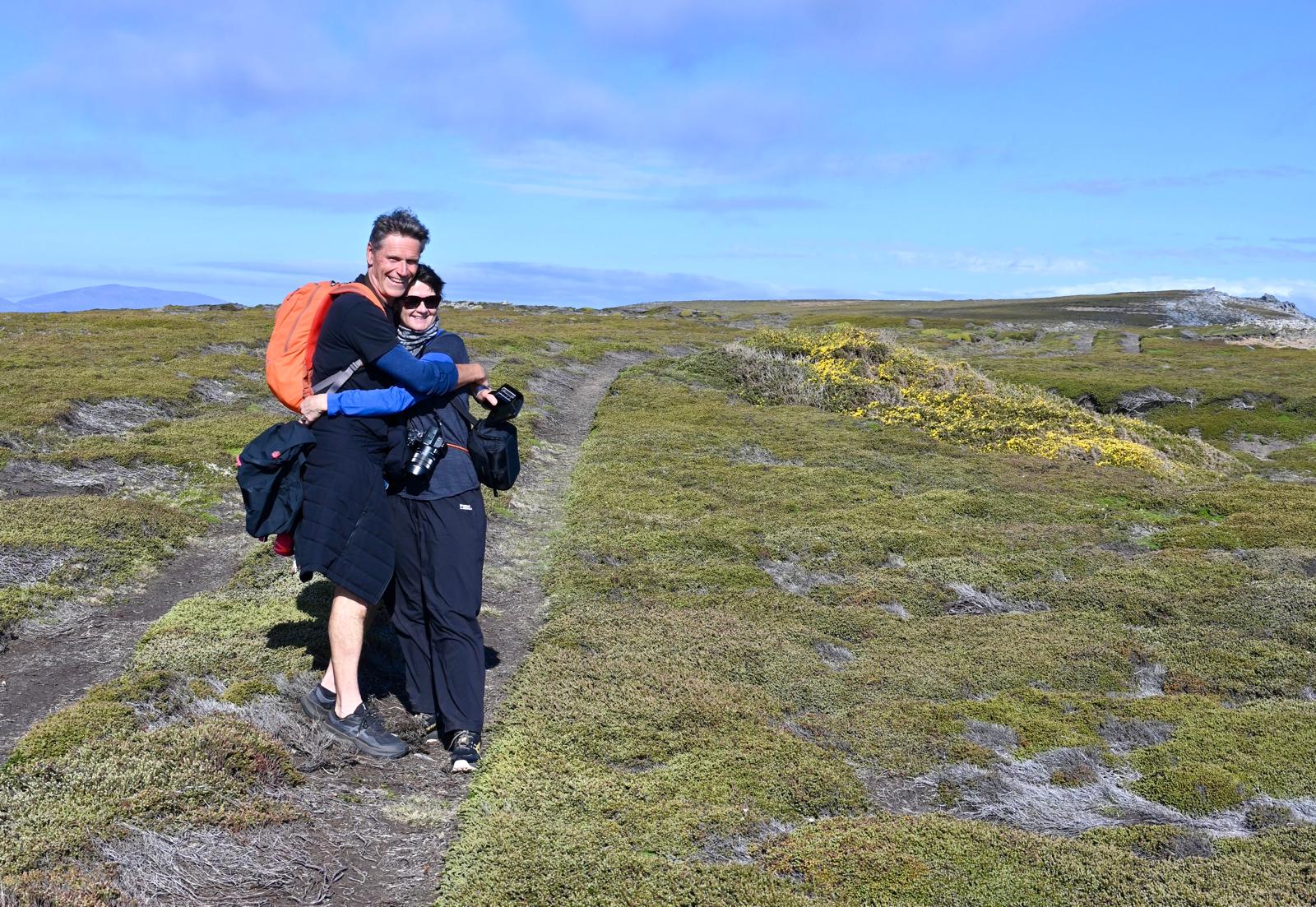
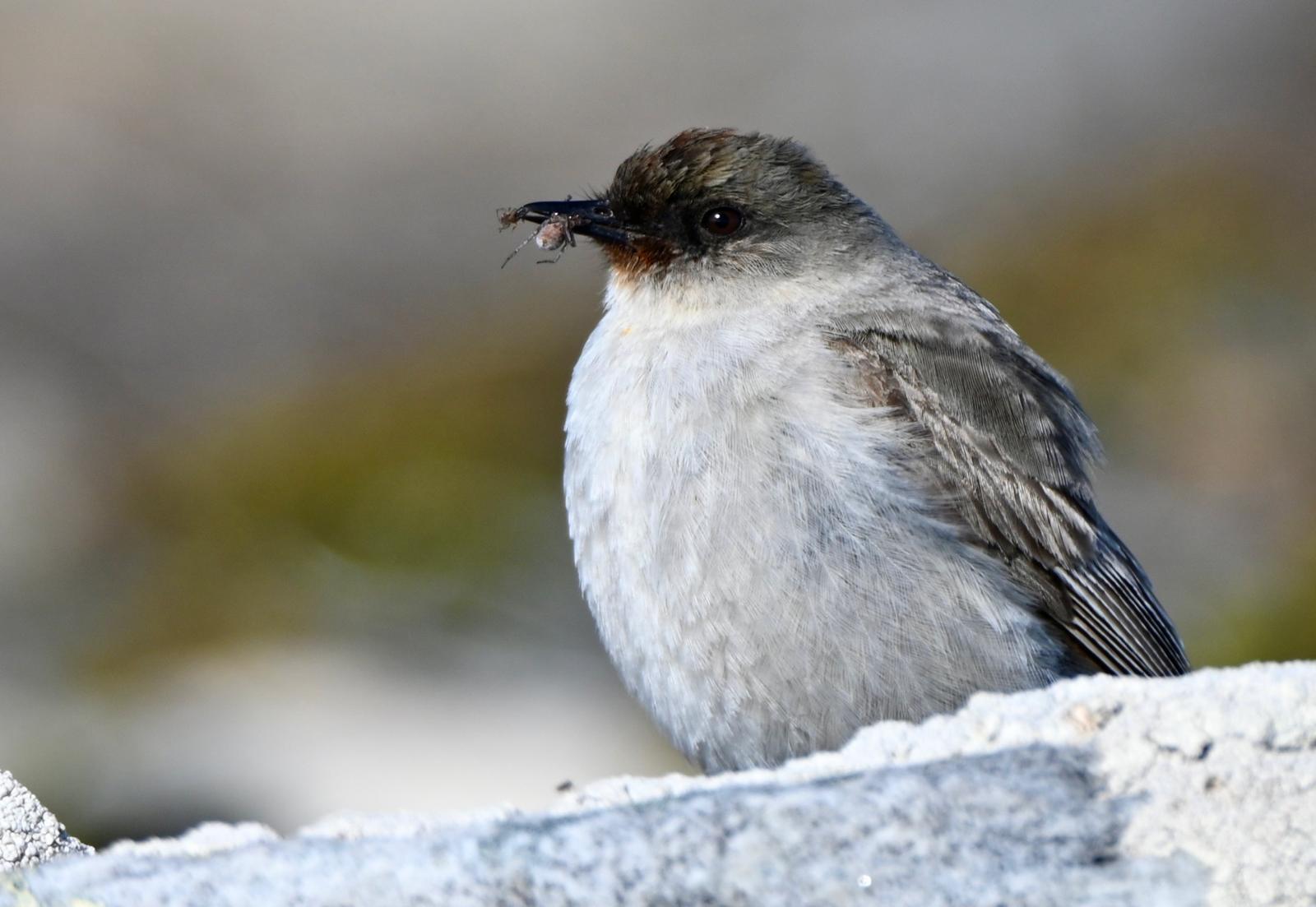
Dark-faced Ground Tyrant
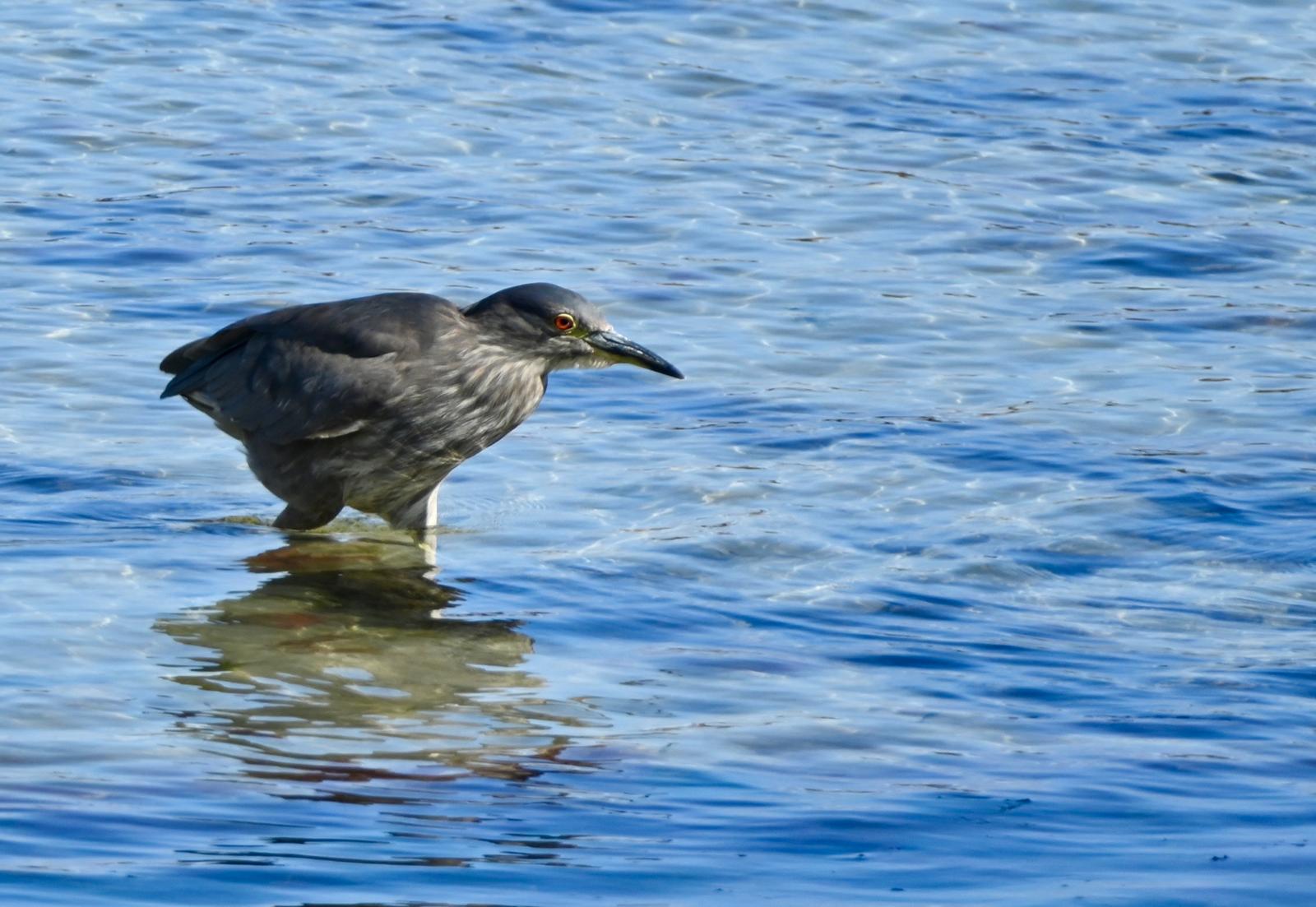
Juvenile Black-crowned Night Heron
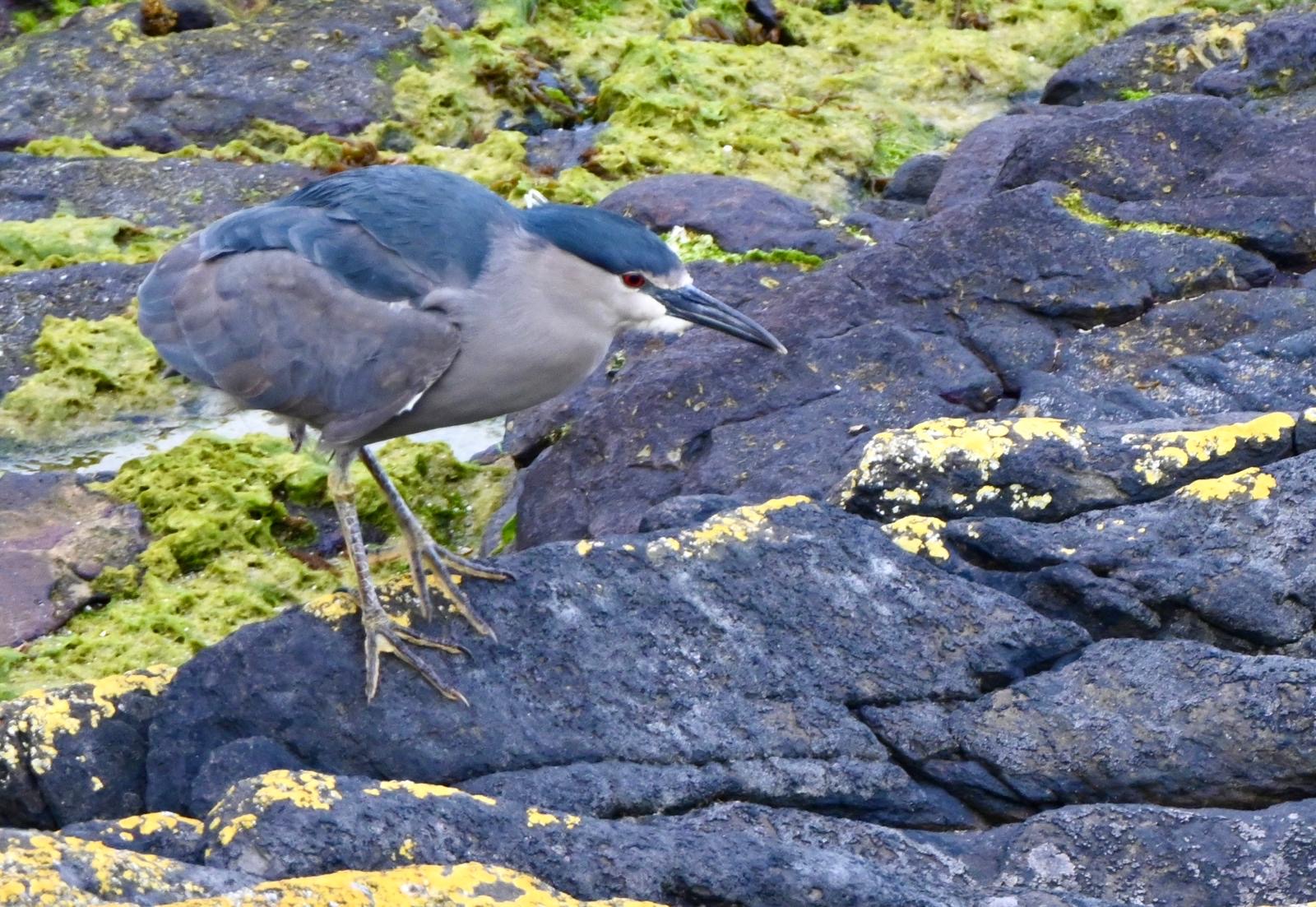
Adult Black-crowned Night Heron
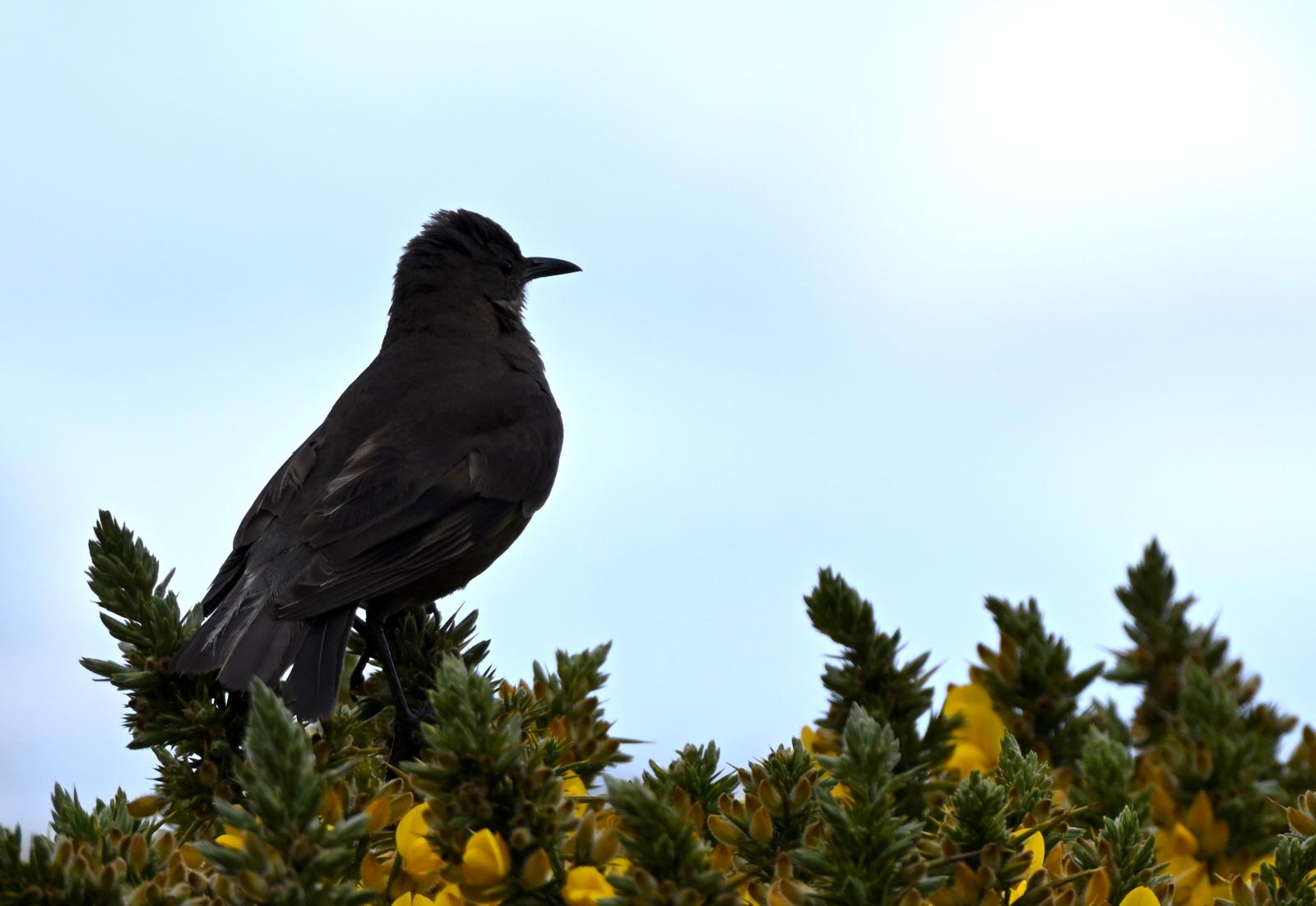
Tussock Bird
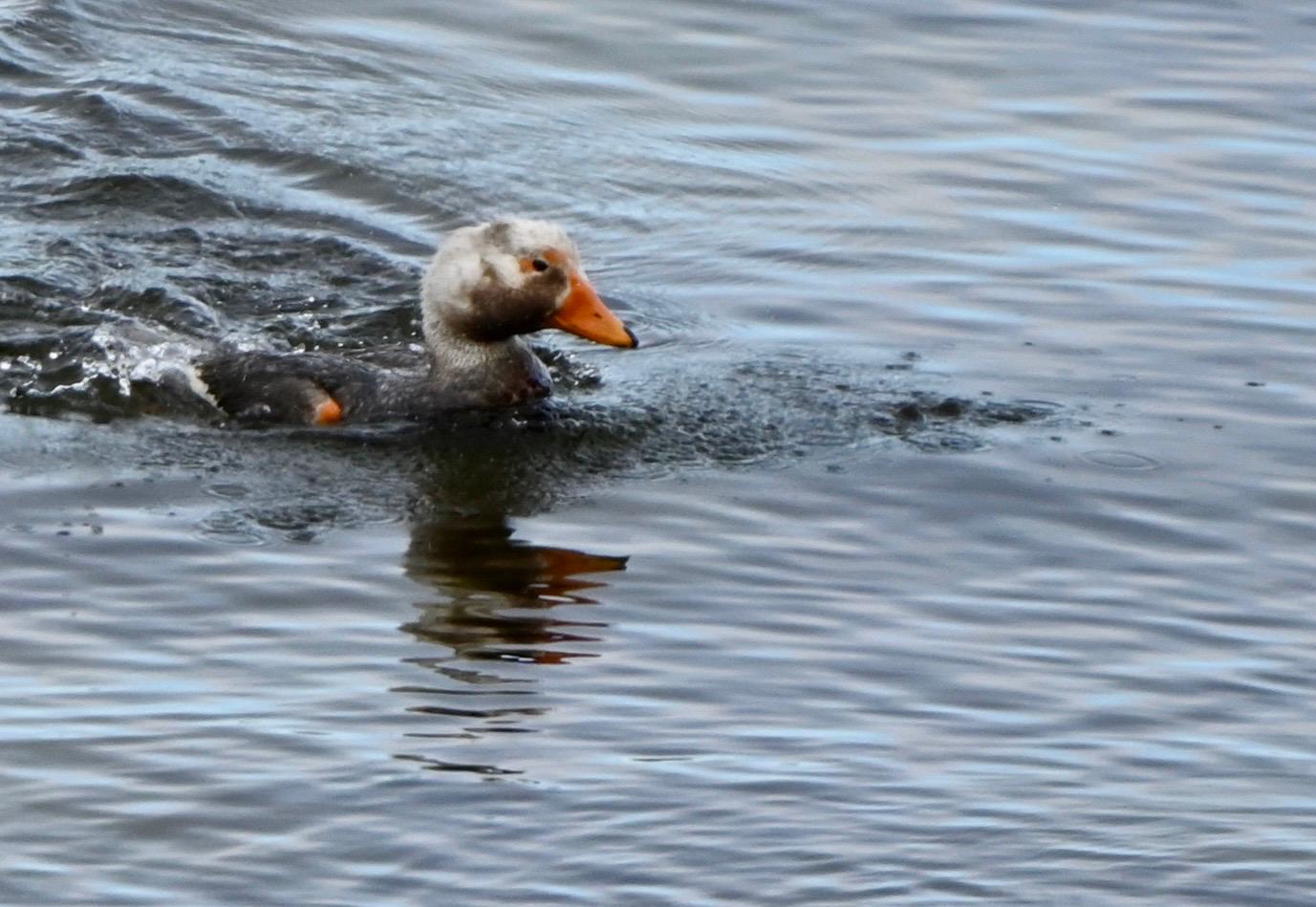
Falkland Islands Steamer Duck
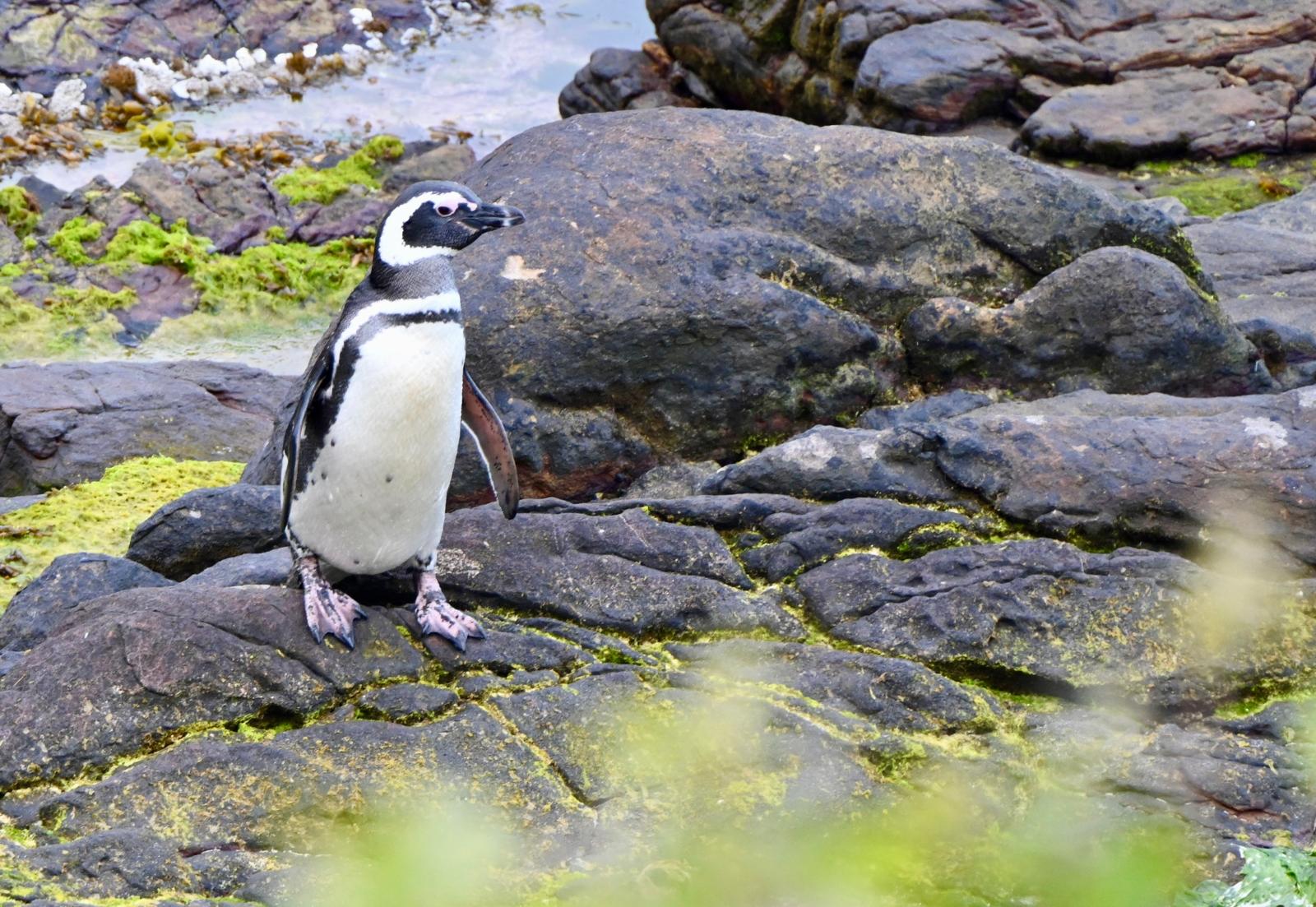
Magellanic Penguin
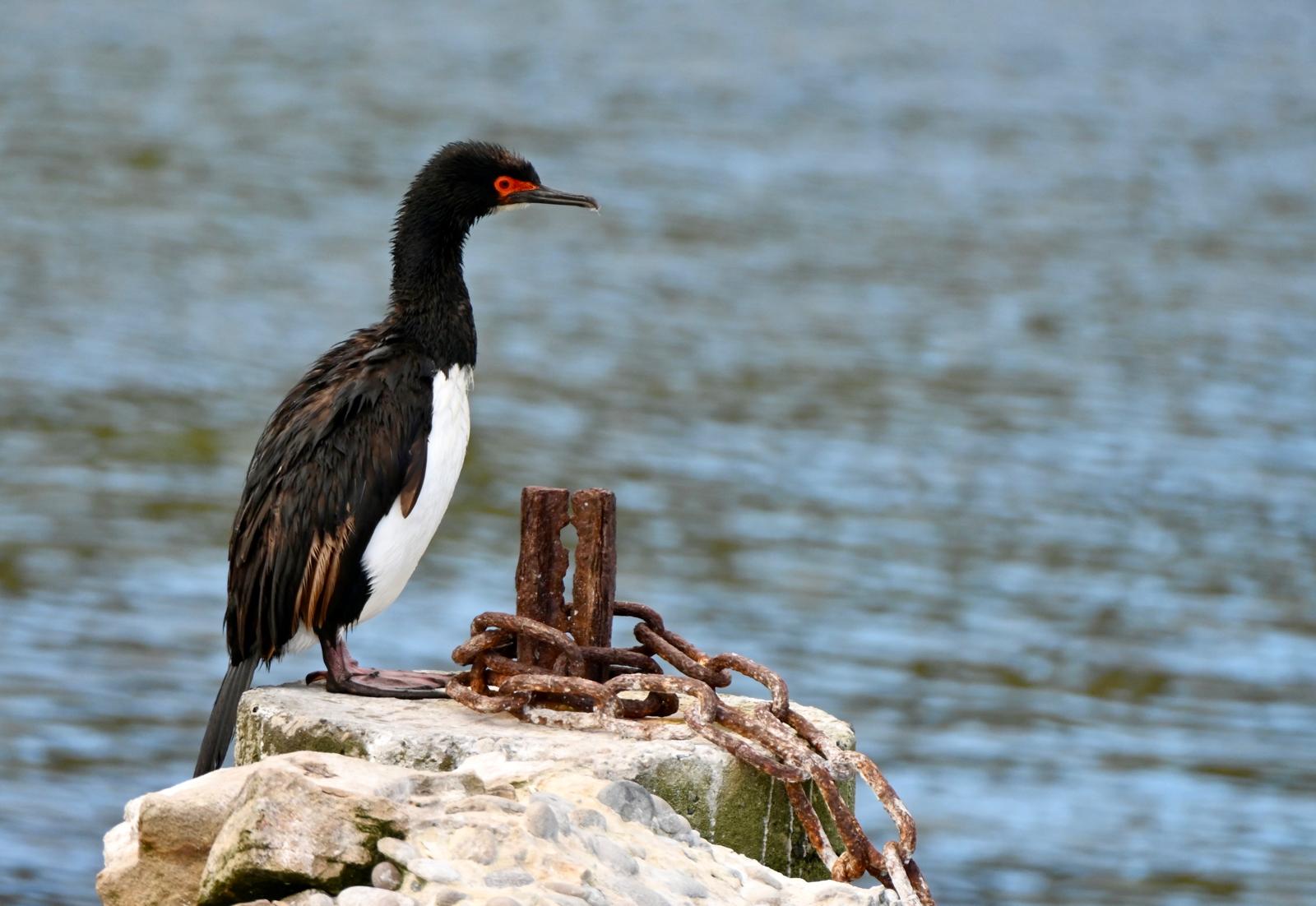
Magellanic Cormorant
At about 6:45pm we headed back to the Ice Lounge for our daily Recap briefing, where Peter, our Expedition Leader outlined our plan for tomorrow, when we will be in Stanley. This was followed by brief presentations on the geology of the Falkland Islands, the Magellanic Green Spider, Sheep farming in the Falkland Islands, and a summary of what had been seen by the underwater team on their dive today.
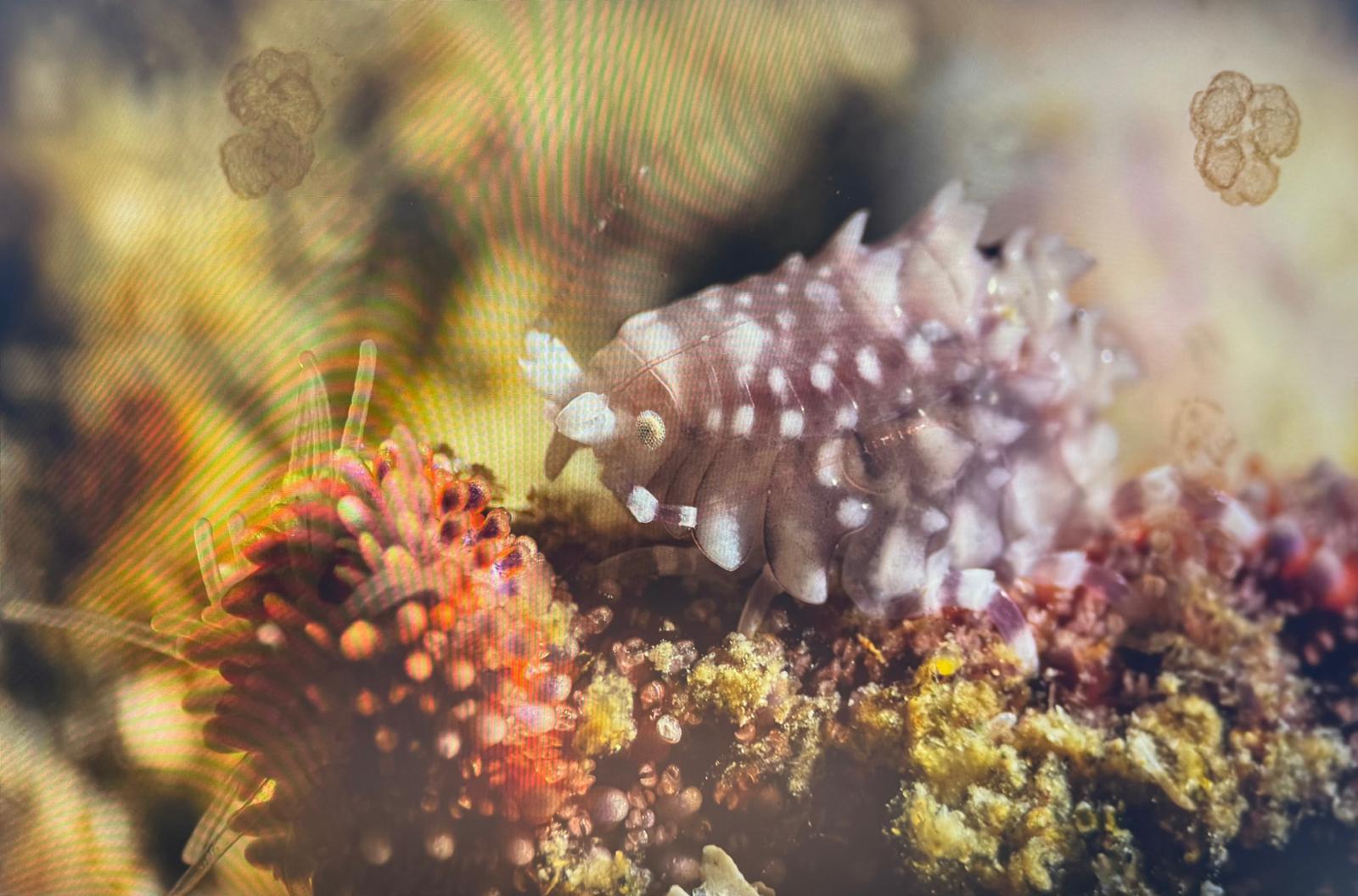
Taken by underwater team during dive (Screenshot from presentation)
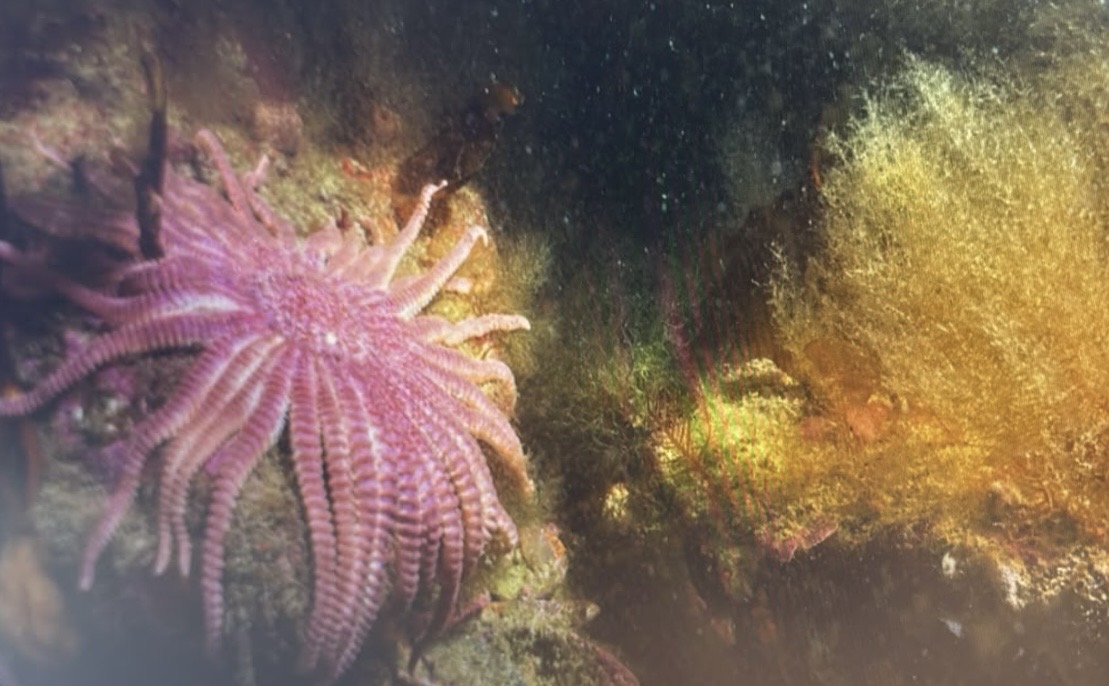
Brittle star taken by underwater team during dive (Screenshot from presentation)
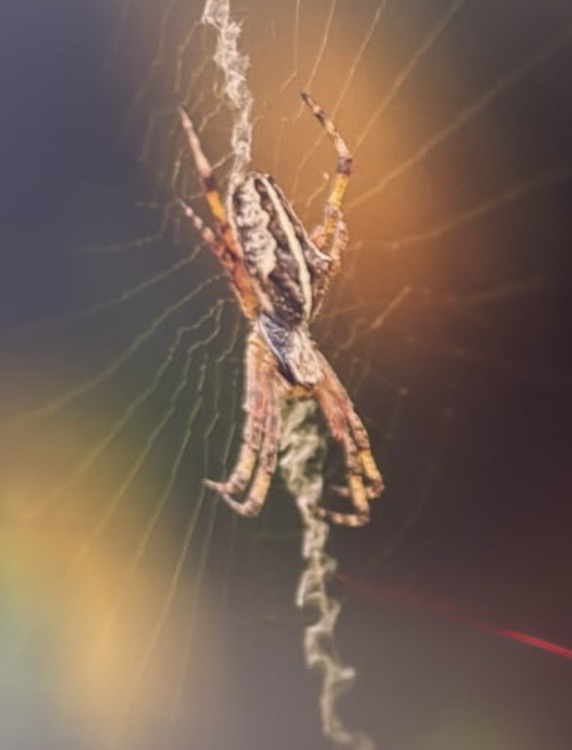
Magellenic Green Spider (screenshot from presentation)
After the recap, Steve, Karen and Roger headed to dinner and I retired to catch up on the blog and recharge my introvert battery.
Tuesday 17 November 2026: Falkland Islands – Roger
Overnight we sailed from Carcass Island at the northwest end of the Falklands, past Pebble Island and right around to the capital, Stanley, situated at the eastern edge of the islands. It was around 0800 when we tied up at the wharf built by the military 50-years ago and soon to be replaced.
It was about 0830 when Steve, Karen and I hopped onto the bus to head off on the Mount William Battle hike. Sylvia had opted for the Gypsy Cove walk, where she expected to see a bit of birdlife.
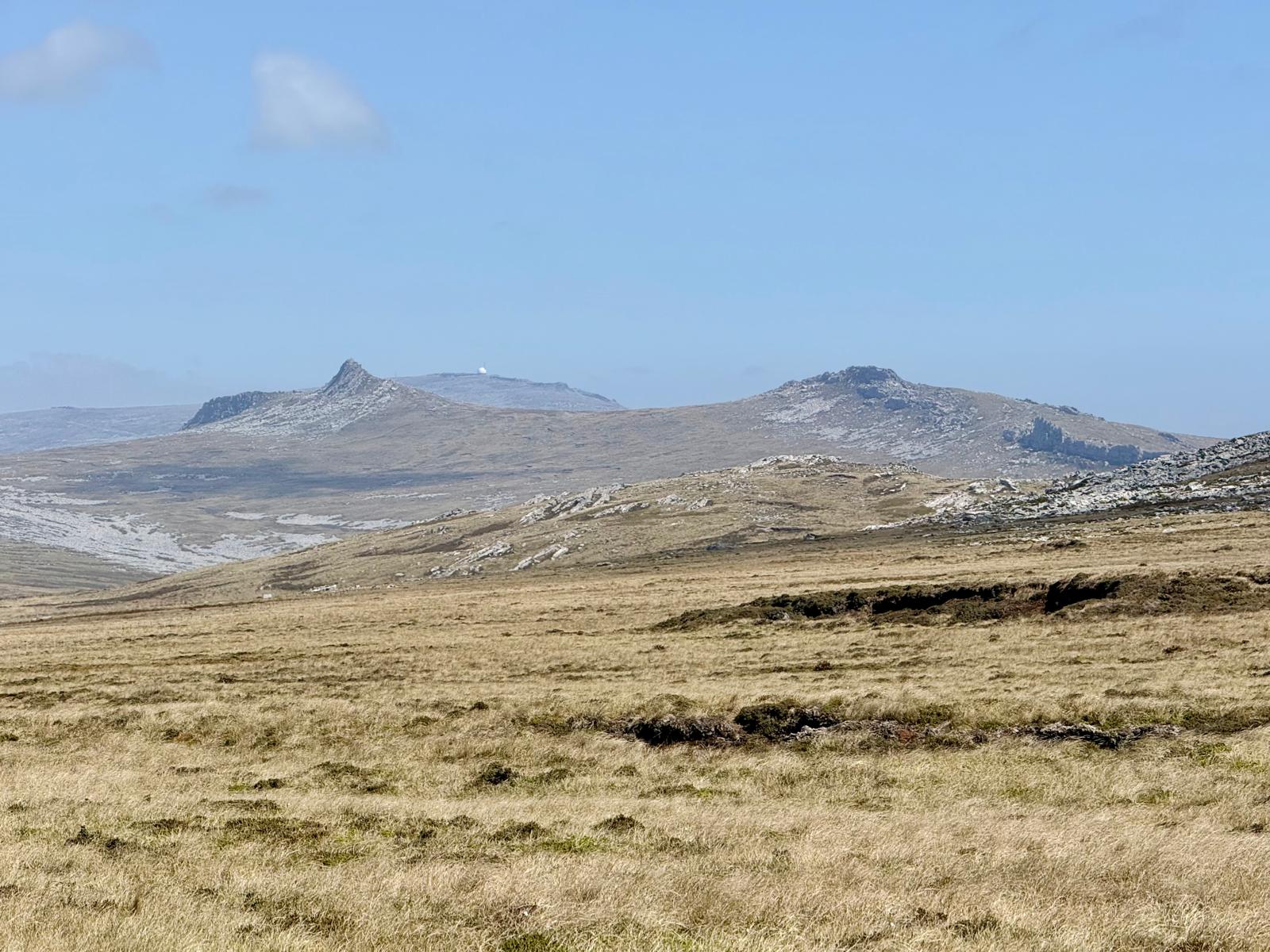
We headed along Stanley Road a few kilometres and were dropped off at the base of a hill. This is where the Argentinians had invaded in 1982. They believed the British would counter attack the same way so on the left-hand side of the road all the ground had been mined. It’s only in the last few years that all the mines have actually been removed. There were a bunch of farm houses on the seaward side of the road, which, when the invasion took place, also included a wool shed. This was stripped down to bare ground as the Argentinians used the timber from it to build overhead cover on their fox holes as protection for when the British eventually invaded.
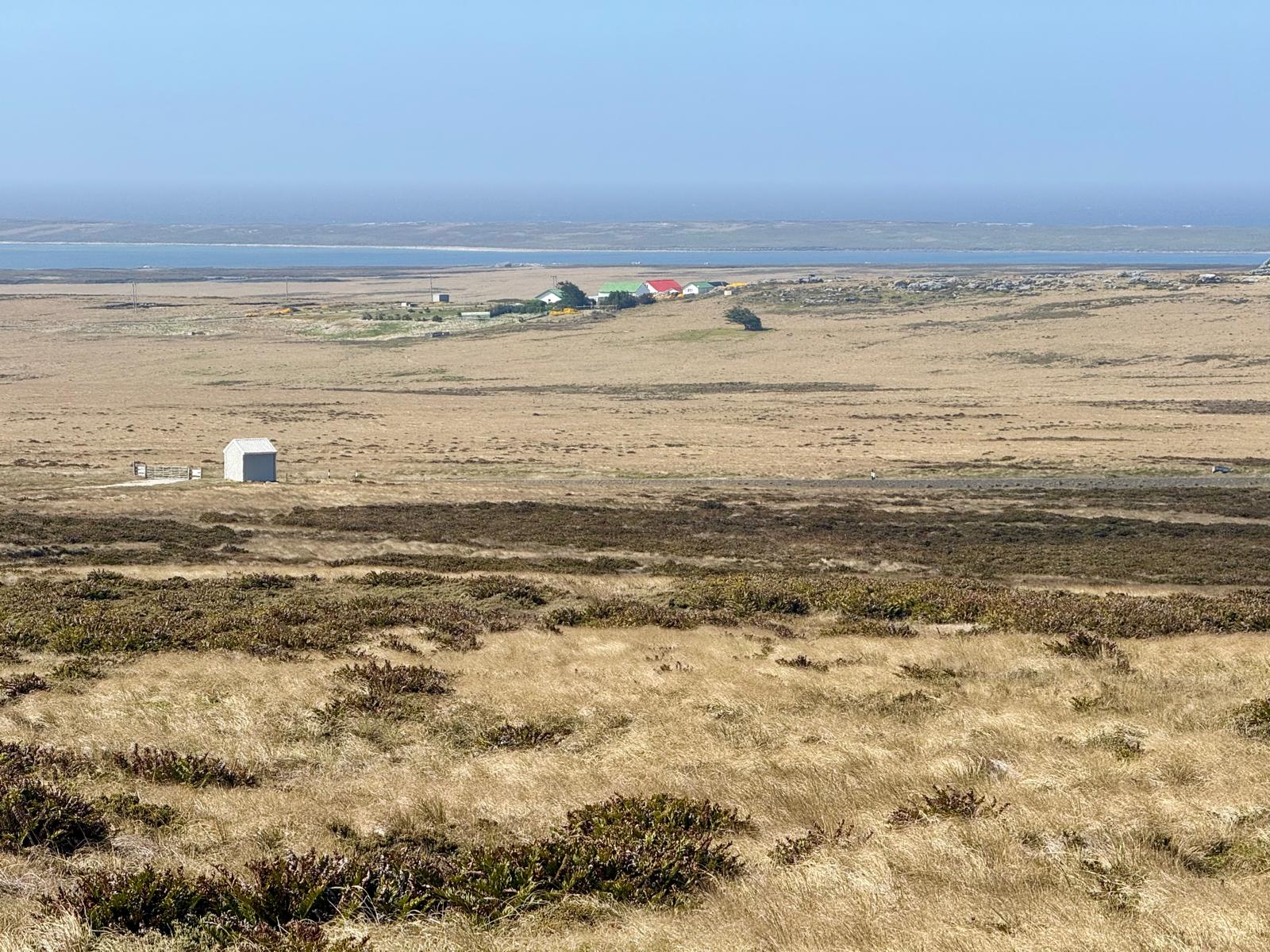
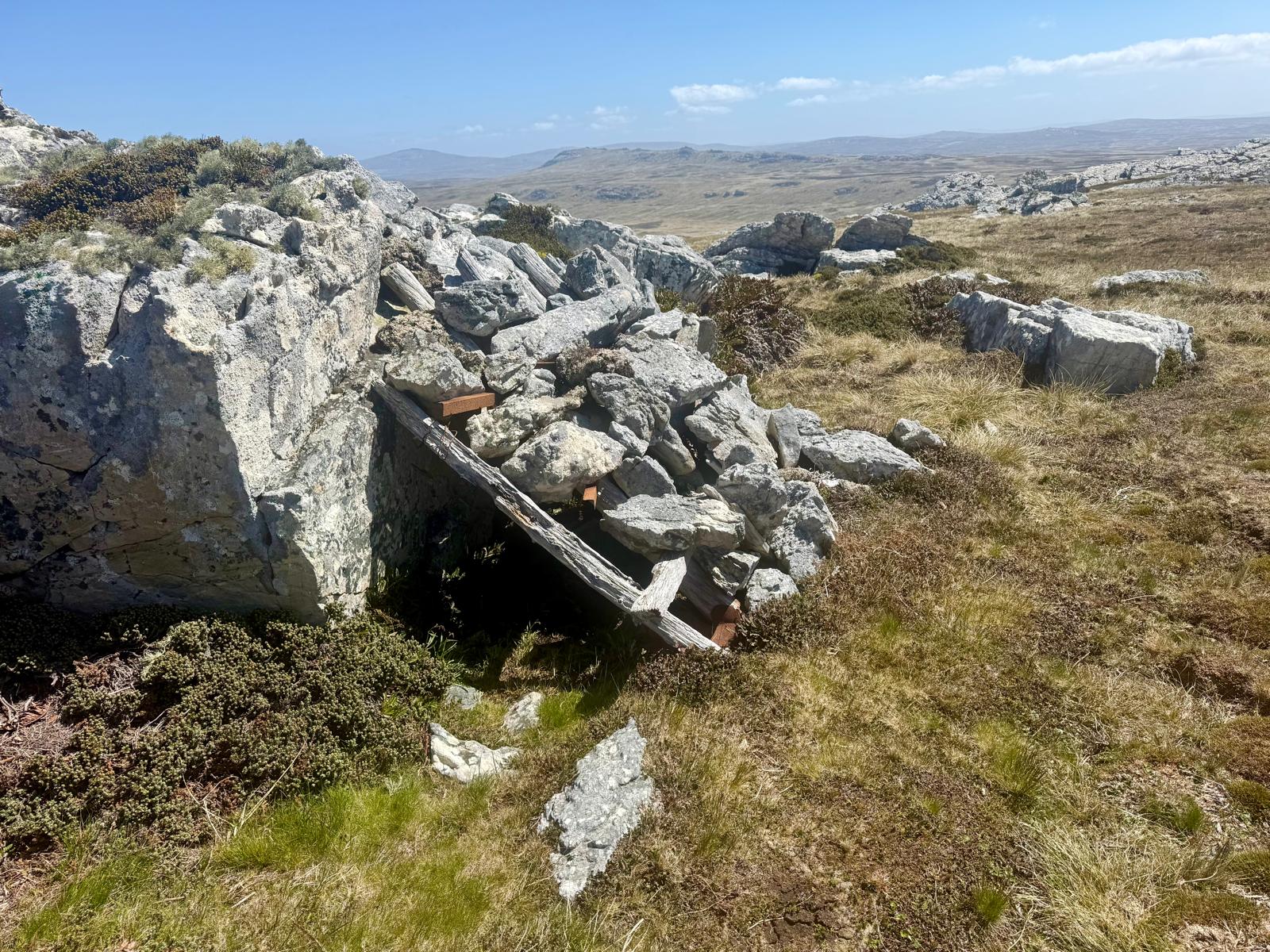
Overhead cover made from the shearing shed roof
Our guide Brian, who had been a Sergeant Major in the local defence force during that 1982 invasion, lead the way up a track in the hillside. Along the way he also pointed out many of the local plants including the tall fern and the short fern, very practical names, along with diddle-dee weed. No one is quite sure where that name came from. There were many other plants, including a wild strawberry, some of which are shown in these photographs.
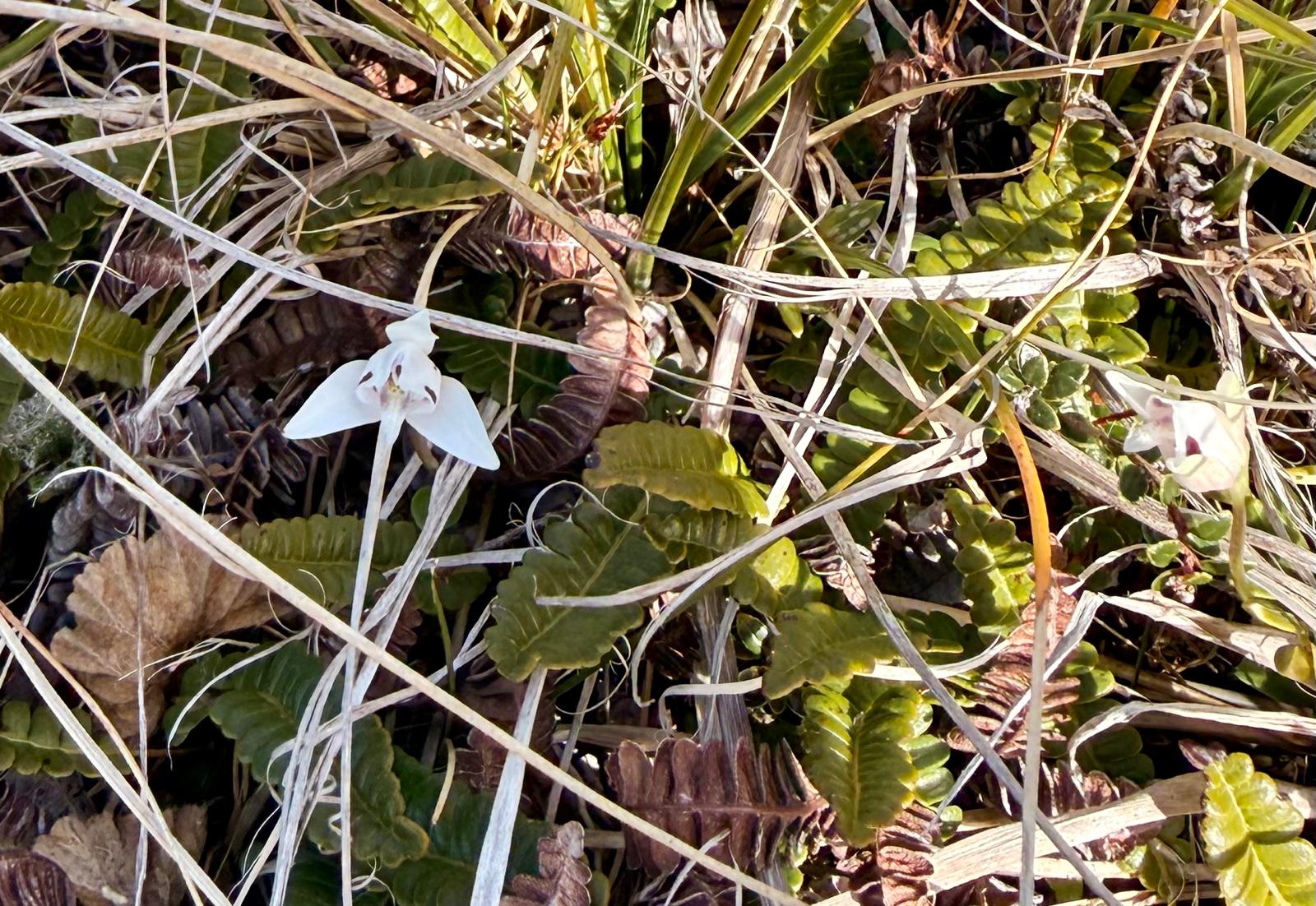
Dog Orchid
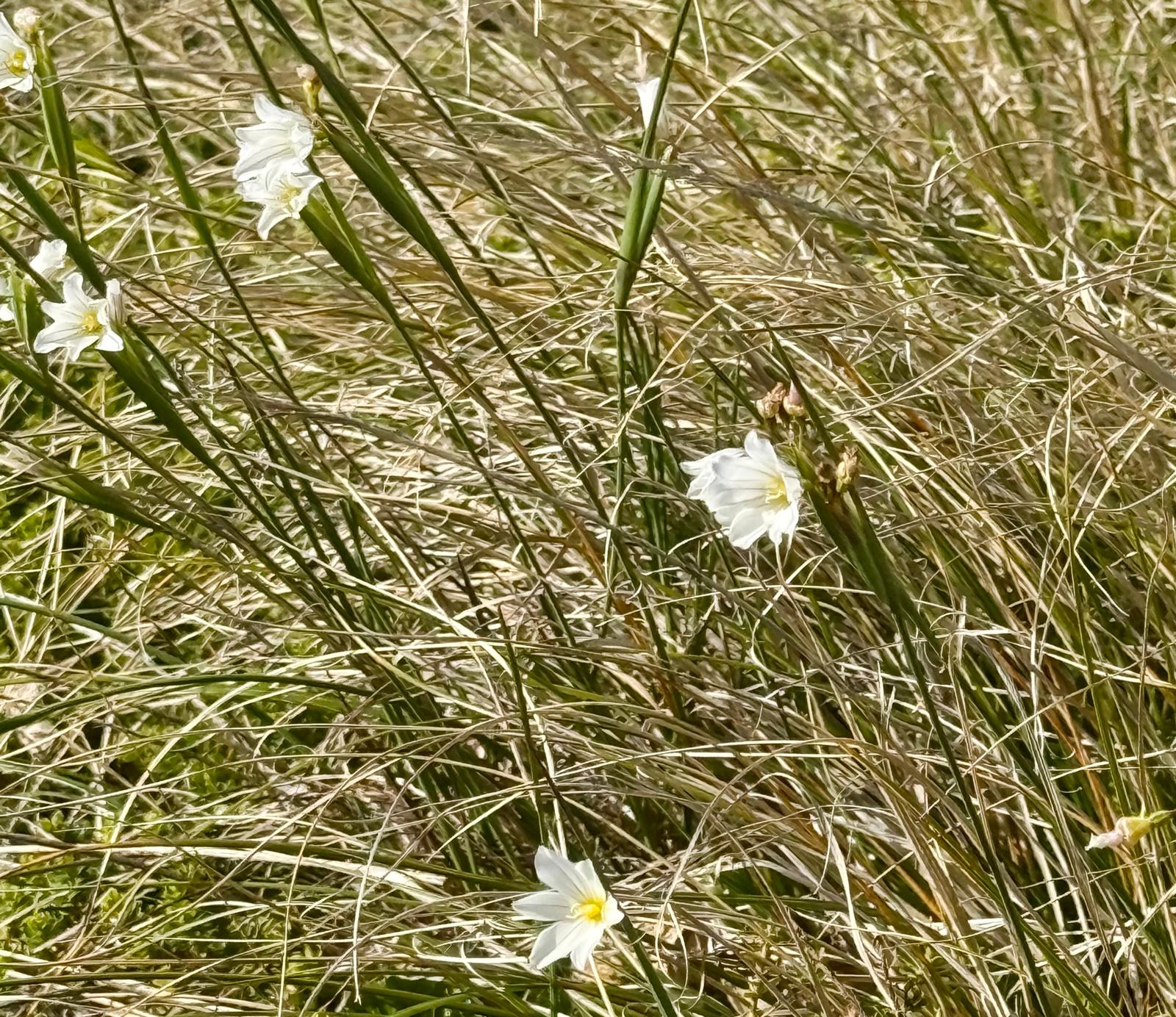
Pale Maiden
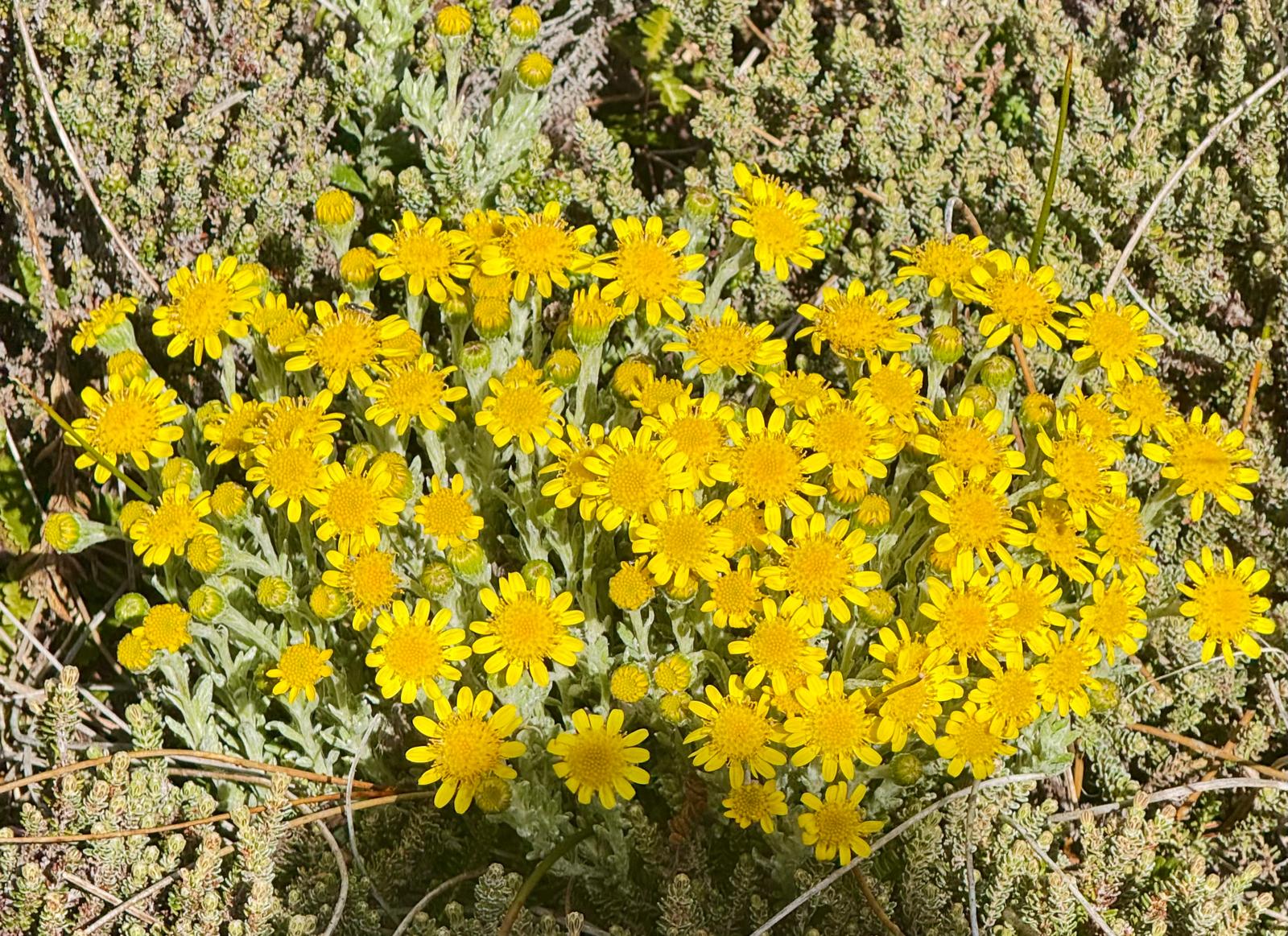
Woolly Yellow Daisy
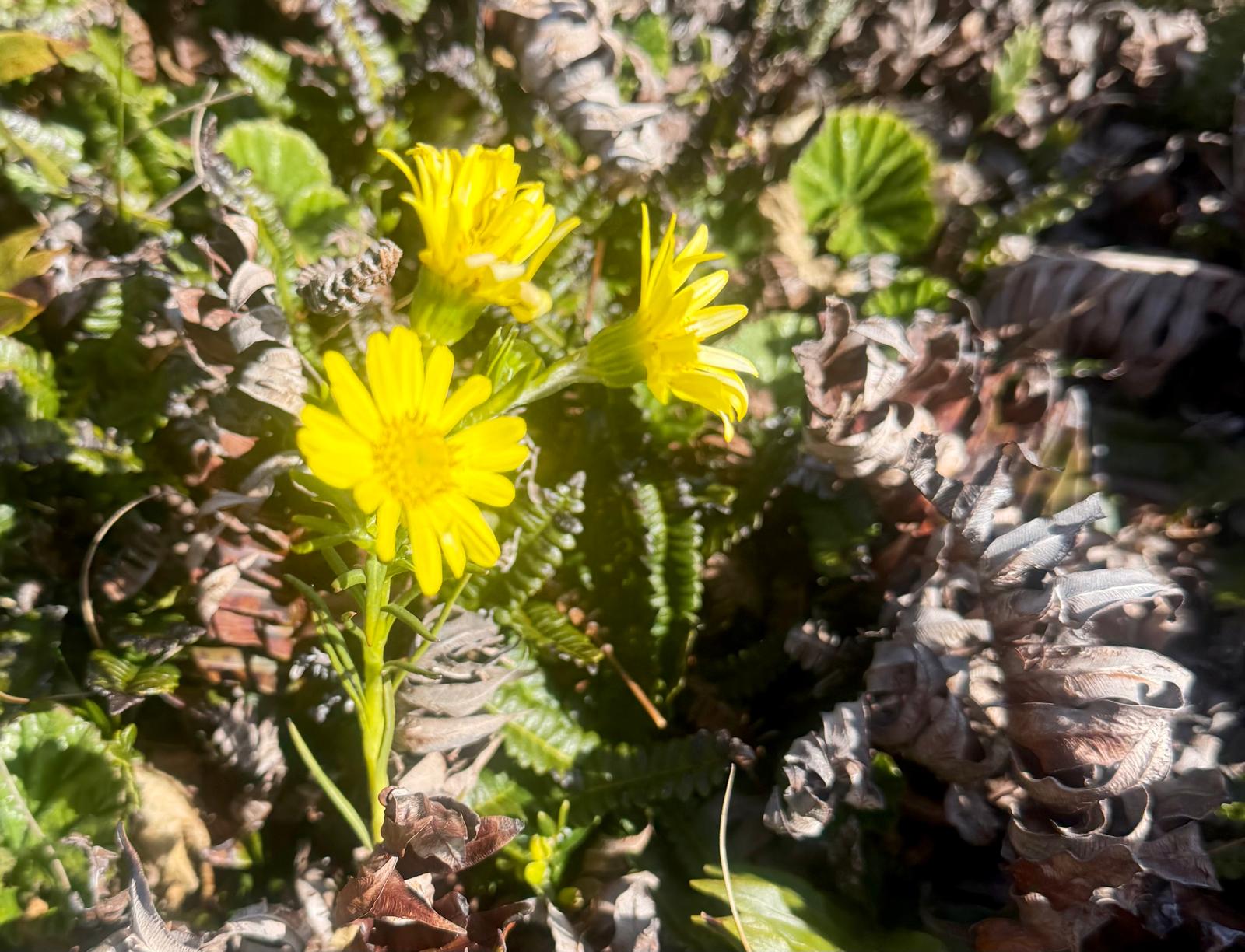
Smooth Yellow Daisy
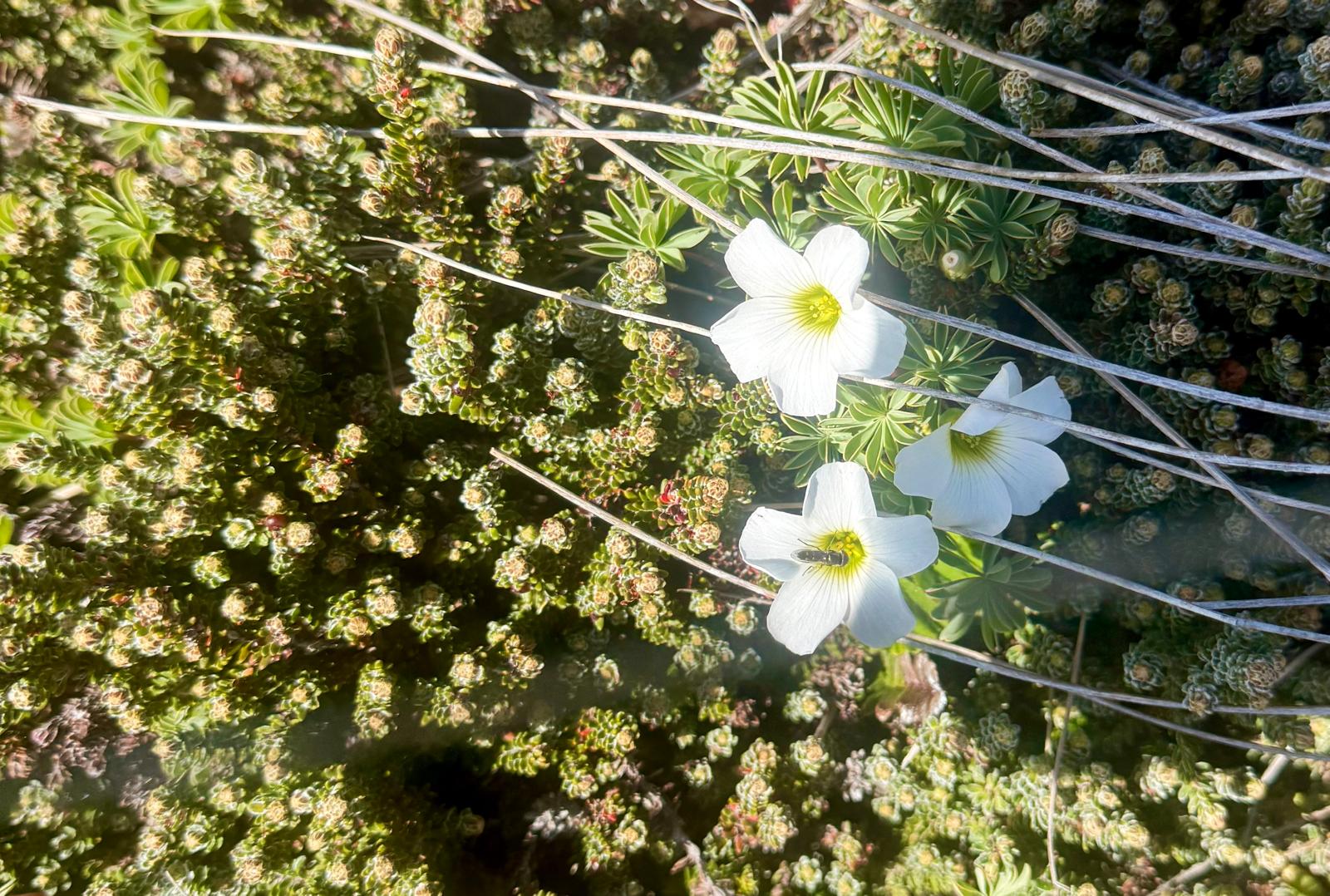
Scurvy Plant
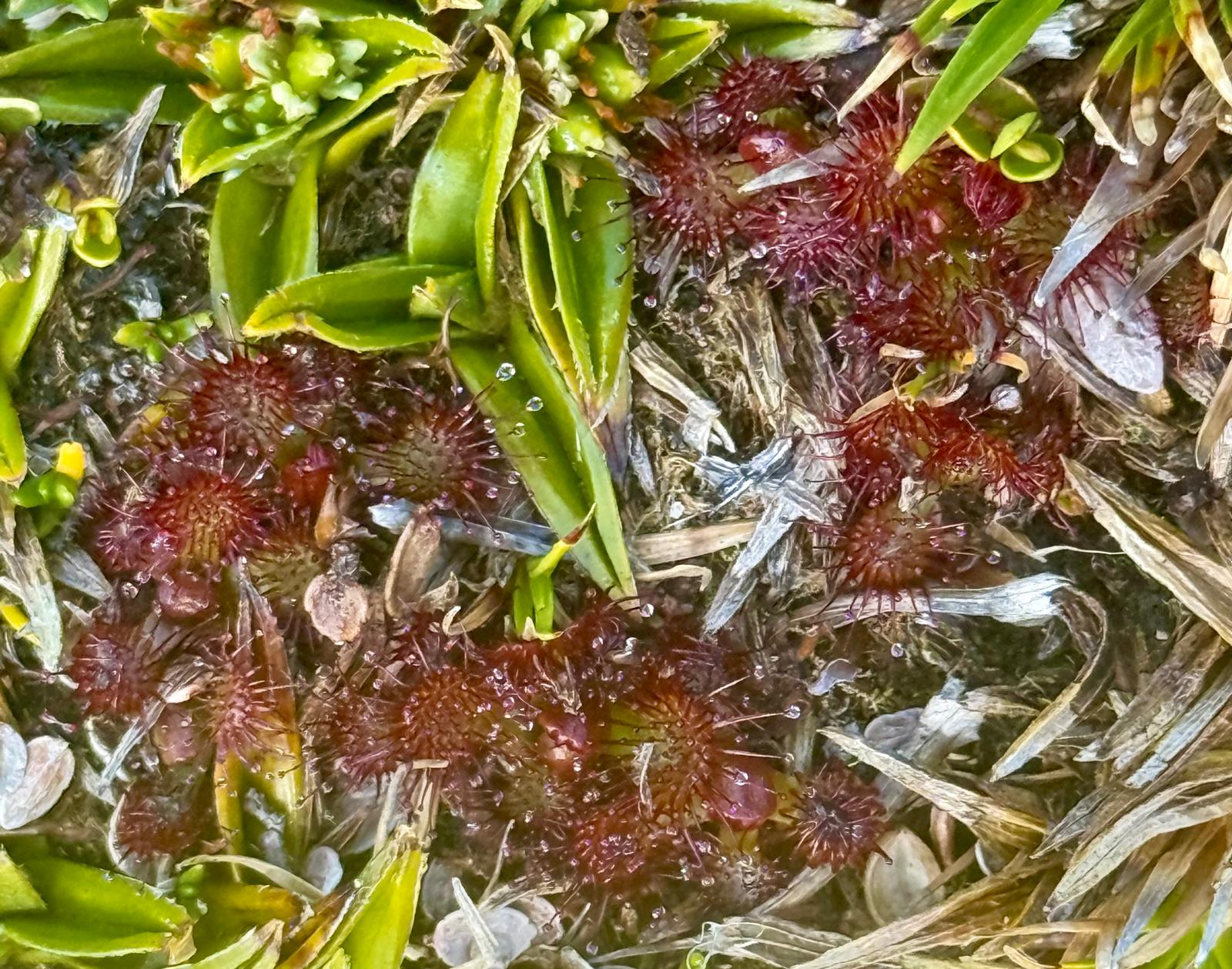
Sundew
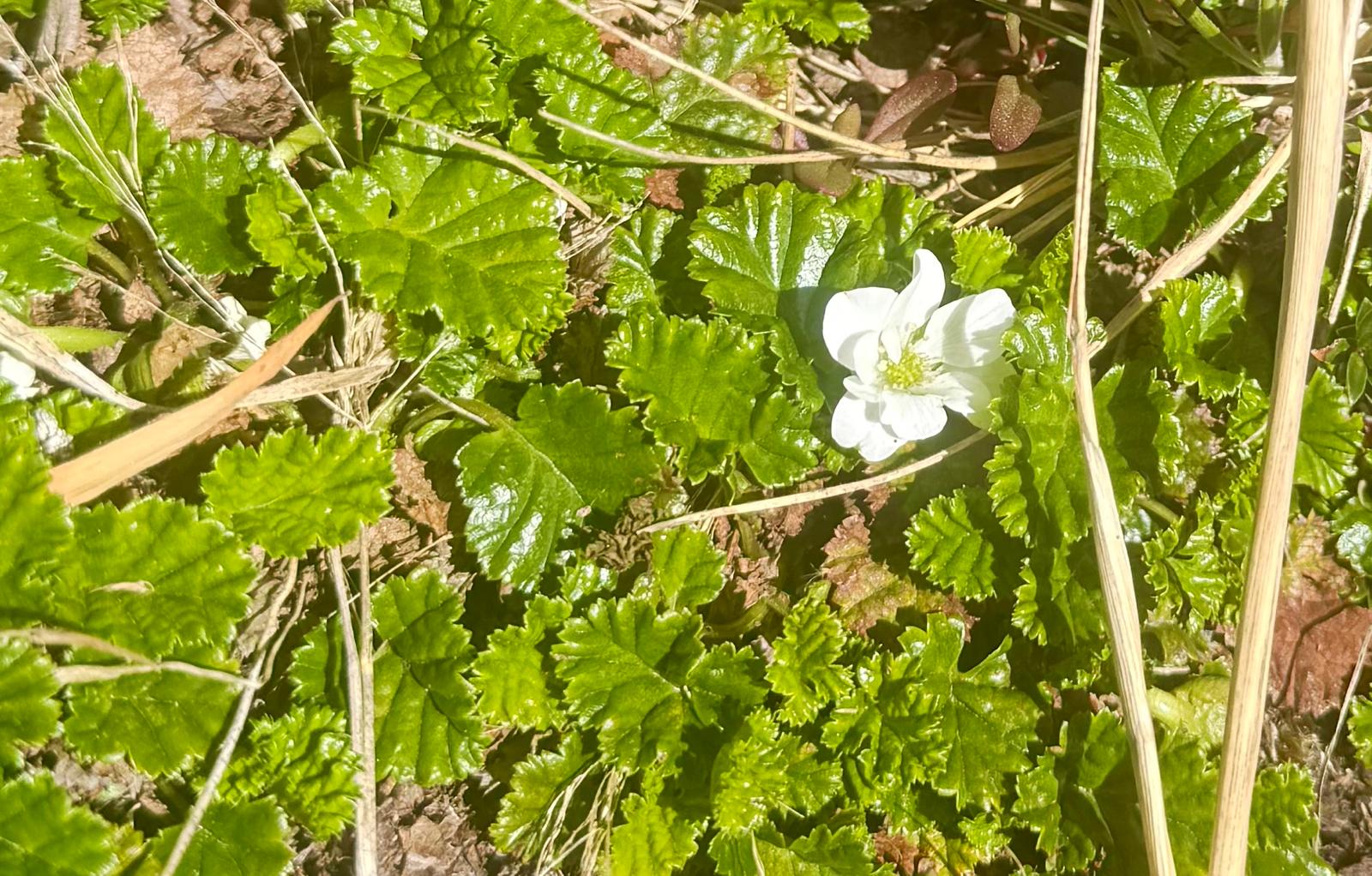
Native Strawberry
Back until not too many years ago the Falkland Islands used peat for heating, just like they did in England and Scotland in the old days, so people came to these areas and dug the 20-odd cubic yards of peat they needed for the winter heating. This was carried back to their houses and stored ready for the winter. Now apparently back in the day sailors could tell they were near the Falkland Islands by the smell of the peat up to 2 days sailing away. Nowadays their heating is done with electricity, some wind-generated, but much of it with the use of diesel generators, which apparently are all now quite old.
Accompanying us was the ship’s geologist, Jackie, who explained how the Falklands originally came from the side of Africa and somehow over millions of years ended up where it is today. It has some really unusual rock formations called stone rivers, where over millions of years permafrost formed across the ground, as there were never any glaciers here. As the permafrost melted and water ran through it, it just left these big stones in the stone rivers. She also pointed out lots of information on the local rock formations and how some had been bent one way and some bent the other way.
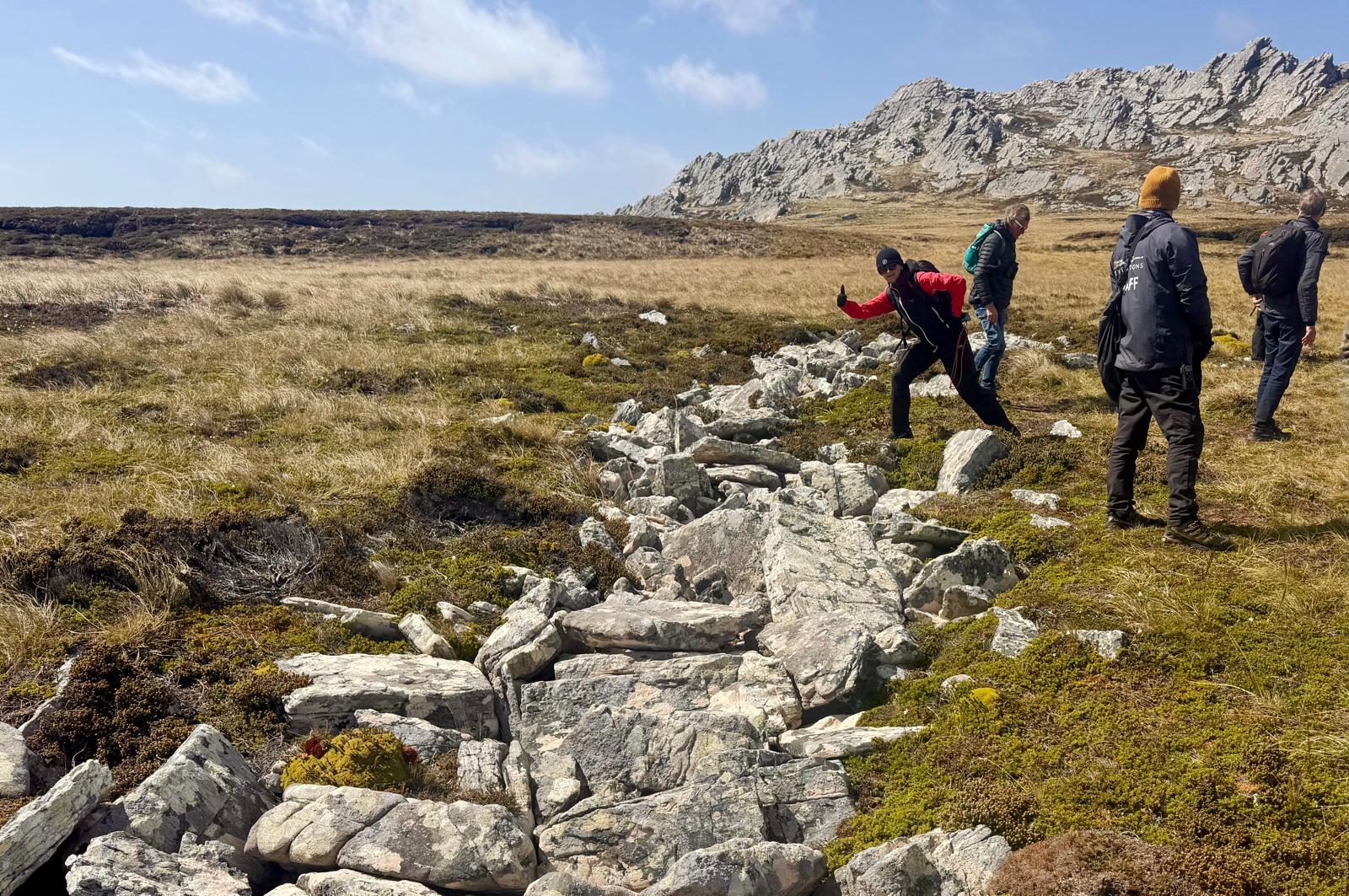
Stone River
Back around 1760 the French came here and released a lot of cattle, which basically ran wild. Large stone corrals were built to capture these before introducing them into the local food chain. In the distance we could see a large abattoir where sheep and lamb meat is processed, mainly for the export to England. The other way the island makes it money is through fishing quotas, which a number of countries around the world buy into. Since the war, the Falklands have received a lot more attention from Great Britain, and, with the income from the fishing and sheep industries, the government is able to fund young people‘s education overseas with no student loans. Apparently about 75 percent of the students come back to the Falklands after they complete their education.
The Argentinians had all their defensive positions facing the sea, where they thought the British would land, but the British attack came from another direction, which effectively was from behind. There are still many craters around the hills left by 500 pound bombs and 4.5 inch artillery shells fired by the British Navy.
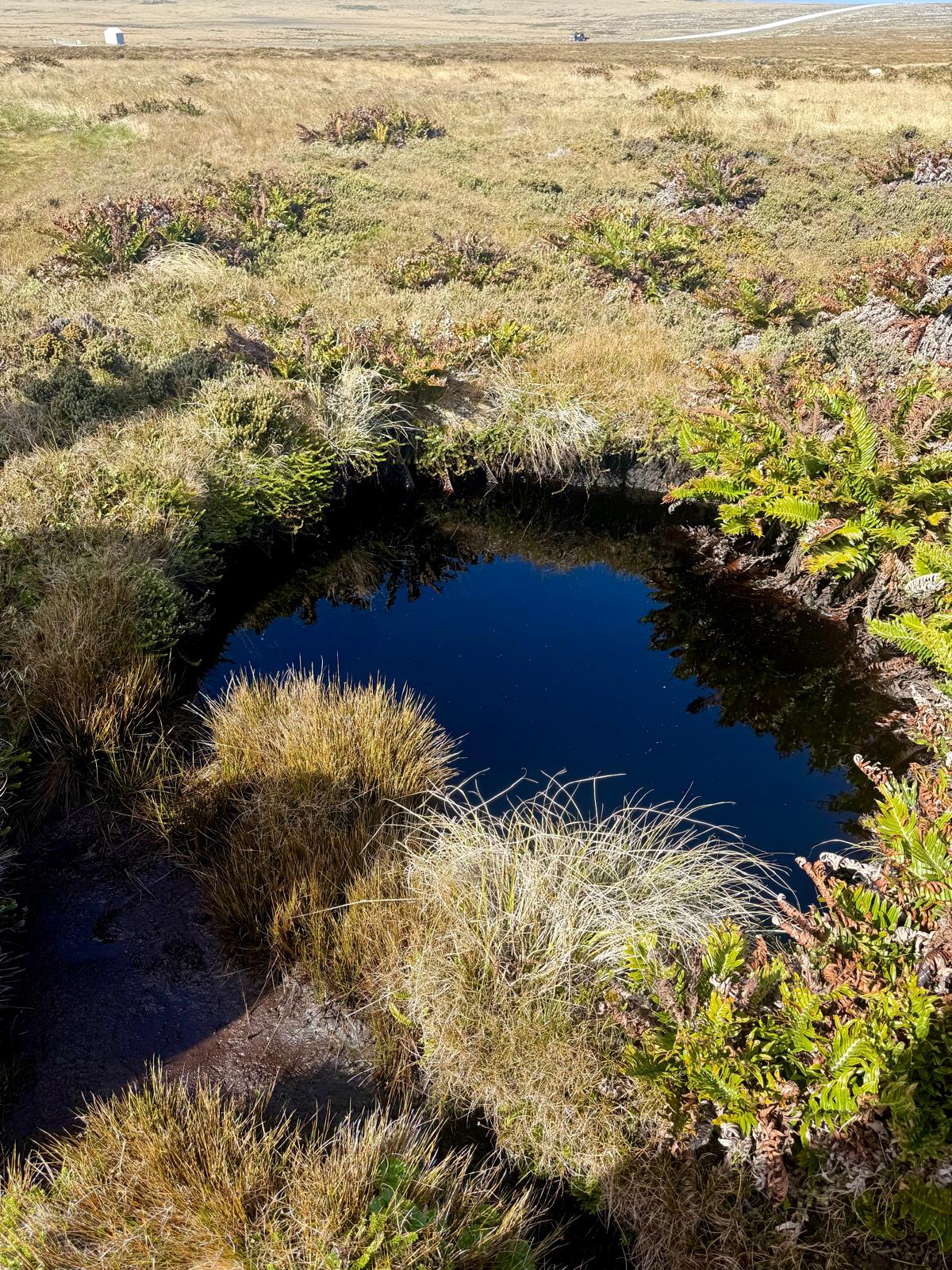
Crater from 4.5 inch Naval Artillery Shell
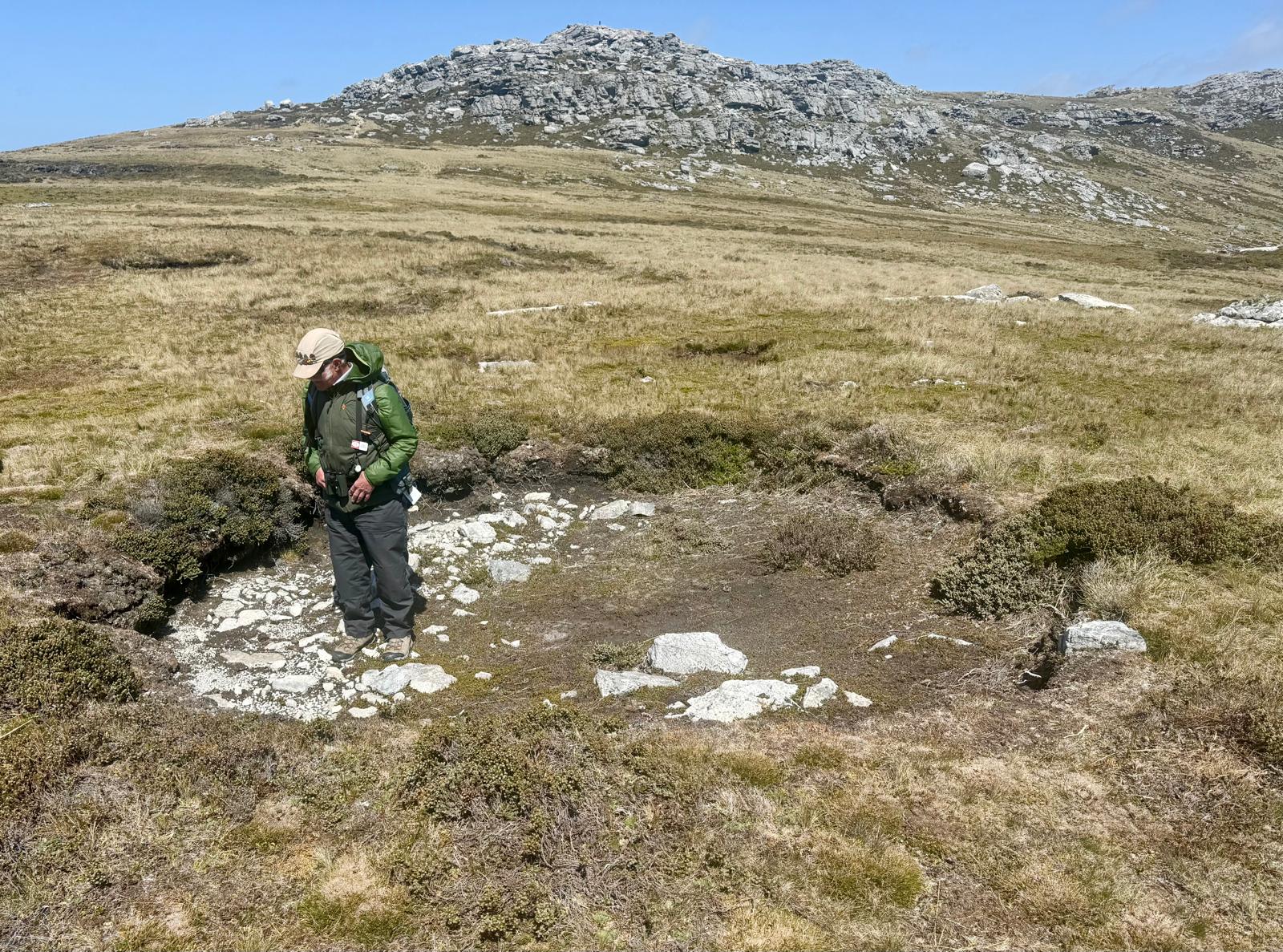
Crater from 500 pound bomb, dropped from a Harrier jet
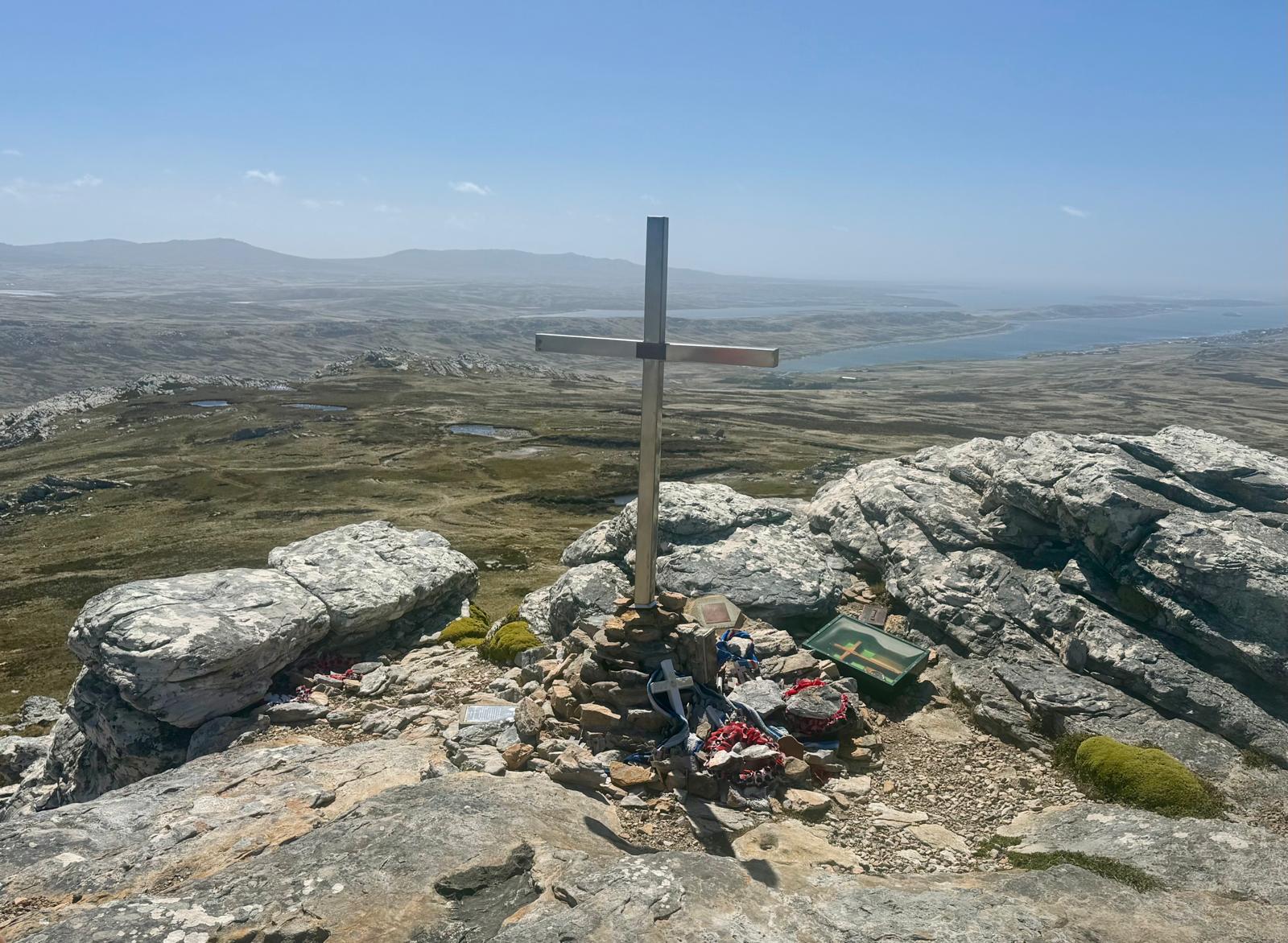
At the top of the hill was a memorial cross, erected in memory of those who lost their lives during the war. We headed down below the cross and sitting there at the bottom of a cliff were two military kitchens that had been flown up there by Chinook when the Argentinians set up their defences. As we headed down from there we had a good view back towards the bay where our ship was docked. Brian also pointed out where the 30-odd British Marines had been based prior to the invasion.
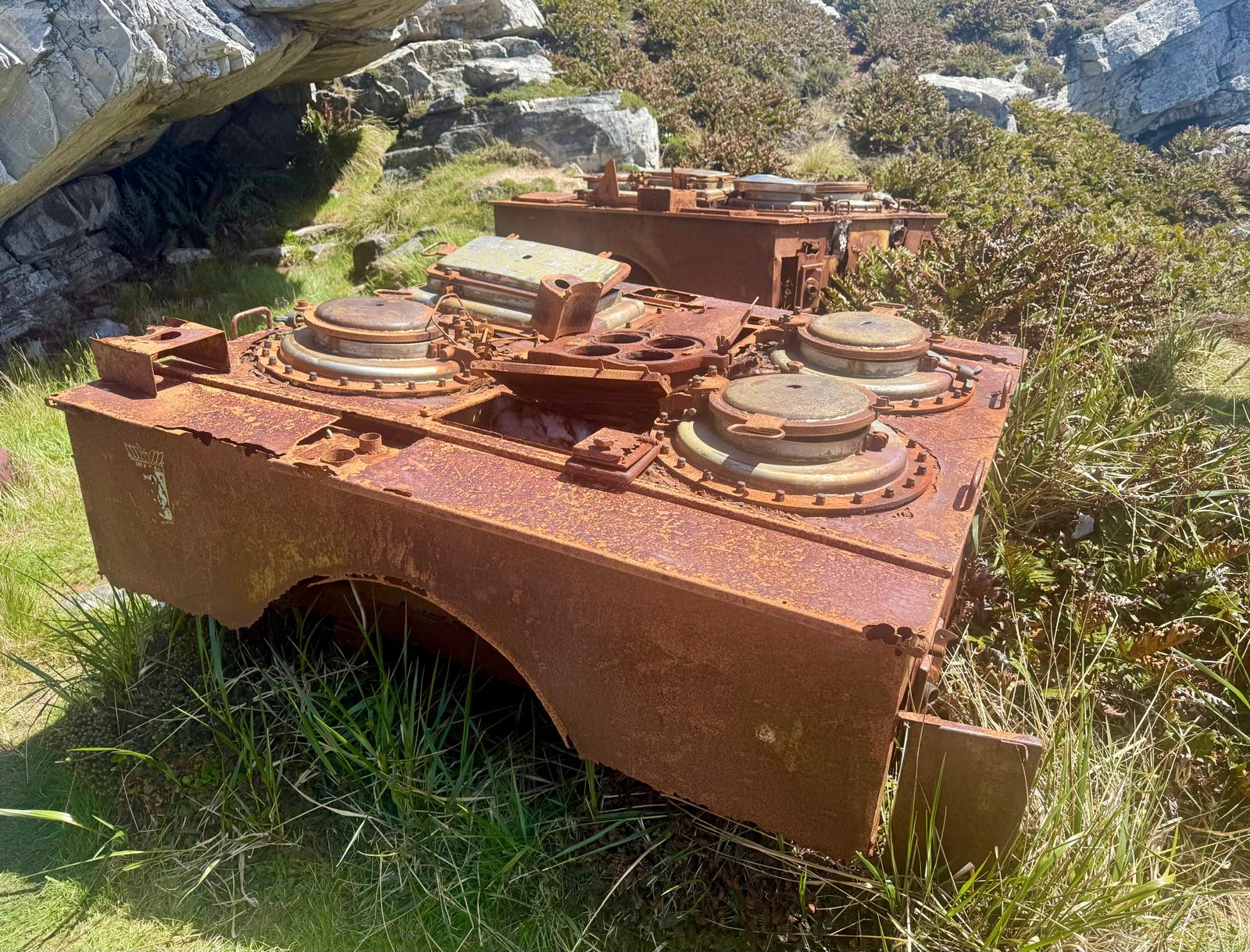
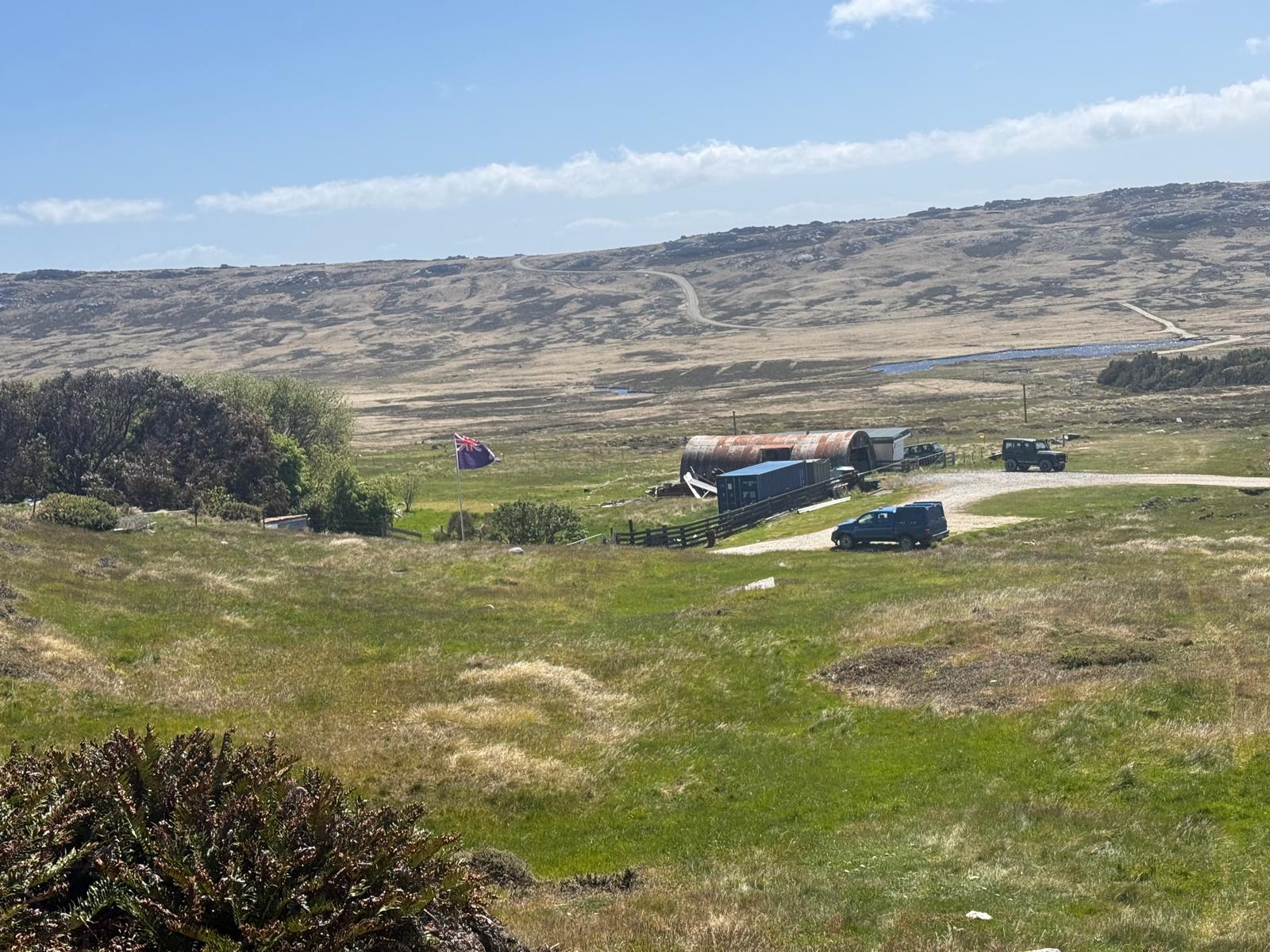
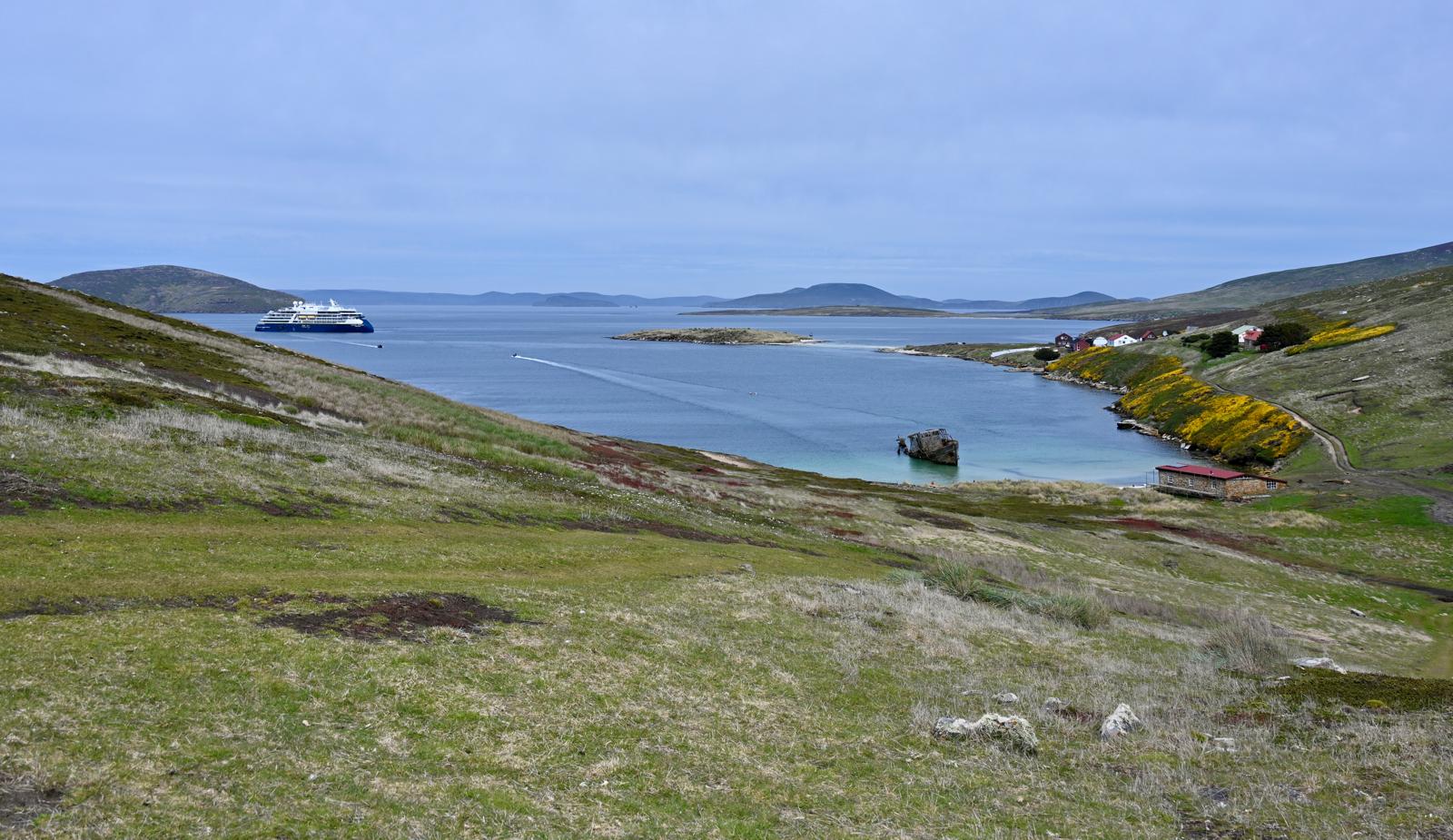
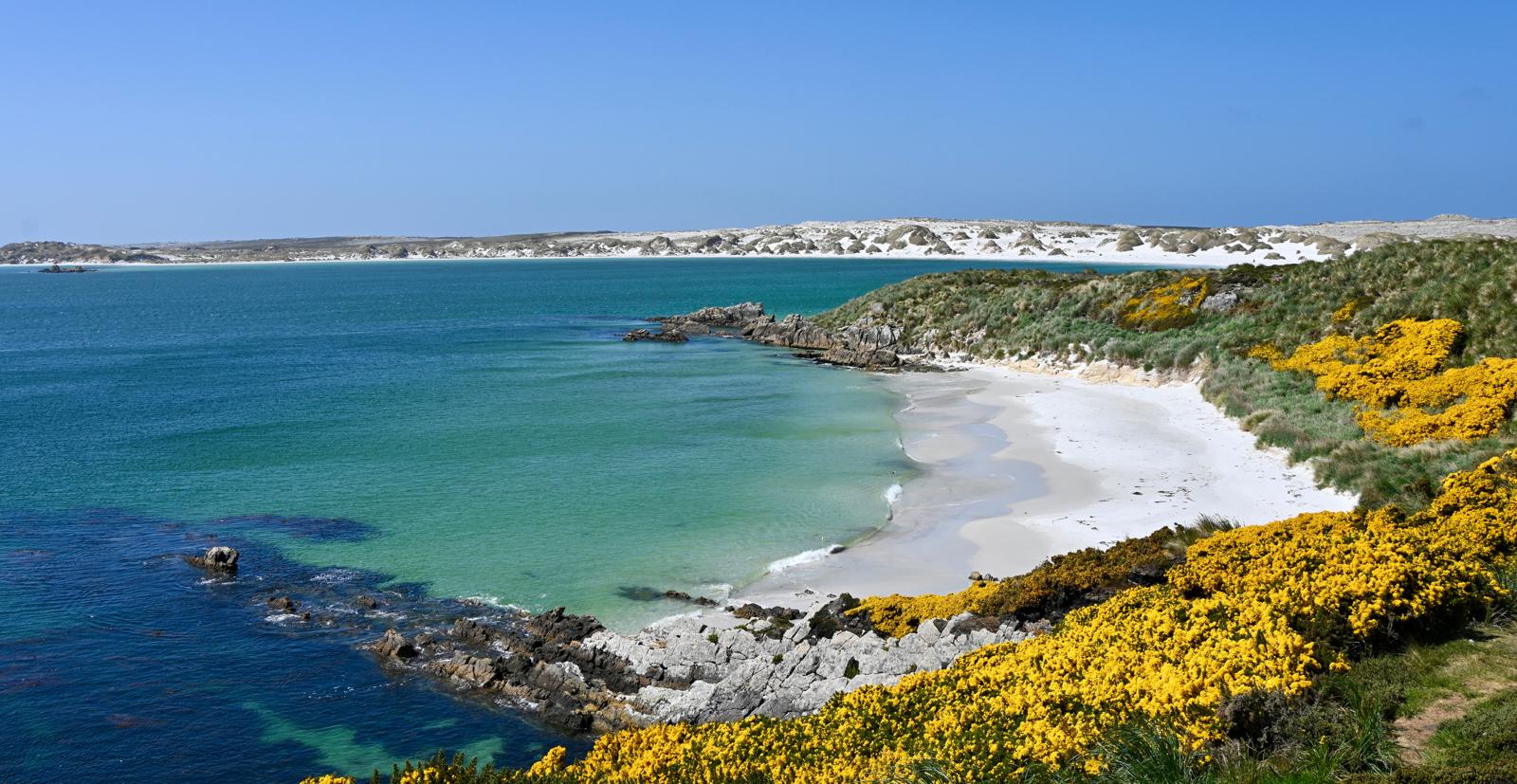
Soon we were back on the bus and then back on board the Endurance for a very British lunch of fish and chips. In the meantime, Sylvia had been out at Gypsy Cove. One of the stunning beaches there had been heavily mined during the war and was only cleared about 20 years later. She had walked back to the ship around the bay, getting good views of the Lady Elizabeth shipwreck, one of many boats that ended up wrecked in these islands. The Falklands played an important role during early shipping, repairing boats that been damaged rounding the cape. Sometimes the wrecks were used as floating warehouses. The opening of the Panama Canal in 1914 meant this service was no longer required. Several of the ships eventually ended up as rusting wrecks around the harbour.
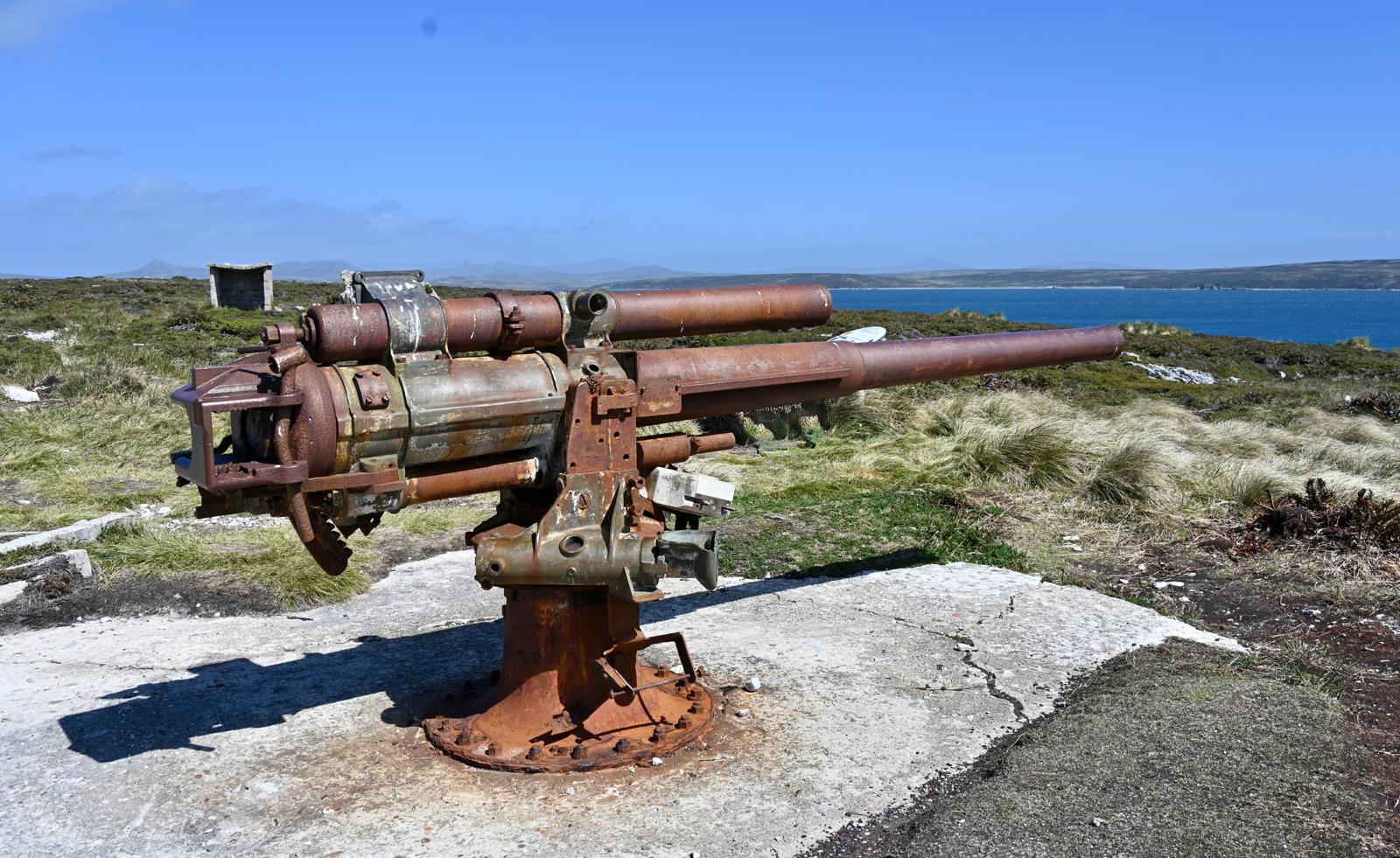
Old WWI gun protecting the Stanley harbour
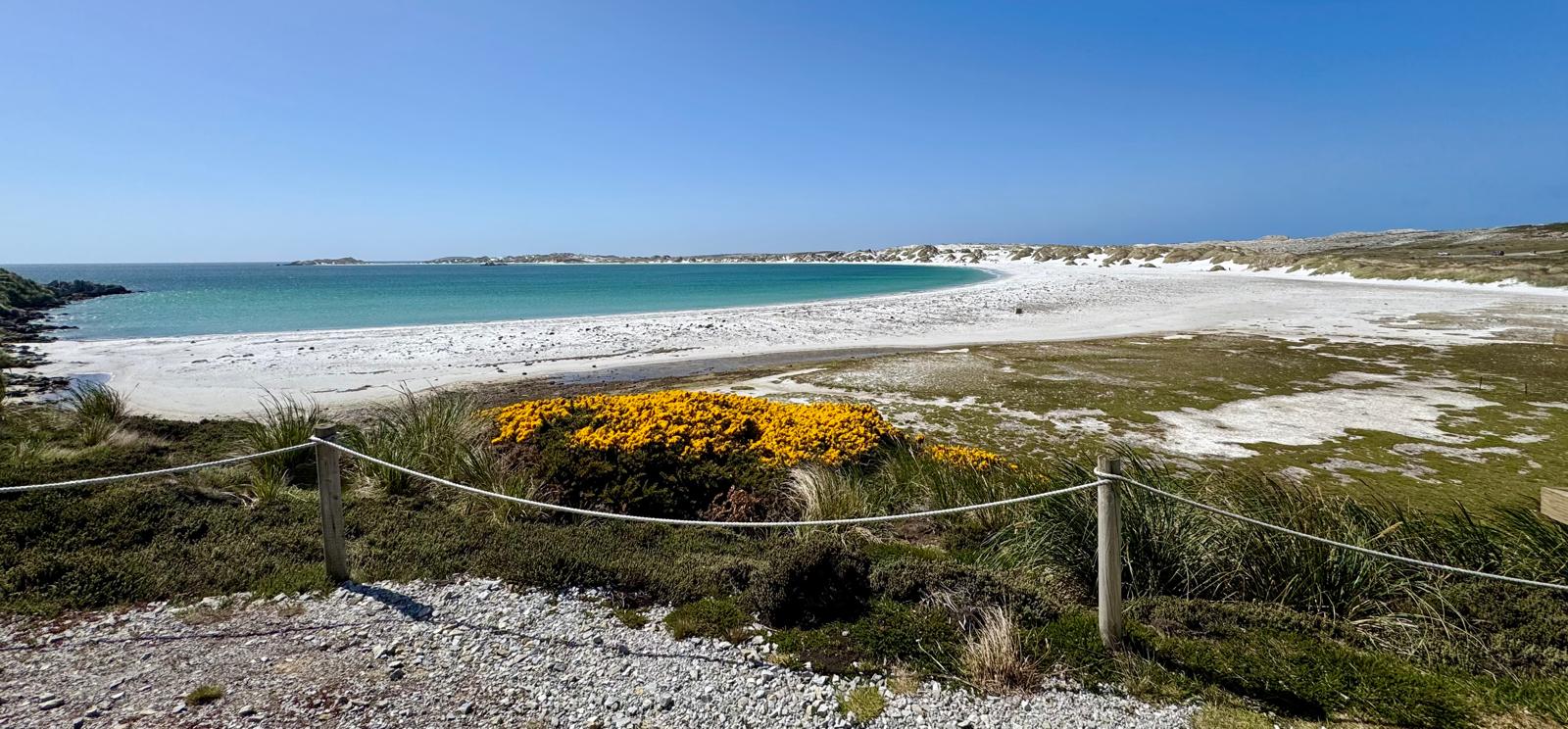
Yorke Bay, once heavily mined
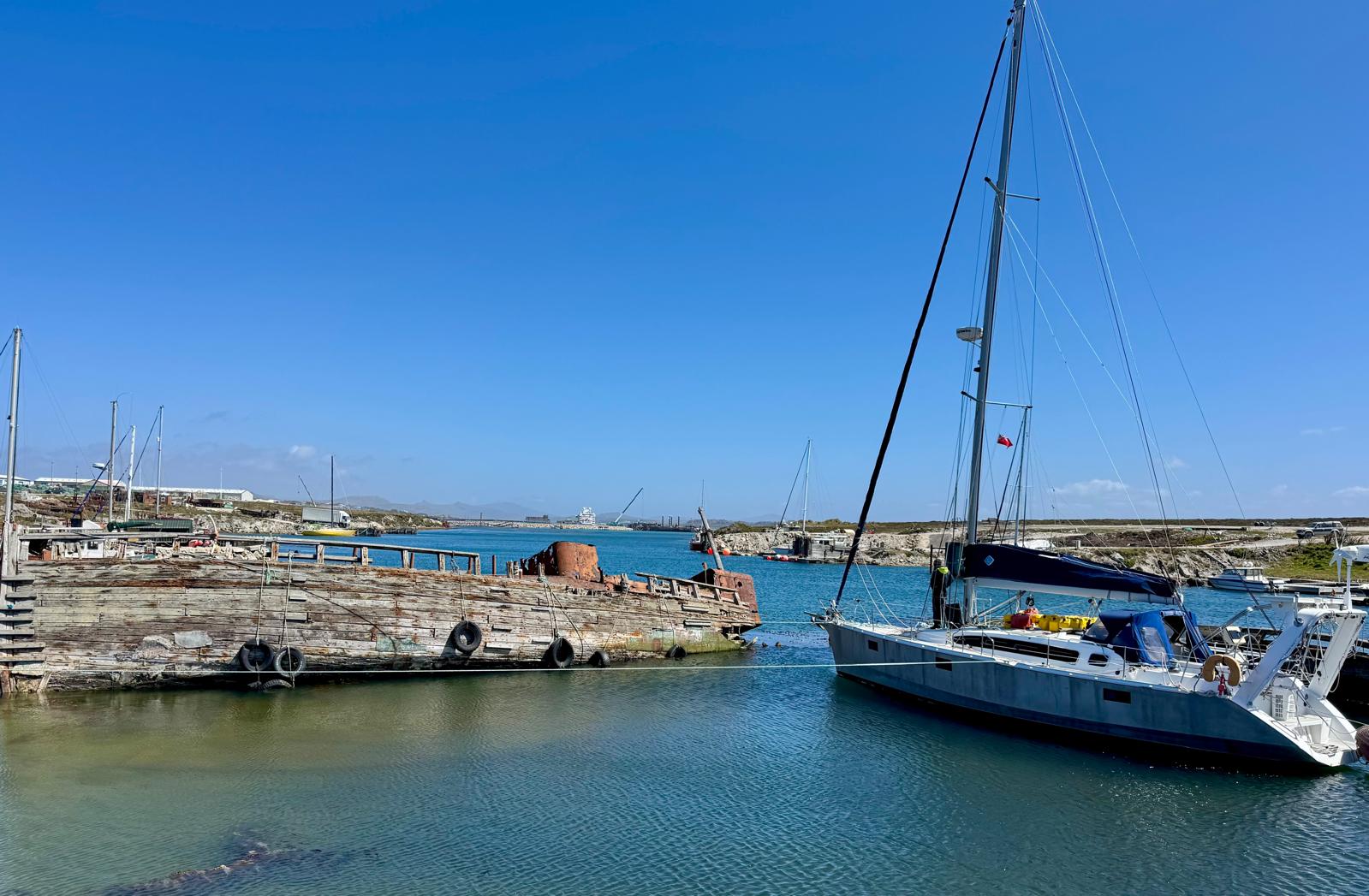
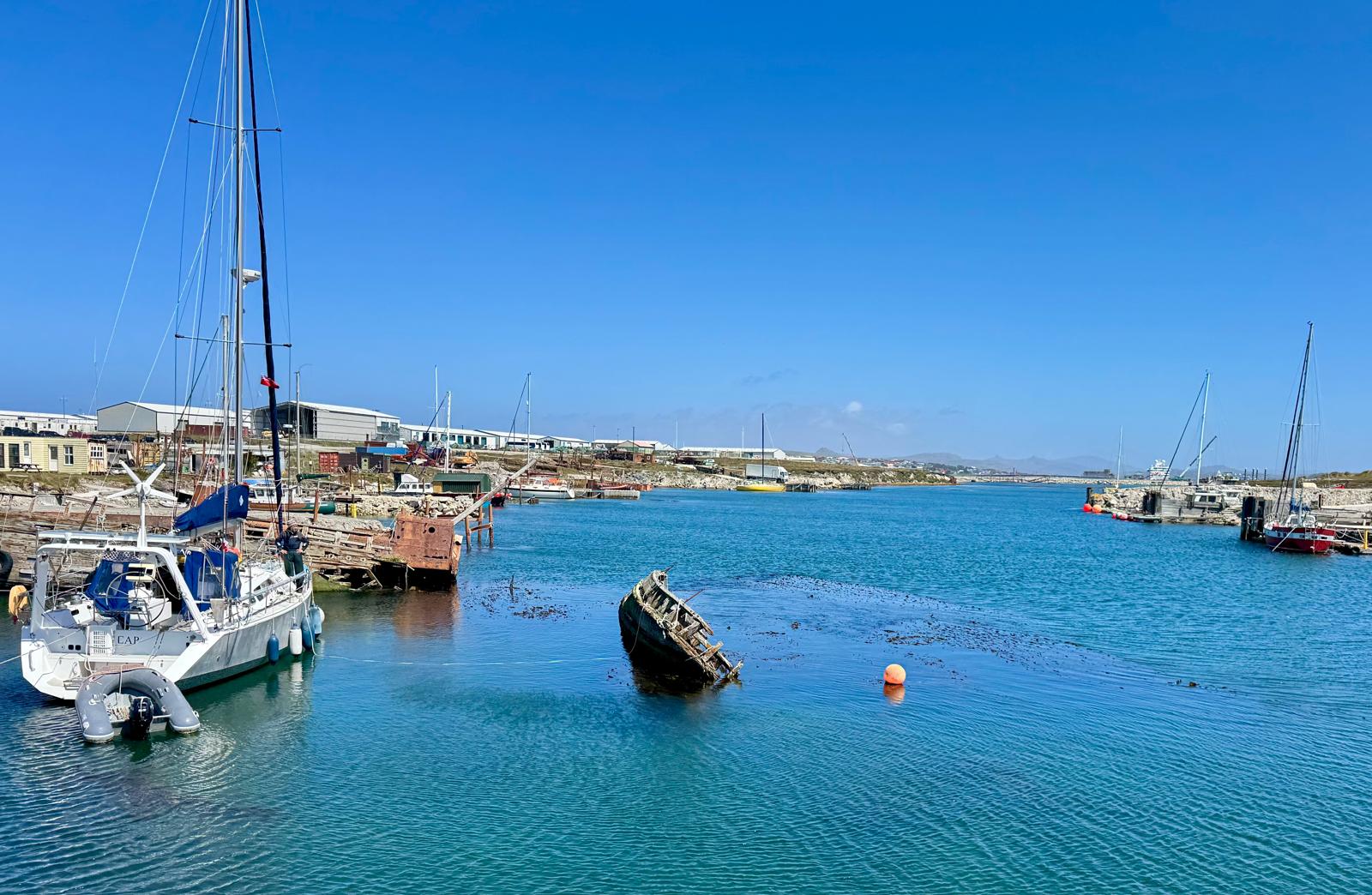
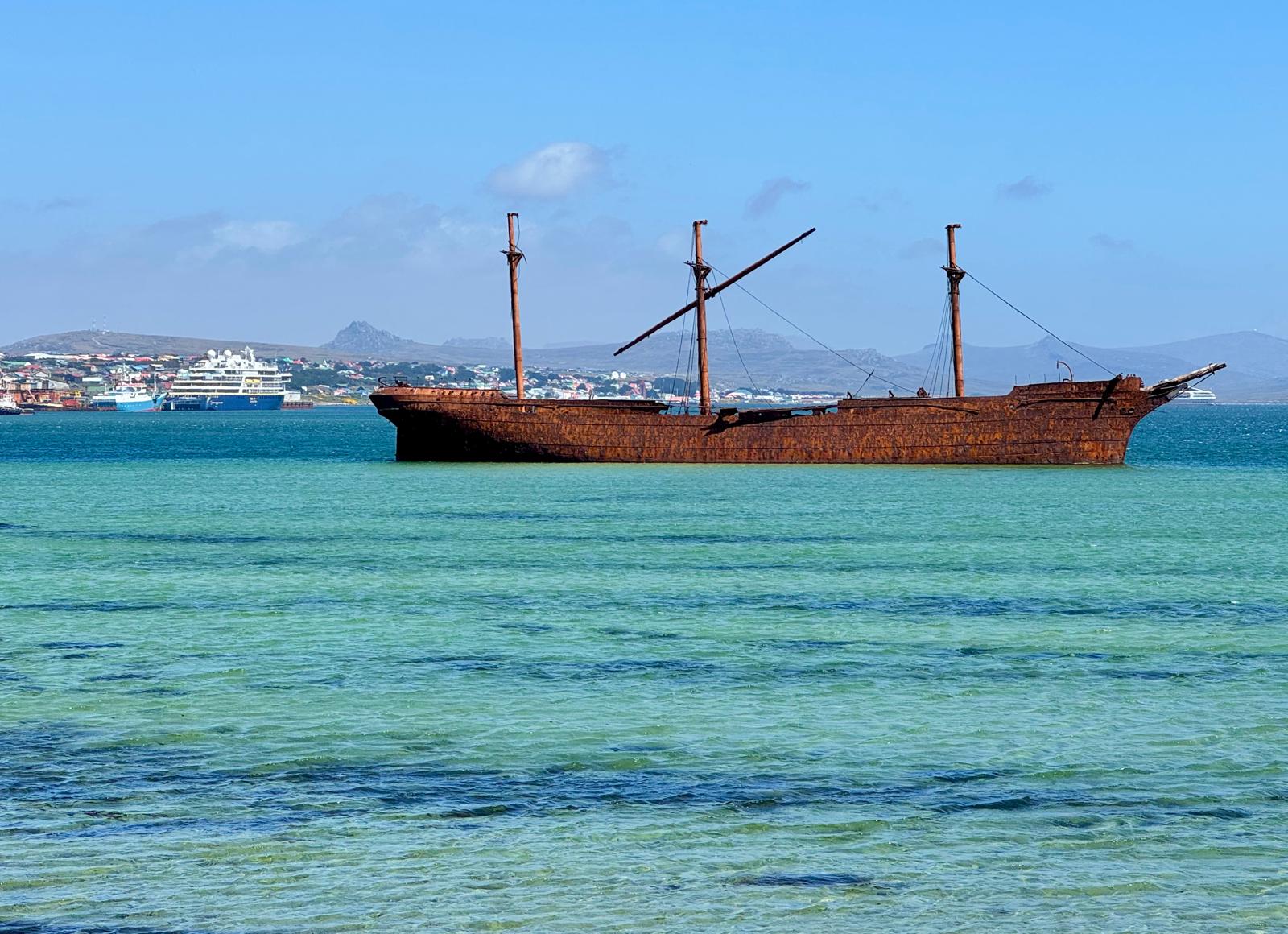
Wreck of the Lady Elizabeth
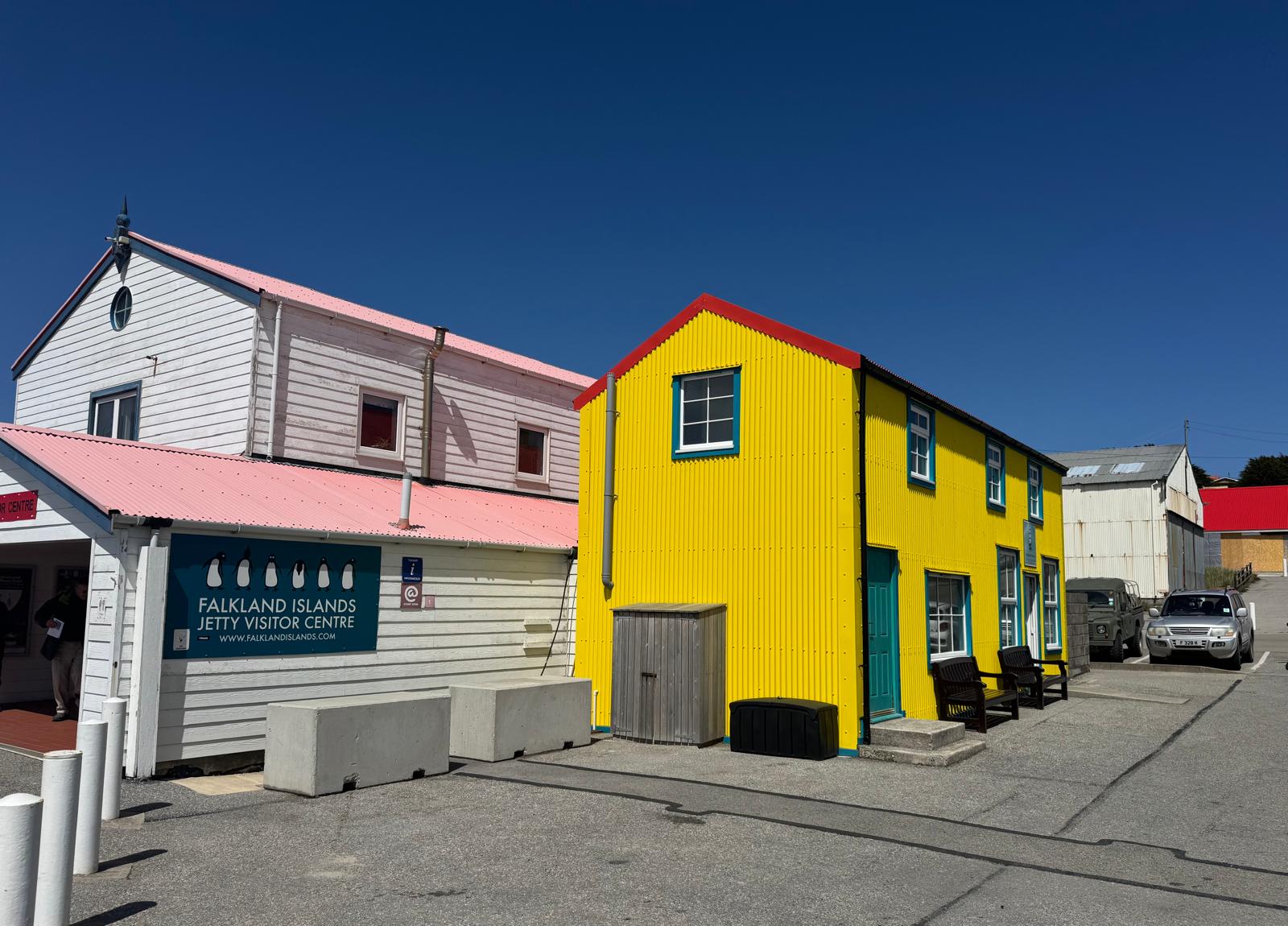
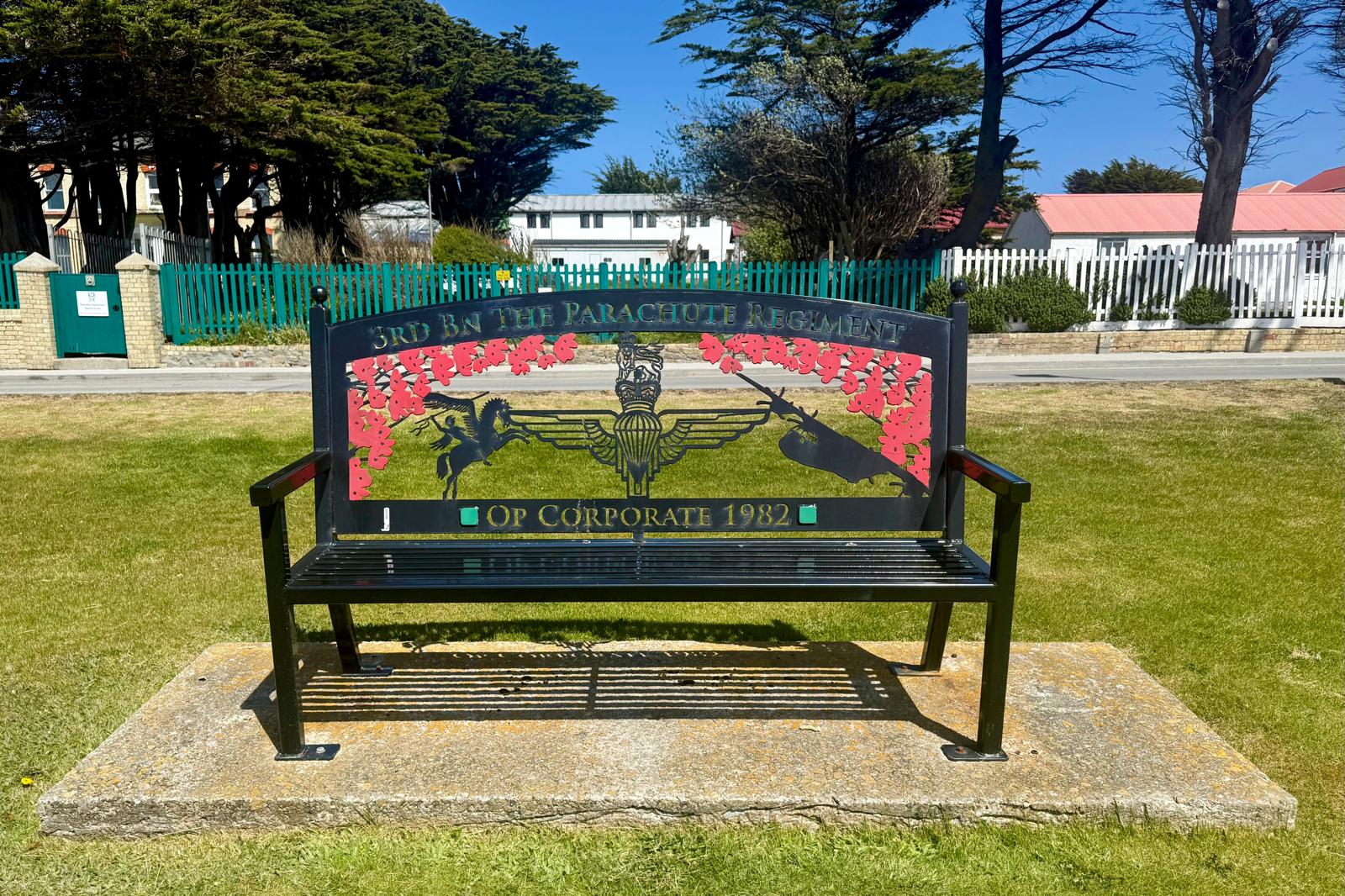
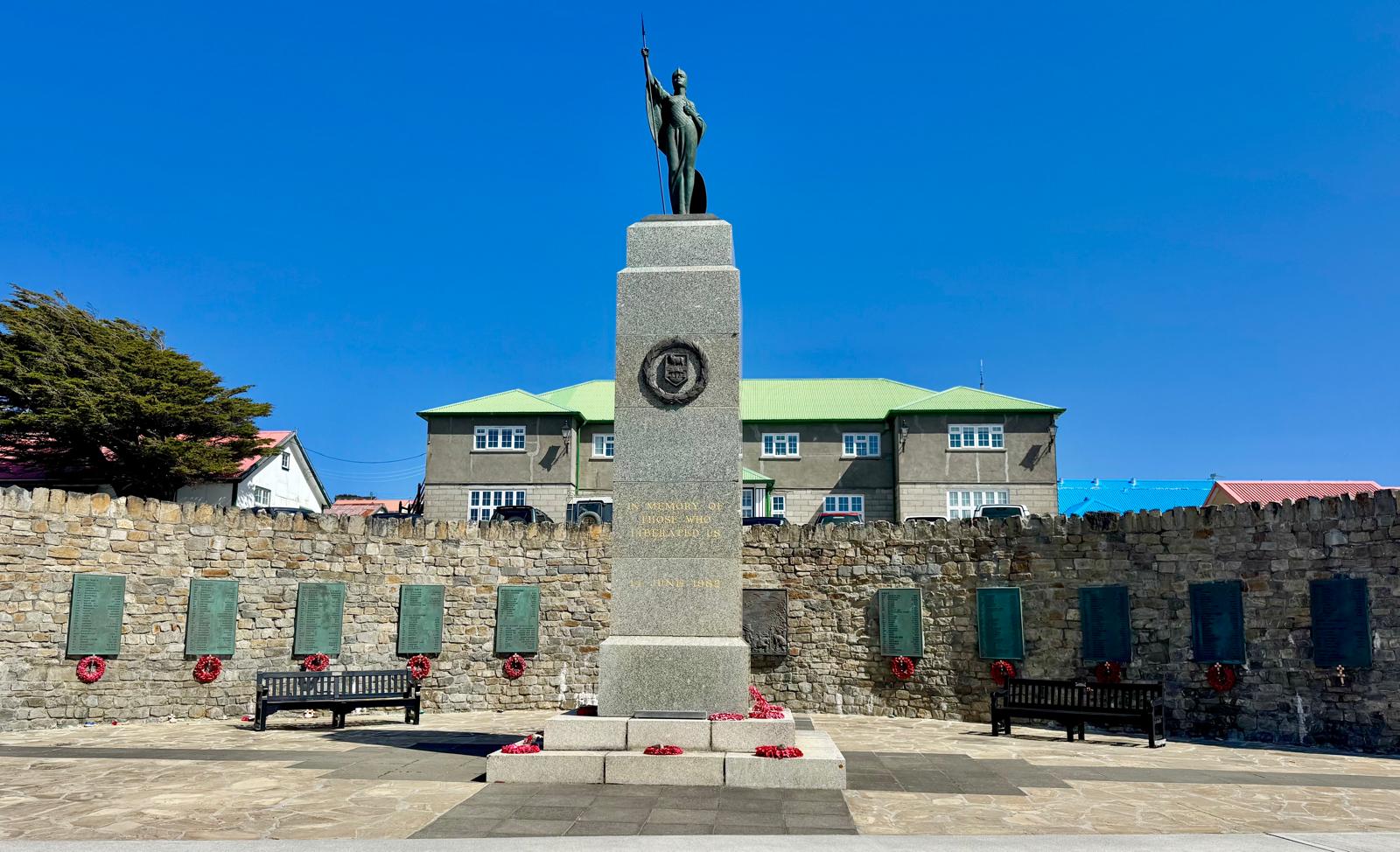
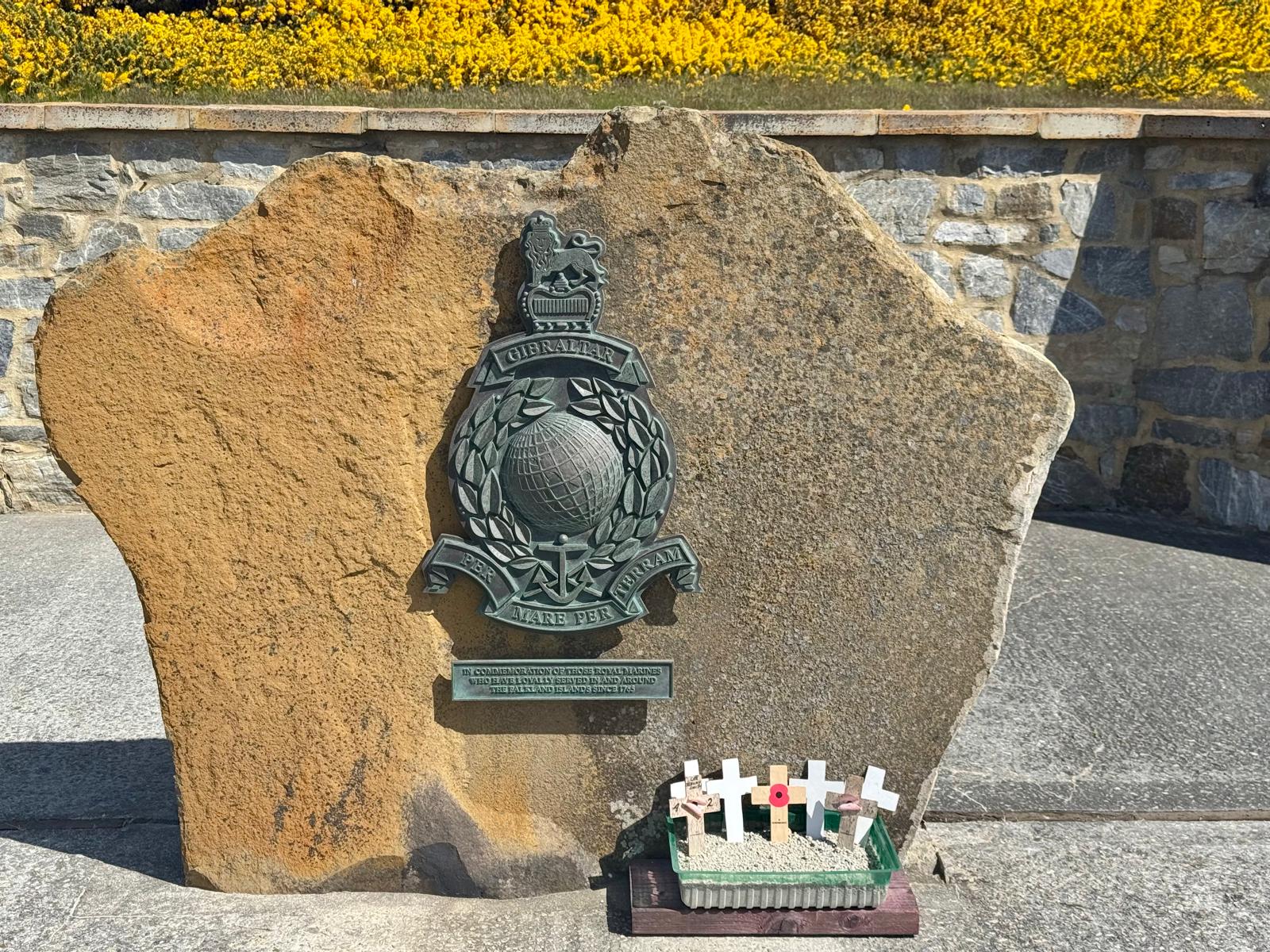
After lunch we took a bus to Stanley, which is a really tidy, prosperous looking town with most of its buildings freshly painted, some rather prominent churches, a police station, a large post office and a museum that portrays the history going back several hundred years. The museum had a very interesting exhibit on the 1982 Falklands war, as well as the role the islands played in both WWI and WWII. There was a very poignant photo wall showing all the British soldiers, and three local women who were killed during the war.
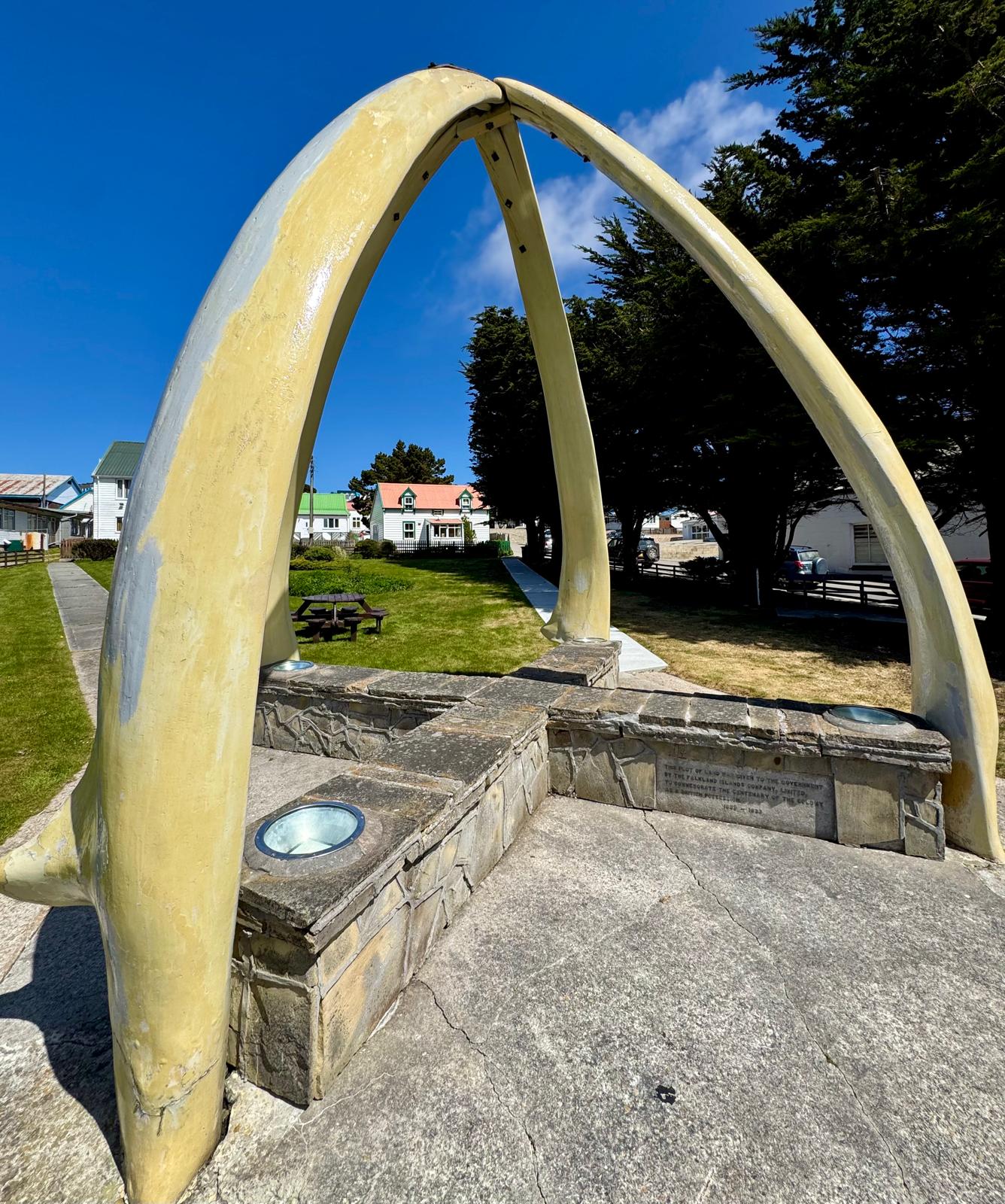
Whale bone Arch
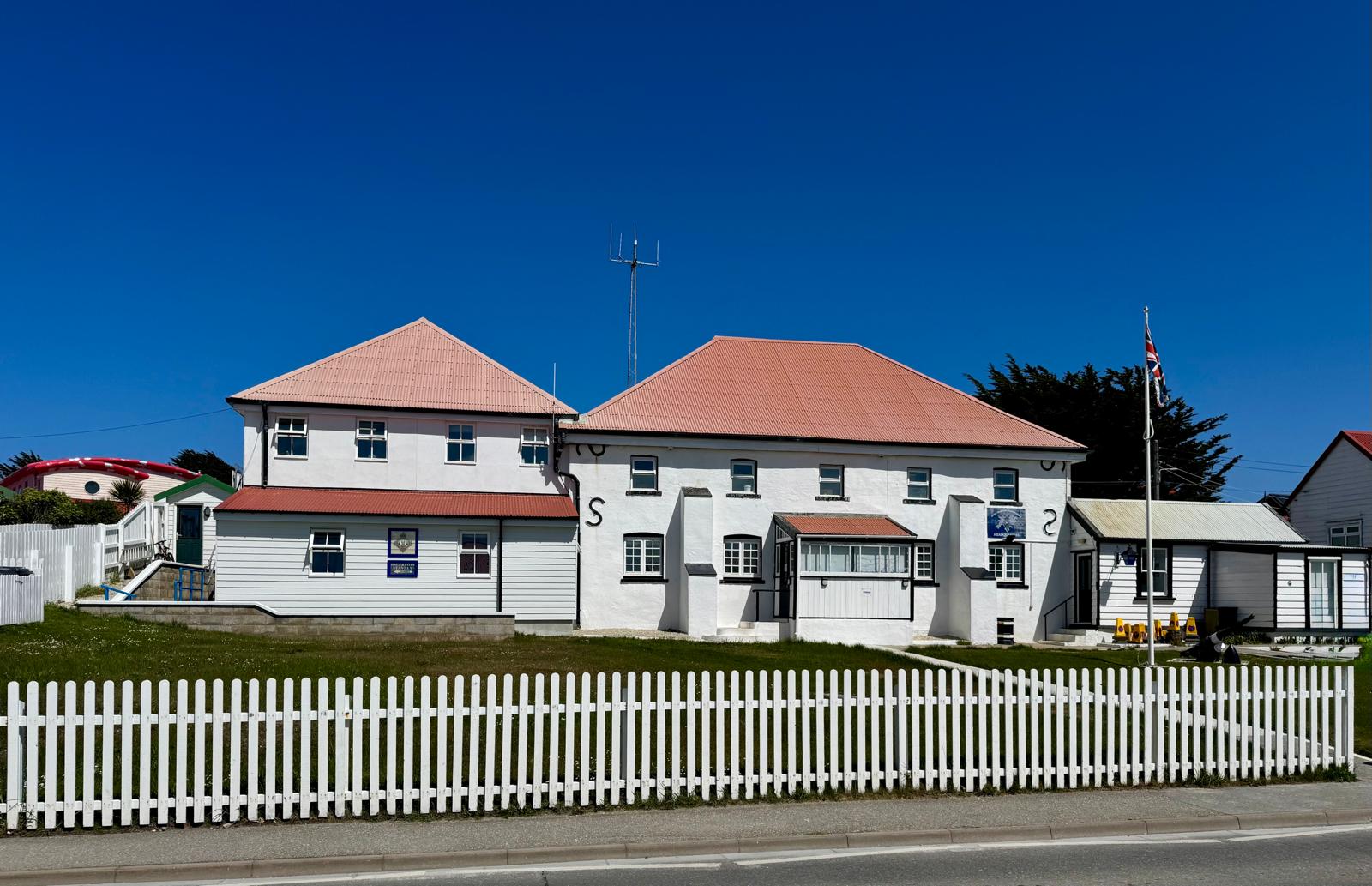
Police Station
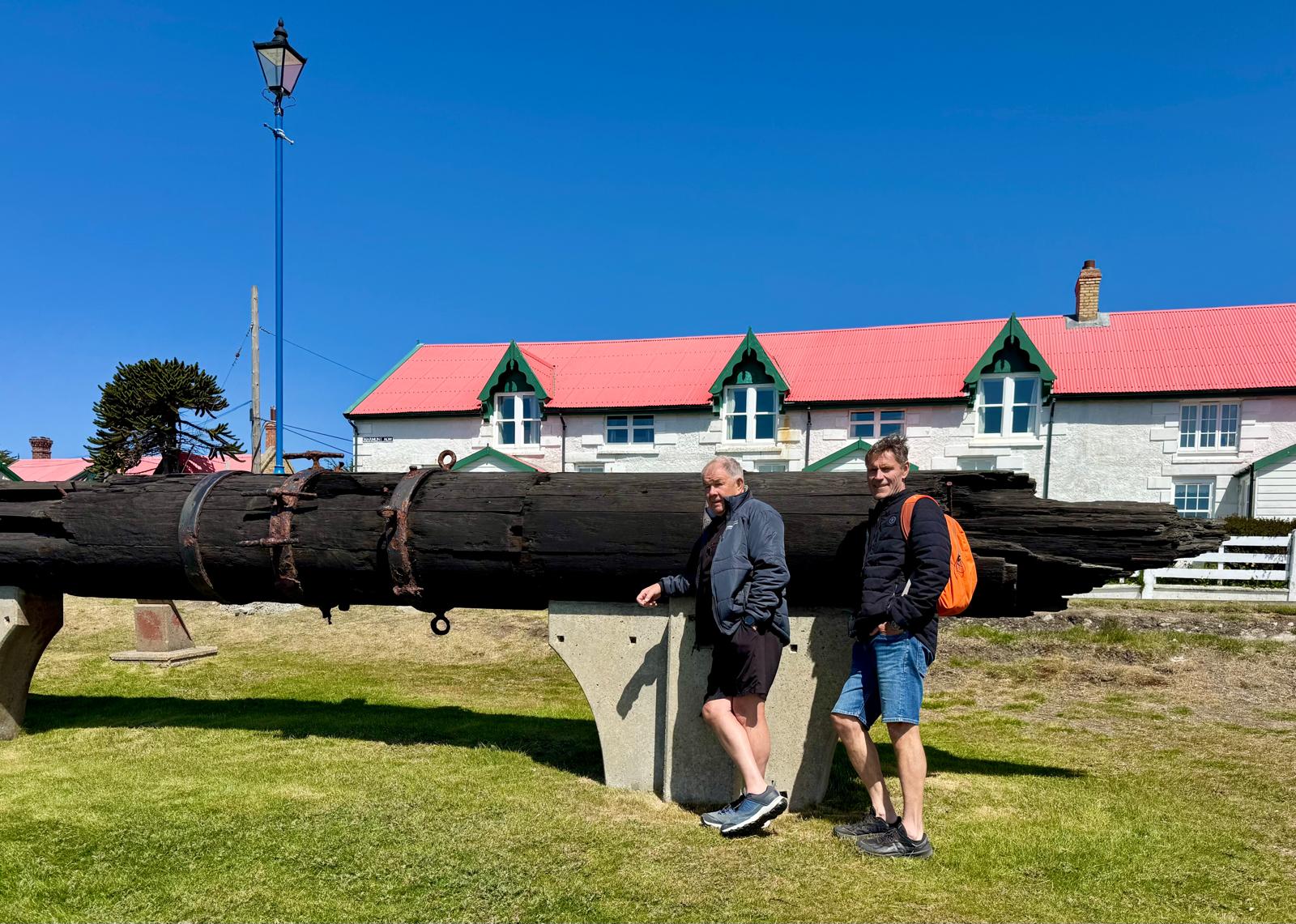
The mast from the SS Great Britain. Dismasted by a storm off Cape Horn in 1886, she became a storage hull for coal and wool until she was scuttled in 1937. In 1970 she was refloated and returned to Bristol in the UK, where she has been restored.
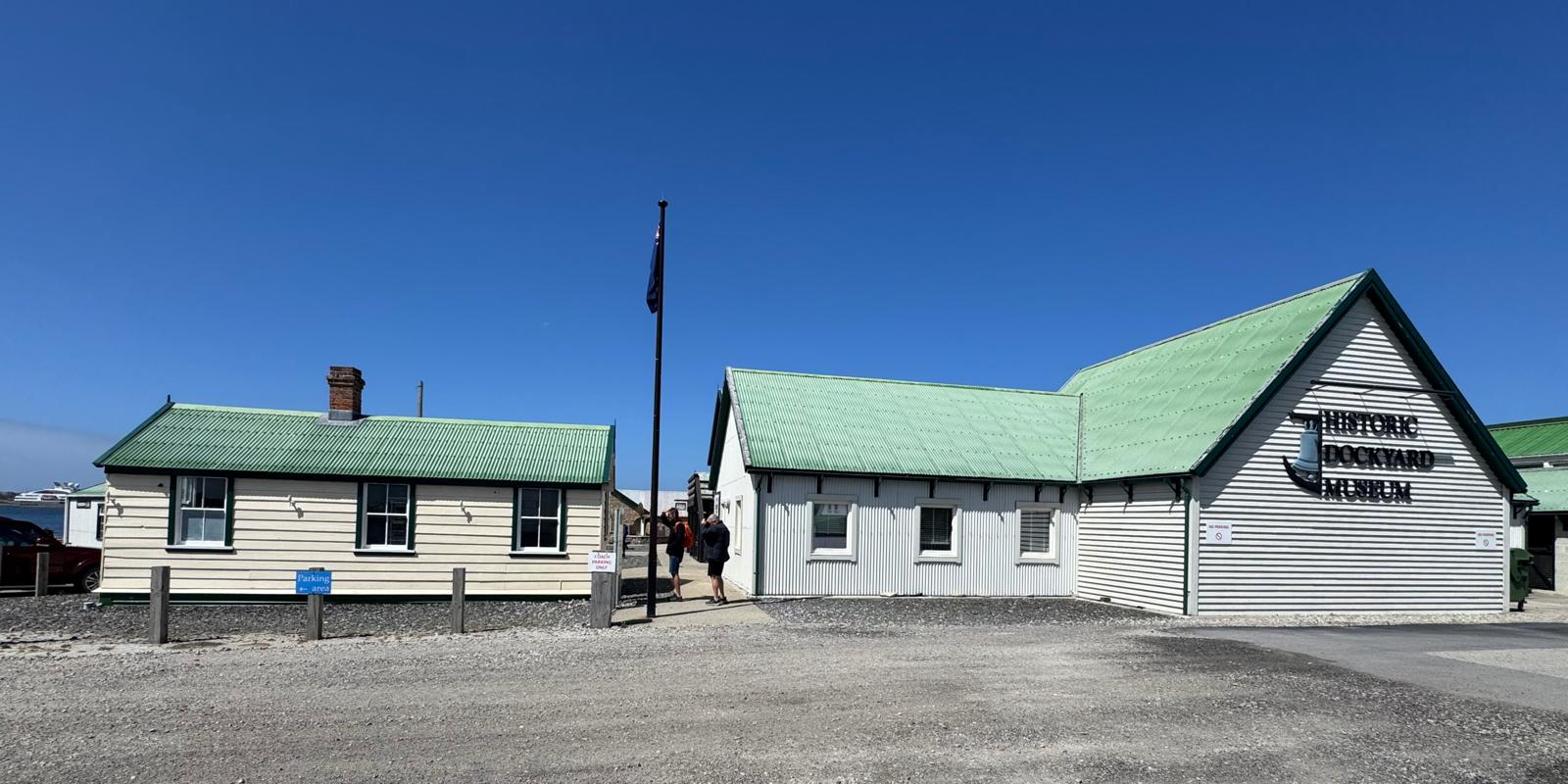
Museum
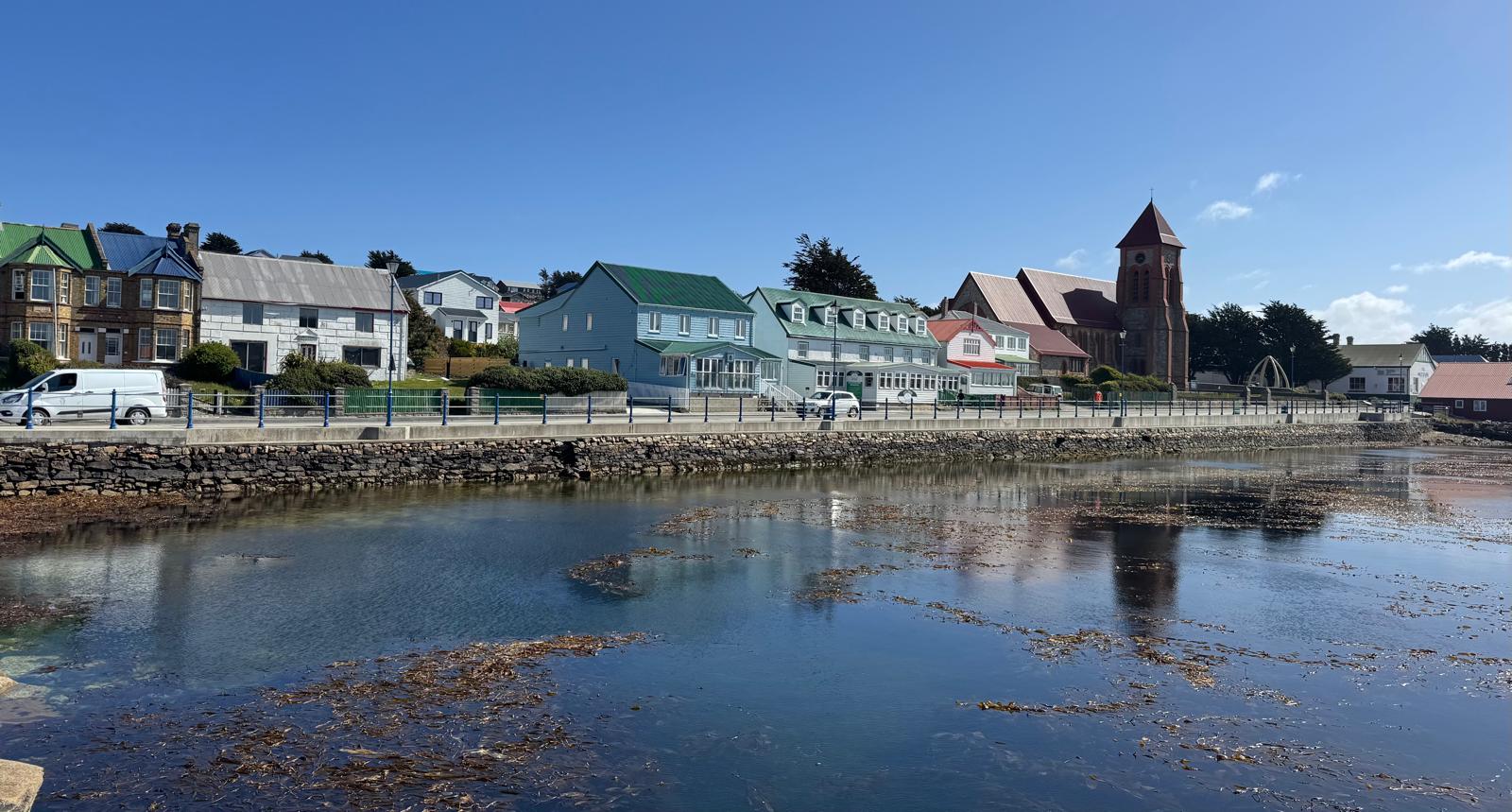
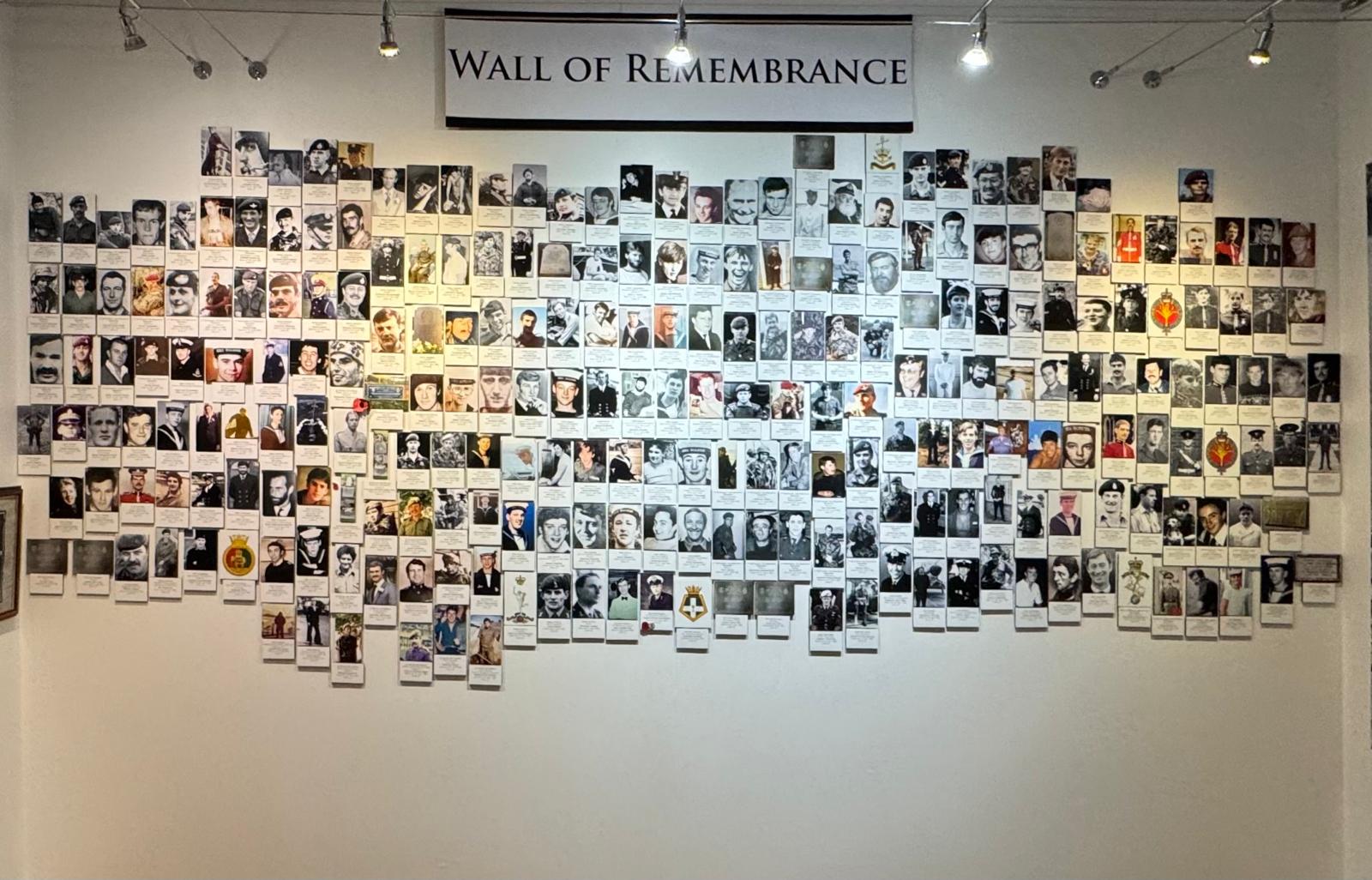
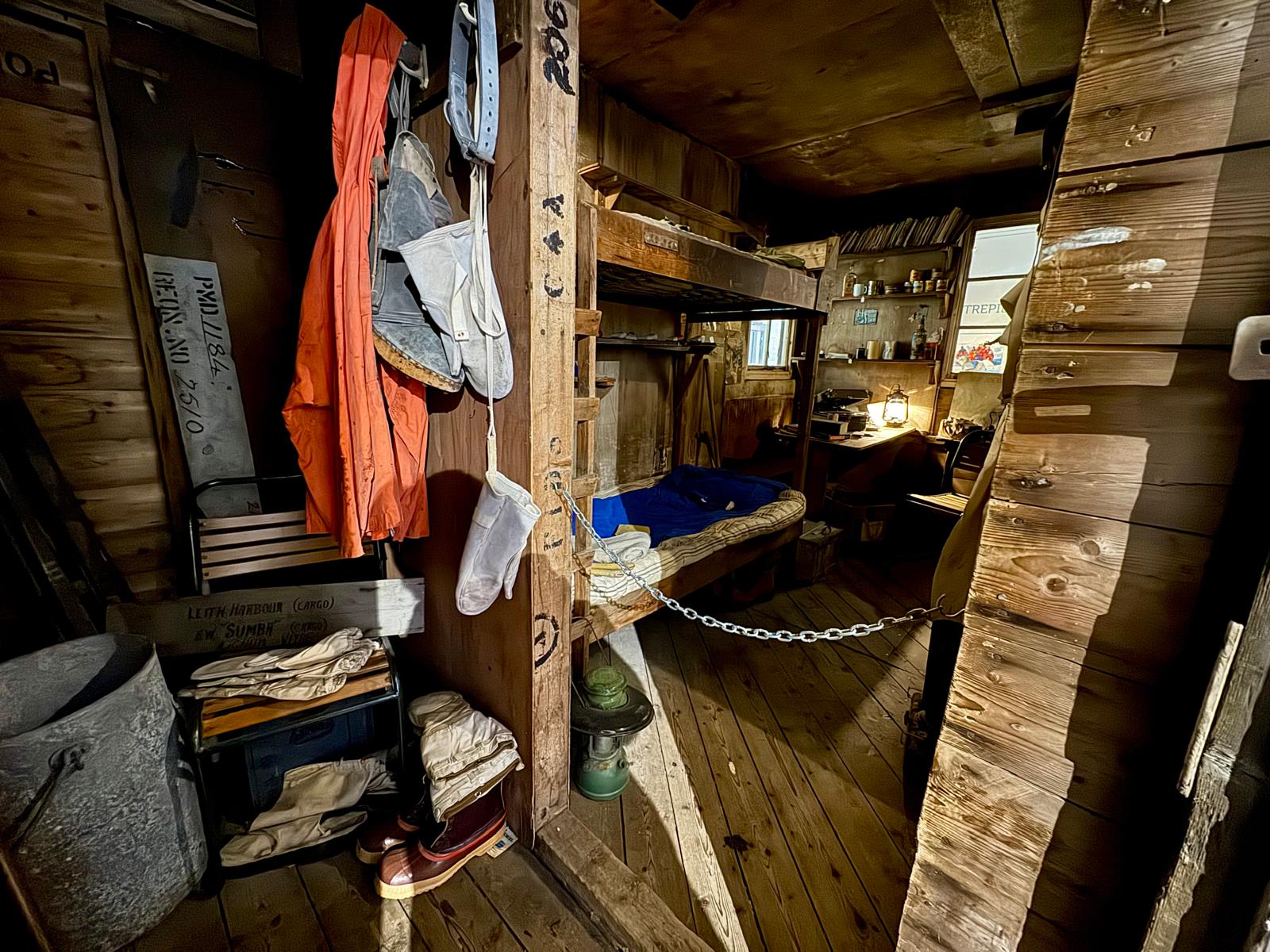
The museum also housed one of the early Antarctic Explorers huts that had been shipped back to the Falkland Islands.
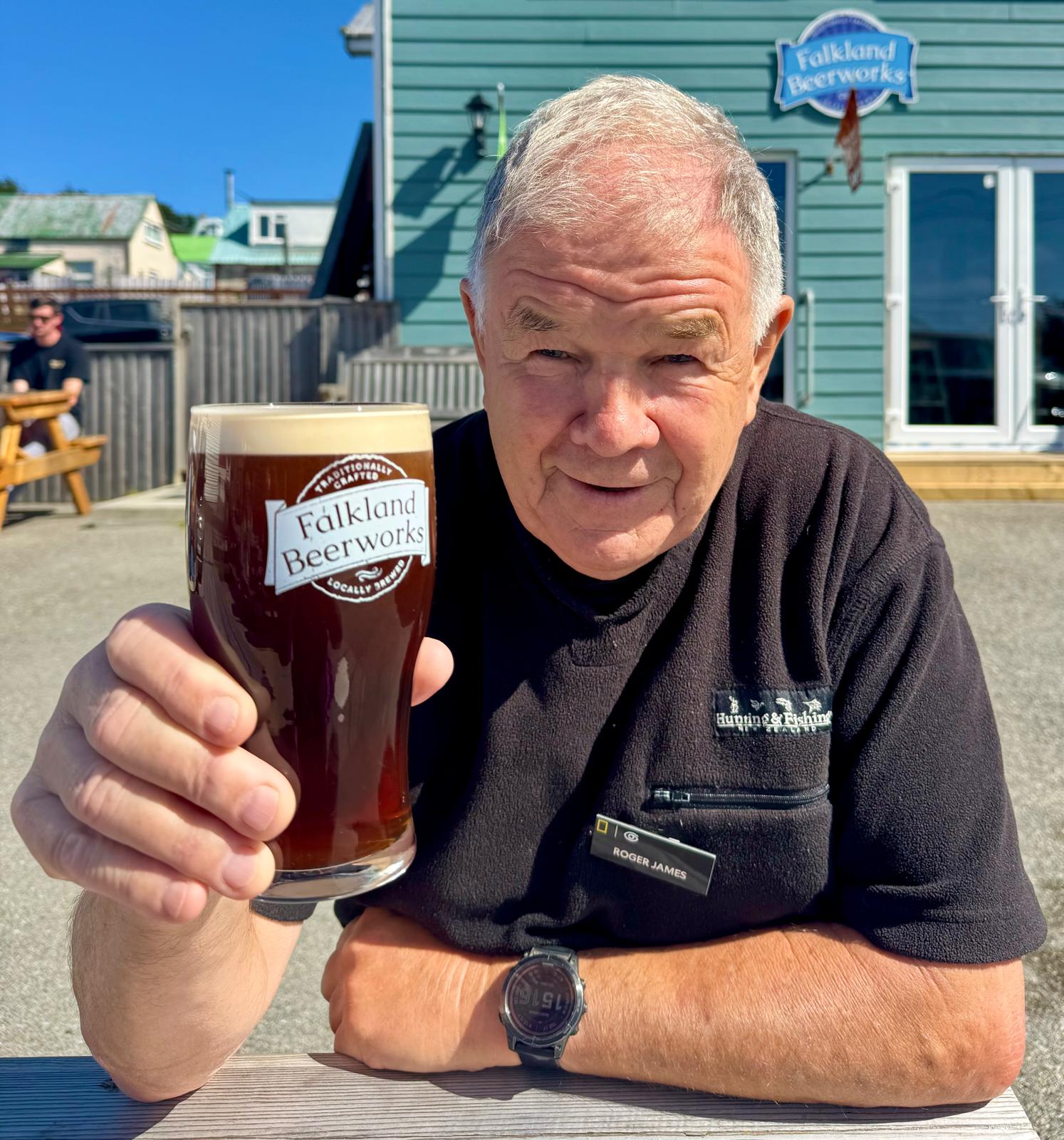
We even had time to call in at the Falkland Beerworks to try a locally-brewed red ale before heading back on board in time for the daily recap, which was, as always, entertaining and informative.
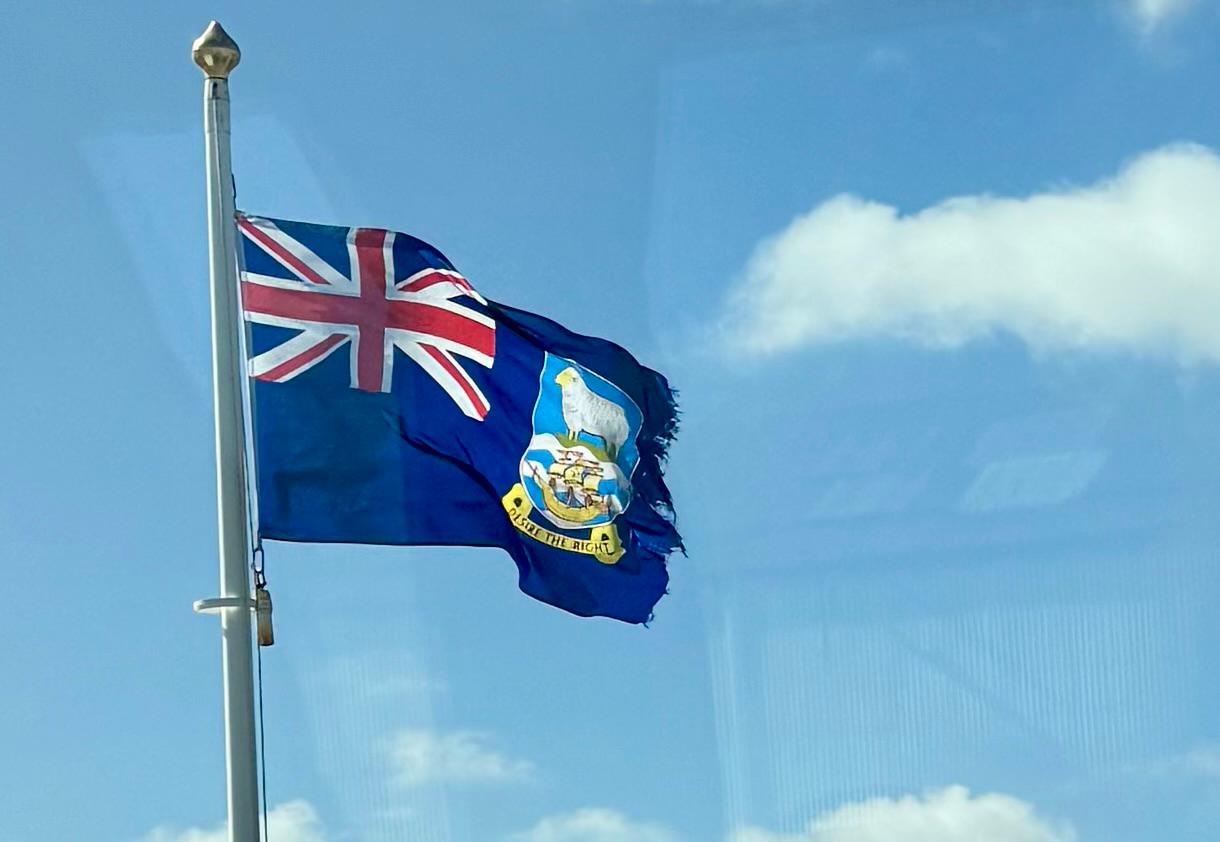
One other unusual thing about the Falklands is that there is not one native tree that grows here, although apparently in one place there are some fossilised ones. But in spite of its sparse landscape the people look happy and appear to be quite prosperous.
It was about 5:30pm when we cast off from the wharf and headed back out to sea to start the journey to South Georgia.
Another wonderfully informative blog with fabulous photos.
You two sure know how to travel! Thank you both. And a special thank you Sylvie for labelling the photos. Kia kaha. Xx
great as per
The birdlife is incredible and good to see you are soldiering along Roger!!!