Saturday 7 November 2026: Santiago to La Paz – Roger
Having left Auckland on Friday evening and landed in Santiago 11.5 hrs later mid-Friday afternoon, we checked into the Holiday Inn, which is about a 300m walk from the International terminal. It is hardly a Sylvia hotel with the rooms being pretty basic, but it is handy for an overnight stay.
We enjoyed a light soup dinner in the restaurant. The local Chablis was rather tasty.
We were in bed early for our 0330 alarm.
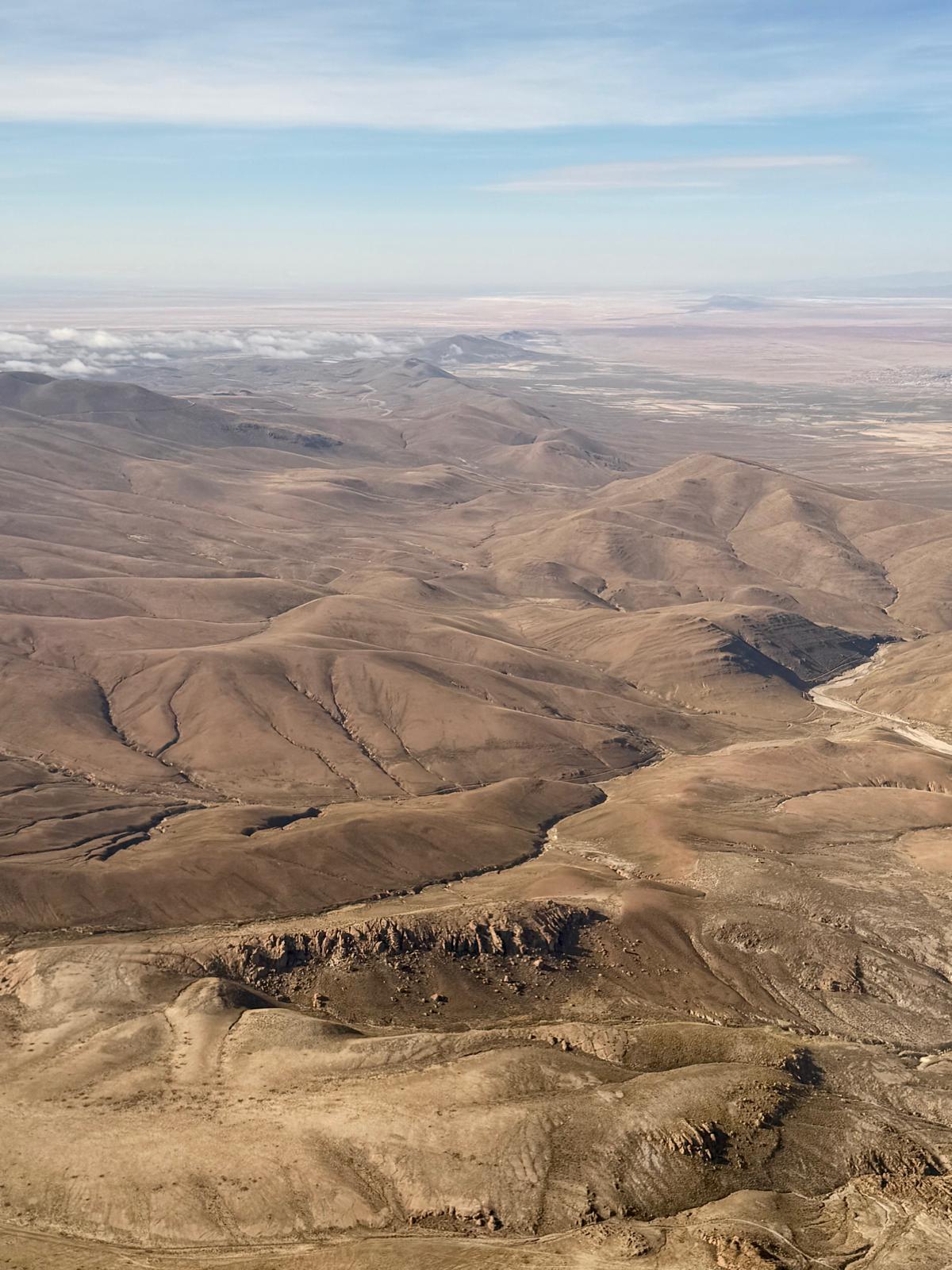
This morning we strolled back to the airport just before 4am for a smooth check in process. After a stint in the rather nice LATAM lounge, we boarded our flight to Bolivia just after 0600. It was a smooth, three-hour flight northeast, flying over the Andes, then across the Bolivian desert.
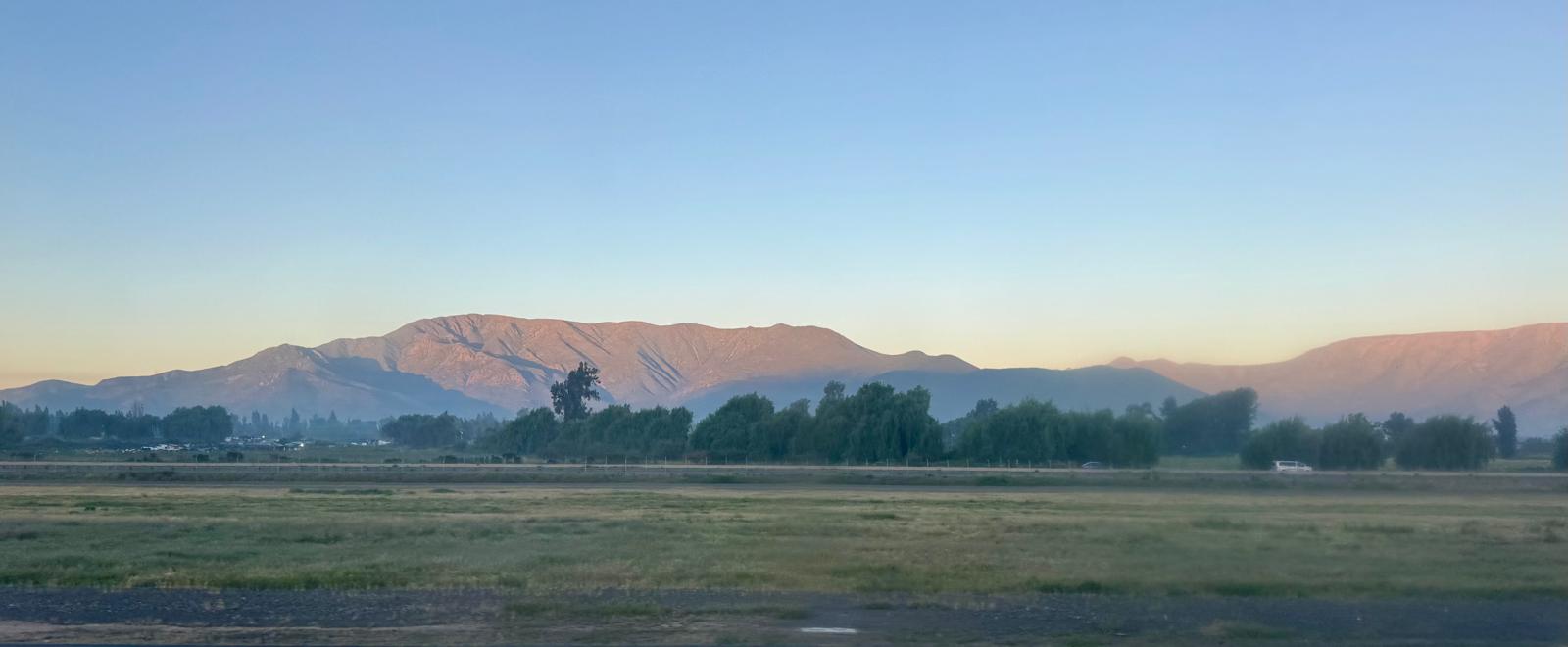
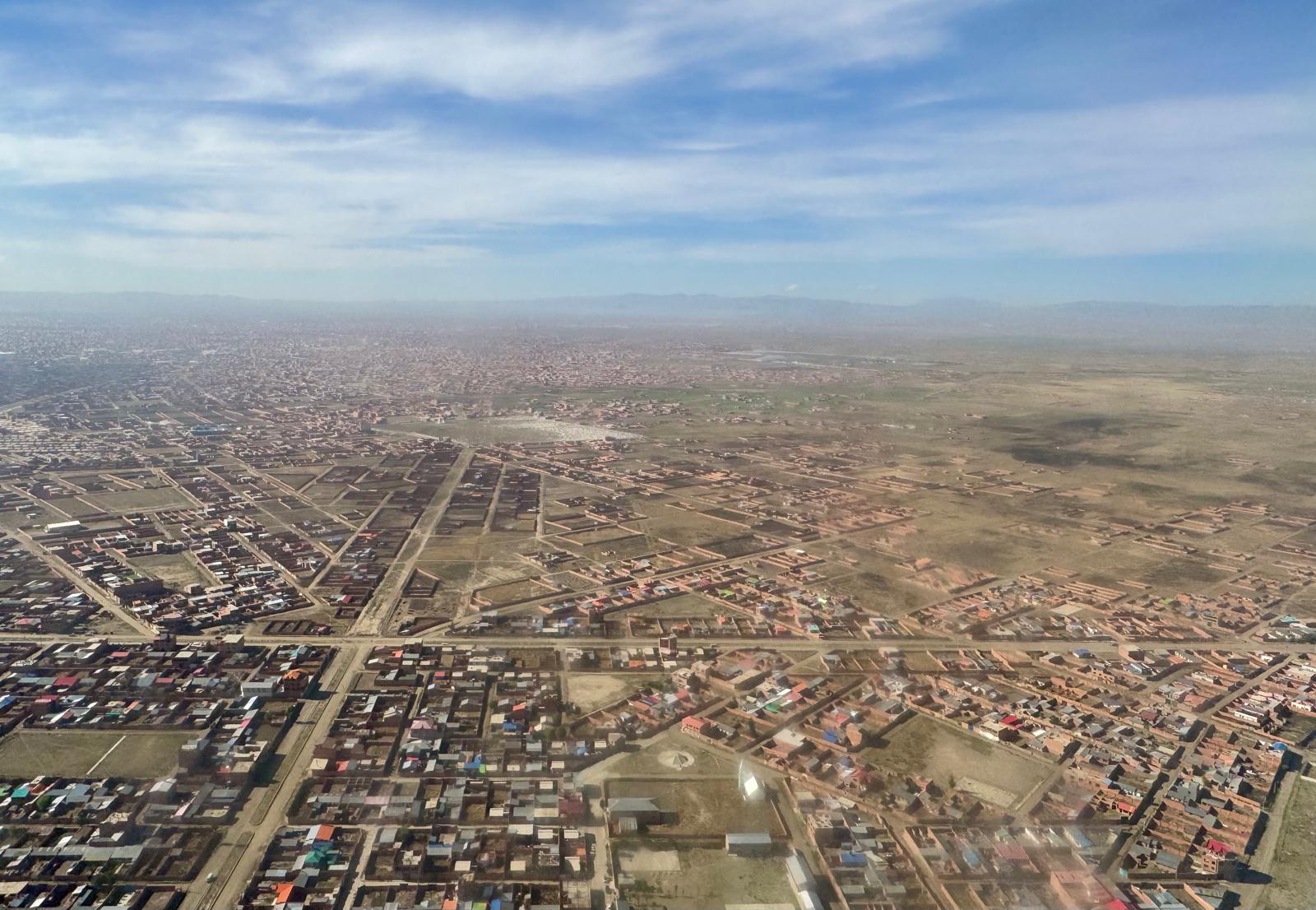
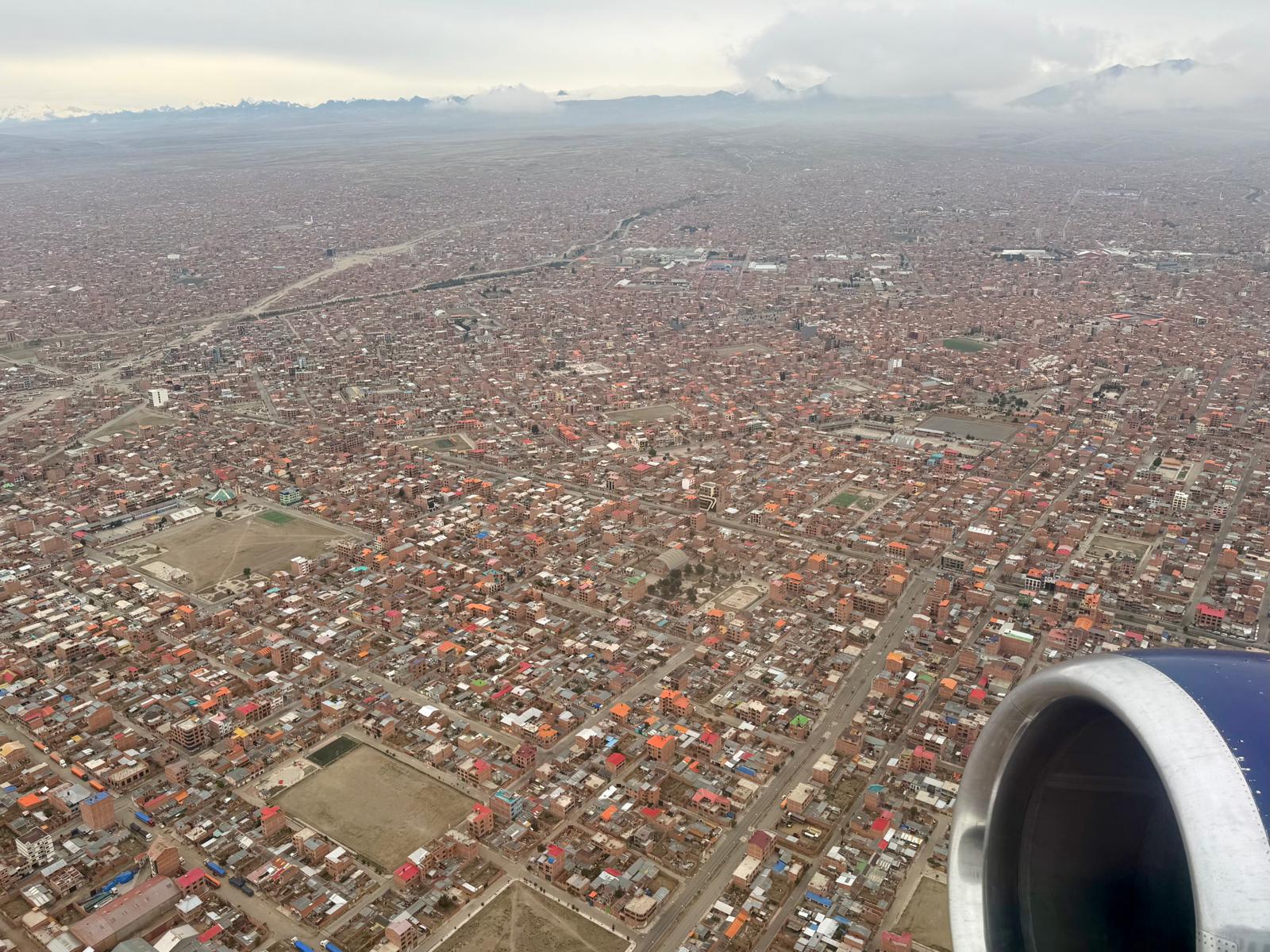
It was around 0900 local time when, after passing through Bolivian immigration, we were met by our guide, Natalie, and driver,Johnny. El Alto airport is situated about 10kms southwest of La Paz at an altitude of 4000 meters and is surrounded by a city of red brick buildings, and further out by mountains rising to 6000 plus meters.
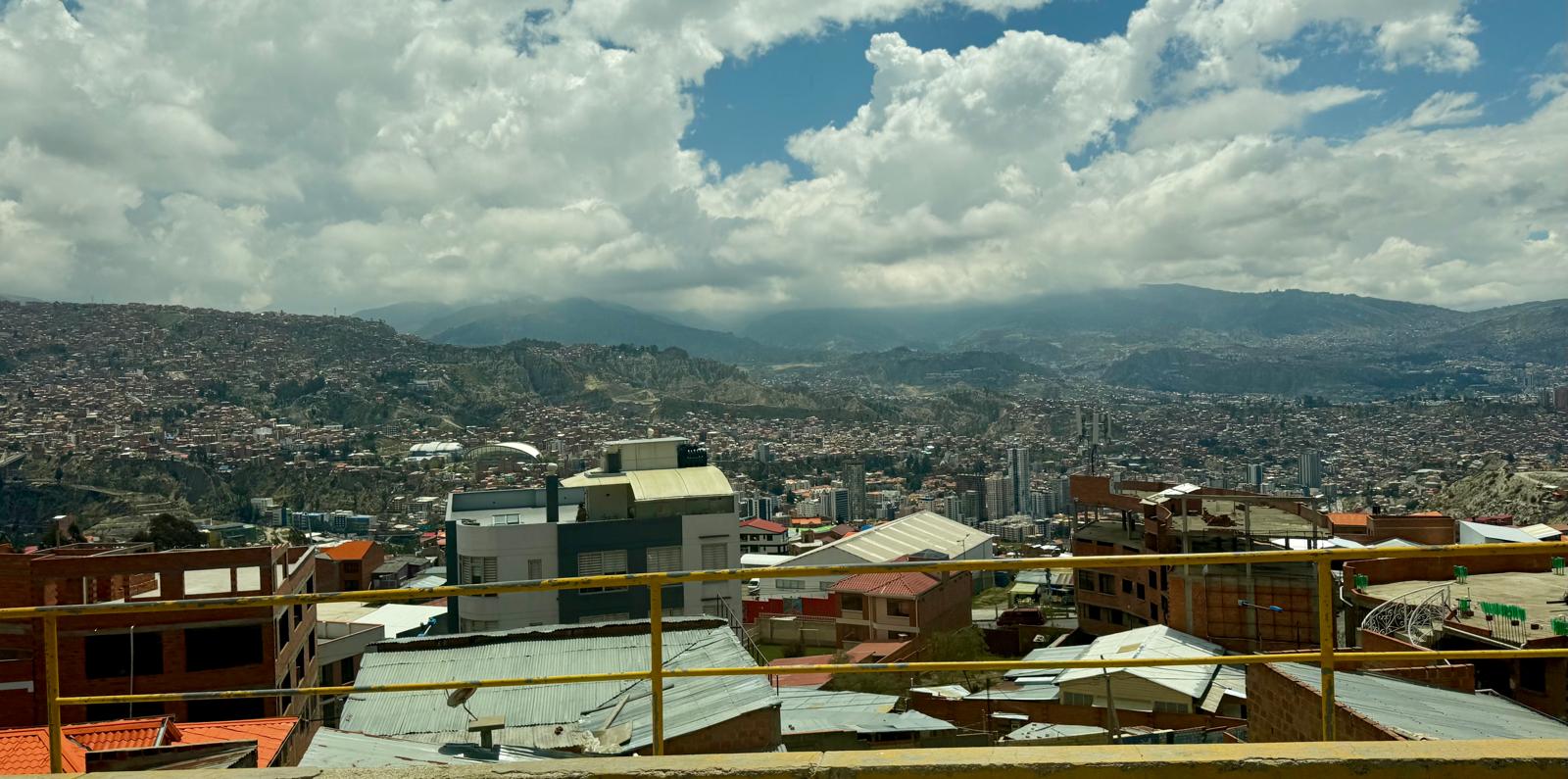
After battling a fair bit of traffic, we got onto a motorway that ran around the top of La Paz. We pulled over and got out to look down on this impressive clay-cliffed valley containing thousands of red brick buildings stuck onto the side of the cliffs. The only other land formation I have seen similar, but on a much smaller scale, are the Clay Cliffs near Omarama in the McKenzie County in New Zealand.
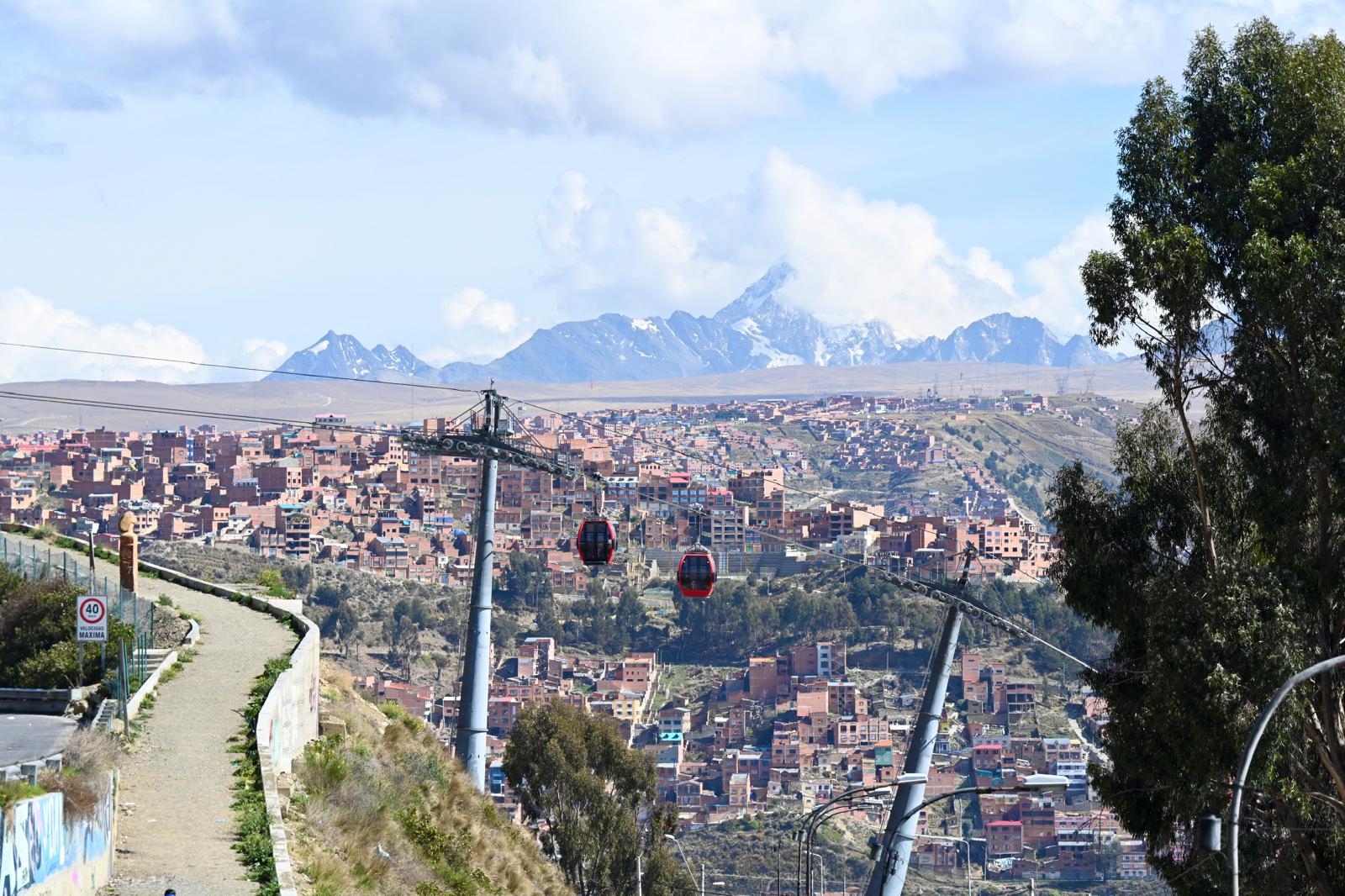
Formed over a couple of million years as the Andes pushed skywards, glaciers, along with the rivers that flowed out from them, carved out this valley. La Paz was originally a kind of stop over town up on the flats not far from here, but with the wind and the weather conditions it was a hard place to live and the population eventually migrated to the valley. The greater city area incorporating La Paz and El Alto has a population of about 3.5million.
Around about 200 years ago the locals rose up against the Spanish settlers and after a Civil War that went on for a few years, eventually gained their independence in 1825. At that stage they had access to the sea. In the early 1900s they had a scrap with Chile and as a result of that they lost their access to the sea and are now a land-locked country.
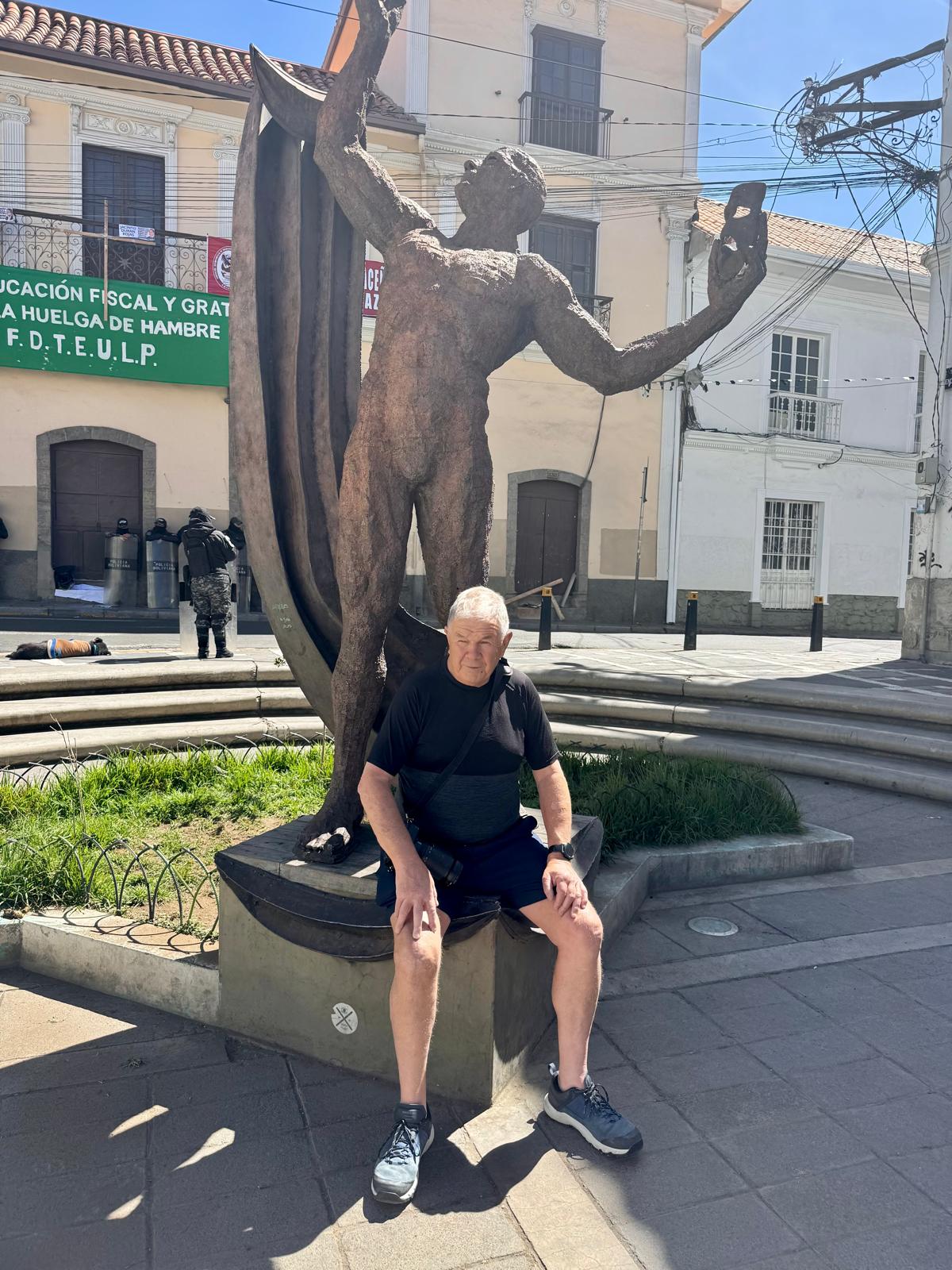
We drove along the top of the valley and then started heading down and down, eventually reaching the city centre and an old part of the town, which has been preserved with Spanish, colonial style buildings from pre-the Revolution. We strolled through the streets here and looked into an art gallery before ending up in a small square where about 20 policemen were gathered in full riot gear. In this little square was the headquarters of the teachers union, and apparently they are consistently protesting. Sylvia was quite bemused at one point, on hearing what sounded like an ice-cream truck, only to realise it was actually the rubbish truck.
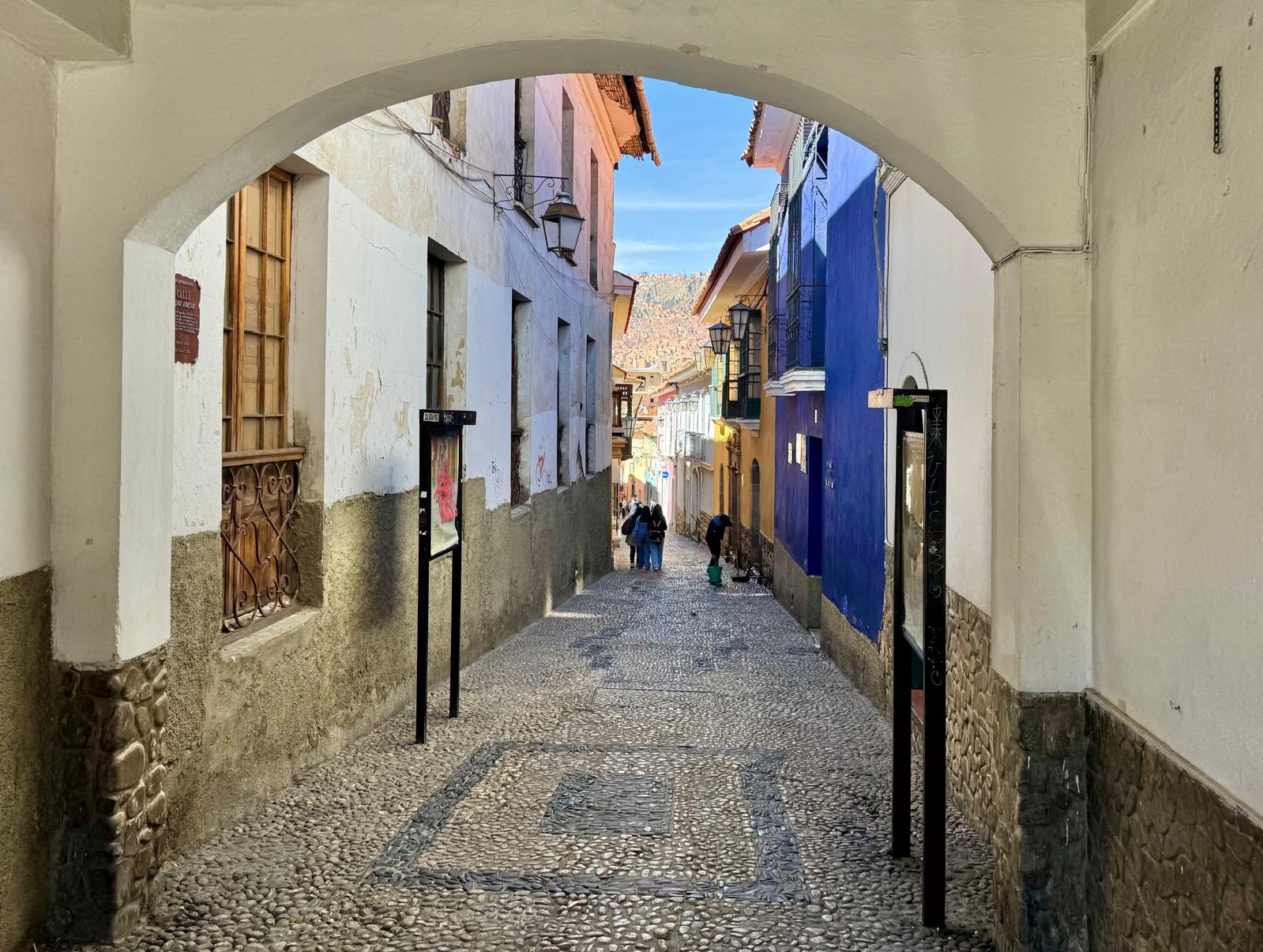
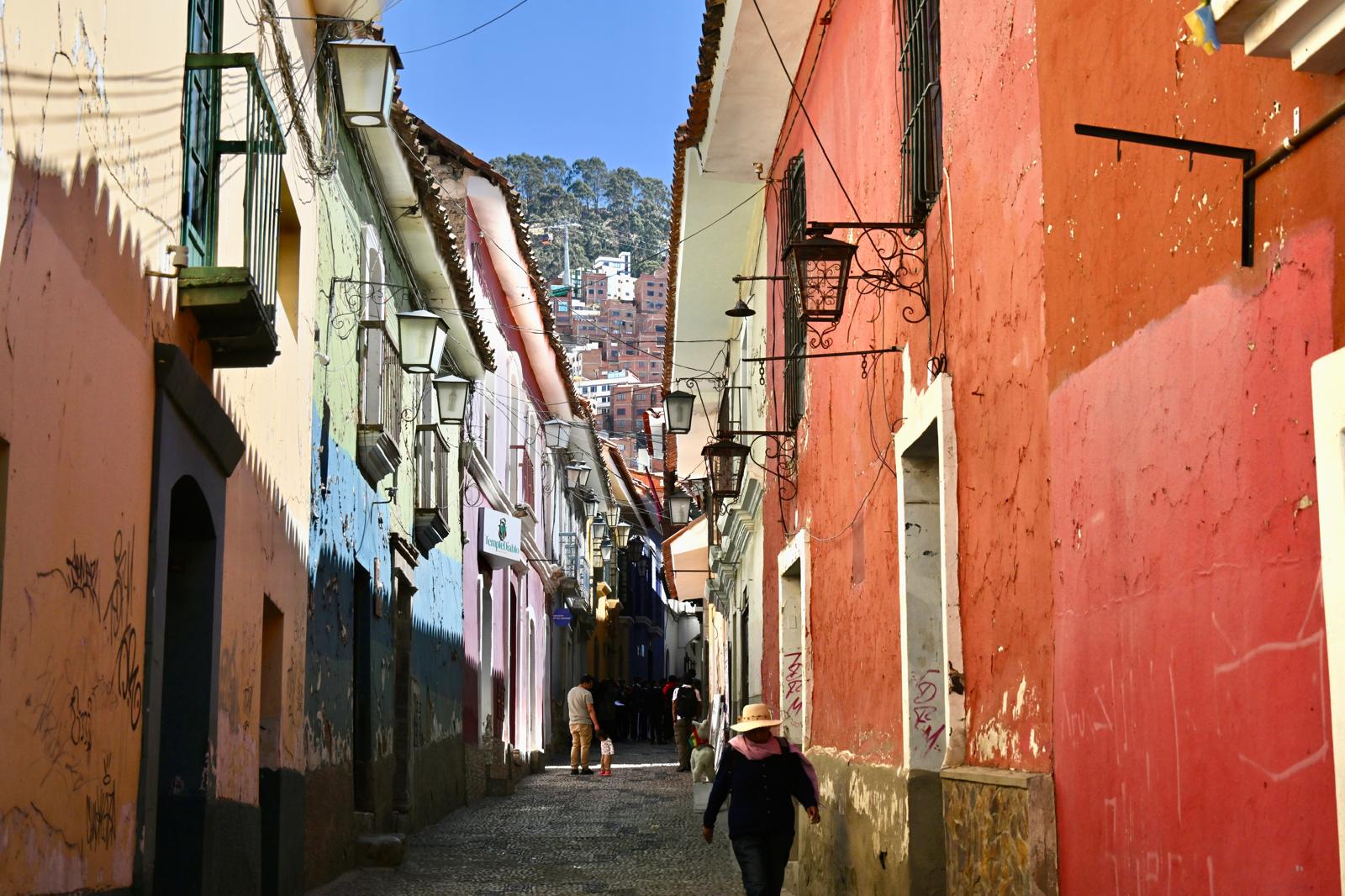
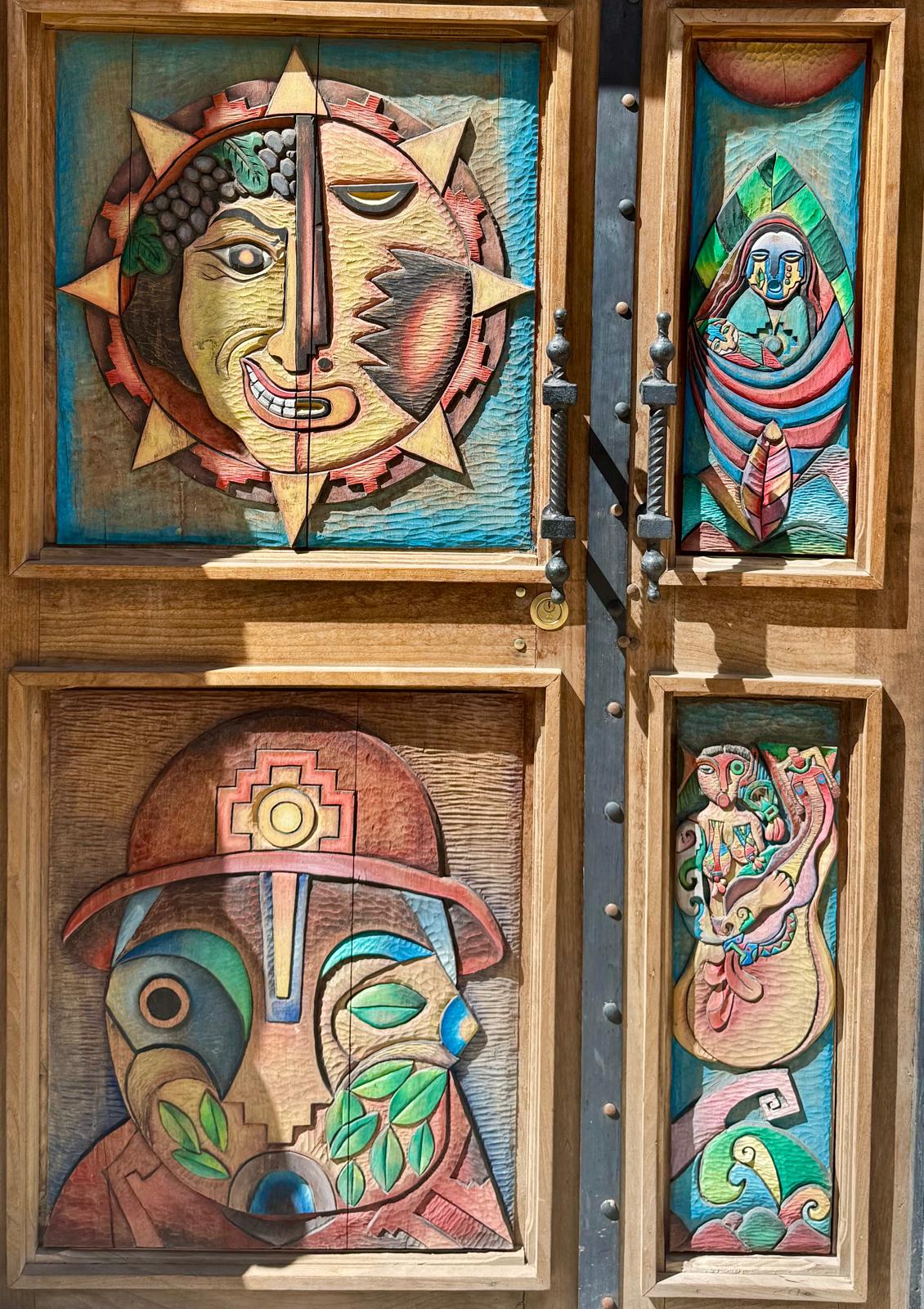
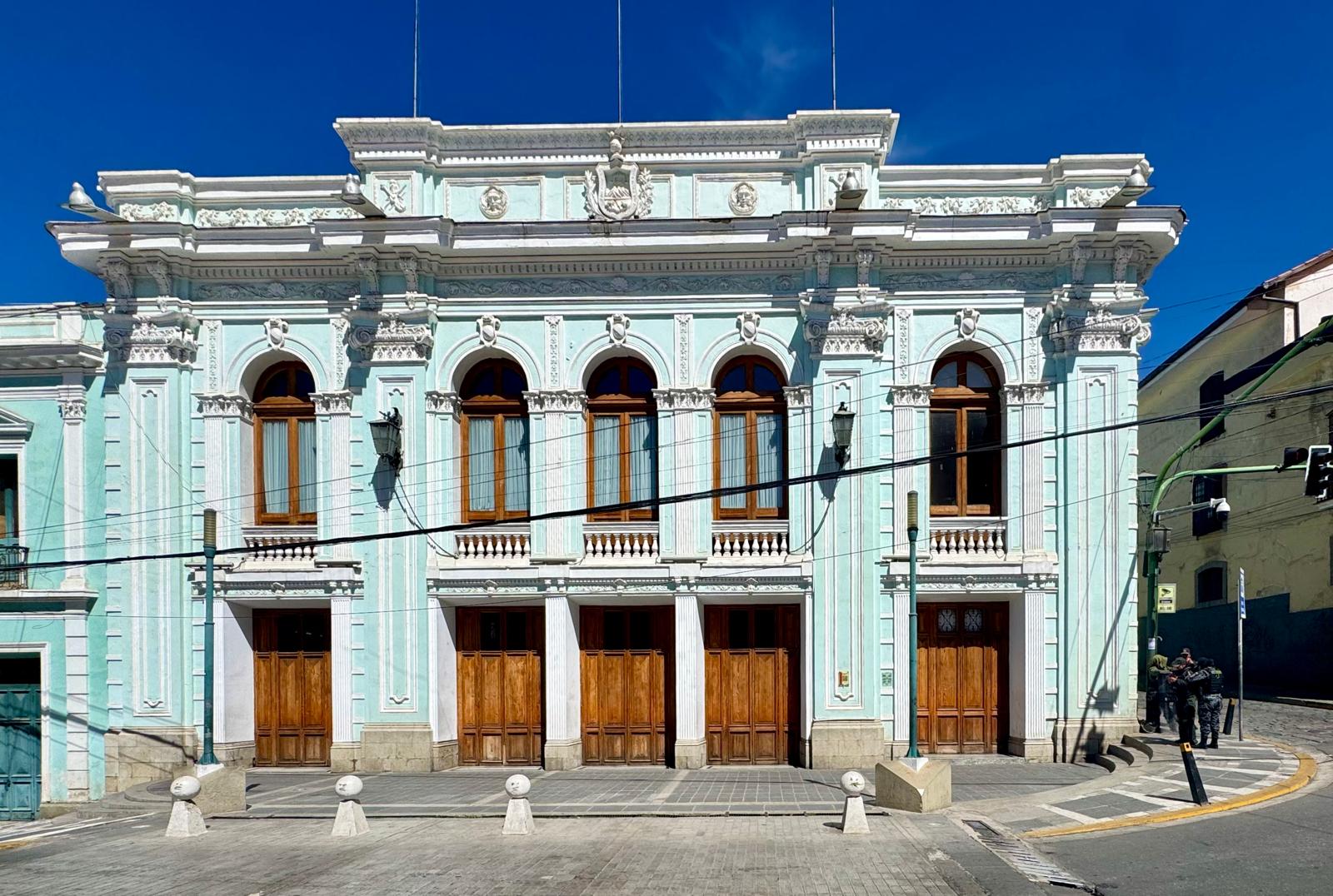
Eventually we ended up on the main town square, which is surrounded by parliament buildings with many large flags flying. In the centre are the mandatory statues, the largest one memorialising one of the instigators of the civil war, who was killed but was seen as a key revolutionary figure.
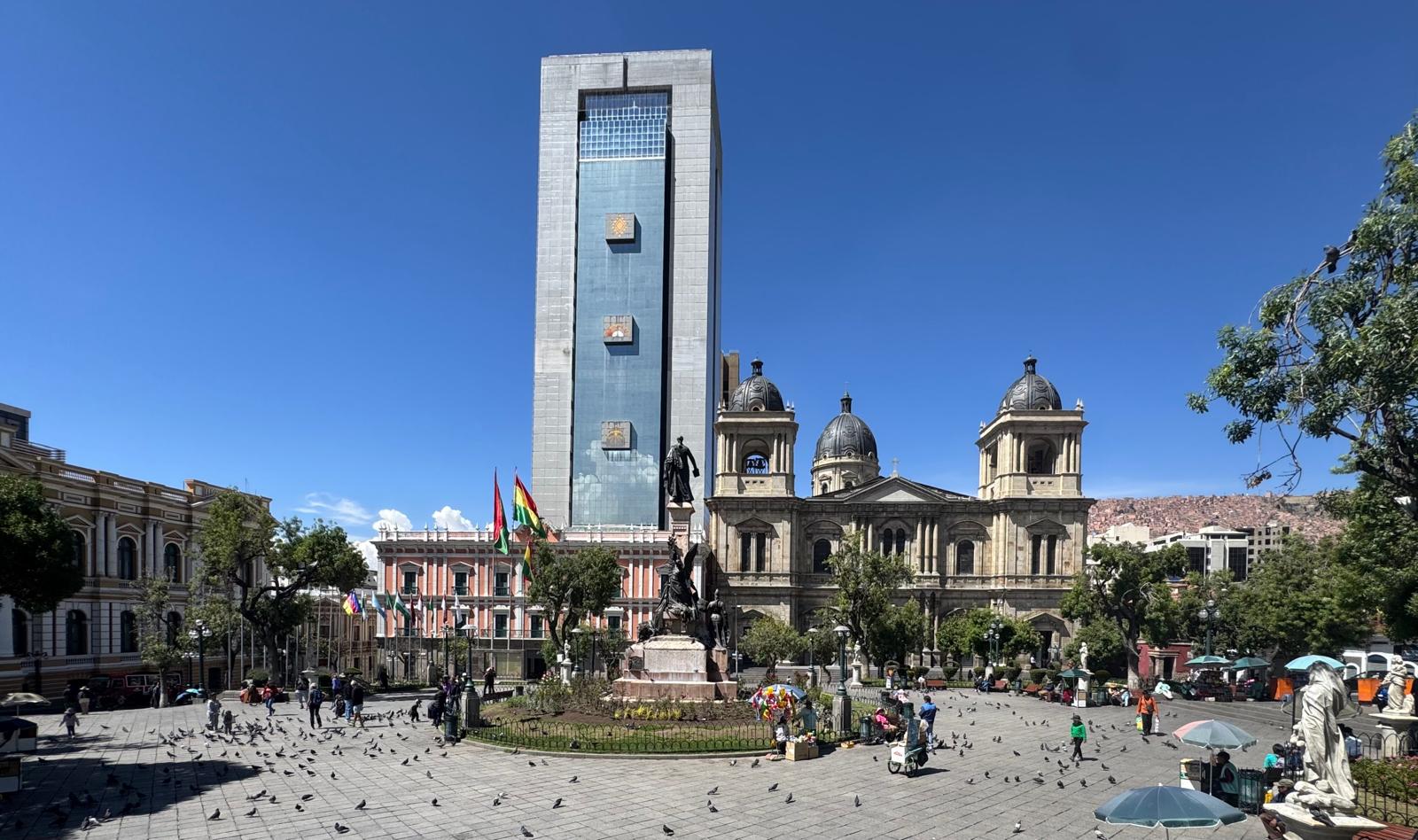
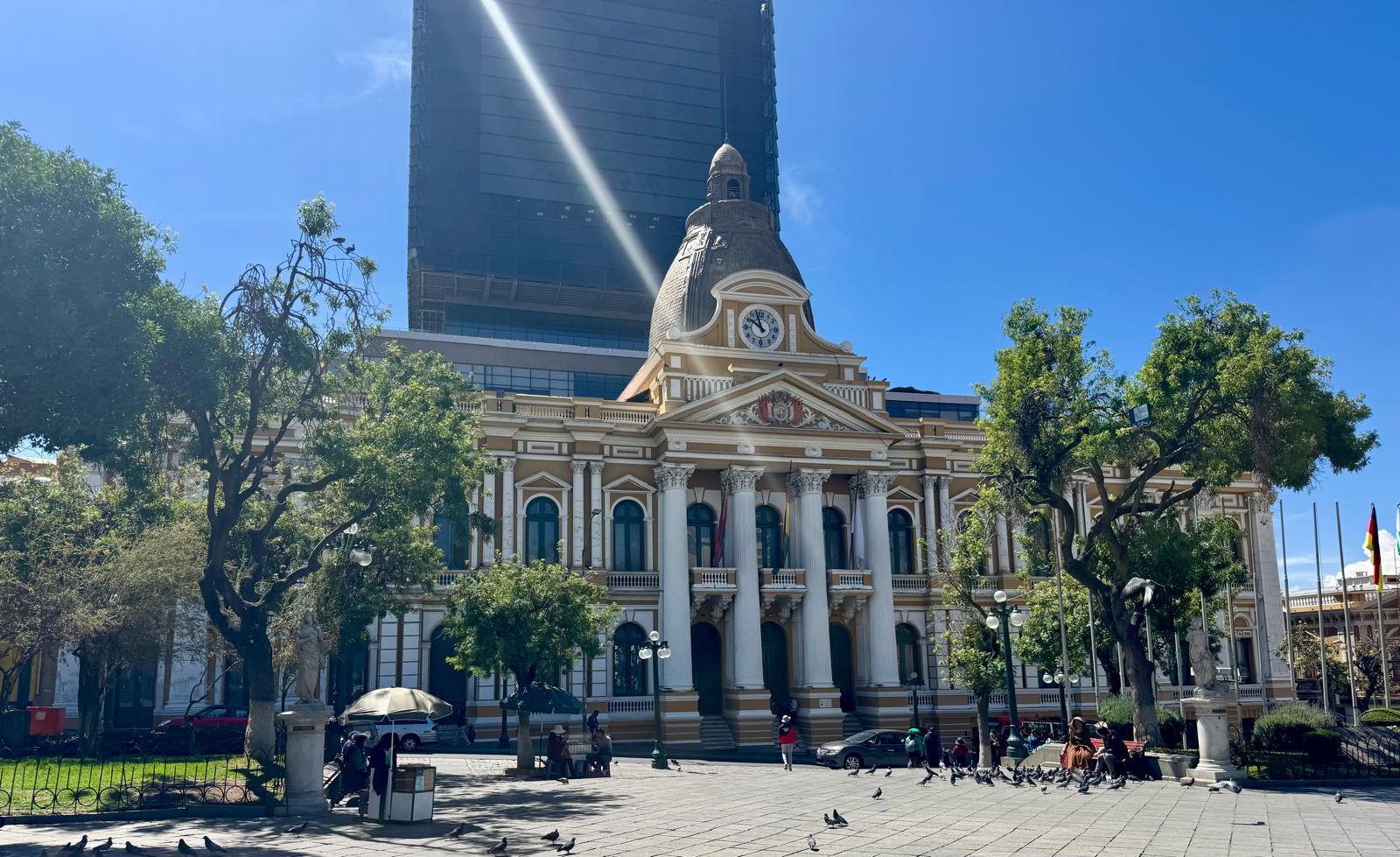
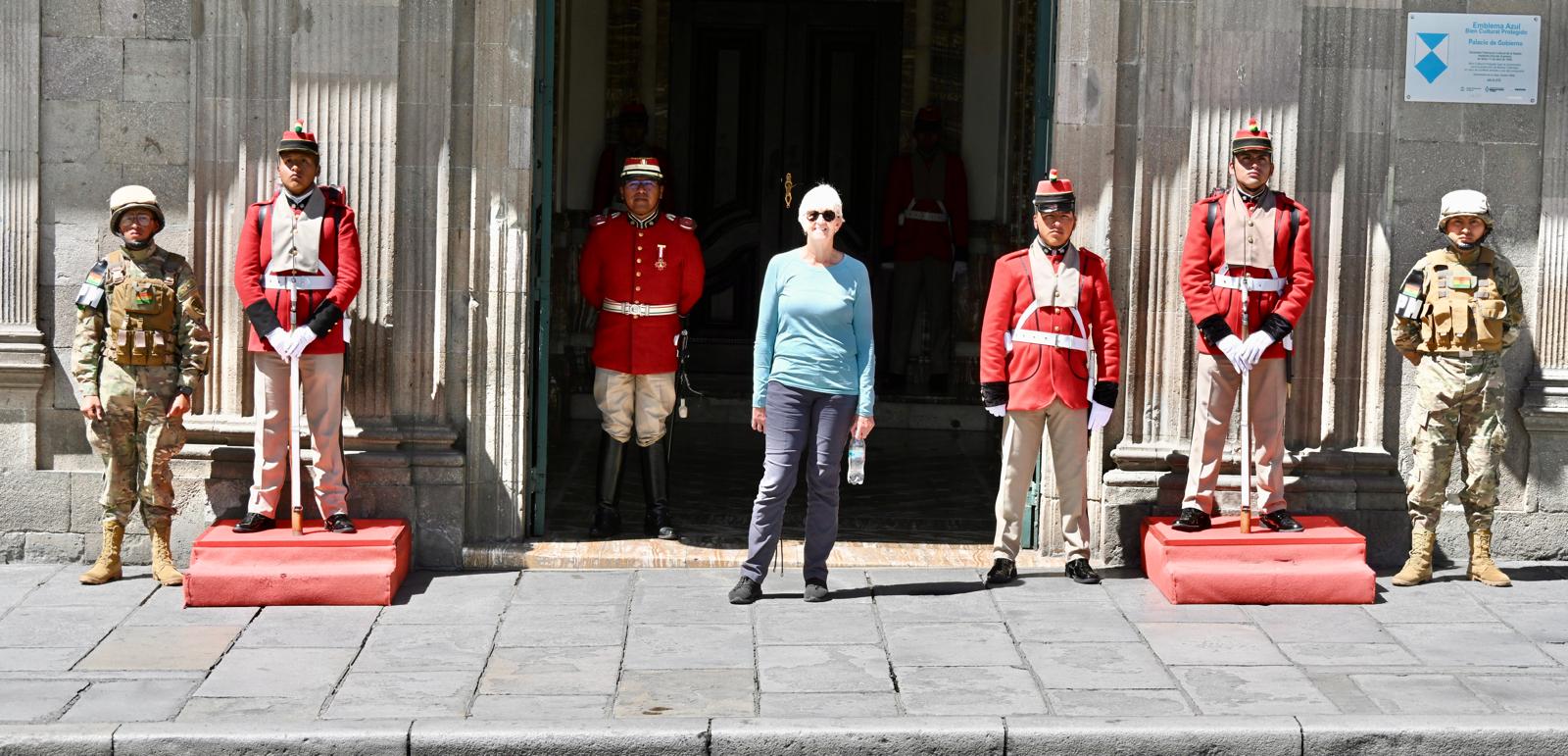
Our friend AJ, who I’ve travelled through Peru and the Amazon with, spent a lot of time in Bolivia a few years ago and I’d be surprised if one of the many statues wasn’t something to do with him… Just kidding.
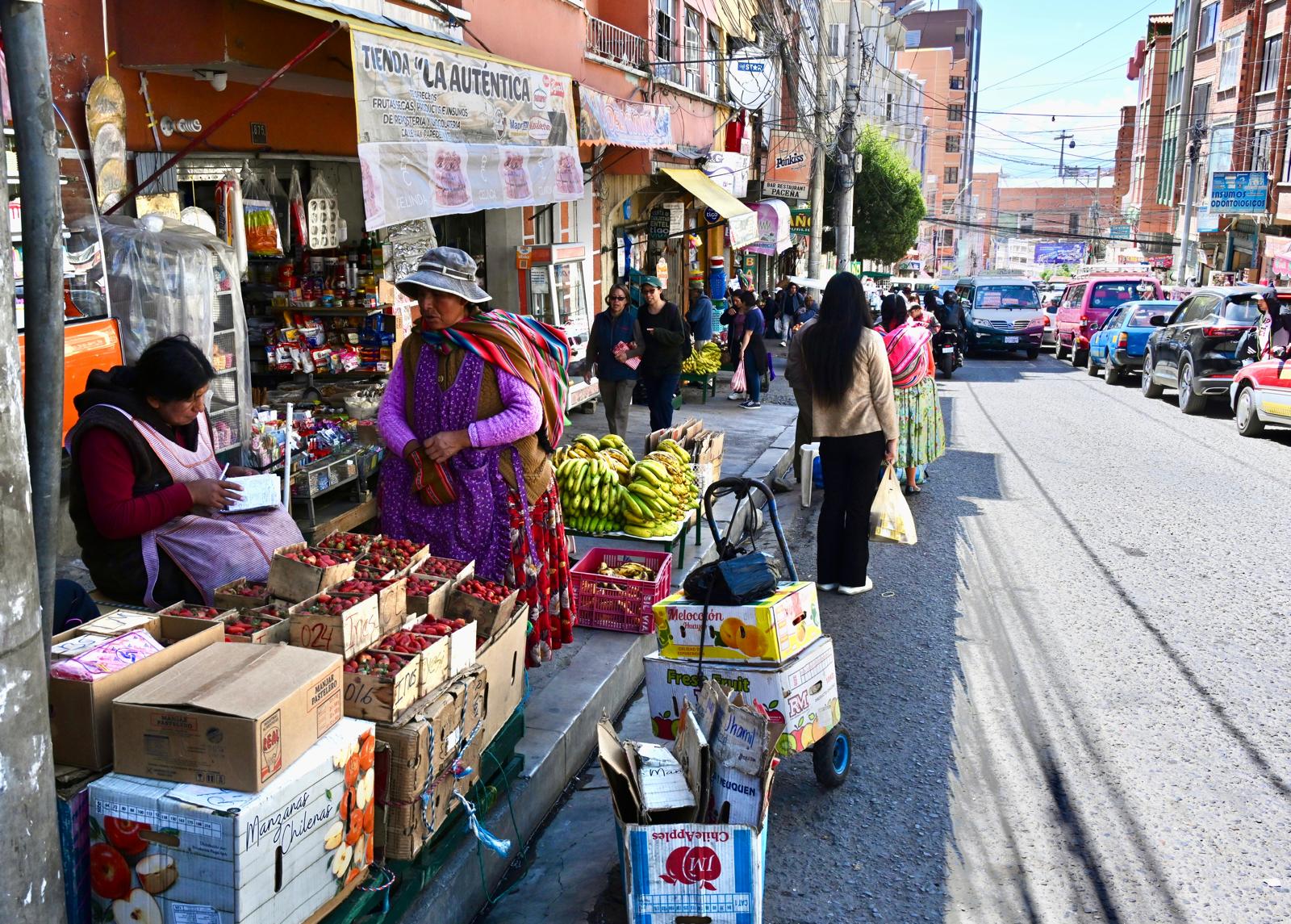
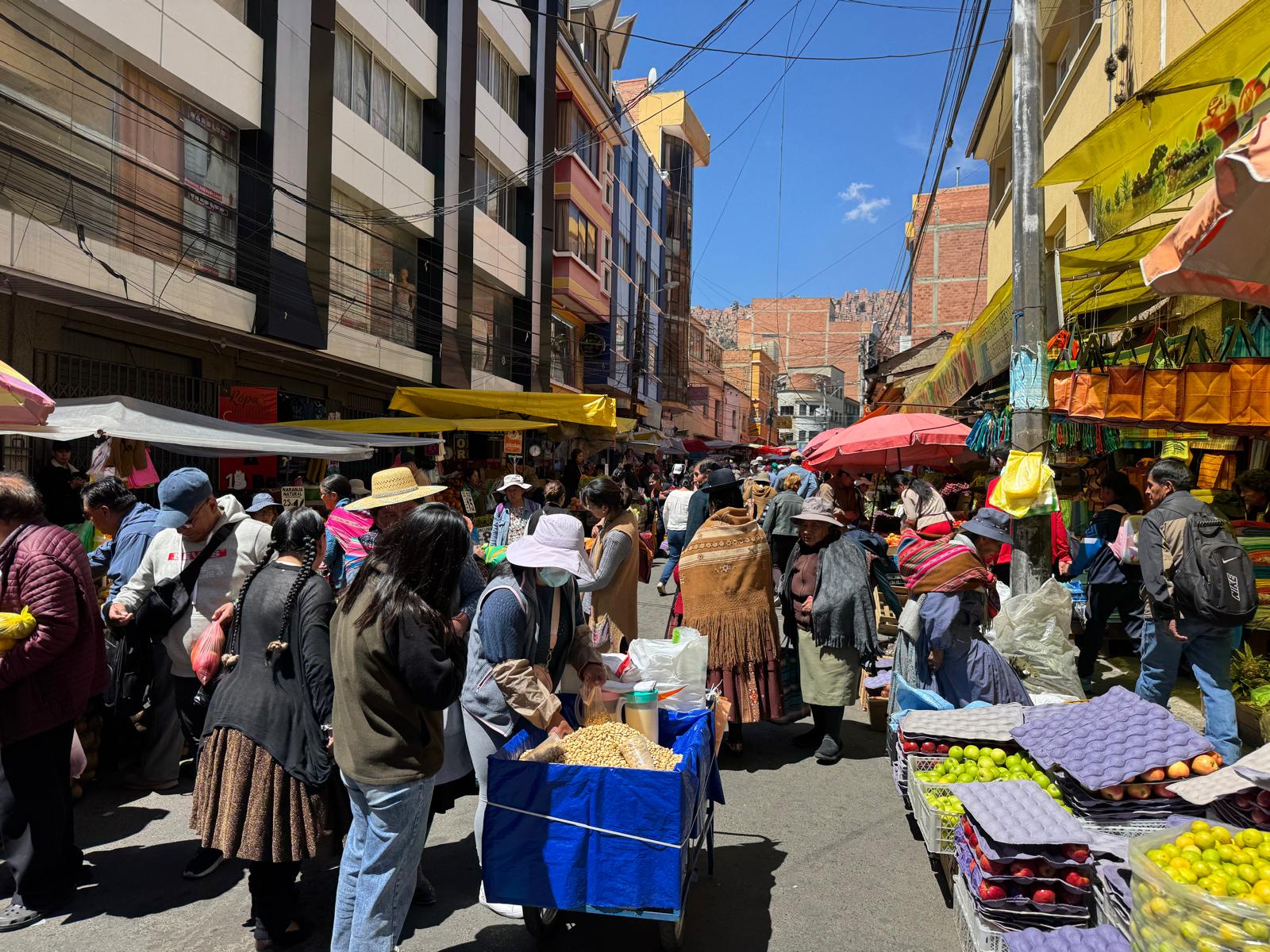
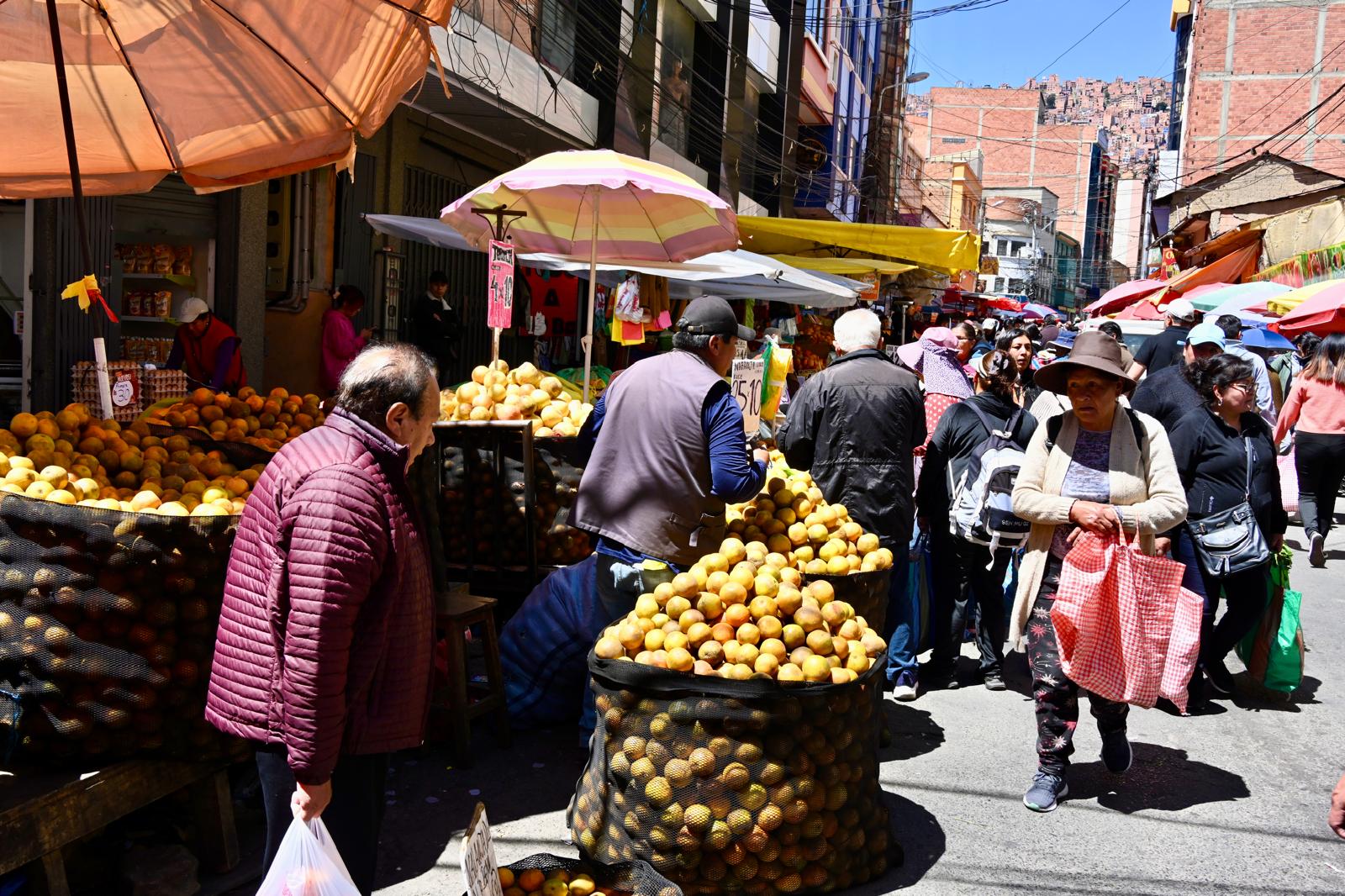
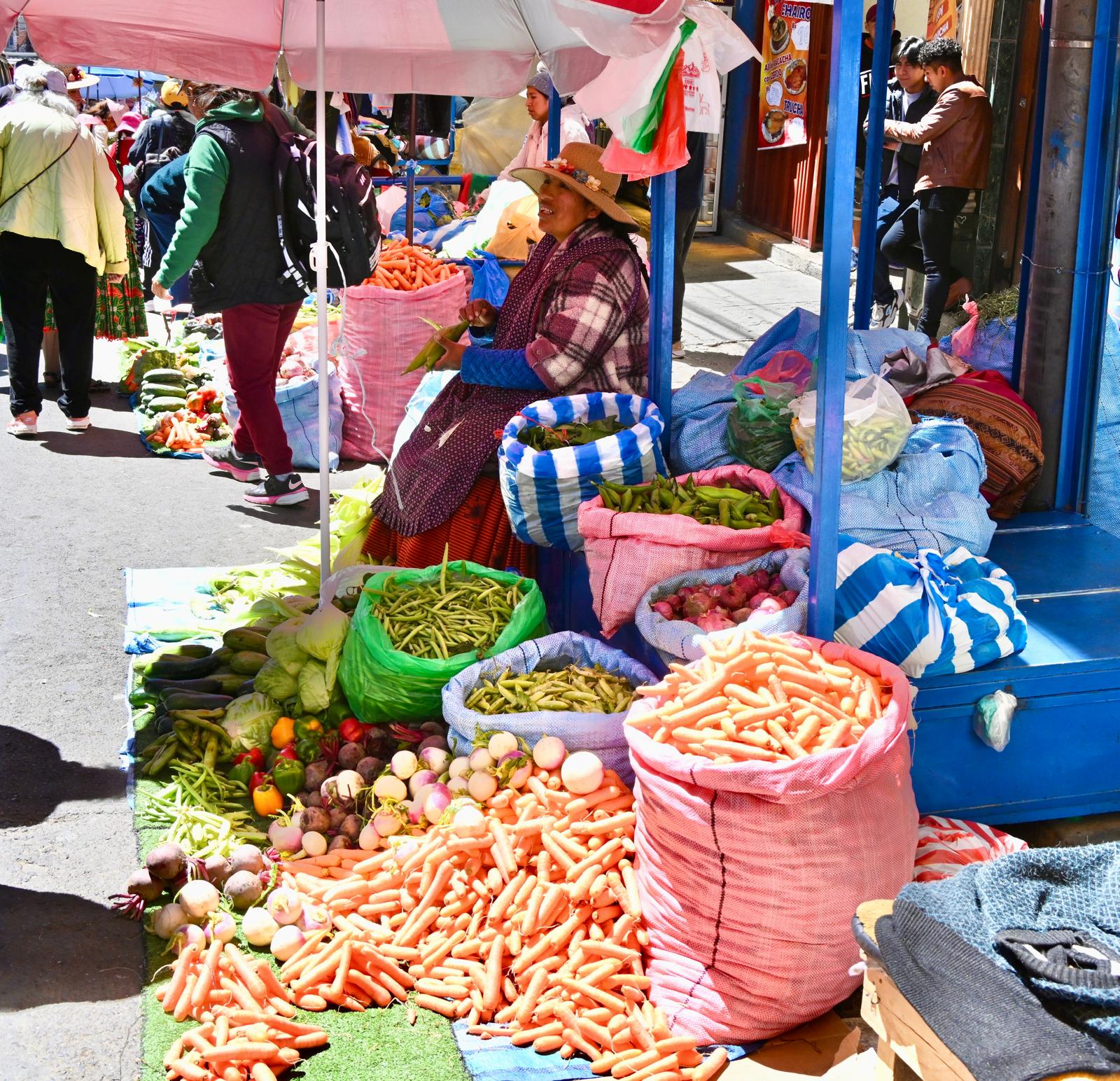
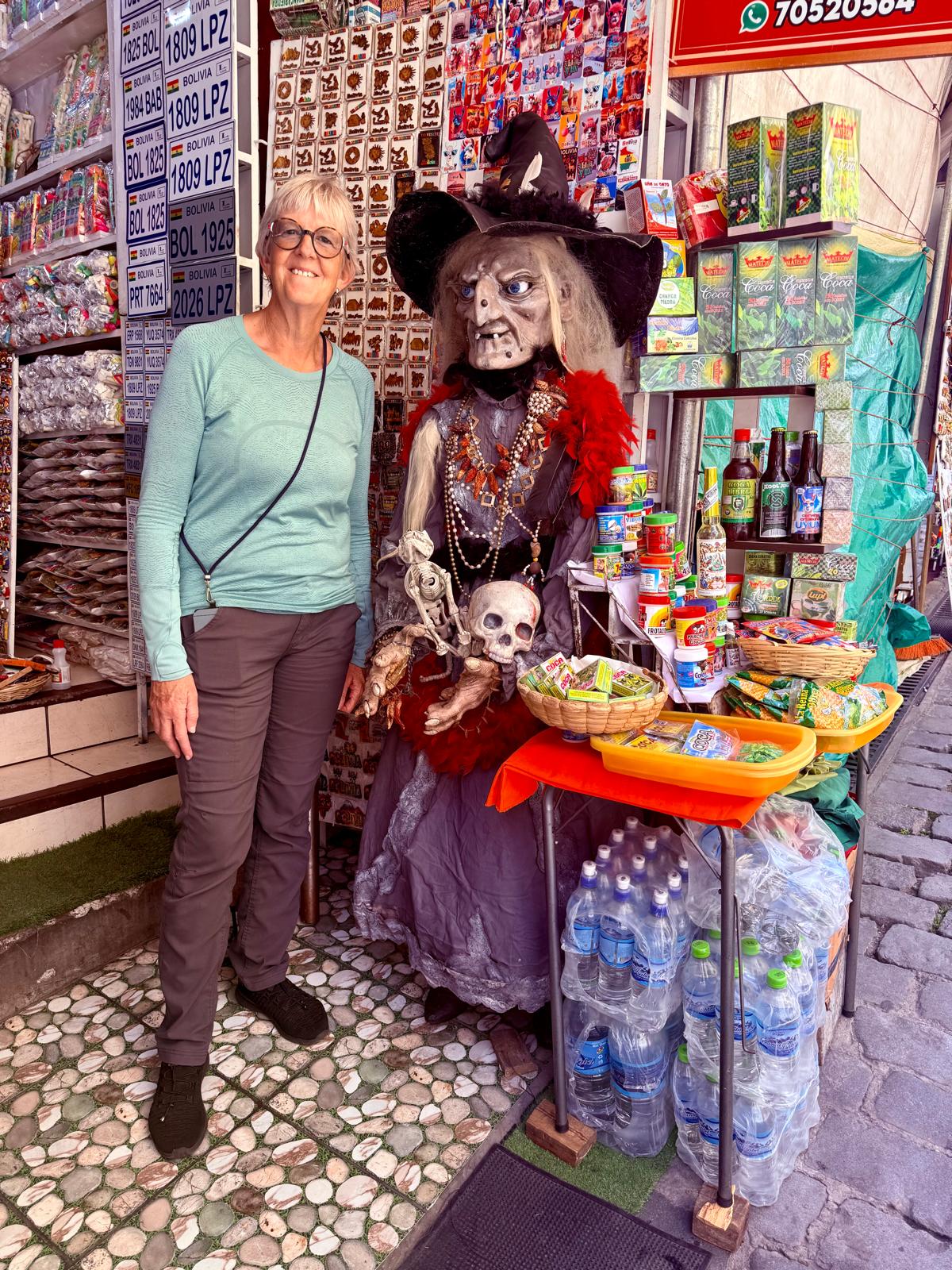
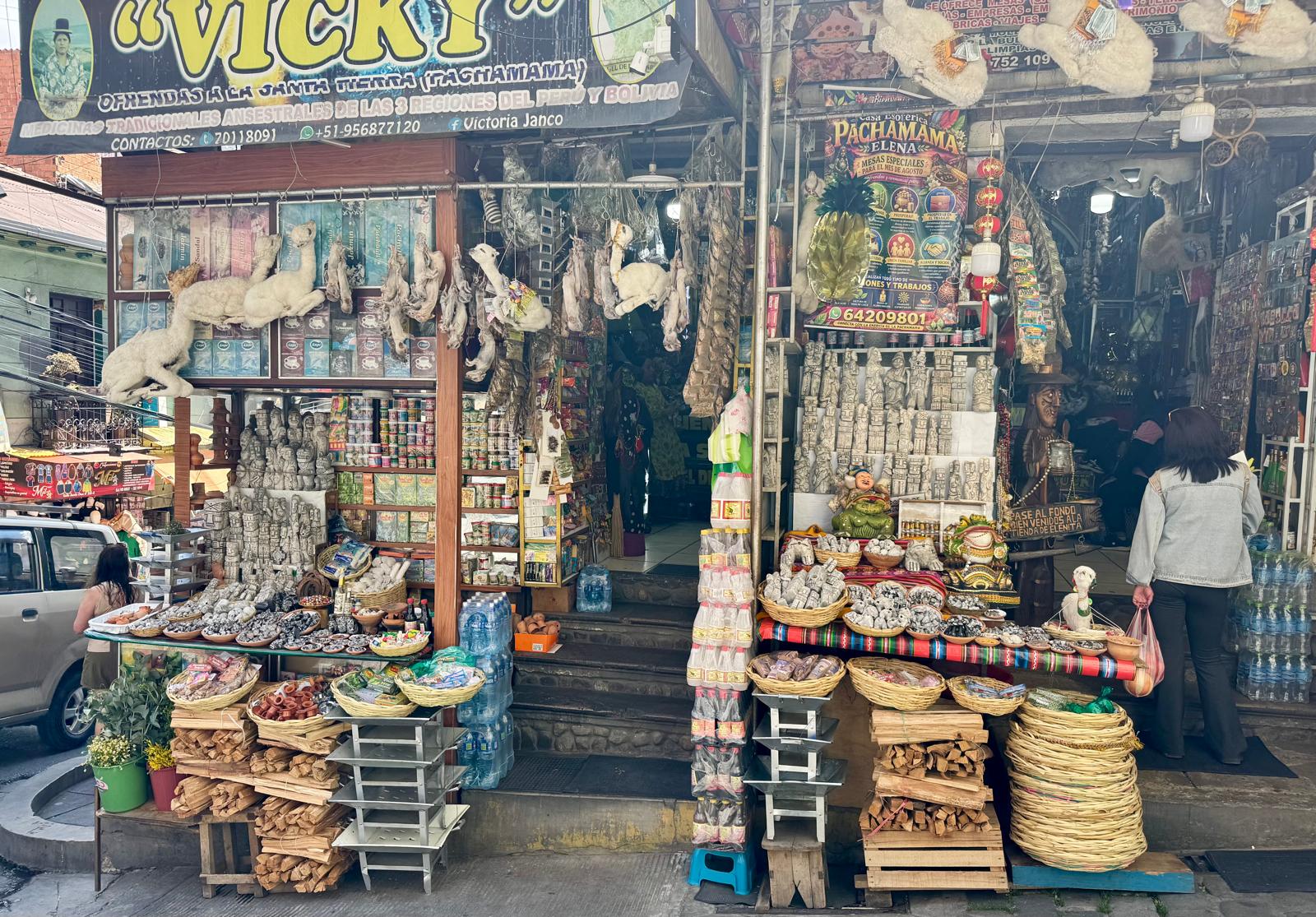
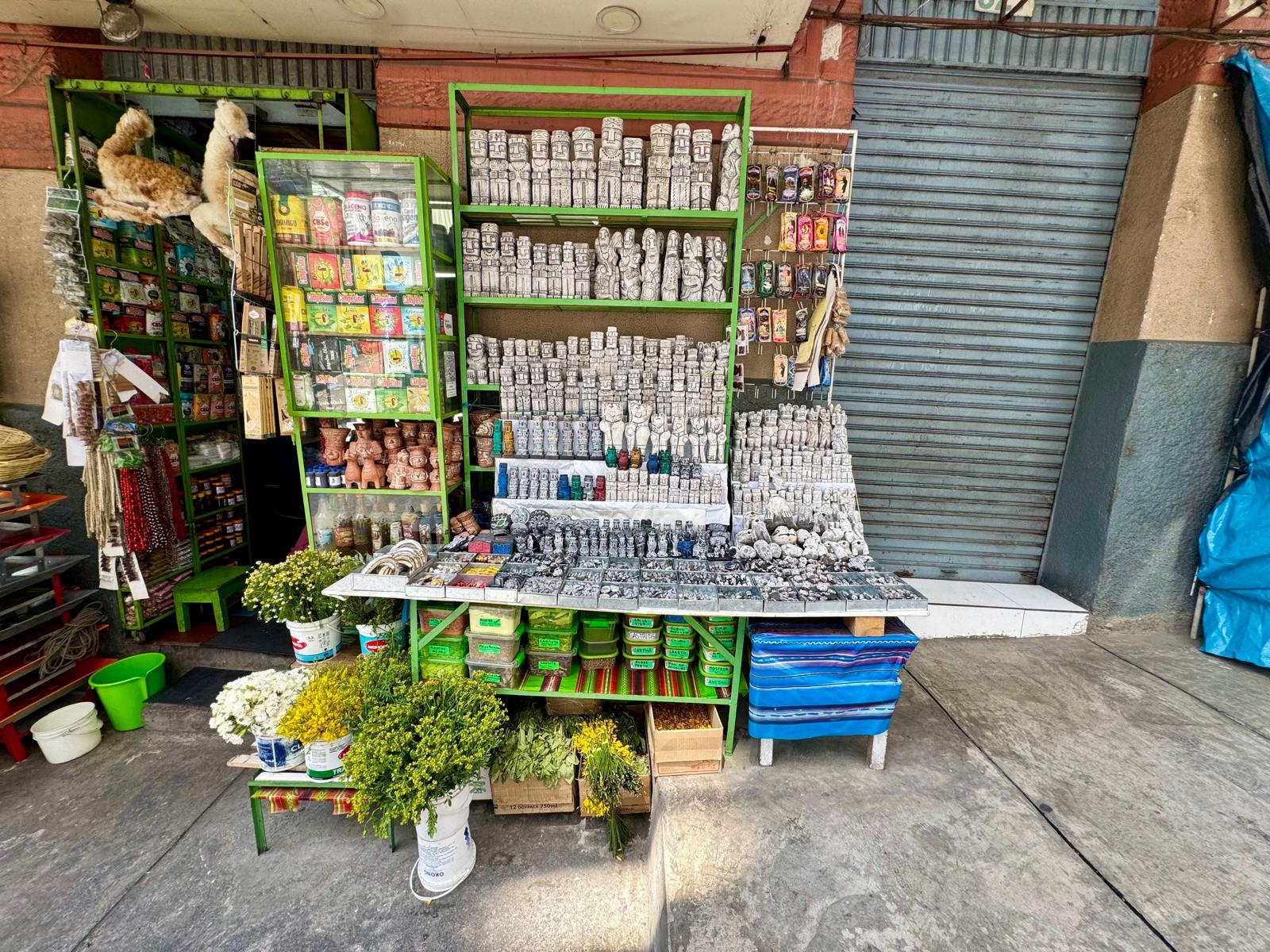
Back in the van we headed up to the Indian markets. Now these South American Indians here still maintain some of their traditional customs and costumes. The streets were packed with both people and cars jockeying for position. There was a huge amount of produce and other goods, a lot of made in China, stacked along the footpath. As we continued making our way down the hill, the next area we came to was the witches market. Unfortunately they were out of brooms so we had to walk down the many steps! Our guide took us into one shop and explained how the witch, in this case a white witch, will make potions and offerings from the thousands of different products that she has stacked on the shelves. Included in these were fetuses from llamas and pigs, which have in some way been preserved and were hanging up in the shop as well as on the outside. Apparently they can fix just about anything and if the white witch can’t do it she’ll send you to a black witch.
At the bottom of the hill there was a massive church. We went inside for a look. I can see Donald Trump must have visited here at some stage as I’m sure that this might have been where he got the idea for all the gold for the White House.
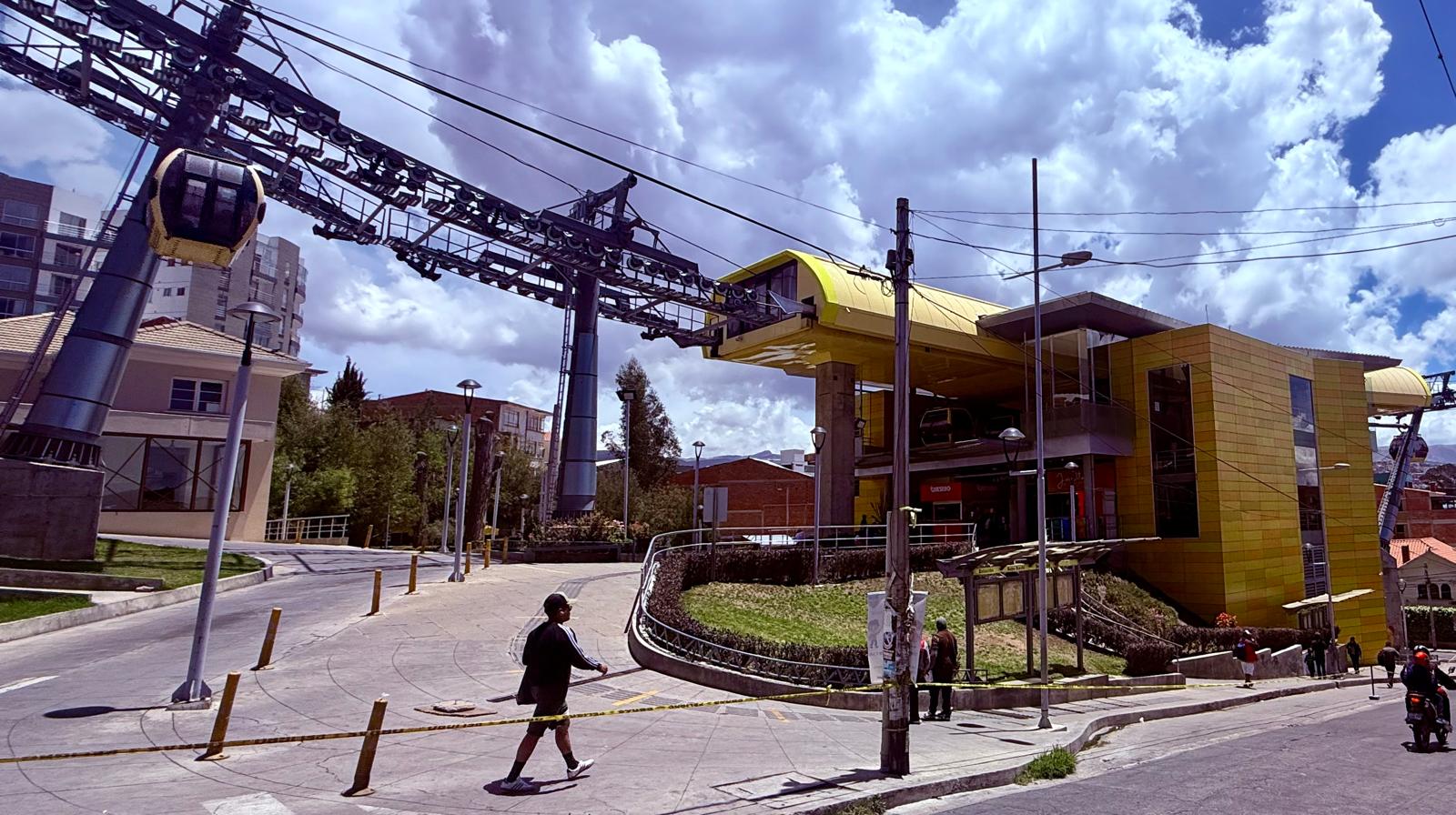
Another short trip in the van and we arrived at one of the many cable cars. There are 10 of these that reach out over the top of the city in all directions and are one of the main forms of transport around the city with its steep and winding streets. Ten-seater vans also act as buses, along with the colourful larger buses. Soon we were on board the yellow gondola, getting a bird’s eye view of the city below. At the end of the yellow line we jumped onto the green line and three stops later we were right at the south end of the city.
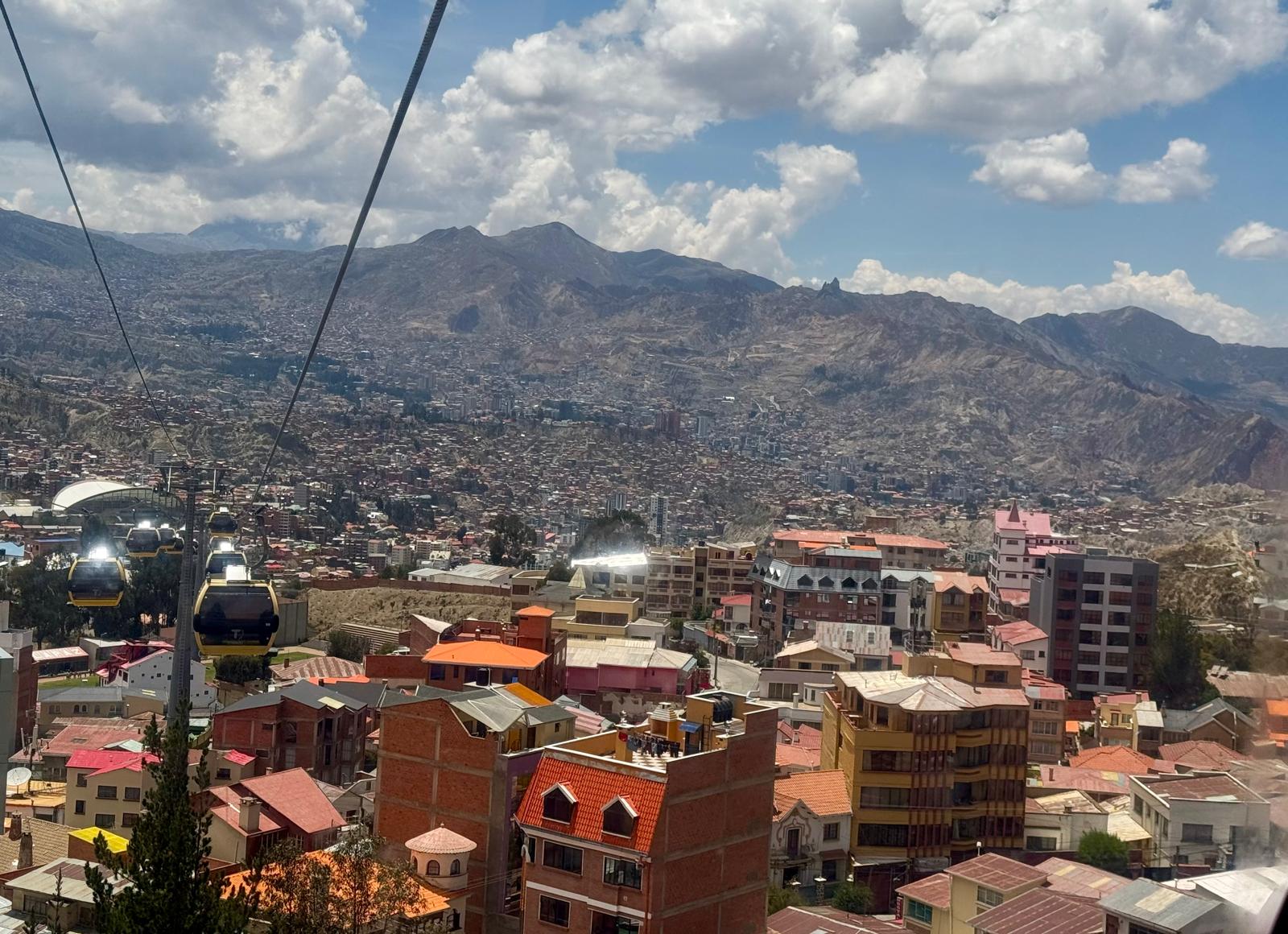
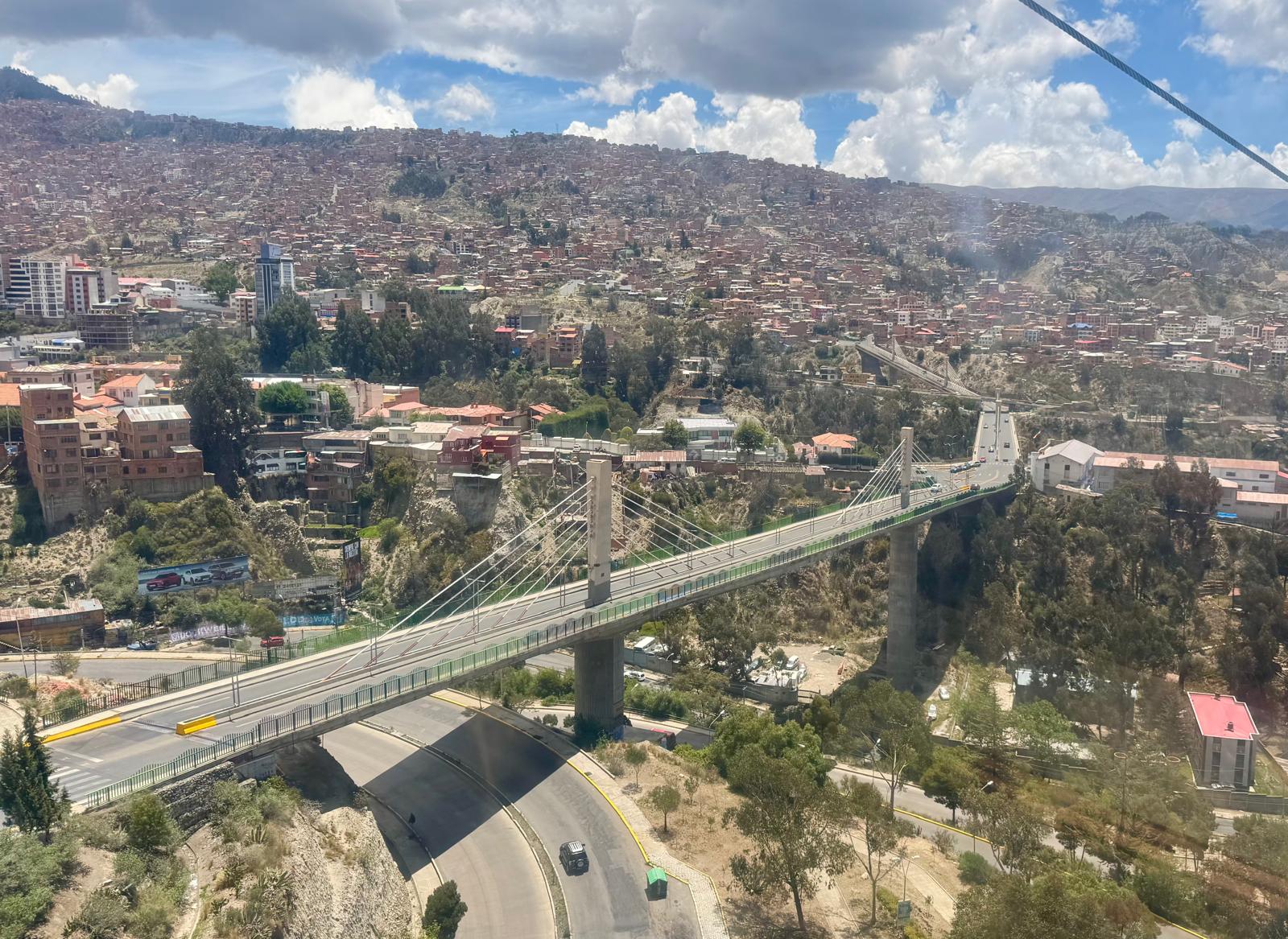
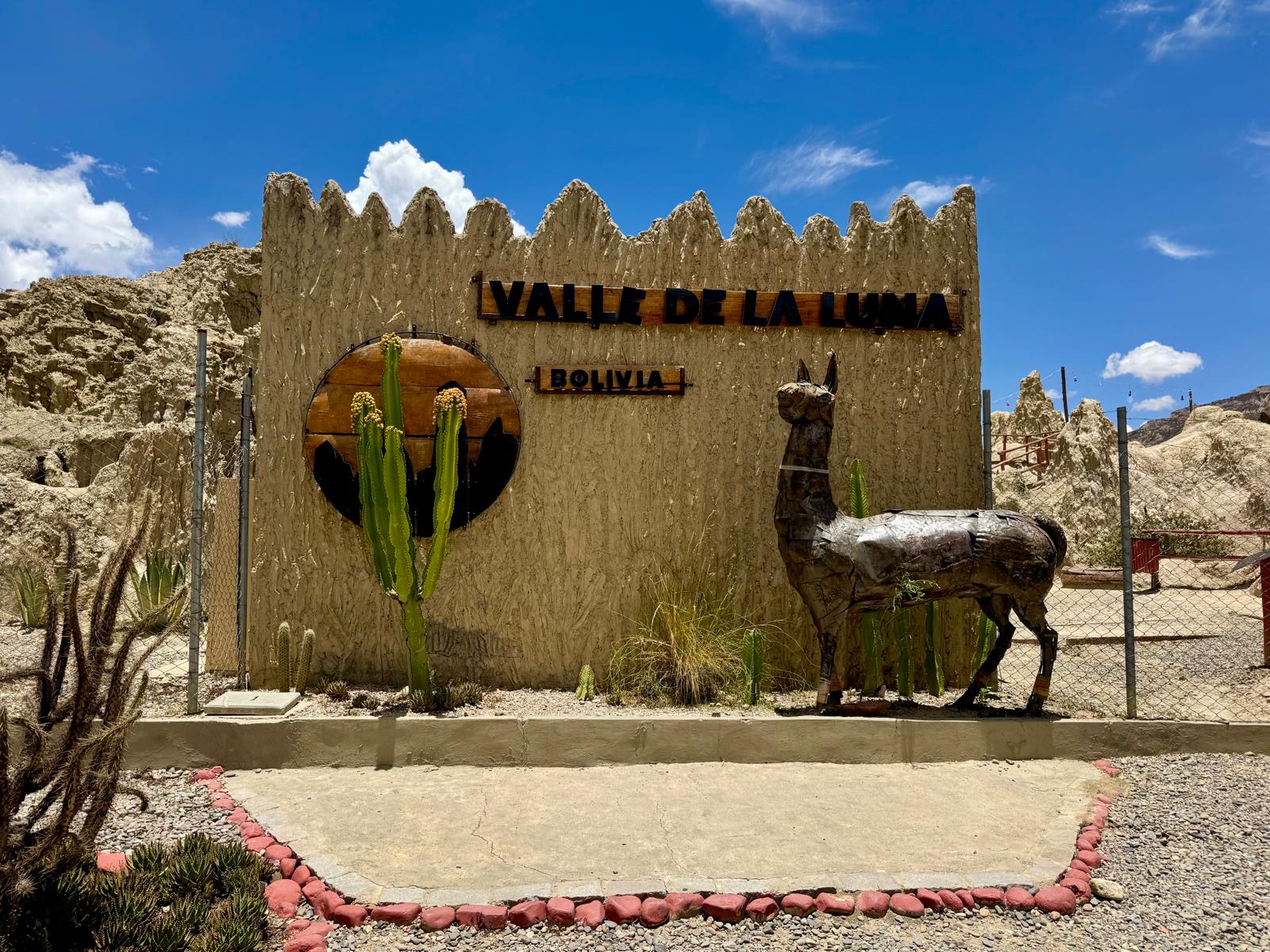
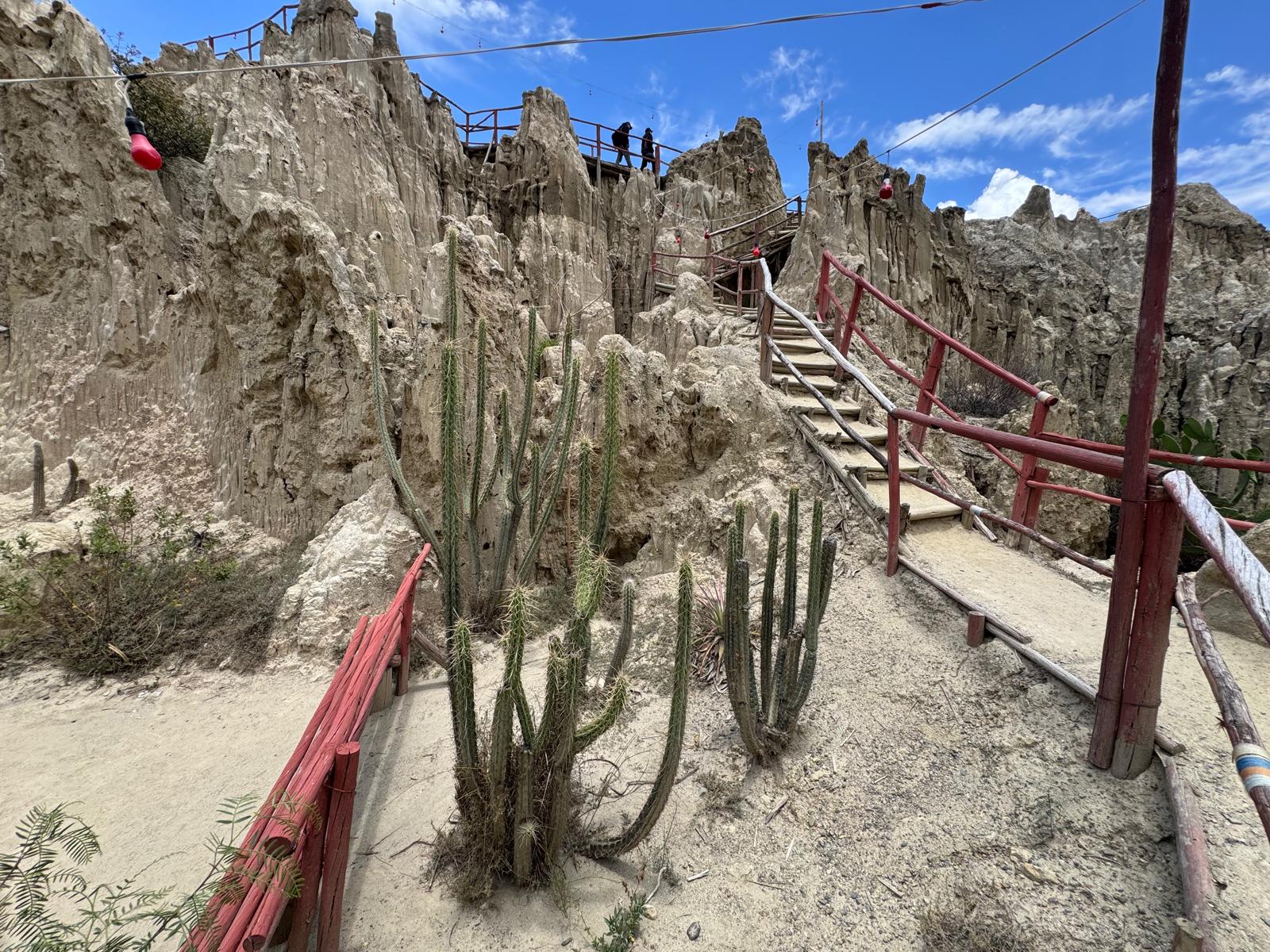
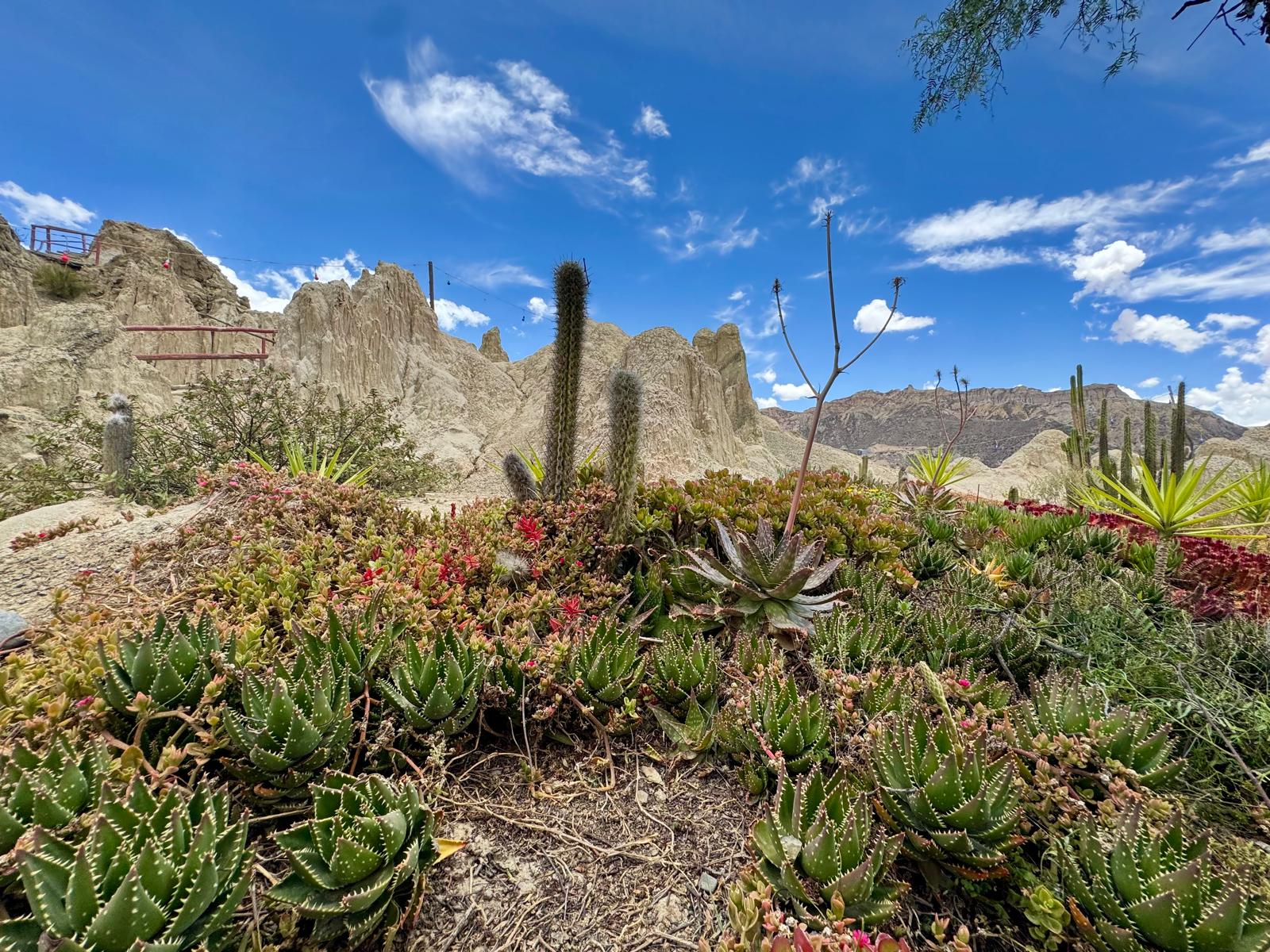
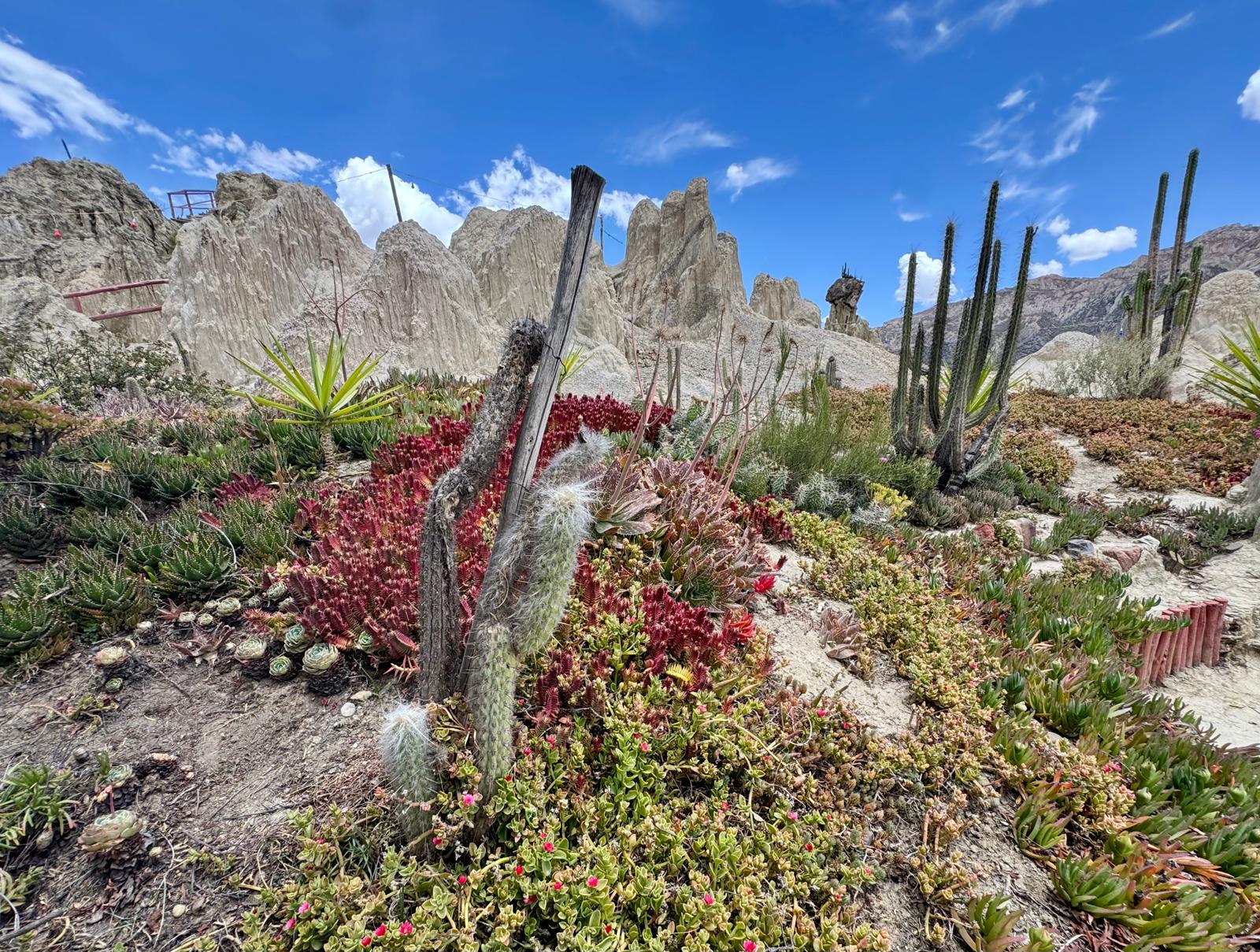
Another van ride and we arrived at the Craters of the Moon, which are a bunch of clay cliffs, similar in size to the ones in New Zealand, the only difference being that they have a lot of rather nice cactus growing around them.
Next stop was the Met hotel at the South end of town and not far from the military base. It was early afternoon so after checking in, we headed to the restaurant for some lunch. We each enjoyed a hamburger and chips. This was followed by a late afternoon massage.
Later I tried some of the coca leaf tea, which is supposed to settle stomachs and help with the altitude, which both of us seemed to handle okay during the day. It will be another early night tonight as we have another early start tomorrow.
Sunday 8 November 2026: La Paz to Uyuni – Sylvia
We were up early again for our 5am pick up and drive back up, up, up to the airport for our flight to Uyuni. It was very different driving through the city at 5am. None of the bustle and buzz of yesterday, making it a fairly quick trip. Once checked in we sat and ate our packed breakfast sandwiches while waiting for our flight.
We have both been really feeling the jet lag today. I guess the altitude is compounding it. I slept most of the one-hour flight, waking in time to get a good view of the Salar, or salt lake out the window as we came in to land. Uyuni has a pretty small airport with no baggage carousel. It was a bit of chaos with everyone waiting for their bags in a very small space but all went through remarkably smoothly.
We were met by our guide, Rafael, who was keen and tried hard but spoke almost no English. The first part of the trip was quite confusing. We stopped briefly in Uyuni itself, a rather uninspiring town, to look at the train station. Apparently trains used to leave here regularly hauling lithium and other minerals mined on the Salar.
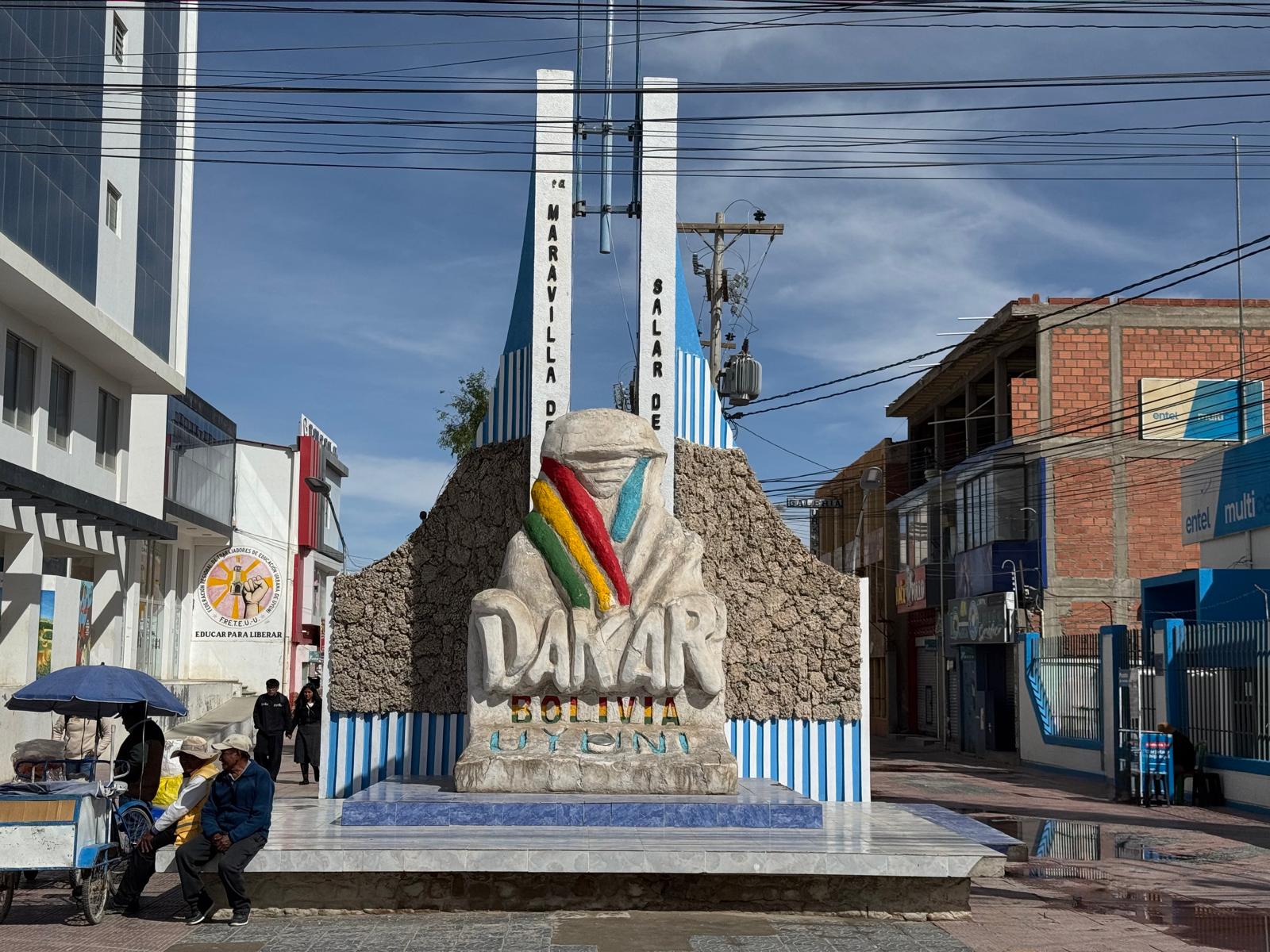
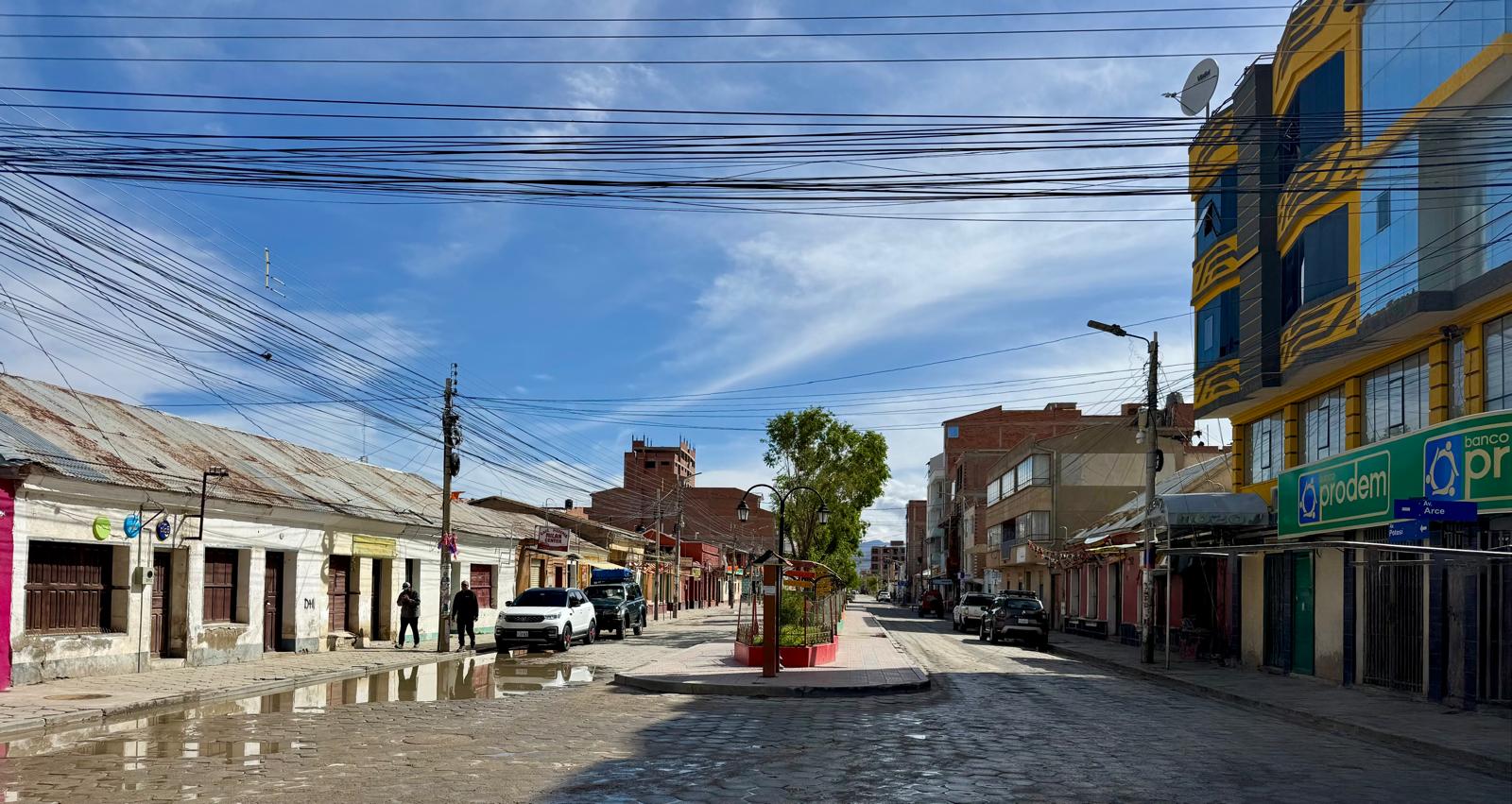
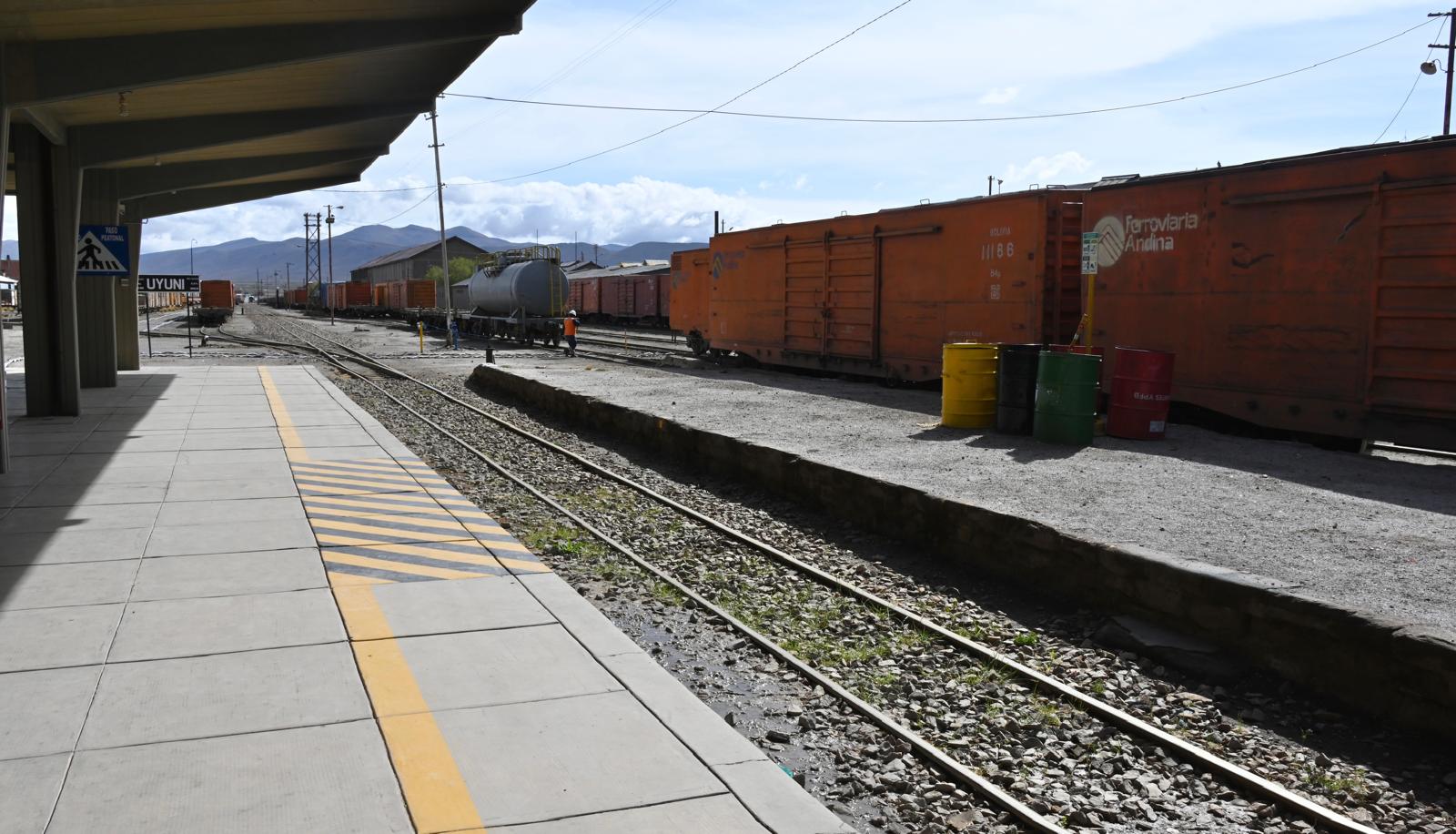
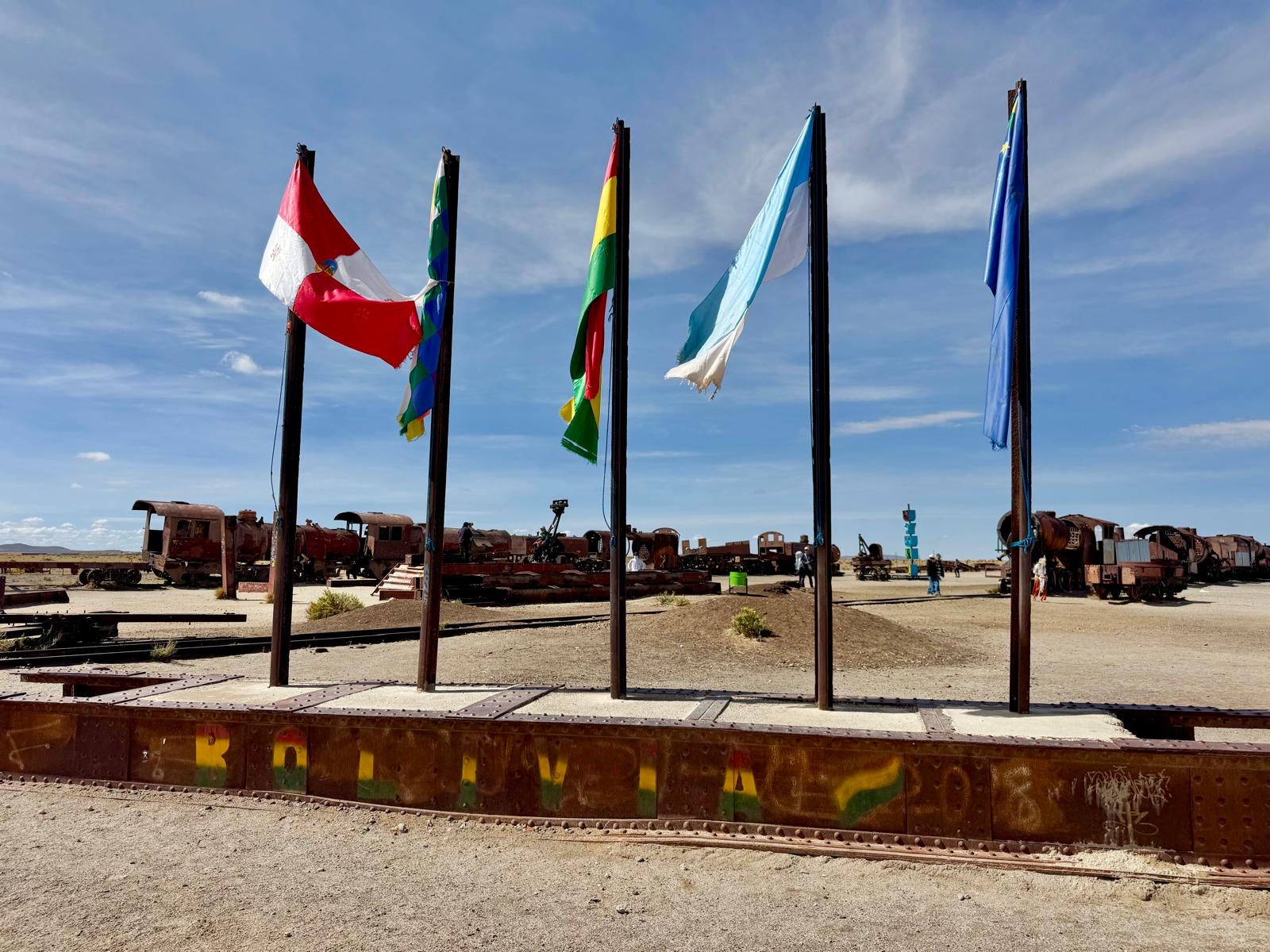
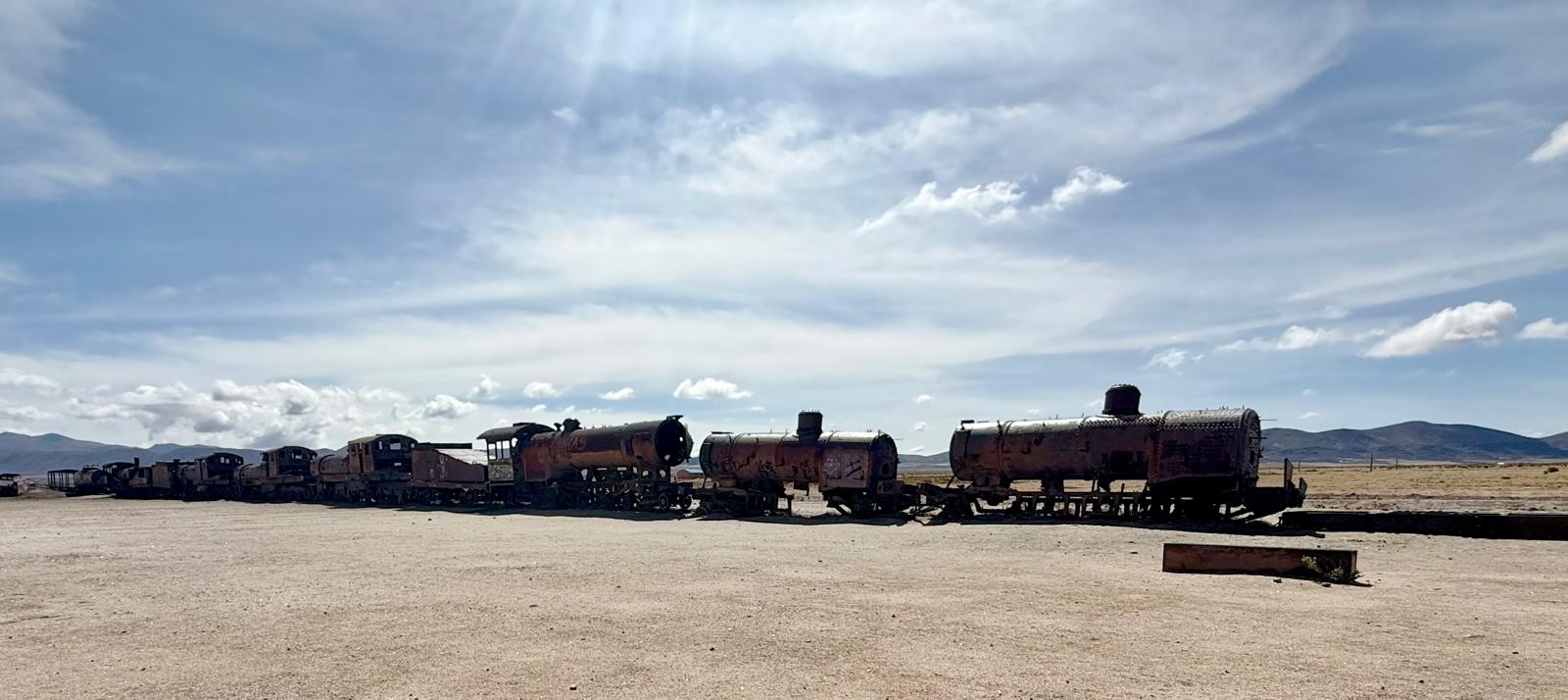
After driving a bit further we came to the train cemetery, where several rusting trains are strewn about. It seemed that most of the people from the flight were doing a similar trip as many were wandering around and climbing on the wrecks.
We then came to the small town of Colchine, which seemed to be largely filled with several souvenir shops. They had some displays out the back where the guides seemed to explain the salt process but unfortunately we couldn’t understand Rafael at all.
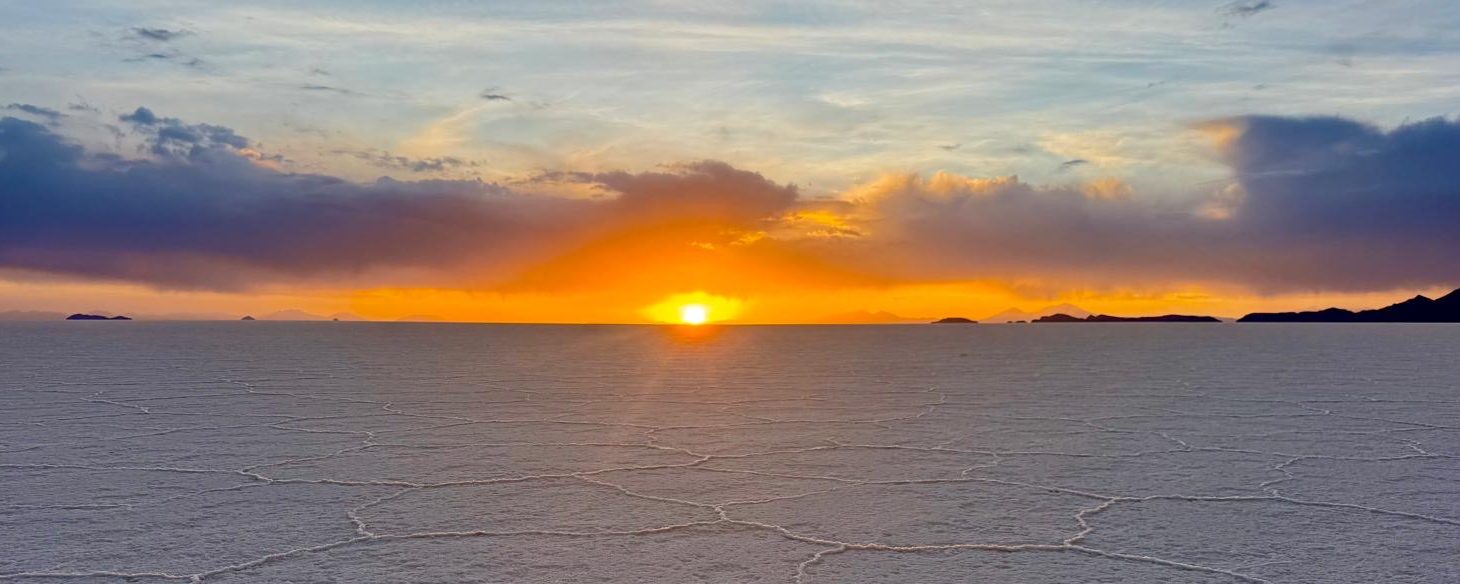
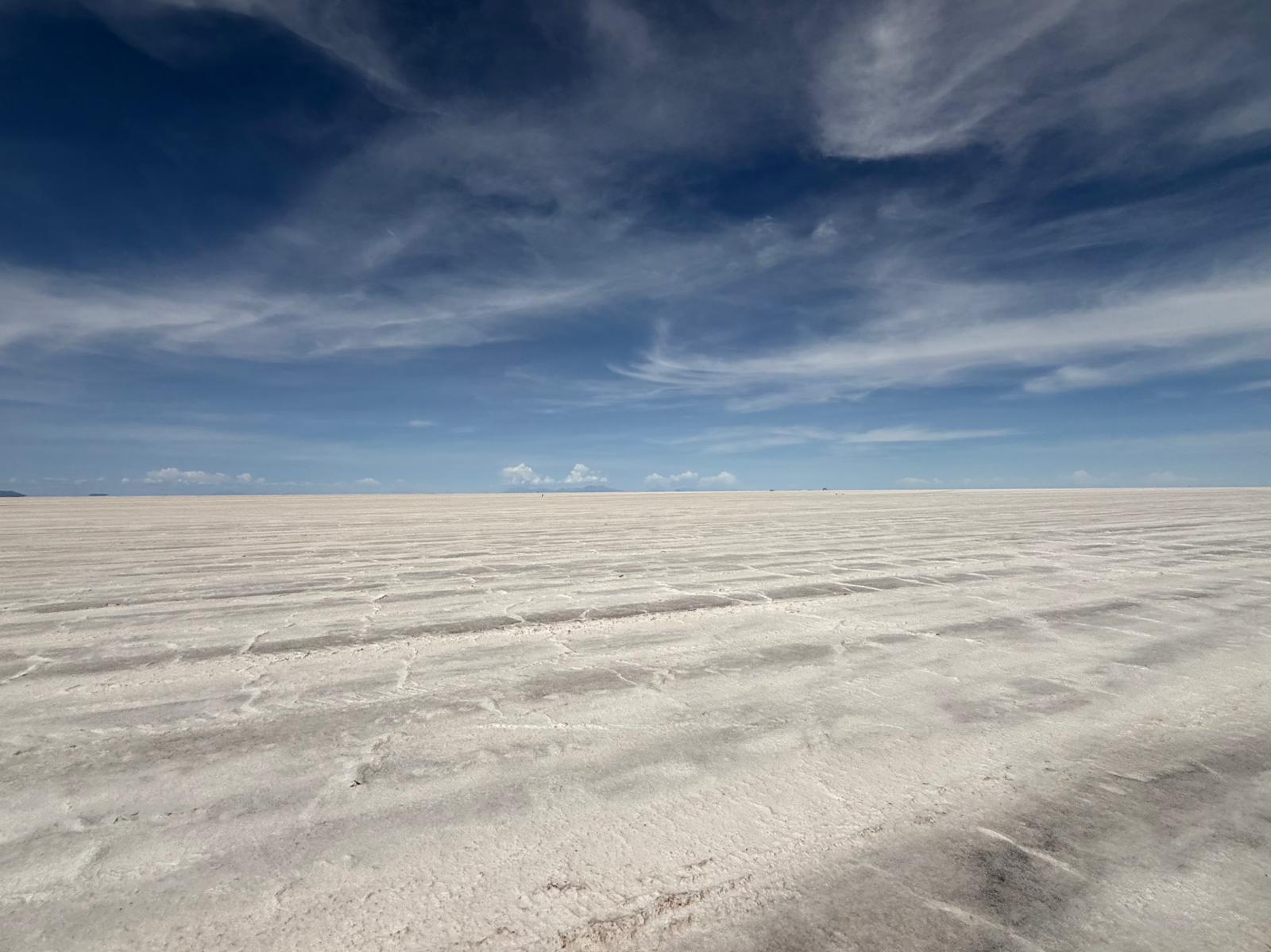
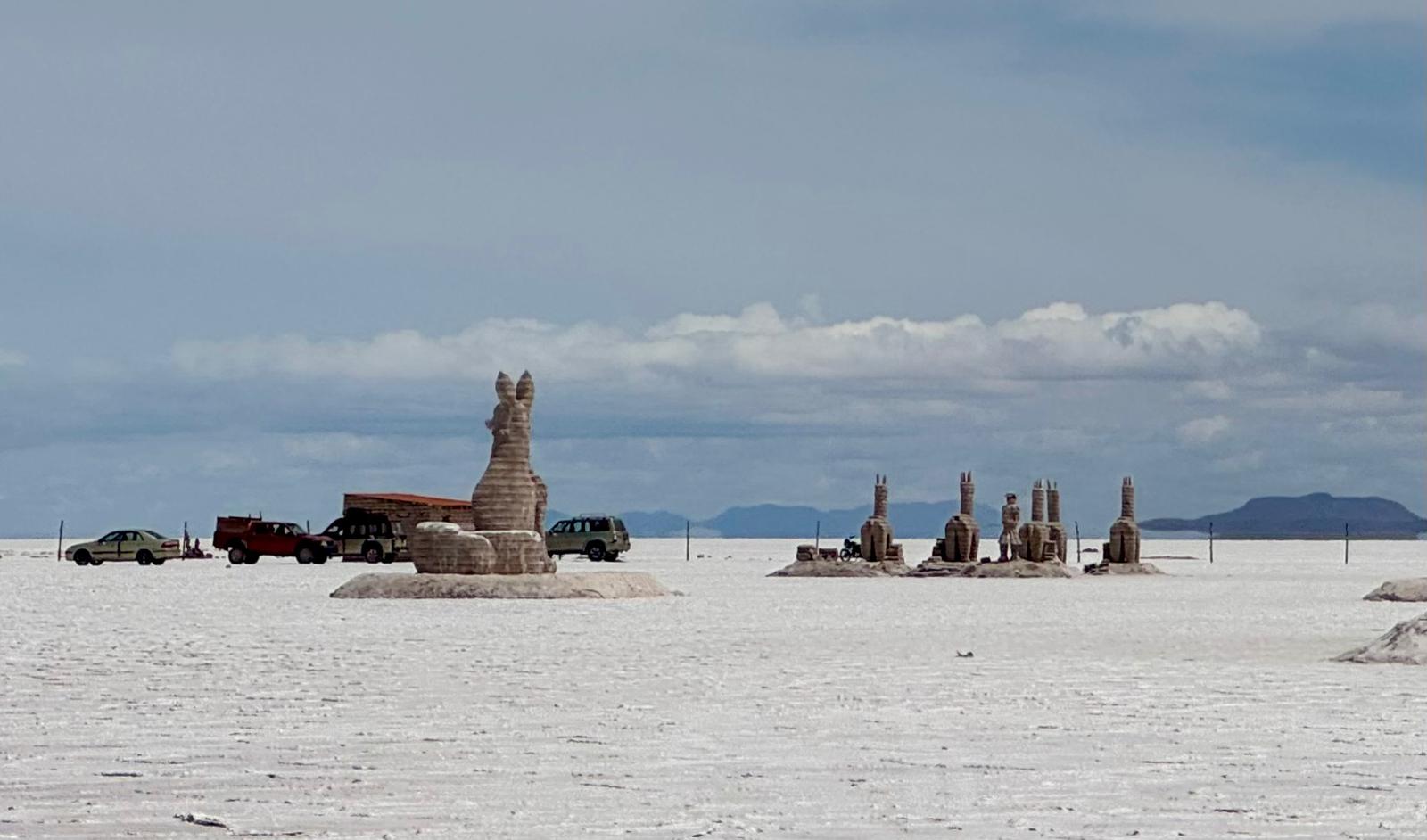
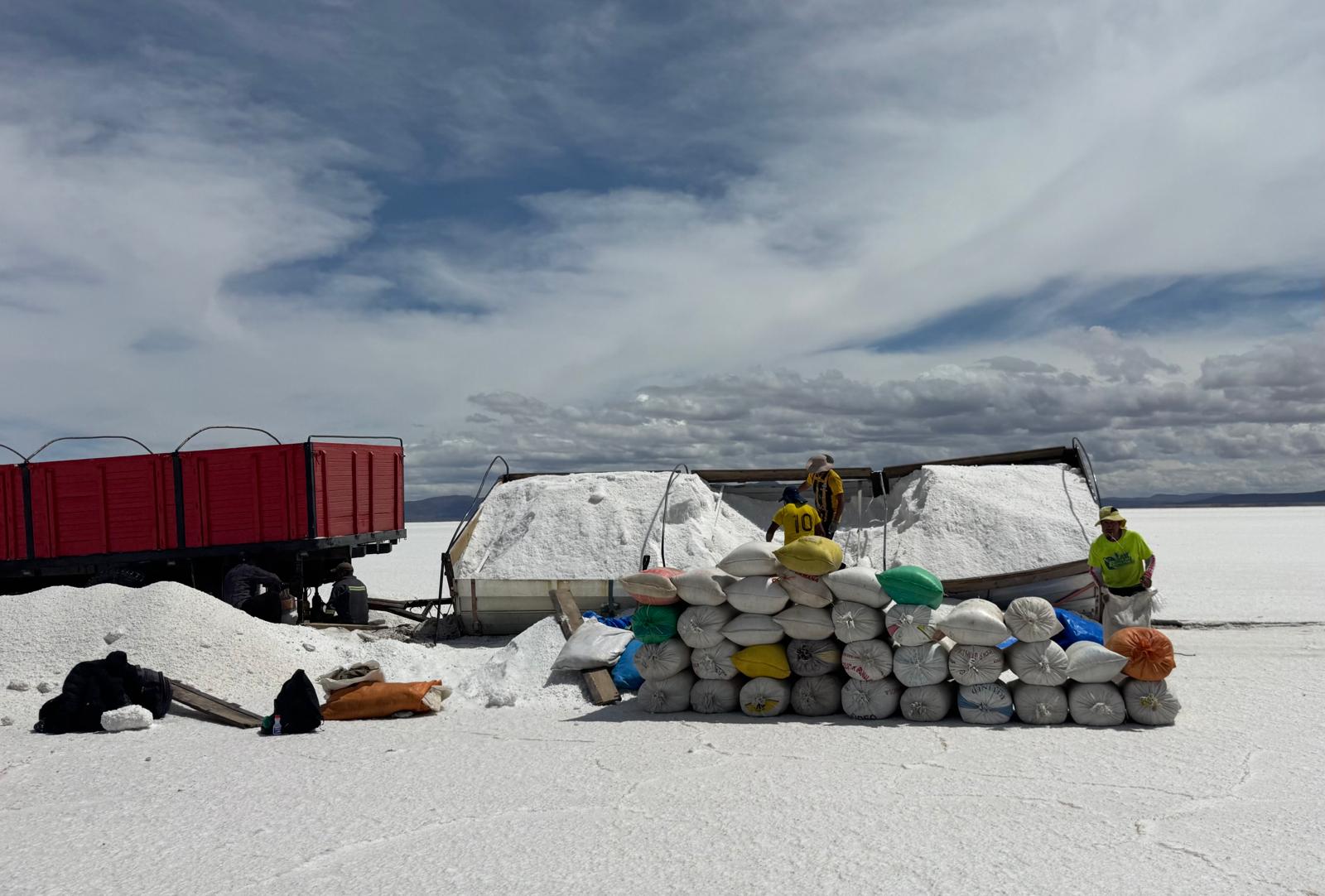
Eventually we headed out onto the salt pan itself. It covers about 10,500 square kilometres and it was really impressive. We drove along at a comfortable ~60kph. At one point we passed an area where some of the locals had made large sculptures out of the salt. A little further on a large truck was leaning heavily to one side as people tried to lighten its load by shovelling the salt off the trailers. Apparently there had been a little rain and it must have got bogged in a soft patch of salt.
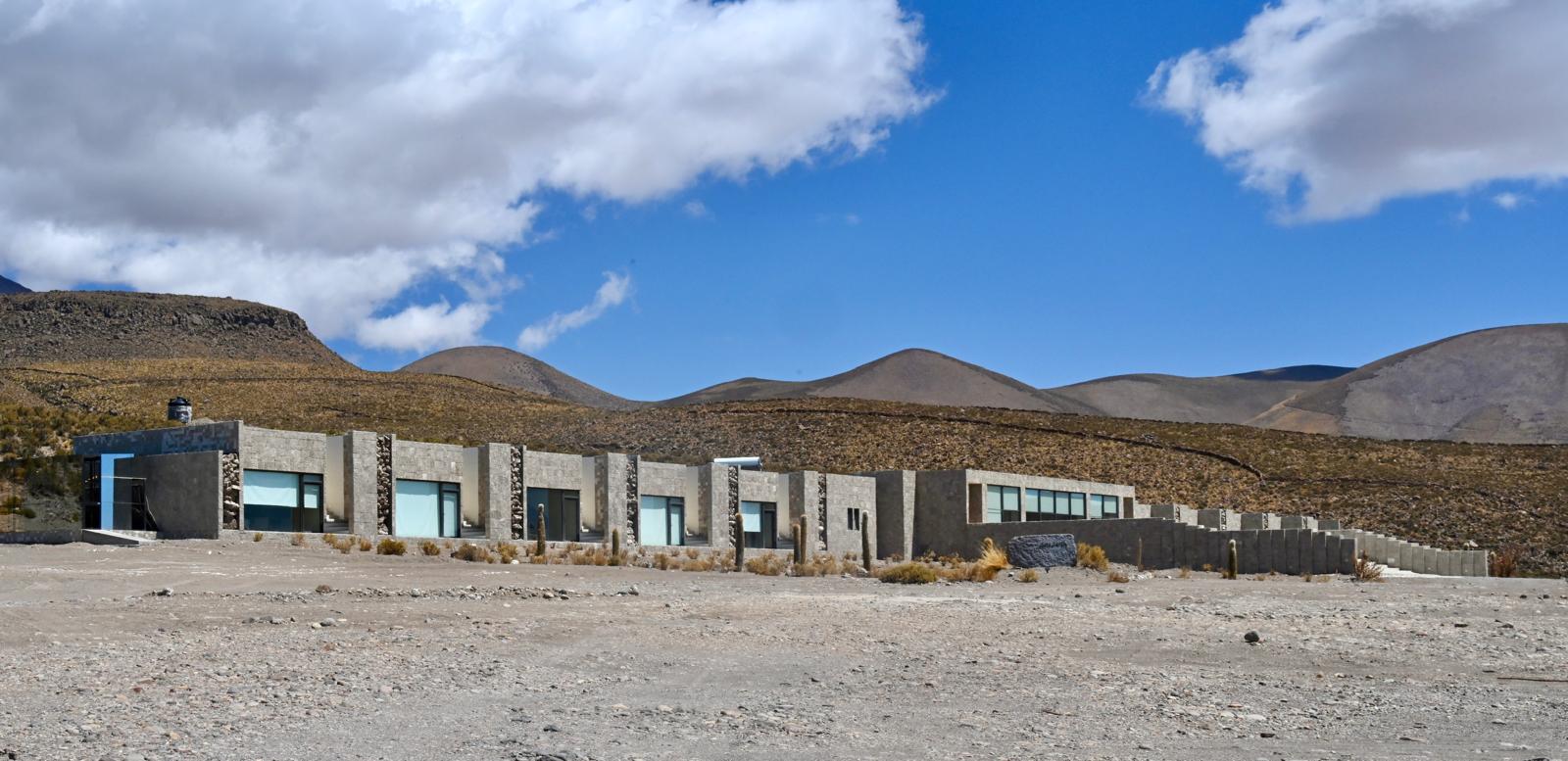
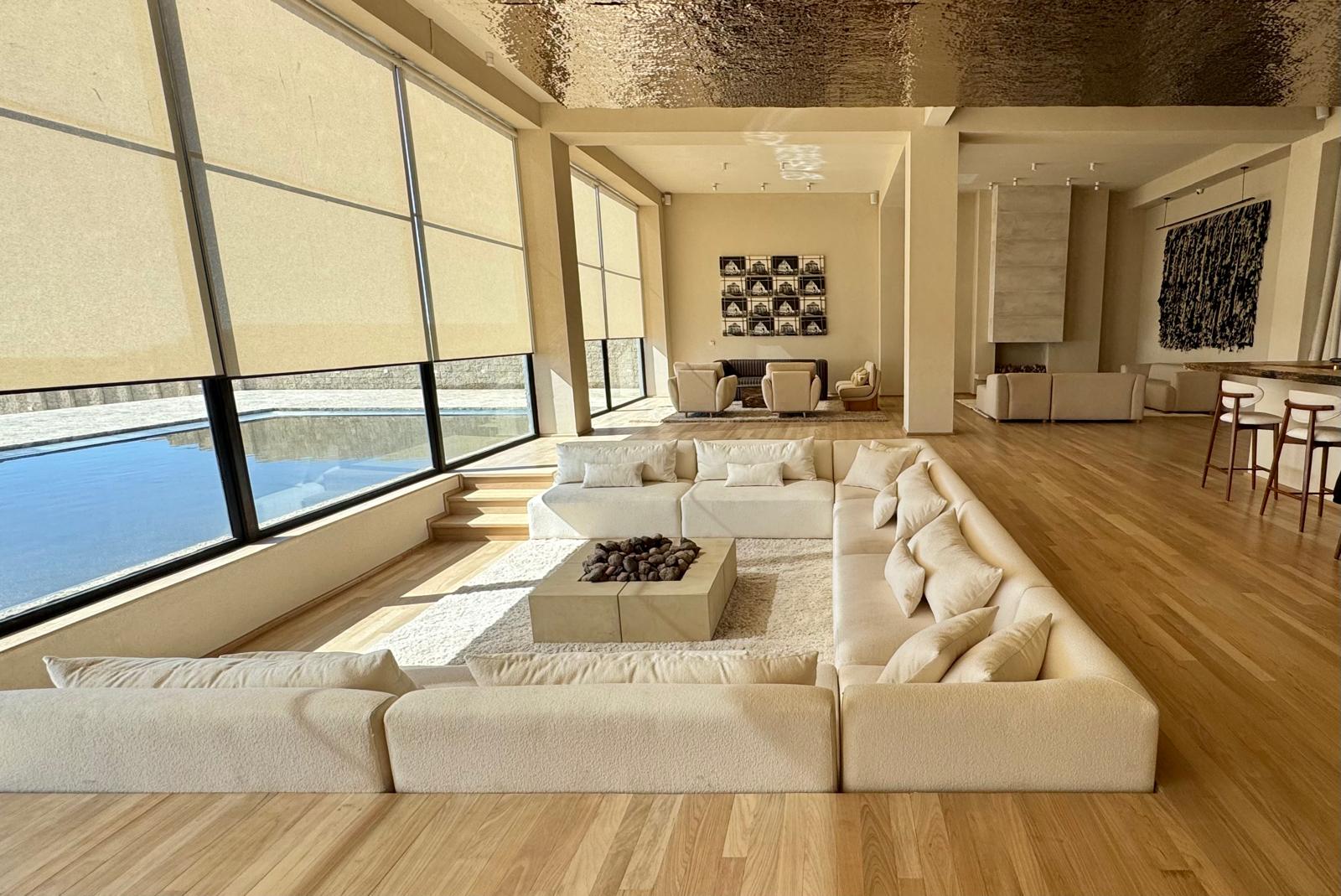
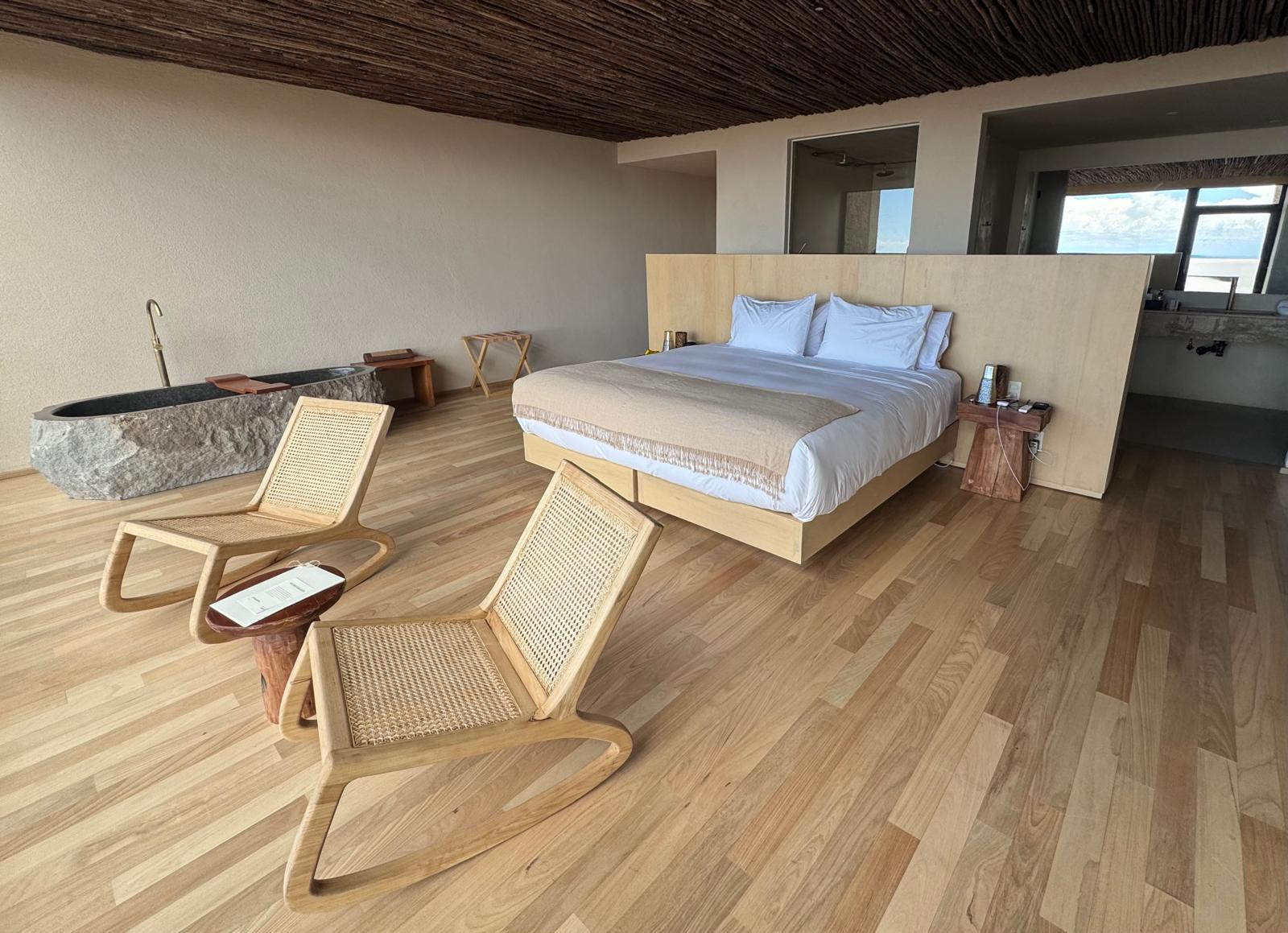
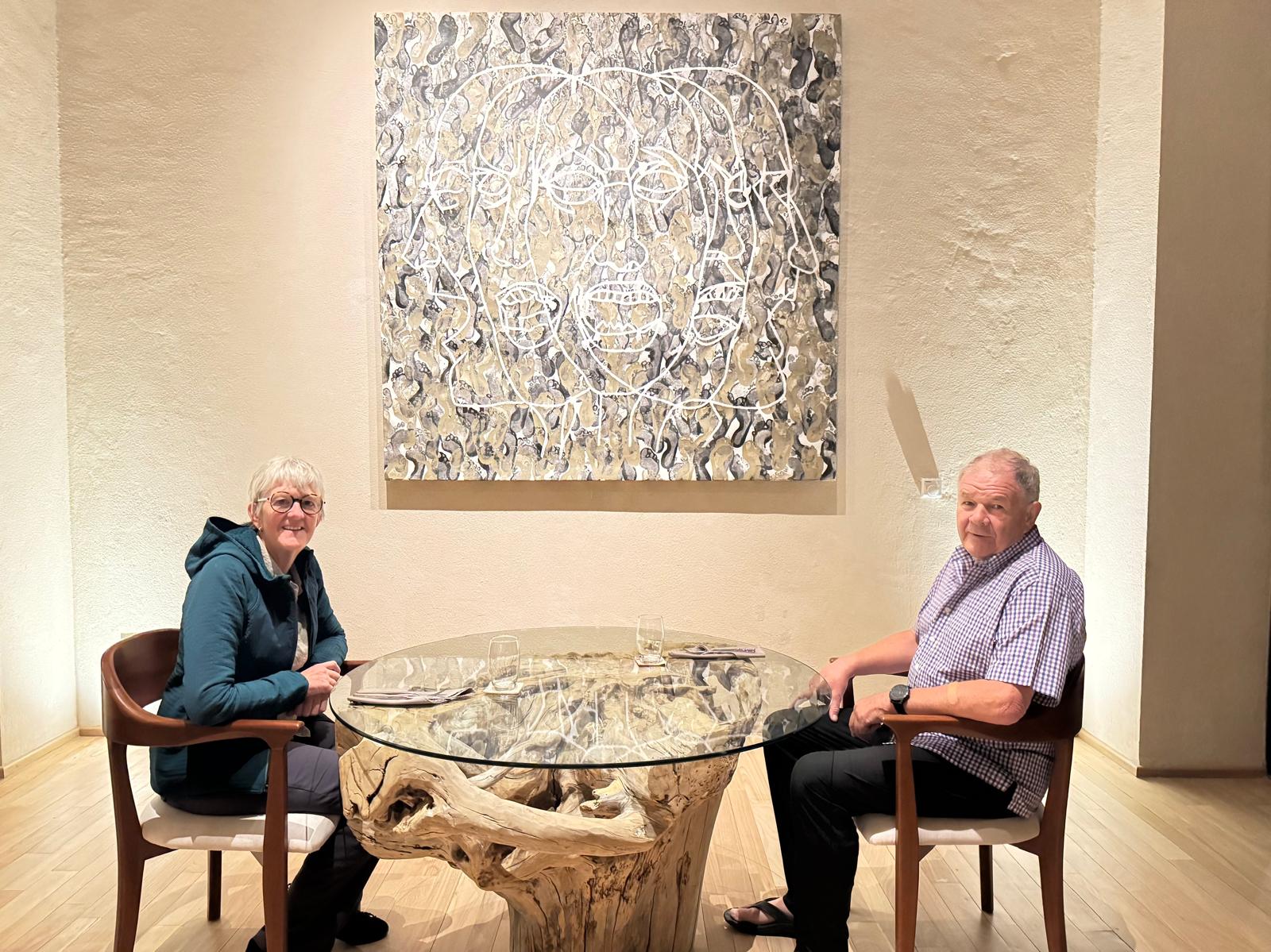
After about an hour we reached our hotel for the next three nights, Casa Gaston. This hotel only opened in May and has just 10 rooms. We are the only guests here at the moment. It is a beautiful hotel situated just below the Thunupa volcano, with views out across the salt flats. Our room is huge and we settled in for a bit of a rest.
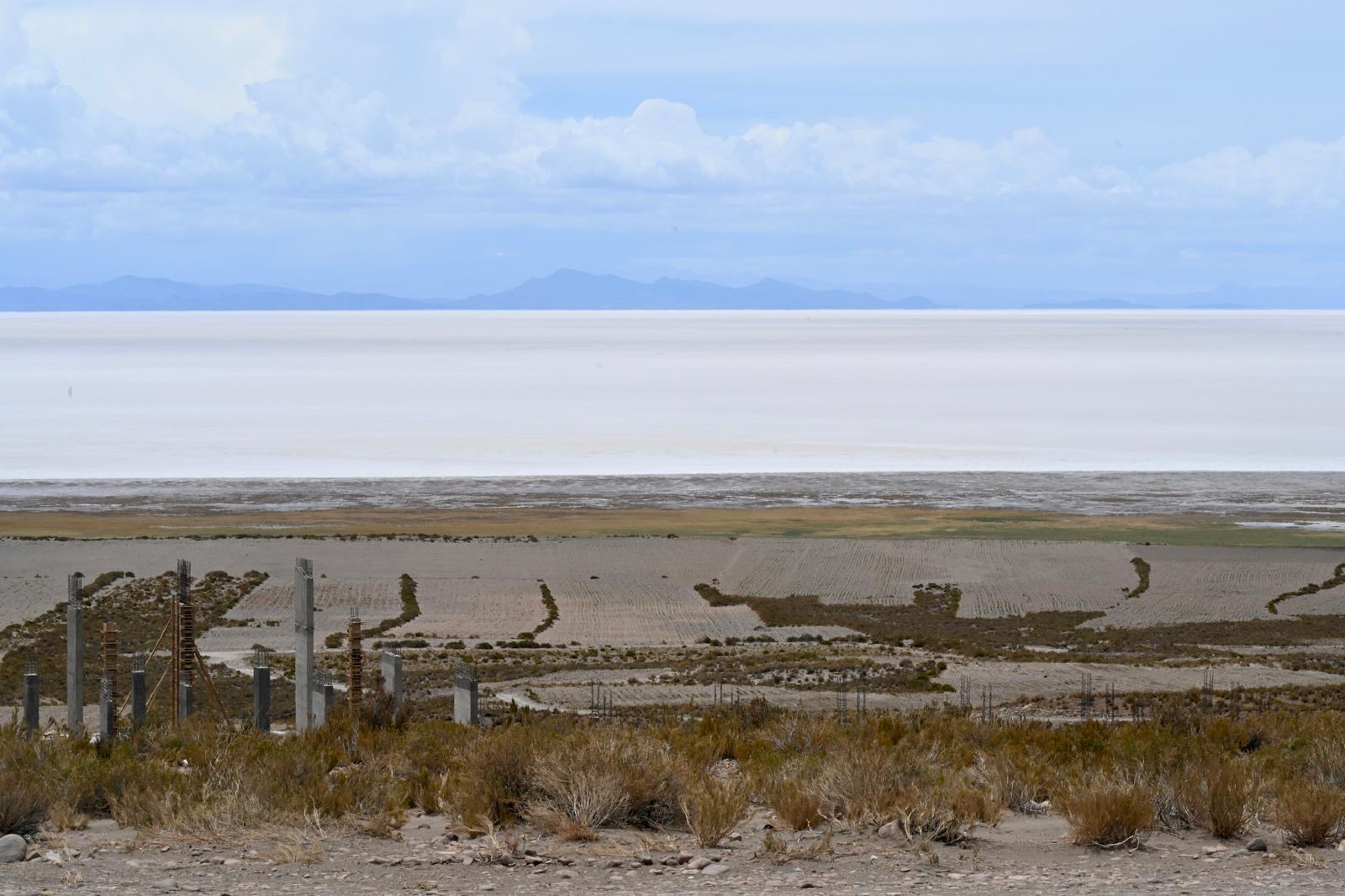
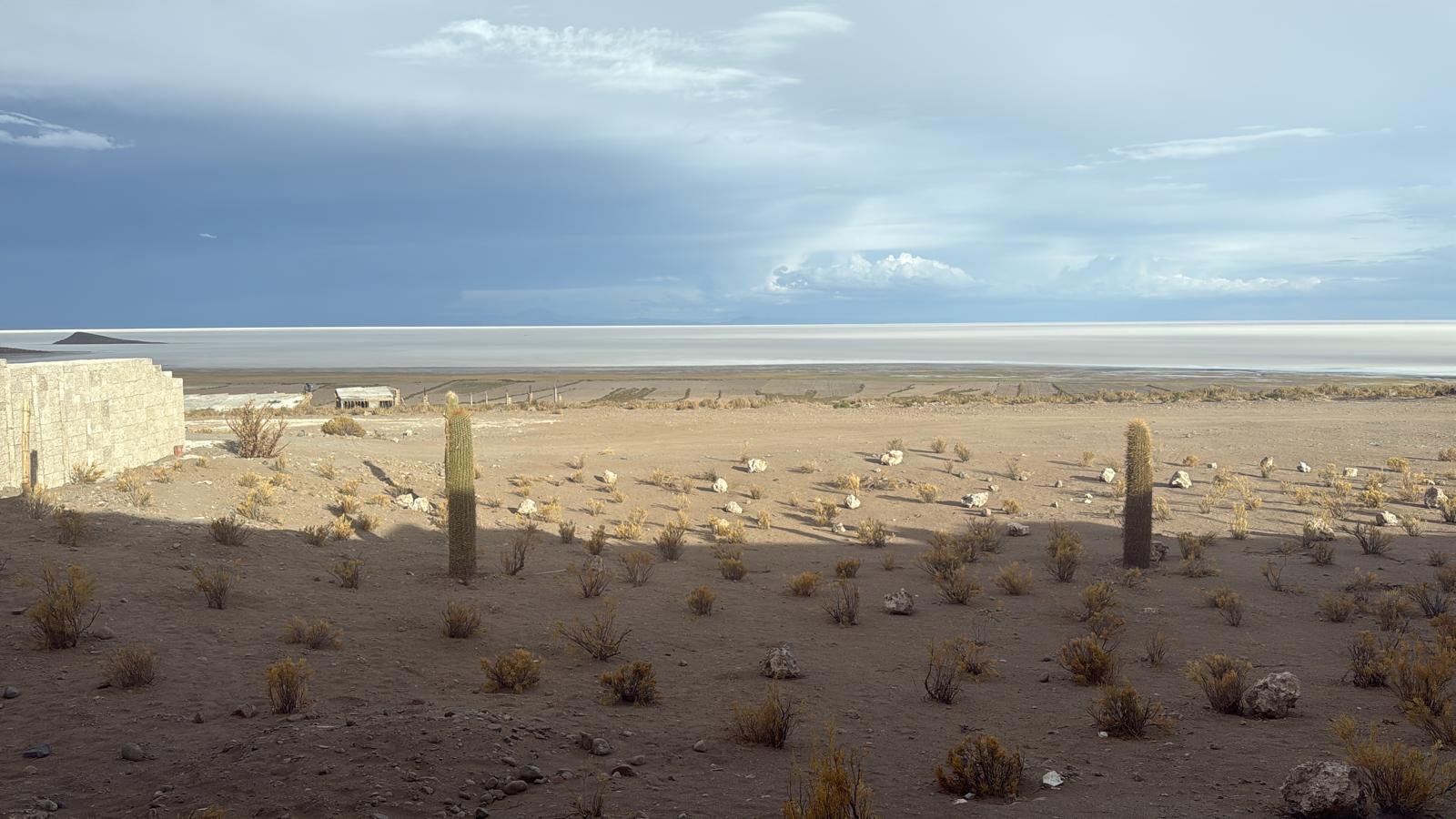
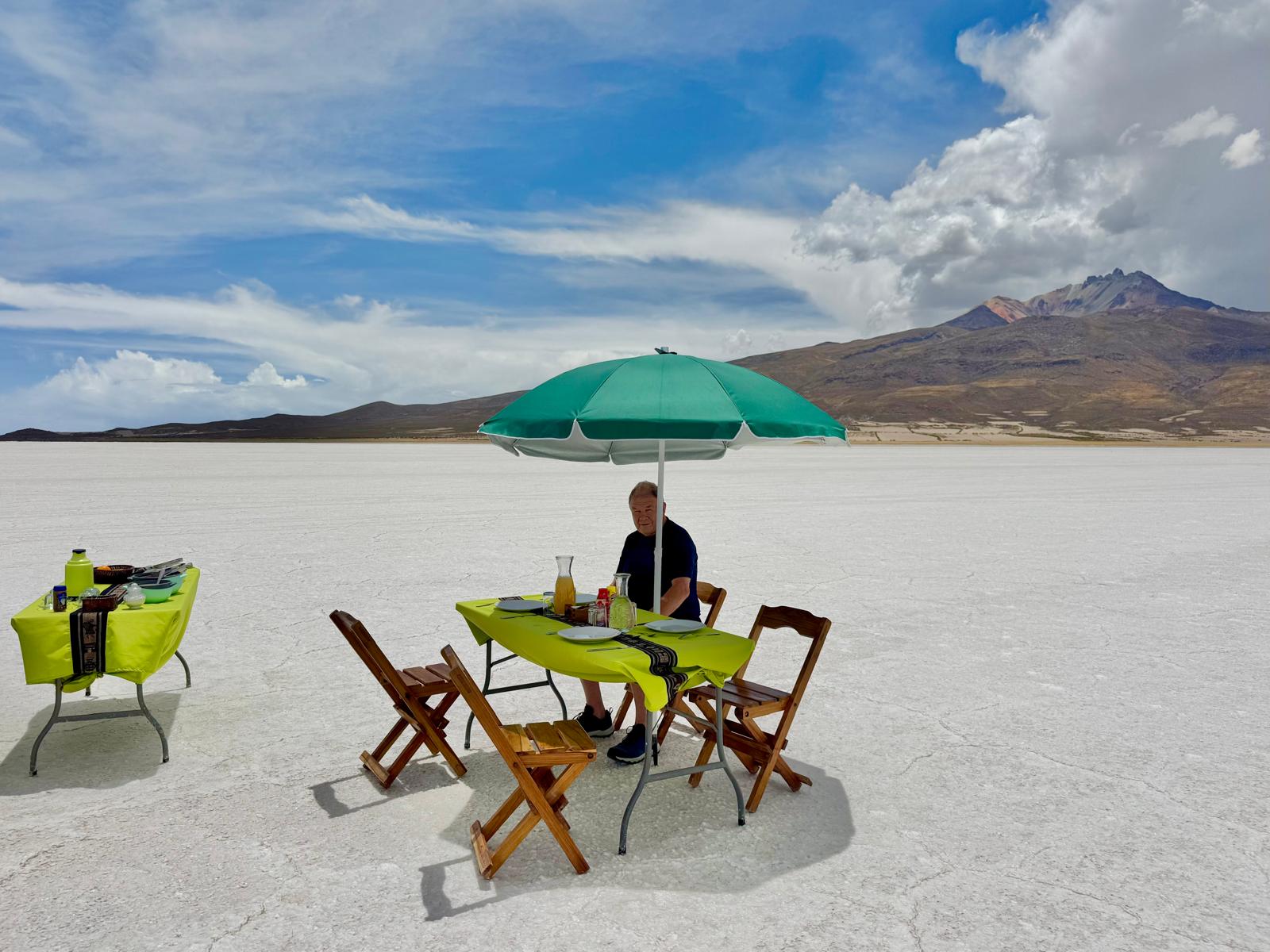
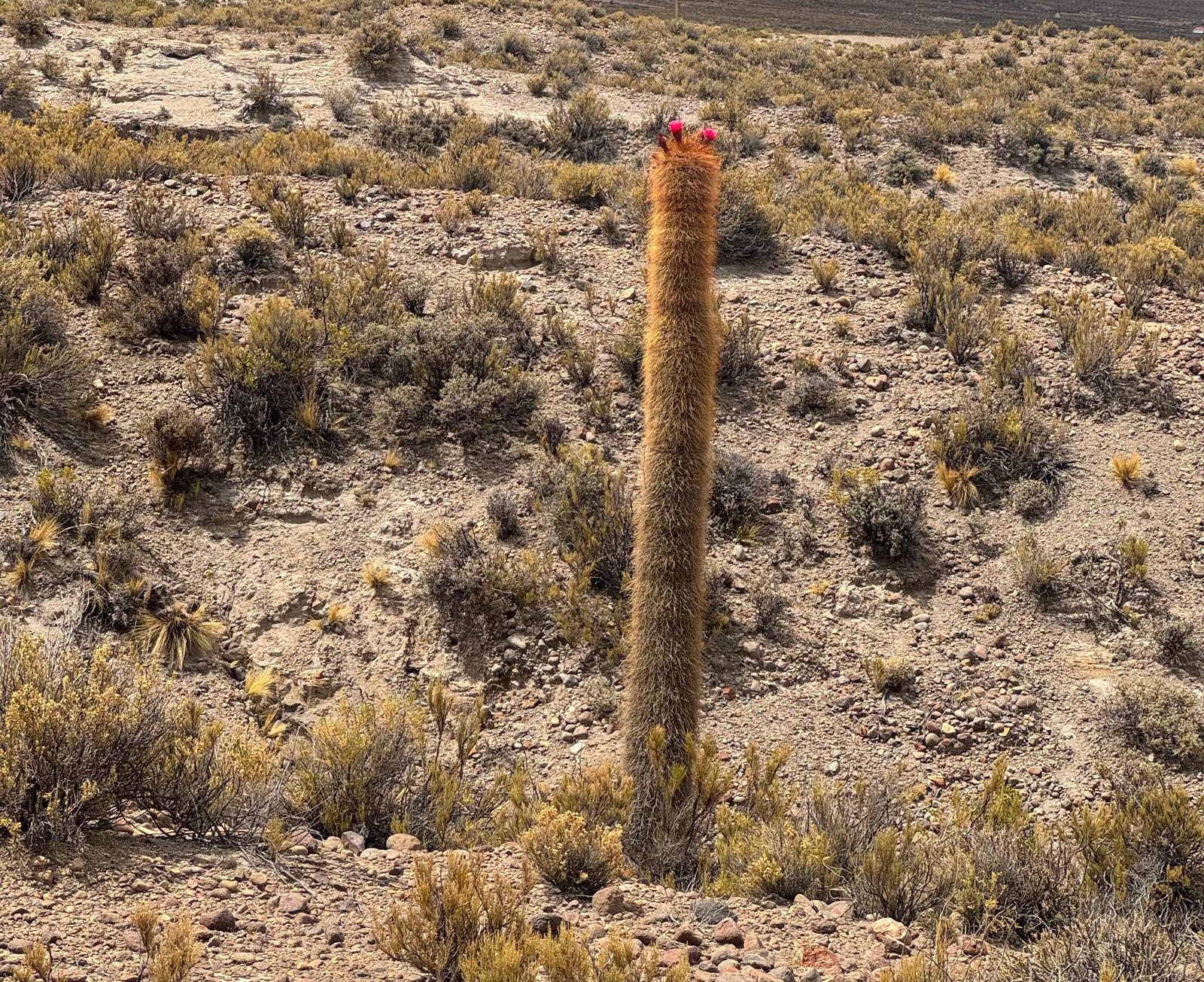
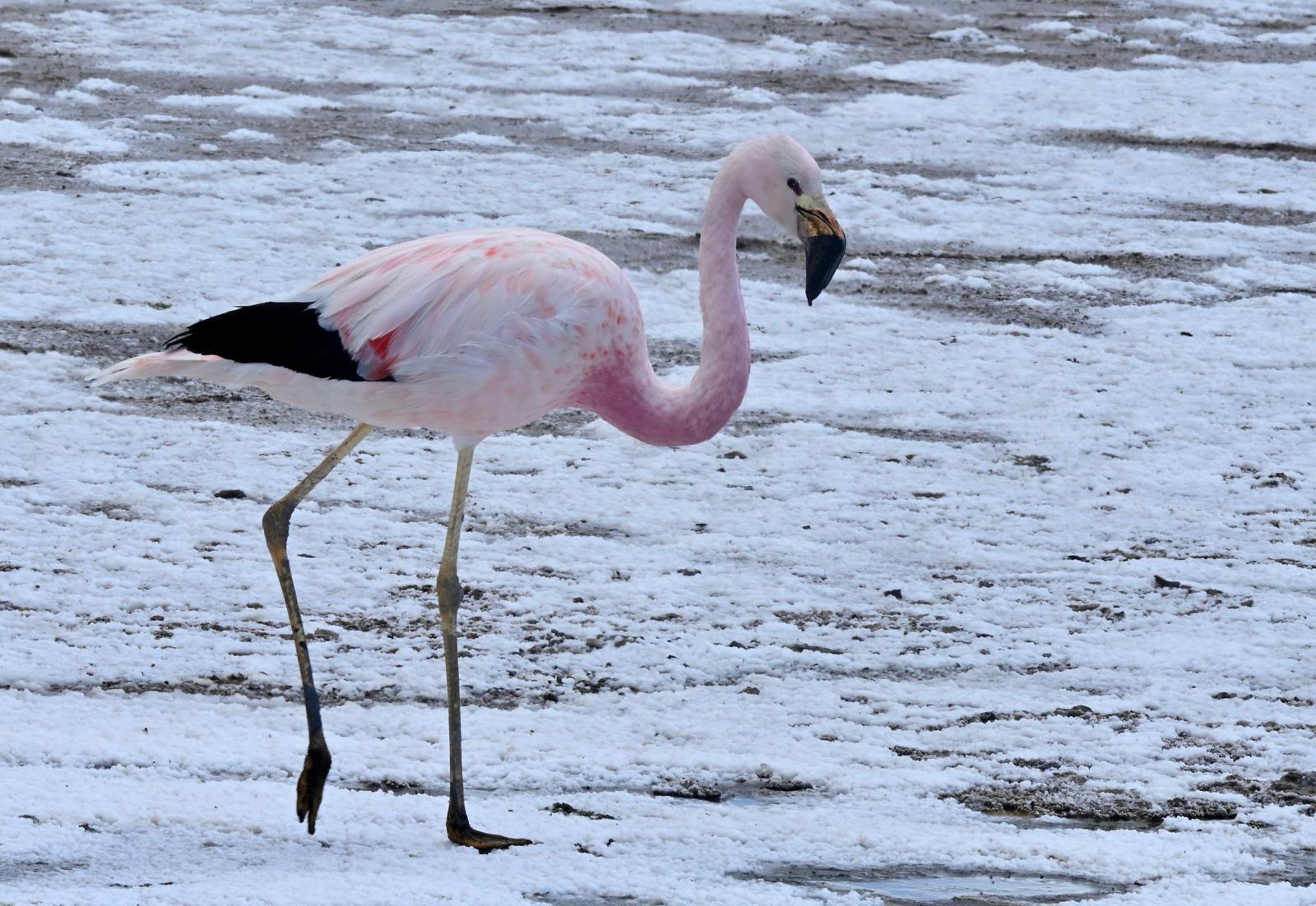
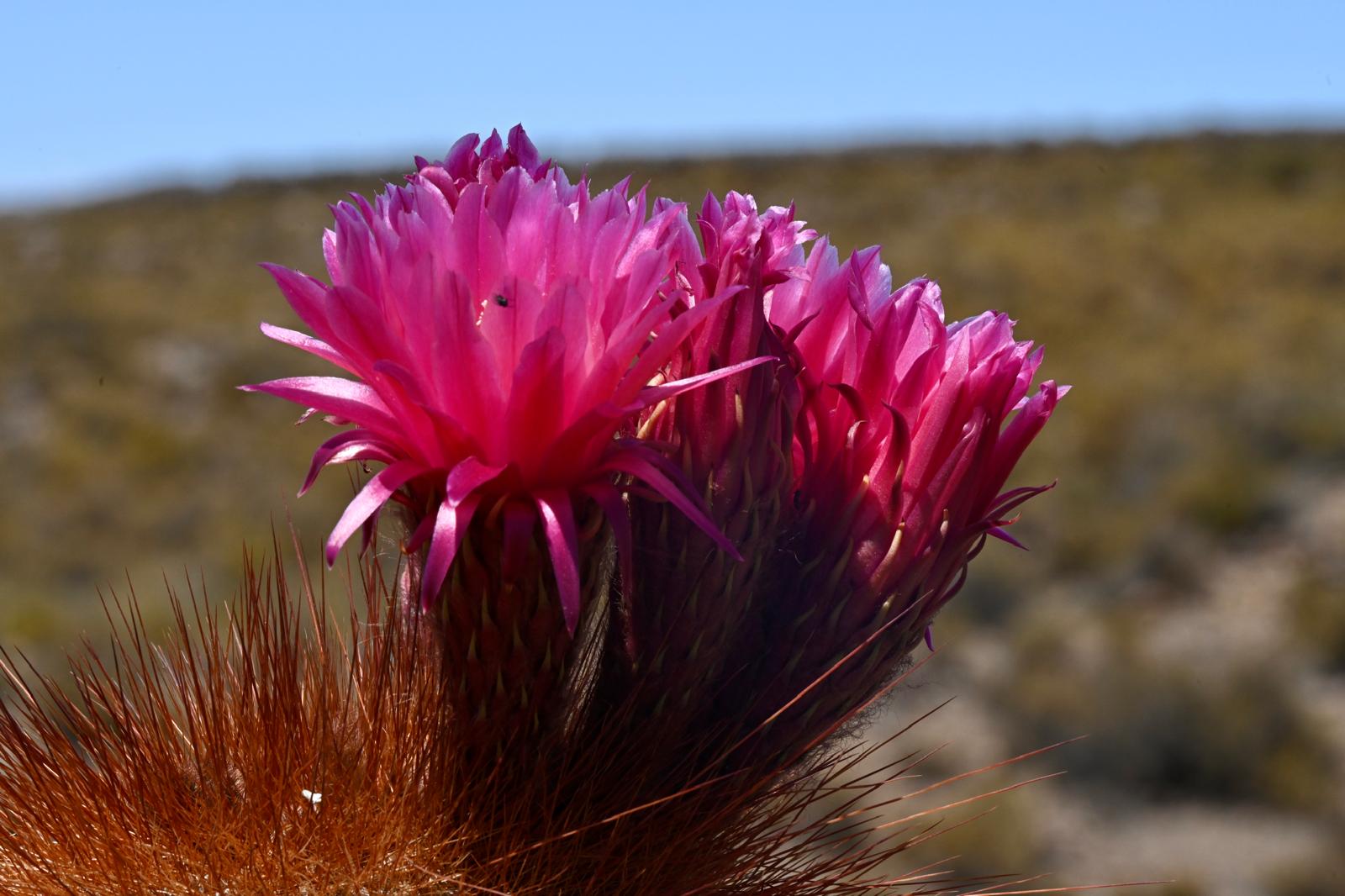
An hour or so later, we met Rafael again and drove back out onto the salt pan for a picnic lunch. The salt has dried into a variety of geometric patterns and crunched underfoot as we took a bit of a stroll. I have been pretty taken with some of the large cacti, several of which have beautiful pink flowers sprouting out the top.
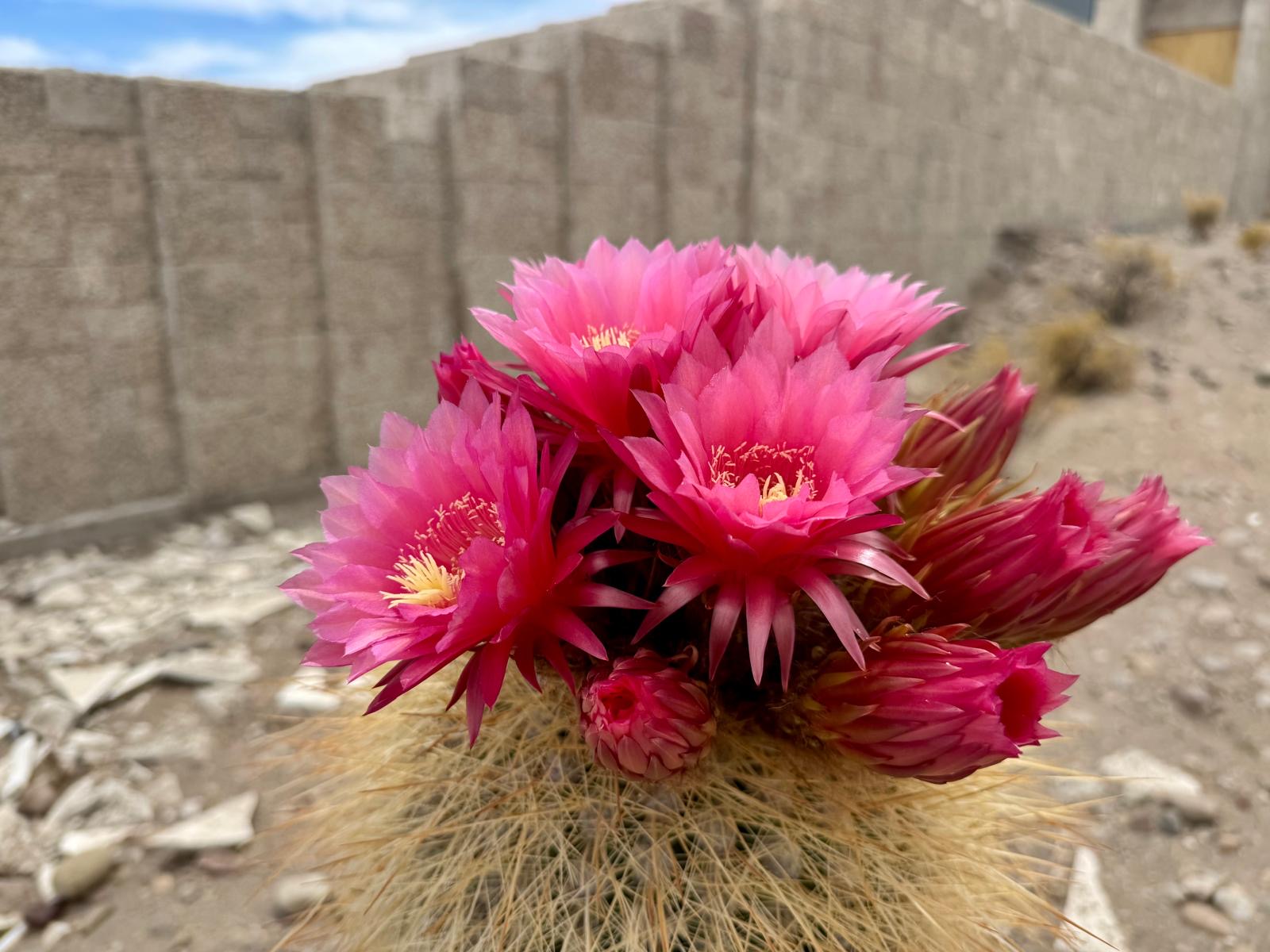
After more rest back at the hotel, we met our guide for our stay here, Jorge. He speaks excellent English and seems very knowledgeable. We headed back out onto the salt to enjoy some nibbles while we watched the sun set.
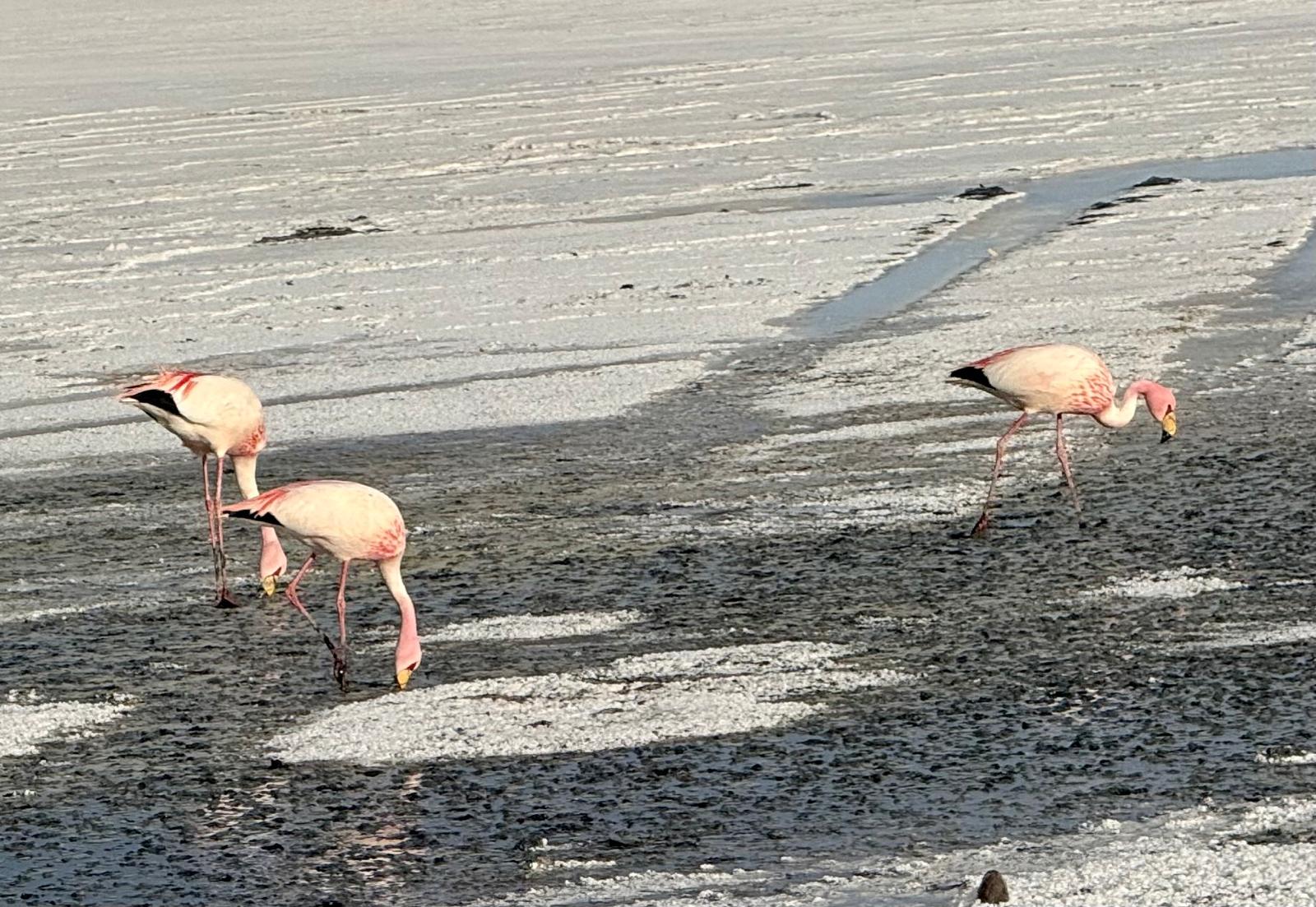
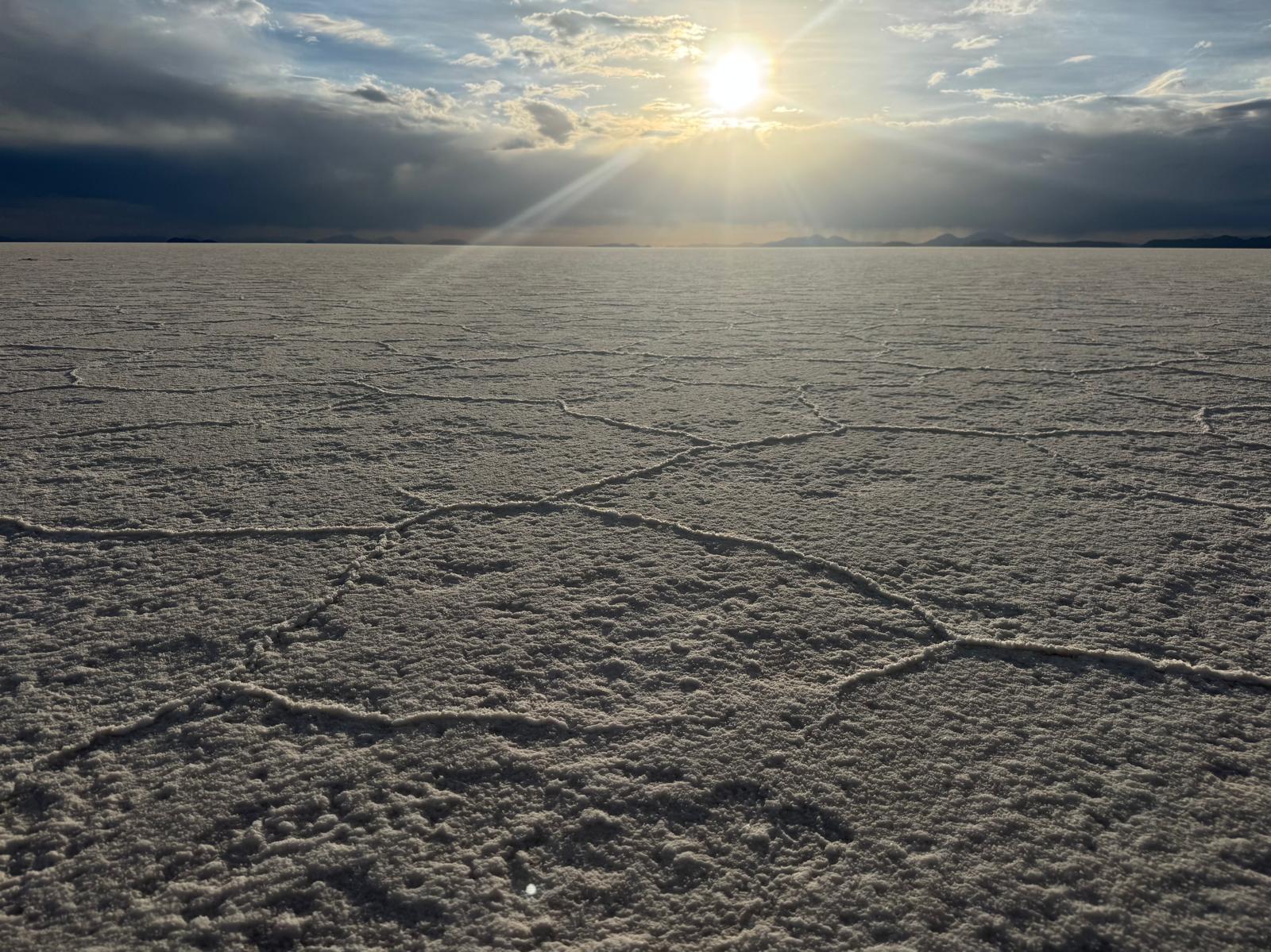
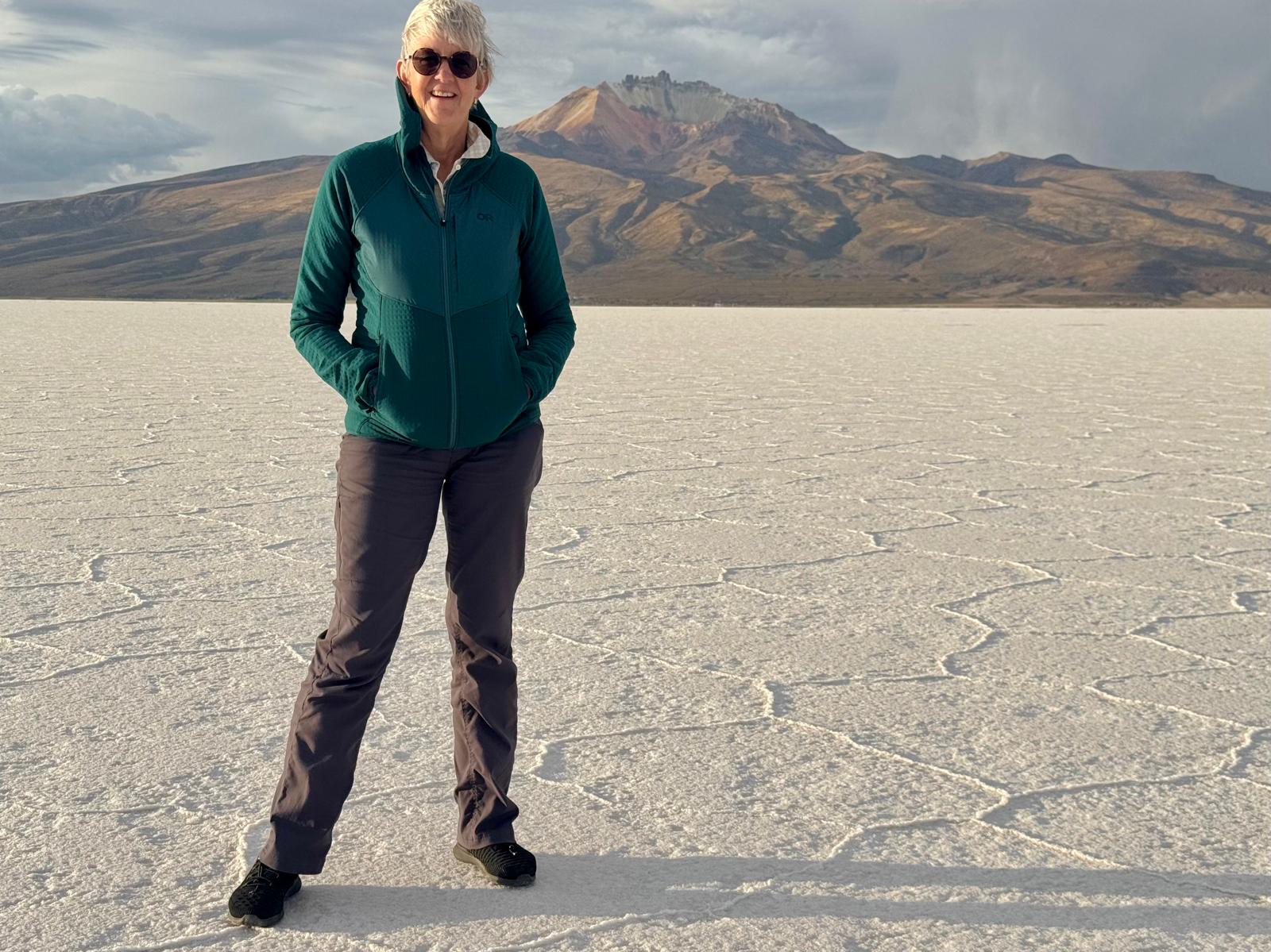
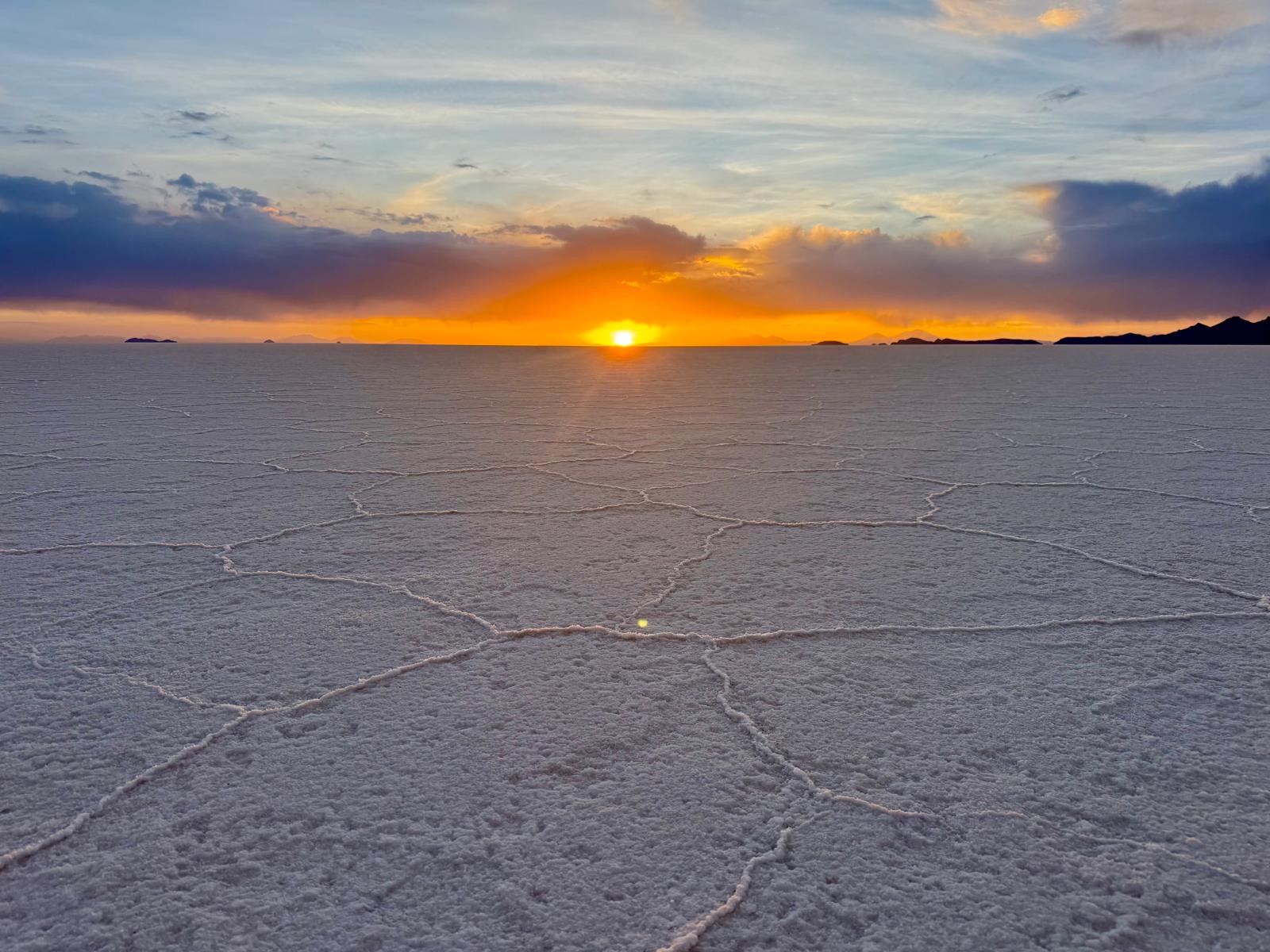
Back at the hotel we enjoyed a delicious, light dinner, all prepared with local ingredients.
Monday 9 November 2026: Uyuni Salar – Roger
We enjoyed an interesting, leisurely breakfast, after which our new guide, Jorge, and driver were waiting to pick us up in a trusty Lexus land cruiser. Interestingly, despite the environment here, these vehicles, if well looked after, last for about 15 years, and that’s with doing about 100+ kilometres a day. At night they take them back and wash the salt off them and coat the underside with diesel. I’m not sure how that goes down with the Greenies around here, although we haven’t seen many of them because everything is pretty white.
We bumped off down the narrow road, turning right at the intersection at the bottom and driving parallel to the lake for some 15kms, eventually arriving at the Chantani museum in the small town of Tahua.
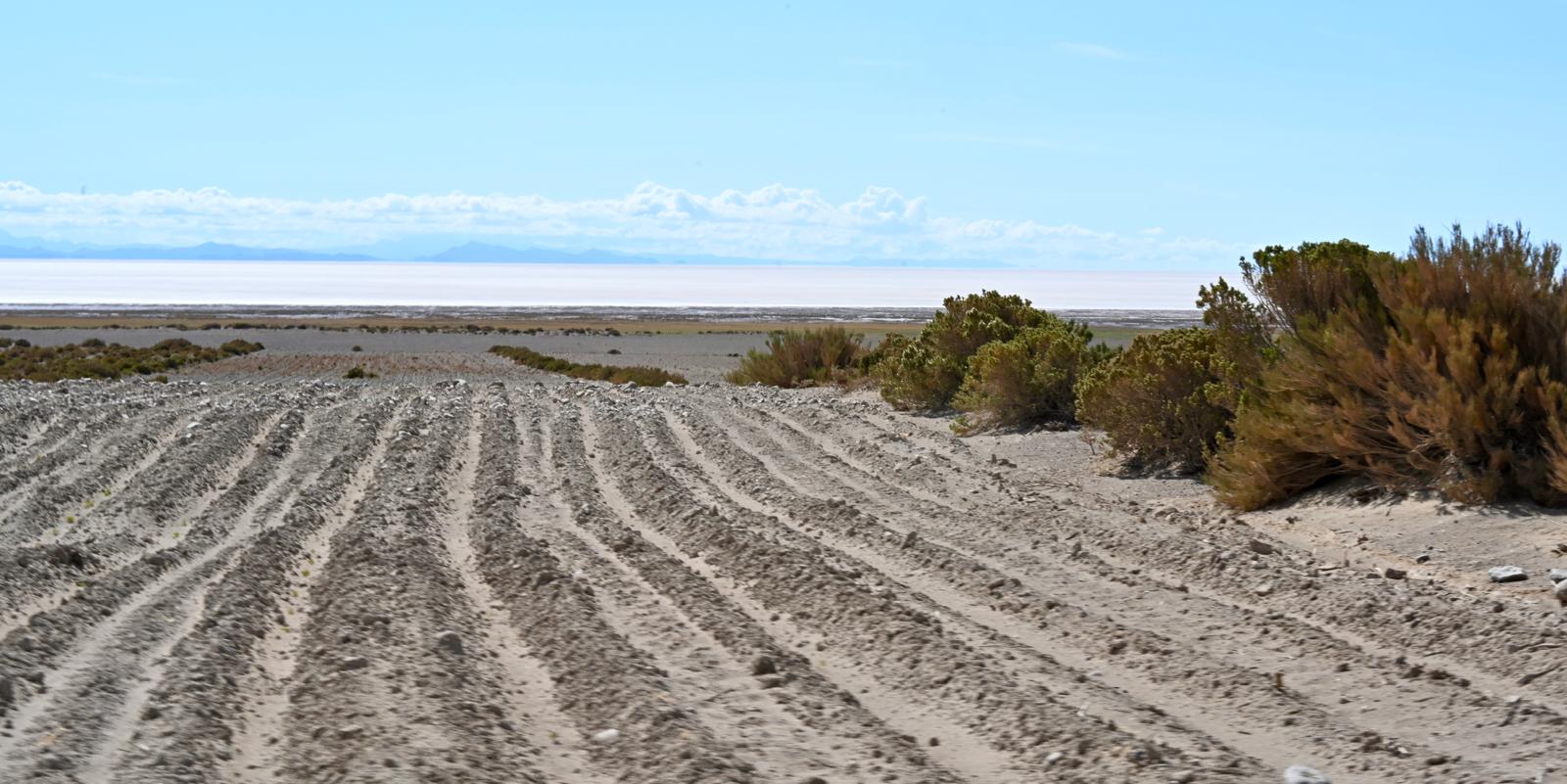
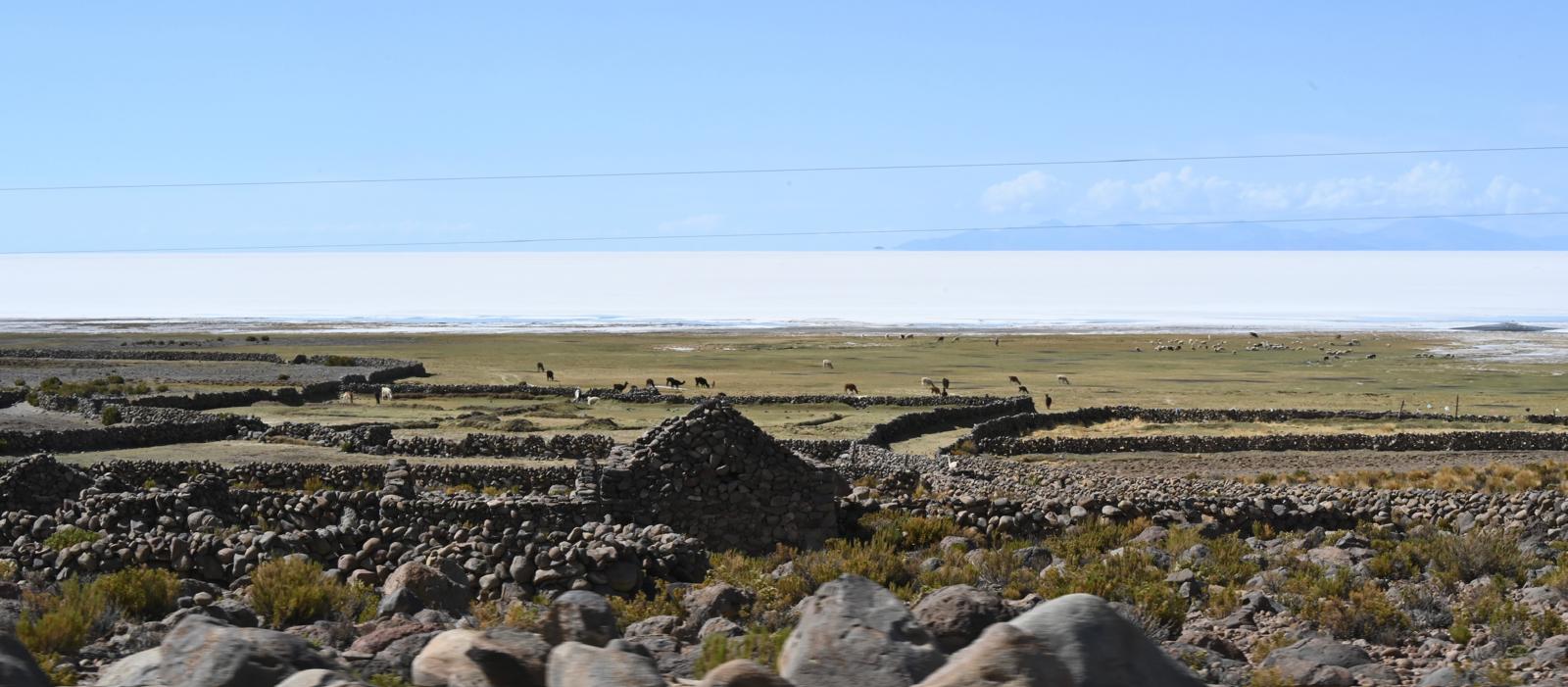
But before I tell you about the museum, I had better tell you a little bit about the local area. The hotel advertises this area as famous for its Quinoa growing and the breeding of llamas. As it turns out, most of the people that own the land, the llamas, and the quinoa live somewhere else and then come back here through the growing season, which doesn’t really start for another month or two. Although some of the land has been cultivated, it is too early to plant at this stage as they haven’t had the heavy rains. Like many places I’ve been to in the world these people just love stacking stones. Each time they cultivate the paddocks, large rocks pop up to the surface and these are picked up and added to a building or a fence, of which there are thousands in the area. They rotate the fields between quinoa, potatoes and fava beans. Once a paddock has had a season of each of these crops, it then gets to rest for a couple of years before starting the cycle again. Bolivia boasts 200 varieties of native potato and 117 varieties of quinoa.
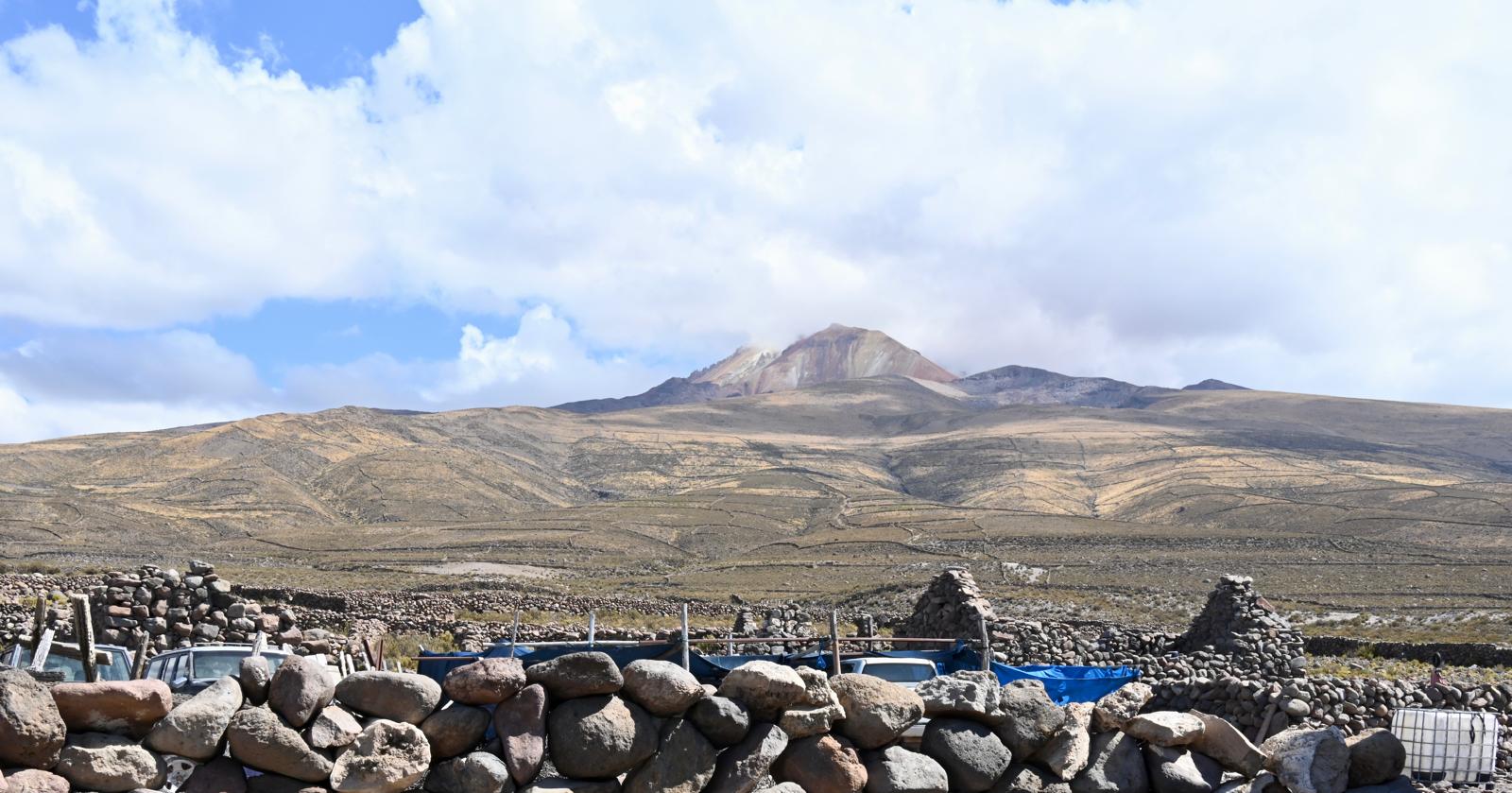
As we stepped into the museum we were greeted by a bunch of urns, these apparently had been dug up in the local area over many years. They were originally used for making the local corn beer. The first people to inhabit this area some twelve thousand years ago were the Viscachani nomads. Apparently these people eventually learned to farm and settled down in particular places around the area. They were later joined by various other tribes and cultures from across the continent including the Urus and Incas. Nobody really knows exactly when they arrived or why they left.
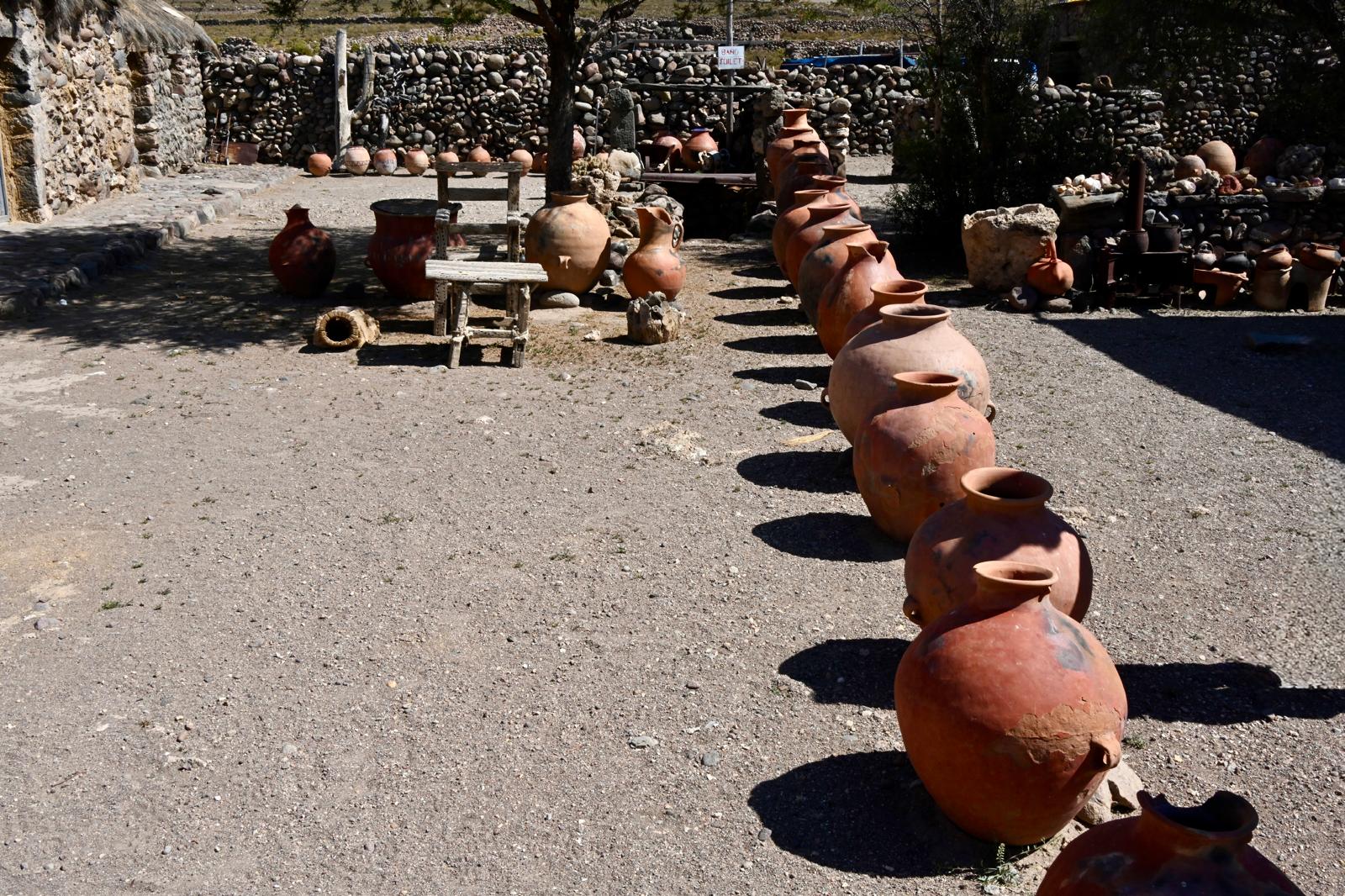
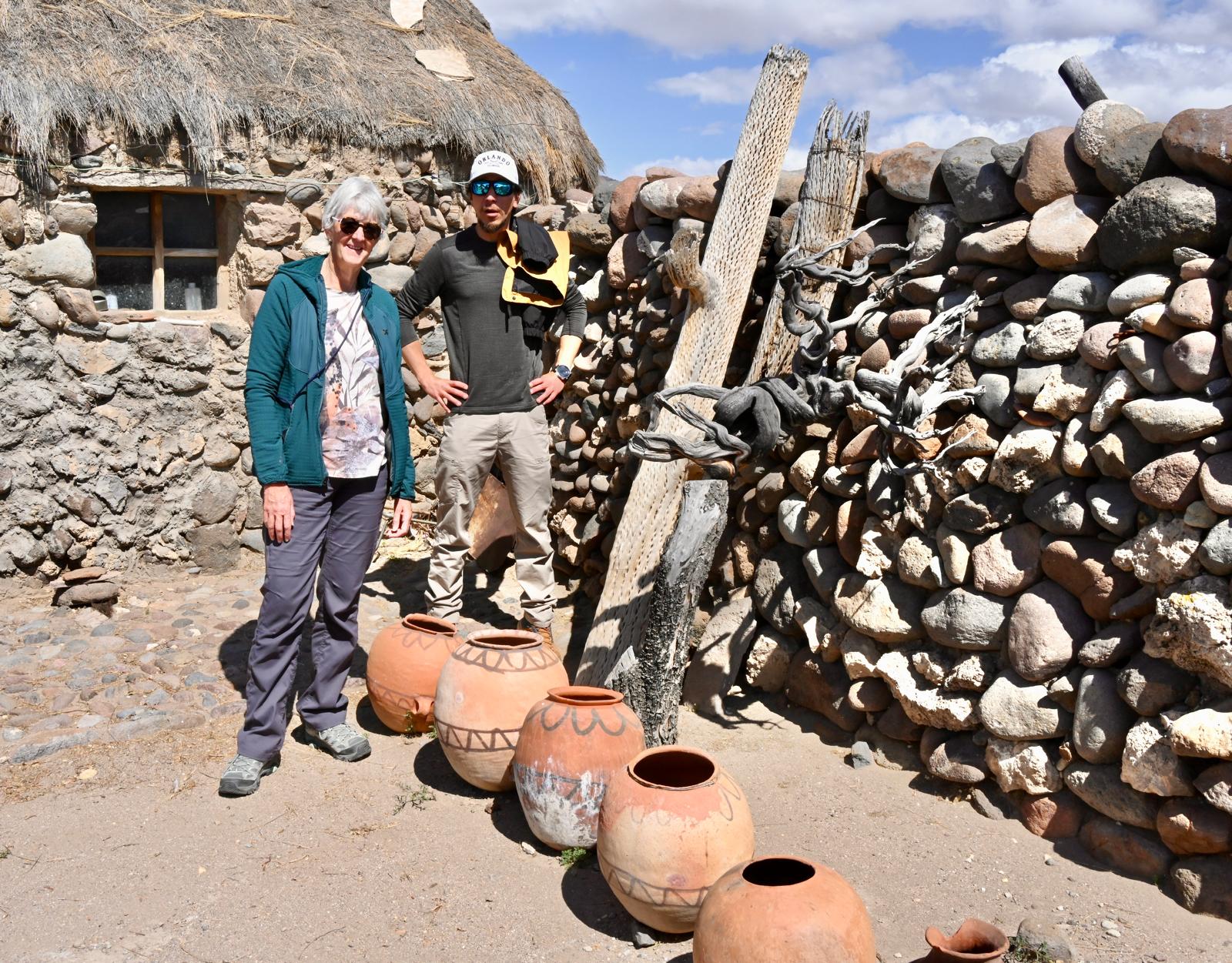
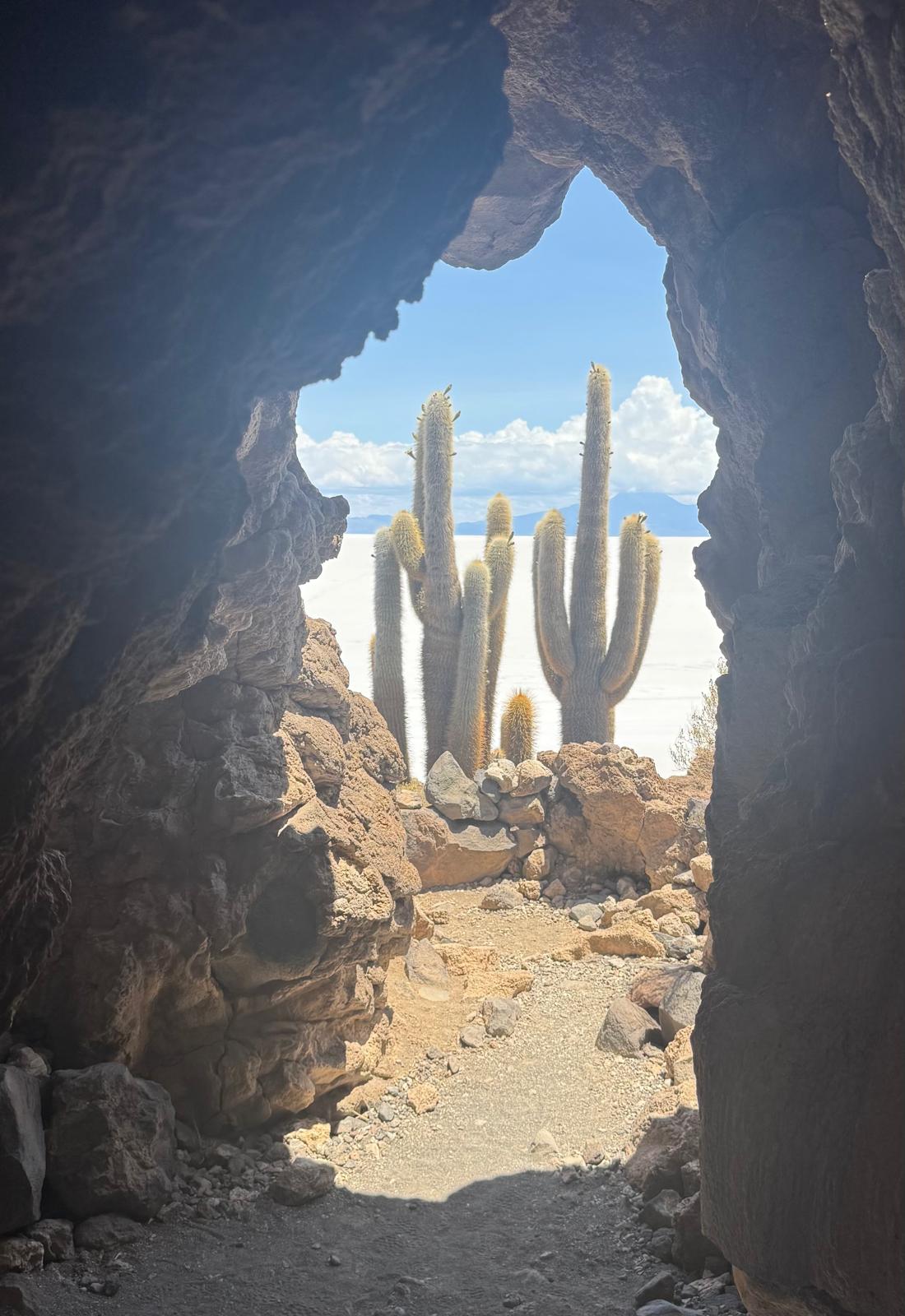
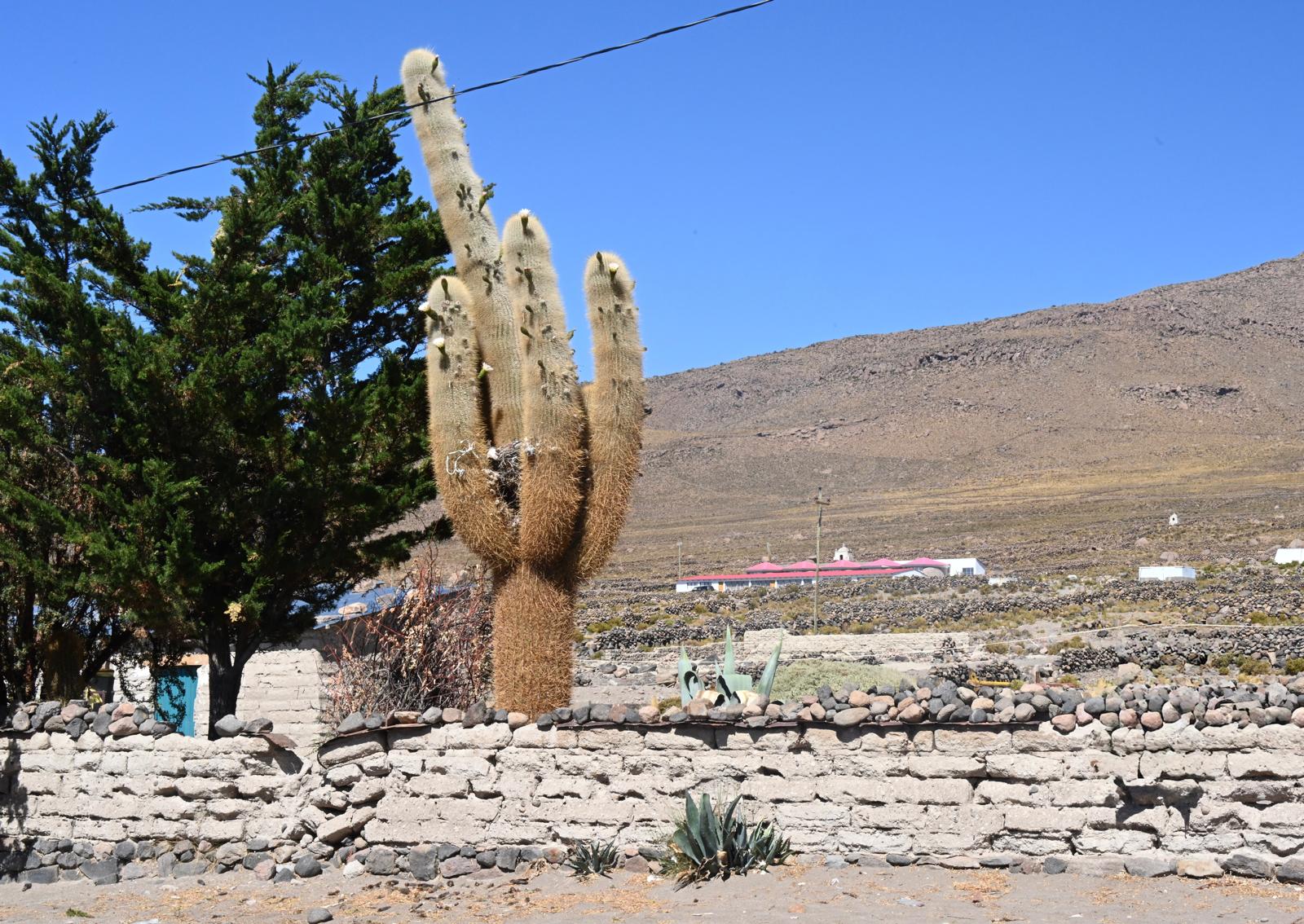
Another prominent thing around here is the Catcti Thrychosereus. They grow several metres tall and produce colourful flowers so it’s quite a prominent plant. Surprisingly, beneath the spiny surface is timber. The way these are harvested is they will cut the flowering tip off the top, cut the length out of the cacti, stick the flower back on, and take the length away to dry it and use it for the making of things. There is even a lampshade in the dining room at the hotel made of one of these. They are also used when they come to the end of their life and are dried out and preserved for making just about everything, from doors and door frames to maybe even coffins – but that’s a guess. In the hut at the museum I noted that even the roof was held up by timbers from the cacti, which had been plastered over and then a thatched roof put on top.
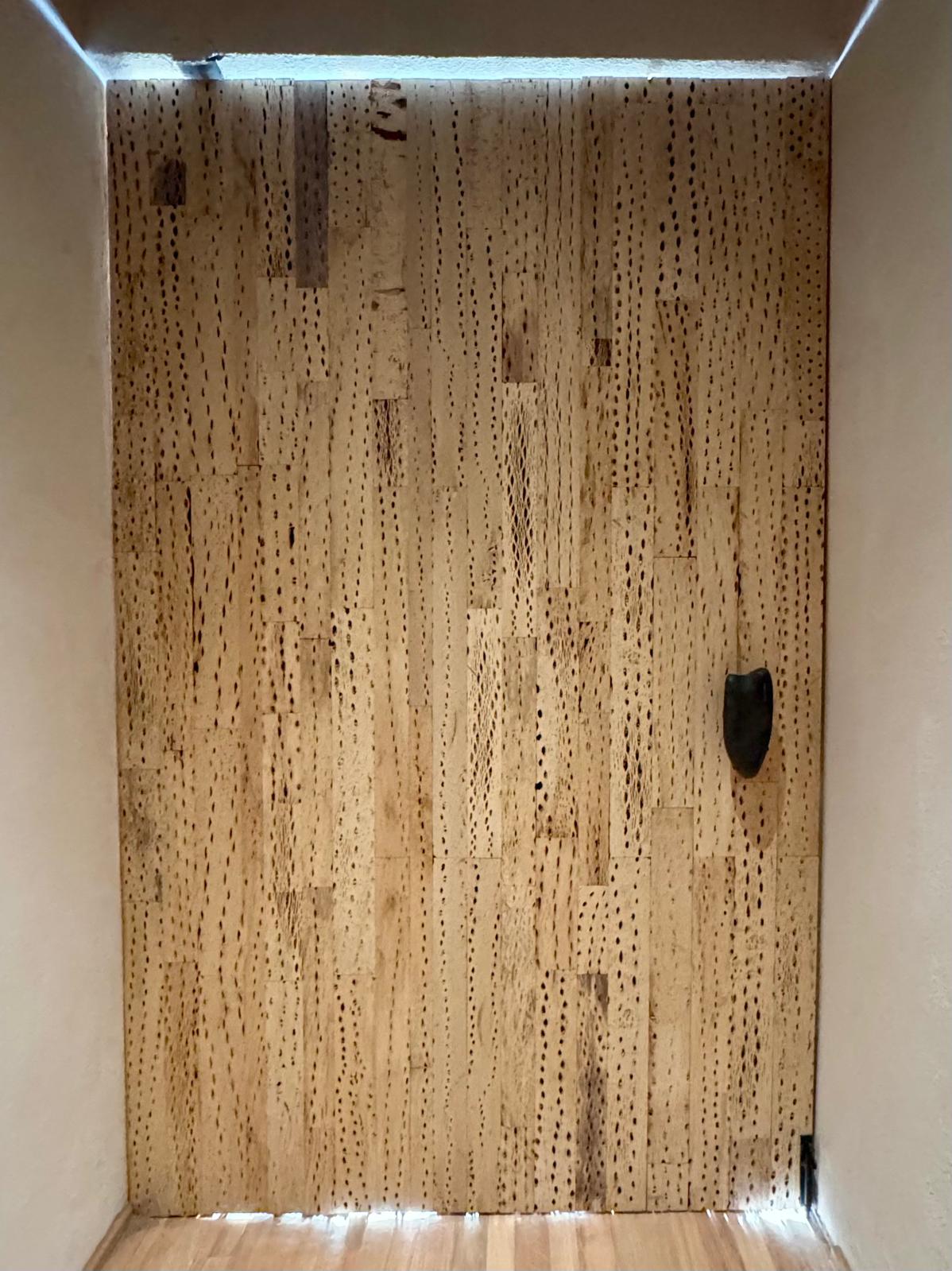
Cactus wood door at Casa Gaston
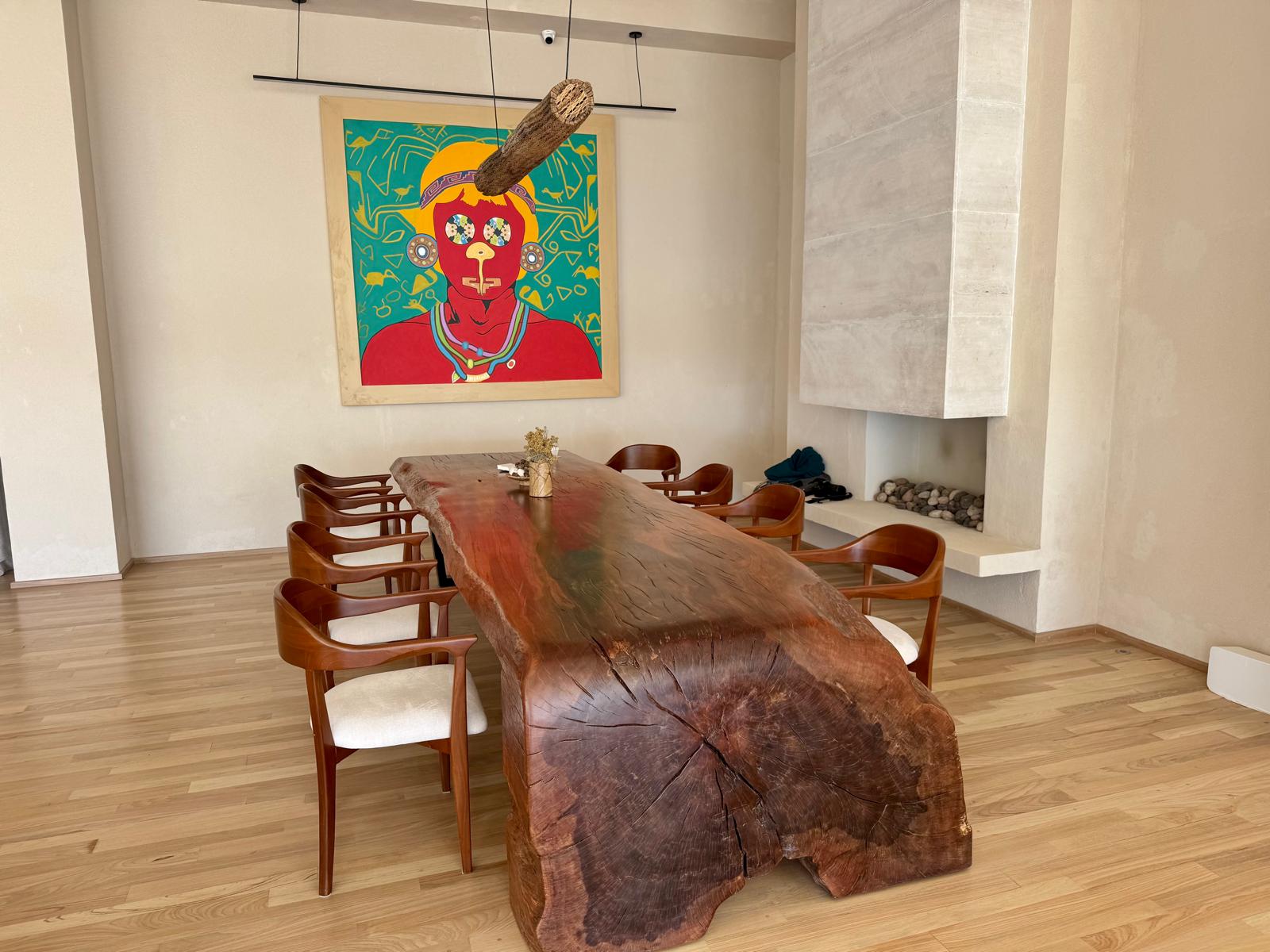
Cactus Lampshade at Casa Gaston
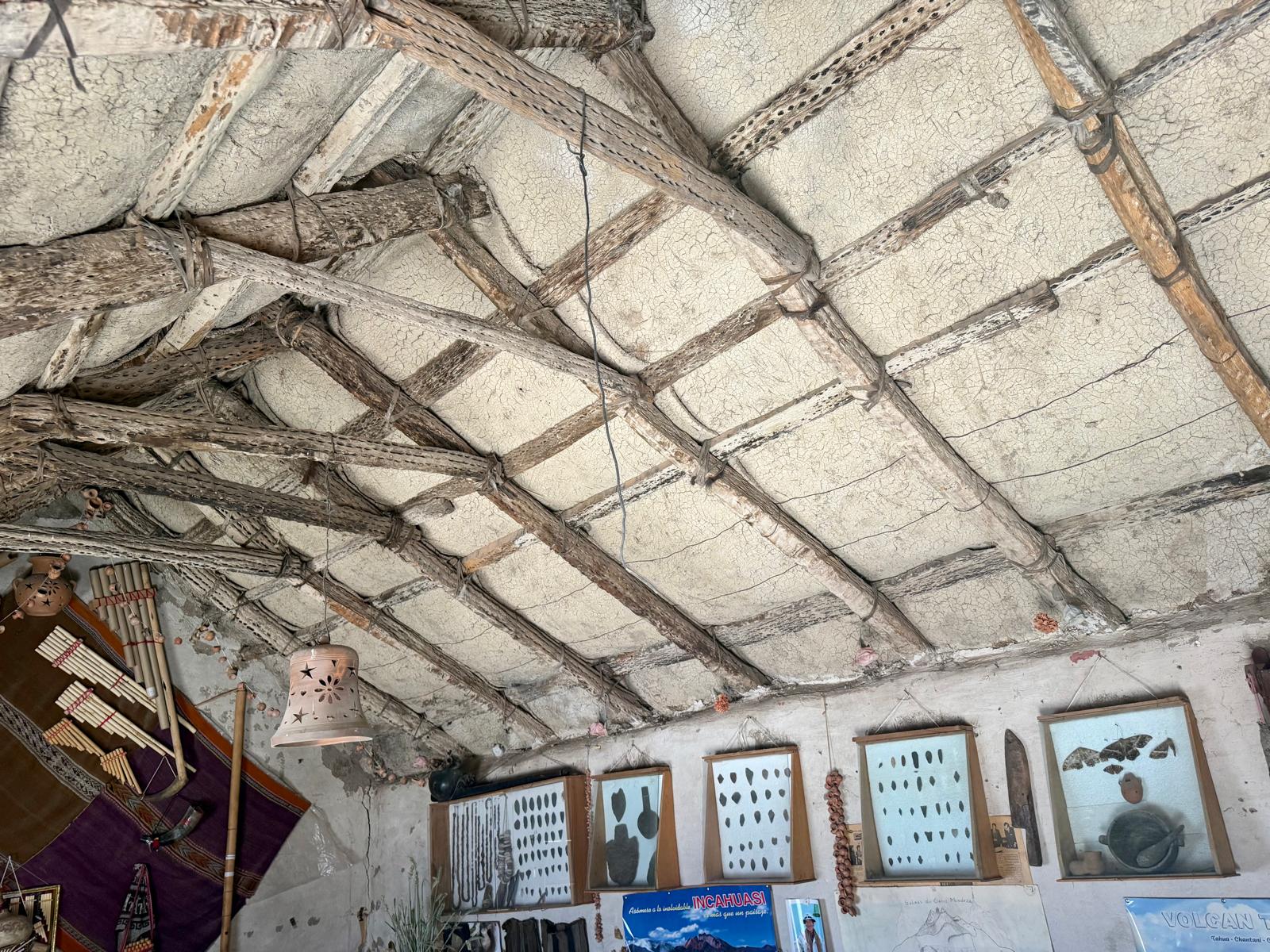
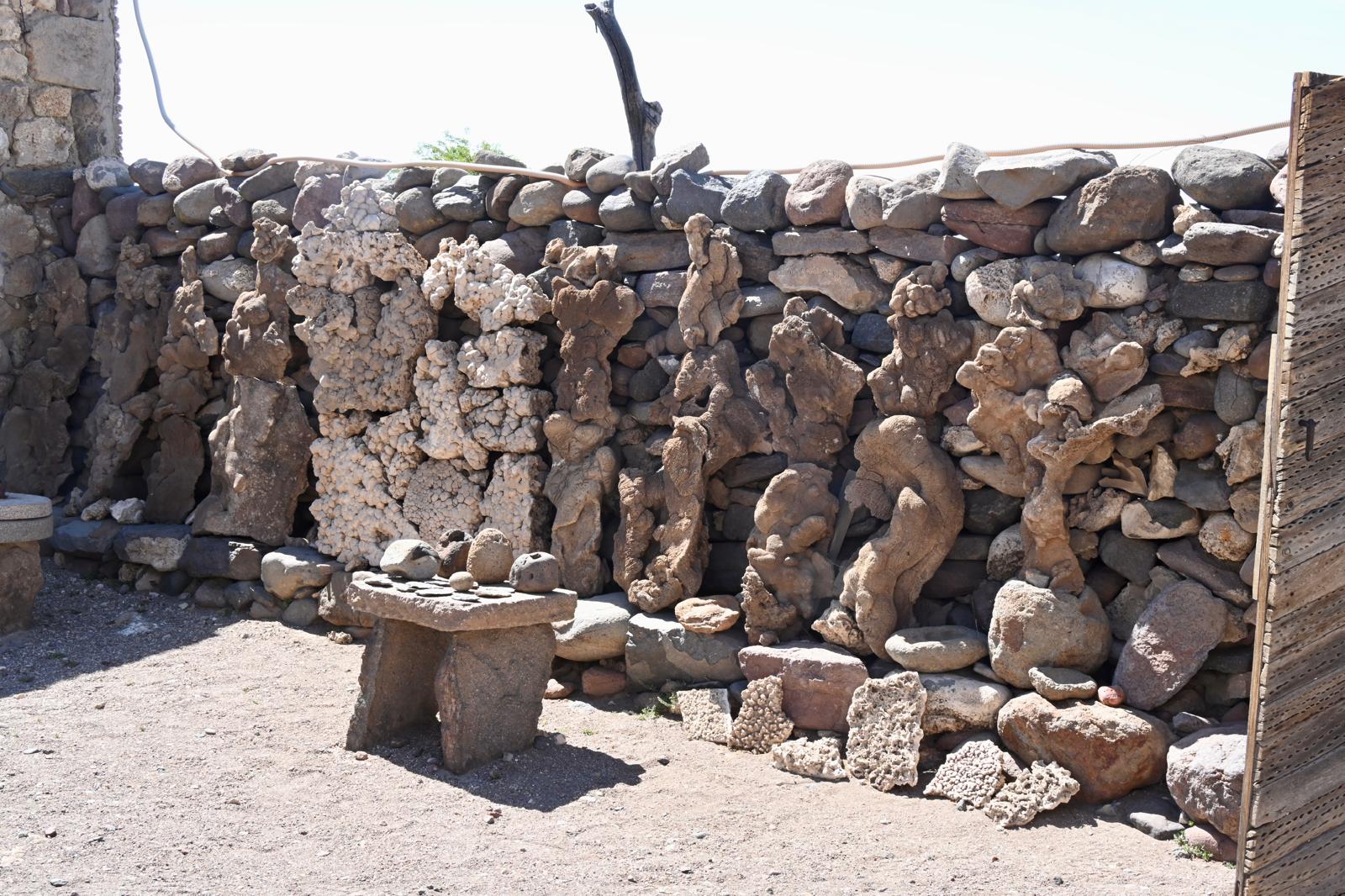
We then wandered across the road, where a local bloke had built himself quite a spectacular gallery. Among many cacti were numerous stone sculptures, some carved out and some just natural. There was also a small covered area containing the mummified remains, probably of Urus origin.
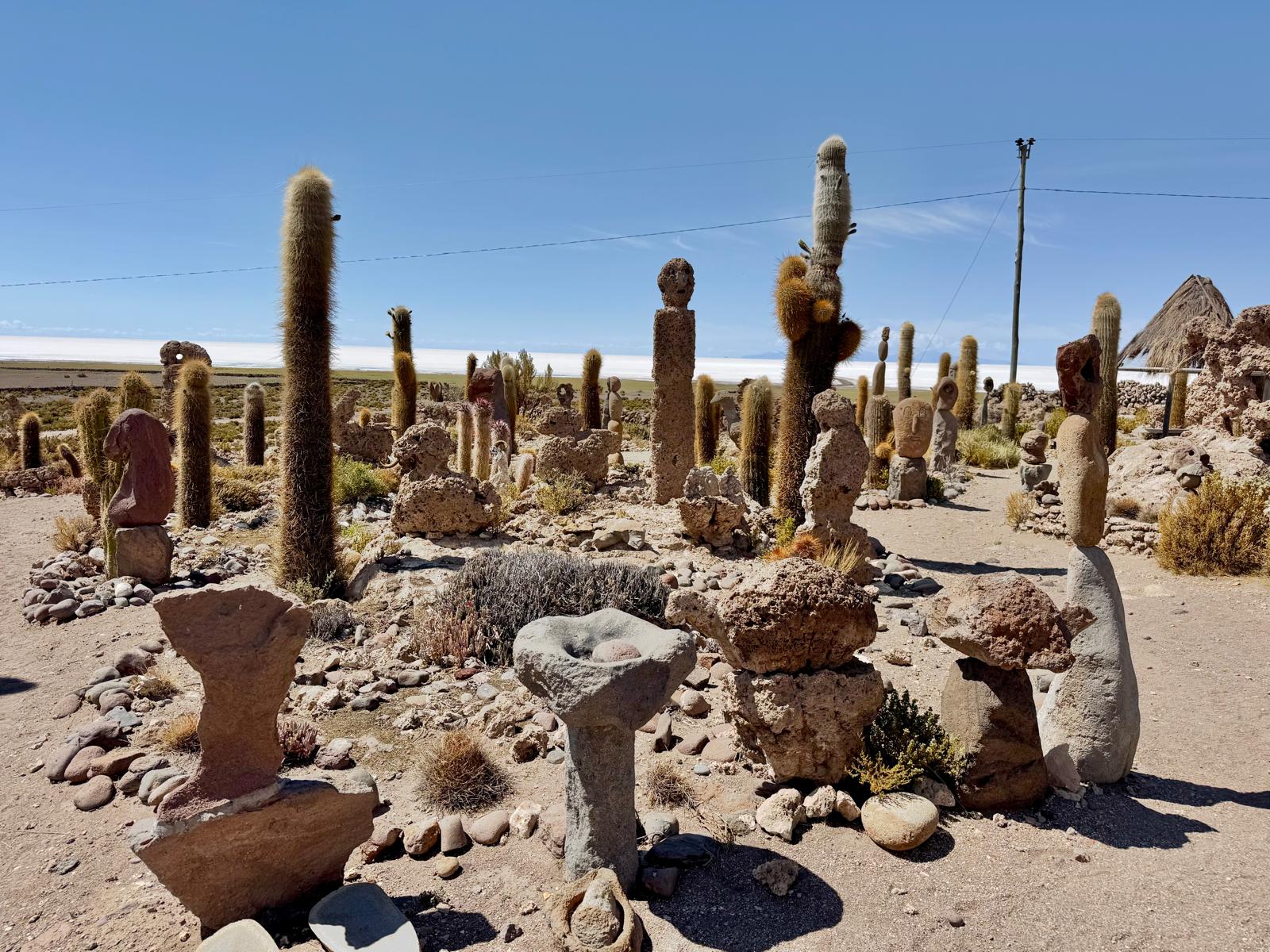
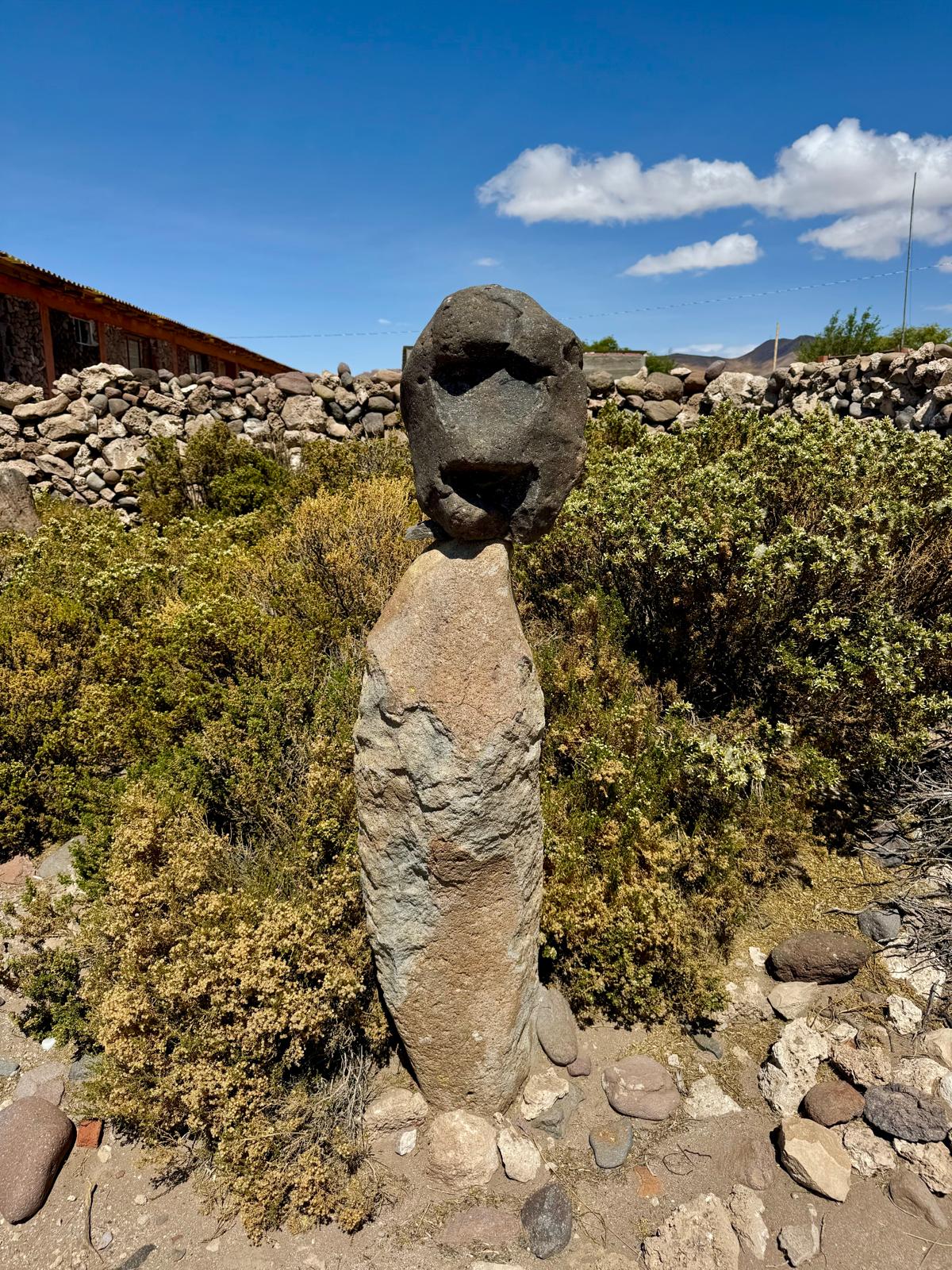
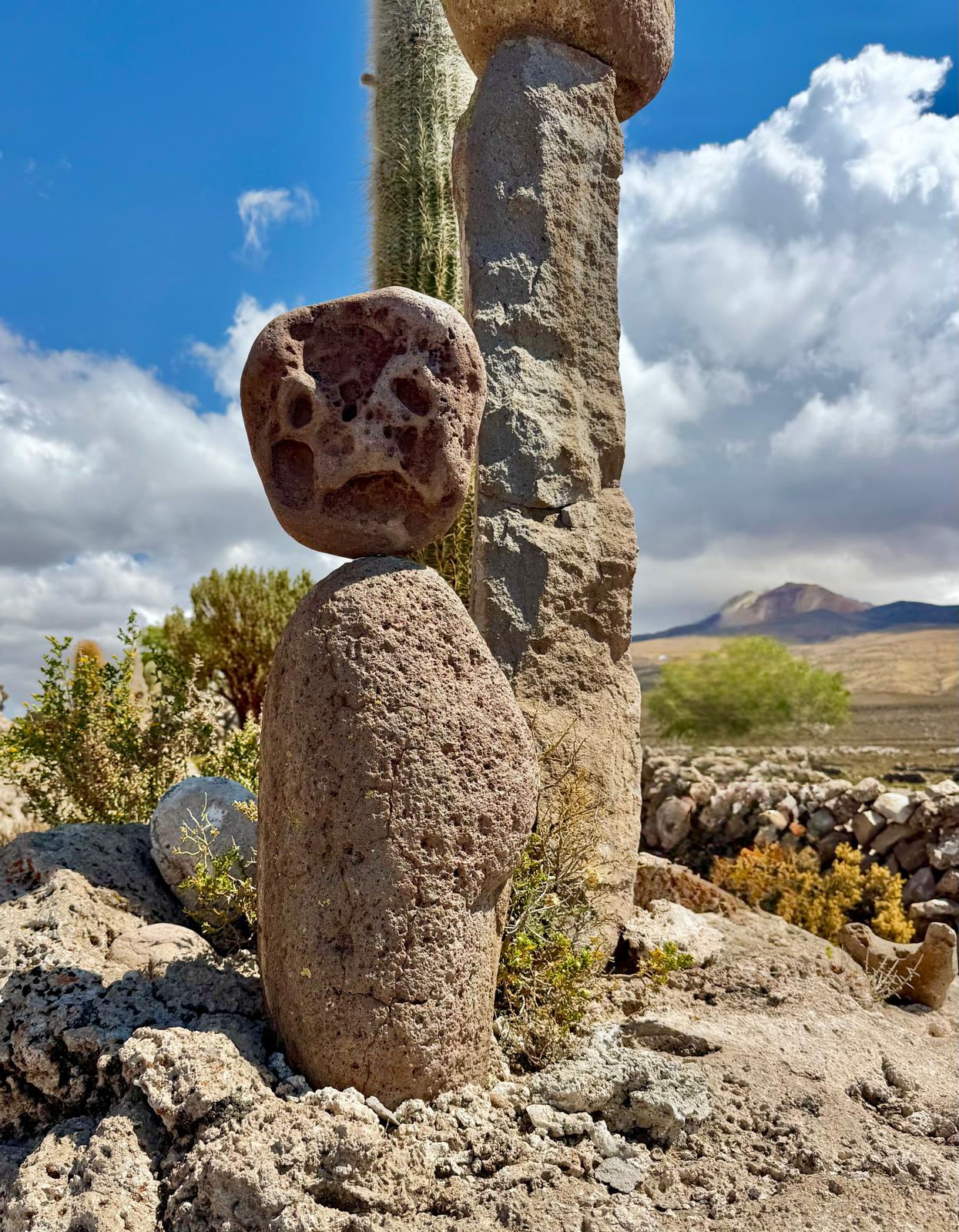
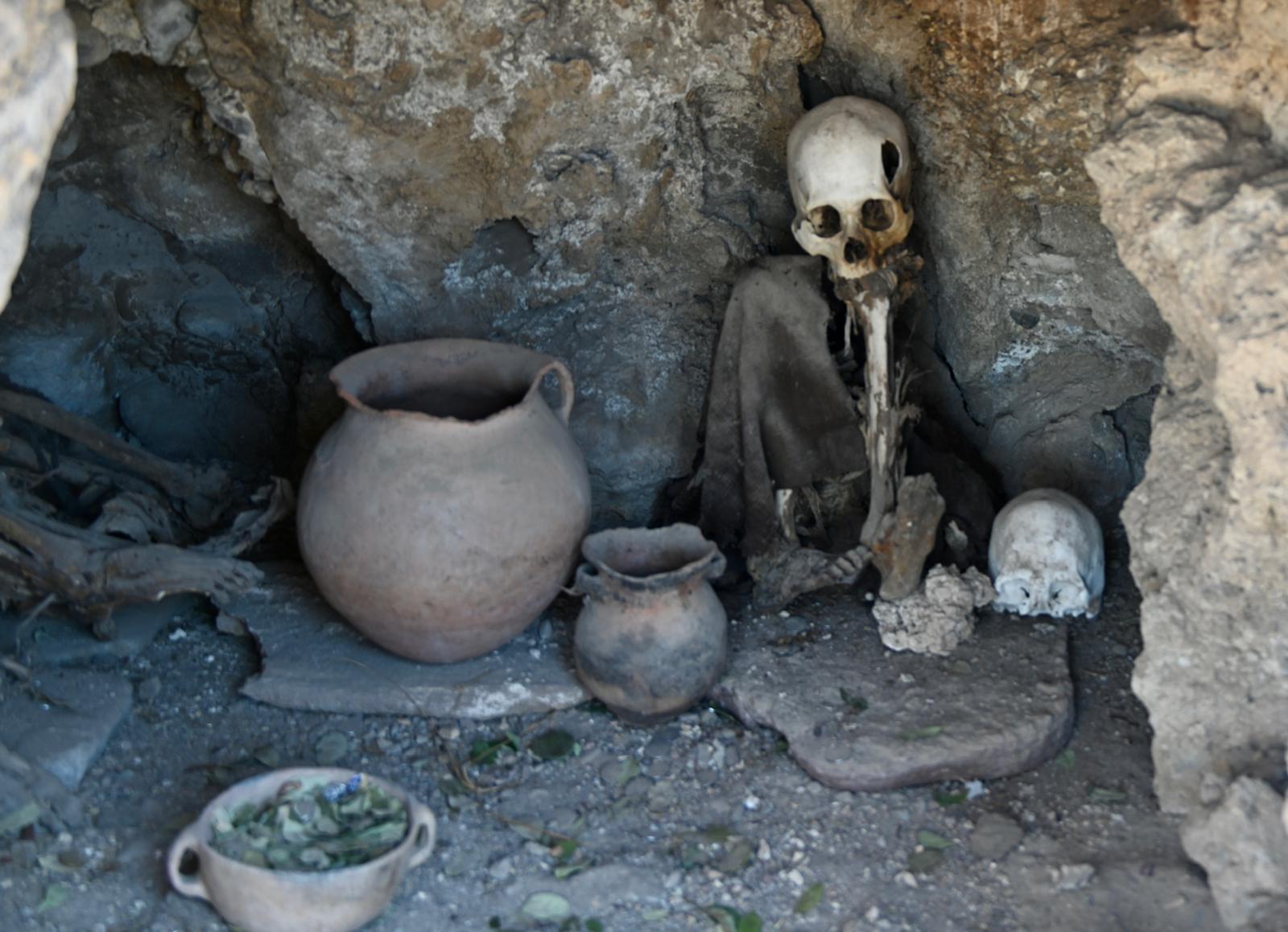
Back just a few million years ago there used to be an ocean here and there is still a lot of fossilised coral around now. This is used not only for sculptures, but is also used as a building material, and has been used to make the arch in the hotel we’re staying in.
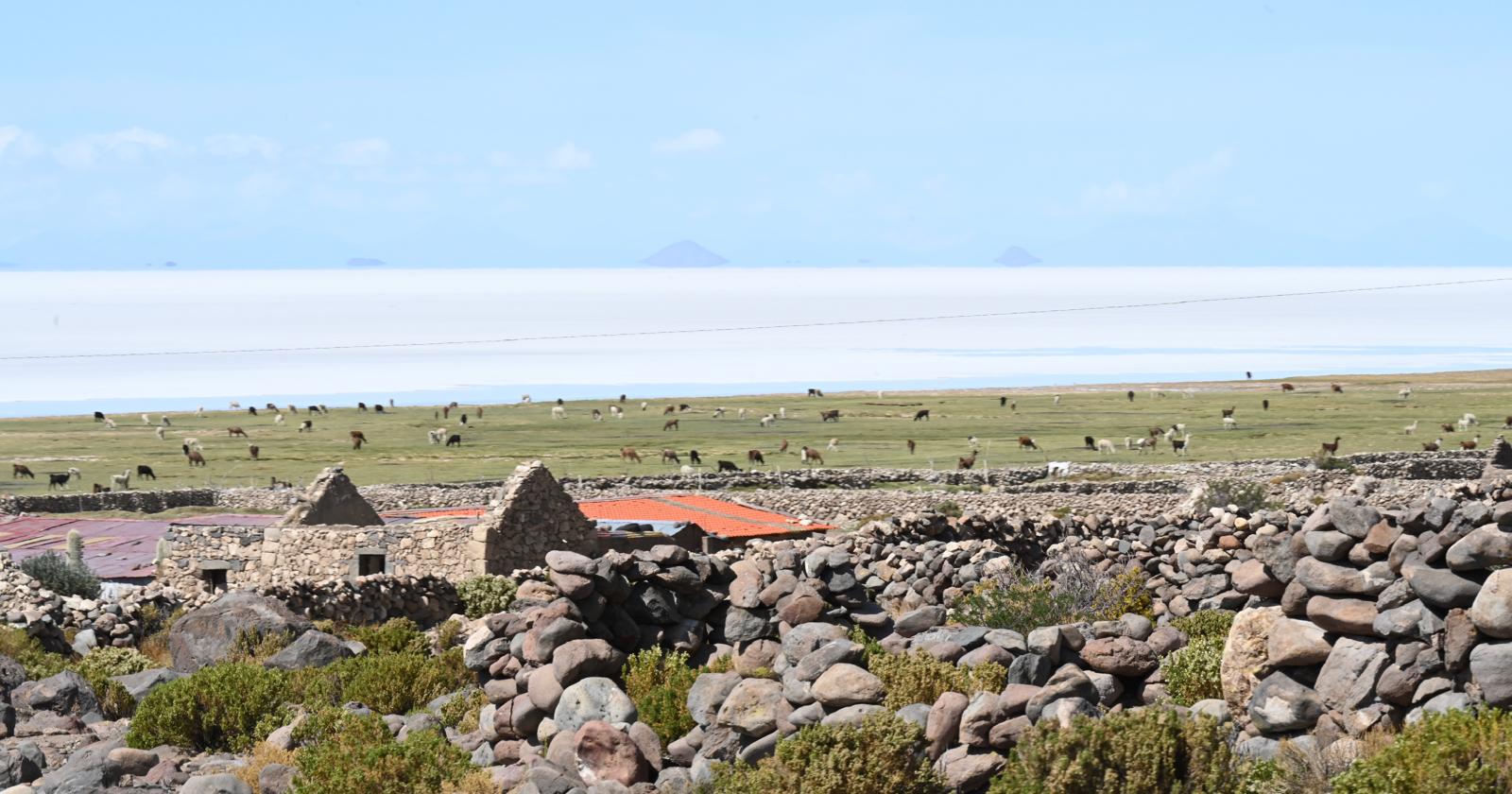
Looking out from the gallery we could see hundreds of llamas grazing away on the paddocks. These are all stored inside at night and kept behind the stone walls to be safe from the foxes and other predators.
We headed back not too far down the road before turning down onto the Salar. One thing about this part of the journey is you know it’s going to be dead flat and there aren’t even any potholes. About 45 minutes later we arrived at Incahuasi Island. Rising about 100m out of the salt and being less than a kilometre long it has an amazing array of cacti, along with a small museum, a restaurant and bathrooms etc. We climbed up the rough track that had been cut into the stone and got a great 360 degree view over the Salar from the top across the desert.
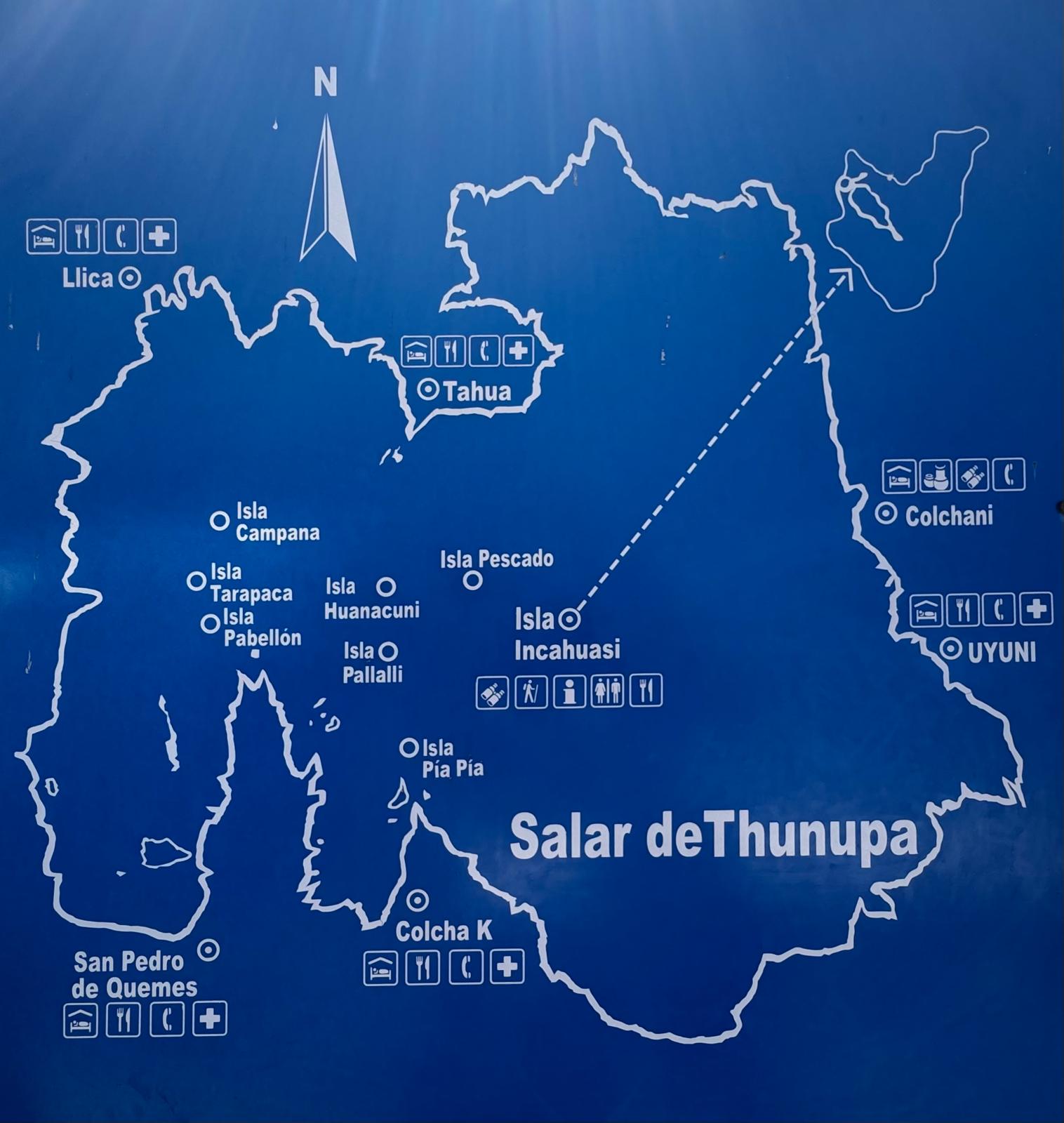
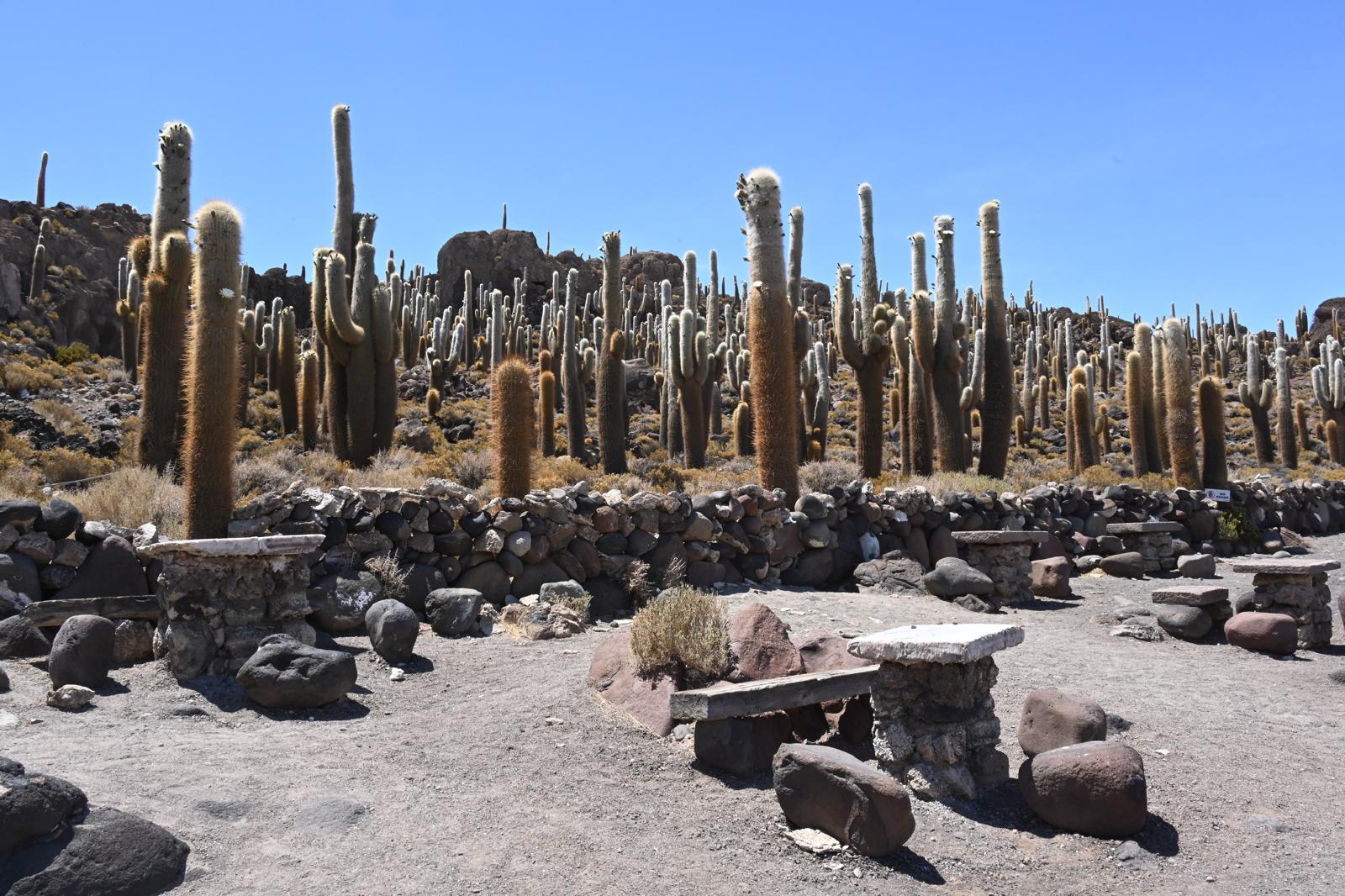
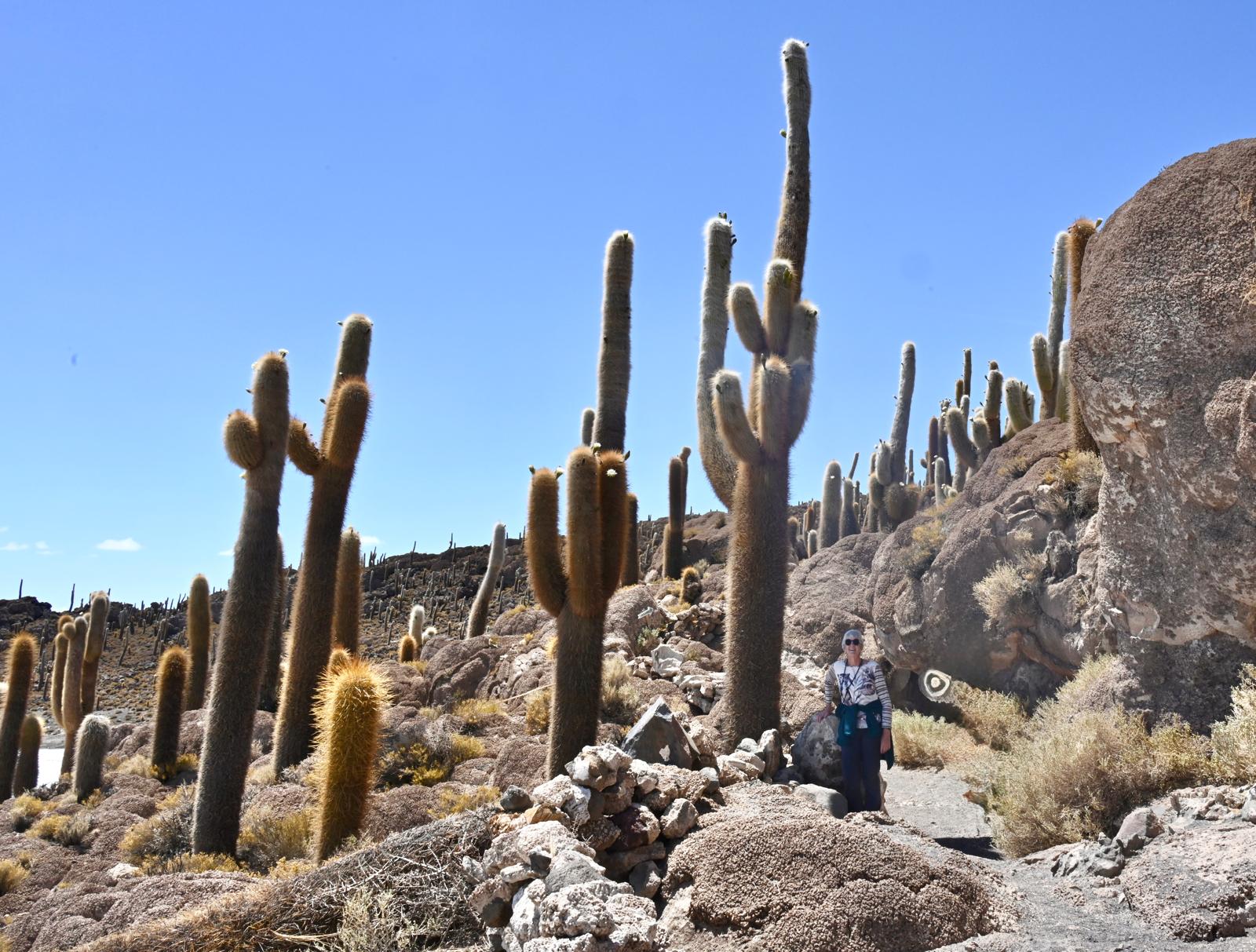
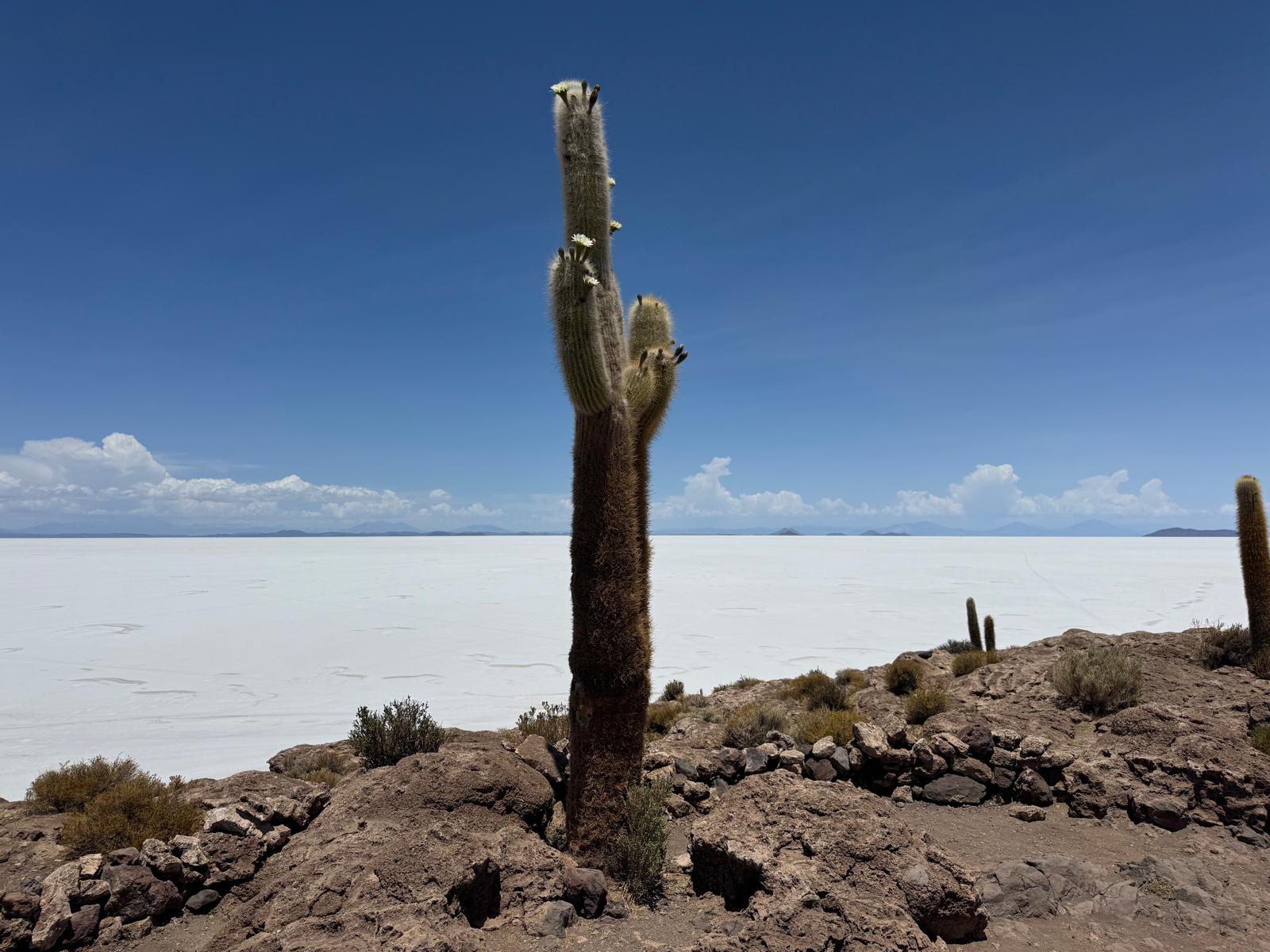
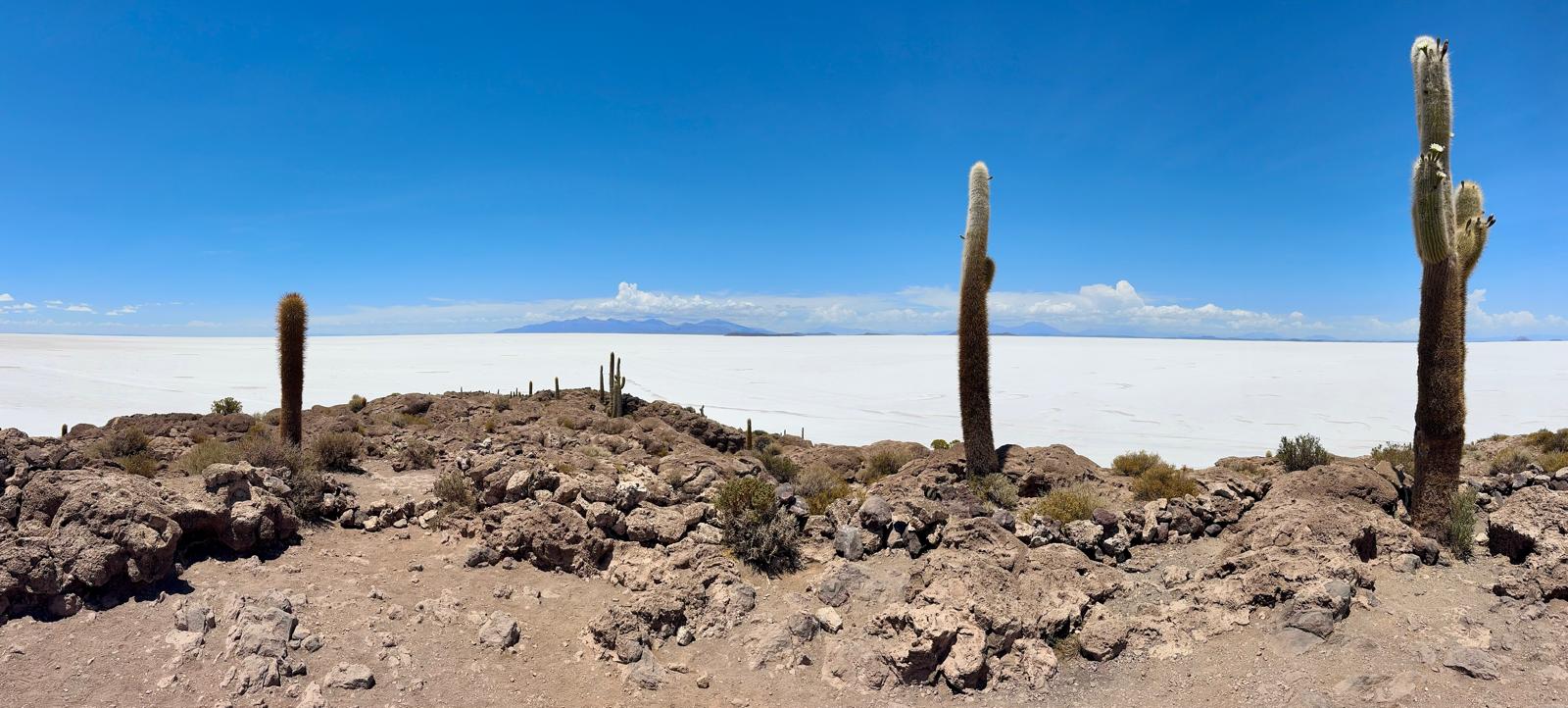
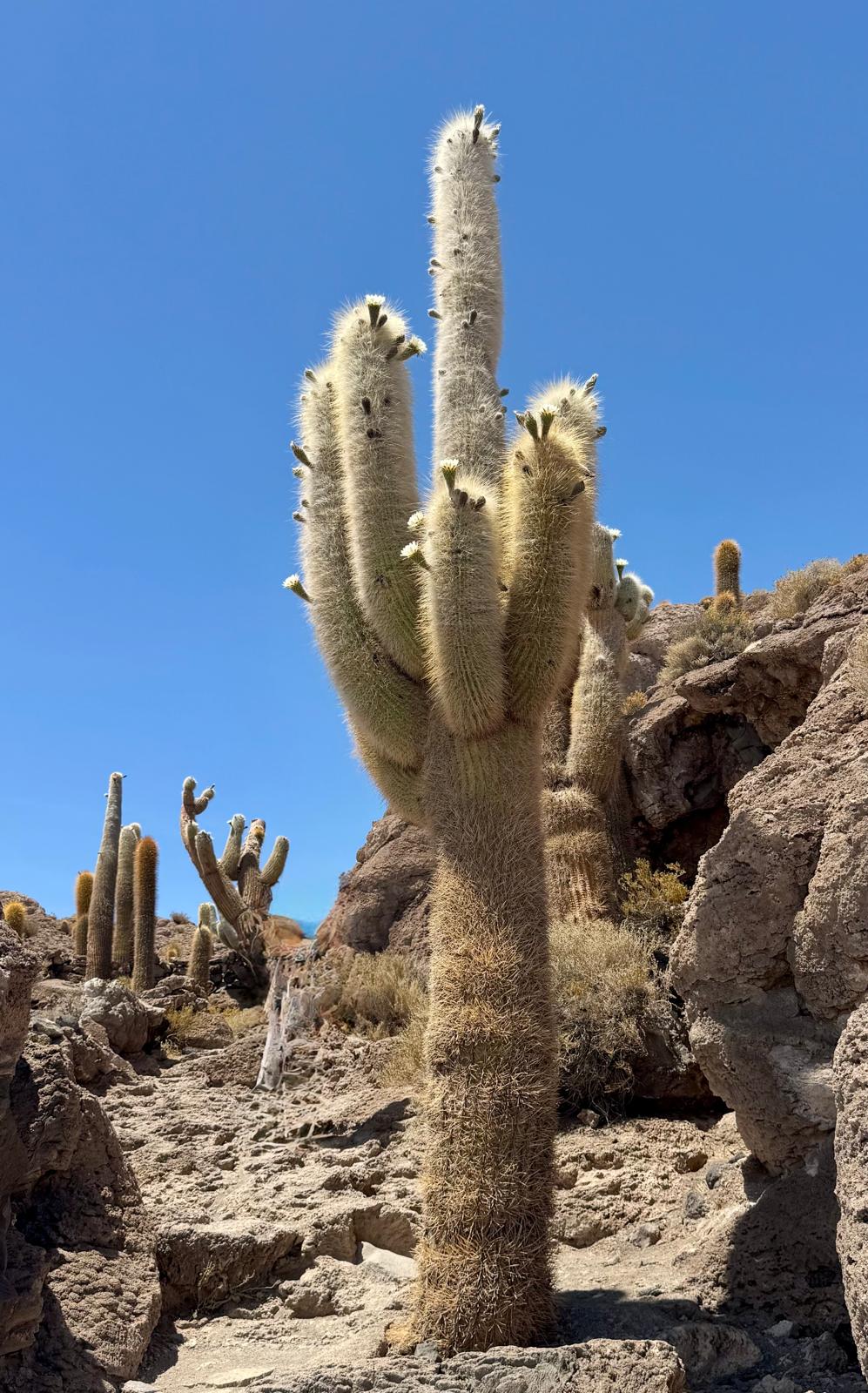
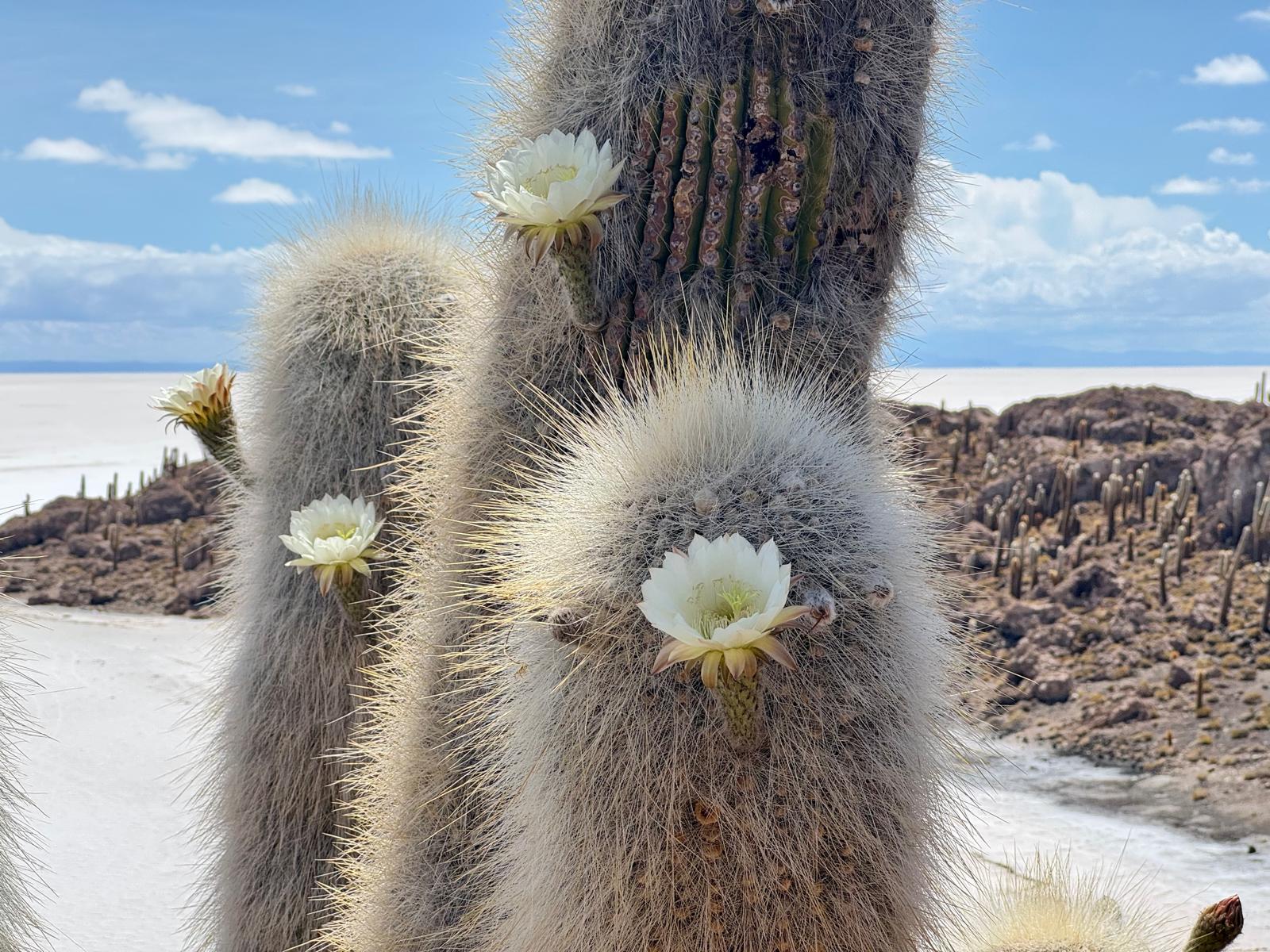
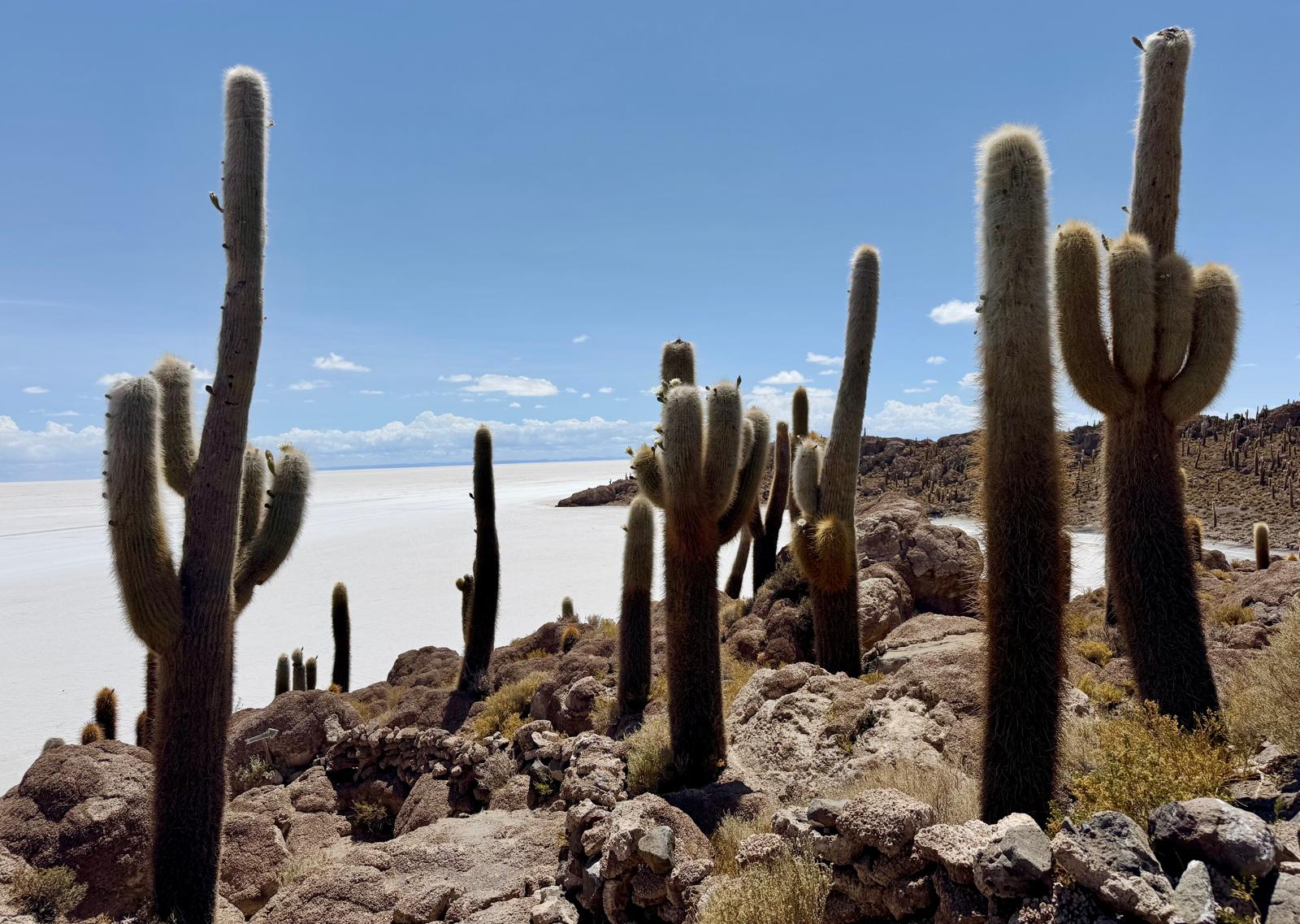
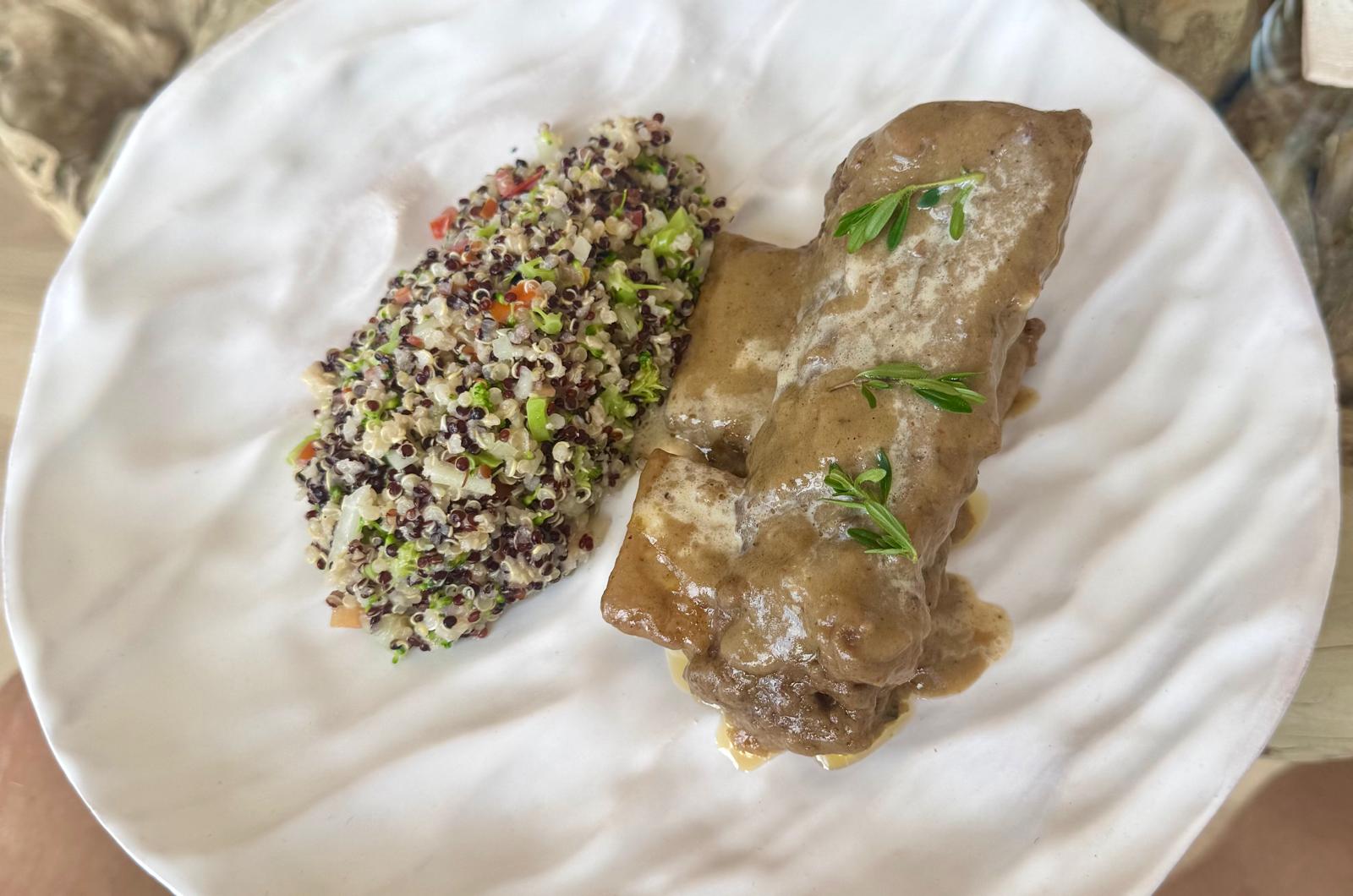
We then headed the 40-odd minute drive back to the hotel where lunch awaited us. Similar to the dinner last night the three courses brought out to us were very well presented on various platters. There is no choice of menu and we only know what we are to eat once it arrives. The meals all feature local produce and are rather tasty.
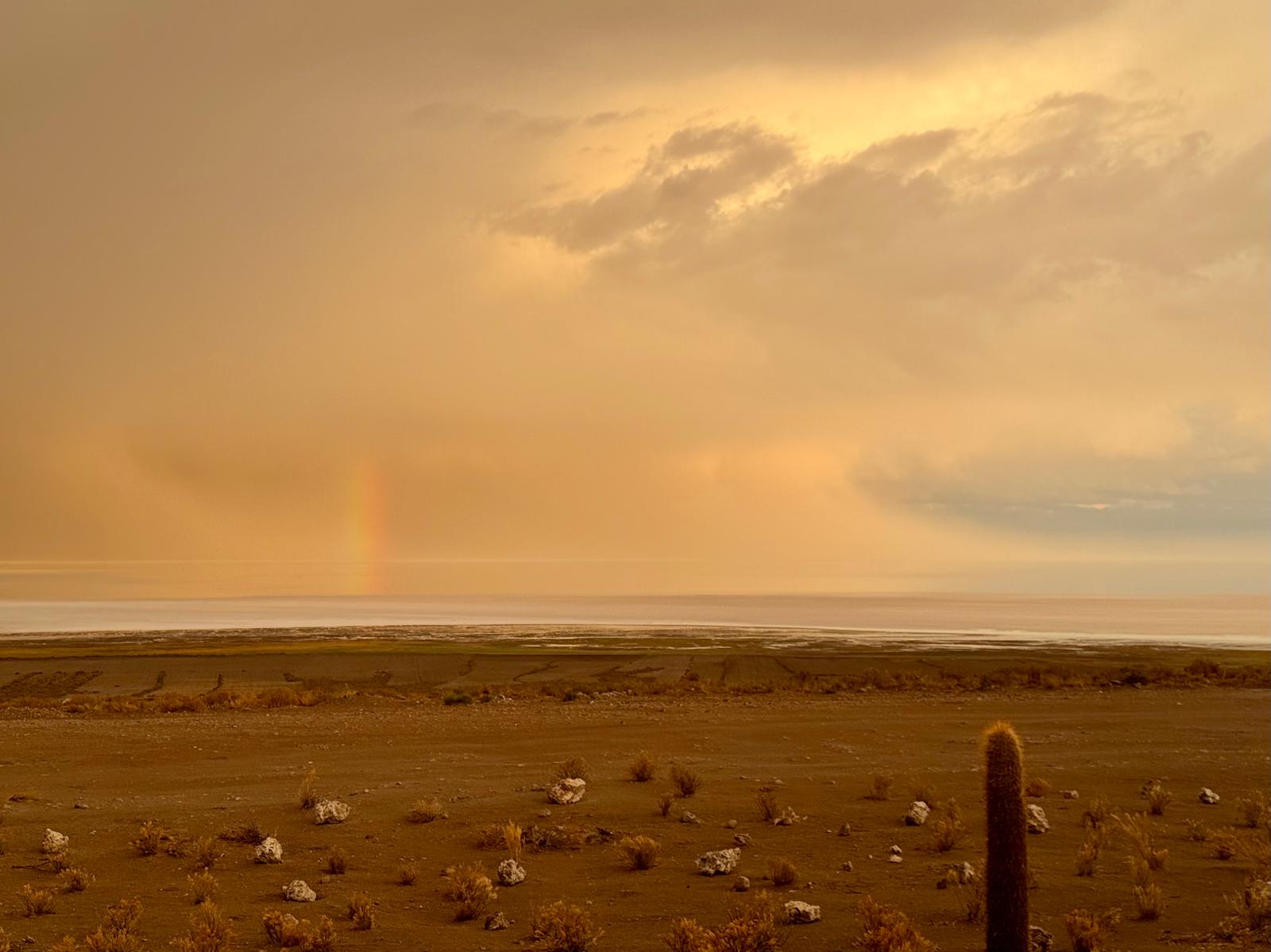
That was our day’s activities completed so we spent the afternoon relaxing, at one stage contemplating going up on the roof and hopping in the spa pool they had prepared for us. About that time a large thunderstorm arrived with lightning and thunder very close. We decided it was probably not a good time to be sitting in a pool and playing lightning conductor in a thunderstorm. When the storm cleared towards the evening you could see a large body of water on part of the lake. It’s funny how they keep telling us this is the flattest place in the world, but it’s not because the water would have spread all over if it was.
Tuesday 10 November 2026: Uyuni – Sylvia
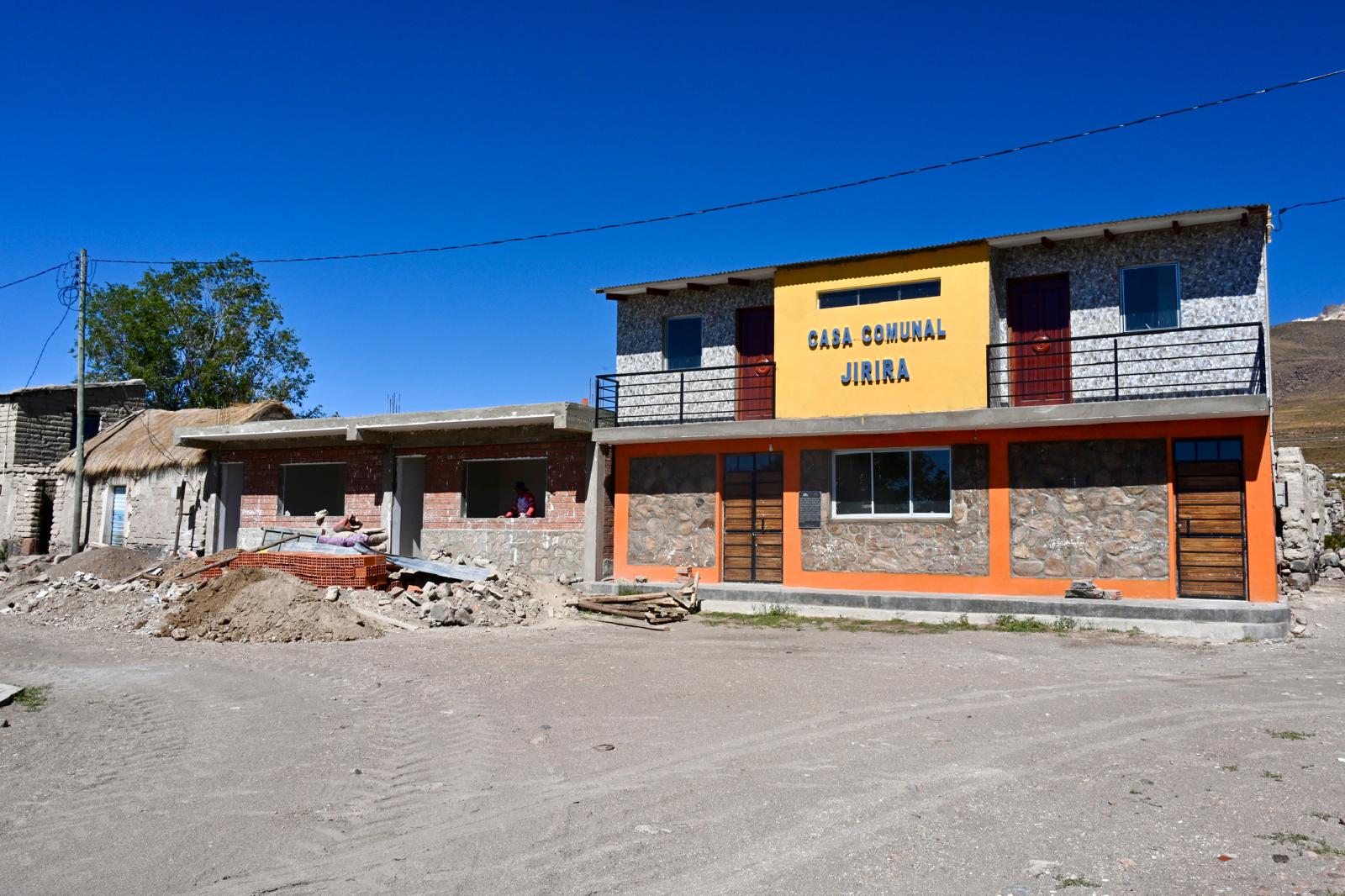
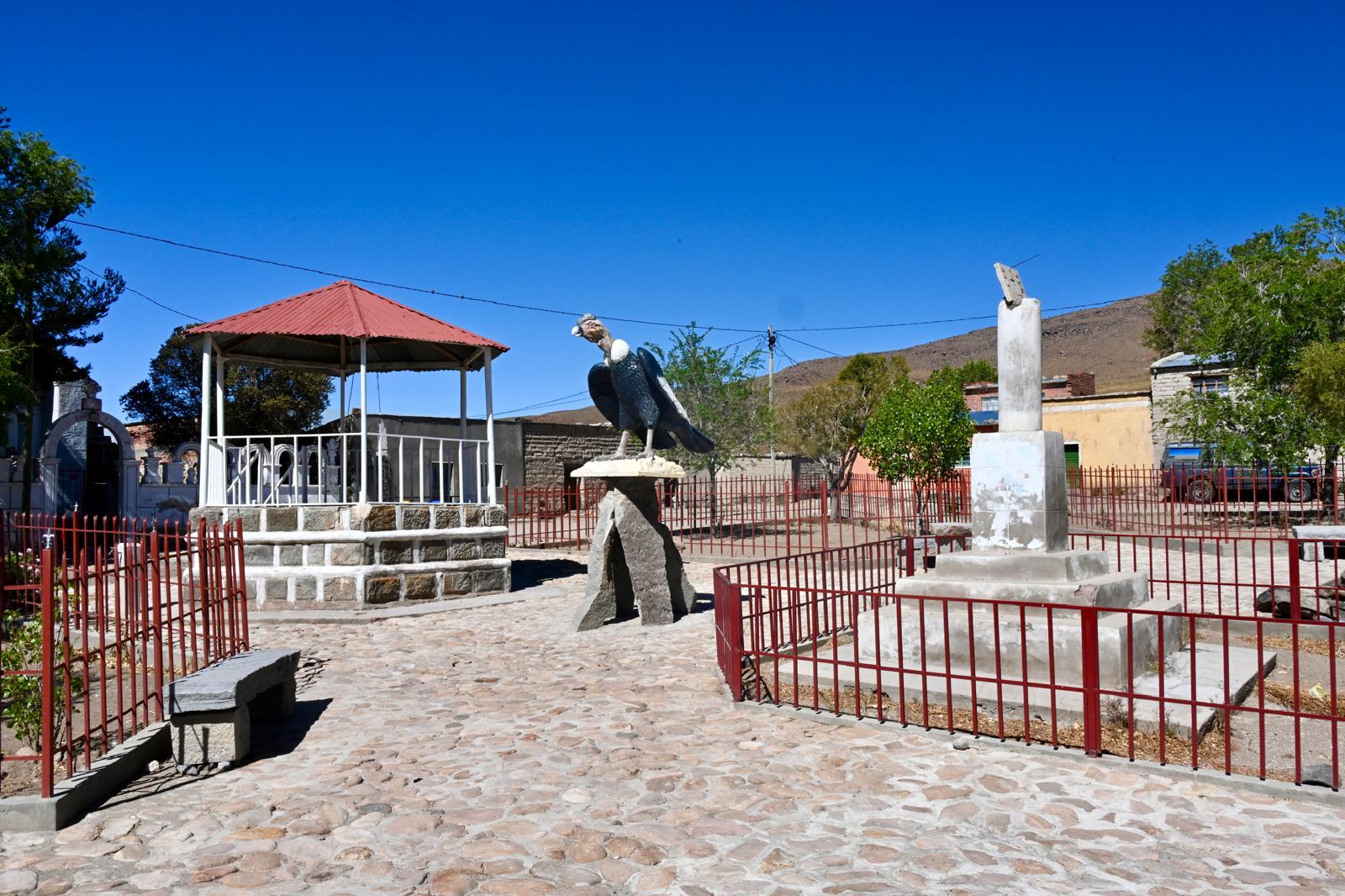
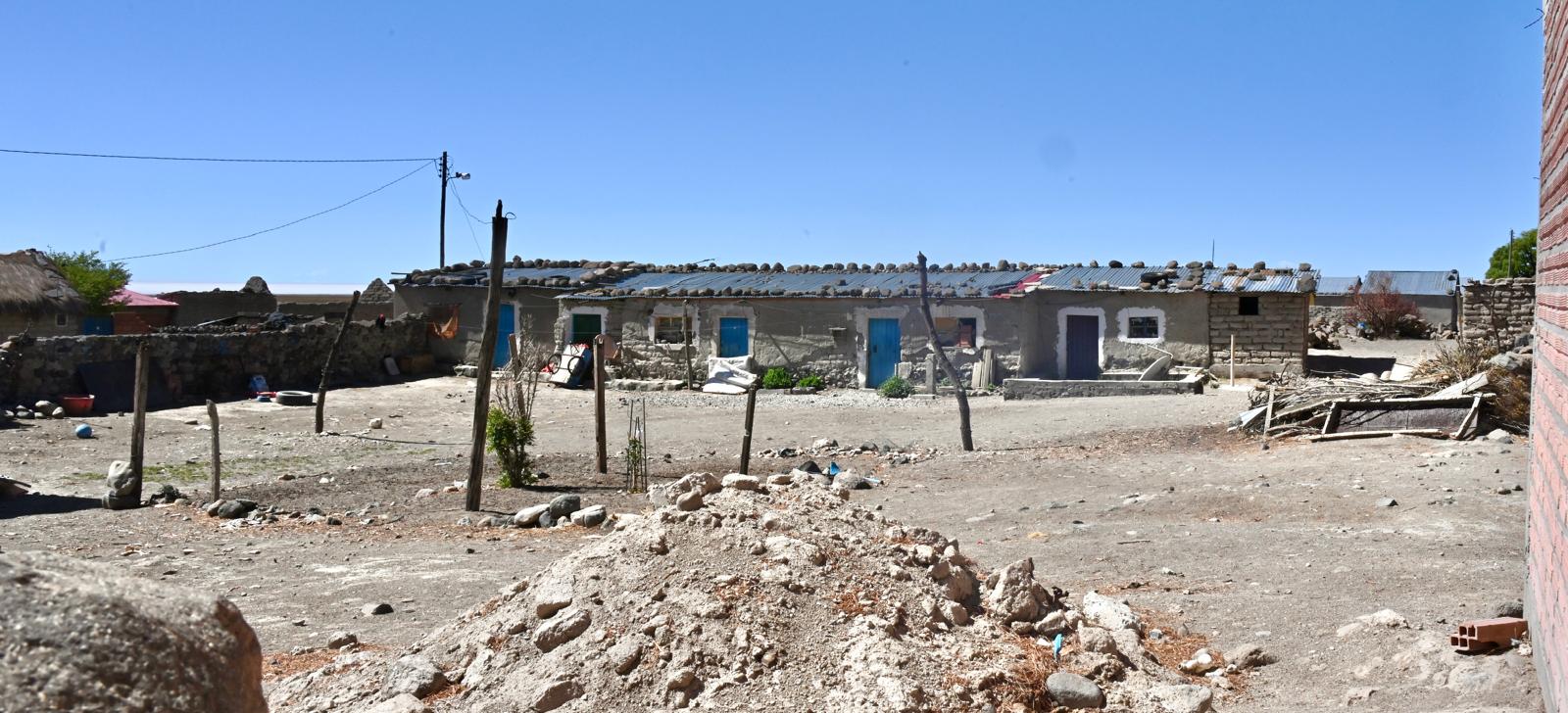
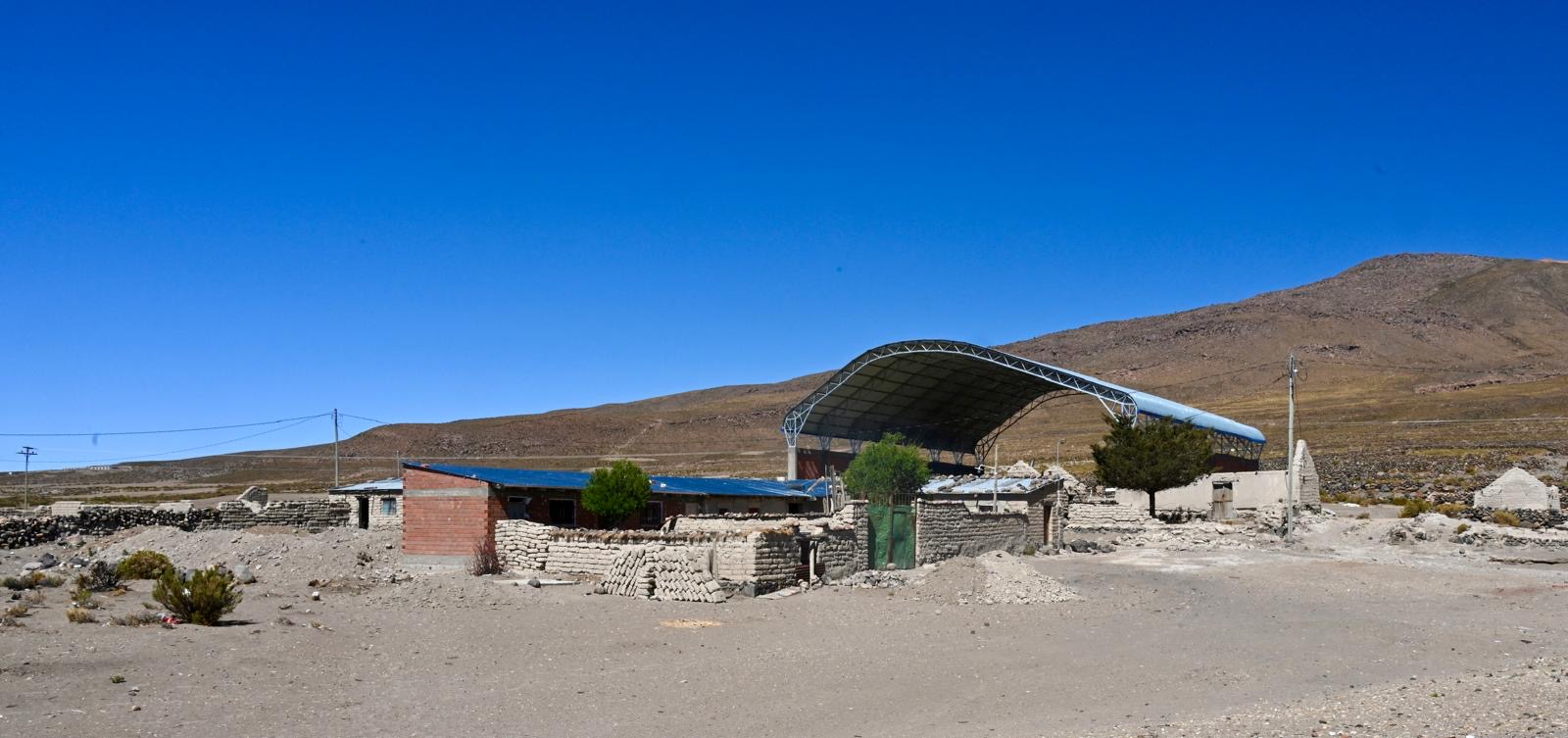
After the rain last night it was lovely to wake to a clear day. The rain had left great puddles on the Salar and these reflected the sky beautifully. After breakfast we met our guide, Jorge, and driver, Franz and drove the few minutes to the nearby village of Jirira. There we dropped Roger off to explore and walk back to the hotel. It is a small village with a relatively new community hall. Many of the homes still use rocks to hold down their roofing iron. And, as in many small towns in South America, they are investing in a sports arena to play football and basketball… it’s a pretty basic one but nonetheless…
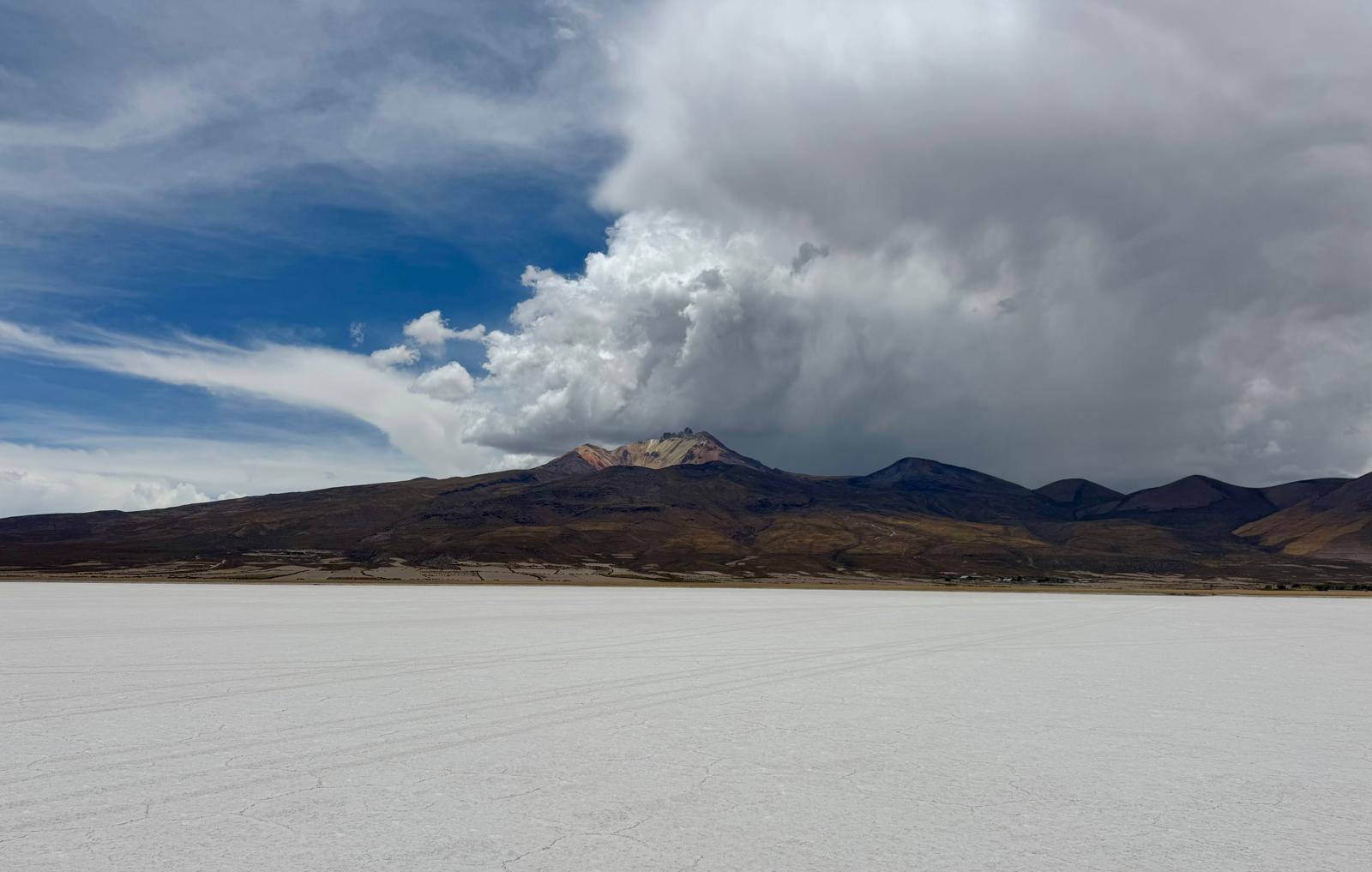
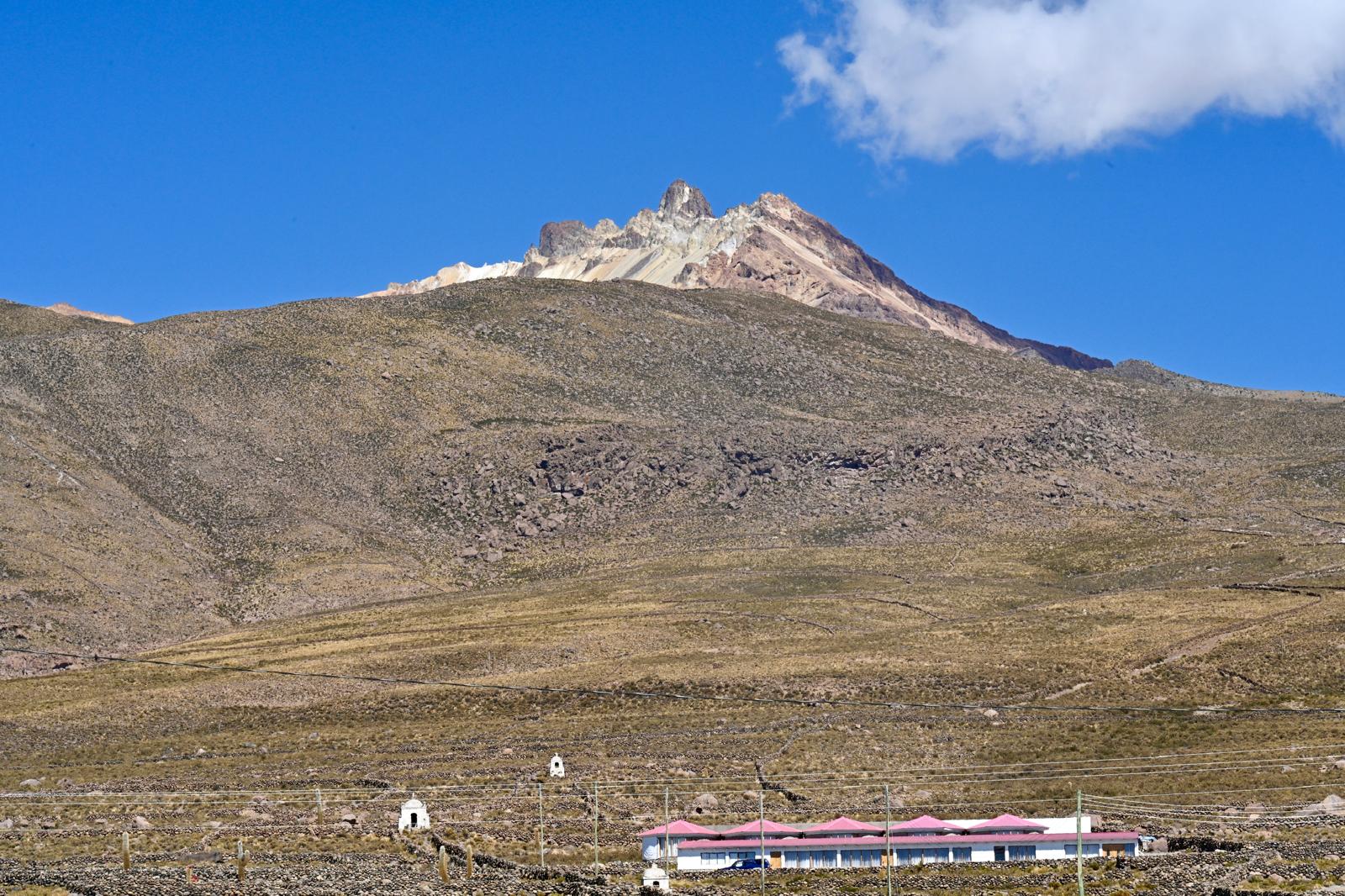
While Roger explored Jirira, the rest of us continued up towards Mt Thunupa, the volcano that sits just behind our hotel. At ~5,400m it is quite imposing with a large crater, streaked with multiple colours. We drove slowly up and up a heavily rutted road until we reached the point we could go no further. From there, Jorge and I climbed up a little further to get fantastic views back over the Salar and the crater. It was about 4,600m, the highest I think I have ever been, and while I was absolutely fine, I could certainly feel the altitude. I was quite glad we were not planning to climb all the way to the top – we were on the wrong side of the mountain for that. Still, it felt a bit like being on top of the world. The water on the Salar reflected back the clouds making for some surreal landscapes. Sorry – the pictures really don’t do it justice.
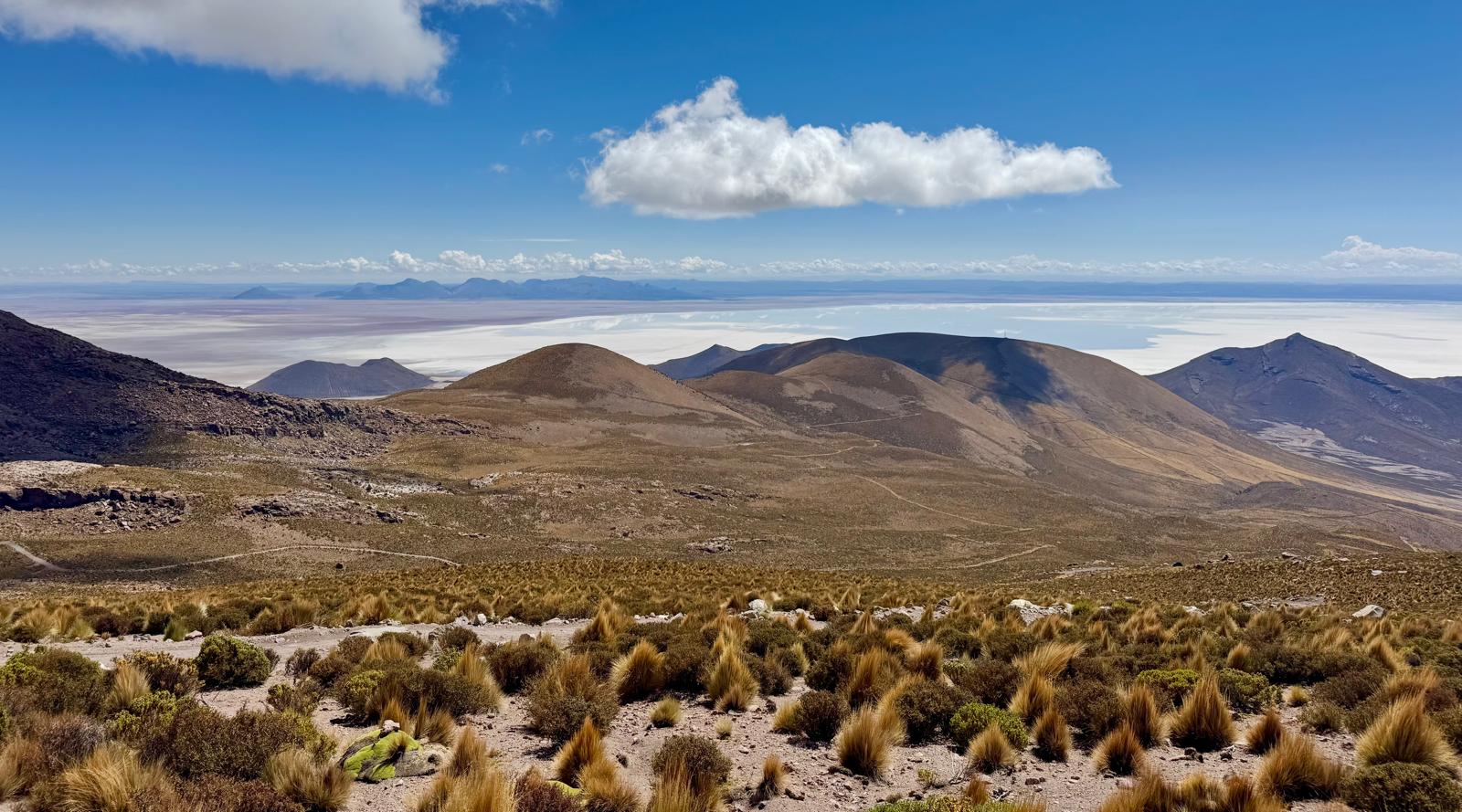
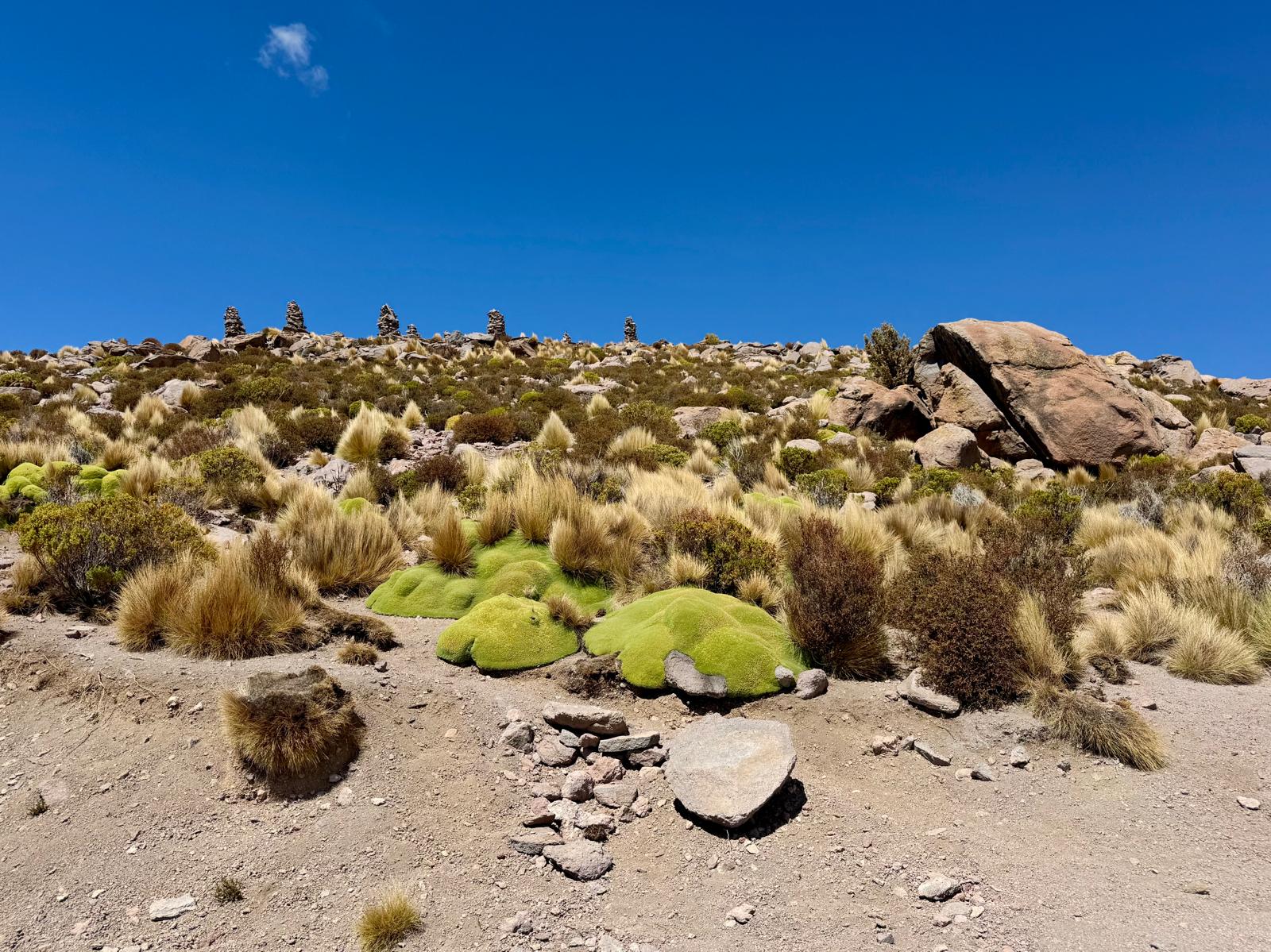
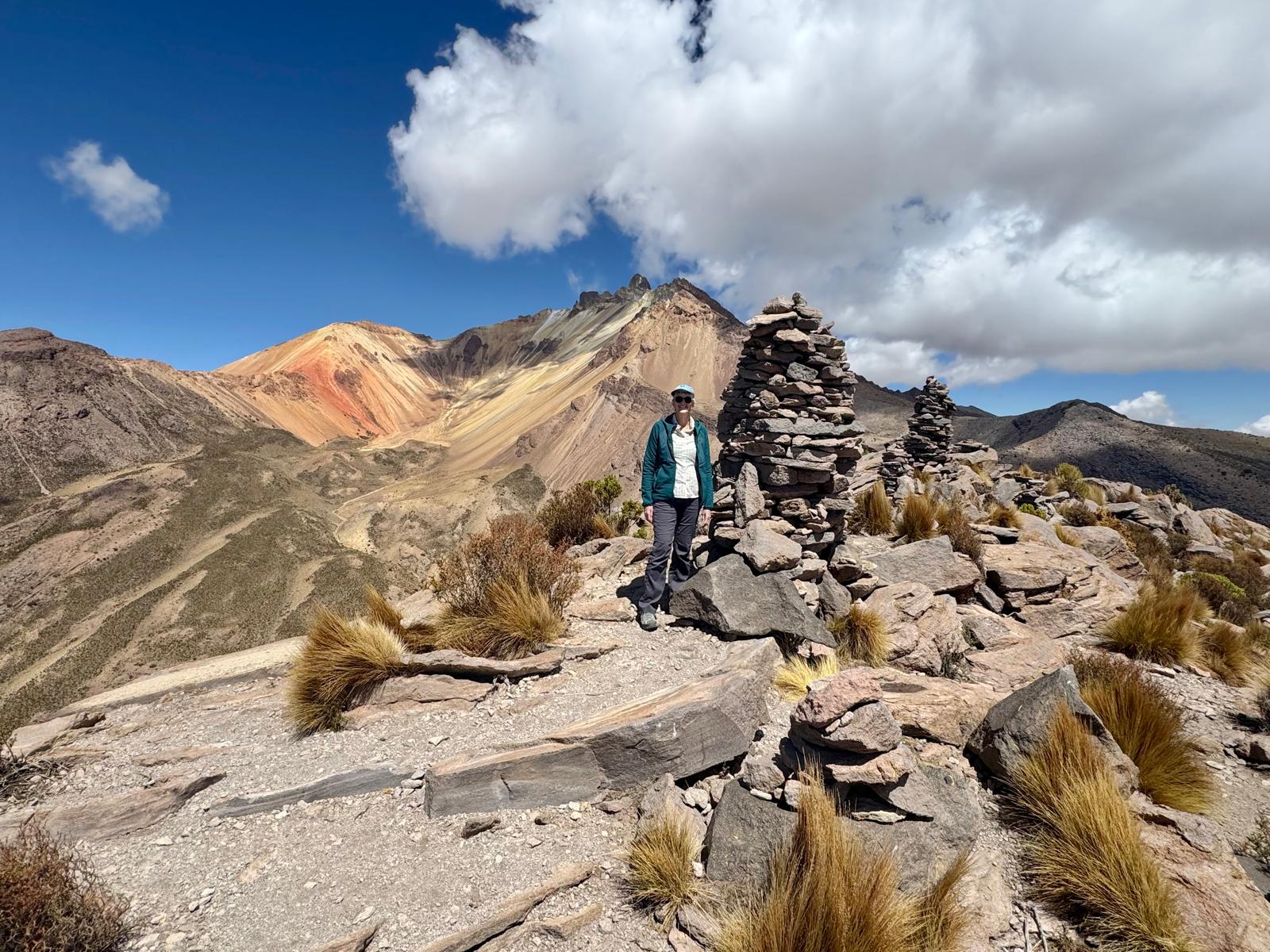
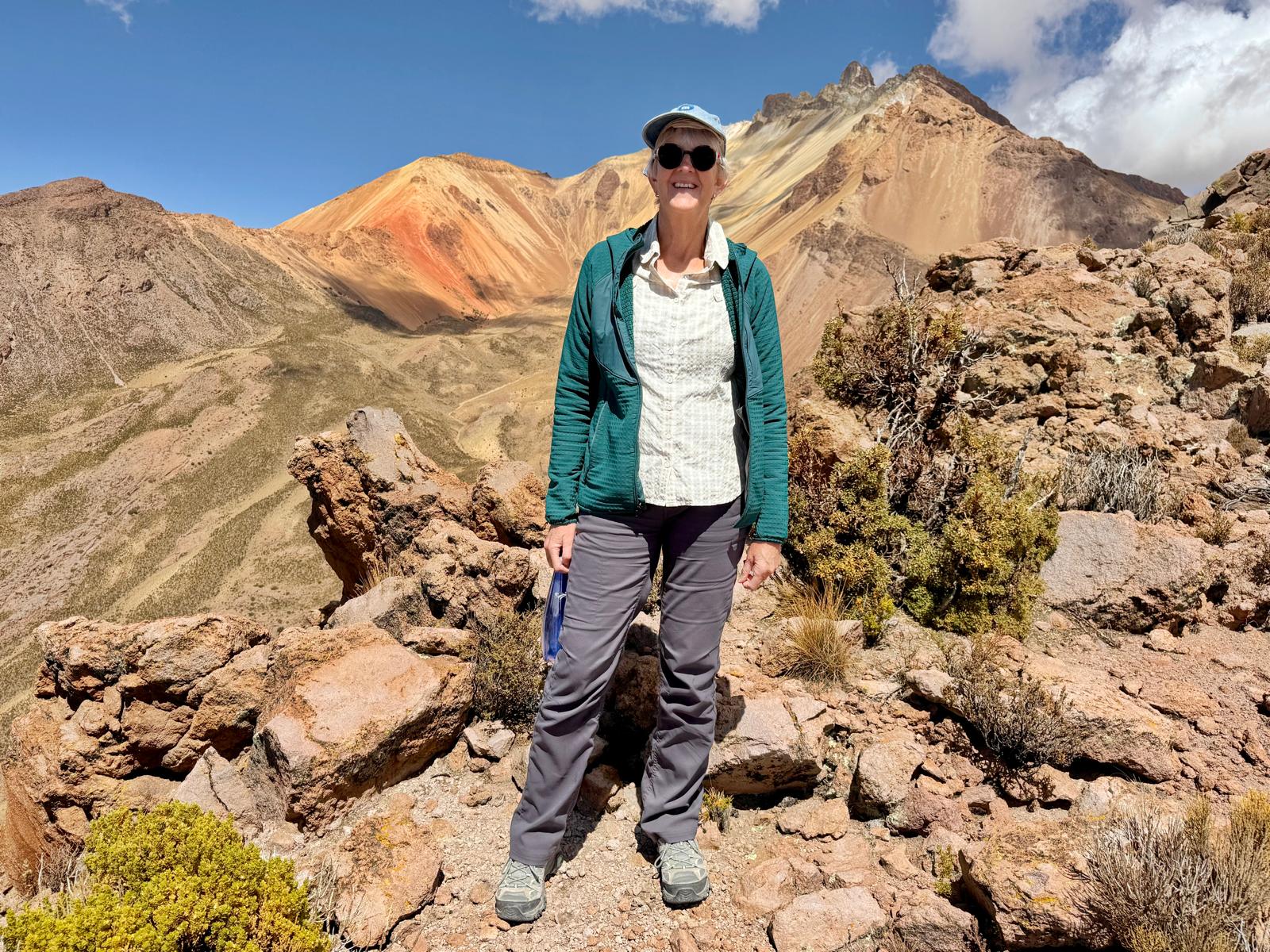
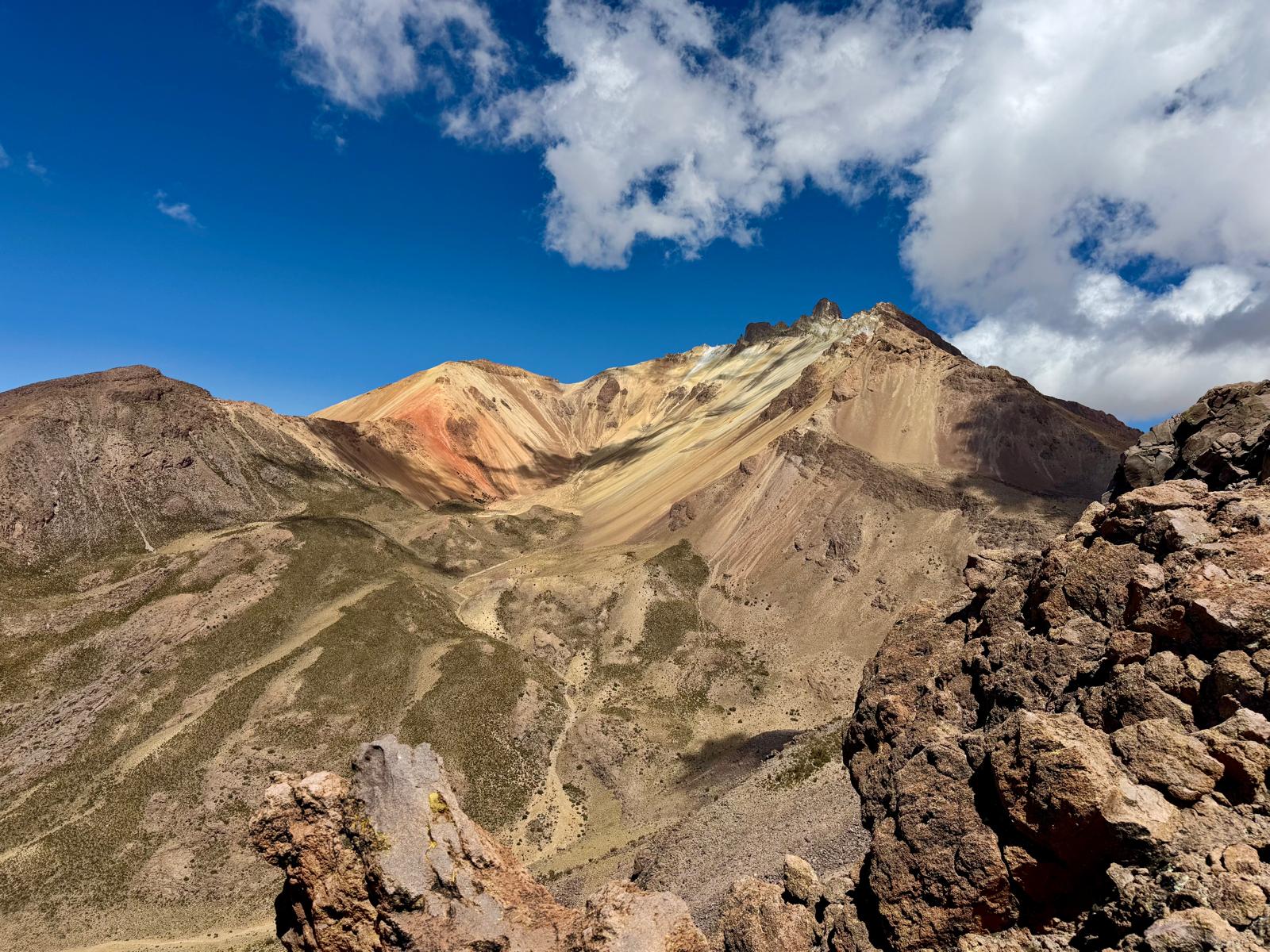
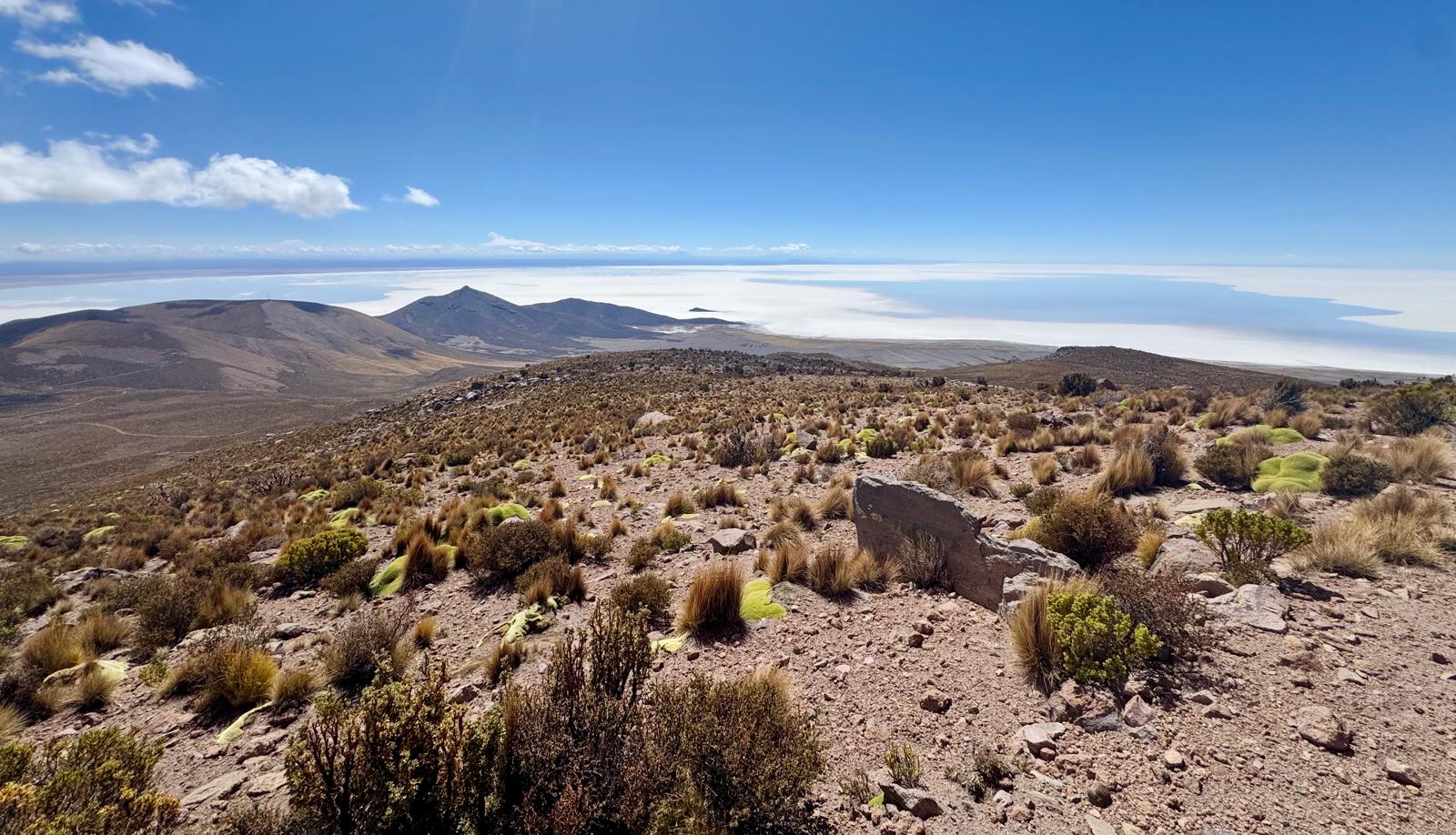
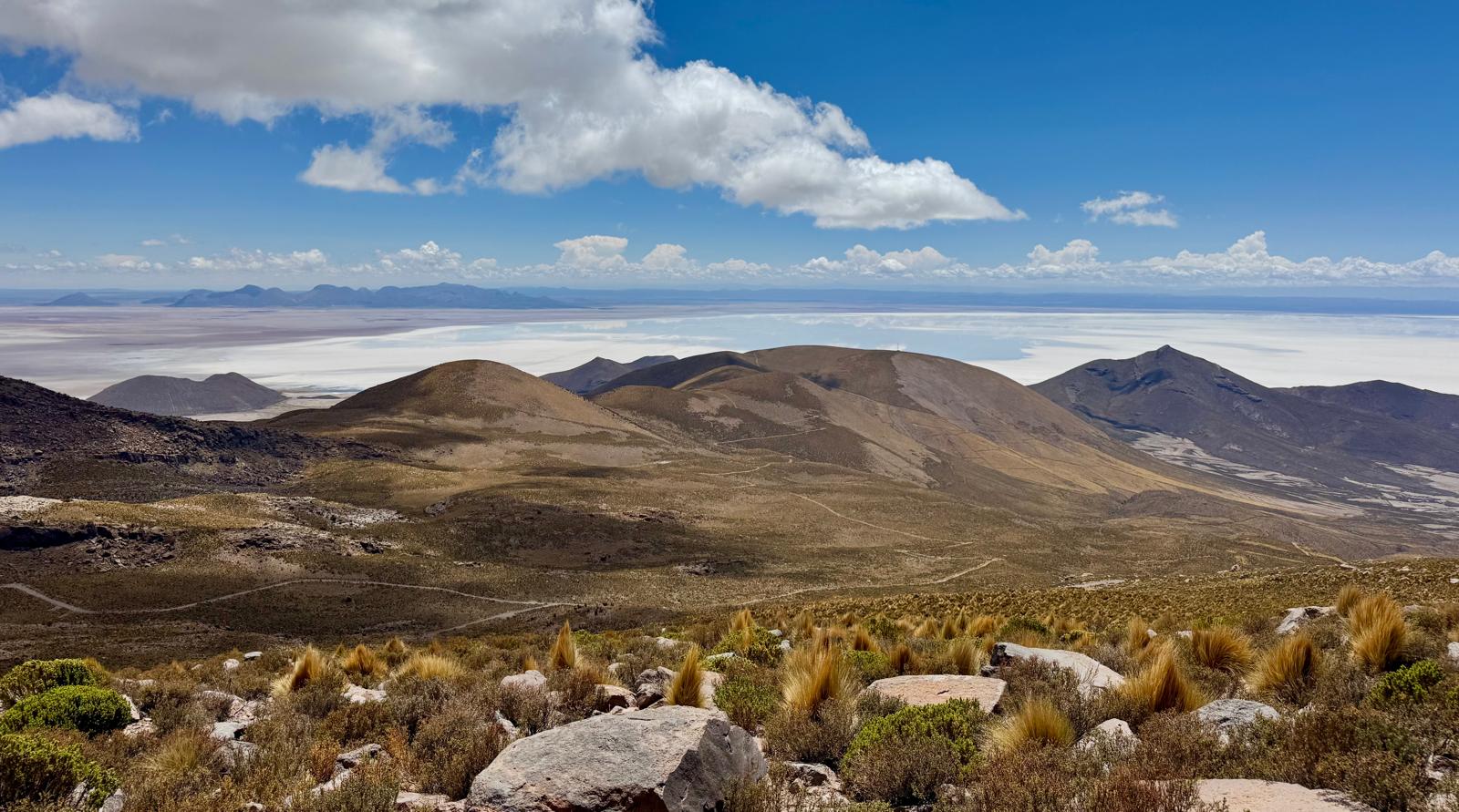
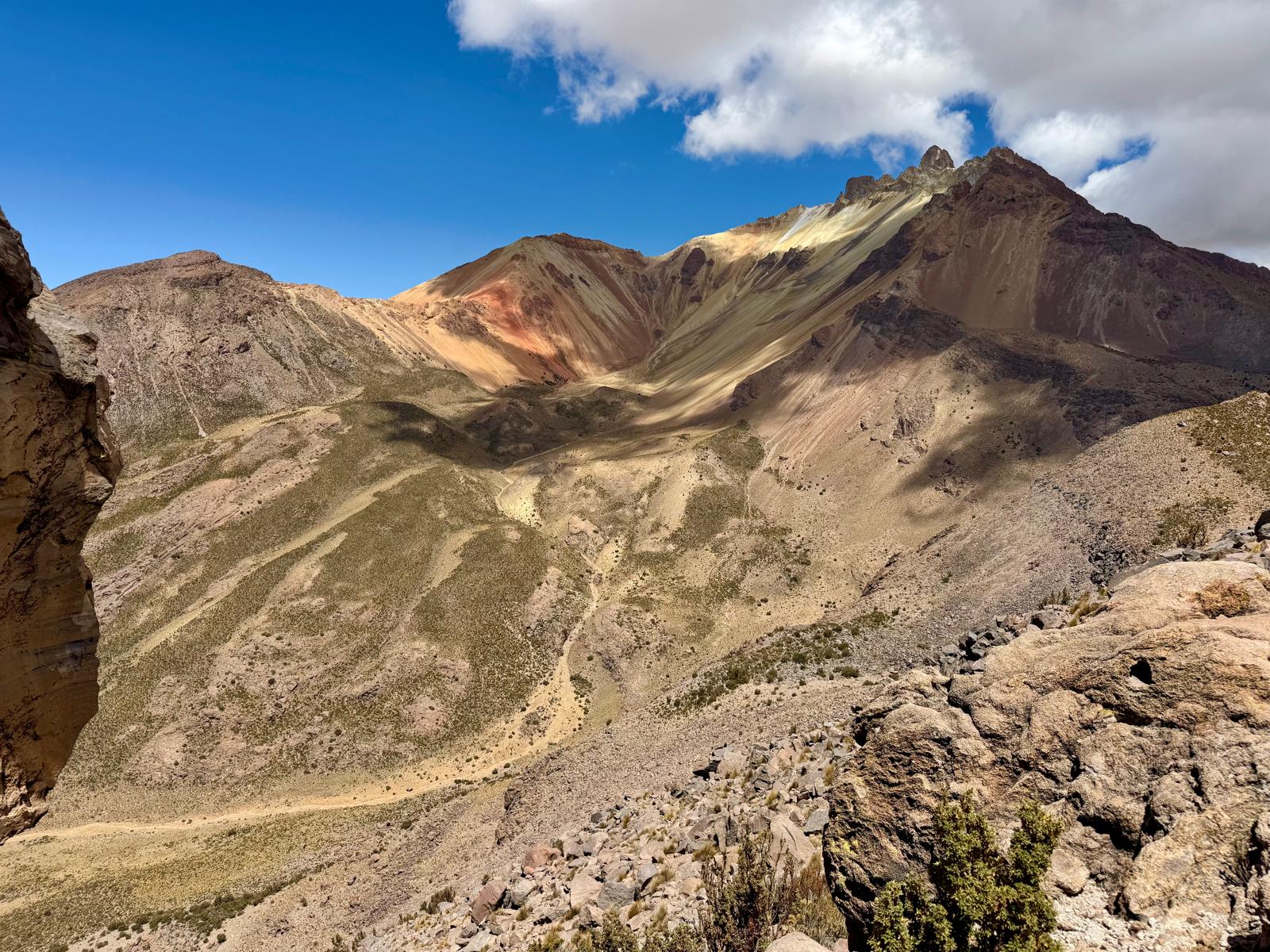
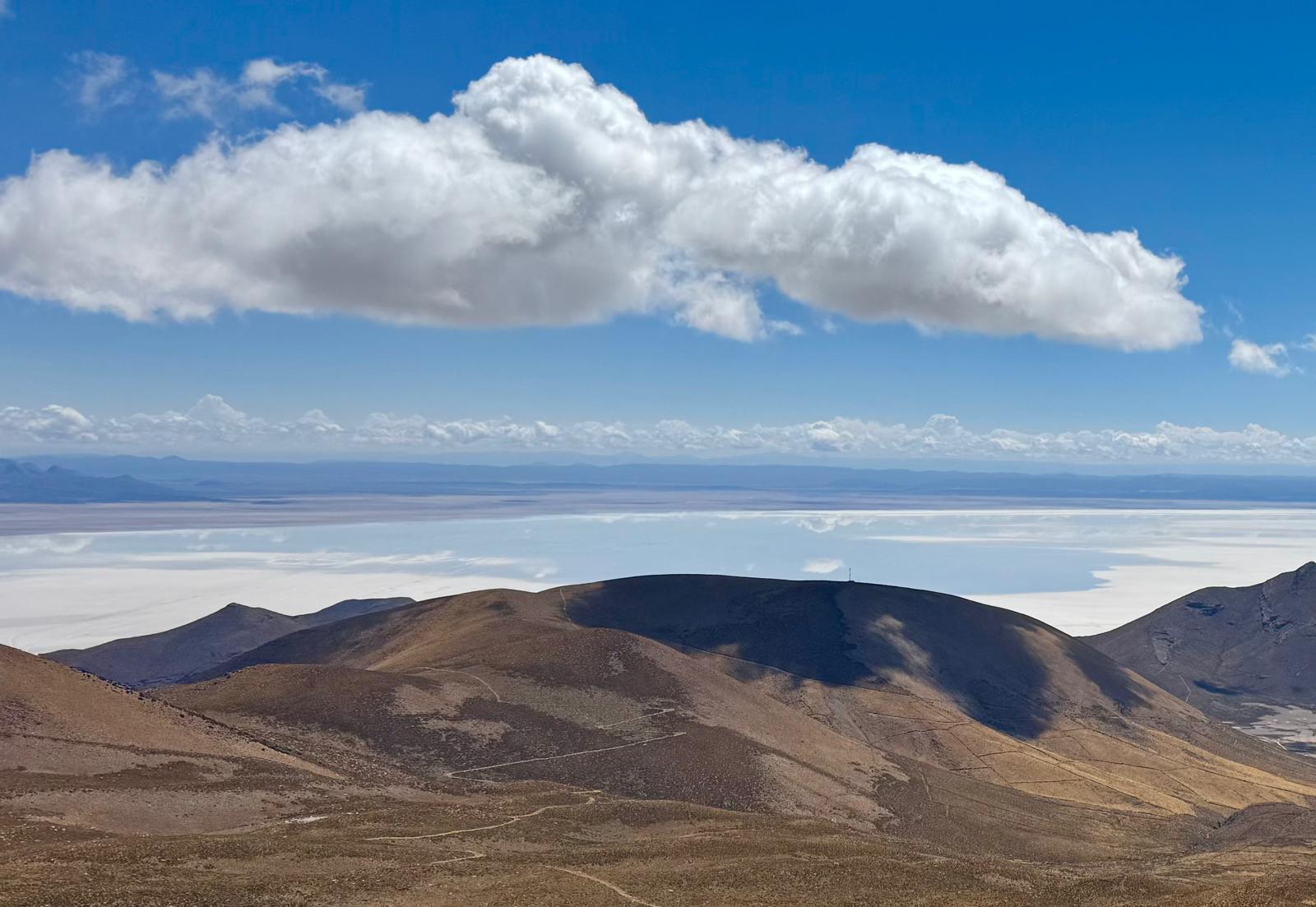
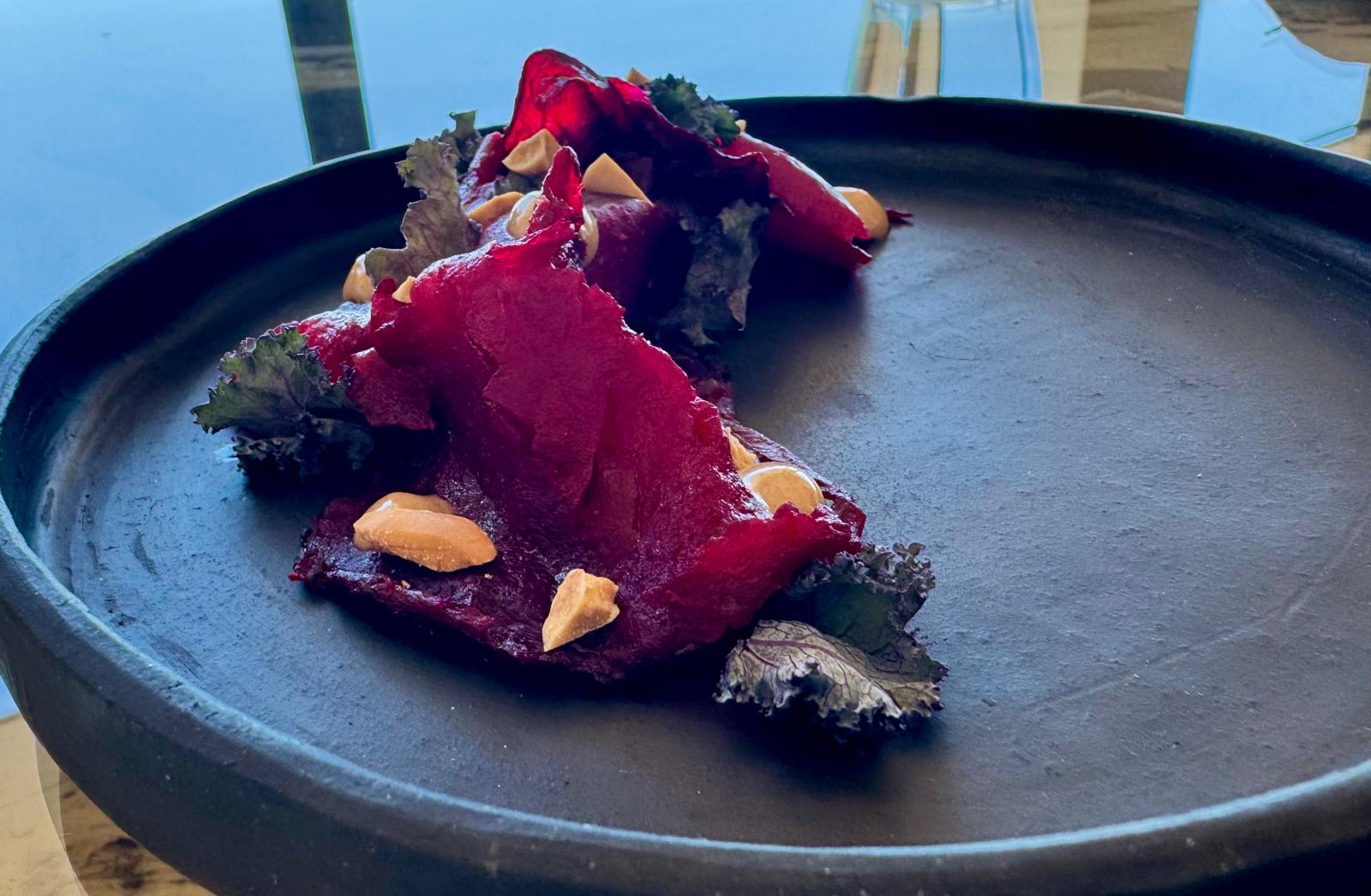
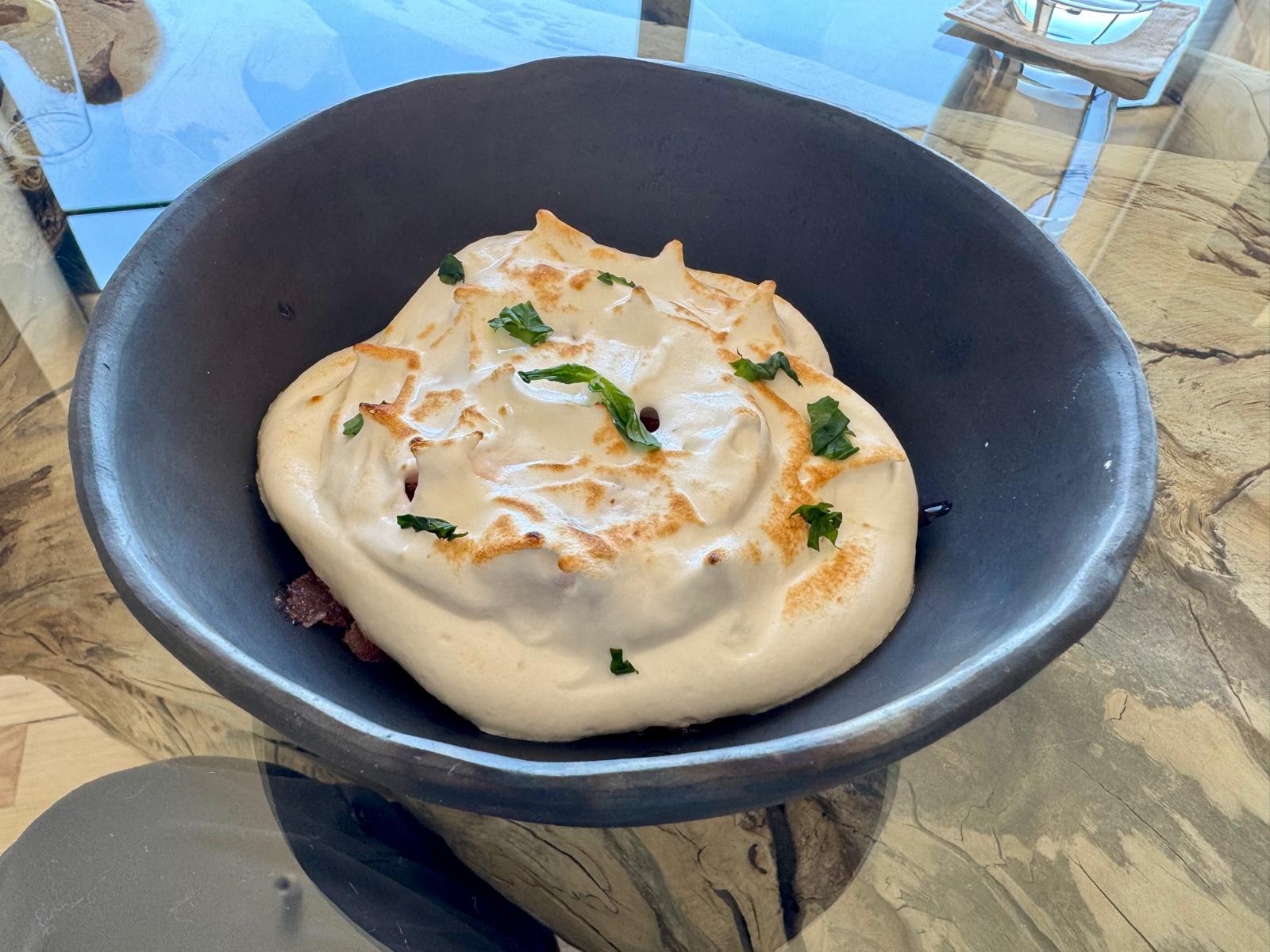
Eventually we made our way slowly back down the mountain, reaching Casa Gaston in time for lunch. I think this may be the first place we have stayed where the food just arrives – no choices and no warning. But it is always delicious – light and tasty and featuring lots of local ingredients. Lunch today was a beetroot carpaccio, followed by a local rice rissotto served with coral trout or mushrooms and finished with a watermelon granita with a meringue topping.
This afternoon, as has become our custom the last few days, we took the opportunity to rest and catch up on things back home. Later in the afternoon we tried out the hot tub on the roof deck of our hotel room. We continued to be awed by the incredible reflections on the Salar.
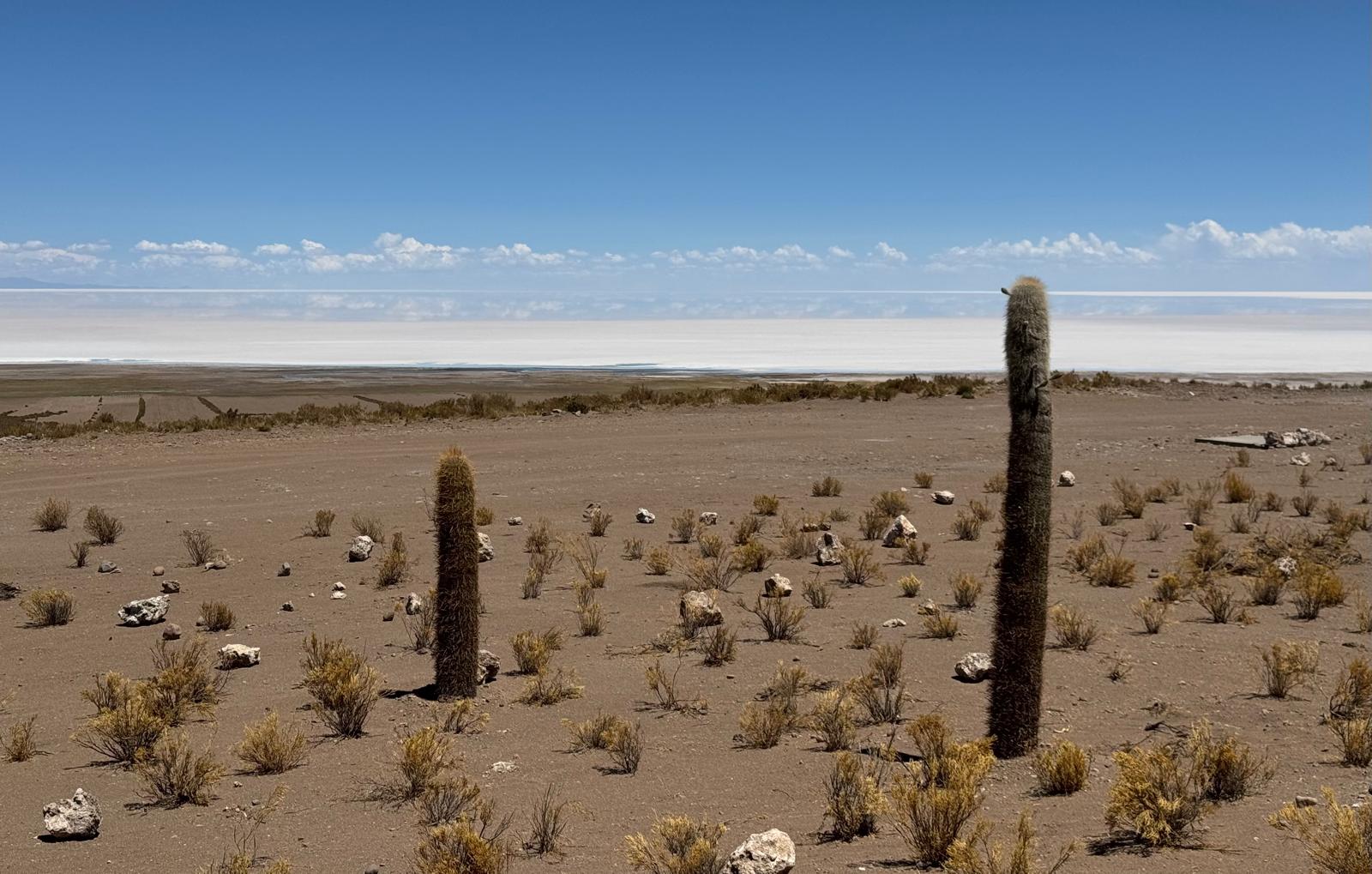
While up near the volcano, Jorge had provided a lot more information about this incredible country. It was originally part of the Kingdom of Peru and only became Bolivia when it gained independence from the Spanish in 1825. More recently it has been renamed the Plurinational States of Bolivia to recognise the thirty indigenous tribes in the country. It is a very interesting country with a fascinating history, going way back and with close ties to the history of the other Andean cultures.
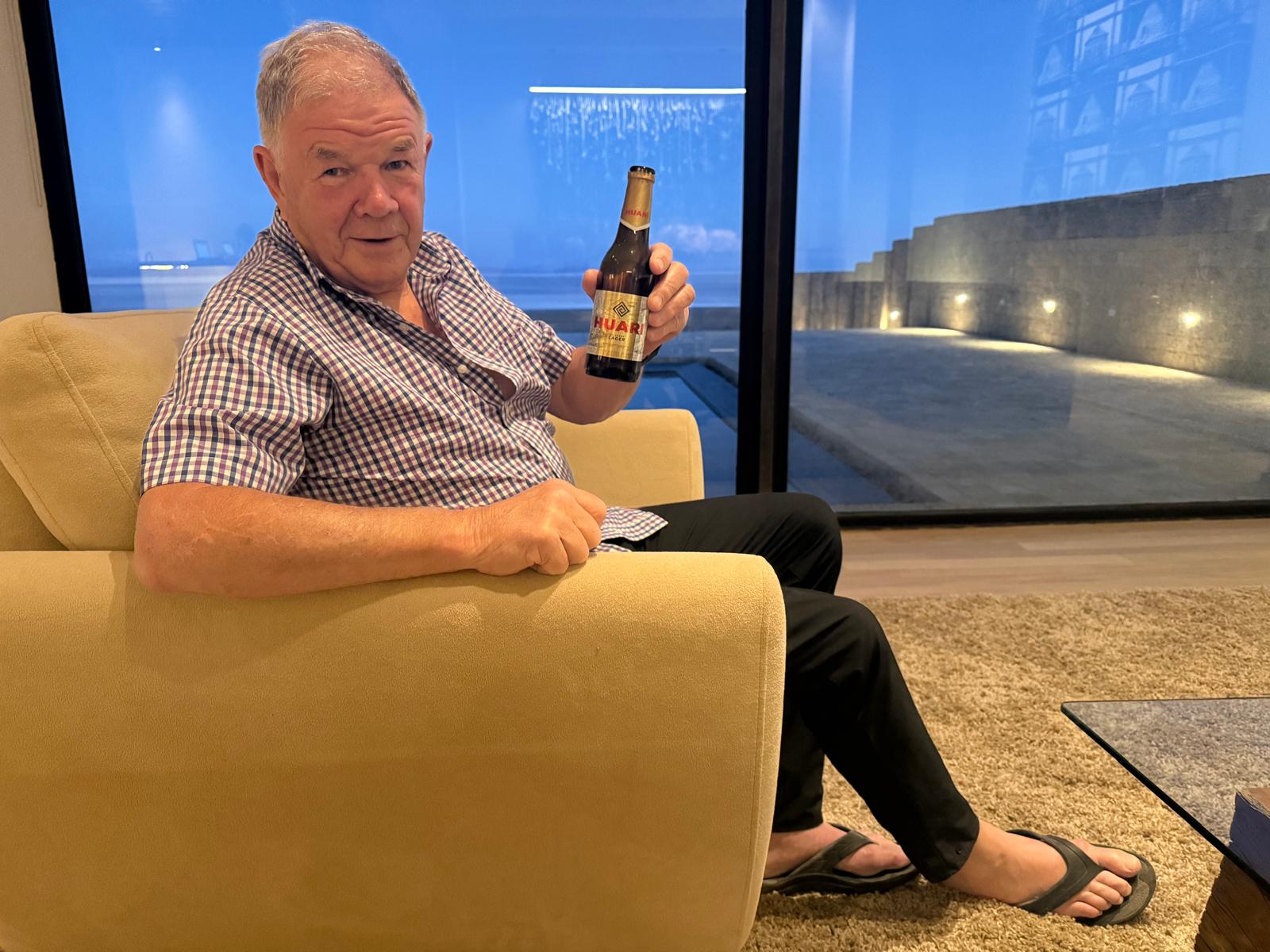
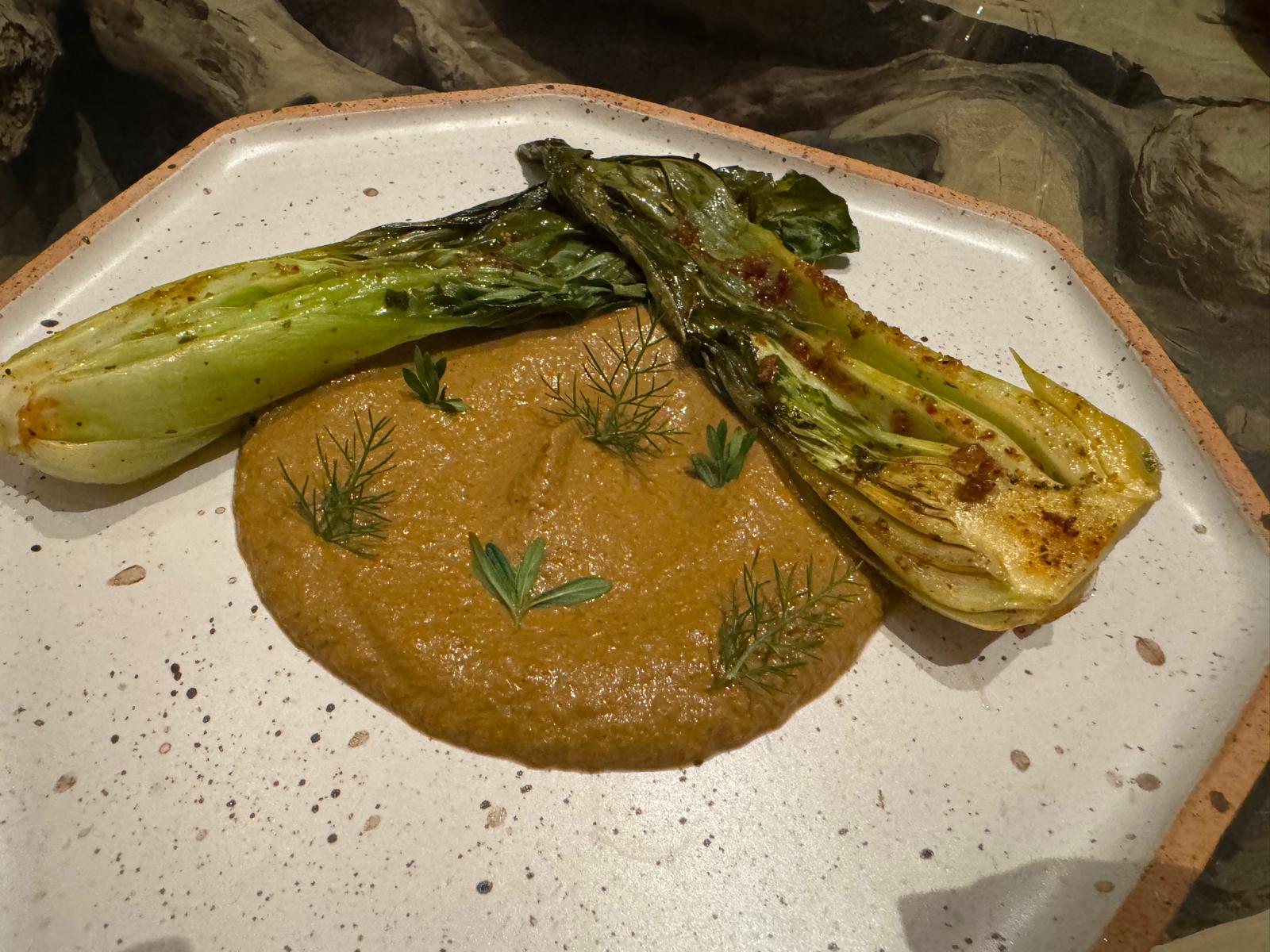
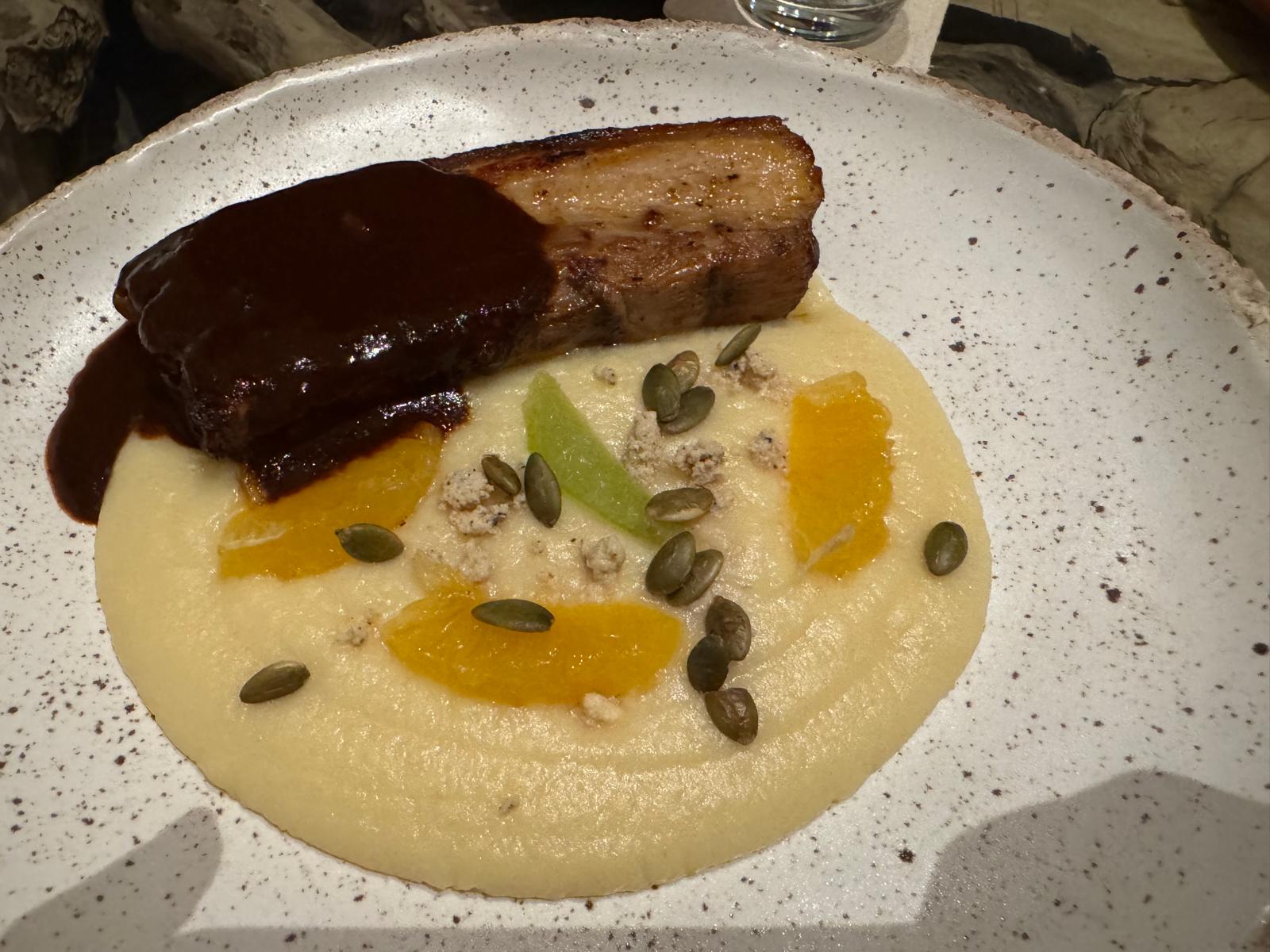
We enjoyed another interesting dinner before retiring for the night. Roger tried one of the local beers. The bok choy with mole sauce was not my favourite in looks or in taste. The pork chop though was delicious. We finished off with spiced poached pears with a delicious honey cream and a crumble topping. It will be an early night tonight as we have another early start tomorrow for our trip back to La Paz.
Wednesday 11 November 2026: Uyuni to La Paz – Roger
It was just after 6am when we said goodbye to Natalie and Julietta at Casa Gaston, and mounted the trusty Toyota land cruiser with our non-English speaking guide, Rafael, and driver, the same two that drove us here from the airport a few days ago. We headed through the local village and out onto the salt, cruising along at 60 to 70 kms an hour. I would have been tempted to go much much faster.
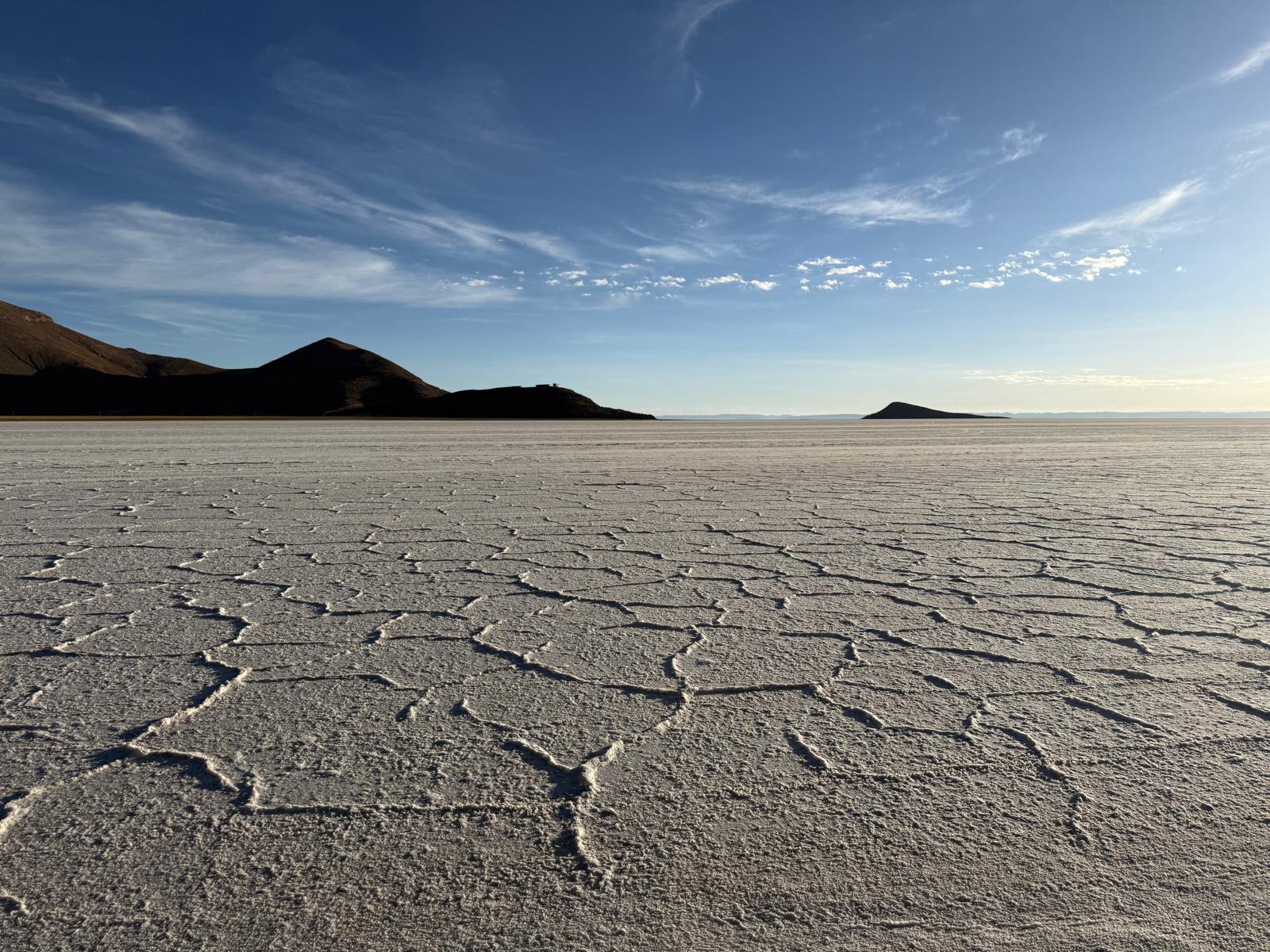
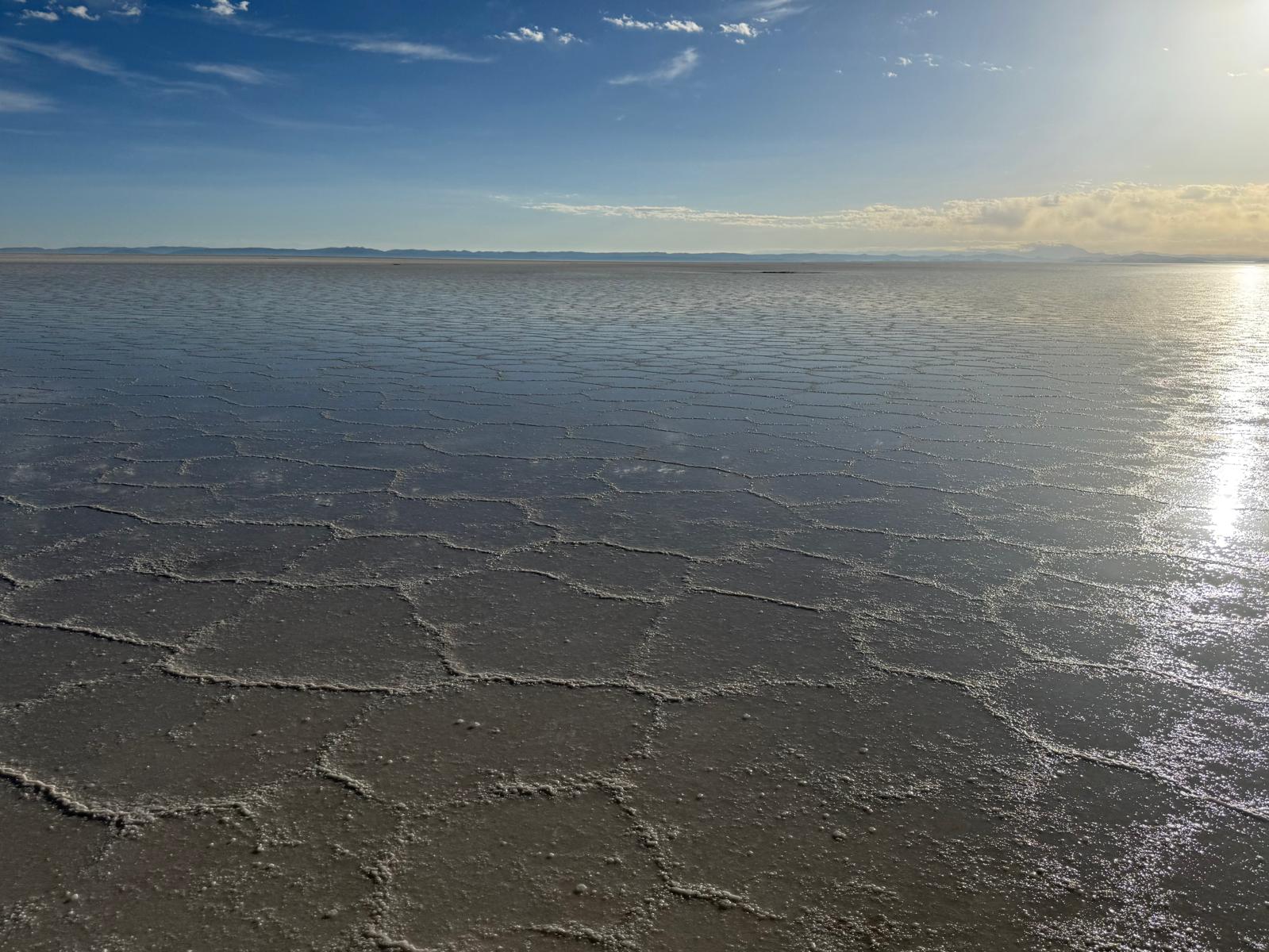
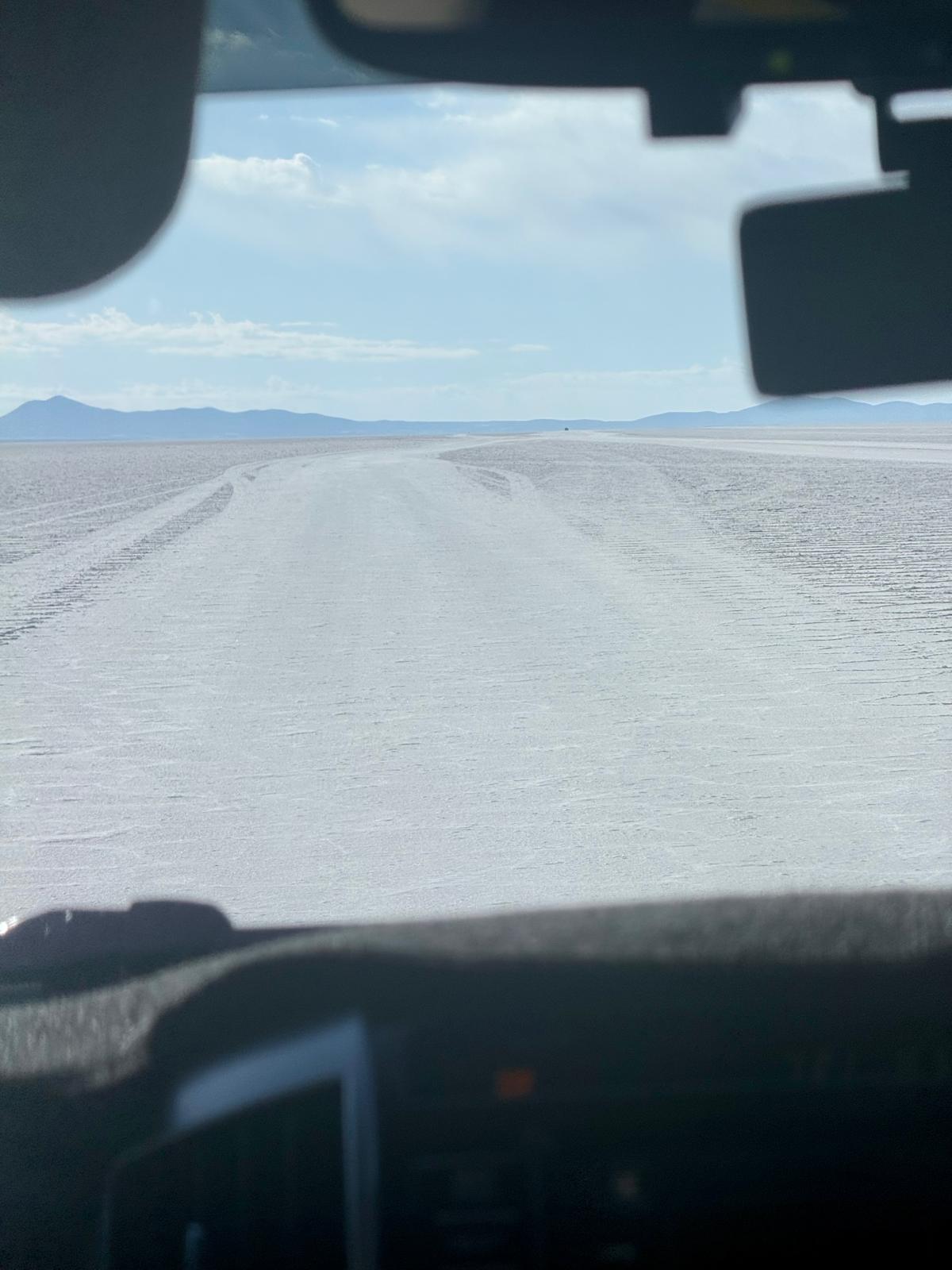
It was a stunning day with few clouds around and a bright blue sky. About 40 minutes into the journey we hit a wet patch; there was only a tiny amount of water on the salt but the driver slowed down to about 40 kph, I presume to stop the salt splashing all through the vehicle. This got me thinking as this is supposed to be the largest flat area of land on earth. How does the flat bit work with the curvature of the earth? Maybe my engineer friends Stan and Steve can answer that. As we got closer to Uyuni, the track in the salt became wide and well worn.
The check in at the airport was a breeze and we were soon through security and sitting in the departure lounge, which even had its own coffee bar.
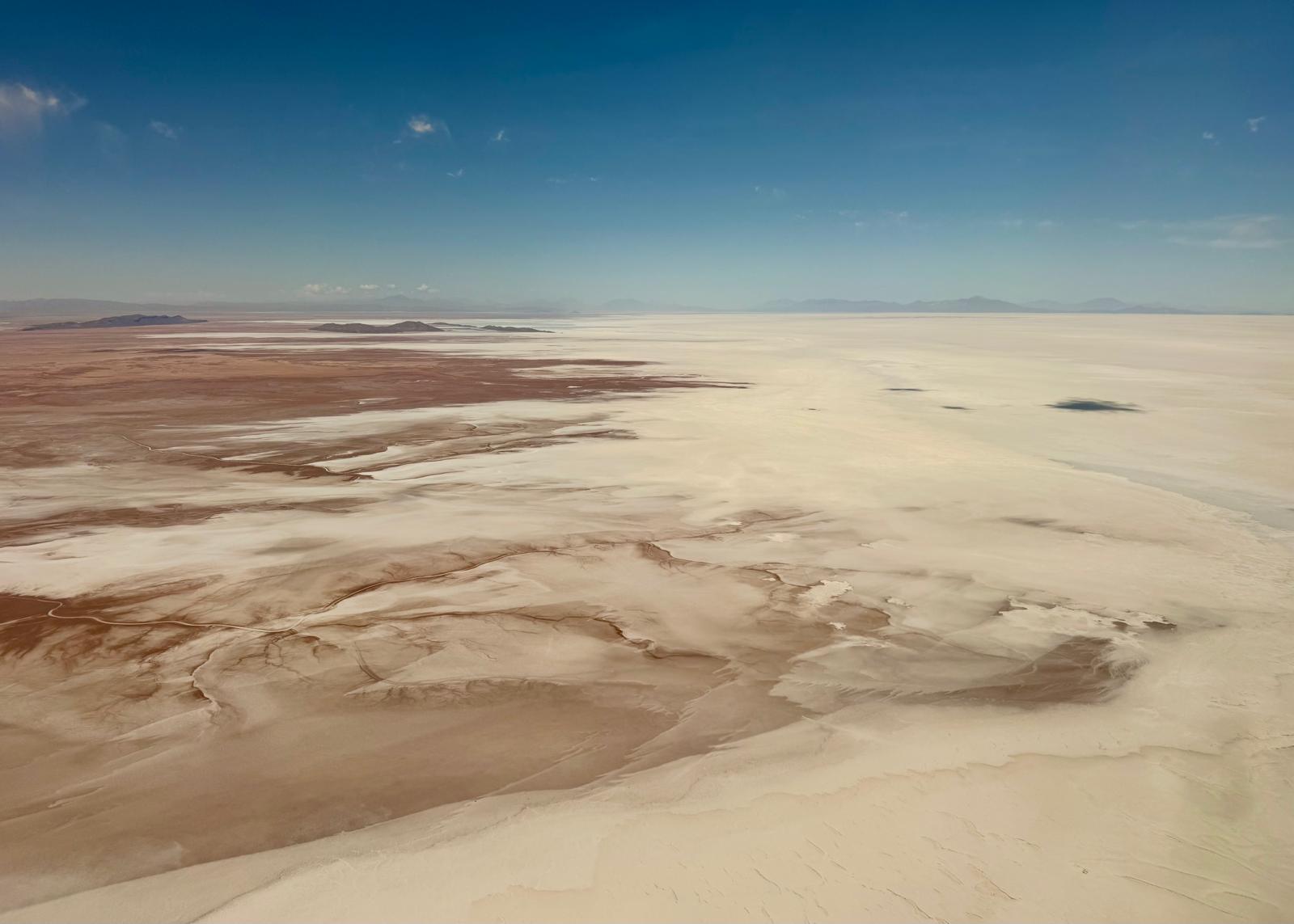
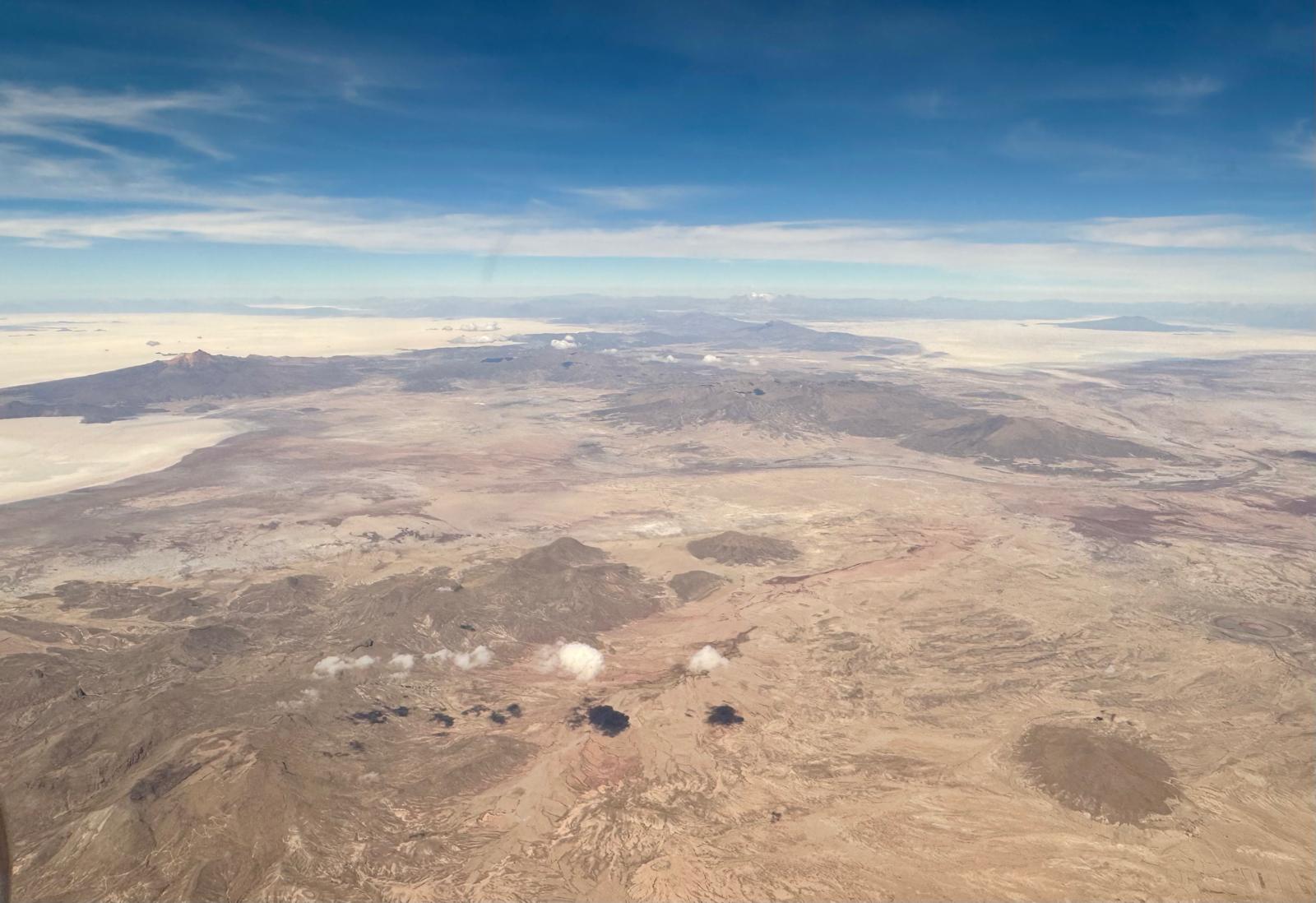
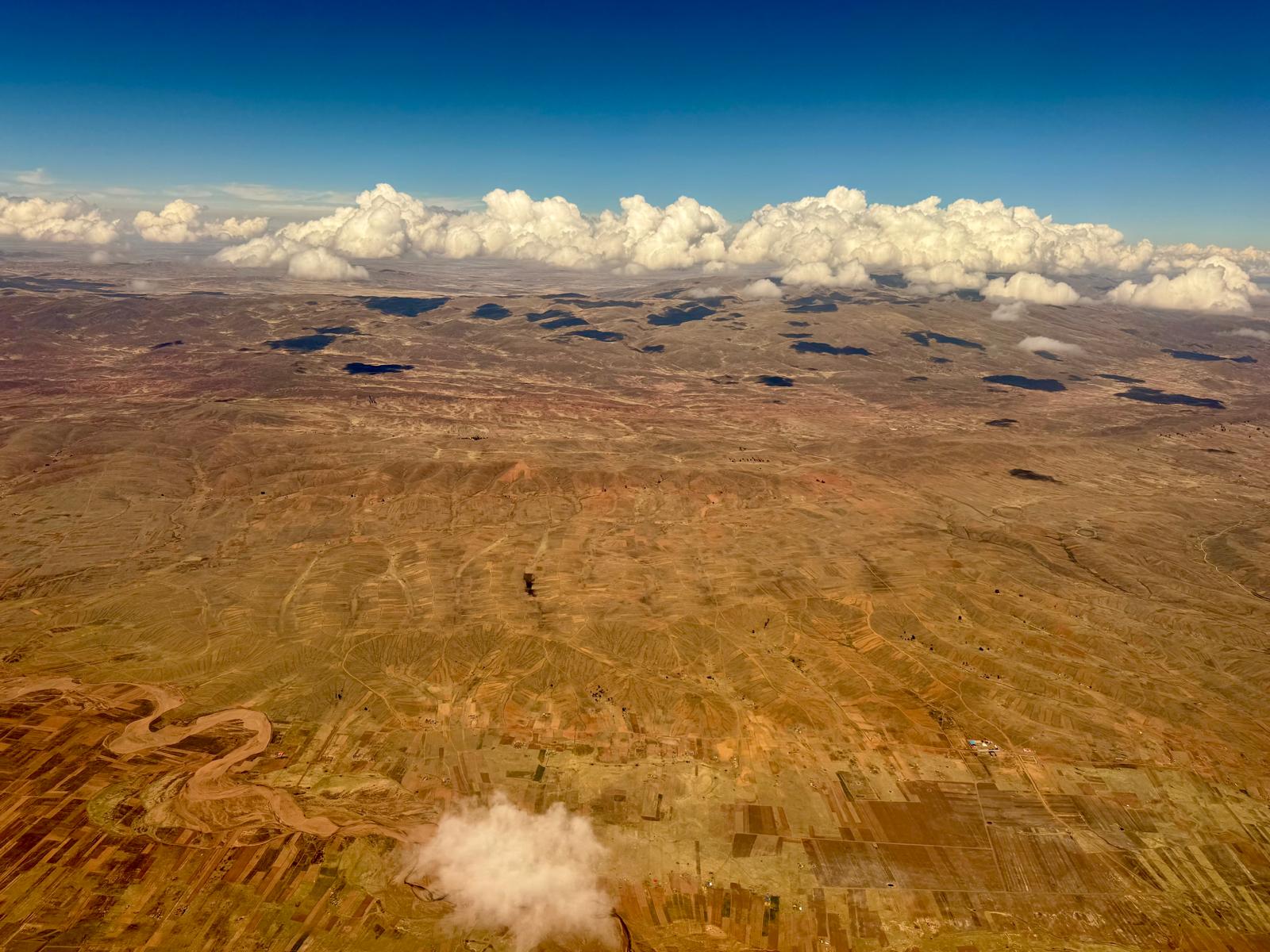
We flew out across the salt flats giving us a good idea of the vastness of this place. Beyond the salt every bit of smooth land was cultivated ready for the quinoa and potato crops to be planted. In some places these cultivated patches are quite steep.
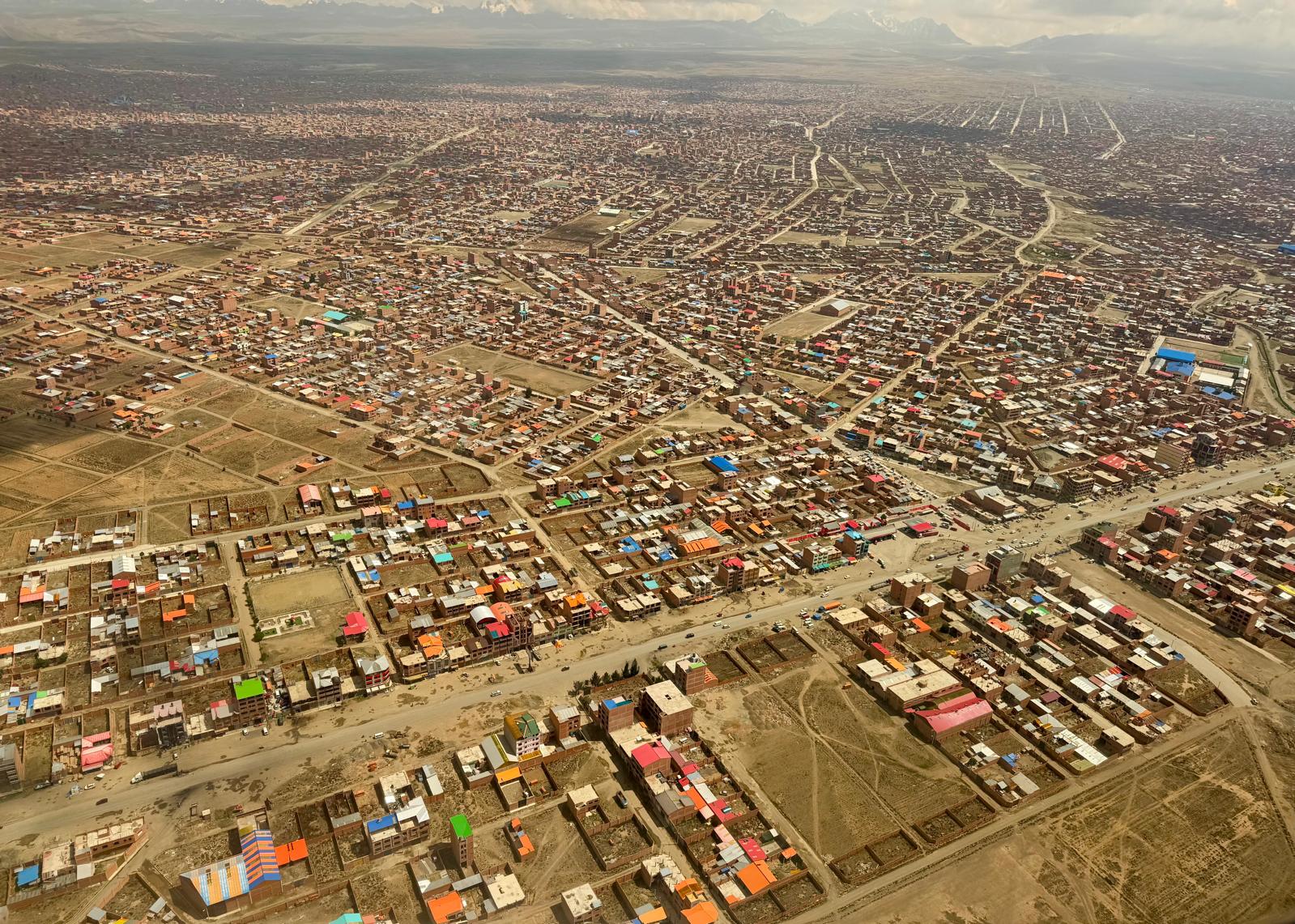
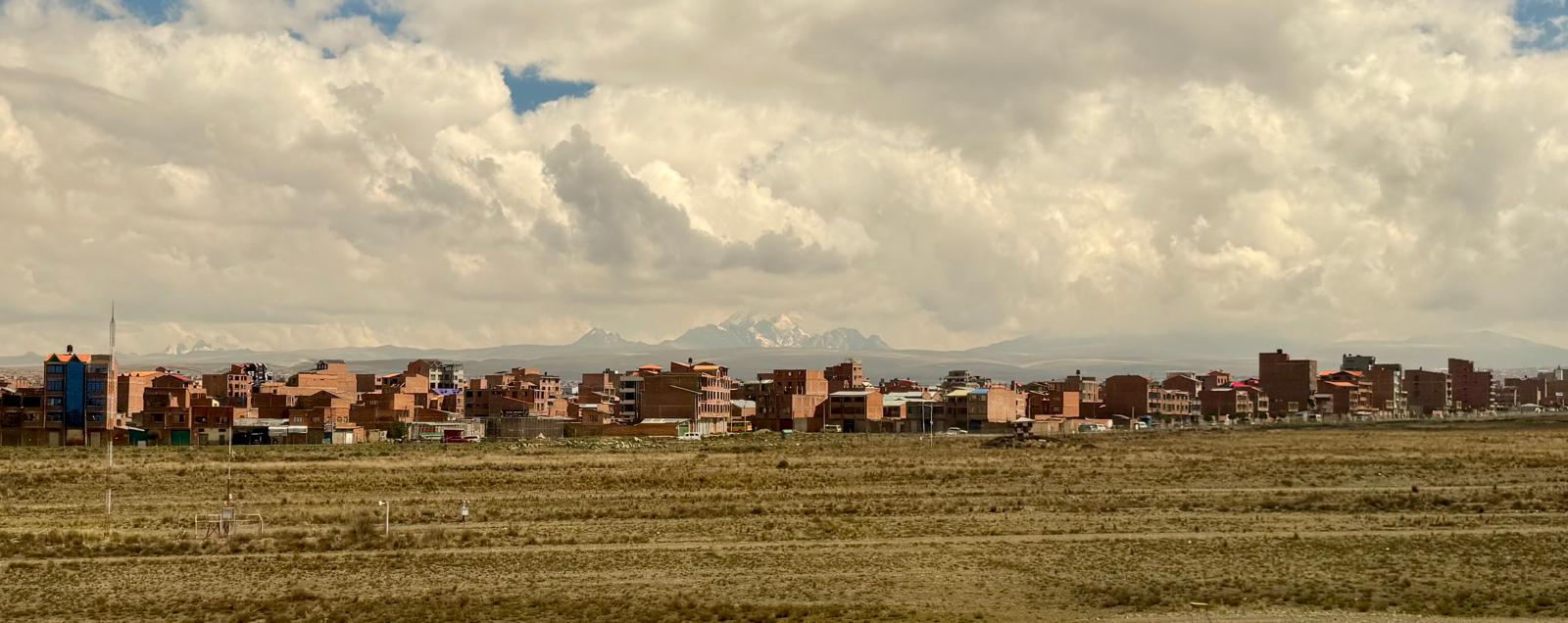
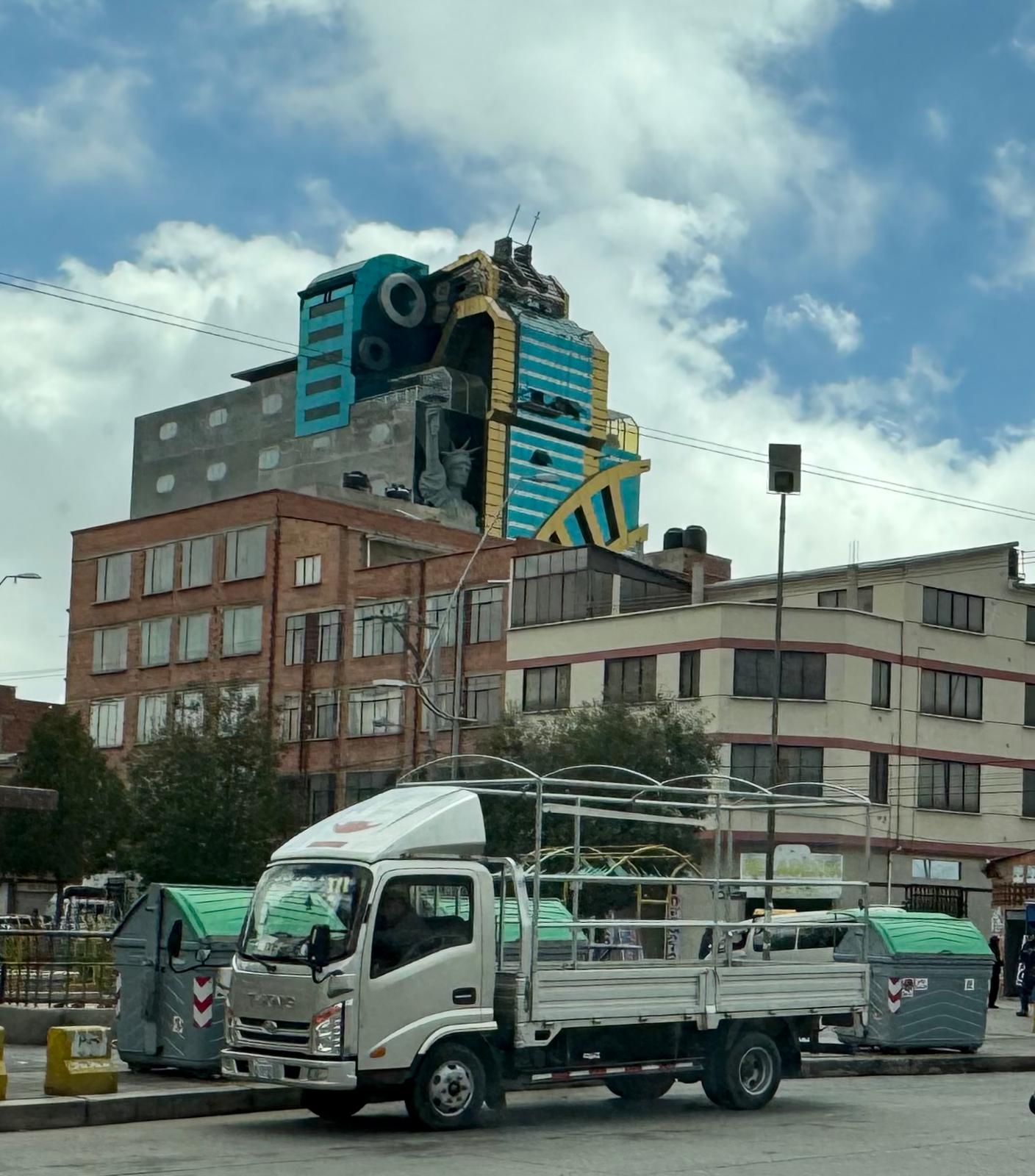
Landing at El Alto airport we were met by a new guide, Anita, who’s English was excellent. On our journey through the town she pointed out a building that had the head of the Statue of Liberty on it, along with some other sculpture-type things. She explained that this was a party house and it apparently is a custom here that an elder from each family, at some point during their life, will put on a large party. As part of this tradition they will provide everything from dance costumes to alcohol. The building we had just passed is one of the places they used to host such parties.
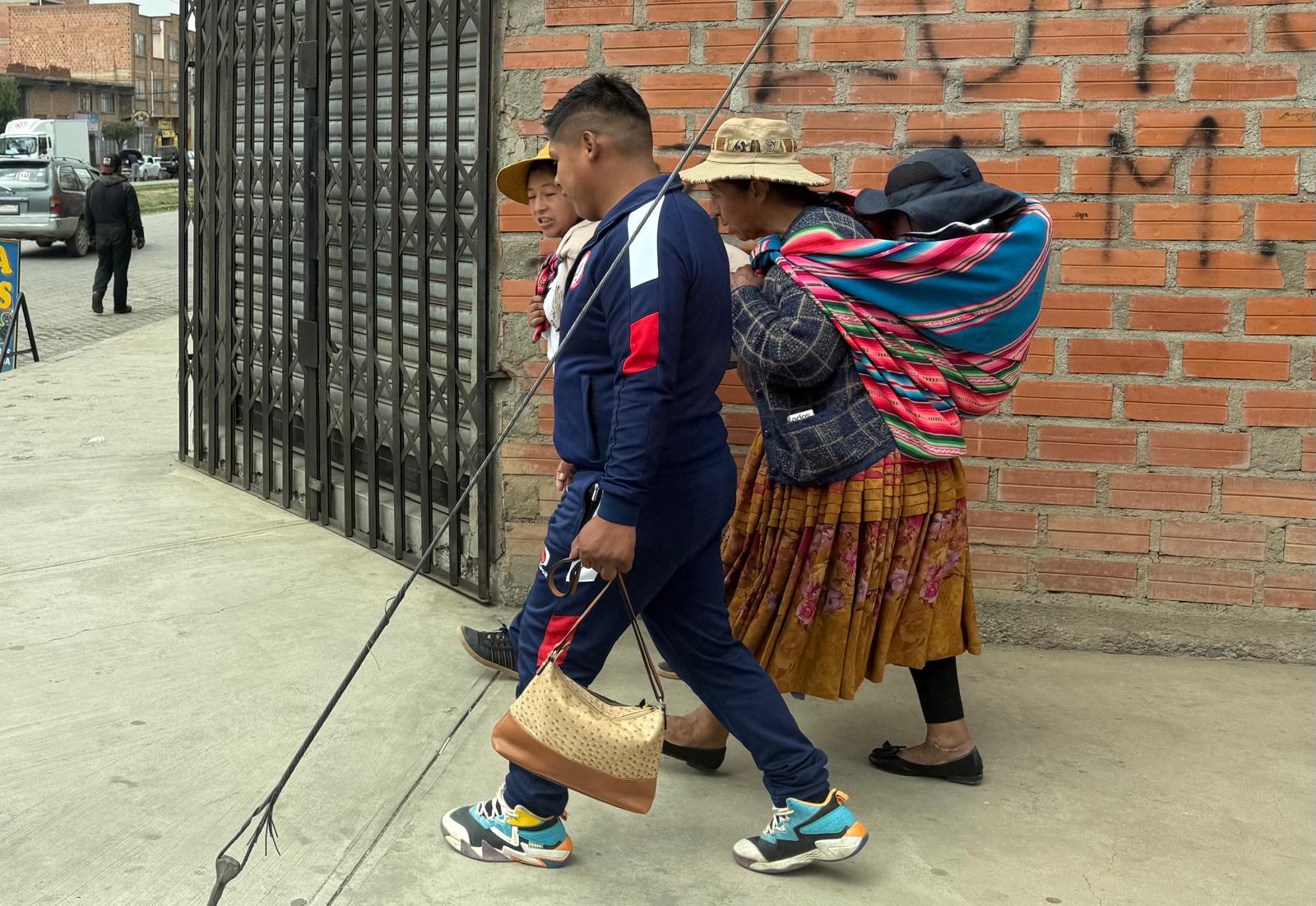
We took a back route or a different route to the Met Hotel as apparently the teachers were on strike again and blocking roads, so no doubt the police would be out in their full riot gear. Apparently a few days ago one teacher tried to crucify themselves to the door of one of the office buildings.
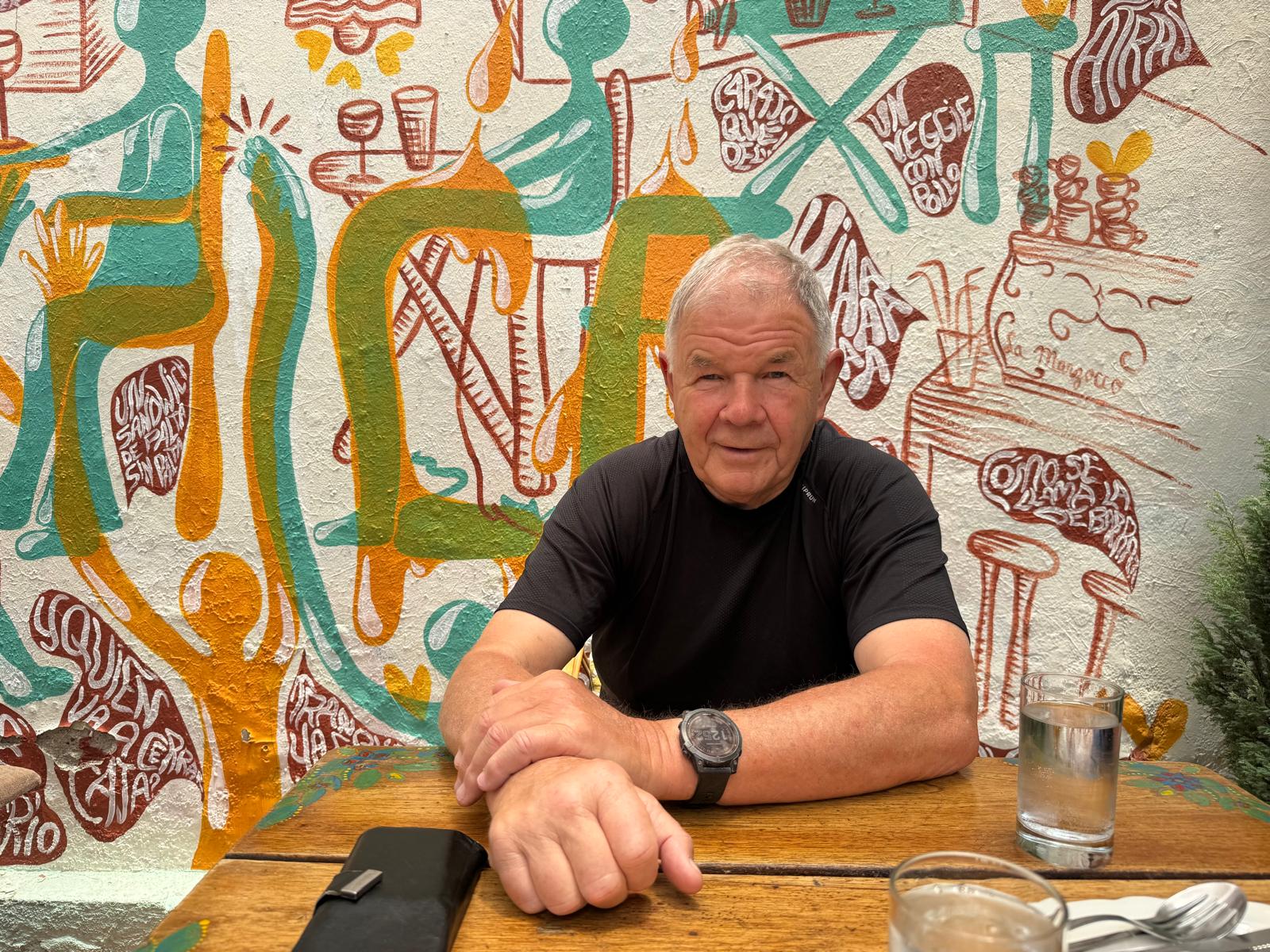
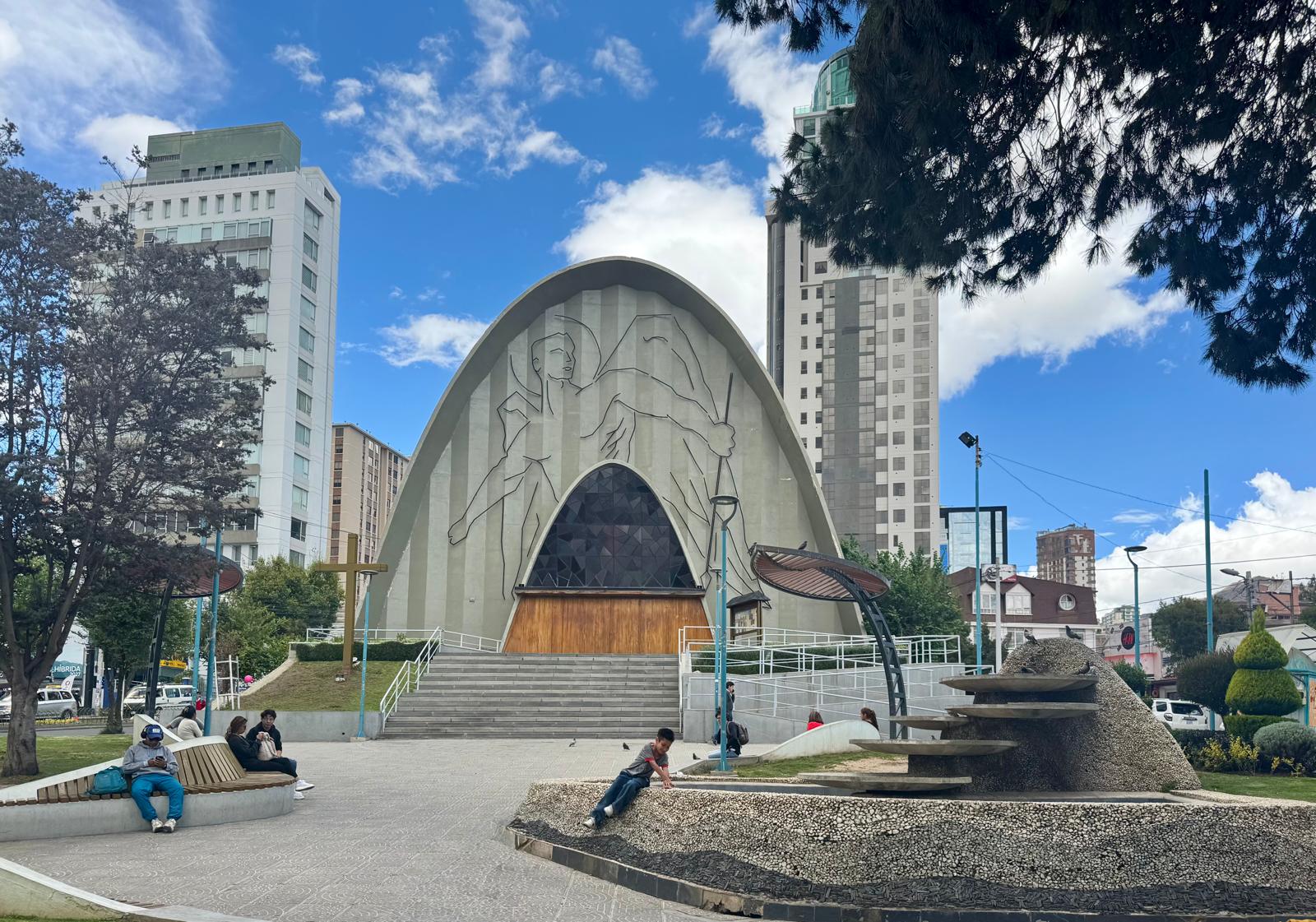
After checking into the Met, we took a stroll through the town to Typica cafe, just around the corner. This had been recommended by Jorge, our guide for a couple of days on the salt. According to the signage it had won the world’s best coffee award a number of times over the last few years. We enjoyed a light lunch before strolling the 1.2kms back to the hotel. The latter part of the afternoon we spent relaxing and I went to the hotel spa for a massage.
We ate dinner at the hotel restaurant before turning in for the night. Tomorrow we leave Bolivia, heading for Buenos Aires to start our cruise south.
Amazing places, photos and commentary. Thanks you two. Great to see you looking so well Roger. Hope the jet lag and the altitude effects are behind you by now.
Enjoy the next part of your journeying.